Expert Tree Removal Demystified: Pro Tips You Need to Know
Looking for expert tree removal advice? Learn pro tips, legal concerns, and how to hire the best tree service in this comprehensive guide to expert tree removal.
Introduction to Tree Removal
What Makes Tree Removal So Important?
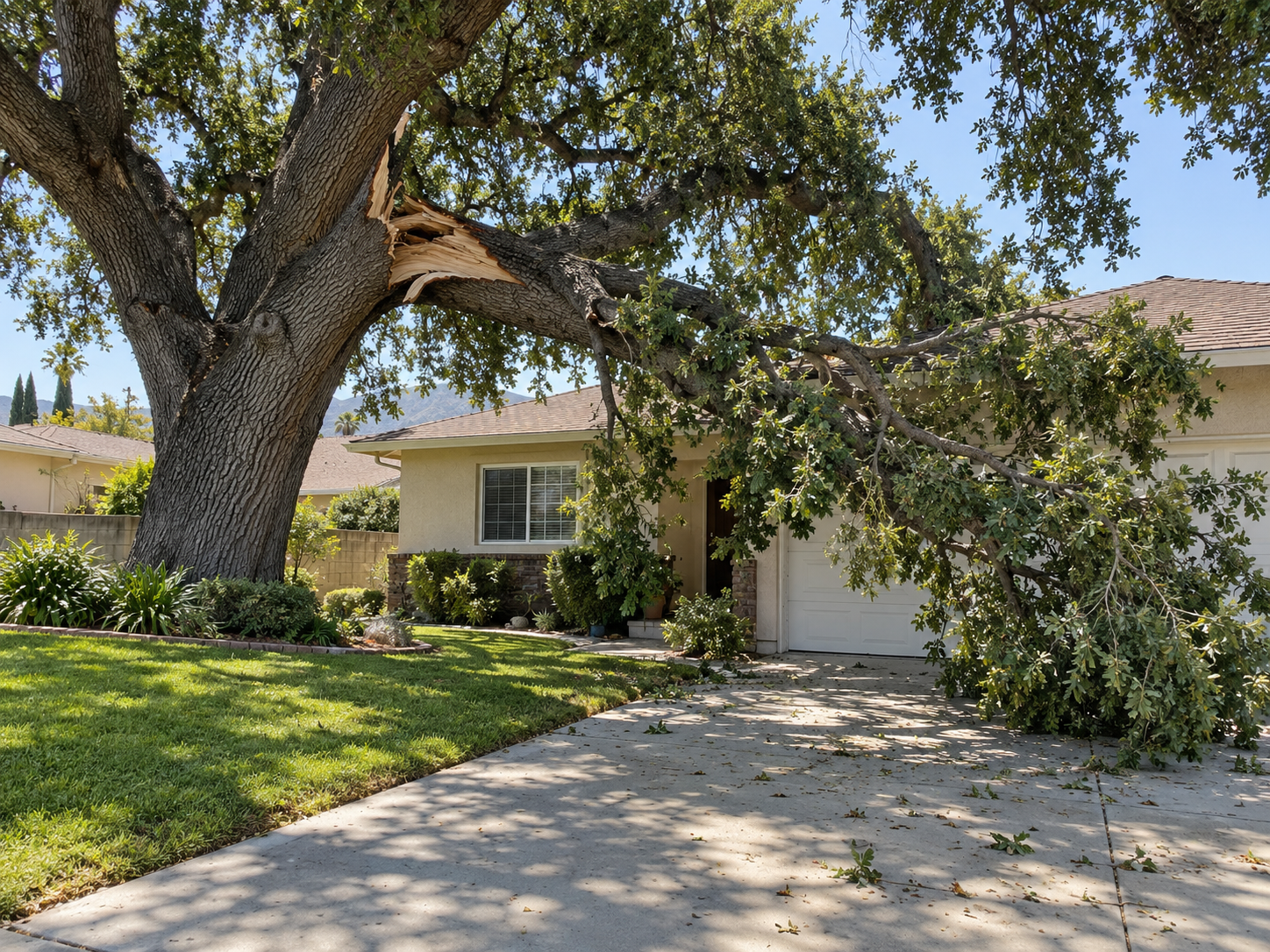
Trees are beautiful, natural protectors of our properties—but sometimes, they must go. Whether due to disease, storm damage, or encroaching roots, expert tree removal is a serious task requiring skill, safety, and knowledge. You might think it’s just about cutting down a tree, but there's so much more going on behind the scenes.
Removing a tree involves balancing environmental concerns, legal responsibilities, and property safety. It can also be dangerous if done incorrectly. This article will guide you through every detail, from spotting a risky tree to hiring the right pros and understanding the removal process from root to crown.
Understanding Tree Removal
When Should You Consider Tree Removal?
Not every unhealthy or awkwardly-placed tree has to be removed. However, in certain scenarios, tree removal becomes necessary. You should consider it when:
- A tree is dead or dying
- It’s posing a safety hazard to your home or pedestrians
- The roots are damaging driveways, pipes, or foundations
- It's causing allergic reactions or pests to infest your yard
- Construction projects require land clearance
Being proactive can prevent bigger problems down the line.
Signs a Tree Needs to Be Removed
Watch for these warning signs:
- Vertical cracks or splits in the trunk
- Fungal growth like mushrooms at the base
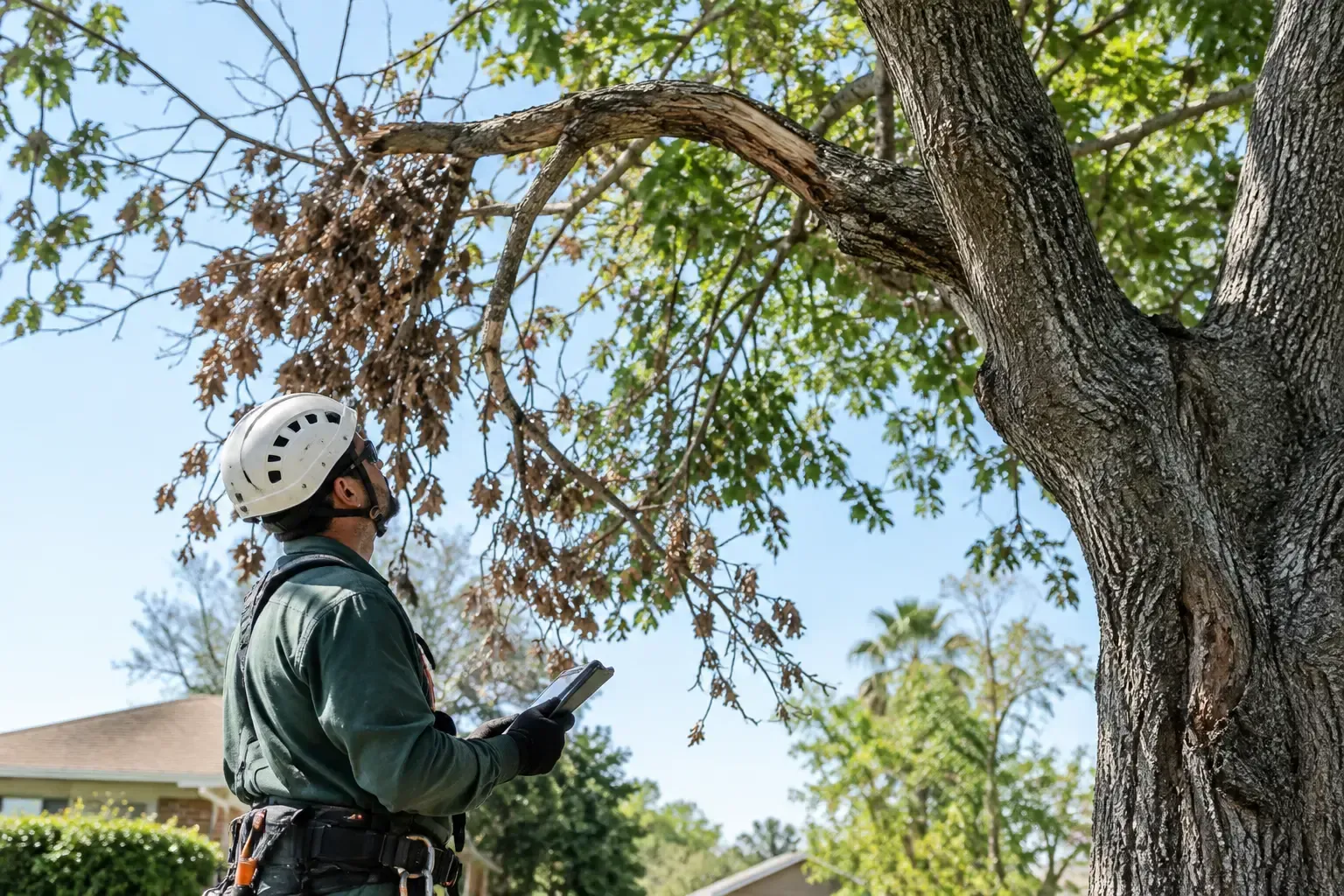
- Dead branches or thinning foliage
- A noticeable lean or hollow trunk
- Root damage or visible decay
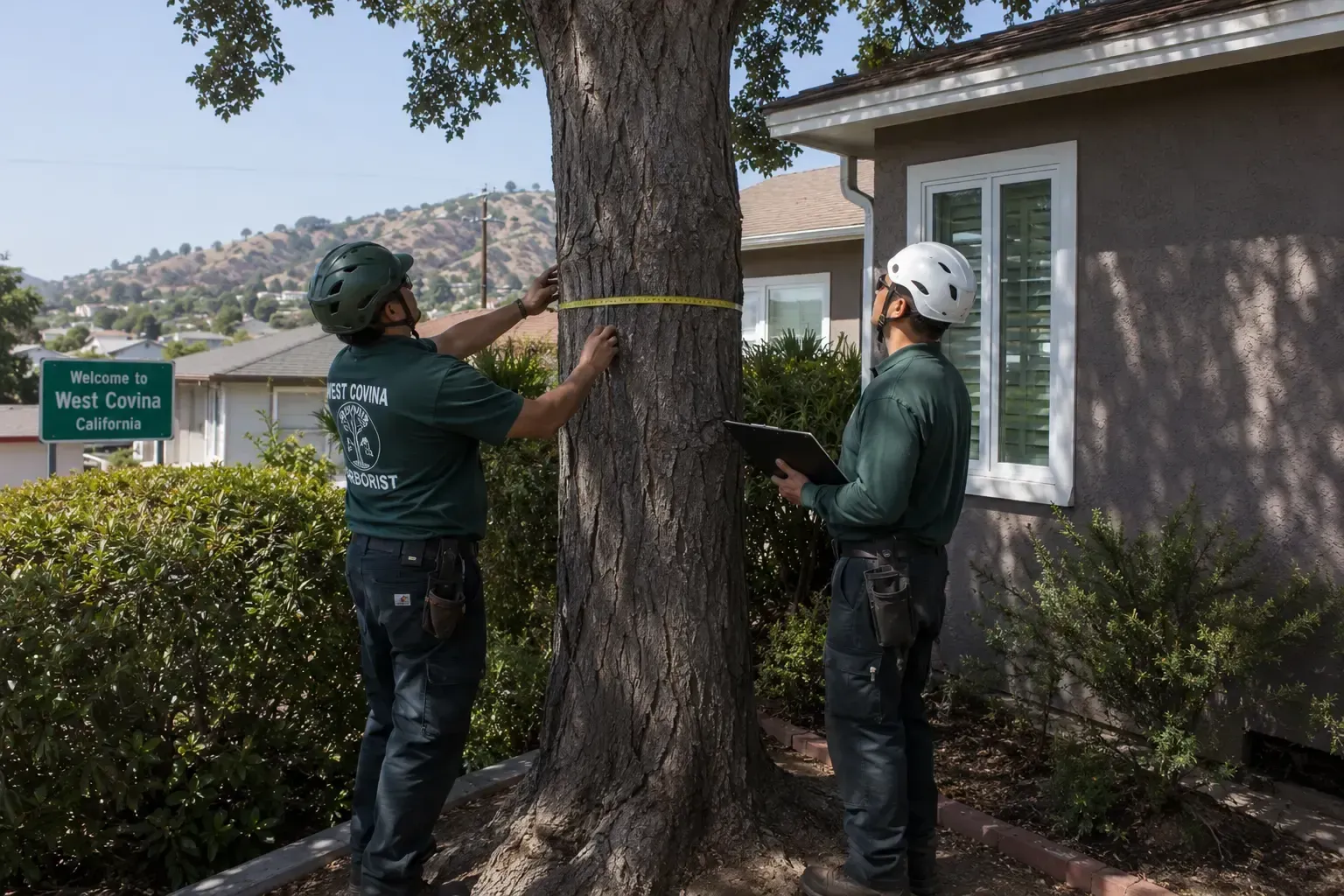
A certified arborist can help confirm whether removal is the safest option.
Risks of DIY Tree Removal
Dangers You Might Overlook
Trying to cut down a tree on your own can go wrong fast. Without proper training, you could:
- Misjudge where the tree will fall
- Hit power lines or nearby structures
- Injure yourself or others
- Cause irreparable property damage
Common Mistakes Homeowners Make
Some homeowners:
- Use dull or incorrect tools
- Underestimate the tree’s weight
- Fail to secure the work area
- Don’t wear proper protective gear
These mistakes can turn a weekend project into a disaster.
Why You Need Professional Tree Services
Benefits of Hiring Certified Arborists
Hiring pros for Tree Service ensures:
- Safety for you, your property, and workers
- Correct tree removal techniques
- Insurance protection
- Disposal of debris and stumps
What Sets Experts Apart from Handymen
Professionals:
- Are trained in arboriculture
- Use specialized equipment
- Understand tree biology
- Comply with city regulations
This expertise helps preserve the health of your remaining landscape.
The Tree Removal Process Explained
Step-by-Step Breakdown of Tree Removal
- Initial Assessment – Experts inspect the tree’s health and surroundings.
- Permit Check – Legal requirements are verified.
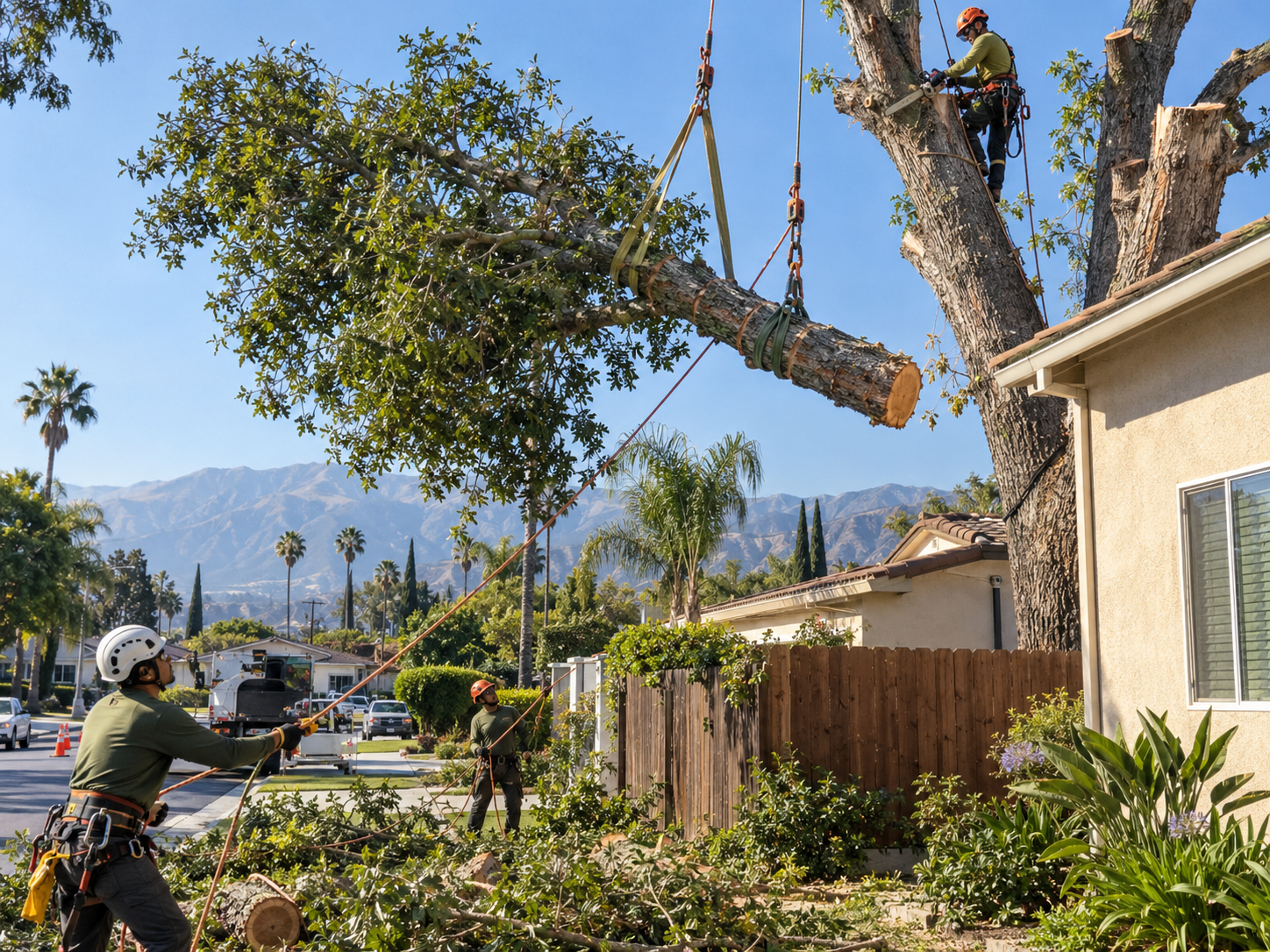
- Safety Prep – Workers wear protective gear and cordon off the area.
- Limb Removal – Branches are pruned from top down.
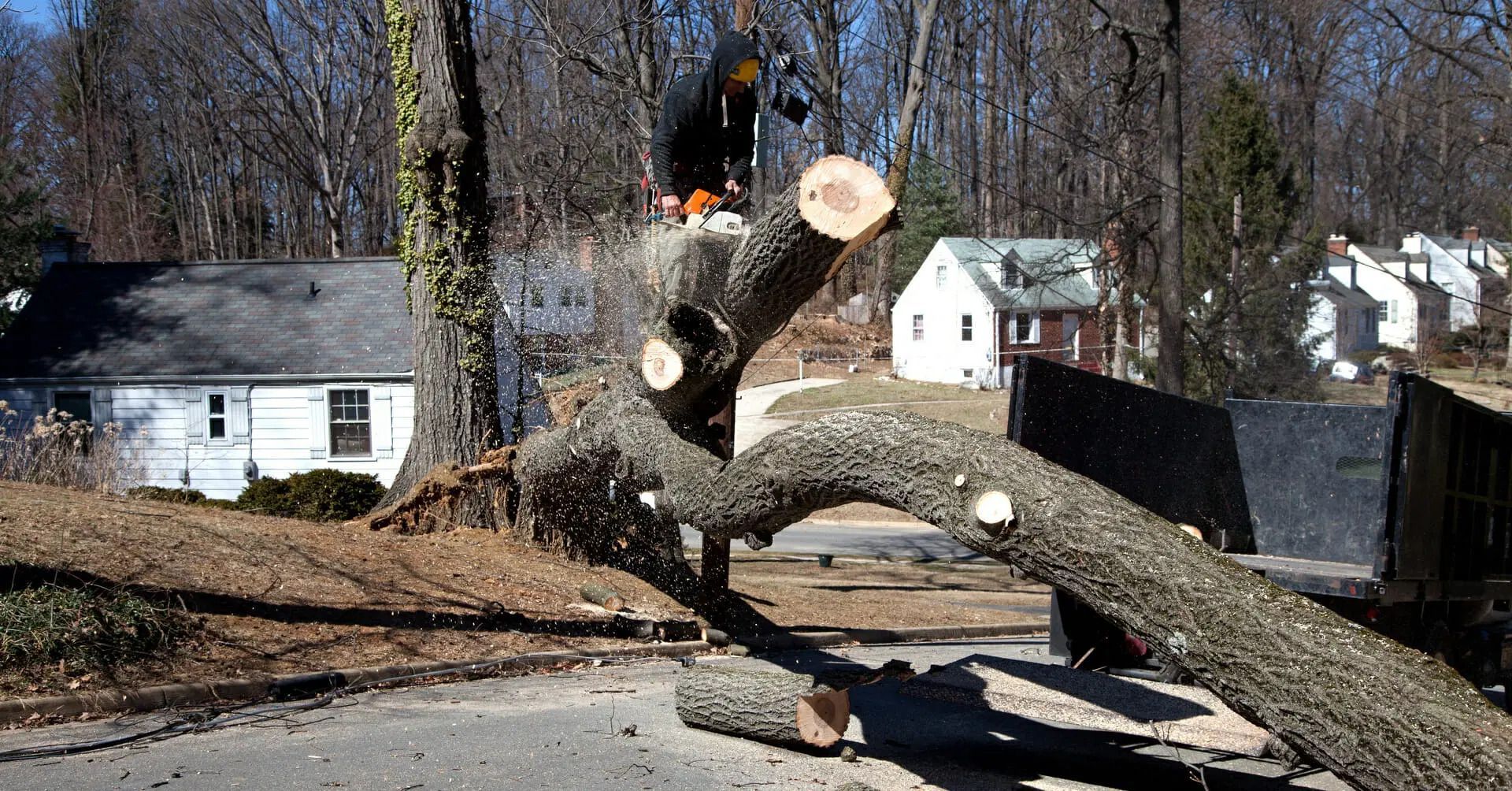
- Trunk Sectioning – The trunk is cut in sections.
- Stump Removal – Depending on your request, stumps are ground down or extracted.
Tools and Equipment Used by Professionals
- Chainsaws
- Crane systems
- Rigging gear
- Wood chippers
- Stump grinders
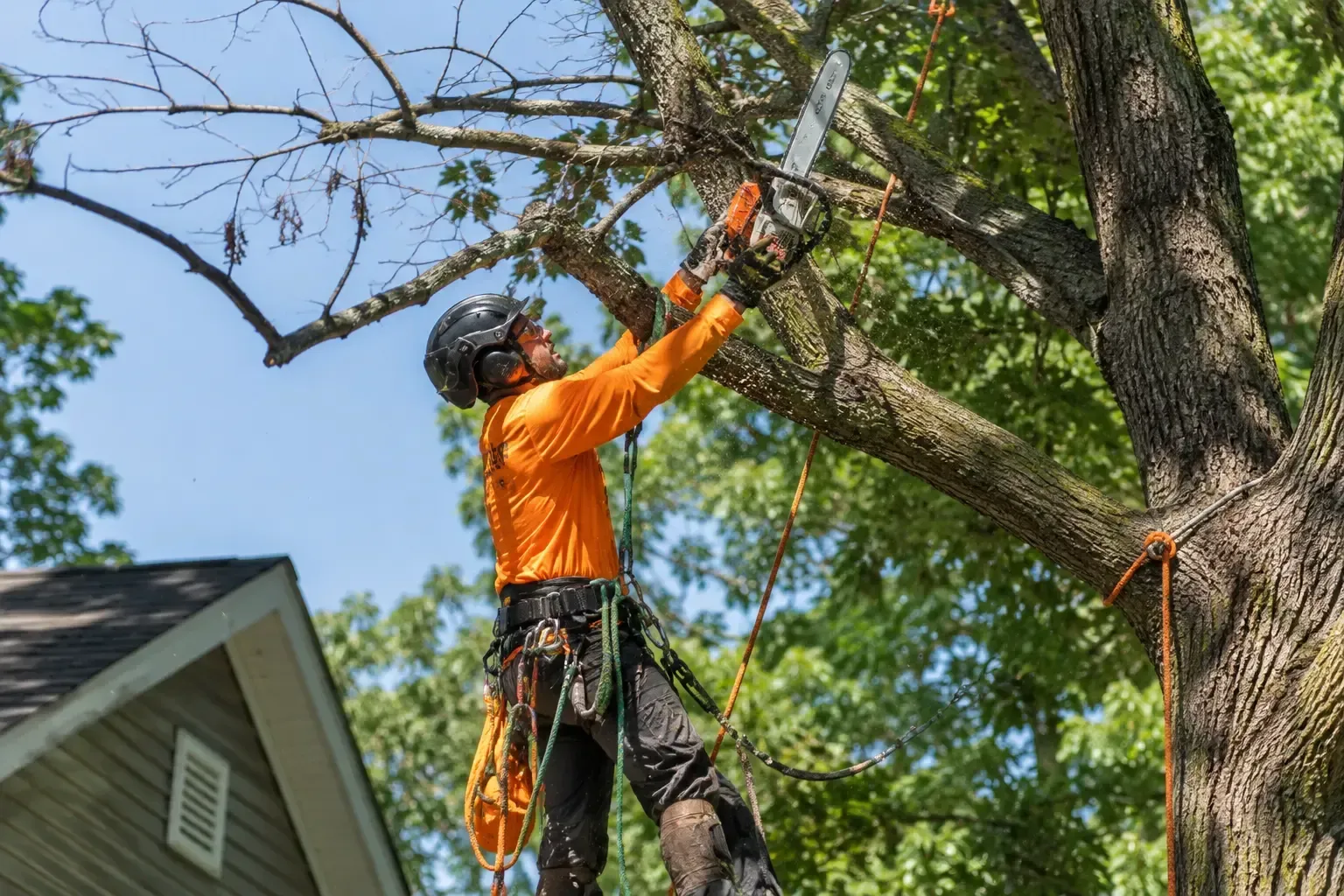
- Safety harnesses and helmets
This machinery makes tree removal faster and safer.
Tree Removal Costs & Estimates
Factors That Affect Pricing
Tree removal isn't one-price-fits-all. Costs can vary depending on:
- Tree height and species
- Tree location and accessibility
- Health and condition
- Stump removal or not
- Urgency of the job
How to Get an Accurate Tree Removal Quote
Ask for a free in-person inspection. Reputable companies will provide a transparent quote. Be sure to confirm what’s included—cleanup, stump grinding, permits, etc.
Permits, Regulations, and Legal Concerns
What You Need to Know Before Cutting Down a Tree
Many cities require permits before a tree can be removed, especially for heritage or large trees. Ignoring this can result in fines.
How Local Tree Ordinances Affect You
Laws differ by location. For example, some cities restrict tree cutting during nesting seasons. Always check with local city planning or ask your chosen service to handle the paperwork.
Tree Service
Choosing the Right Tree Service Company
Don’t just Google and hope for the best. When selecting a Tree Service, look for:
- Certified and insured professionals
- Positive online reviews
- Transparent pricing
- Modern equipment
- Knowledge of local laws
A reliable tree service doesn’t just remove a tree—they guide you through every step safely and legally.
Questions to Ask Before Hiring a Pro
- Are you licensed and insured?
- Can I see reviews or references?
- What’s included in your estimate?
- Do you handle permit applications?
- How will you protect my property?
- How do you handle emergency services?
Asking the right questions helps you choose a trustworthy company.
After Tree Removal Care
What Happens to the Stump?
Options include:
- Stump grinding – quick and less invasive
- Full removal – uproots the stump and major roots
- Leaving it – not ideal; it can attract pests
Discuss these choices with your arborist to plan ahead.
Landscape Repair and Restoration Tips
- Fill the hole with topsoil
- Reseed or sod over the area
- Add mulch or plant new vegetation
- Avoid planting a new tree in the exact same spot right away
Tree Removal Safety Tips
How Pros Stay Safe on the Job
Professional tree crews:
- Use protective gear (hard hats, gloves, safety glasses)
- Work in teams for rigging and cutting
- Follow industry-standard safety protocols
- Use ropes and pulleys for controlled descents
- Keep clear zones to protect people and property
Their training reduces injury risks dramatically.
Top Pro Tips for Smooth Tree Removal
- Get a detailed contract
- Schedule during dry seasons for safer footing
- Keep kids and pets indoors
- Notify neighbors if the job will be loud or involve shared trees
- Don’t delay removal of hazardous trees
- Take before-and-after photos for documentation
Planning leads to peace of mind.
Tree Removal Myths Busted
- “I can do it with a chainsaw.” Nope! It’s rarely that simple.
- “Only dead trees need to go.” Dangerous live trees exist too.
- “Tree removal always kills the landscape.” Not when done right!
- “Stump removal isn’t necessary.” Leftover stumps can sprout or decay.
Don’t fall for misinformation—get expert advice.
Expert Tree Removal Demystified
Expert tree removal isn’t just about hacking away at a trunk. It’s about safety, legal compliance, proper equipment, and years of training. Trusting certified arborists helps protect your property, avoid costly mistakes, and keep your landscape healthy long after the tree is gone.
Need help? Reach out to your local experts through their Contact page to schedule a consultation today.
FAQs About Expert Tree Removal
How long does tree removal take?
It can take anywhere from a few hours to a full day depending on the tree's size, condition, and location.
Is tree removal covered by homeowners insurance?
Only if the tree fell due to a covered peril like a storm. Routine removal for disease or decay typically isn’t covered.
Can I replant in the same spot?
It’s not recommended immediately. The soil may be nutrient-depleted or root-filled. Wait and replenish the soil first.
What happens to the removed wood?
Most services will chip, haul, or recycle the wood. Ask your provider for options.
How do I know if a tree is dangerous?
Look for cracks, leaning, hollow spots, or root exposure. Always get a pro inspection if in doubt.
Do I really need a permit?
In most cities, yes—especially for protected tree species or trees above a certain height. It’s always safer to check.
Conclusion
Tree removal may sound intimidating, but with the right help, it's a manageable and worthwhile investment in your home’s safety and aesthetics. Don’t let myths or DIY temptations put your property or family at risk. Whether you’re dealing with a leaning oak or a decaying pine, always consult certified pros for expert guidance.
Looking for reliable help? Check out this trusted Tree Service in your area and get your property back in tip-top shape.
Links