Are Tree Roots Dangerous for Foundations in West Covina Homes?

John Constantine • May 19, 2026

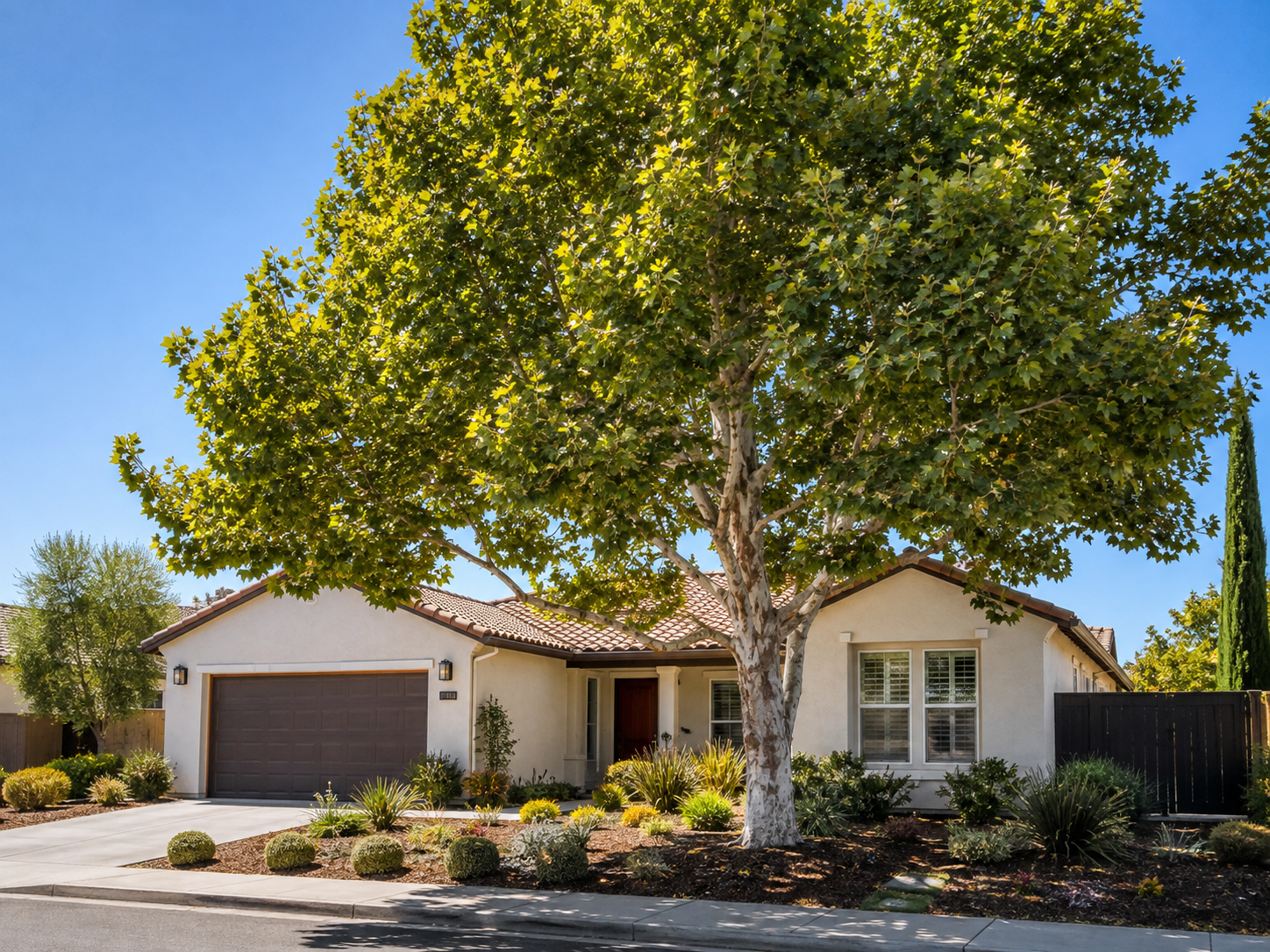
Mature trees are a defining feature of the San Gabriel Valley. They provide much-needed shade during hot Southern California summers, improve neighborhood aesthetics, and significantly boost property values. However, for homeowners in West Covina, these beautiful natural assets can sometimes harbor a hidden threat underground.


When large trees are planted too close to a house, their expansive root systems can interact with the soil and the structural footprint of the property. Property owners often wonder if these roots possess the sheer physical force required to break through solid concrete. The reality of how roots interact with residential foundations is highly complex, relying as much on soil chemistry and moisture levels as on the physical growth of the tree itself.


Understanding the mechanics of root expansion, recognizing the early warning signs of property damage, and knowing when to call in experts will help you protect your most valuable financial asset.
The Mechanics of Root Growth in Southern California Soils

To understand the risk trees pose to your home, you must first understand how roots behave in the specific environment of West Covina. Trees do not possess malicious intent, nor do their roots actively hunt down concrete to destroy it. Instead, roots follow a biological imperative to seek out oxygen, essential nutrients, and moisture.


West Covina experiences a Mediterranean climate with long, dry periods. During these extended stretches without rainfall, tree roots must stretch further out from the trunk to find water. The soil immediately surrounding a residential foundation often retains moisture longer than the open yard. Watering foundation plantings, leaking irrigation lines, or condensation from HVAC units can turn the soil near your house into an oasis. Tree roots naturally gravitate toward this localized moisture.


Furthermore, the San Gabriel Valley features pockets of expansive clay soils. This type of soil acts like a sponge. When wet, it expands. When dry, it shrinks drastically. As tree roots pull massive volumes of water out of the soil near your house during the dry summer months, the clay soil contracts.


Direct Mechanical Damage Versus Indirect Soil Shrinkage

Foundation damage caused by trees typically falls into two distinct categories: direct mechanical damage and indirect soil subsidence.

Direct mechanical damage occurs when a tree root physically pushes against a structure. While roots are remarkably strong, they rarely pierce a flawless, properly constructed concrete foundation. However, if your home has pre-existing micro-cracks, roots can infiltrate these vulnerable spots. As the root thickens over the years, the biological pressure exerts immense force, widening the crack and compromising the structural integrity of the concrete.


Indirect damage is far more common in West Covina homes. This happens through the soil shrinkage process mentioned above. When a large tree extracts hundreds of gallons of water from the clay soil beneath your foundation, the soil volume decreases. The ground physically drops, creating an empty void beneath the concrete slab. Without the necessary support from the soil, the heavy concrete foundation begins to settle, bow, or crack under the immense weight of the house above it.


Recognizing the Early Warning Signs of Root Intrusion

Catching root-related issues early is vital for preventing catastrophic repair bills. Because the root system is entirely underground, homeowners must rely on secondary indicators appearing around the property.


Pay close attention to the hardscaping directly adjacent to your home. Lifted driveway panels, buckling sidewalks, and cracked patio pavers are strong indicators that aggressive surface roots are active in the immediate vicinity. If roots are lifting heavy exterior concrete, they are likely encroaching on the main house footprint as well.


Inside the home, signs of foundation settlement are often misattributed to natural house aging. You should monitor your interior spaces for doors that suddenly refuse to latch, windows that stick in their frames, or distinct gaps forming between the baseboards and the floor. Additionally, diagonal cracks creeping up the drywall from the corners of doorframes indicate structural shifting.


Plumbing systems are another frequent victim. Older West Covina homes built in the mid-twentieth century often feature clay or cast iron sewer lines. These aging pipes develop small leaks over time. Tree roots infiltrate these pipes, feeding on the constant supply of water and nutrients. If you experience frequent sewage backups, slow drains, or gurgling sounds from your toilets, a tree root may have breached the plumbing lines running beneath your foundation.


How Professional Tree Services Protect Your Foundation

Addressing aggressive roots requires strategic intervention. Attempting to chop away large roots yourself can fatally destabilize the tree or introduce diseases that slowly rot the trunk, creating a massive fall hazard during the next severe windstorm.


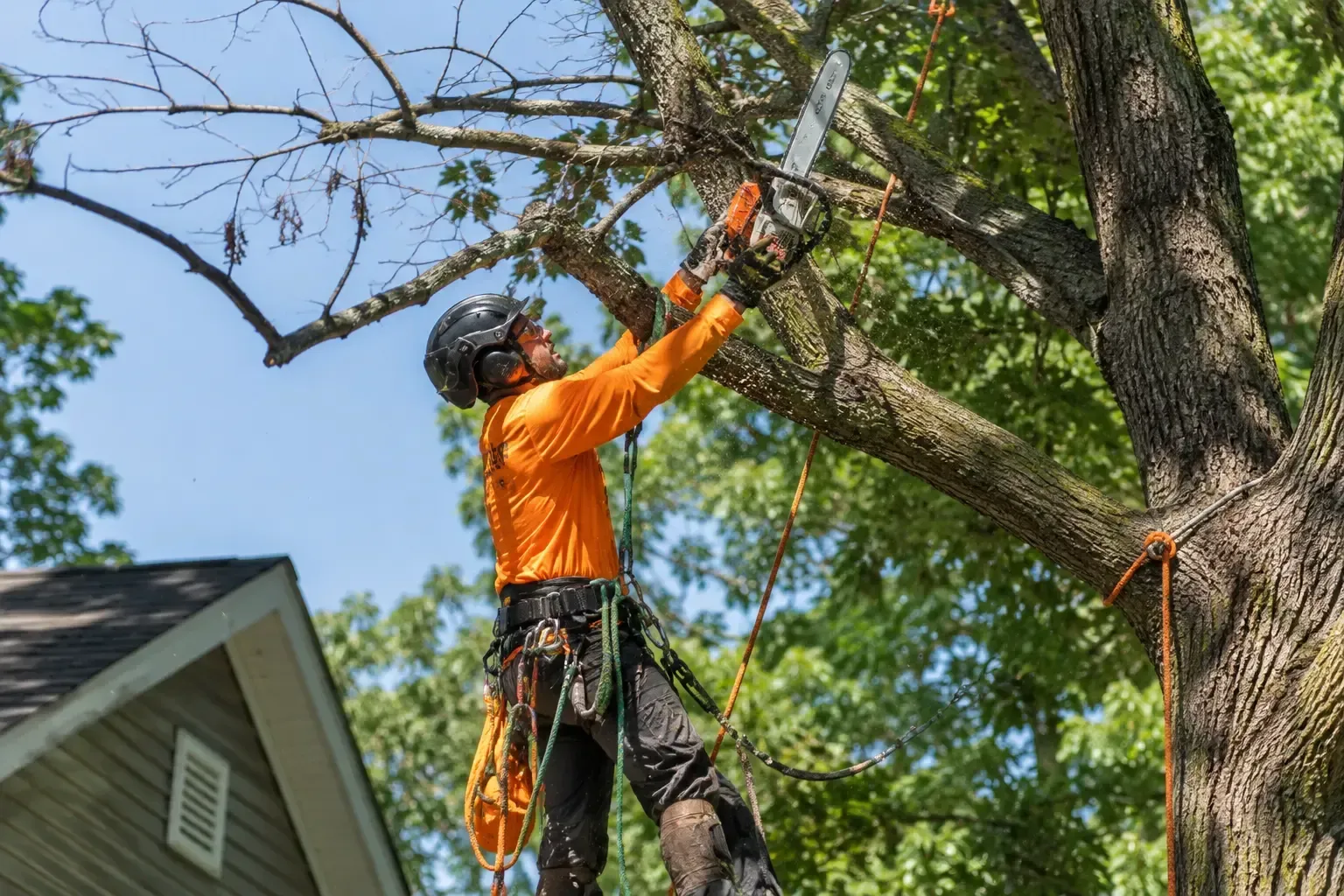
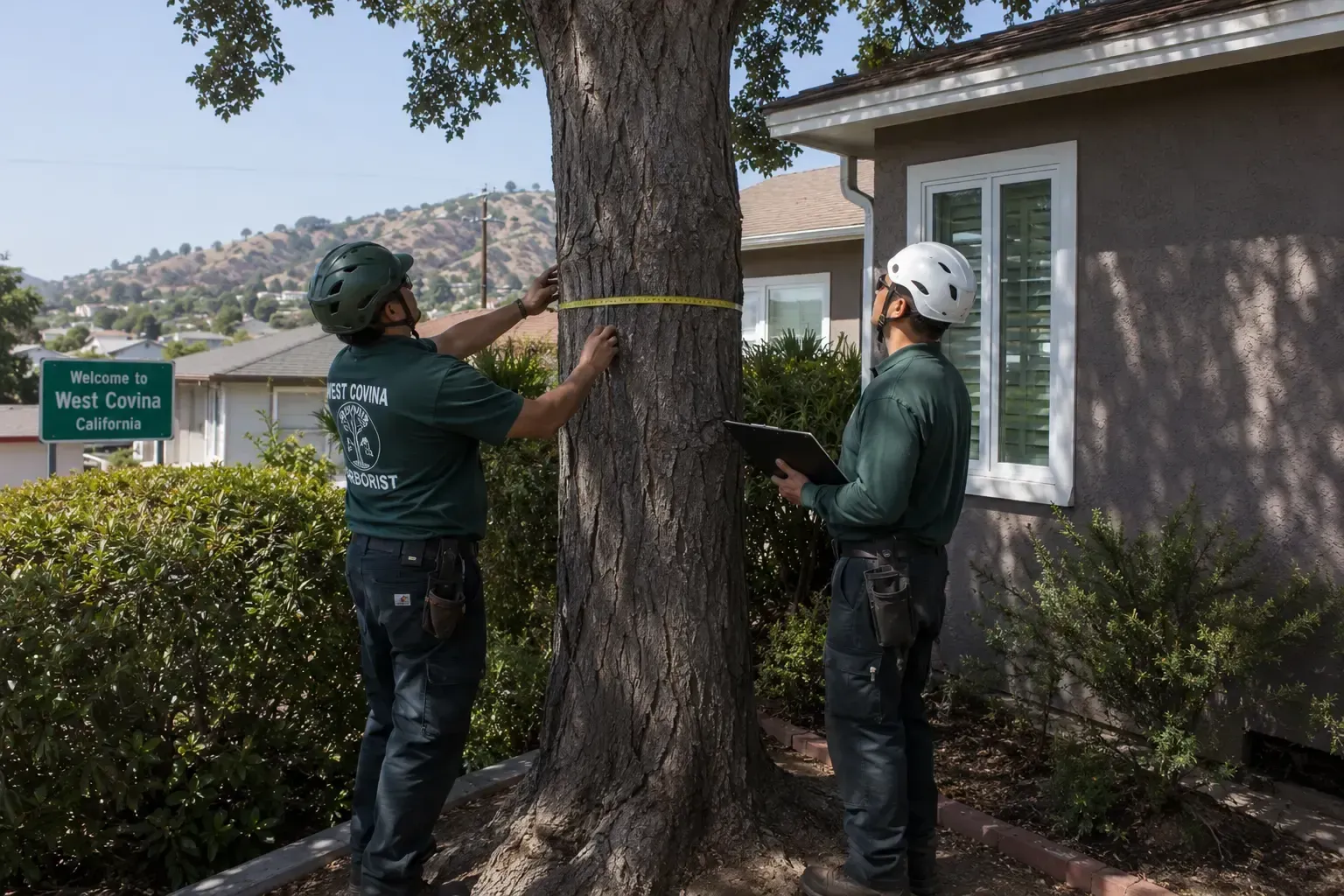
This is where professional tree services become an essential part of your property maintenance strategy. Certified arborists use specialized techniques to mitigate foundation risks while prioritizing the health and safety of the tree whenever possible.


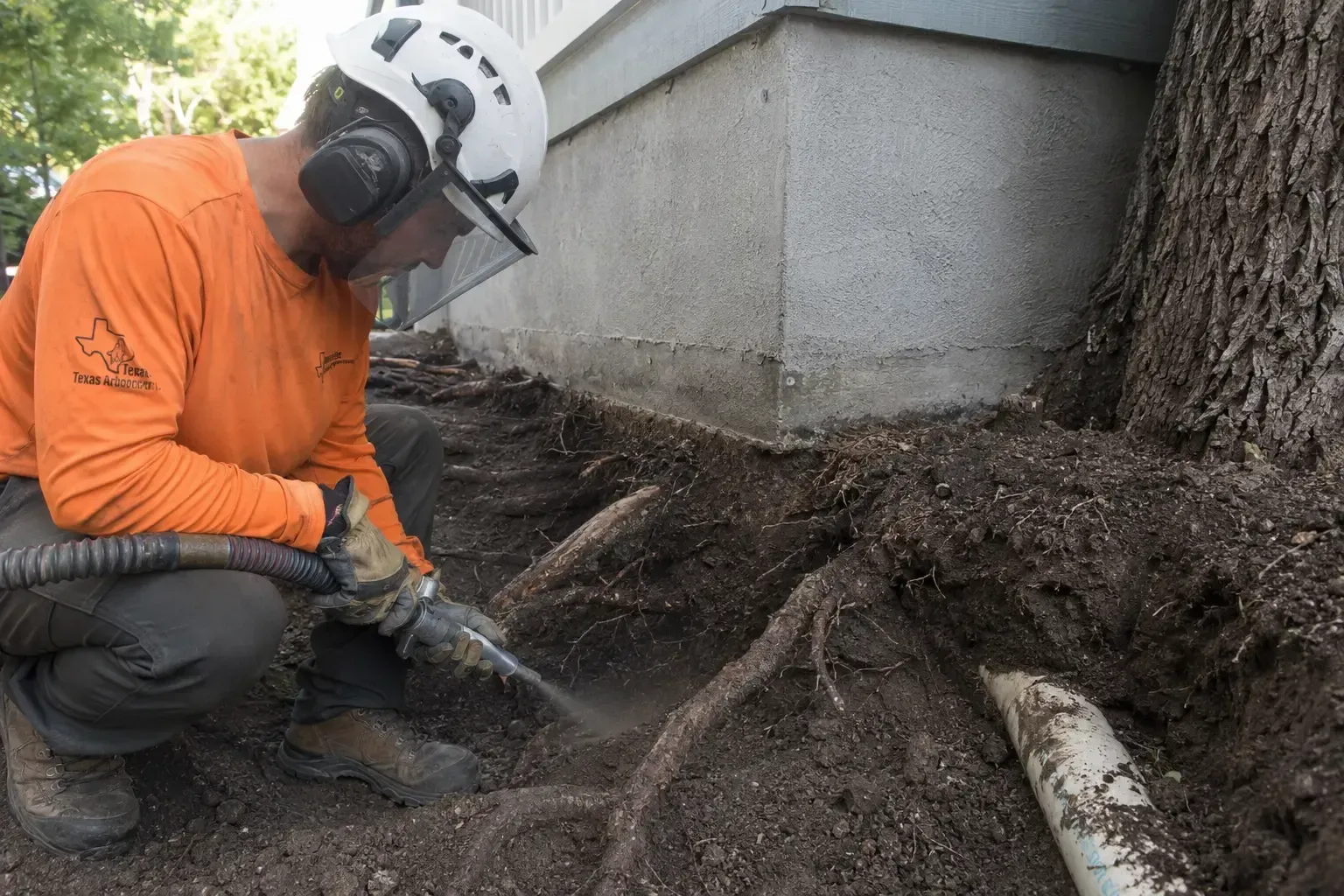
One highly effective method is root pruning. Experts carefully excavate the soil using high-pressure air tools, a process known as air spading. This removes the dirt without damaging the root system, allowing arborists to identify exactly which roots are threatening the foundation. They can then make clean, precise cuts on specific problematic roots.


Additionally, professionals can install high-density physical root barriers. By trenching deeply along the edge of the foundation and inserting a heavy-duty polymer shield, experts can successfully redirect future root growth downward and away from the concrete. This allows you to retain the aesthetic value of the tree while permanently securing the structural boundary of your home.


Evaluating Common Trees in the San Gabriel Valley

Not all trees pose an equal threat. The species of the tree, its maximum canopy size, and its biological root structure dictate the level of risk to your home. Fast-growing trees generally have highly aggressive, invasive root systems that seek water rapidly. Slow-growing native species tend to have deeper, more predictable root systems.

Below is a comparative look at tree species frequently found in West Covina landscaping and their respective risk profiles regarding foundation proximity.


Tree Species Typical Root Systeme Foundation Risk Level Minimum Planting Distance
Ficus (Weeping Fig) Highly aggressive, shallow, invasive Severe 40+ feet
Southern Magnolia Broad, surface-level, thick High 25-30 feet
California Coast Oak Deep taproot, wide structural roots Moderate 20-25 feet
Citrus Trees (Lemon/Orange) Shallow, fibrous, localized Low 10-15 feet
Jacaranda Surface-level, spreading Moderate 20-25 feet

Preventative Landscaping and Soil Management

Protecting your foundation requires proactive property management. The best defense against root damage begins long before a tree reaches maturity. Proper planting practices are your first line of defense. Always research the mature spread of a tree before putting it in the ground. A small sapling planted five feet from the porch might look highly attractive today, but it will become a structural nightmare within a decade.


Watering practices also play a massive role in root behavior. Homeowners often make the mistake of relying entirely on shallow, frequent sprinkler cycles. This encourages trees to keep their roots near the surface where the water is easily accessible. Instead, utilize deep-watering techniques. Using a drip irrigation system or a soaker hose placed at the outer edge of the tree canopy encourages the roots to grow downward into the deeper soil layers, far away from your shallow foundation slab.


Ensure the grading around your house actively directs rainwater away from the exterior walls. If water pools near the foundation, roots will inevitably follow. Properly maintained gutters and extended downspouts will keep the soil near your house dry, removing the primary incentive for root encroachment.


Knowing When Removal is the Only Option

Despite the best efforts of homeowners and arborists, some trees simply cannot be saved. If a large, highly aggressive tree like a Ficus or an overgrown Elm was historically planted inches from your exterior walls, the risk of severe property damage often outweighs the benefits of retaining the tree.

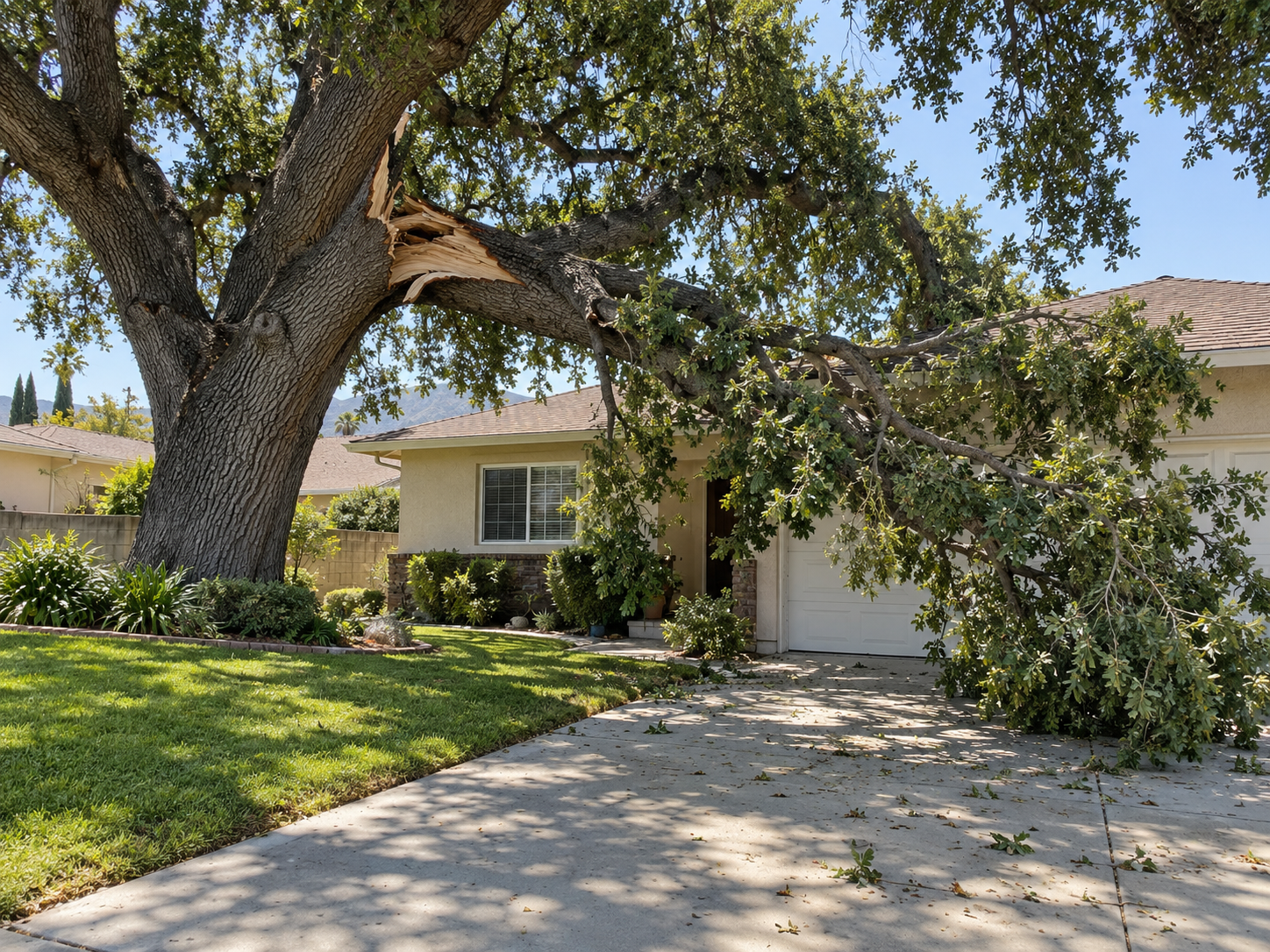
Severing large structural roots to save a foundation can severely compromise the tree's physical anchor to the earth. A tree that has lost its structural support roots poses an immediate danger to your family, your roof, and neighboring properties. In these scenarios, complete removal is the most responsible course of action.

Managing these complex decisions requires expert assessment and highly specialized equipment. Whether you need an evaluation of creeping roots, the installation of a protective barrier, or the safe dismantling of a hazardous tree overhanging your roof, West Covina Tree Service provides the expertise required to protect your property investment. If you suspect your foundation is currently under attack from subterranean growth, Contact Us to schedule a comprehensive site evaluation with our local specialists.


Frequently Asked Questions


  • Can homeowners insurance cover foundation damage caused by tree roots?

    Most standard homeowners insurance policies do not cover foundation damage caused by tree root intrusion. Insurance providers generally view root damage as a gradual maintenance issue rather than a sudden, unpredictable peril. Homeowners are expected to proactively manage the vegetation on their property to prevent such damage.


  • Will cutting off the roots kill my mature tree?

    It depends entirely on the size of the root and its proximity to the trunk. Cutting minor feeder roots usually causes minimal stress. However, severing large structural roots can permanently destabilize the tree and hinder its ability to absorb adequate water. You should always have a certified expert assess the root system before making any cuts.


  • Do chemical root killers work for protecting foundations?

    Chemical root killers are typically designed to clear out roots that have already breached sewer pipes. They are not recommended for general soil application near foundations. Applying toxic chemicals directly into the yard can poison the entire tree, contaminate local groundwater, and severely damage surrounding landscape plants. Physical barriers remain the safest and most effective deterrent.


  • How often should trees be trimmed in residential areas?

    Most trees should be trimmed every 1–3 years, depending on species, growth rate, and location. Fast-growing or overhanging trees may require more frequent maintenance.
By John Constantine May 23, 2026
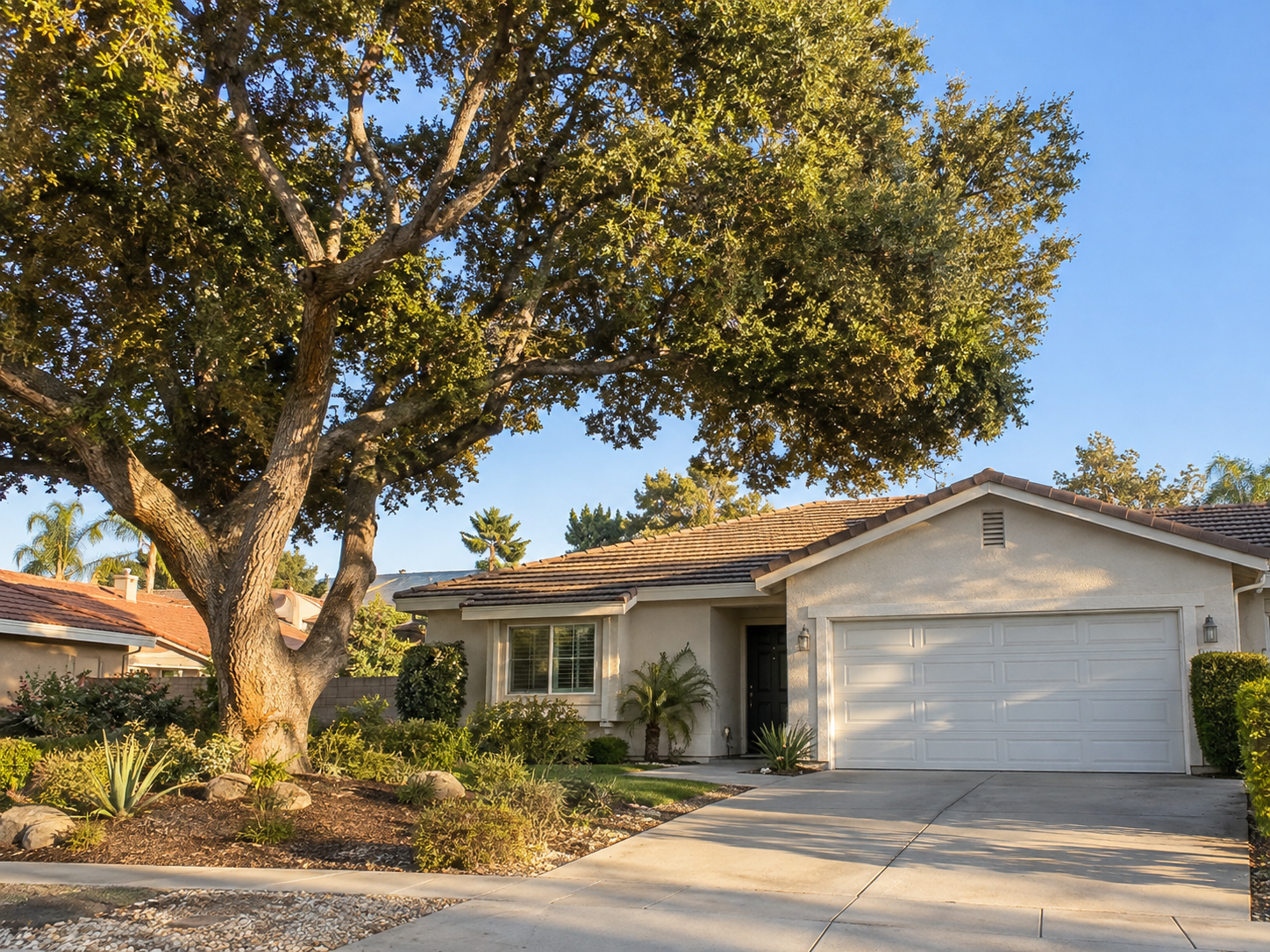
West Covina residents prioritize professional tree care to maintain robust property values, enhance curb appeal, and mitigate strict liability risks. By investing in routine maintenance, homeowners and property managers actively protect their real estate from severe storm damage while adhering to local HOA guidelines. Engaging licensed and insured arborists ensures long-term landscape health and community safety. * Routine tree trimming prevents structural damage and drastically improves residential curb appeal. * Preemptive removal of dead or diseased trees protects property owners from costly legal and financial liabilities. * Professional services ensure full compliance with West Covina municipal codes and strict HOA landscaping standards.
By John Constantine May 21, 2026
Maintaining a healthy landscape in West Covina requires consistent attention to the natural elements surrounding your property. The unique Southern California climate provides excellent growing conditions for a wide variety of tree species. However, these same ideal conditions mean vegetation can quickly become overgrown, presenting risks to both safety and property value. Managing your canopy through targeted care ensures longevity and aesthetic appeal for your yard. At West Covina Tree , we understand the specific environmental factors that affect local foliage. Regular maintenance goes far beyond simple aesthetics. Proper pruning dictates the structural integrity of your branches, encourages healthy seasonal blooming, and protects your home from unexpected damage. Comprehensive Tree Services Benefit Your Property Health When property owners think about landscaping, they often focus entirely on watering schedules and fertilizing. Yet, structural pruning remains one of the most critical components of plant health care. Professional Tree Services provide a systematic approach to managing growth. This process involves the strategic removal of specific branches to improve the overall architecture of the plant.
By John Constantine May 17, 2026
Many homeowners in West Covina take great pride in their mature landscaping. Beautiful shade trees provide relief from the Southern California sun while enhancing property values across the community. However, when a tree dies, suffers severe storm damage, or becomes a liability, property owners face the inevitable task of taking it down. While cutting the canopy and trunk is one hurdle, dealing with what remains rooted in the ground is an entirely different challenge. After removing the main body of a tree, a solid, deeply anchored stump is left behind. Many weekend DIY enthusiasts view this remnant as a simple yard project. They head to the local hardware store, buy a few tools, and assume they can pry, burn, or dissolve the stump away in a single afternoon. In reality, tackling this job without heavy equipment and specialized knowledge rarely yields good results. Relying on an experienced West Covina Tree crew ensures the job is handled safely, protecting both the property and the homeowner from unnecessary stress.
By John Constantine May 14, 2026
Ivy often starts as a charming addition to a garden. Many property owners plant it with the intention of creating a classic brick-and-vine aesthetic. However, this aggressive climbing plant quickly turns from a decorative feature into a landscape liability. Without strict management, ivy will overtake fences, consume mature vegetation, and degrade structural foundations. Residents of West Covina CA understand how the mild Southern California climate allows invasive vines to flourish year-round. At West Covina Tree , we routinely encounter properties entirely smothered by unmanaged growth. Addressing this issue requires more than a simple pair of gardening shears. It demands a systematic approach to safely sever the root systems and extract the clinging vines without damaging the underlying structures or suffocating the existing flora. Why Climbing Vines Present a Severe Property Risk The visual appeal of a vine-covered wall masks significant underlying damage. Ivy uses specialized aerial roots to anchor itself into microscopic cracks in masonry, wood siding, and stucco. As the vine matures, these roots expand. This expansion slowly forces cracks wider and allows moisture to penetrate deep into the building envelope. Moisture retention is another major issue. A thick blanket of leaves traps humidity against your home. This constant dampness creates an ideal breeding ground for mold, wood rot, and structural decay. Furthermore, dense foliage acts as a natural shelter for rodents, spiders, and other unwanted pests. Unchecked vines are a major red flag for inspectors and prospective buyers alike. We recently discussed how landscaping impacts property value , noting that a clean and structurally sound exterior is vital for maximizing your return on investment.
By John Constantine May 12, 2026
Selling a property in Southern California requires more than a fresh coat of paint and staged furniture. Buyers form their first impression within seconds of pulling into the driveway. Local real estate agents understand that the exterior sets the tone for the entire showing. Many homeowners spend thousands on new hardscaping or exterior lighting but neglect the massive living assets dominating their front yards.  Mature trees add significant character and cooling shade to suburban neighborhoods. However, overgrown or sickly trees cast literal and figurative shadows over a property. Addressing the health and appearance of your landscaping is a proven strategy to secure top dollar offers from highly motivated buyers. Property maintenance extends all the way to the canopy, and savvy sellers know that proactive landscaping adjustments yield incredible returns.
By John Constantine May 9, 2026
For homeowners in West Covina, California, seasonal shifts often bring an unwelcome surplus of fallen branches, scattered bark, and heavy leaf drop. While a small amount of organic matter is normal, accumulating tree debris quickly transitions from a minor nuisance to a legitimate property hazard. Unmanaged organic waste stifles healthy grass growth, creates breeding grounds for pests, and detracts from the overall curb appeal of your home. Property owners often underestimate the volume of waste mature trees produce. Finding an effective management strategy is vital for anyone recovering from seasonal winds or dealing with an aging oak that constantly drops limbs. West Covina Tree specializes in helping local residents maintain safe and beautiful landscapes year round. This guide explores professional recommendations for dealing with yard waste, protecting your home, and knowing exactly when to call in specialized help.
By John Constantine May 7, 2026
Maintaining a thriving landscape in Southern California requires more than occasional watering. For homeowners in West Covina, Covina, Azusa, and Baldwin Park, mature trees represent a significant investment in property value, curb appeal, and environmental comfort. The Mediterranean climate of the San Gabriel Valley brings specific challenges, from prolonged summer droughts to the severe forces of the Santa Ana winds in the fall.  Protecting your property from falling branches, mitigating storm damage risks, and ensuring your landscape complies with local homeowners association standards requires a proactive approach. Established homeowners understand that ignoring canopy health can lead to hazardous conditions, costly emergency cleanups, and property damage. This checklist provides a structured, season-by-season methodology for assessing your yard, managing growth, and maintaining the structural integrity of your large plants.
By John Constantine May 6, 2026
Removing a tree is only half the battle. Property owners often focus on bringing down a damaged or overgrown canopy and forget the obstacle left behind at the ground level. A severed trunk protruding from the earth is an eyesore and a liability. Proper landscape management requires fully addressing these remnants. For residents and businesses, maintaining safe and beautiful outdoor spaces means turning to professional stump grinding. At West Covina Tree , we understand that true landscape restoration goes beneath the surface. Integrating Quality Tree Services with Stump Grinding There is a distinct difference between general yard cleanup and comprehensive Tree Services. When a large oak or pine is cut down, the base and root system remain firmly anchored in the soil. Stump grinding is a highly specialized mechanical process that turns that stubborn wood into useful mulch. Utilizing a heavy-duty grinder with a rotating cutting disk, professionals chip away at the wood until it rests below the soil grade. Unlike total extraction, which involves heavy excavation and root pulling that can tear up your entire lawn, grinding is efficient and minimally invasive. It resolves the problem without creating a massive crater in your yard. If you have recently cleared timber from your property, scheduling professional stump grinding is the logical next step. Hidden Hazards of Remaining Trunks in West Covina CA Leaving a stump to rot naturally might seem like an acceptable, low-effort approach. The reality of the Southern California climate proves otherwise. Decaying wood sitting on your property creates a ripple effect of negative consequences. The specific dangers of ignoring these remnants include: Pest Infestations: Warm weather accelerates pest activity, making decaying wood an ideal habitat for destructive insects. Termites, carpenter ants, and wood-boring beetles are naturally drawn to dead organic matter. Once these pests establish a colony in your yard, they easily migrate toward your home structure. Property Liabilities: An exposed stump is a severe safety hazard. Children running through the grass, guests attending backyard gatherings, and landscapers operating lawnmowers are all at risk of tripping or equipment damage. Zombie Growth: Living roots can occasionally continue to grow. Certain tree species attempt to regenerate, sending up unsightly sprout clusters around the base. These shoots drain nutrients from your soil and require constant clipping.
By John Constantine May 2, 2026
Southern California presents a unique climate that heavily impacts residential landscaping. Homeowners in the San Gabriel Valley face prolonged dry spells, intense summer heat, and unpredictable winter rainstorms. These environmental stressors take a significant toll on local greenery. When a tree on your property succumbs to disease, drought, or old age, it transitions from a beautiful landscape feature to a severe liability.  Many property owners underestimate the structural instability of decaying wood. A lifeless tree does not simply stand dormant. It begins an active process of decomposition that compromises its foundation and branches. Understanding the risks associated with decaying timber is a vital part of responsible property management in West Covina. Taking immediate action can prevent catastrophic property damage, costly legal liabilities, and severe personal injury.
By John Constantine May 1, 2026
Climbing vines can give a residential or commercial property a classic, historic aesthetic. Many homeowners plant these vines intentionally, hoping to achieve a beautiful, natural facade. However, left unchecked, species like English ivy and Algerian ivy quickly transform from a charming ground cover into an aggressive parasite. These persistent climbers scale vertical surfaces, envelop heavy branches, and slowly suffocate mature foliage. For property owners relying on West Covina Tree to maintain their outdoor spaces, understanding the mechanics of invasive vine management is critical to preserving plant health, property value, and overall safety. The Hidden Dangers of Invasive Vine Growth Invasive climbers do not just use a trunk for temporary physical support. As the vines ascend, they develop tiny, aggressive adventitious roots known as holdfasts. These specialized rootlets secrete a heavy, glue-like substance that binds fiercely to bark, brick walls, and wooden siding. Over time, the dense, overlapping mat of foliage traps excess moisture tightly against the wood. This constant dampness creates an ideal breeding ground for fungal infections, structural rot, and destructive wood-boring insects. Beyond structural decay, this thick blanket of vegetation creates a perfect harborage for unwanted pests. Rats, mice, and insect colonies actively seek out the protective cover provided by thick vines. By allowing these plants to scale your canopy, you inadvertently provide a bridge for pests to access your roof and attic spaces.