The Curb Appeal Secret West Covina Realtors Recommend to Home Sellers

John Constantine • May 12, 2026

Selling a property in Southern California requires more than a fresh coat of paint and staged furniture. Buyers form their first impression within seconds of pulling into the driveway. Local real estate agents understand that the exterior sets the tone for the entire showing. Many homeowners spend thousands on new hardscaping or exterior lighting but neglect the massive living assets dominating their front yards.


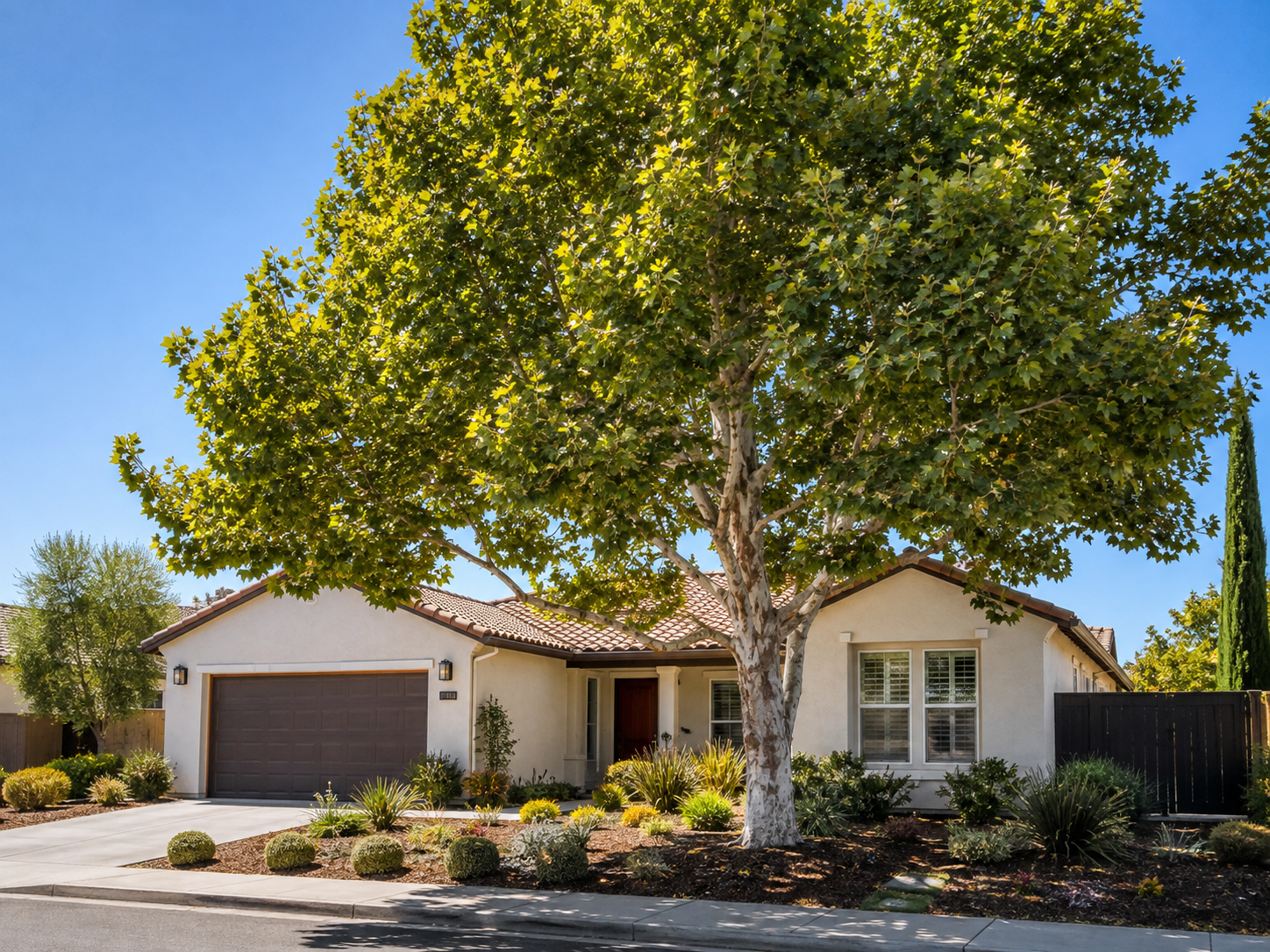
Mature trees add significant character and cooling shade to suburban neighborhoods. However, overgrown or sickly trees cast literal and figurative shadows over a property. Addressing the health and appearance of your landscaping is a proven strategy to secure top dollar offers from highly motivated buyers. Property maintenance extends all the way to the canopy, and savvy sellers know that proactive landscaping adjustments yield incredible returns.
Why West Covina Buyers Notice Your Trees First

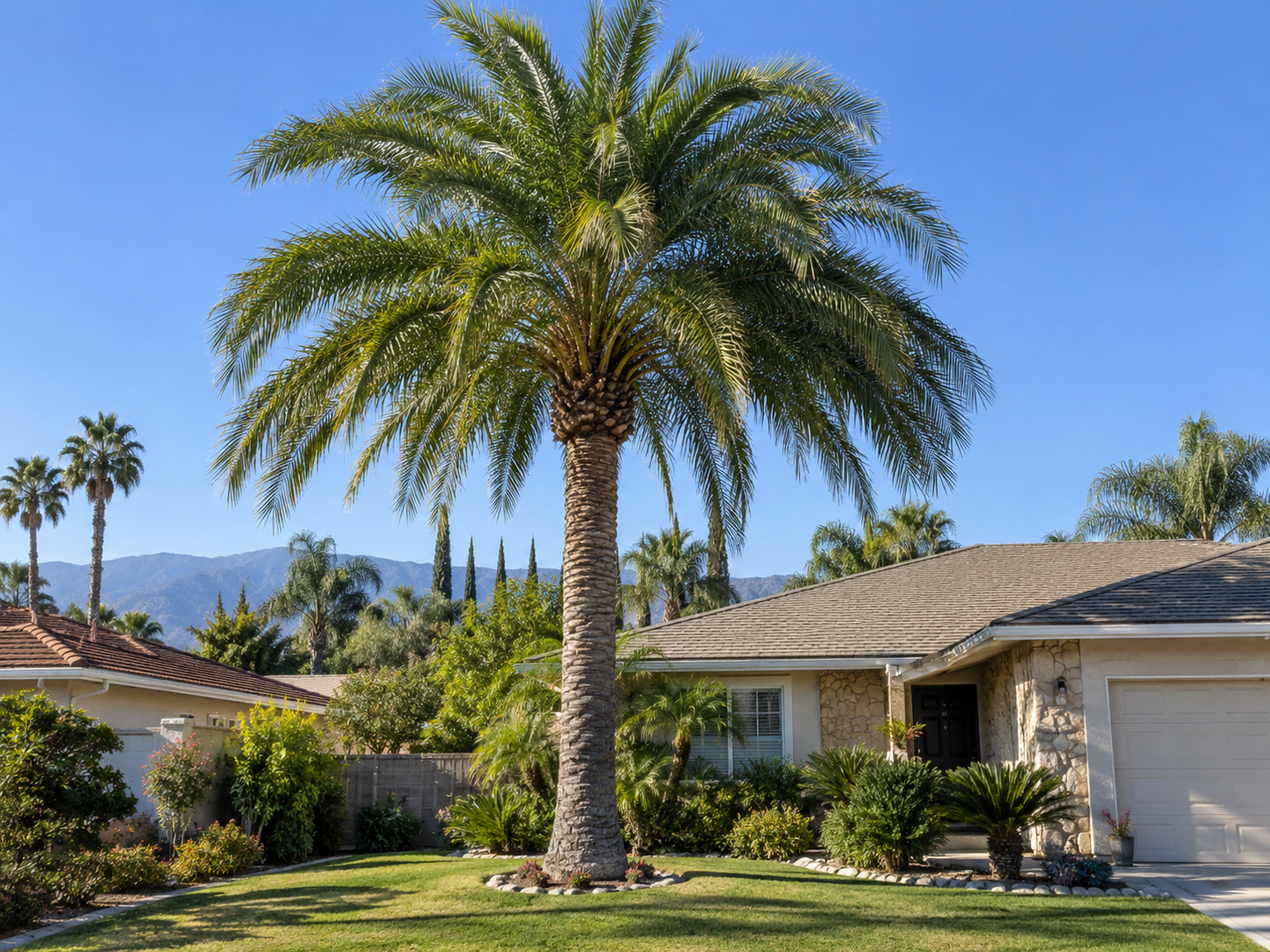
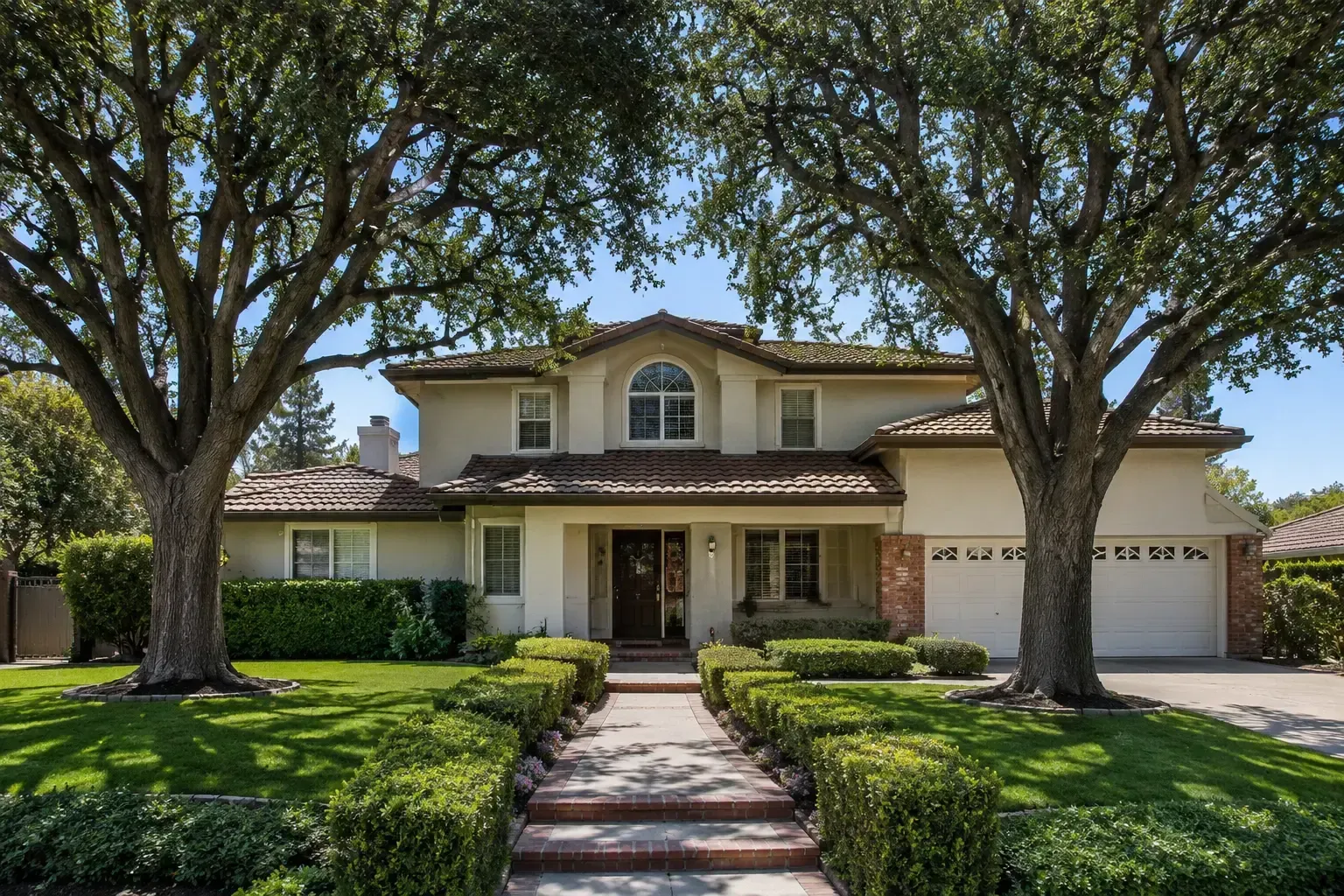
West Covina boasts beautiful, established neighborhoods with decades-old landscaping. Buyers actively seek out these shaded, family-friendly environments. When prospective buyers arrive at an open house, a sprawling oak or a towering palm immediately catches their eye. The condition of these trees instantly communicates the overall upkeep of the property.

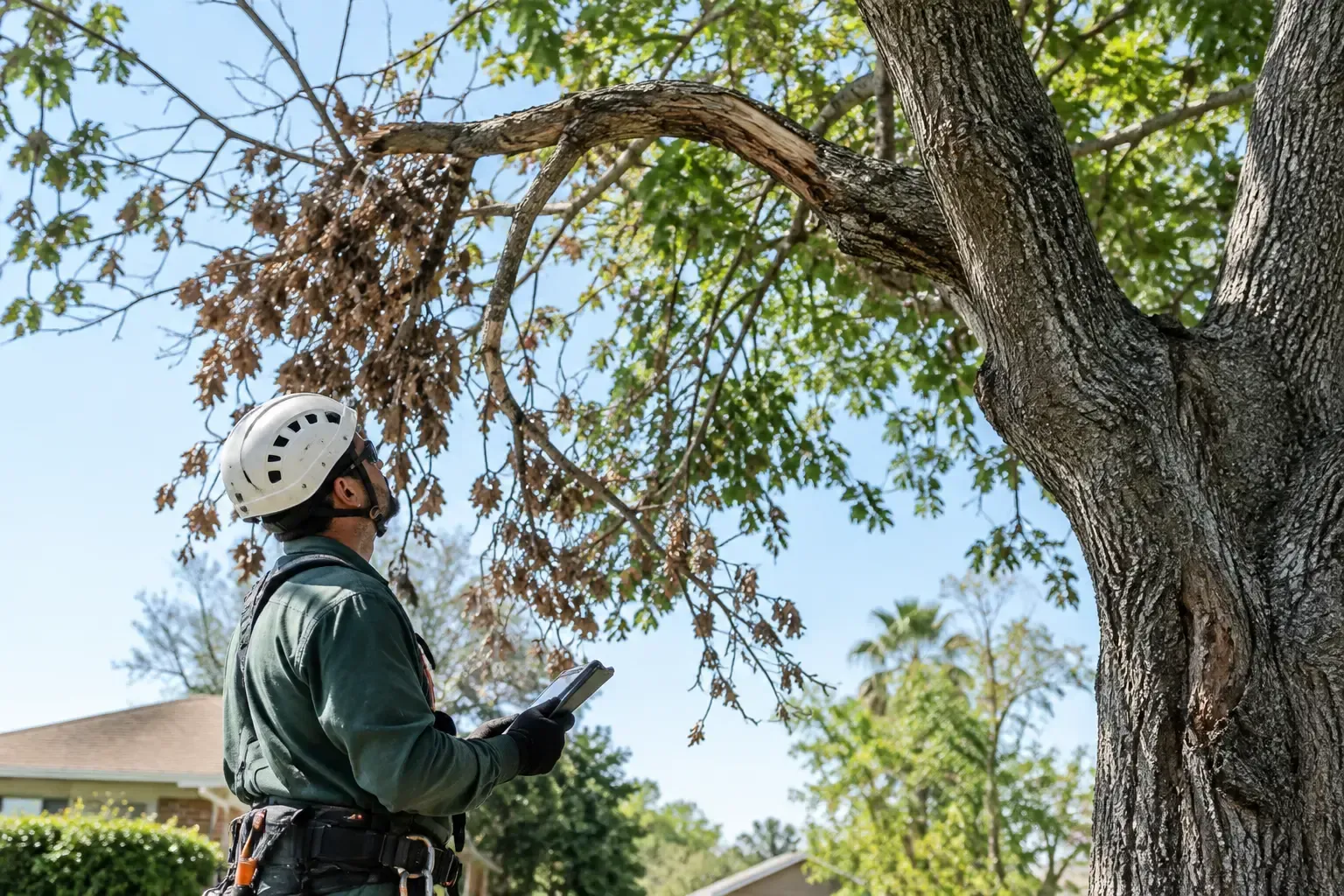
If the canopy is wild, touching the roofline, or dropping dead branches onto the lawn, the buyer immediately registers a maintenance headache. They see potential roof damage, gutter clogs, and safety liabilities. Older home buyers and families with young children are especially sensitive to these visual red flags. Conversely, a manicured landscape signals that the current owner has meticulously maintained the entire parcel.


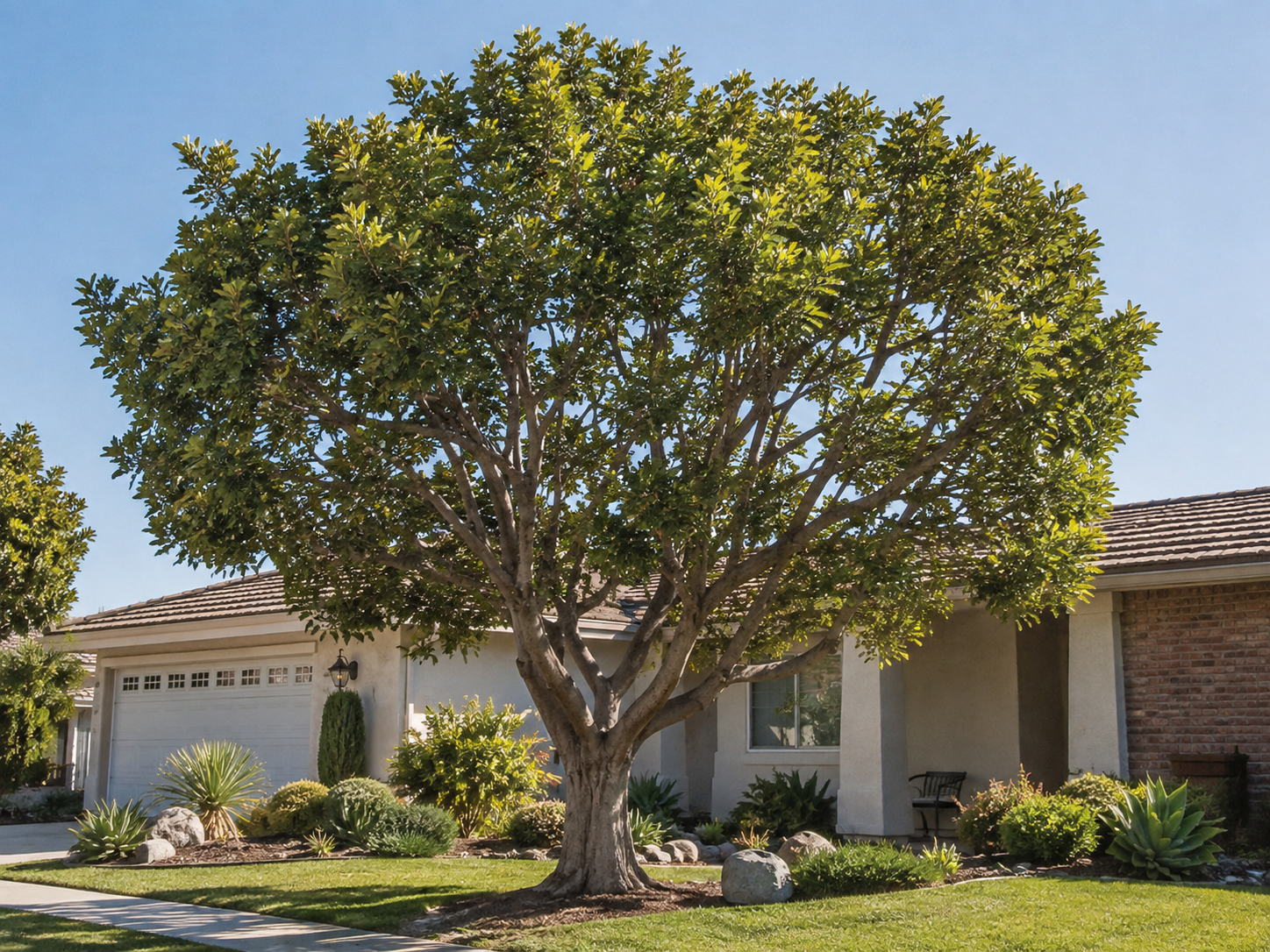
A clean, elevated canopy allows natural light to flood the front windows and highlights the architectural details of the house. Professional tree trimming opens up the yard, creating a spacious and inviting atmosphere that resonates deeply with buyers. It demonstrates pride of ownership, a factor that heavily influences a buyer's willingness to meet your asking price.


Utilizing Expert Tree Services to Maximize Property Value

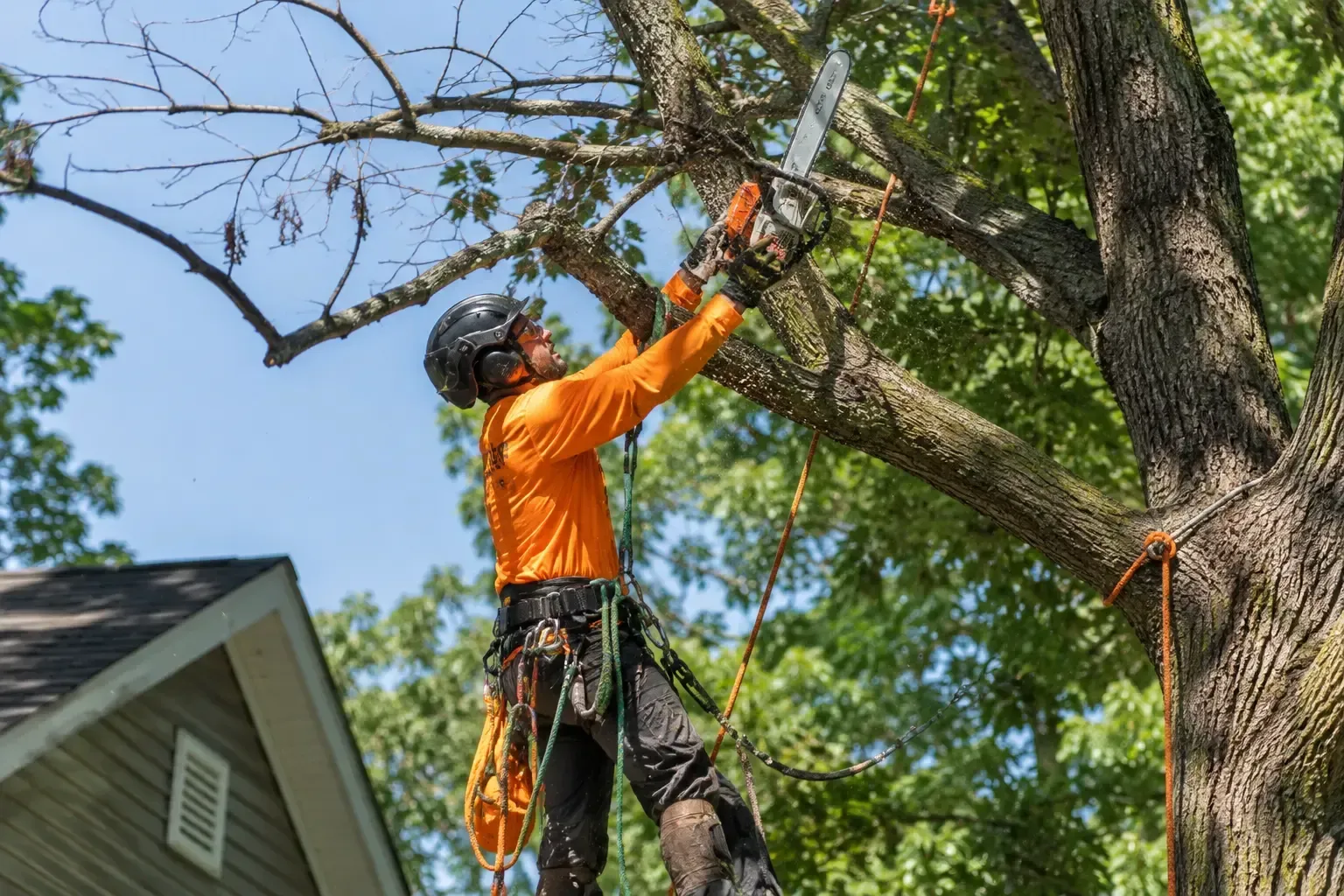
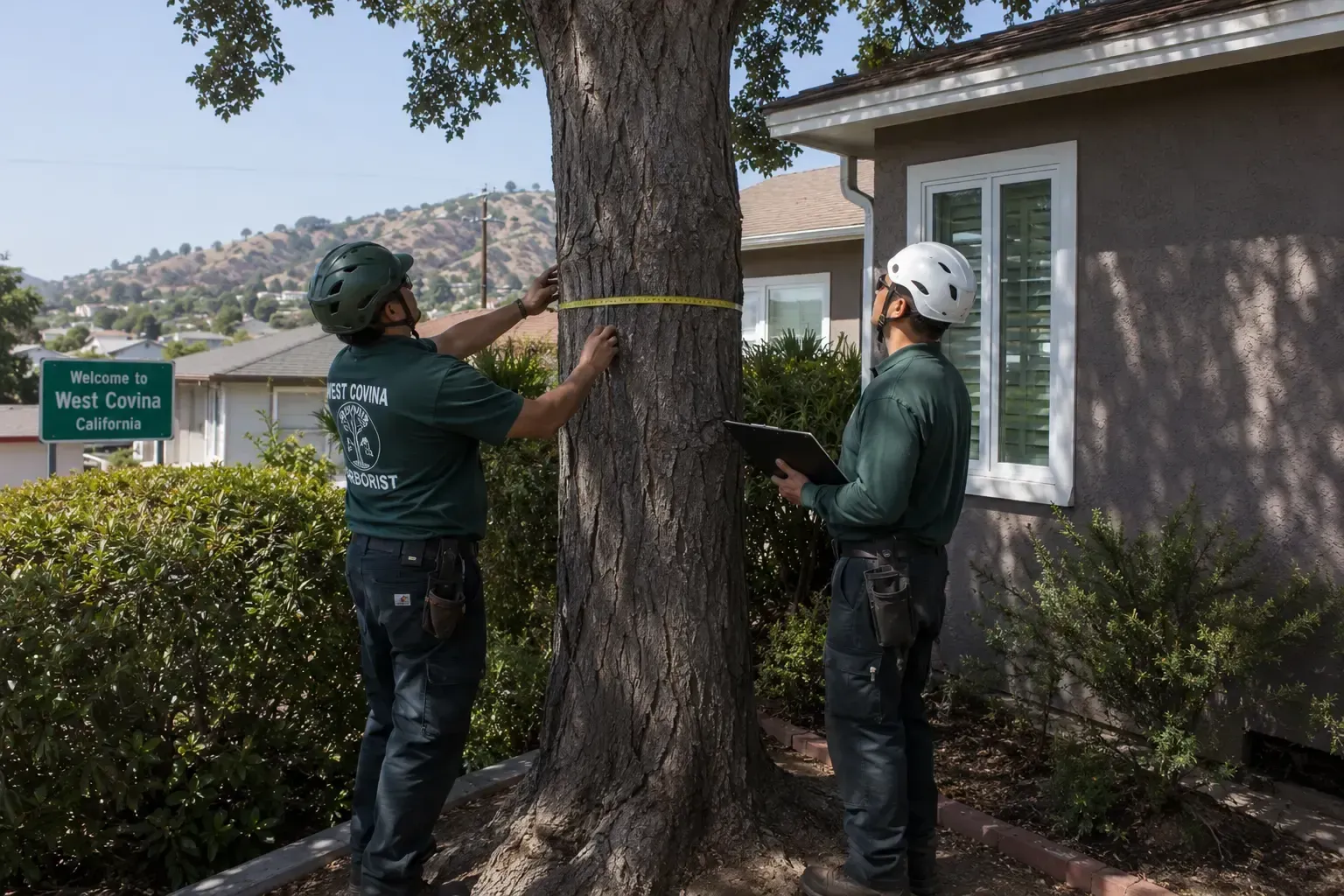
Realtors consistently advise sellers to invest in professional tree services before scheduling real estate photography. High-quality listing photos rely on clear sightlines and vibrant, healthy yards. Hiring a certified arborist ensures your property looks immaculate while adhering to local safety and environmental standards. Taking a proactive approach prevents buyers from using landscape neglect as a negotiation tactic.


Strategic Canopy Thinning

Dense canopies block sunlight from reaching your lawn, causing patchy grass that severely detracts from curb appeal. Thinning the canopy improves air circulation and light penetration. This process removes dead or crossing branches, giving the tree a symmetrical and pleasing shape. Buyers appreciate the aesthetic appeal of a healthy tree that frames the home rather than hiding it. Proper pruning also encourages healthy growth, ensuring the trees remain a prominent selling feature for years to come.


Eliminating Hazards and Eyesores

Nothing stalls a home inspection faster than a decaying tree leaning precariously over a garage or primary bedroom. Safety is a massive priority for families moving into the area. Property owners must address these liabilities proactively to protect their sale. Complete tree removal is often necessary for dead, diseased, or structurally compromised trees. Eliminating these risks reassures buyers that they will not face immediate, costly maintenance issues after closing the deal.


Ground Level Refinement

Removing a tree is only half the battle. Leaving an ugly stump in the middle of a front lawn ruins the aesthetic flow of the space and presents a tripping hazard. Comprehensive yard care involves grinding stumps below the surface so the area can be replanted or sodded over. Buyers want move-in ready spaces, and removing stumps provides a clean slate for their own landscaping visions.


The Hidden Landscape Threats That Scare Buyers Away

Beyond basic aesthetics, mature trees can pose hidden threats that make educated buyers nervous. West Covina properties built in the mid-twentieth century often feature massive trees planted too close to foundations, driveways, or plumbing lines.


Aggressive roots from species like Ficus or certain Eucalyptus varieties can lift concrete driveways, crack walkways, and invade sewer lines. When a buyer tours a home and sees severely cracked pavement radiating from a tree trunk, they instantly calculate the cost of a new driveway and extensive plumbing repairs.


Similarly, tree branches rubbing against roof shingles compromise the weatherproofing of the house. Home inspectors will explicitly note these issues in their reports. By securing professional intervention before listing the property, you eliminate these technical objections entirely.


The Financial Impact of Professional Landscaping Interventions

Real estate professionals know that an overgrown yard translates directly to lower offers. Buyers calculate the perceived cost of fixing an unkempt yard and deduct that amount from their bid. Often, they drastically overestimate the cost of yard cleanup. By taking care of this beforehand, you remove their primary bargaining chip.


Tree care is a highly effective intervention that yields substantial returns at the closing table. Clean yards look larger, homes look brighter, and the entire parcel feels inherently more valuable. The following table illustrates how specific landscape improvements directly influence buyer perception and the final sale price.


Landscape Intervention Visual Impact on Property Buyer Perception Sales Impact
Crown Raising & Thinning Increases natural light and visibility of home facade Low maintenance, well-cared-for property Faster sale, prevents lowball offers
Hazardous Tree Removal Opens up space, removes dangerous lean Safe environment, no hidden immediate costs Eliminates inspection contingencies
Stump Grinding Creates flat, usable yard space Move-in ready, safe for children and pets Improves perceived lot size
Deadwooding Cleans up the canopy, prevents litter Pristine landscaping, attention to detail Enhances listing photo quality

Preparing for Open Houses and Unexpected Weather

Timing your landscape improvements is critical for a smooth real estate transaction. Property owners should schedule maintenance several weeks before the house officially hits the market. This buffer allows the yard to recover from any heavy foot traffic and gives you time to lay fresh mulch or plant seasonal flowers.


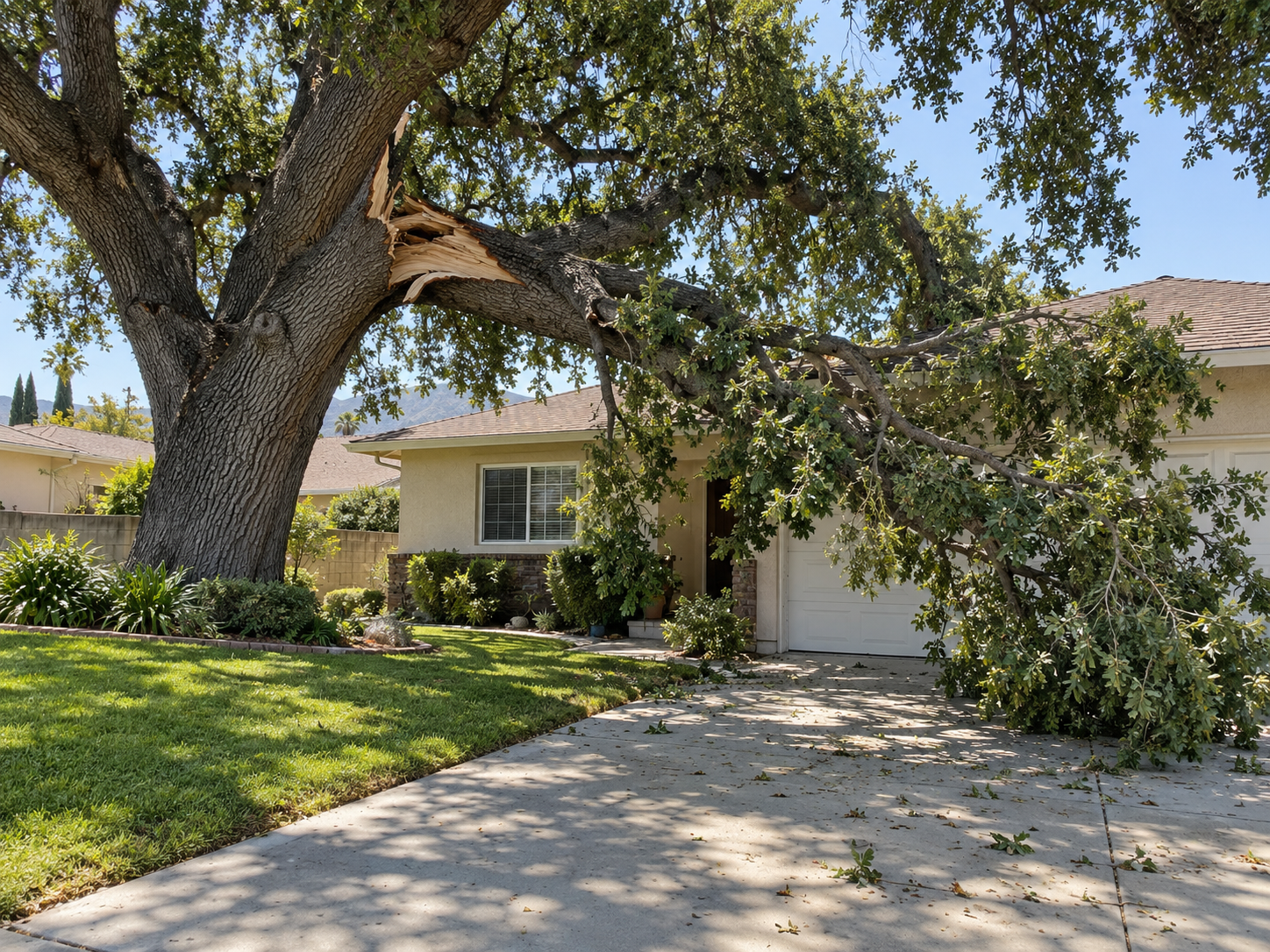
Sometimes, severe weather strikes right before a major showing. Southern California experiences seasonal high winds that can unexpectedly snap large branches or uproot unstable trunks. If a sudden storm damages your property right before a scheduled open house, you need immediate professional assistance.


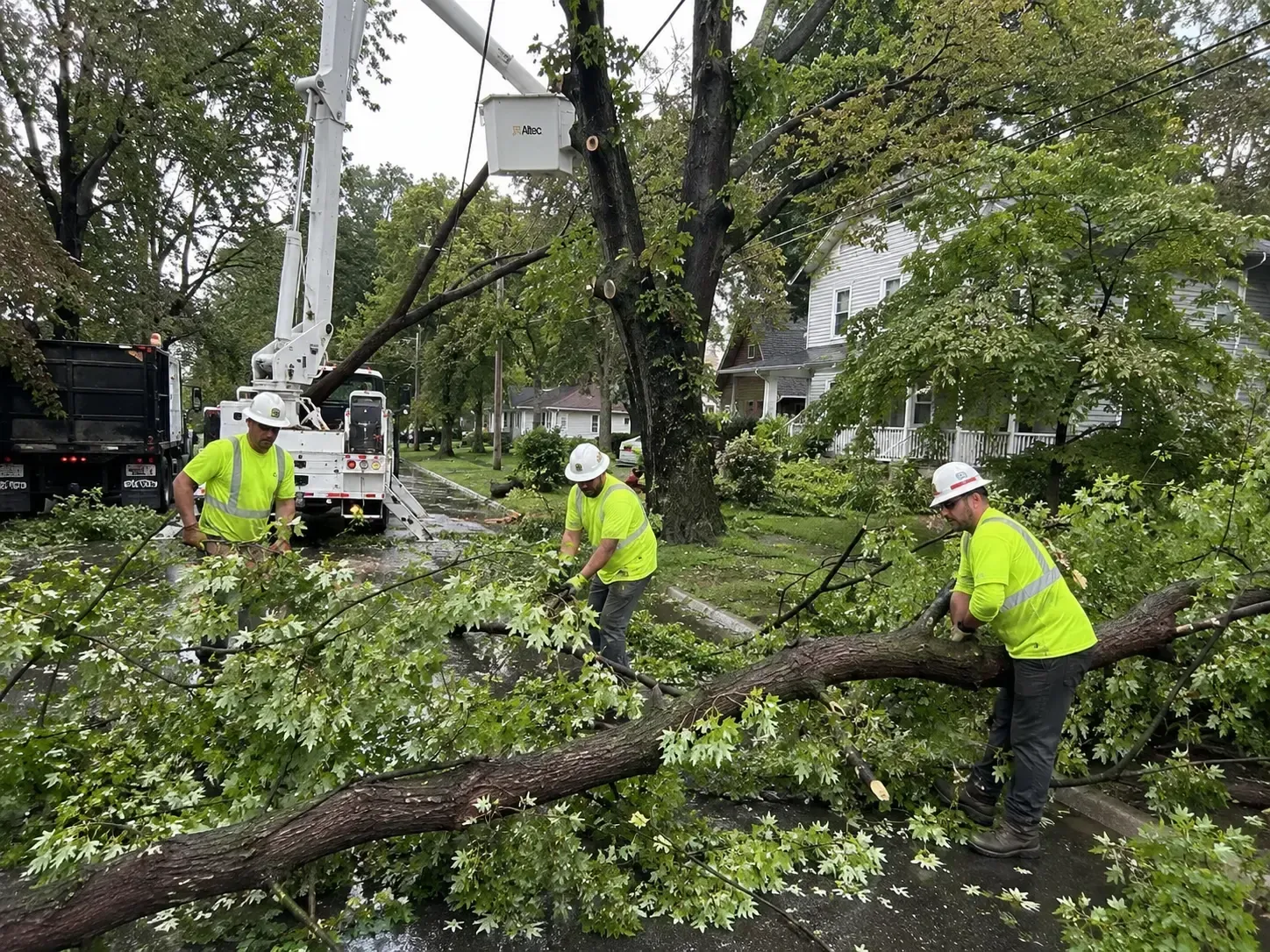
Reliable emergency tree removal ensures that fallen debris is cleared safely and swiftly, keeping your listing schedule on track. Promptly addressing storm damage shows potential buyers that the home is actively monitored and protected. Maintaining the pristine condition of your yard requires a dependable local partner who can respond when urgency is required.


Partnering with Local Experts for a Faster Sale

Getting a home ready for the market is demanding enough without having to worry about complex landscaping liabilities. Property owners across the region rely on Tree Service West Covina to prepare their homes for successful, highly profitable sales.


Working with local professionals guarantees that the specific species native to our suburban environment are handled correctly. Whether you need a massive stump ground down to make way for a new driveway or extensive pruning to reveal your home's facade, local experts deliver results that buyers notice immediately through services such as:


  • Safe dismantling of hazardous branches
  • Precision stump grinding for flat lawns
  • Aesthetic crown shaping for optimal photography
  • Rapid response for weather-related debris

Safety is paramount during these preparations. Hiring insured, experienced technicians ensures your property sustains no accidental damage right before going on the market. Taking the time to properly manage your mature trees proves to buyers that you have protected your investment, encouraging them to confidently make it theirs.


Frequently Asked Questions


  • How far in advance of listing my home should I schedule tree care?

    Ideally, you should have arborists evaluate and service your property three to four weeks before taking real estate photos. This timeline ensures all heavy debris is cleared and allows you to finish ground level landscaping like mulching and planting flowers.


  • Can removing a dead tree actually increase my property value?

    Yes. Dead or dying trees are major red flags for buyers and home inspectors. Removing them eliminates a massive liability, improves the visual space of the yard, and prevents buyers from demanding steep price reductions to cover the removal costs themselves.


  • Do I need a permit to remove a tree on my West Covina property?

    Certain large or heritage trees may require local municipal permits before they can be legally removed. A professional tree care company operating locally will understand the specific city ordinances and help you navigate the necessary paperwork before starting the project.


  • Should I prune trees before or after the rainy season?

    It’s best to prune before heavy rains begin. This reduces the risk of branch breakage and helps trees recover faster once the weather turns wet.
By John Constantine May 23, 2026
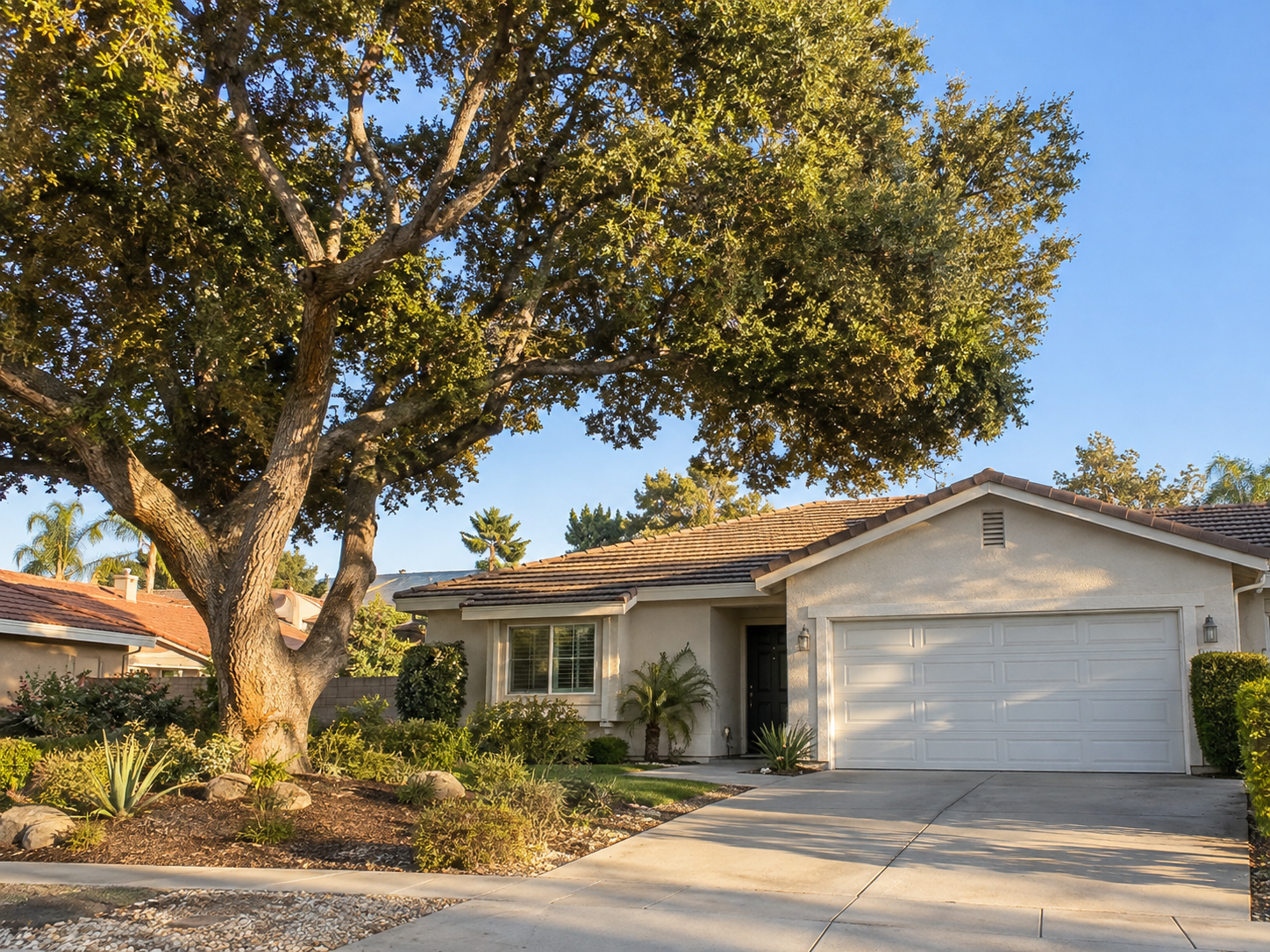
West Covina residents prioritize professional tree care to maintain robust property values, enhance curb appeal, and mitigate strict liability risks. By investing in routine maintenance, homeowners and property managers actively protect their real estate from severe storm damage while adhering to local HOA guidelines. Engaging licensed and insured arborists ensures long-term landscape health and community safety. * Routine tree trimming prevents structural damage and drastically improves residential curb appeal. * Preemptive removal of dead or diseased trees protects property owners from costly legal and financial liabilities. * Professional services ensure full compliance with West Covina municipal codes and strict HOA landscaping standards.
By John Constantine May 21, 2026
Maintaining a healthy landscape in West Covina requires consistent attention to the natural elements surrounding your property. The unique Southern California climate provides excellent growing conditions for a wide variety of tree species. However, these same ideal conditions mean vegetation can quickly become overgrown, presenting risks to both safety and property value. Managing your canopy through targeted care ensures longevity and aesthetic appeal for your yard. At West Covina Tree , we understand the specific environmental factors that affect local foliage. Regular maintenance goes far beyond simple aesthetics. Proper pruning dictates the structural integrity of your branches, encourages healthy seasonal blooming, and protects your home from unexpected damage. Comprehensive Tree Services Benefit Your Property Health When property owners think about landscaping, they often focus entirely on watering schedules and fertilizing. Yet, structural pruning remains one of the most critical components of plant health care. Professional Tree Services provide a systematic approach to managing growth. This process involves the strategic removal of specific branches to improve the overall architecture of the plant.
By John Constantine May 19, 2026
Mature trees are a defining feature of the San Gabriel Valley. They provide much-needed shade during hot Southern California summers, improve neighborhood aesthetics, and significantly boost property values. However, for homeowners in West Covina, these beautiful natural assets can sometimes harbor a hidden threat underground. When large trees are planted too close to a house, their expansive root systems can interact with the soil and the structural footprint of the property. Property owners often wonder if these roots possess the sheer physical force required to break through solid concrete. The reality of how roots interact with residential foundations is highly complex, relying as much on soil chemistry and moisture levels as on the physical growth of the tree itself.  Understanding the mechanics of root expansion, recognizing the early warning signs of property damage, and knowing when to call in experts will help you protect your most valuable financial asset.
By John Constantine May 17, 2026
Many homeowners in West Covina take great pride in their mature landscaping. Beautiful shade trees provide relief from the Southern California sun while enhancing property values across the community. However, when a tree dies, suffers severe storm damage, or becomes a liability, property owners face the inevitable task of taking it down. While cutting the canopy and trunk is one hurdle, dealing with what remains rooted in the ground is an entirely different challenge. After removing the main body of a tree, a solid, deeply anchored stump is left behind. Many weekend DIY enthusiasts view this remnant as a simple yard project. They head to the local hardware store, buy a few tools, and assume they can pry, burn, or dissolve the stump away in a single afternoon. In reality, tackling this job without heavy equipment and specialized knowledge rarely yields good results. Relying on an experienced West Covina Tree crew ensures the job is handled safely, protecting both the property and the homeowner from unnecessary stress.
By John Constantine May 14, 2026
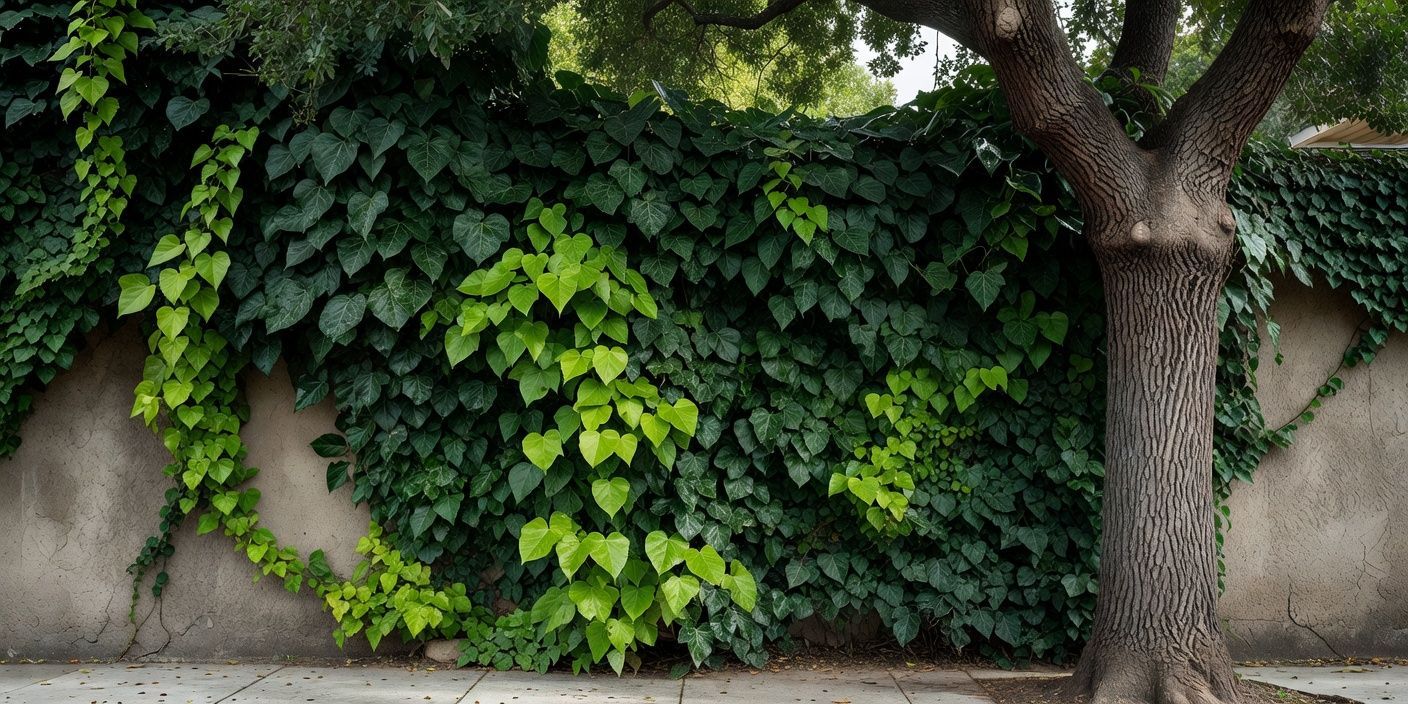
Ivy often starts as a charming addition to a garden. Many property owners plant it with the intention of creating a classic brick-and-vine aesthetic. However, this aggressive climbing plant quickly turns from a decorative feature into a landscape liability. Without strict management, ivy will overtake fences, consume mature vegetation, and degrade structural foundations. Residents of West Covina CA understand how the mild Southern California climate allows invasive vines to flourish year-round. At West Covina Tree , we routinely encounter properties entirely smothered by unmanaged growth. Addressing this issue requires more than a simple pair of gardening shears. It demands a systematic approach to safely sever the root systems and extract the clinging vines without damaging the underlying structures or suffocating the existing flora. Why Climbing Vines Present a Severe Property Risk The visual appeal of a vine-covered wall masks significant underlying damage. Ivy uses specialized aerial roots to anchor itself into microscopic cracks in masonry, wood siding, and stucco. As the vine matures, these roots expand. This expansion slowly forces cracks wider and allows moisture to penetrate deep into the building envelope. Moisture retention is another major issue. A thick blanket of leaves traps humidity against your home. This constant dampness creates an ideal breeding ground for mold, wood rot, and structural decay. Furthermore, dense foliage acts as a natural shelter for rodents, spiders, and other unwanted pests. Unchecked vines are a major red flag for inspectors and prospective buyers alike. We recently discussed how landscaping impacts property value , noting that a clean and structurally sound exterior is vital for maximizing your return on investment.
By John Constantine May 9, 2026
For homeowners in West Covina, California, seasonal shifts often bring an unwelcome surplus of fallen branches, scattered bark, and heavy leaf drop. While a small amount of organic matter is normal, accumulating tree debris quickly transitions from a minor nuisance to a legitimate property hazard. Unmanaged organic waste stifles healthy grass growth, creates breeding grounds for pests, and detracts from the overall curb appeal of your home. Property owners often underestimate the volume of waste mature trees produce. Finding an effective management strategy is vital for anyone recovering from seasonal winds or dealing with an aging oak that constantly drops limbs. West Covina Tree specializes in helping local residents maintain safe and beautiful landscapes year round. This guide explores professional recommendations for dealing with yard waste, protecting your home, and knowing exactly when to call in specialized help.
By John Constantine May 7, 2026
Maintaining a thriving landscape in Southern California requires more than occasional watering. For homeowners in West Covina, Covina, Azusa, and Baldwin Park, mature trees represent a significant investment in property value, curb appeal, and environmental comfort. The Mediterranean climate of the San Gabriel Valley brings specific challenges, from prolonged summer droughts to the severe forces of the Santa Ana winds in the fall.  Protecting your property from falling branches, mitigating storm damage risks, and ensuring your landscape complies with local homeowners association standards requires a proactive approach. Established homeowners understand that ignoring canopy health can lead to hazardous conditions, costly emergency cleanups, and property damage. This checklist provides a structured, season-by-season methodology for assessing your yard, managing growth, and maintaining the structural integrity of your large plants.
By John Constantine May 6, 2026
Removing a tree is only half the battle. Property owners often focus on bringing down a damaged or overgrown canopy and forget the obstacle left behind at the ground level. A severed trunk protruding from the earth is an eyesore and a liability. Proper landscape management requires fully addressing these remnants. For residents and businesses, maintaining safe and beautiful outdoor spaces means turning to professional stump grinding. At West Covina Tree , we understand that true landscape restoration goes beneath the surface. Integrating Quality Tree Services with Stump Grinding There is a distinct difference between general yard cleanup and comprehensive Tree Services. When a large oak or pine is cut down, the base and root system remain firmly anchored in the soil. Stump grinding is a highly specialized mechanical process that turns that stubborn wood into useful mulch. Utilizing a heavy-duty grinder with a rotating cutting disk, professionals chip away at the wood until it rests below the soil grade. Unlike total extraction, which involves heavy excavation and root pulling that can tear up your entire lawn, grinding is efficient and minimally invasive. It resolves the problem without creating a massive crater in your yard. If you have recently cleared timber from your property, scheduling professional stump grinding is the logical next step. Hidden Hazards of Remaining Trunks in West Covina CA Leaving a stump to rot naturally might seem like an acceptable, low-effort approach. The reality of the Southern California climate proves otherwise. Decaying wood sitting on your property creates a ripple effect of negative consequences. The specific dangers of ignoring these remnants include: Pest Infestations: Warm weather accelerates pest activity, making decaying wood an ideal habitat for destructive insects. Termites, carpenter ants, and wood-boring beetles are naturally drawn to dead organic matter. Once these pests establish a colony in your yard, they easily migrate toward your home structure. Property Liabilities: An exposed stump is a severe safety hazard. Children running through the grass, guests attending backyard gatherings, and landscapers operating lawnmowers are all at risk of tripping or equipment damage. Zombie Growth: Living roots can occasionally continue to grow. Certain tree species attempt to regenerate, sending up unsightly sprout clusters around the base. These shoots drain nutrients from your soil and require constant clipping.
By John Constantine May 2, 2026
Southern California presents a unique climate that heavily impacts residential landscaping. Homeowners in the San Gabriel Valley face prolonged dry spells, intense summer heat, and unpredictable winter rainstorms. These environmental stressors take a significant toll on local greenery. When a tree on your property succumbs to disease, drought, or old age, it transitions from a beautiful landscape feature to a severe liability.  Many property owners underestimate the structural instability of decaying wood. A lifeless tree does not simply stand dormant. It begins an active process of decomposition that compromises its foundation and branches. Understanding the risks associated with decaying timber is a vital part of responsible property management in West Covina. Taking immediate action can prevent catastrophic property damage, costly legal liabilities, and severe personal injury.
By John Constantine May 1, 2026
Climbing vines can give a residential or commercial property a classic, historic aesthetic. Many homeowners plant these vines intentionally, hoping to achieve a beautiful, natural facade. However, left unchecked, species like English ivy and Algerian ivy quickly transform from a charming ground cover into an aggressive parasite. These persistent climbers scale vertical surfaces, envelop heavy branches, and slowly suffocate mature foliage. For property owners relying on West Covina Tree to maintain their outdoor spaces, understanding the mechanics of invasive vine management is critical to preserving plant health, property value, and overall safety. The Hidden Dangers of Invasive Vine Growth Invasive climbers do not just use a trunk for temporary physical support. As the vines ascend, they develop tiny, aggressive adventitious roots known as holdfasts. These specialized rootlets secrete a heavy, glue-like substance that binds fiercely to bark, brick walls, and wooden siding. Over time, the dense, overlapping mat of foliage traps excess moisture tightly against the wood. This constant dampness creates an ideal breeding ground for fungal infections, structural rot, and destructive wood-boring insects. Beyond structural decay, this thick blanket of vegetation creates a perfect harborage for unwanted pests. Rats, mice, and insect colonies actively seek out the protective cover provided by thick vines. By allowing these plants to scale your canopy, you inadvertently provide a bridge for pests to access your roof and attic spaces.