The Importance of Professional Tree Trimming for West Covina Properties
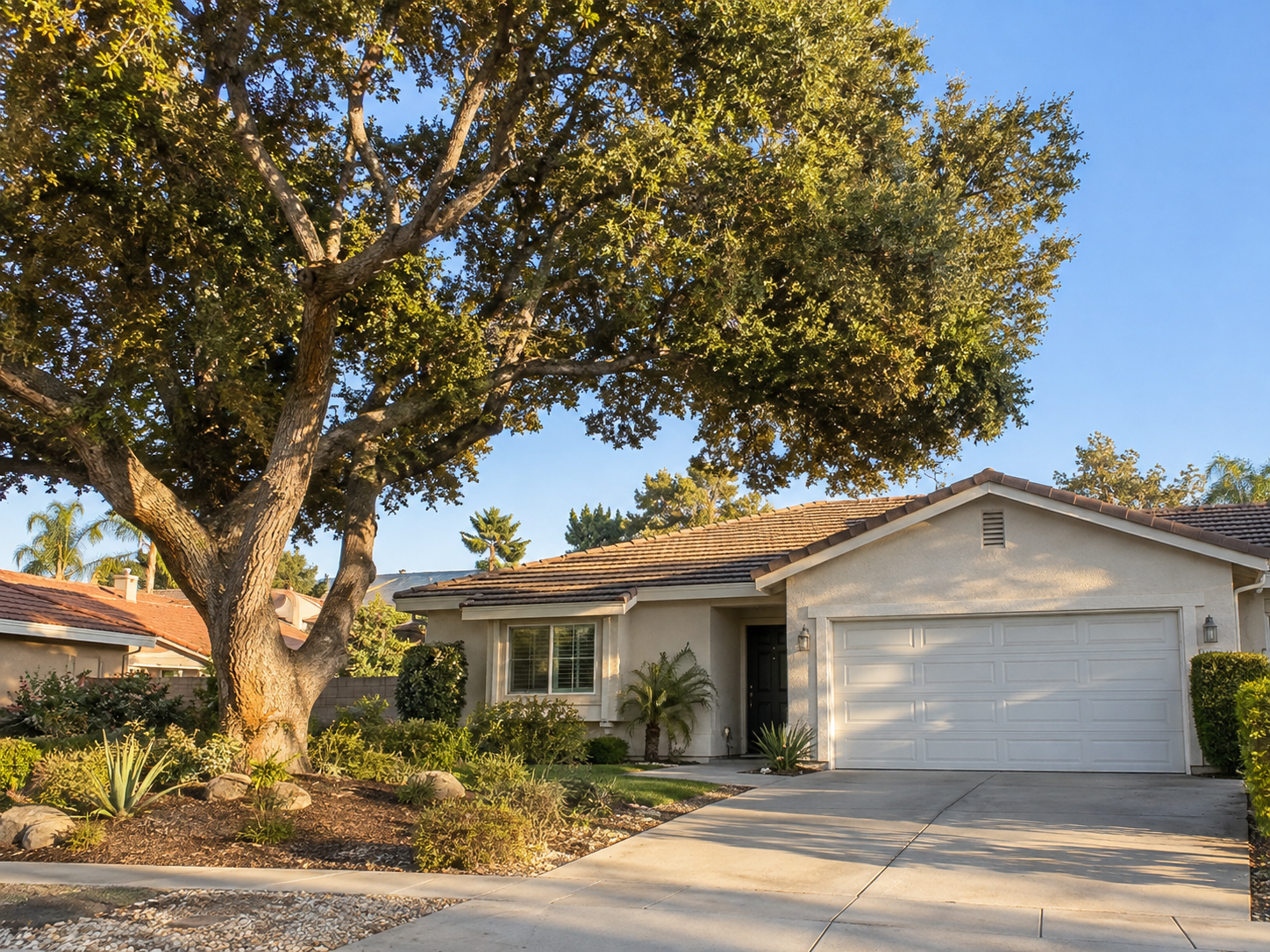
Maintaining a healthy landscape in West Covina requires consistent attention to the natural elements surrounding your property. The unique Southern California climate provides excellent growing conditions for a wide variety of tree species. However, these same ideal conditions mean vegetation can quickly become overgrown, presenting risks to both safety and property value. Managing your canopy through targeted care ensures longevity and aesthetic appeal for your yard.
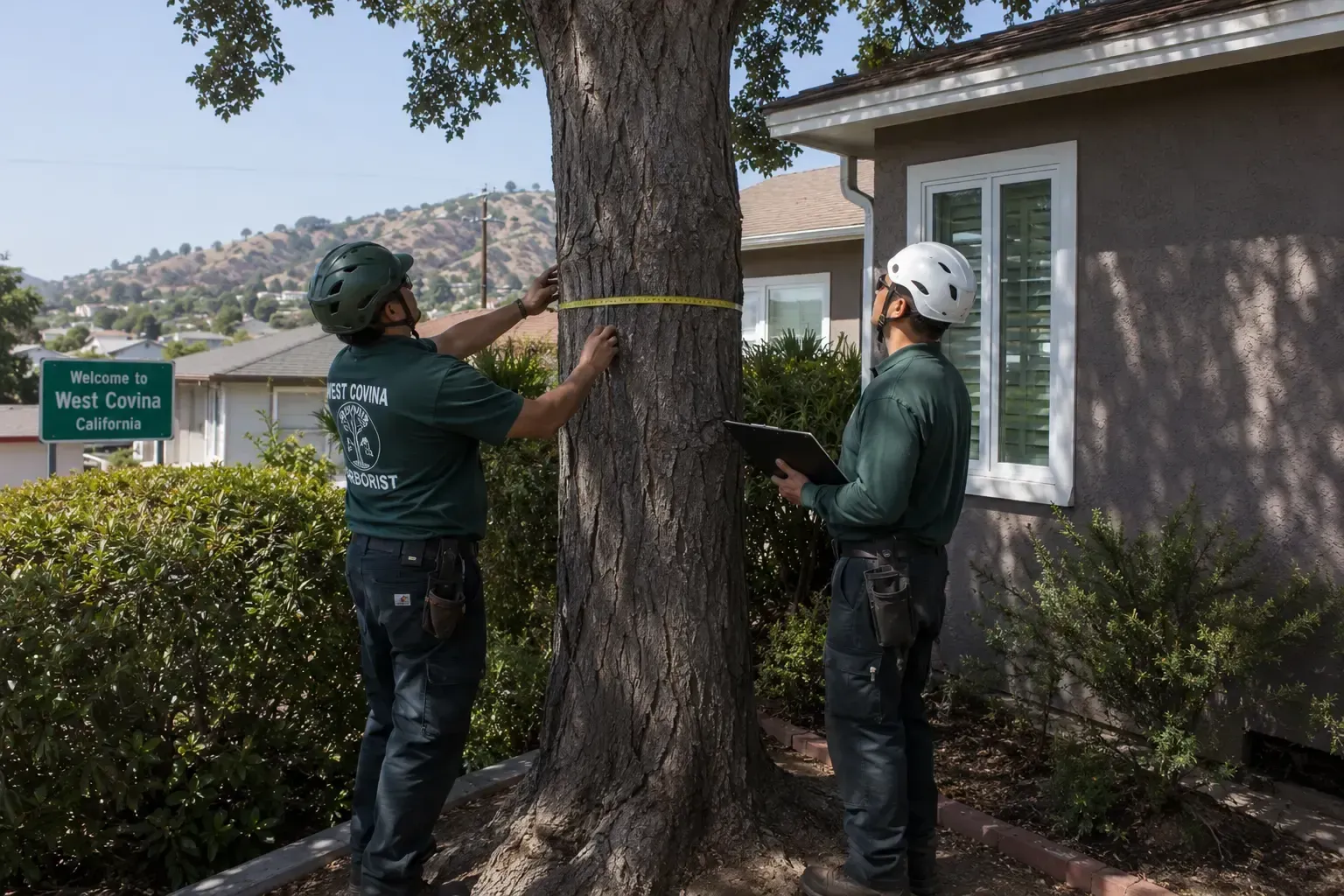
At West Covina Tree, we understand the specific environmental factors that affect local foliage. Regular maintenance goes far beyond simple aesthetics. Proper pruning dictates the structural integrity of your branches, encourages healthy seasonal blooming, and protects your home from unexpected damage.
Comprehensive Tree Services Benefit Your Property Health
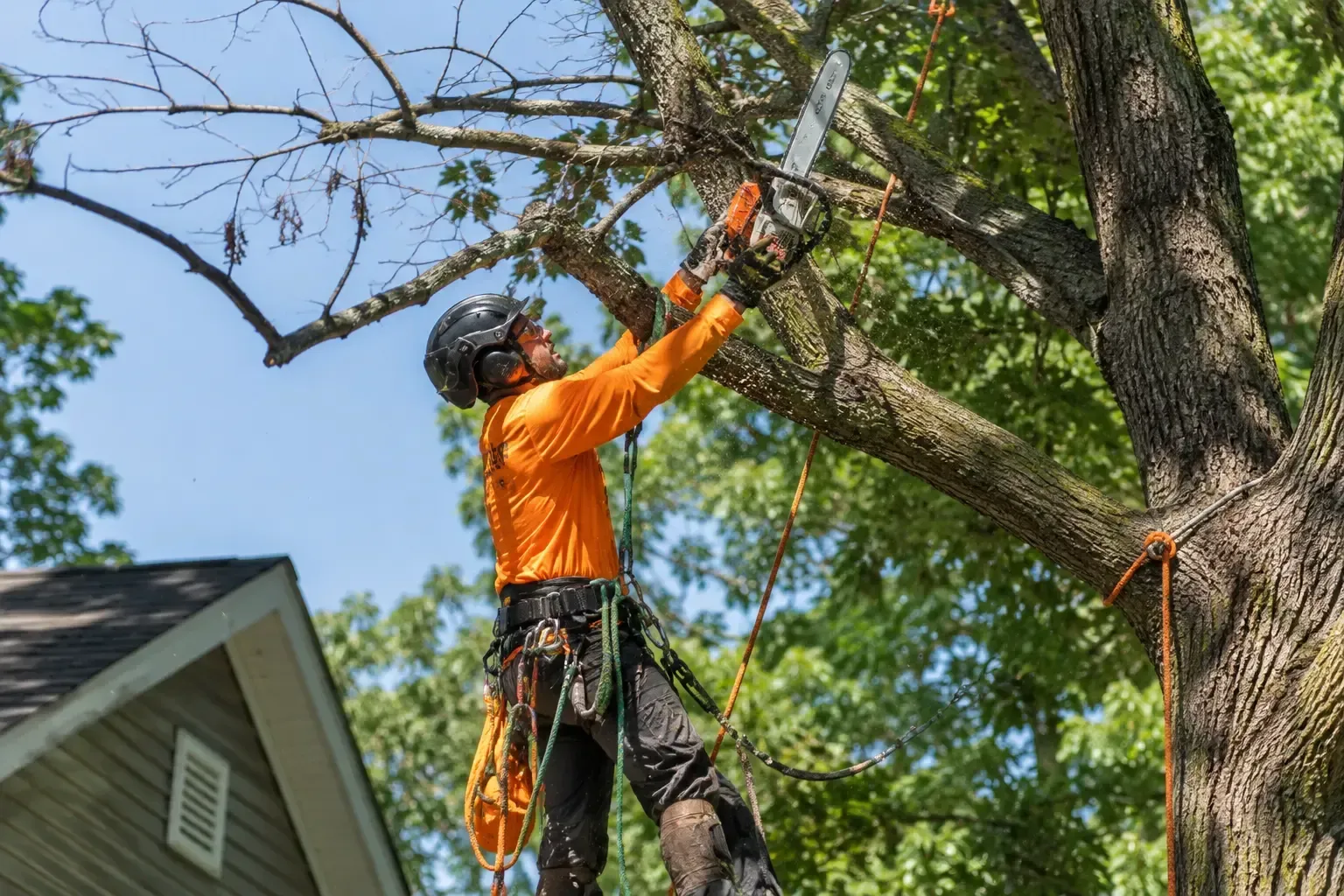
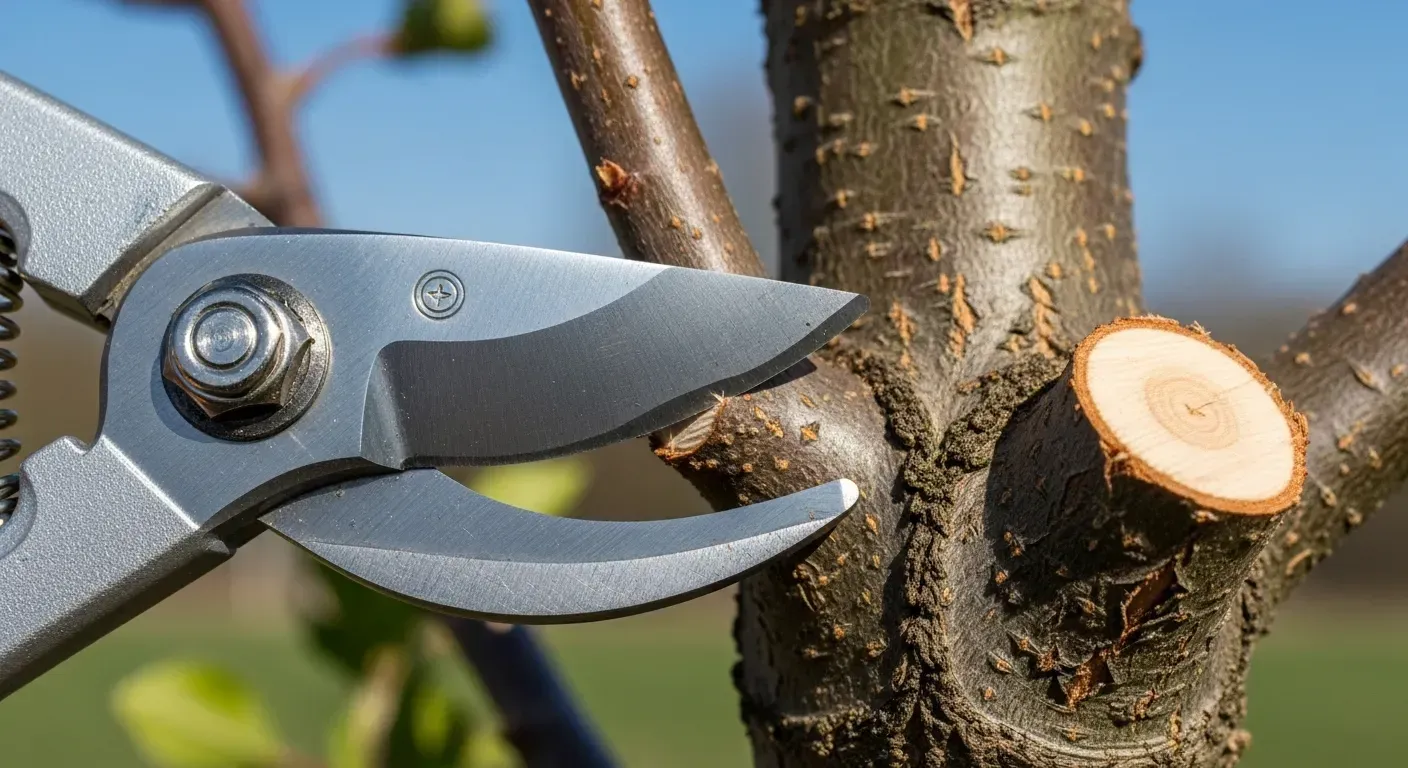
When property owners think about landscaping, they often focus entirely on watering schedules and fertilizing. Yet, structural pruning remains one of the most critical components of plant health care. Professional Tree Services provide a systematic approach to managing growth. This process involves the strategic removal of specific branches to improve the overall architecture of the plant.
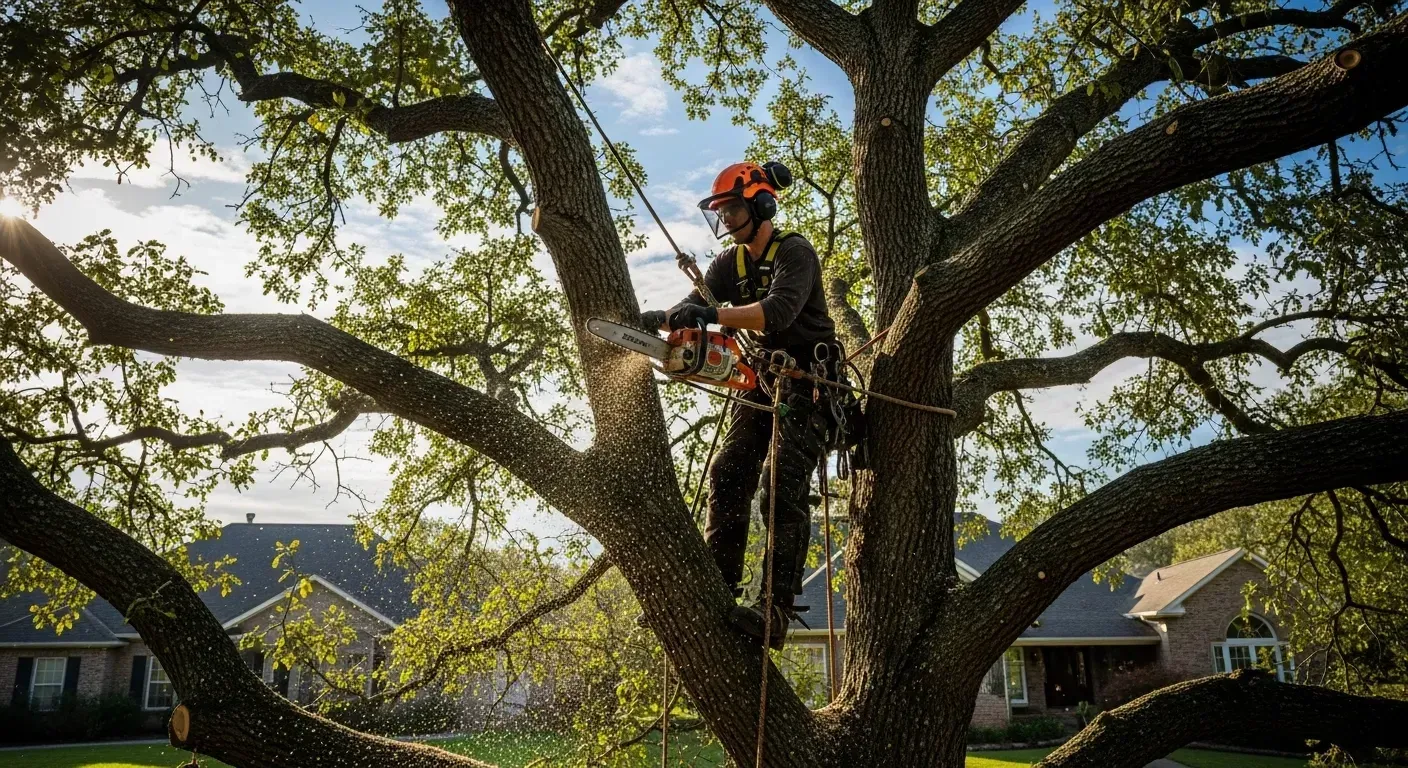
Removing dead, diseased, or crossing branches allows the plant to direct its vital energy toward healthy new growth. This targeted approach prevents decay from spreading downward into the main trunk. When you invest in regular pruning, you actively improve air circulation through the upper canopy. Better airflow reduces the likelihood of fungal diseases that thrive in dense, stagnant foliage. Furthermore, thinning the branches allows more sunlight to reach the grass, flowers, and shrubs growing below, ensuring a vibrant ecosystem across your entire yard.
Recognizing When Your West Covina Yard Requires Attention
Trees communicate their needs clearly if you know exactly what to look for. Paying attention to visual cues can save you from costly property damage down the line. Here are a few primary indicators that your foliage requires professional attention:
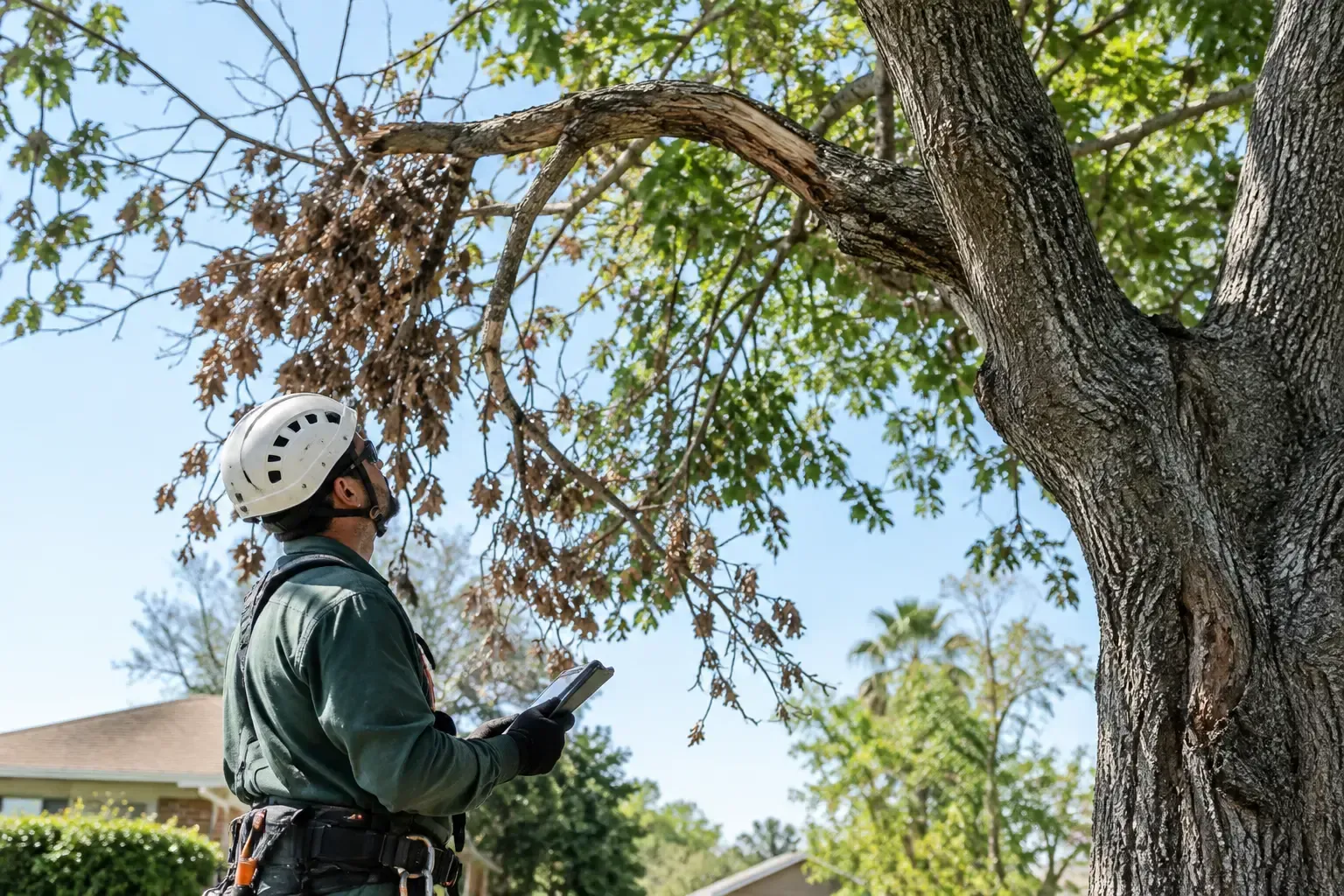
- Dead or broken branches: Hanging limbs are significant hazards that can fall completely without warning.
- High canopy density: If you cannot see sunlight filtering through the leaves, the structure is likely too thick and vulnerable to wind damage.
- Proximity to structures: Limbs growing too close to power lines, rooflines, or neighboring properties need immediate correction.
- Crossing branches: Limbs that rub against one another strip away protective bark and create entry points for pests and infections.
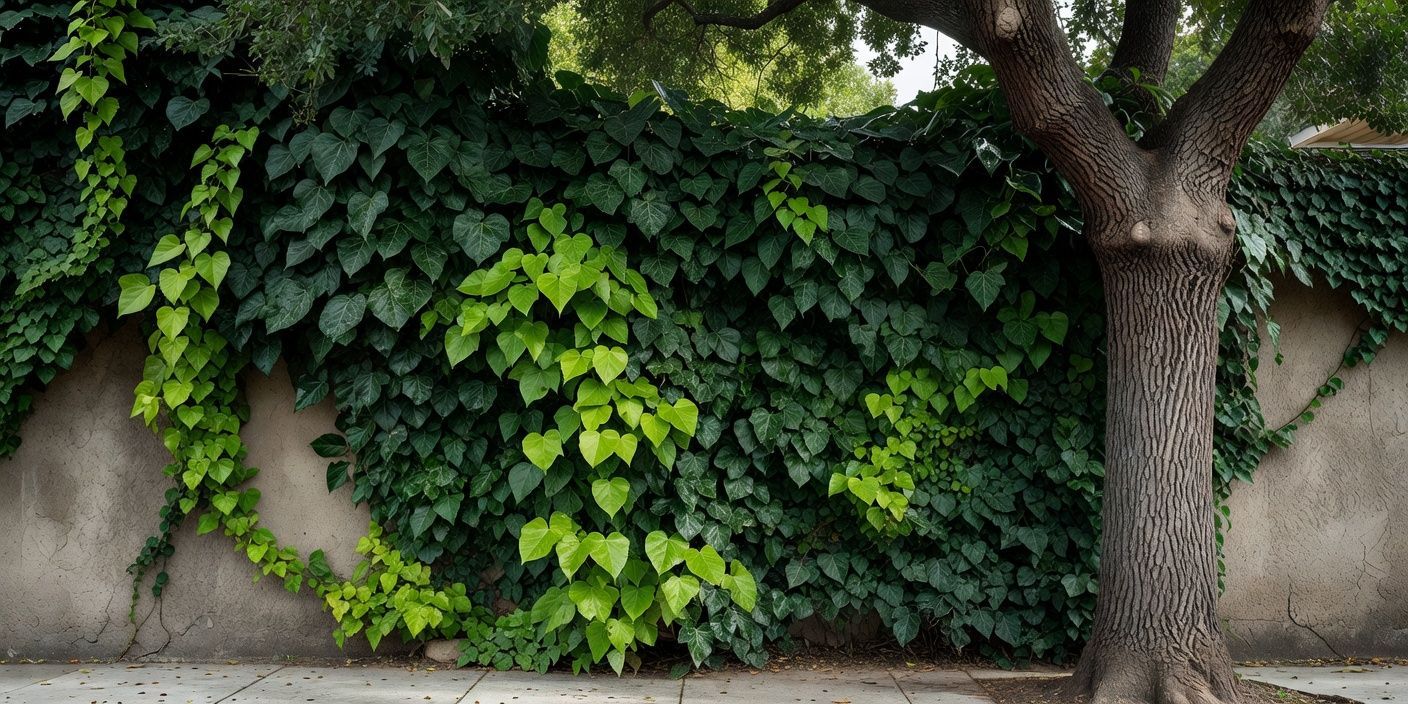
While evaluating the upper canopy, it is equally important to assess the base of the plant. Sometimes, overgrown top growth correlates with extensive root expansion below ground. If you notice raised concrete or plumbing issues, you can learn more about whether tree roots are dangerous for foundations in West Covina homes to better understand the full scope of your landscaping situation.
Prioritizing Safety and Risk Management
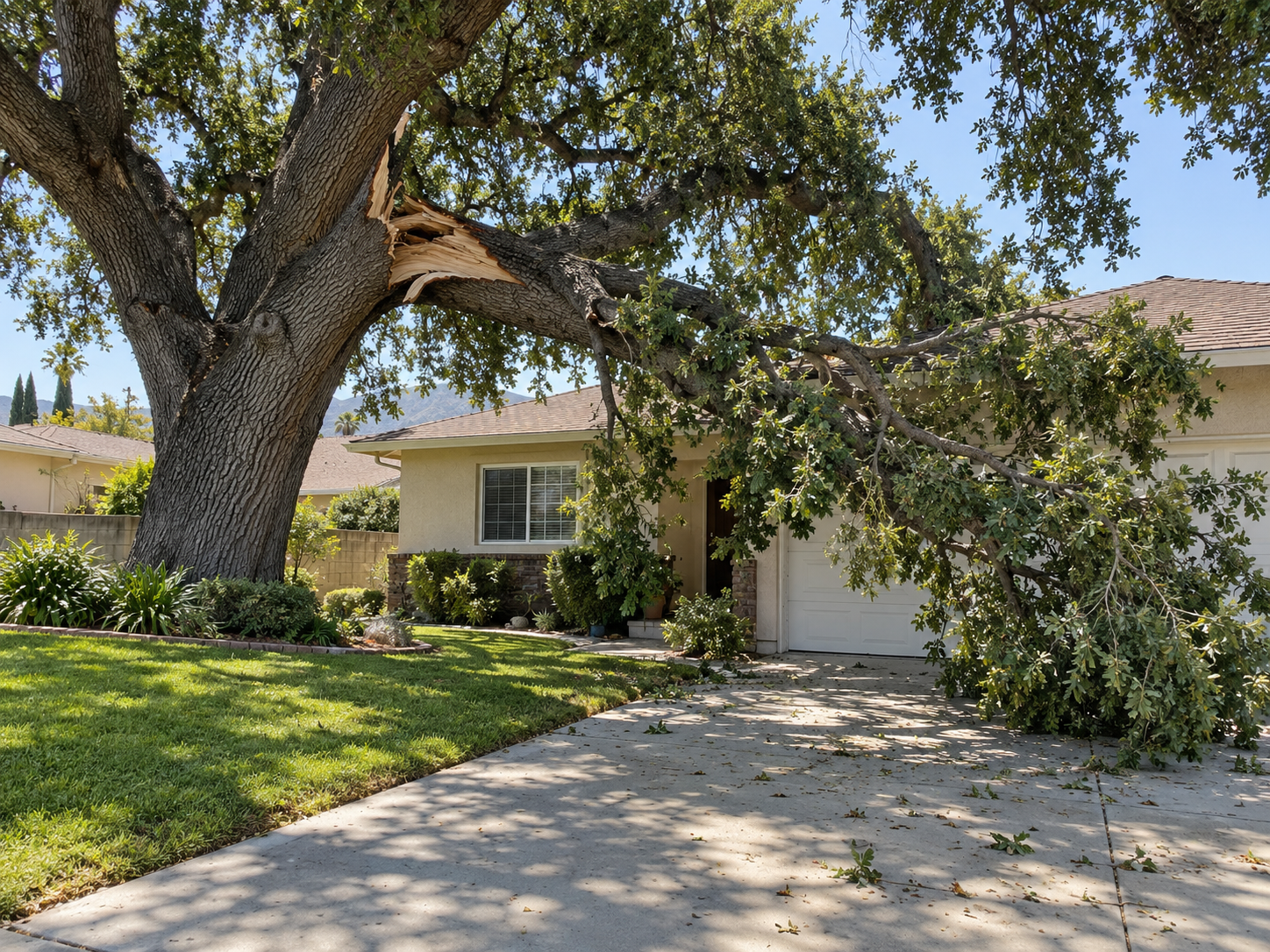
Overgrown branches pose a severe threat to residential and commercial structures alike. Heavy limbs resting on a roof can damage shingles, compromise structural integrity, and create easy pathways for rodents and insects to enter your home. During severe weather, weak or decaying branches are the first to snap under pressure. Addressing these weak points proactively minimizes the risk of catastrophic failure.
During the notorious Santa Ana wind events that sweep through the San Gabriel Valley, a top-heavy canopy acts like a sail. The dense foliage catches the wind, putting immense strain on the trunk and root system. Strategic thinning allows these high winds to pass safely through the branches, drastically lowering the chance of the tree uprooting entirely.
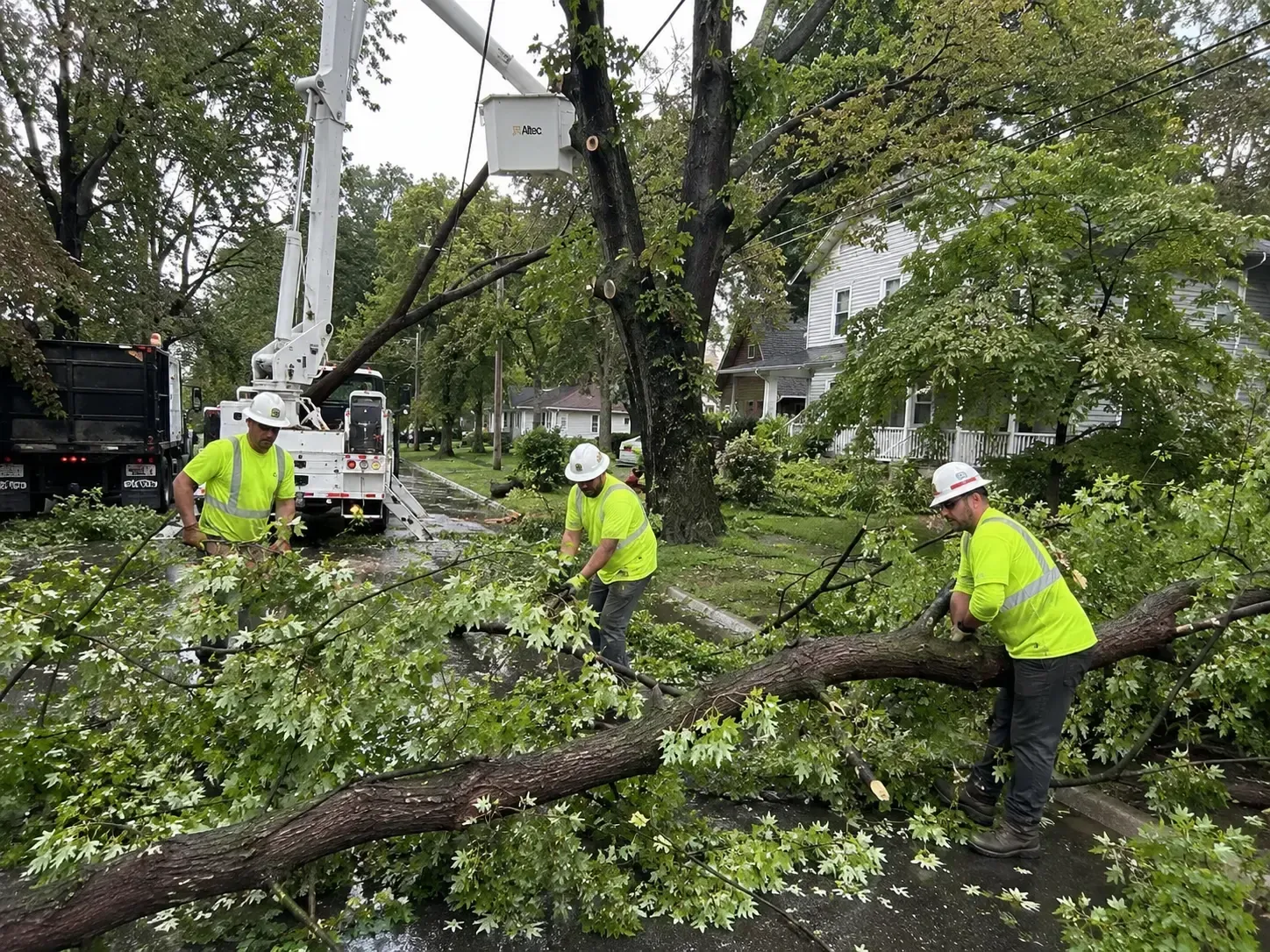
Sometimes a situation escalates beyond routine maintenance. A severe storm might crack a massive limb, leaving it hanging precariously over a driveway or walkway. In these urgent scenarios, relying on emergency tree removal becomes essential to protect your property and your family. Alternatively, if a specimen is entirely dead or diseased beyond recovery, standard pruning will not solve the problem. In such cases, complete tree removal is the safest and most logical course of action to prevent the spread of disease and eliminate the hazard completely.
Strategic Pruning for the Southern California Climate
Timing plays a pivotal role in the success of your landscaping efforts. The West Covina climate features hot, dry summers and mild, occasionally wet winters. Pruning at the right time of year reduces stress on the plant and promotes robust recovery. Generally, late winter or early spring serves as the optimal window for major structural pruning. During this dormant period, the absence of leaves makes it much easier to assess the true architecture of the branches.
However, dead or hazardous limbs should be removed immediately, regardless of the season. Light trimming to shape the exterior canopy can also occur during the summer months without causing harm, provided the cuts are minimal. Understanding the specific needs of different local species requires deep regional knowledge. You can read more about our extensive experience navigating the unique arboricultural demands of our local communities. Our localized expertise ensures that every cut made is highly beneficial to the specific species in your yard.
Securing Expert Assistance for Your Landscape
Executing a proper pruning strategy requires much more than just a chainsaw and a ladder. It demands a deep understanding of plant biology, physics, and rigorous safety protocols. Improper cutting techniques can cause irreversible damage. A bad cut might create a permanent wound that leaves the trunk highly vulnerable to pests and rot. Similarly, stripping away too much foliage at once can send the plant into shock, stunting its growth for years.
Hiring experienced professionals guarantees that the job is done safely, legally, and to the highest arboricultural standards. The team at West Covina Tree takes immense pride in elevating the health and beauty of our local urban forest. We assess each situation individually, providing customized solutions tailored strictly to your specific landscaping goals. To schedule an evaluation or to discuss your maintenance needs in detail, reach out and contact our dedicated local team today.
Frequently Asked Questions
How often should mature trees be trimmed?
Most mature species benefit from professional pruning every three to five years. However, this timeline varies based on the specific species, the tree's overall health, and its exact location on your property. Fast-growing varieties or trees located near structures and power lines may require more frequent evaluations to maintain proper clearance and safety.
Can severe pruning harm or kill a tree?
Yes. Removing too much of the canopy at one time heavily restricts the plant's ability to produce food through photosynthesis. This harmful practice, often called topping, causes severe stress and promotes weak, rapid sprout growth that is highly susceptible to breaking. Professional arborists adhere to strict industry standards to ensure no more than a safe percentage of live foliage is removed during a single session.
What is the difference between pruning and trimming?
While many people use the terms interchangeably, they serve fundamentally different purposes. Trimming typically refers to the process of tidying up overgrown shrubs, hedges, and small branches for aesthetic purposes. Pruning is a more scientific approach focused directly on the health and structural integrity of the plant, involving the strategic removal of dead, diseased, or crossing limbs to promote safer, healthier growth.