Are Dead Trees in West Covina Dangerous? What Homeowners Should Do Immediately
Southern California presents a unique climate that heavily impacts residential landscaping. Homeowners in the San Gabriel Valley face prolonged dry spells, intense summer heat, and unpredictable winter rainstorms. These environmental stressors take a significant toll on local greenery. When a tree on your property succumbs to disease, drought, or old age, it transitions from a beautiful landscape feature to a severe liability.
Many property owners underestimate the structural instability of decaying wood. A lifeless tree does not simply stand dormant. It begins an active process of decomposition that compromises its foundation and branches. Understanding the risks associated with decaying timber is a vital part of responsible property management in West Covina. Taking immediate action can prevent catastrophic property damage, costly legal liabilities, and severe personal injury.
What Causes Trees to Die in the San Gabriel Valley?
Before identifying a hazard, it helps to understand why trees fail in the first place. West Covina boasts a diverse urban forest, including California live oaks, towering eucalyptus, and various palm species. Despite their resilience, these plants face intense environmental stressors.
Prolonged drought is a primary culprit. Years of inadequate rainfall force trees to deplete their energy reserves. This weakens natural defenses, making them highly susceptible to secondary issues. Even with modern irrigation, large native species often struggle to receive adequate deep watering.
Soil compaction from hardscaping projects also plays a massive role in tree mortality. Severing major feeder roots or compacting the soil with heavy machinery deprives the tree of oxygen and essential nutrients, leading to a slow but inevitable decline.
Finally, invasive pests like the polyphagous shot hole borer are persistent threats in Los Angeles County. These insects tunnel into the wood, introducing pathogenic fungi that block water transport and kill the host from the inside out.
The Hidden Dangers of Dead Trees on Your Property
A deceased tree is essentially a towering piece of decaying wood. Once the root system and vascular tissues stop functioning, the wood loses its moisture content and becomes brittle. This structural degradation creates multiple severe hazards for West Covina homeowners.
Falling branches are the most frequent consequence of a neglected dead canopy. Without a live root system anchoring the structure and circulating water, even a moderate gust of wind can snap heavy limbs. These branches can crash through roofs, shatter windows, or destroy vehicles parked in driveways.
Pest infestations pose another severe threat. Dead wood acts as a magnet for wood-destroying insects like termites, carpenter ants, and bark beetles. Once these pests establish a colony in a decaying stump or trunk, they quickly multiply and search for new food sources, often targeting the wooden framework of your house.
Furthermore, rotting root systems compromise the stability of the soil surrounding your home. As roots decay, they create subterranean voids that increase the risk of localized soil collapse, threatening concrete driveways, retaining walls, and underground plumbing lines.
Identifying a Dead or Dying Tree in Southern California
Recognizing the early warning signs of decline gives you time to act before an emergency strikes. Property owners should inspect their landscape at least twice a year. Watch for these distinct indicators of poor health.
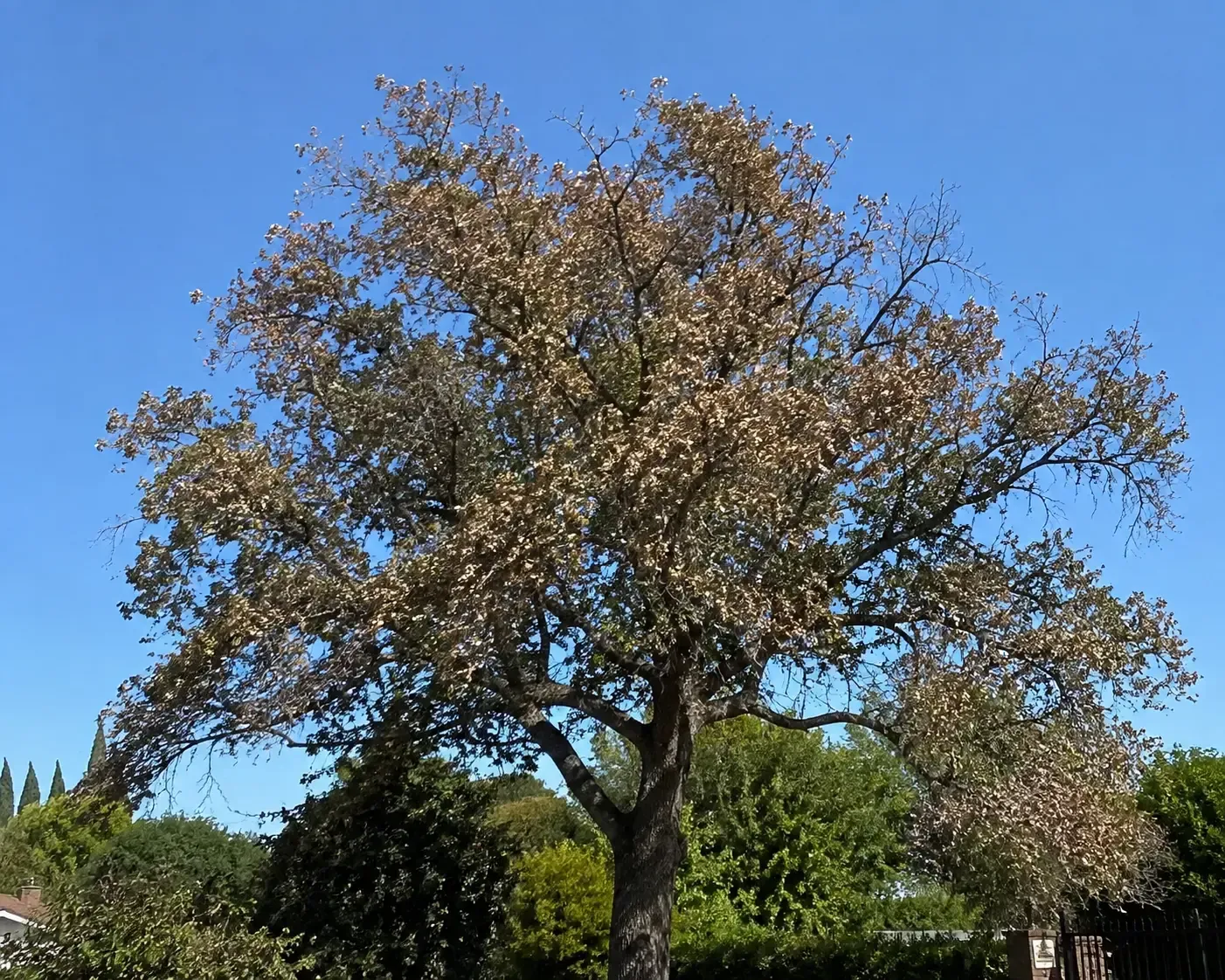
- Lack of Foliage: If a tree remains bare during the spring and summer while neighboring plants are lush, it is likely completely dead.
- Peeling Bark: When large strips of bark fall off and expose the smooth underlying trunk, the tree is failing to deliver nutrients.
- Fungal Growth: Mushrooms or shelf fungus growing at the base of the trunk or on exposed roots indicate severe internal rot.
- Leaning Posture: A sudden shift in a tree's vertical angle signifies root failure. This is highly common after heavy rains soak the West Covina soil.
- Brittle Twigs: If small branches snap easily in your hands and lack green tissue inside, the limbs are no longer receiving moisture.
- Sawdust Accumulation: Small piles of sawdust around the trunk strongly suggest wood-boring insects are actively destroying the interior structure.
Why Timely Professional Tree Services Matter
Addressing hazardous vegetation requires professional intervention. Hiring experts for comprehensive Tree Services ensures that dangerous situations are resolved safely and efficiently. Certified professionals understand the specific local species found throughout West Covina and know exactly how different types of wood behave as they decay.
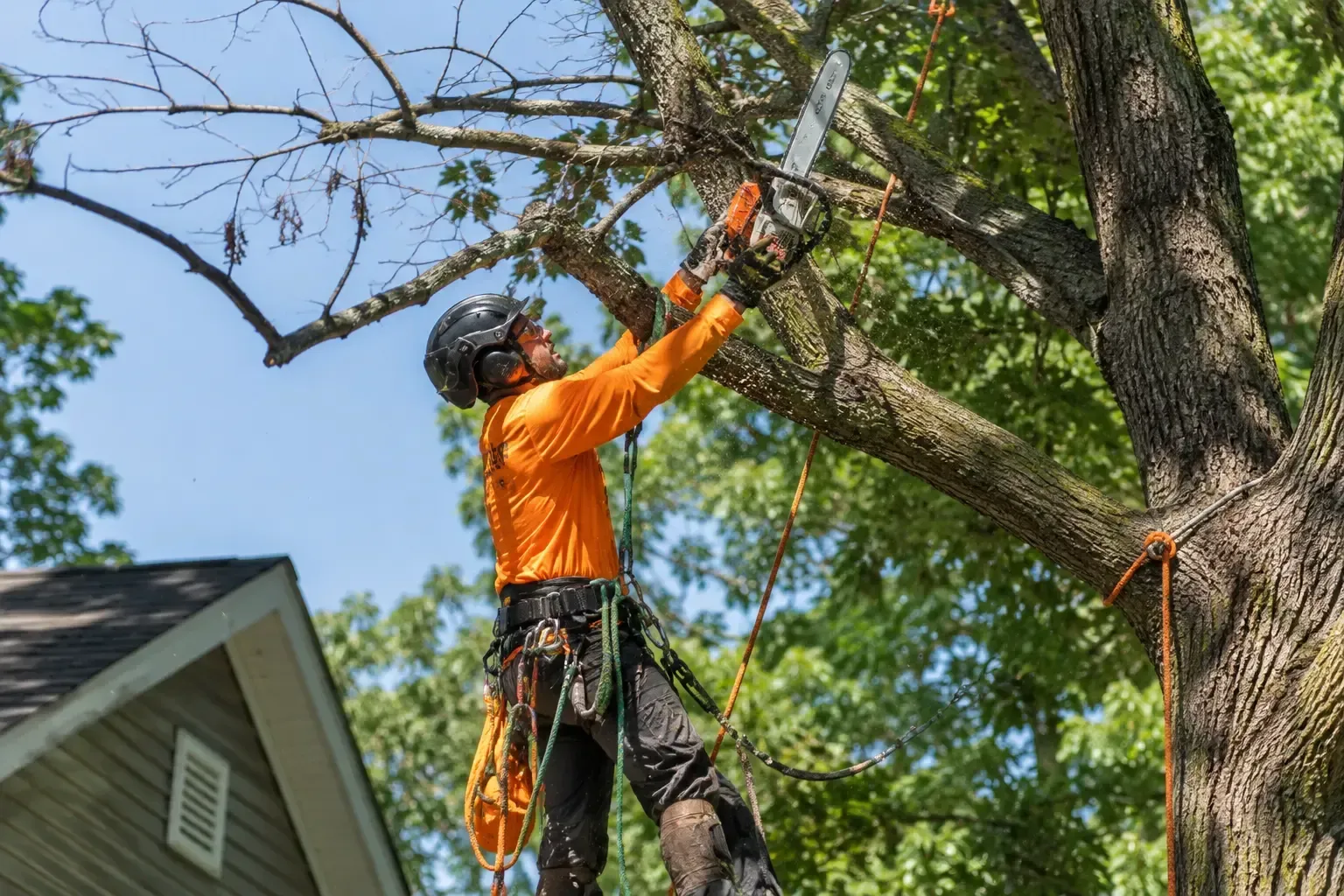
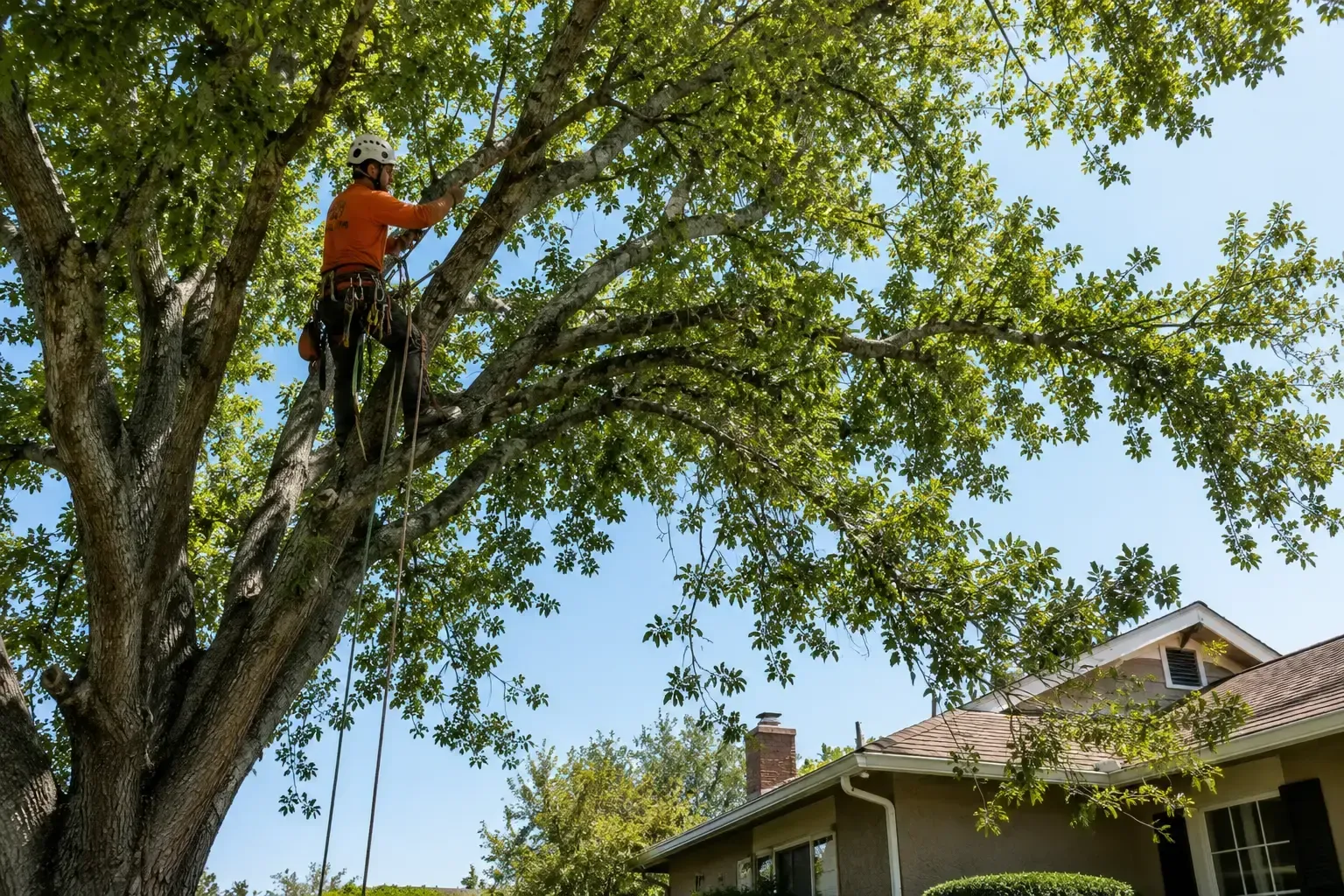
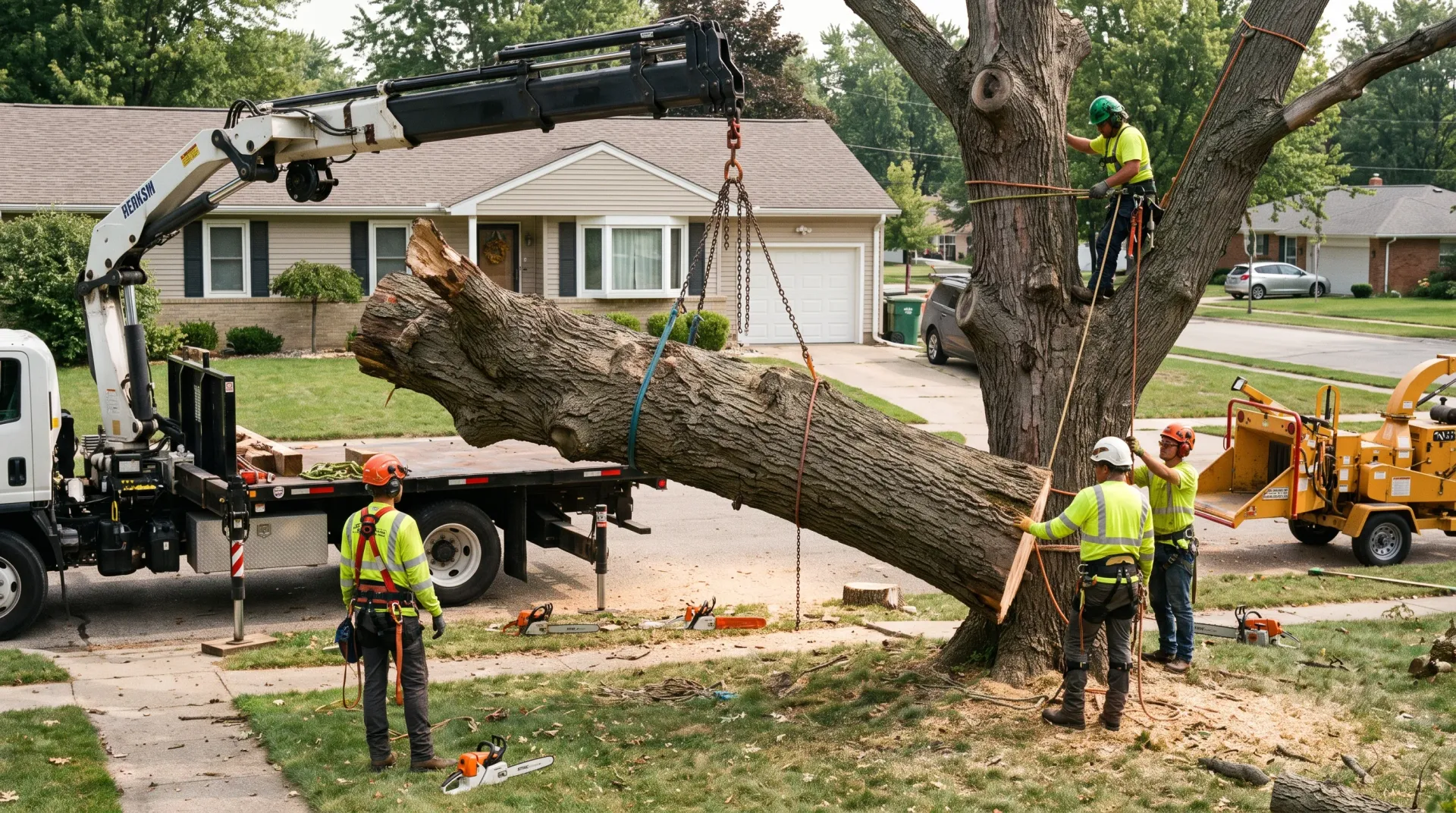
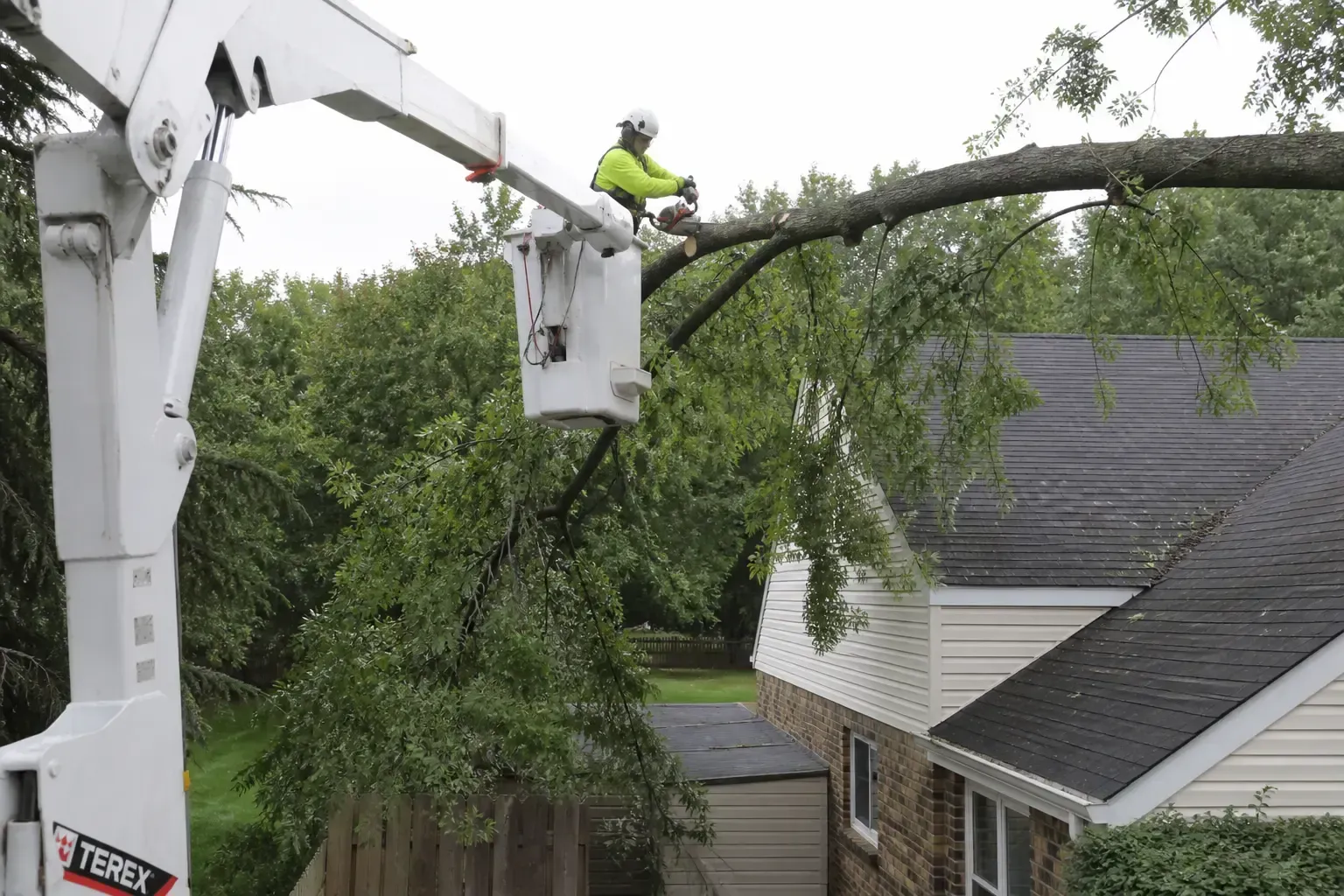
Attempting a do-it-yourself removal is highly dangerous. Tree felling involves unpredictable weight distribution, complex tension points, and dangerous proximity to electrical lines. Professionals utilize specialized equipment like bucket trucks, heavy-duty rigging gear, and industrial wood chippers to safely dismantle large specimens piece by piece.
Relying on the seasoned professionals at West Covina Tree Service guarantees that the job meets local safety regulations and industry standards. Expert crews evaluate the decay level, identify the center of gravity, and determine the safest drop zones. This meticulous planning protects your home, your family, and your expensive landscaping investments.
Regular Maintenance Preventatives
Prevention is always safer than emergency response. Regular canopy thinning and deadwood extraction keep your landscape healthy and structurally sound. By investing in routine tree trimming, you eliminate weak branches before they fail and improve the overall wind resistance of the canopy. Proper pruning also allows adequate sunlight to reach the lower branches and your turfgrass.
The Financial Impact of Ignoring Hazardous Trees
Ignoring a decaying tree carries a hefty financial burden. If a dead trunk on your property snaps and damages a neighbor's roof, fence, or vehicle, you are entirely liable for the repair costs. Insurance companies often deny property damage claims if their adjusters determine the destruction resulted from homeowner negligence rather than an unforeseen act of nature. A tree that has been dead for two years is classified as a known hazard.
Proactive removal is vastly more economical than repairing structural damage to a house or paying liability settlements.
| Scenario | Immediate Action Required | Potential Financial Impact | Liability Level |
|---|---|---|---|
| Routine Trimming | Scheduled seasonal maintenance | Low | Minimal |
| Proactive Tree Removal | Professional controlled felling | Moderate | Minimal |
| Fallen Tree on Roof | Emergency extraction and structural repair | Exceptionally High | High |
| Fallen Tree on Boundary | Extraction and fence rebuilding | High | Very High |
| Fallen Tree on Power Line | Utility dispatch and emergency clearing | Very High | Maximum |
To avoid these escalating costs and legal headaches, scheduling a planned tree removal is the most responsible course of action. Taking care of a dead specimen while it is still standing allows crews to work systematically without the chaos, premium costs, and dangers of a collapsed canopy.
What to Do When a Tree Poses an Immediate Threat
If you spot severe warning signs or hear cracking sounds coming from a large trunk, you must prioritize safety above all else. Keep your family and pets completely away from the immediate fall zone. Do not attempt to prop up leaning branches or cut limbs that are under tension, especially those touching utility lines.
Contact local utility providers immediately if branches rest on power cables. They will dispatch crews to secure the electrical hazard, though they typically will not remove the entire tree or haul away the yard debris.
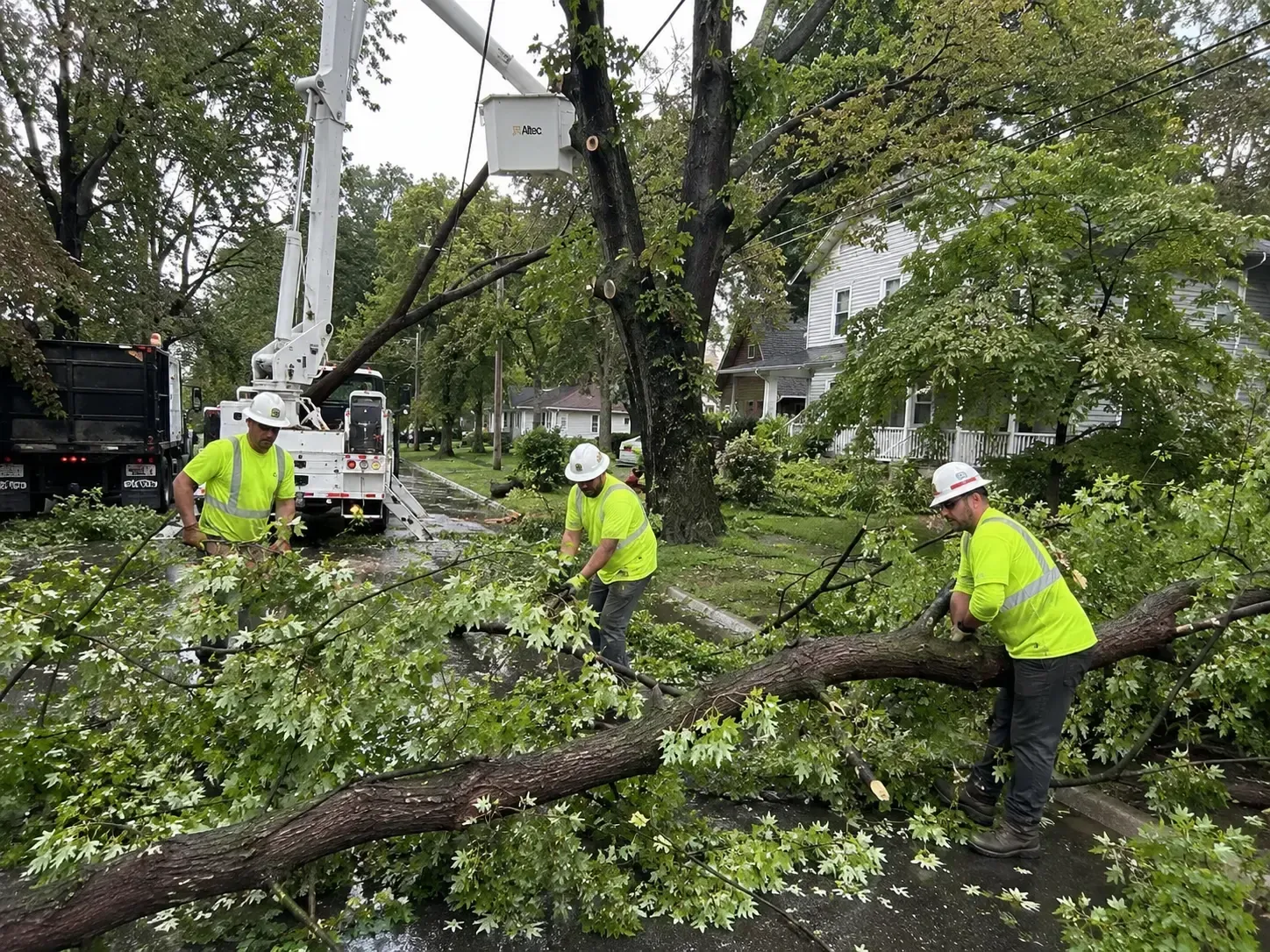
For immediate threats endangering your home structure, driveway, or public sidewalks, you need rapid professional response. Reach out for emergency tree removal to address situations where a tree has split, partially uprooted, or already fallen onto a structure. Emergency crews are equipped to mobilize quickly, stabilize the immediate hazard, and safely extract the heavy timber regardless of the weather conditions or time of day.
Protecting Your Home Long Term
Managing your property means making calculated decisions about the vegetation surrounding your house. While losing a mature tree is never ideal, leaving a dead one standing is a direct threat to your property value and safety. Working with dedicated local professionals ensures that your landscape remains beautiful, healthy, and hazard-free year after year.
Frequently Asked Questions
Will my homeowners insurance cover the removal of a dead tree?
Insurance policies typically do not cover the preventative removal of a dead tree if it has not fallen. Routine maintenance and hazard prevention are considered the property owner's responsibility. However, if a healthy tree falls onto a covered structure due to a storm, the removal and repairs are usually covered.
How can I tell if a tree is dangerous or diseased?
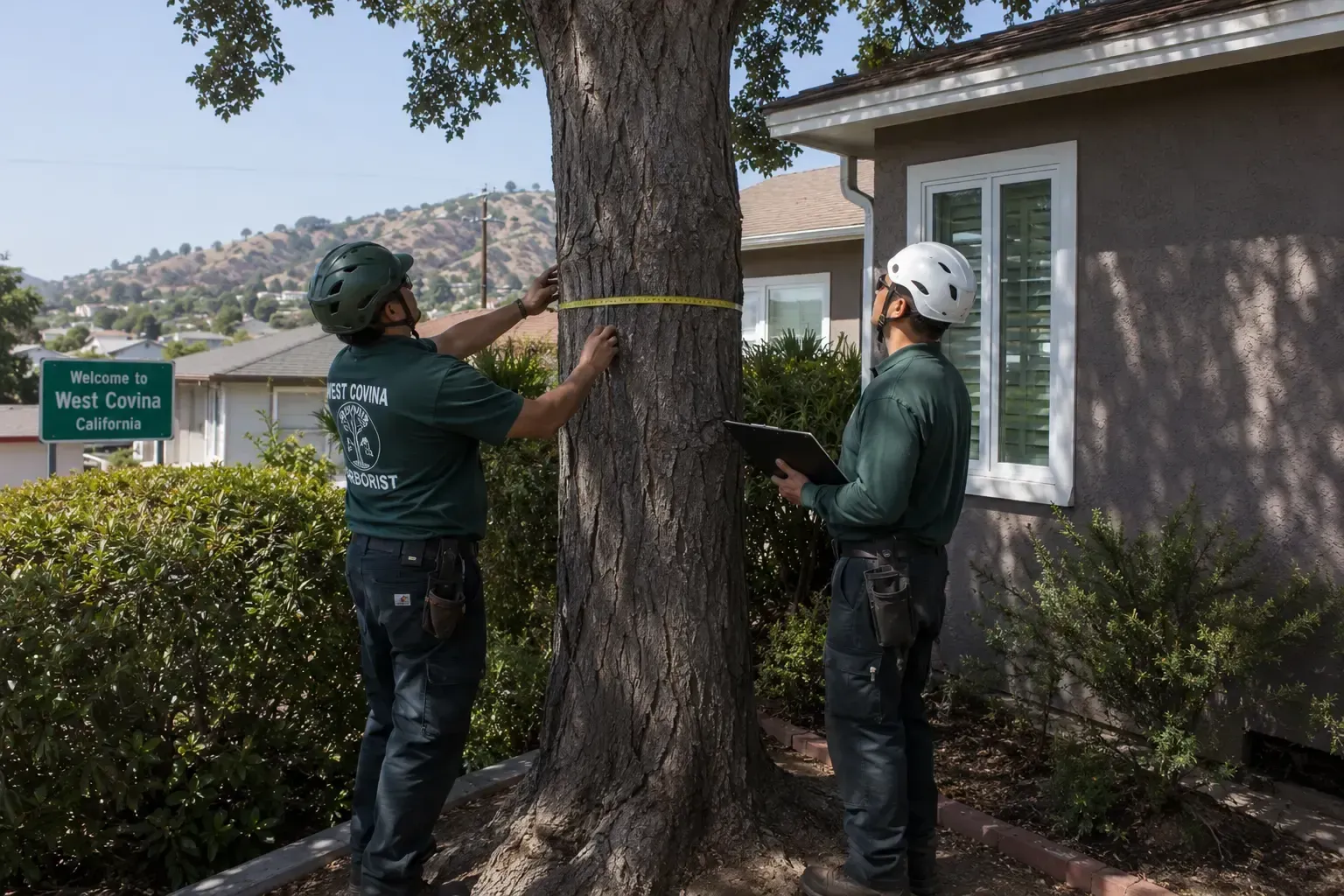
Signs include large dead branches, cracks in the trunk, fungus growth, or leaning toward structures. A certified arborist can provide a professional assessment.
Can tree roots damage my foundation or driveway?
Yes. Large roots can crack concrete, lift sidewalks, and affect underground pipes. An inspection can determine if removal is necessary.
What’s the difference between tree trimming and tree removal?
Trimming maintains health and appearance, while removal eliminates the tree entirely due to safety, disease, or property concerns.