From Overgrown to Outstanding: Tree Trimming & Removal Tips for West Covina Yards
The Brutal Reality of West Covina Tree Maintenance
Maintaining a yard in the San Gabriel Valley requires more than a pair of rusty shears and a "can-do" attitude. Between the blistering summer heat and the specific local ordinances, homeowners often find themselves overwhelmed. This is where Perfection Tree West Covina steps in. Expert care isn't a luxury; it’s a necessity to ensure your greenery doesn't become a liability. You need to know the difference between a simple prune and a full-scale extraction before the city sends you a nasty letter or a branch sends you an insurance claim.
Mastering the Art of Tree Trimming
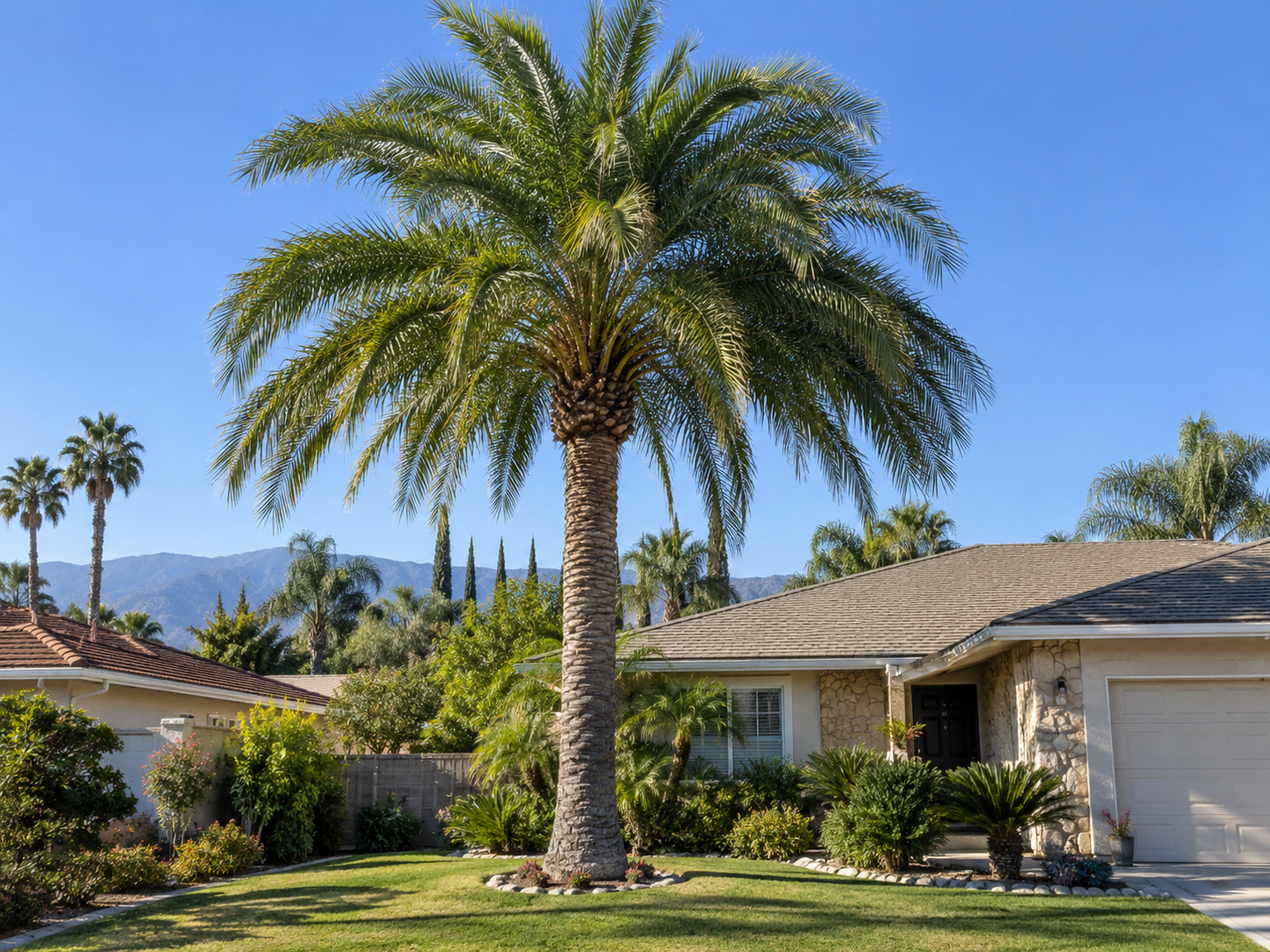
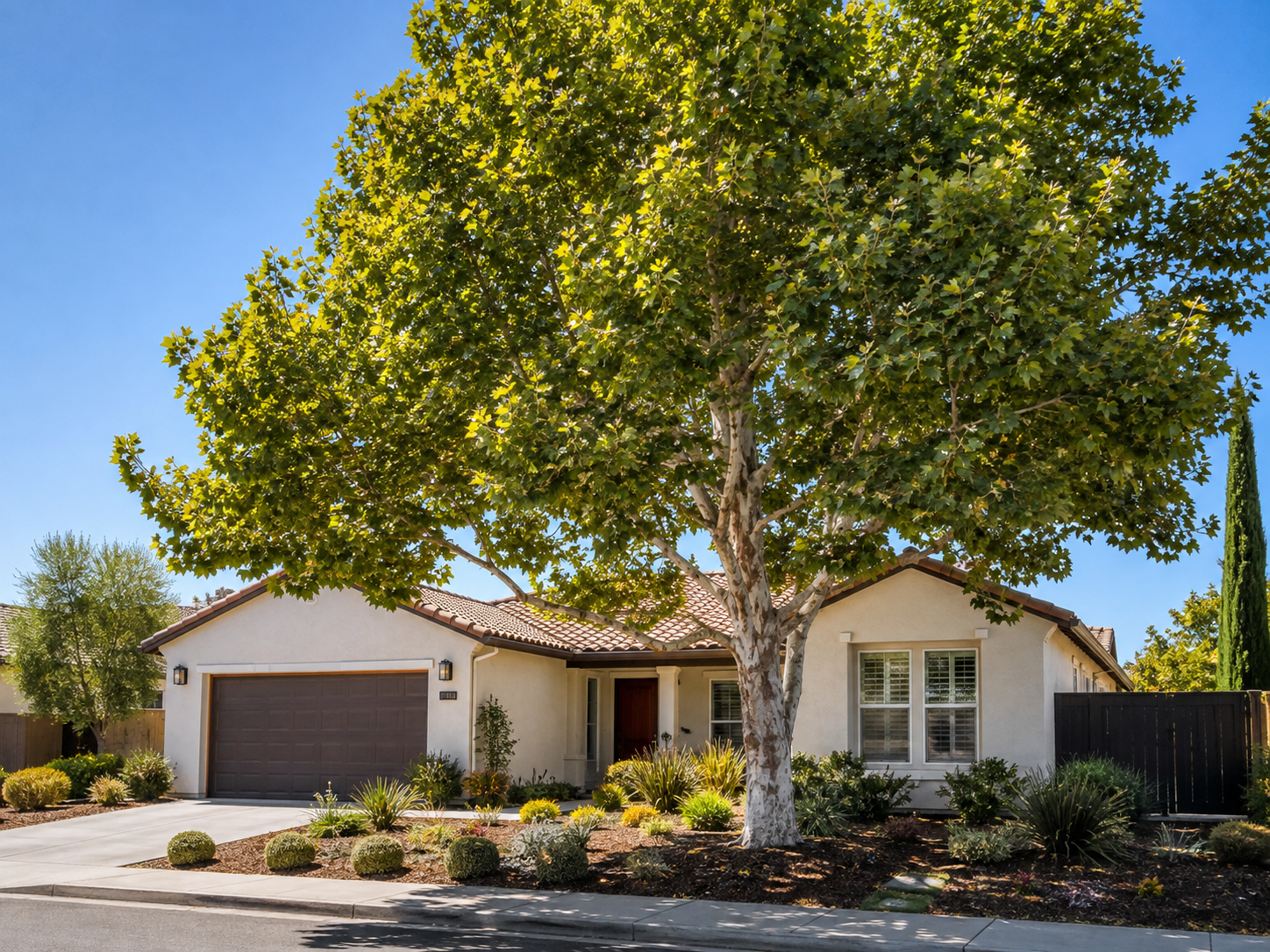
Timing is everything. Most people wait until a branch is scraping their window to think about tree trimming. That’s a mistake. If you’re dealing with deciduous trees like sycamores or ashes, you want to hit them during their dormant phase—typically November through February. This reduces stress on the plant and lets it heal before the spring growth surge. However, for those iconic California palms, you’re looking at a different calendar. Trimming them in late spring or early summer helps clear out those "hurricane skirts" of dead fronds that house pests and create fire hazards.
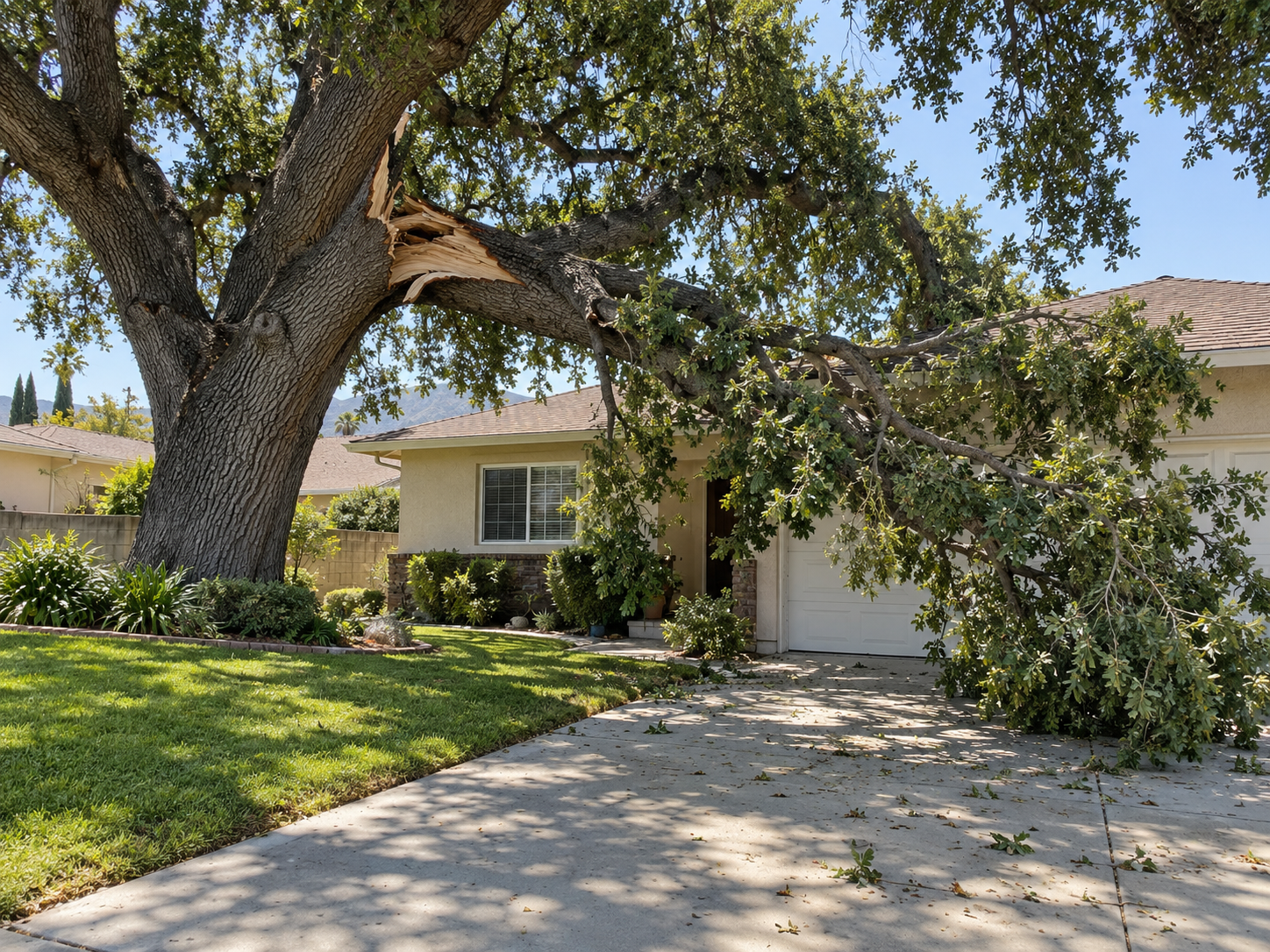
Don't fall for the "topping" trap. I’ve seen countless yards ruined because someone thought cutting the top off a tree would make it "shorter and safer." It does the opposite. Topping creates weak, vertical shoots that break easily in high winds. According to the University of California Agriculture and Natural Resources, proper thinning is the only way to maintain structural integrity. You want to remove deadwood and crossing branches to let the air flow through. If the wind can’t move through the canopy, the whole tree acts like a sail, and that’s how you end up with a trunk in your living room.
When Tree Removal is the Only Move
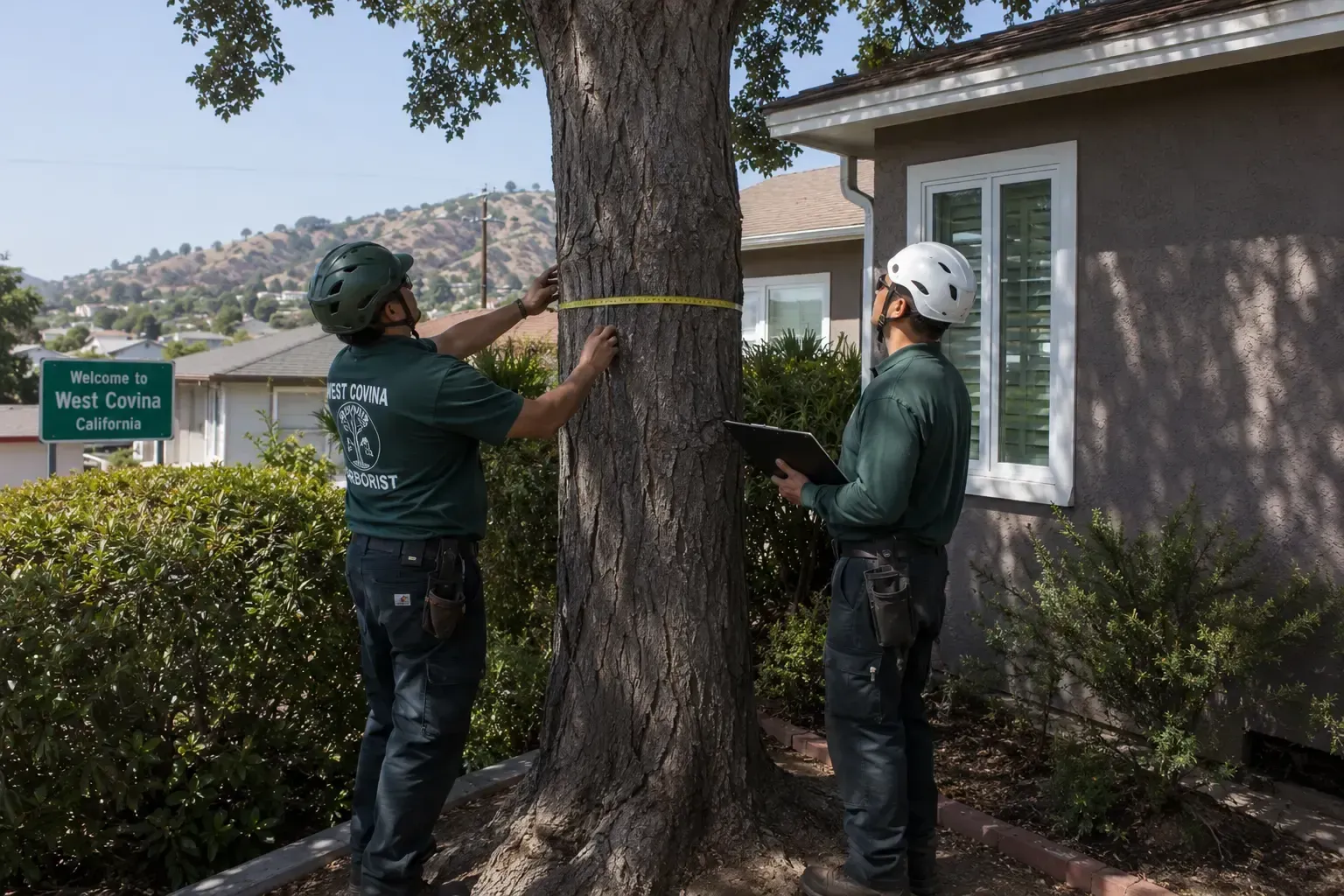
Sometimes, the damage is done. Maybe it’s root rot, maybe it’s a bark beetle infestation, or maybe the tree was just planted in a stupid spot thirty years ago. Tree removal is a surgical operation, not a DIY project for a Sunday afternoon. In West Covina, you can’t just start hacking away. The West Covina Municipal Code is very specific: if your tree has a trunk diameter of 12 inches or more and sits in a front or side yard facing the street, you need a permit. Try to bypass this, and you’ll find yourself staring at a $1,000 fine faster than you can say "timber."
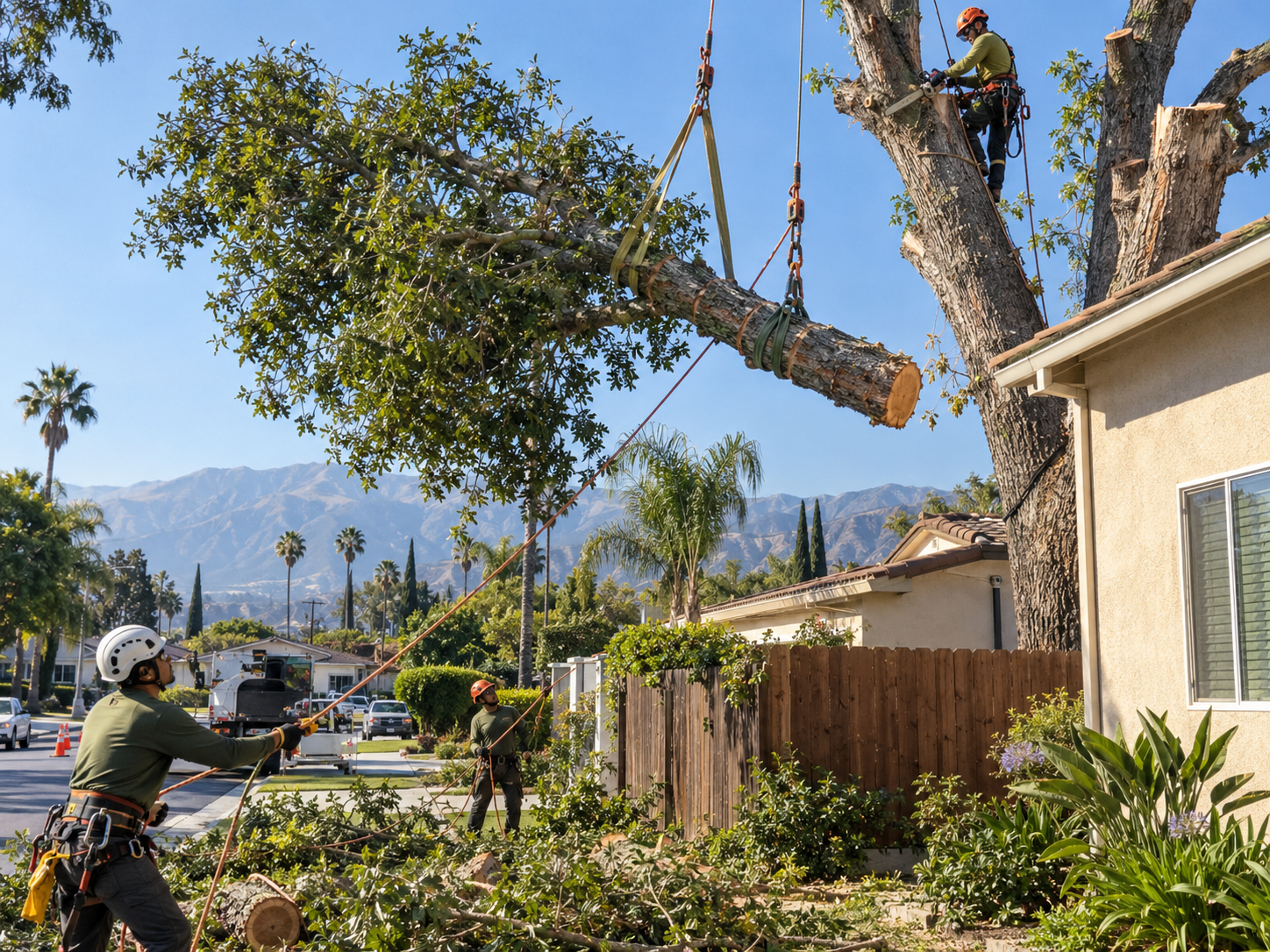
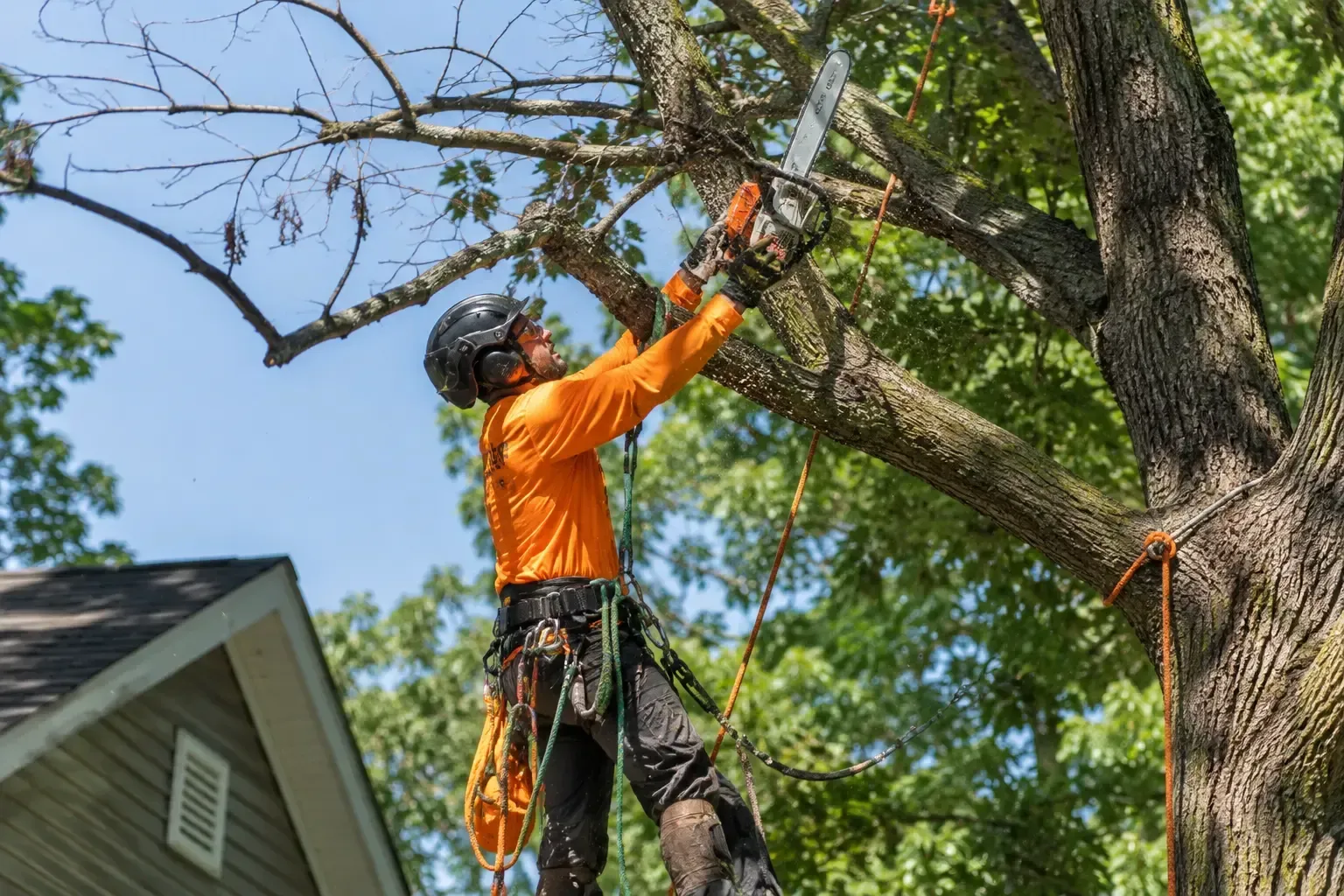
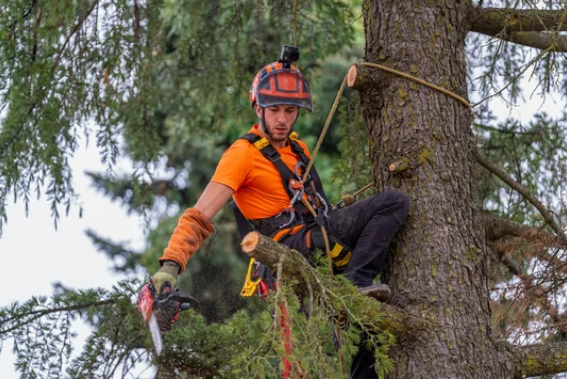
How do you know it's time to let go? Look for the red flags. If you see mushrooms growing at the base of the trunk, your roots are likely rotting. If there’s a sudden lean that wasn't there last month, the soil is failing. Cracks that run deep into the heartwood are non-negotiable death sentences for a tree's stability. Professional crews use rigging and specialized saws to take these giants down piece by piece. It’s about control. You aren't just removing wood; you’re protecting the surrounding structures and the people beneath them.
The Final Touch: Stump Grinding and Yard Clean Up
Removing the tree is only 90% of the job. Leaving a stump behind is like leaving a rotting tooth in a healthy mouth. It looks terrible, it’s a tripping hazard, and it’s a literal beacon for termites. Stump grinding is the only way to truly reclaim your space. A high-speed grinder turns that stubborn wood into mulch, going several inches below the surface so you can actually plant grass or a new, better-suited tree in its place.
Don't forget the yard clean up. A massive removal project generates mountains of debris. A professional service doesn't just leave a pile of branches on your curb for the city to deal with. They chip it, haul it, and leave your property looking better than they found it. This isn't just about aesthetics; it’s about hygiene. Dead wood attracts wood-boring beetles that can migrate to your healthy trees. Keeping your outdoor space clean is the best preventative medicine for the rest of your garden.
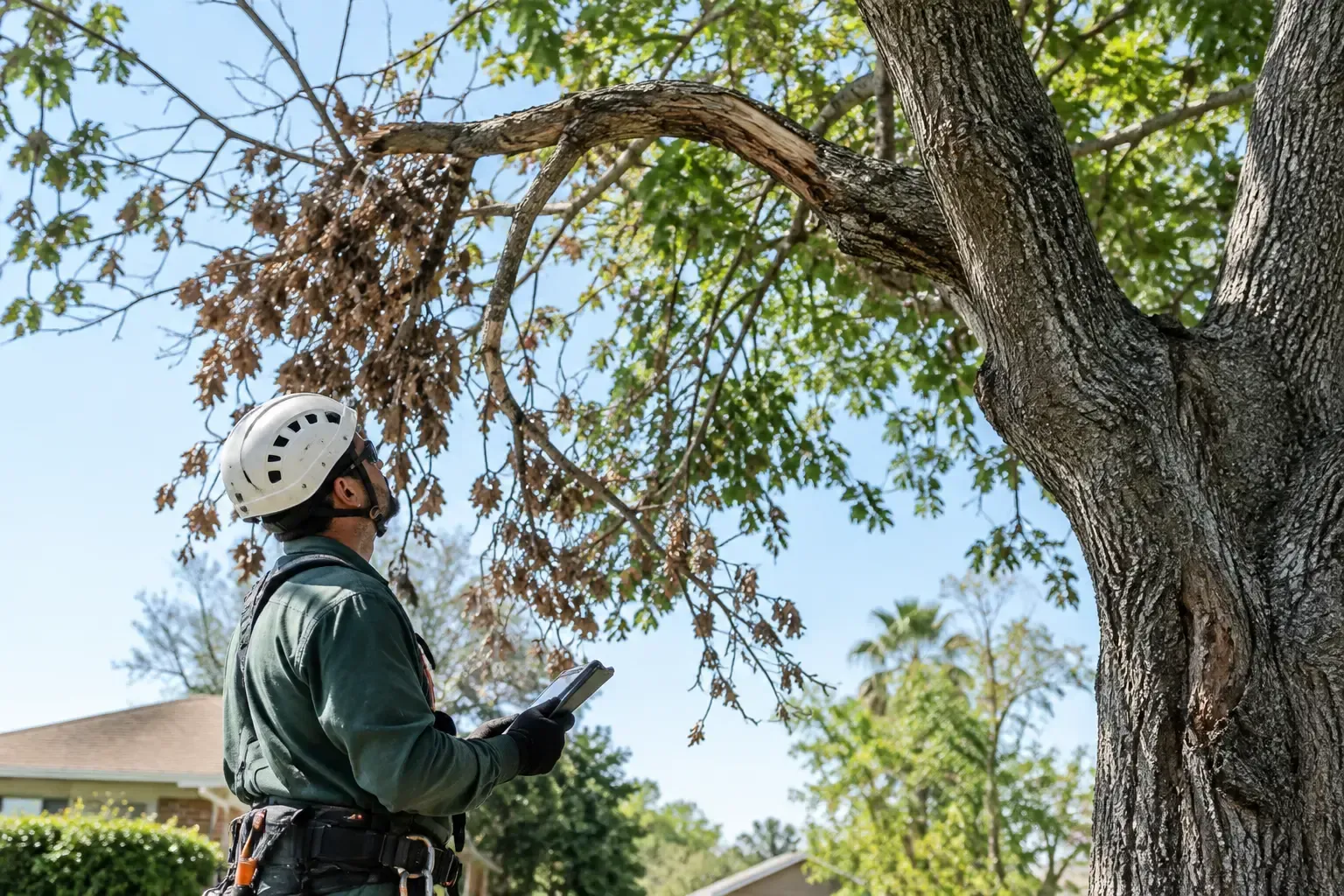
Professional arborists are trained to spot issues before they become catastrophes. As the International Society of Arboriculture (ISA) points out, hiring a certified expert ensures that work is done to safety standards that protect both the worker and the homeowner. You’re paying for the insurance, the experience, and the peace of mind that your home won’t be the next "disaster" story in the local news.
Why Perfection Tree West Covina is Your Best Bet
Stop guessing. Your trees are living organisms that respond to the environment, and West Covina’s environment can be harsh. Whether you need a simple crown reduction or an emergency removal after a storm, you need a team that knows the local soil and the local laws. We don’t just cut wood; we manage the health and safety of your property. Invest in your yard today so you aren't paying for a disaster tomorrow. It’s time to move your outdoor space from overgrown to truly outstanding.
Frequently Asked Questions
Do I need a permit for tree removal in West Covina?
Yes, West Covina requires a permit for removing "significant trees," which typically includes any tree with a trunk diameter of 12 inches or more in front or side yards. Native species like Oaks and Sycamores have even stricter requirements. Always check with the City Planning Division before starting any removal work.
When is the best time for tree trimming in West Covina?
For most deciduous trees, late fall through winter (November to February) is ideal because the trees are dormant. This reduces stress and disease risk. However, palms should be trimmed in late spring or early summer to remove dead fronds before the peak of fire and wind season.
Is stump grinding better than pulling the stump?
Stump grinding is generally superior because it is less invasive and much faster. Pulling a stump requires heavy machinery that can damage your yard’s root systems or underground utility lines. Grinding turns the stump into mulch and allows you to replant the area immediately without leaving a massive hole.
What are the signs that a tree is dangerous?
Key warning signs include a sudden lean, deep vertical cracks in the trunk, and mushrooms or fungal growth at the base. Dead branches in the upper canopy (dieback) or heaving soil around the roots also indicate structural failure. If you notice these, contact a professional arborist for an immediate safety assessment.