The Silent Stucco Killer: Why Winter is the Critical Window for Ivy Removal in West Covina
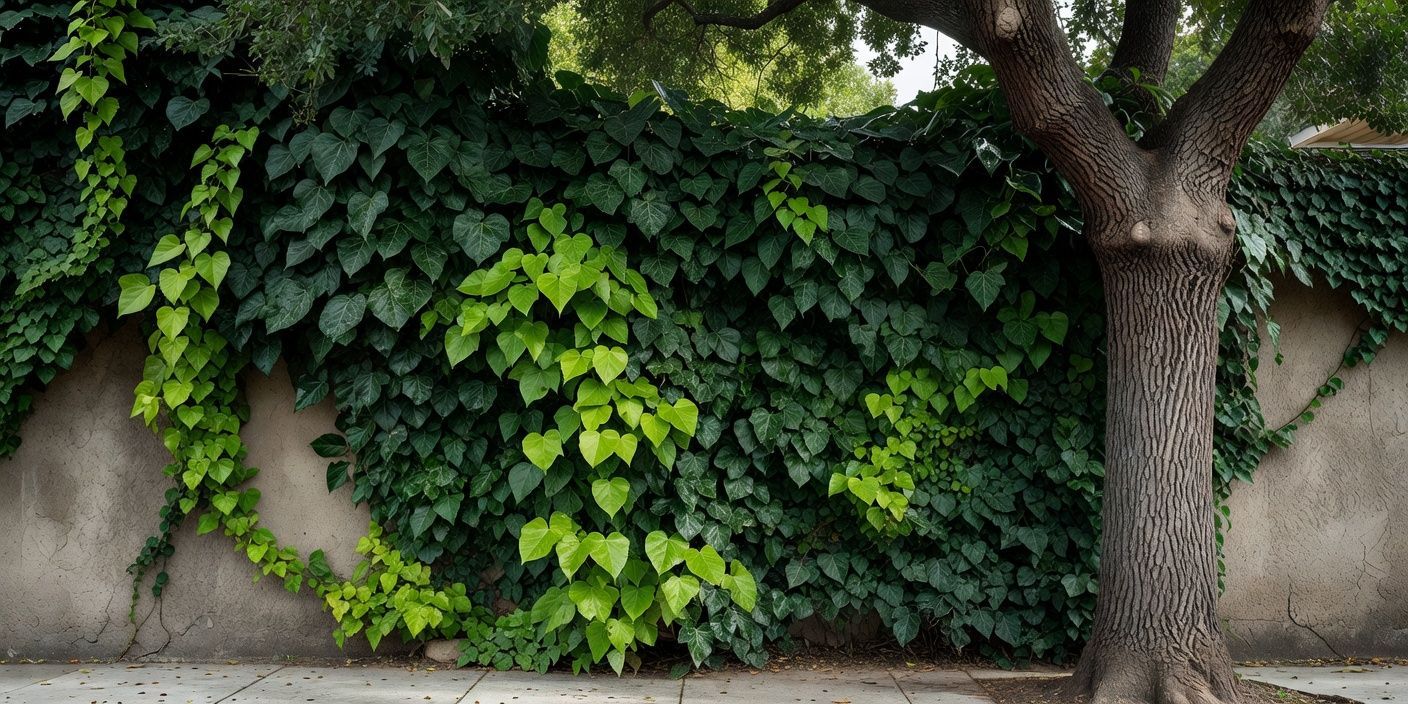
English Ivy looks charming on a postcard. On your West Covina home, it is a slow-motion demolition crew. It creeps. It crawls. Then, inevitably, it strangles.
Most homeowners in the 91790 zip code view those glossy green leaves as a low-maintenance aesthetic choice. That is a mistake. Underneath that lush canopy lies a breeding ground for rats, a trap for moisture that rots wood fences, and a root system aggressive enough to crumble masonry. By the time you notice the damage, the repair bill has already tripled.
Winter in the San Gabriel Valley isn't about snow; it's about opportunity. The cooler temperatures and dormant growth cycles make now the absolute best time to sever these vines. Waiting until spring—when the sap starts flowing and the growth rate explodes—is a strategic error. You need to act now.
The Hidden Structural Threat to 91790 Properties
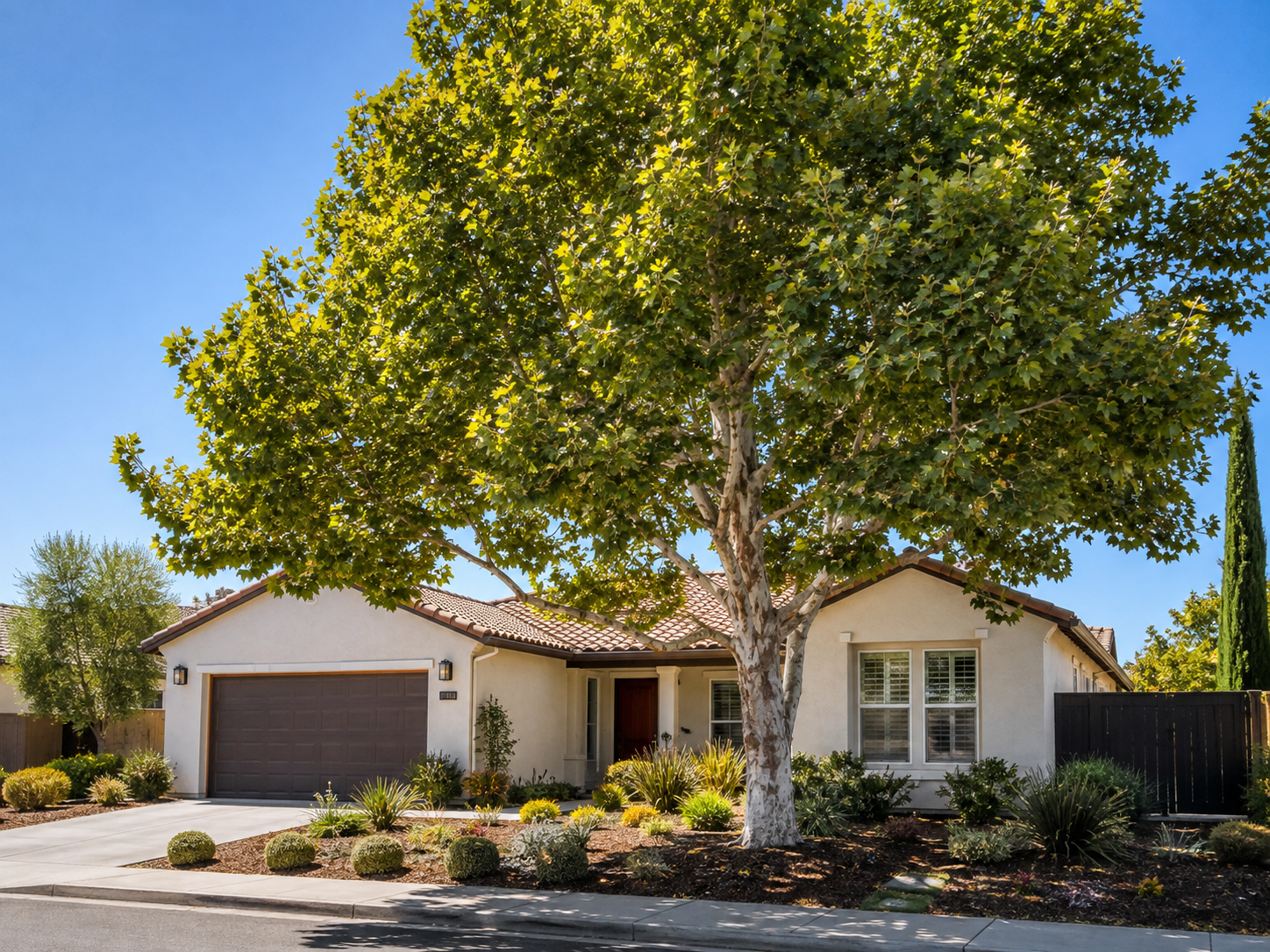
Let's get specific about the geography here. West Covina is filled with mid-century homes, many featuring stucco exteriors and mature oak or sycamore trees. Ivy hates your house. The aerial rootlets of English and Algerian ivy secrete a glue-like substance that bonds to stucco. When you rip it off in the summer, chunks of your wall come with it.
But the threat to your trees is even more severe.
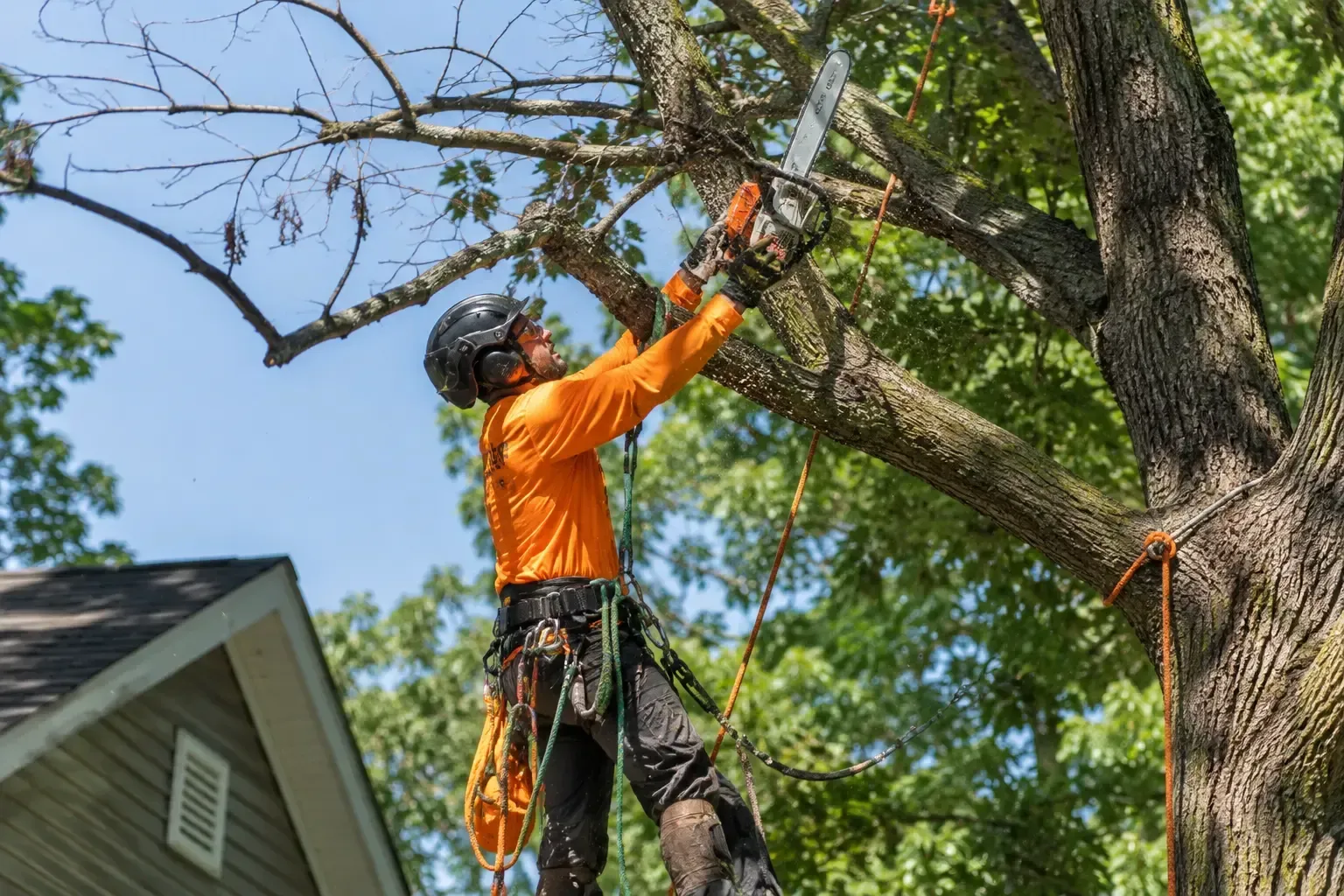
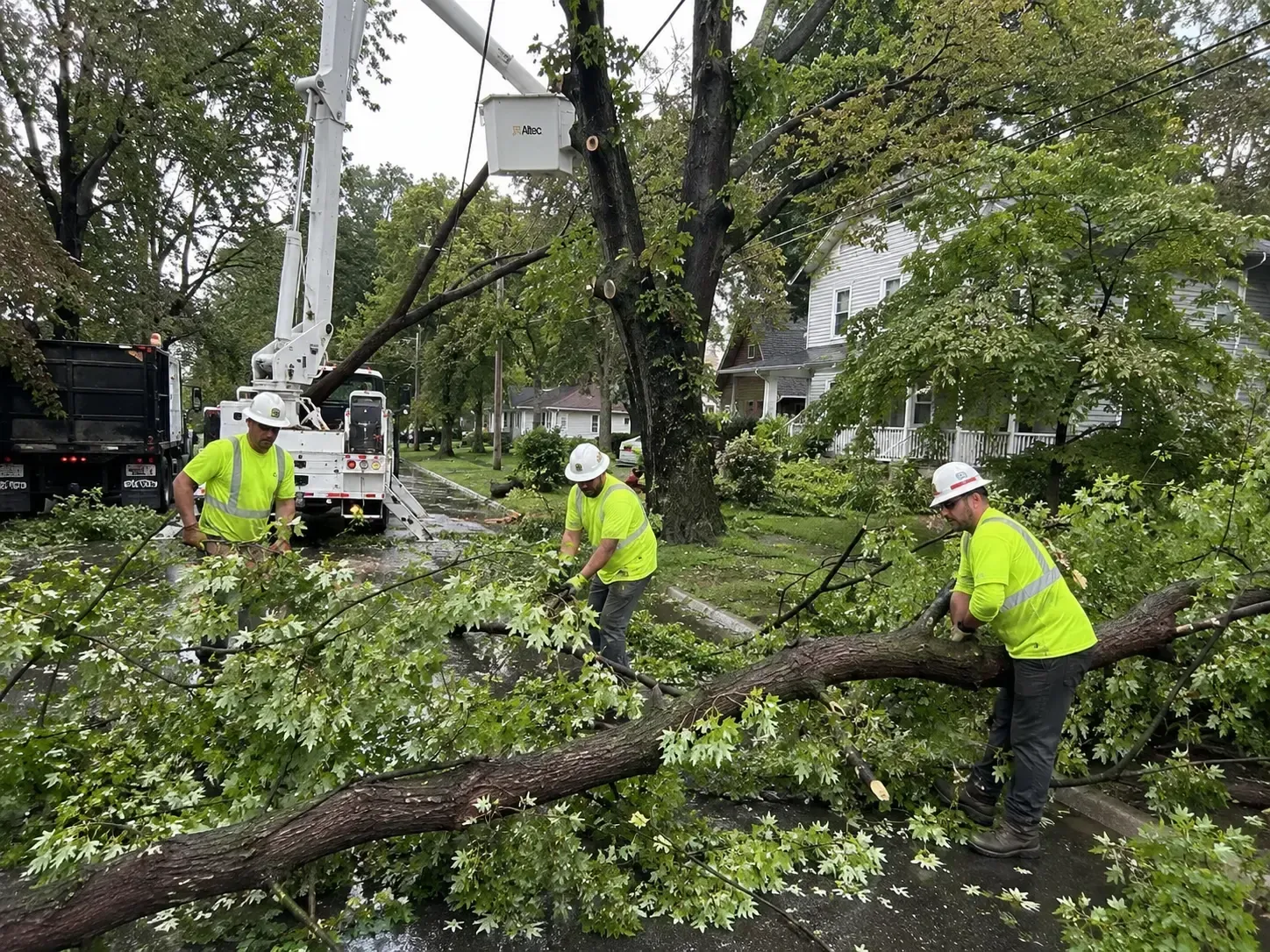
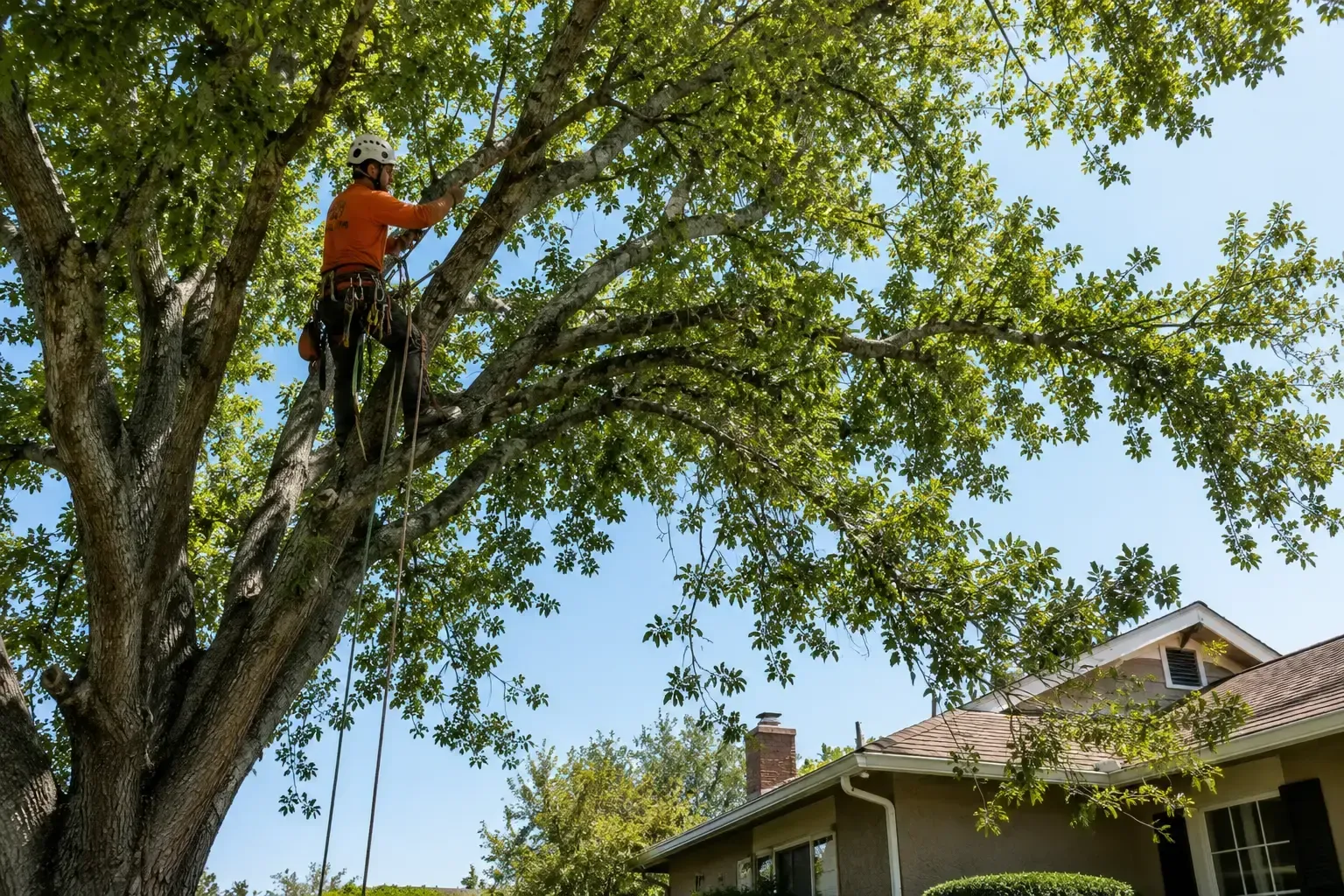
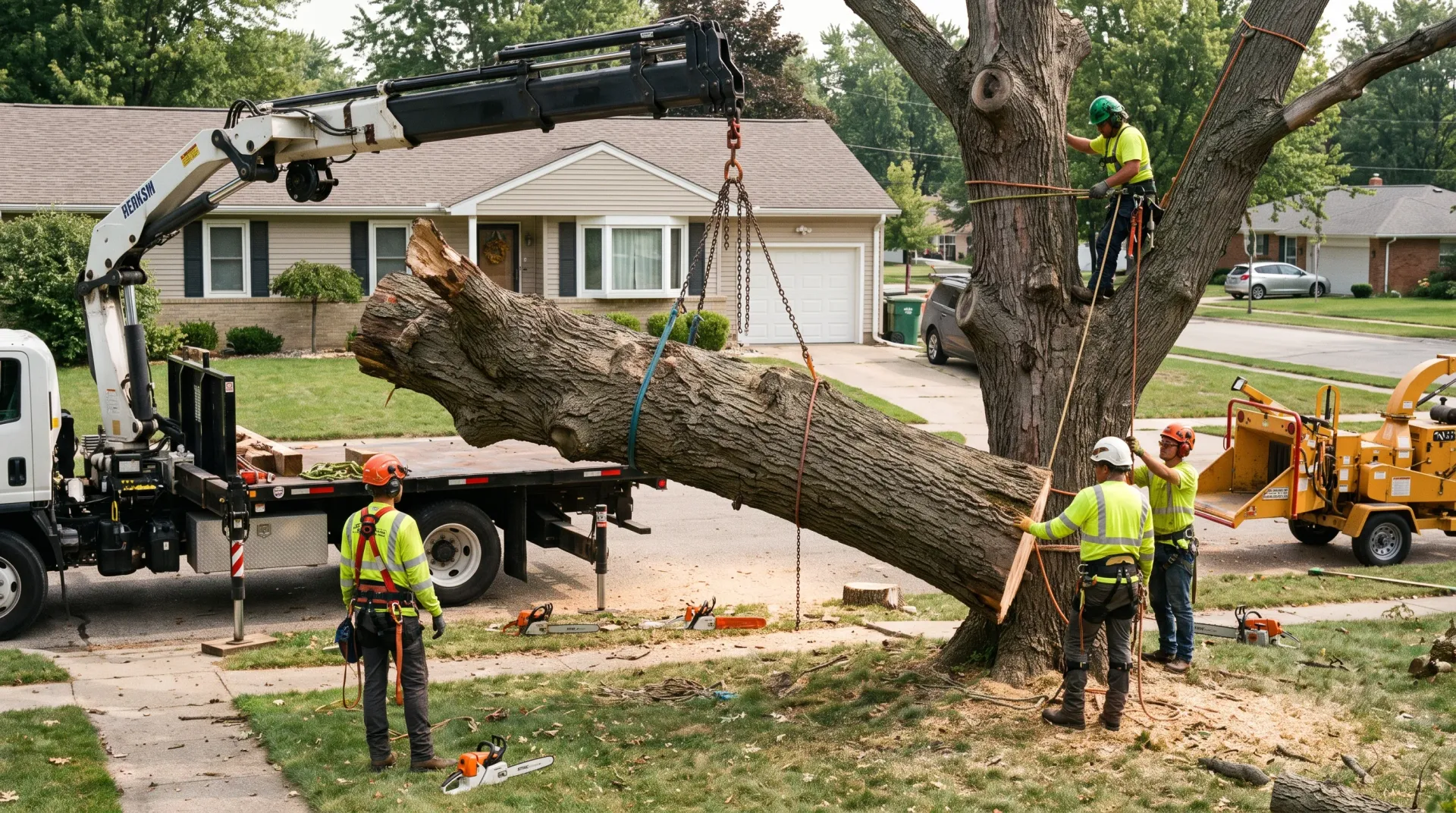
Ivy adds immense weight. During our notorious Santa Ana wind events, an ivy-choked tree acts like a massive sail. It catches the wind. The trunk snaps. The tree falls. Suddenly, you aren't looking for a gardener; you are frantically searching for Expert Tree Removal and Tree Trimming Services to pull a crushed oak off your roof.
According to the
University of California Statewide Integrated Pest Management Program, invasive ivy species block sunlight from the tree's leaves, effectively starving the host. It creates a "ladder" for pests, allowing rodents and termites direct access to the upper canopy and, subsequently, your attic vents.
Why Winter is the Surgeon’s Choice for Removal
Why do we push for removal in December and January? Visibility and biology.
In winter, deciduous trees in West Covina lose their leaves, exposing the architecture of the branches. This allows professionals to distinguish between the vine and the tree bark. Attempting this in full spring foliage is a guessing game. One slip of the saw, and you damage the tree's cambium layer.
Furthermore, the ivy itself is less brittle and easier to manage before the spring growth spurt. We can trace the vines to the base, sever the connection, and allow the upper vines to wither naturally before removal. This technique protects the tree's structural integrity.
The "Tree Service Perfection" Protocol
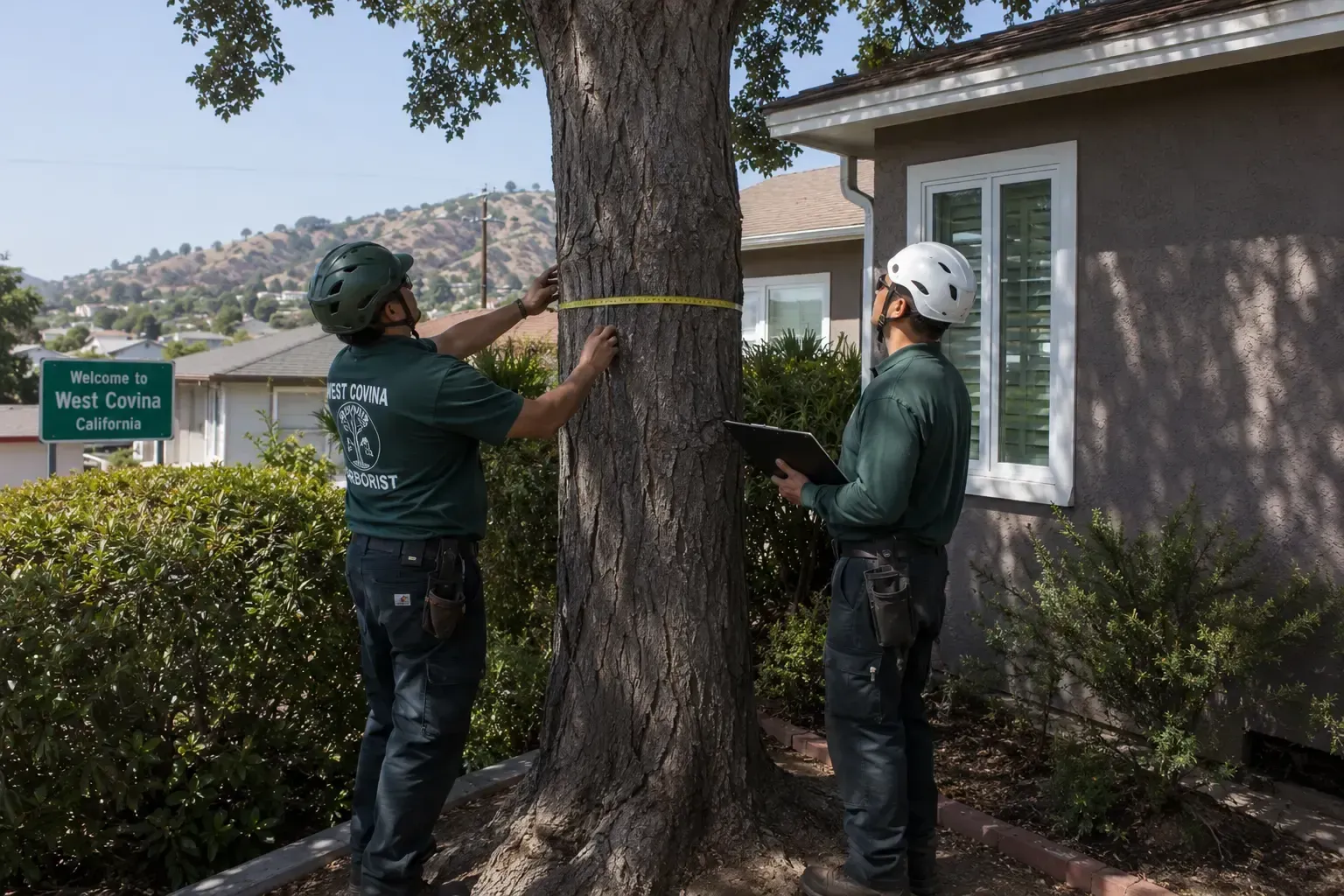
At Tree Service Perfection West Covina, we don't just hack away at green stuff. We execute a preservation strategy. Our crews, familiar with the specific terrain near Galster Wilderness Park and the residential blocks off Vincent Avenue, understand the local soil and tree varieties.
Here is the reality of the process:
Assessment: We identify if the tree is salvageable. If the ivy has caused rot in the main trunk, we pivot immediately to safety protocols.
Severance: We cut a "life-saver ring" around the base of the tree, removing a two-foot section of vines. This kills the upper growth without damaging the bark.
Root Extraction: We dig out the root ball. Ivy is tenacious; leave an inch of root, and it returns with a vengeance.
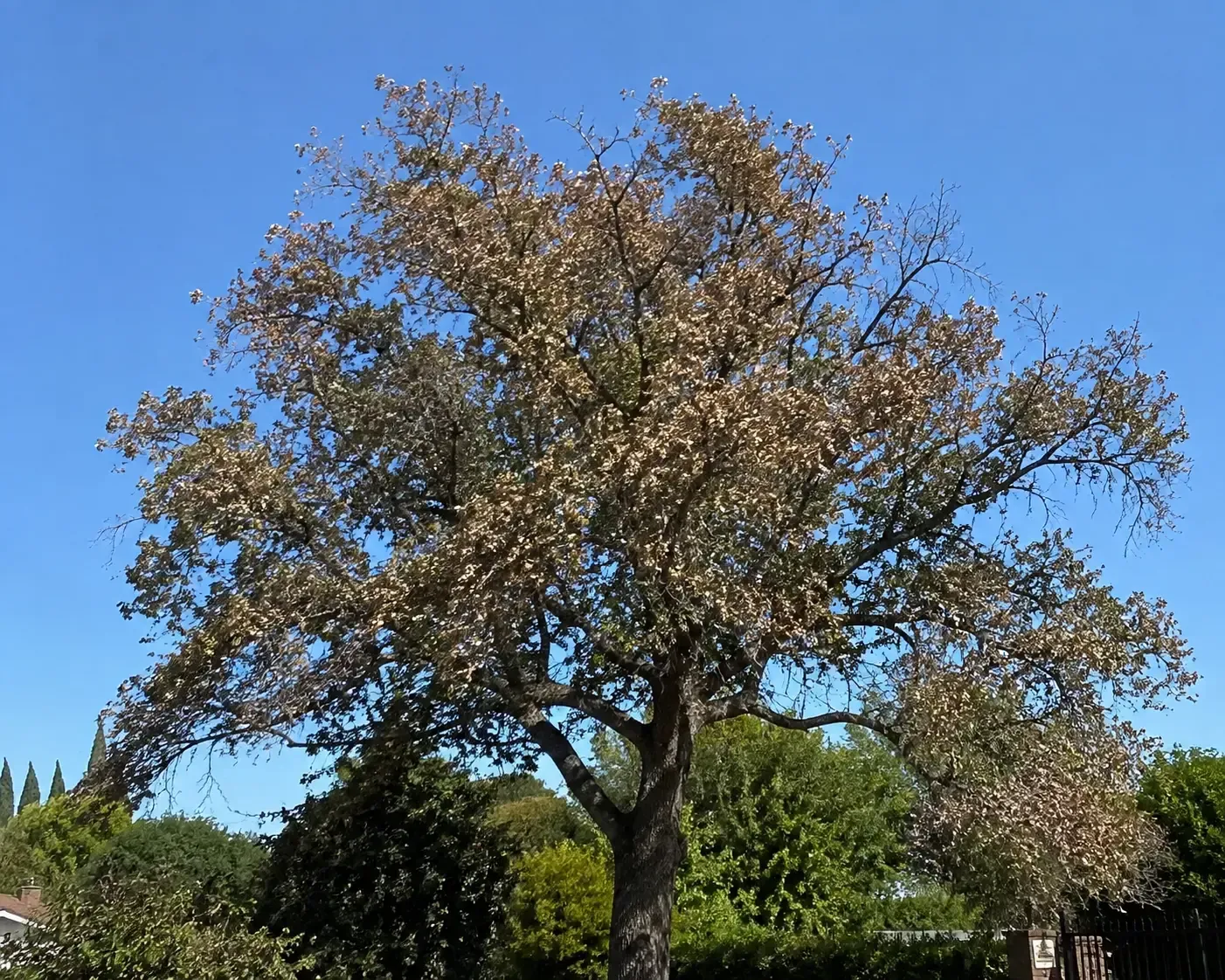
Sometimes, the diagnosis is grim. The ivy may have been hiding a dead or dying tree for years. In these cases, Expert Tree Removal and Tree Trimming Services are not a luxury; they are a safety necessity to prevent collapse.
Ivy and the West Covina Ecosystem
This isn't just about your backyard. It is about the community. Ivy is an invasive species that escapes residential yards and enters public spaces like Shadow Oak Park, choking out native flora. The California Invasive Plant Council lists English Ivy as a significant threat to our local woodlands. By clearing your property, you stop the spread.
Local homeowners often ask us about chemical treatments. While herbicides exist, they are risky in a dense residential area like West Covina. Mechanical removal—manual cutting and pulling—remains the gold standard for safety and efficacy.
The Cost of Inaction
Ignoring the problem is expensive. Re-stuccoing a wall costs thousands. Removing a fallen tree that smashed a fence costs even more. Routine maintenance is a fraction of the price of emergency disaster response.
Think about the humidity. Ivy creates a micro-climate of moisture against your home’s foundation. This is an open invitation for subterranean termites. By the time you see the mud tubes, the internal damage is done. A clear perimeter around your home foundation is rule number one for pest control in California.
If you see thick vines crawling up your sycamores or burying your retaining wall, call
Tree Service Perfection West Covina. We bring the heavy equipment, the safety gear, and the local expertise to reclaim your property.
Frequently Asked Questions
Does ivy actually kill trees?
Yes. Ivy kills trees through three mechanisms: it blocks sunlight needed for photosynthesis, its weight causes branch failure during high winds, and it traps moisture against the bark, promoting fungal rot and bacterial infections. It creates a hazardous environment for the host.
Is winter really the best time for tree trimming in West Covina?
Absolutely. During winter dormancy, trees like oaks and elms are less susceptible to stress and disease transmission (such as Oak Wilt). Pruning wounds heal faster in the spring if cuts are made now. It is the ideal season for structural correction.
Can I just pull the ivy off my stucco wall myself?
Do not do this. Ivy rootlets bond chemically to masonry. Yanking dry vines will pull off paint, stucco, and mortar. Professional removal involves cutting the vine to let it die and desiccate, making it safer to remove without stripping your wall’s exterior.