West Covina Homeowners’ Guide to Safer Yards: Expert Tree Trimming & Reliable Tree Removal Services You Can Trust
A 60-foot eucalyptus leaning ominously over your master bedroom isn't a quirky yard feature. It's a ticking time bomb.
When the Santa Ana winds rip down the I-10 corridor, weak branches snap. Roots fail. Roofs cave in. West Covina boasts gorgeous, mature canopies that provide shade and beauty to our neighborhoods. But ignoring their maintenance is a dangerous gamble. You will eventually lose. Dealing with an overgrown or dying tree requires immediate, decisive action. You need a legitimate tree removal service. Not a handyman with a rented chainsaw and good intentions.
We see the aftermath of neglected yard maintenance every single storm season. Heavy limbs crashing through windshields. Uprooted pines destroying block walls. The financial and emotional toll is staggering. By the time you hear the wood cracking, it is already too late.
The Anatomy of a Failing Tree
How do you actually know it is time to call the professionals? Trees rarely die overnight. They leave clues.
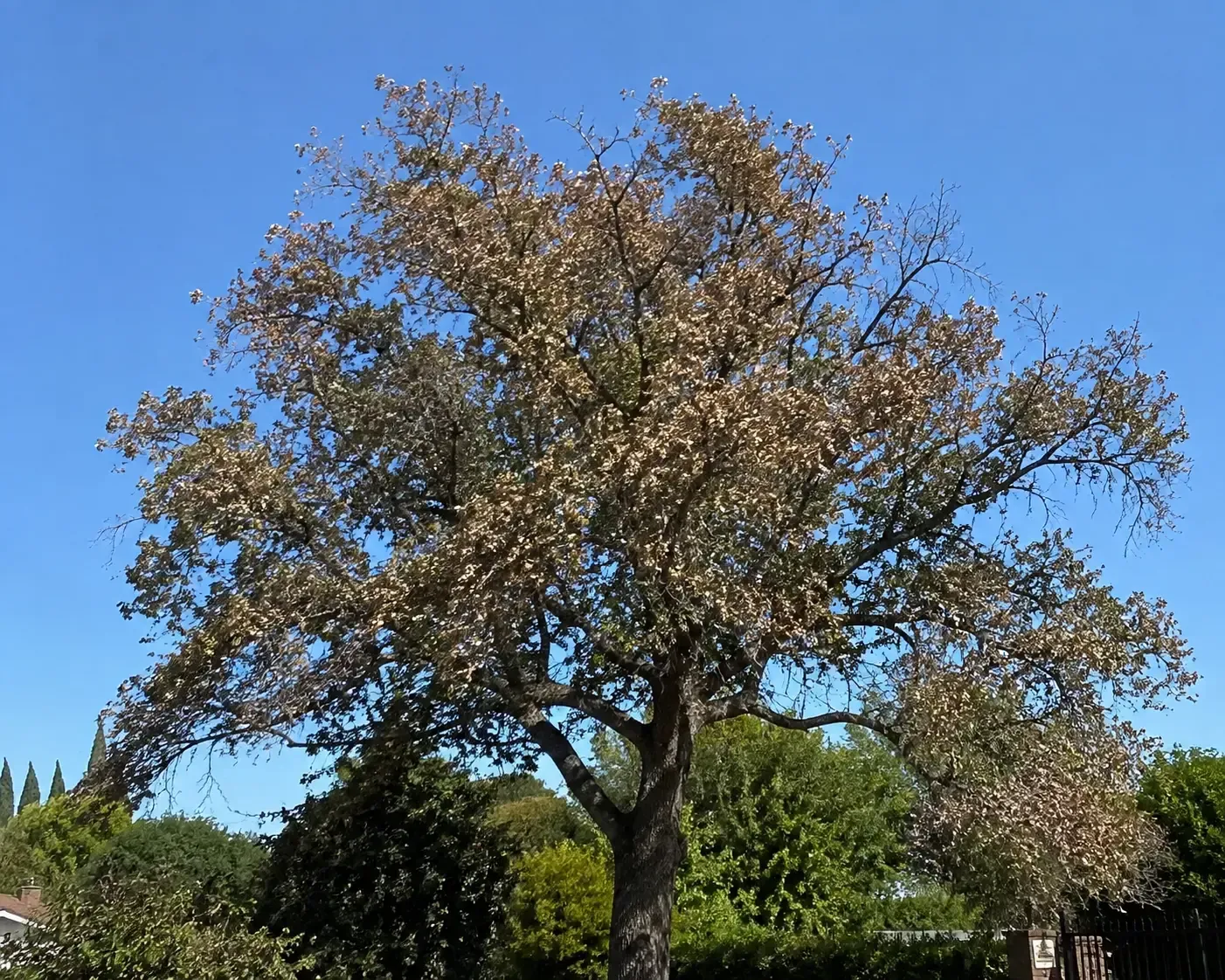
Look at the base. Are mushrooms growing near the roots? That indicates deep, structural rot. Fungal infections decay the anchor roots that hold massive oaks and sycamores upright. Check the trunk for deep, vertical cracks or large patches of missing bark. Look up. Dead, leafless branches clustered at the top mean the tree is dying from the crown down. This is a classic sign of severe drought stress or an aggressive pest infestation.
Southern California properties are currently battling invasive pests like the Polyphagous Shot Hole Borer. According to the University of California Statewide Integrated Pest Management Program, these tiny beetles carry a fungus that blocks the flow of water and nutrients within the tree. Once an infestation takes hold, the structural integrity of the wood deteriorates rapidly. The tree becomes brittle. It becomes a hazard.
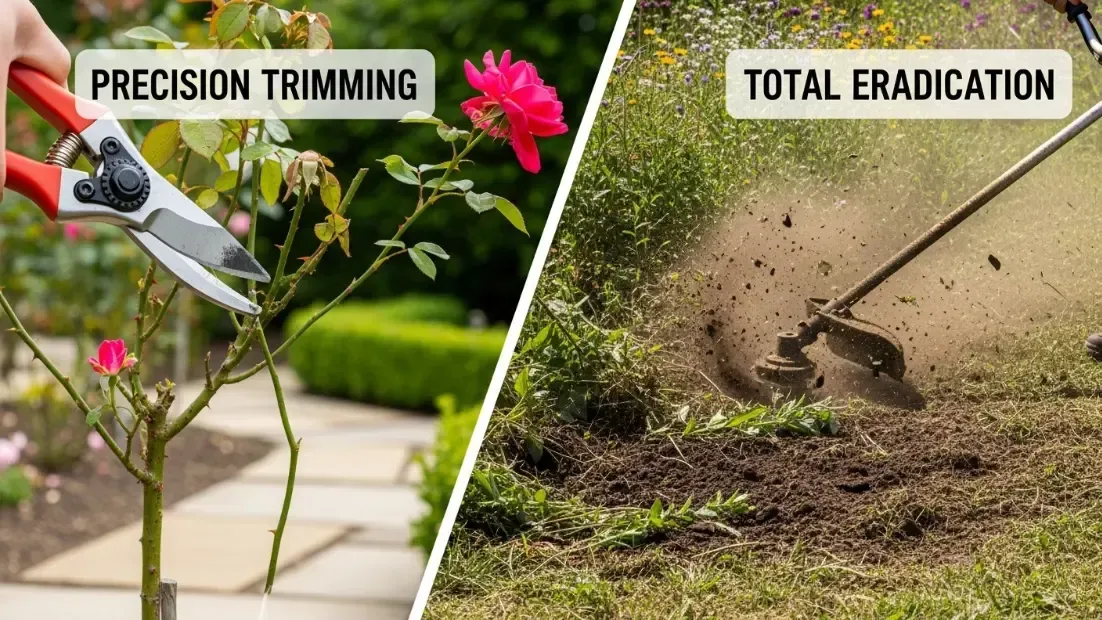
Precision Trimming vs. Total Eradication
Sometimes, a tree just needs a good haircut. It needs room to breathe.
Crown thinning is a specific pruning technique that removes selective branches. This allows high-velocity wind to pass right through the canopy rather than pushing against the foliage like a massive sail. This preventive maintenance is crucial during our notorious autumn wind events. Proper pruning also removes deadweight before it falls on your driveway.
However, butchering a tree is worse than leaving it alone. "Topping"—the amateur practice of chopping off the entire top of a tree—is an industry sin. It starves the tree. It forces weak, chaotic regrowth. The International Society of Arboriculture (ISA) strictly advises against topping because it permanently destroys the natural structure.
But pruning isn't always enough. If the trunk is hollowed out, or if the root system is severed by driveway construction, removal is the only viable option left. Hanging onto a dead tree out of sentimentality is reckless.
The DIY Delusion: Why Chainsaws and Ladders Don't Mix
Do not try this yourself. Period.
Gravity is unforgiving. Wood is incredibly heavy. An unpredictable falling branch will shatter an aluminum ladder—and the person standing on it—in a fraction of a second. You cannot control the trajectory of a 500-pound limb with a piece of nylon rope. The Occupational Safety and Health Administration (OSHA) consistently ranks tree care as one of the most hazardous industries in the United States. Fatalities happen fast.
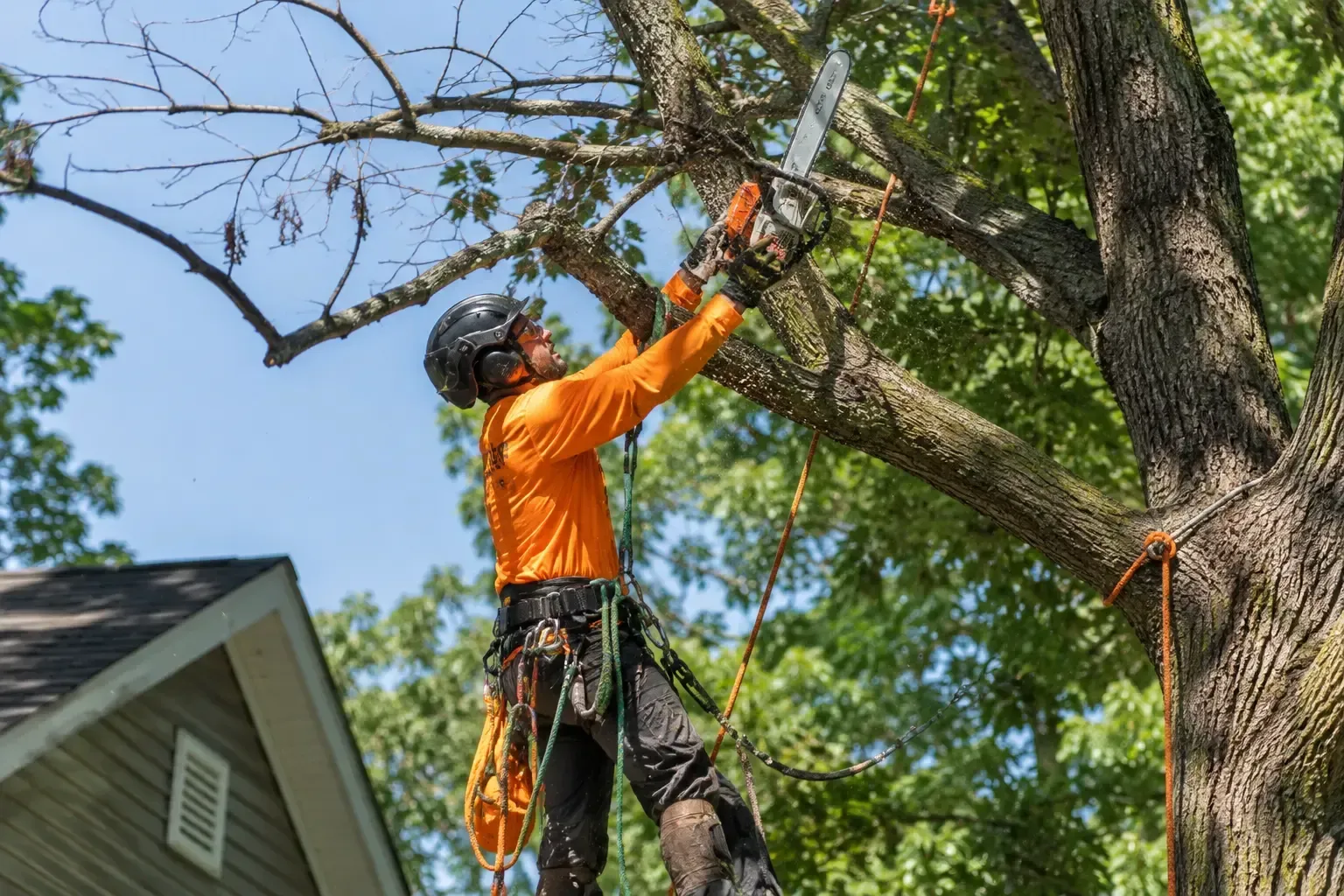
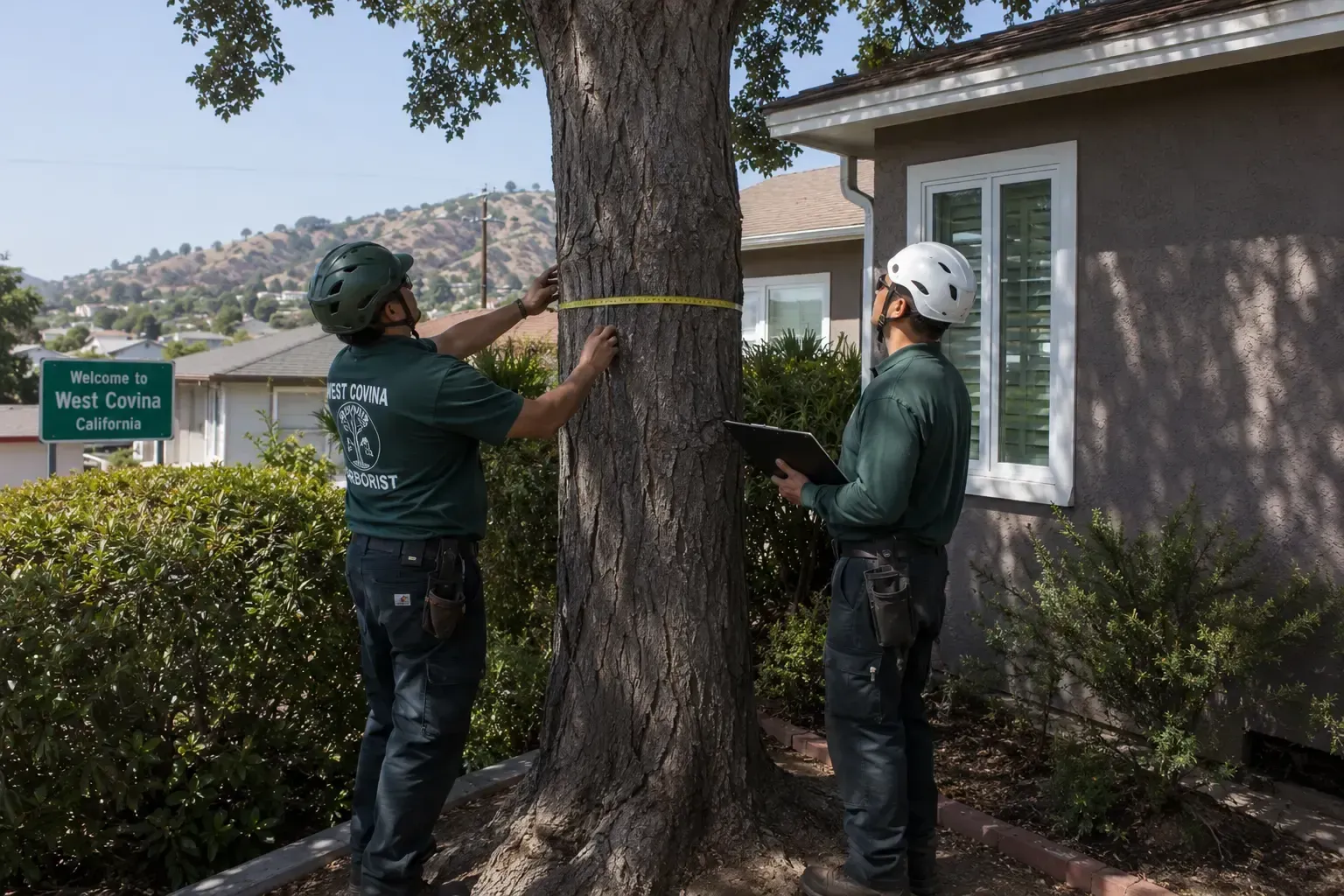
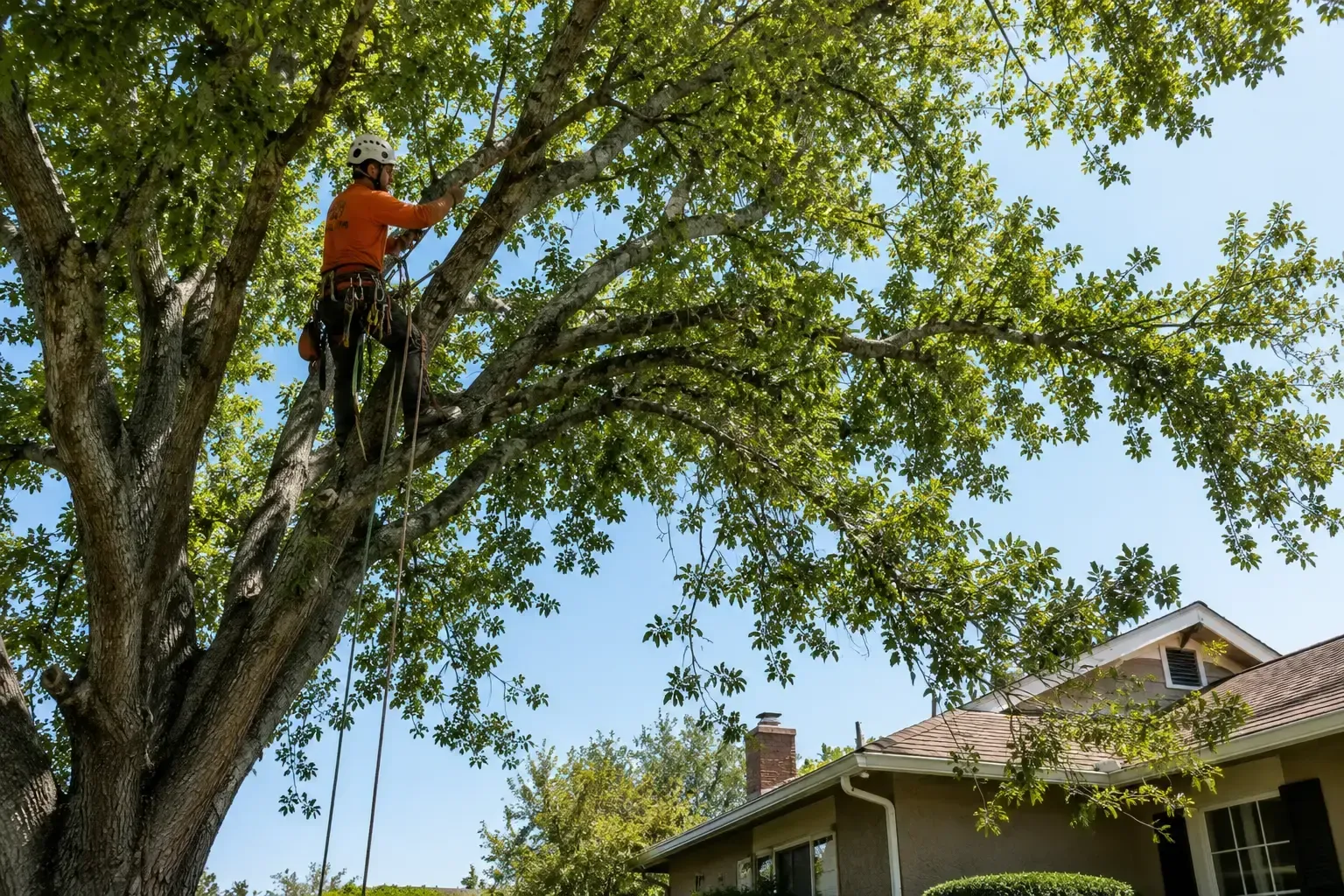
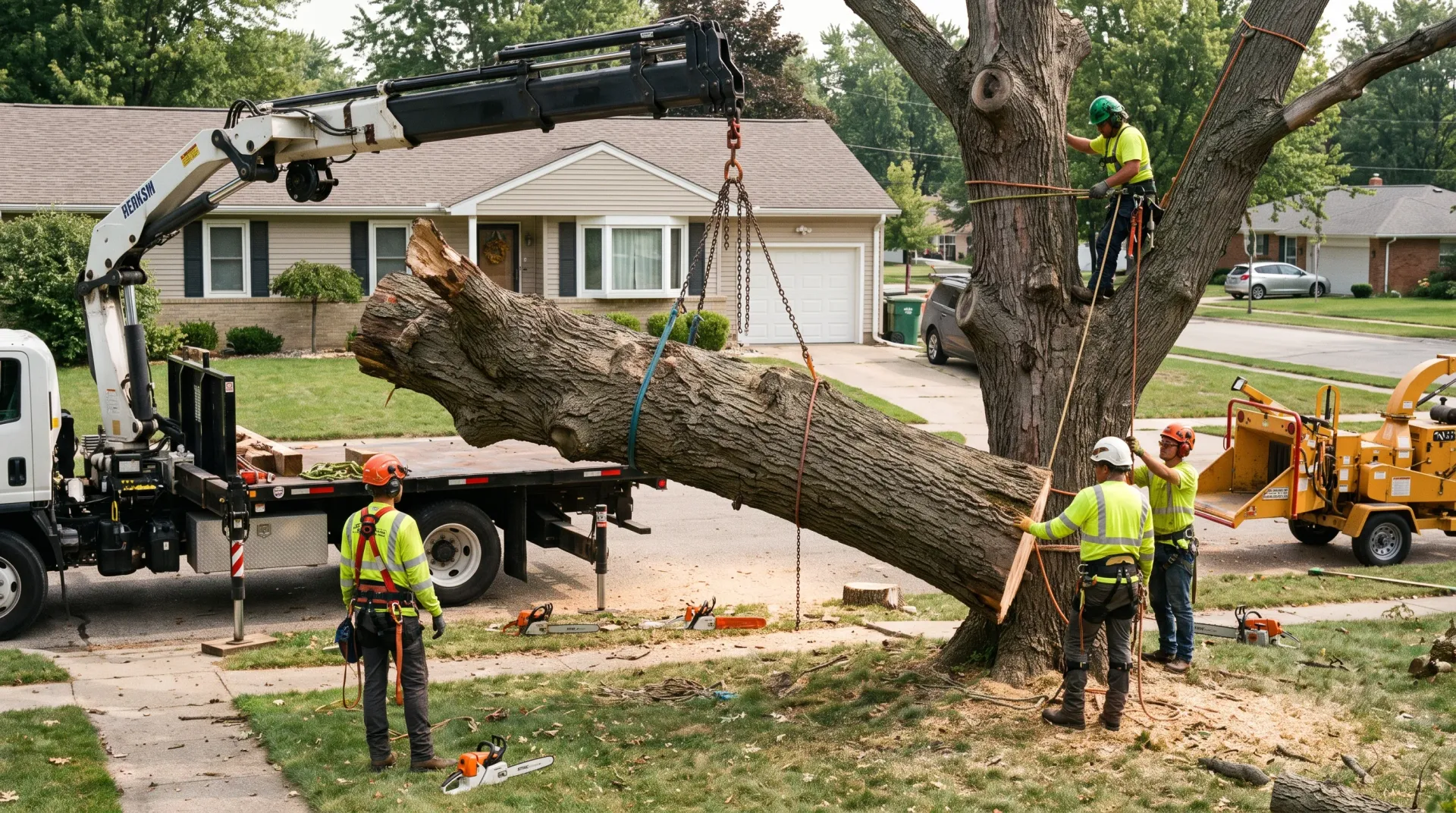
When you hire a professional tree removal service, you are paying for risk mitigation just as much as manual labor. You are buying peace of mind. True professionals calculate the fall zone, account for wind speed, and use advanced rigging systems to lower heavy timber safely to the ground.
Defensible Space: Protecting Your West Covina Home
Wildfire risk is a reality we all live with in the San Gabriel Valley. If your property borders the Galster Wilderness Park or sits near the brush-heavy foothills, your trees are potential fuel.
Cal Fire strongly enforces defensible space regulations. You must create a buffer zone between your home and surrounding vegetation. Dead trees must be eliminated completely. Lower branches must be limbed up to prevent ground fires from climbing into the canopy. A qualified arborist understands exactly how to balance local fire codes with the aesthetic appeal of your property.
Choosing the Undisputed Local Authority
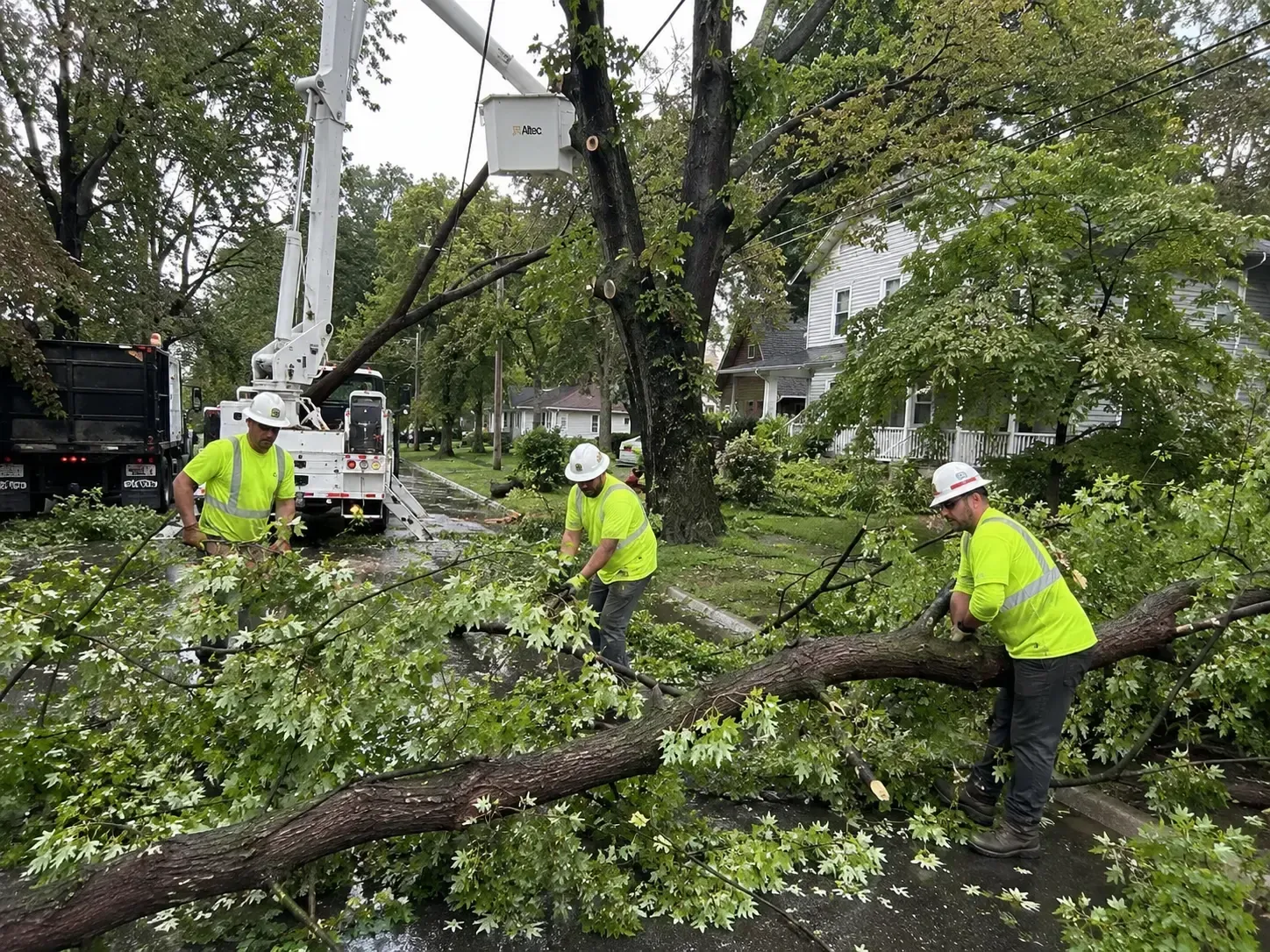
What makes a great crew? Insurance. Licensing. Serious heavy equipment. A proper tree removal service arrives with bucket trucks, cranes, and high-capacity wood chippers. They lay down protective mats to save your lawn. They secure your driveway. They respect your neighbors' fences.
Tree Service Perfection West Covina checks every single box. We do not guess. We assess.
Our certified experts know the difference between a tree that needs a structural adjustment and one that demands an emergency extraction. We do not push for removal unless it is strictly necessary. We love trees. But when a tree threatens your family or your property, we execute the removal flawlessly. We grind the stump down below the soil grade. We clean up the debris. When our trucks pull away, your yard looks immaculate. We are the trusted authority in West Covina for a reason. We deliver results without the drama.
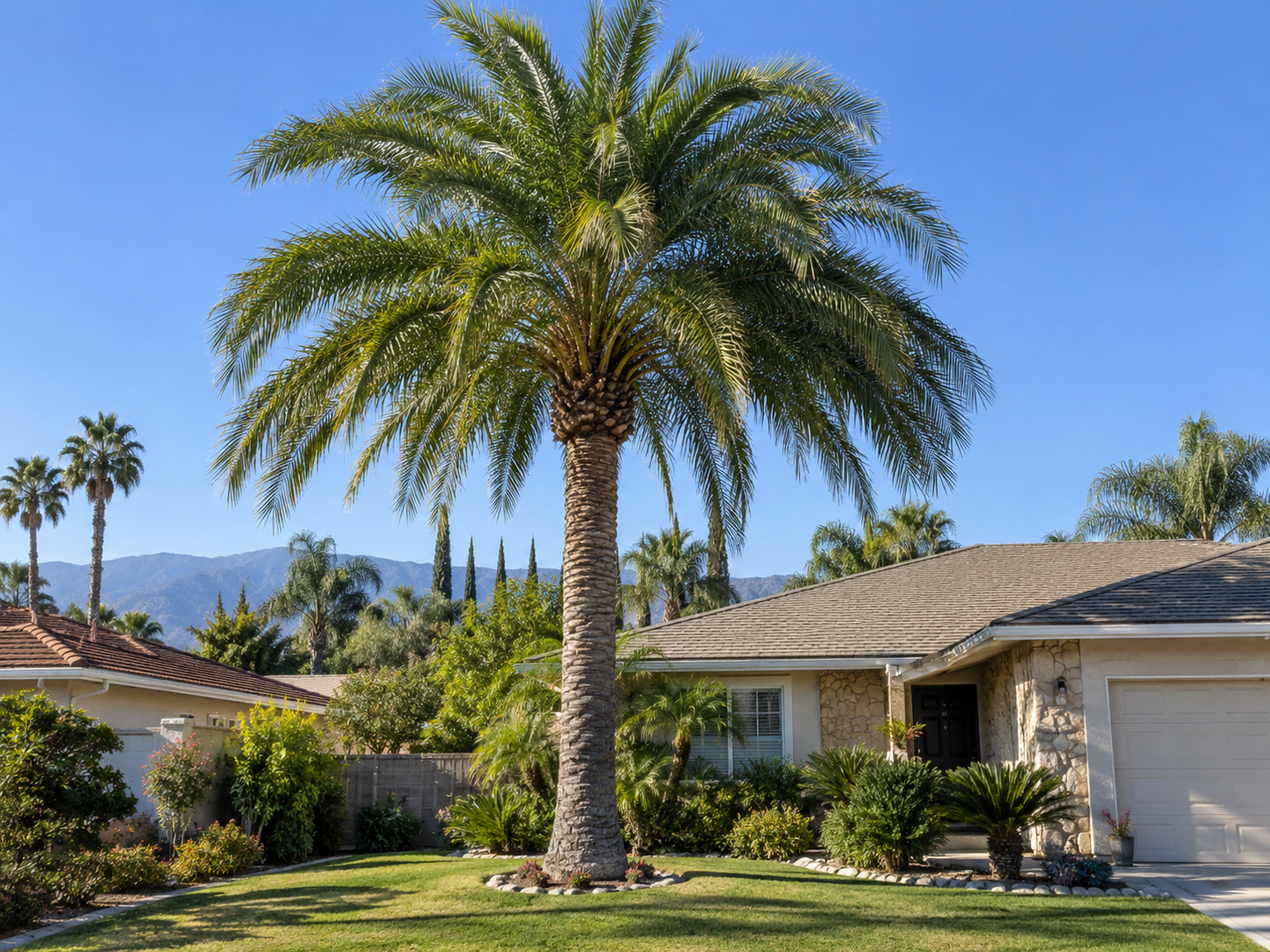
If you have a leaning pine, a dying oak, or a palm dropping dangerous fronds, stop waiting. The Arbor Day Foundation notes that proactive tree care extends the life of your entire outdoor space. Ignoring the problem only guarantees the price tag will double when it finally falls.
Frequently Asked Questions
How much does a tree removal service cost in West Covina?
Costs vary based on tree height, location, and complexity. A small tree might cost $300 to remove, while a massive 80-foot eucalyptus near power lines can exceed $2,500. Professional services always provide a custom, on-site estimate before starting any work.
Do I need a permit to cut down a tree on my property in West Covina?
Yes, in many cases. West Covina protects certain native species, like heritage oaks and large sycamores. A reputable tree removal service will handle the municipal permitting process for you, ensuring the job complies fully with local city ordinances.
What is the best time of year to trim trees in Southern California?
Late fall and winter are ideal. Trees are dormant, making it easier to see the branch structure. Pruning during dormancy minimizes sap loss and prevents attracting pests like bark beetles, which are highly active during the hot summer months.
Can a tree removal service safely extract a tree near power lines?
Absolutely, but it requires specialized training. Certified arborists use advanced rigging, insulated tools, and bucket trucks to dismantle the tree piece by piece. Never attempt to trim or remove vegetation within 10 feet of a live utility line yourself.