The Green Chokehold: Professional Ivy Removal in West Covina
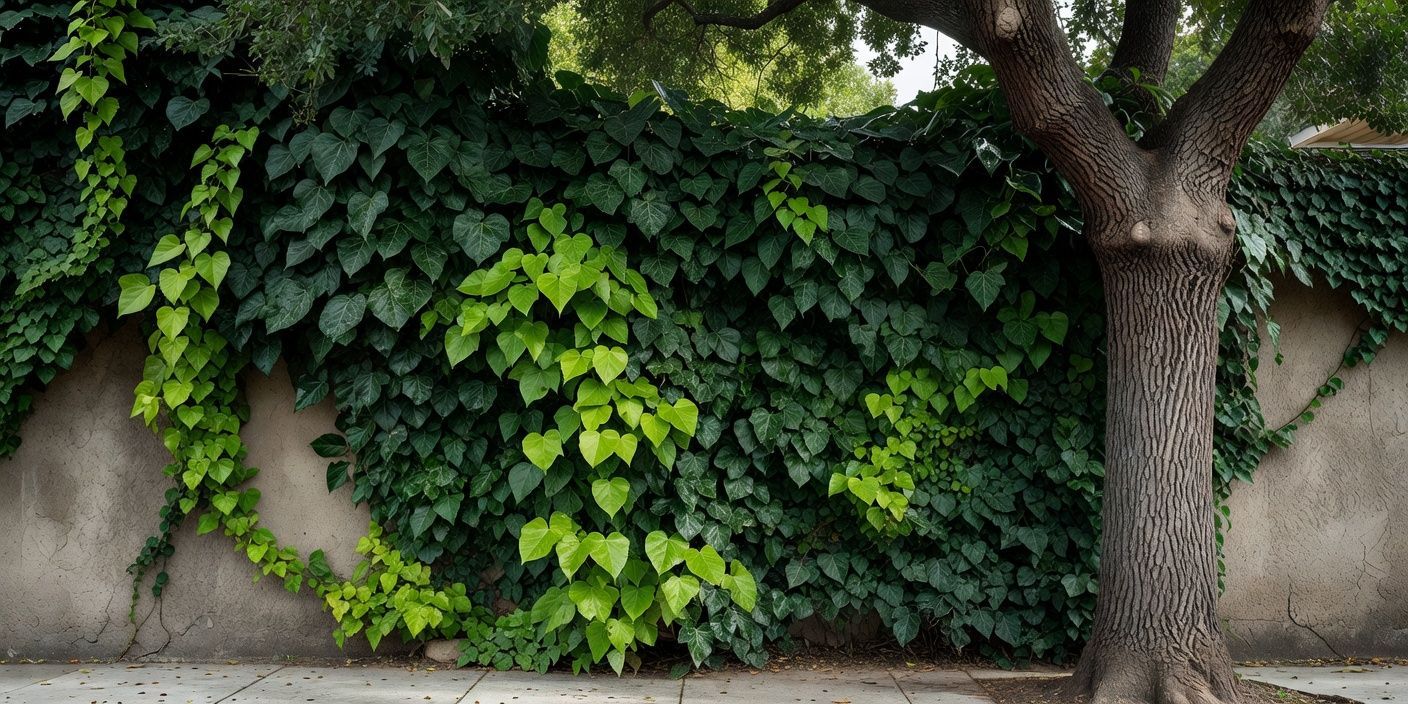
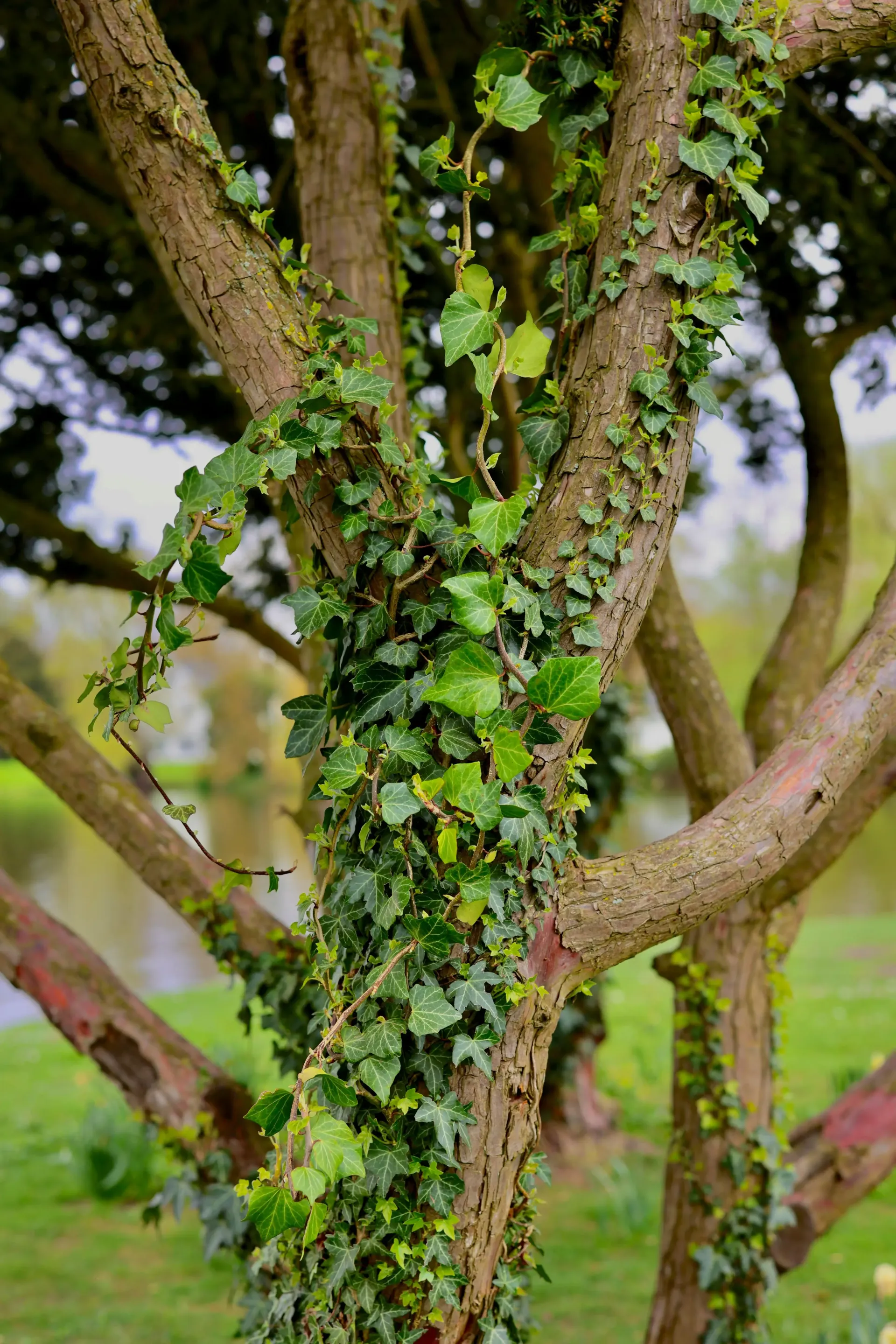
English Ivy is a liar. It looks quaint on a cottage in a storybook, but here in West Covina, it is a slow-motion disaster for your property. That lush green carpet climbing your oak tree isn't a hug; it's a chokehold.
Homeowners in the South Hills and Shadow Oak neighborhoods often view ivy as low-maintenance ground cover. It stays green during our scorching San Gabriel Valley summers. It covers up ugly fences. But beneath that foliage lies a breeding ground for rats, a moisture trap that rots wood, and a heavy weight that drags down property values. If you ignore it, you aren't just looking at a gardening bill later. You are looking at a structural crisis.
Why West Covina Homeowners Must Ditch the Ivy
Let's get straight to the point. Ivy is invasive. In California, species like Hedera helix (English Ivy) and Algerian Ivy are aggressive colonizers. They don't respect property lines, and they certainly don't respect your trees. When ivy climbs a tree, it competes for nutrients and water. But the real killer is the canopy. Once the vines reach the top, they block sunlight from the tree’s own leaves. No photosynthesis means the tree starves. Furthermore, the sheer mass of the vines turns the tree into a "wind sail." When the Santa Ana winds rip through the valley, an ivy-laden tree is top-heavy and unstable. It’s simple physics.
According to the California Invasive Plant Council, English Ivy is a designated threat to our local ecosystem. It smothers the understory and prevents native seedlings from establishing. By keeping it, you are actively hurting the local ecology.
The Hidden Cost: When Ivy Leads to Tree Removal
This is the hard truth most property managers don't realize until it's too late. Ivy removal is maintenance; tree removal is a capital expenditure. They are not the same.
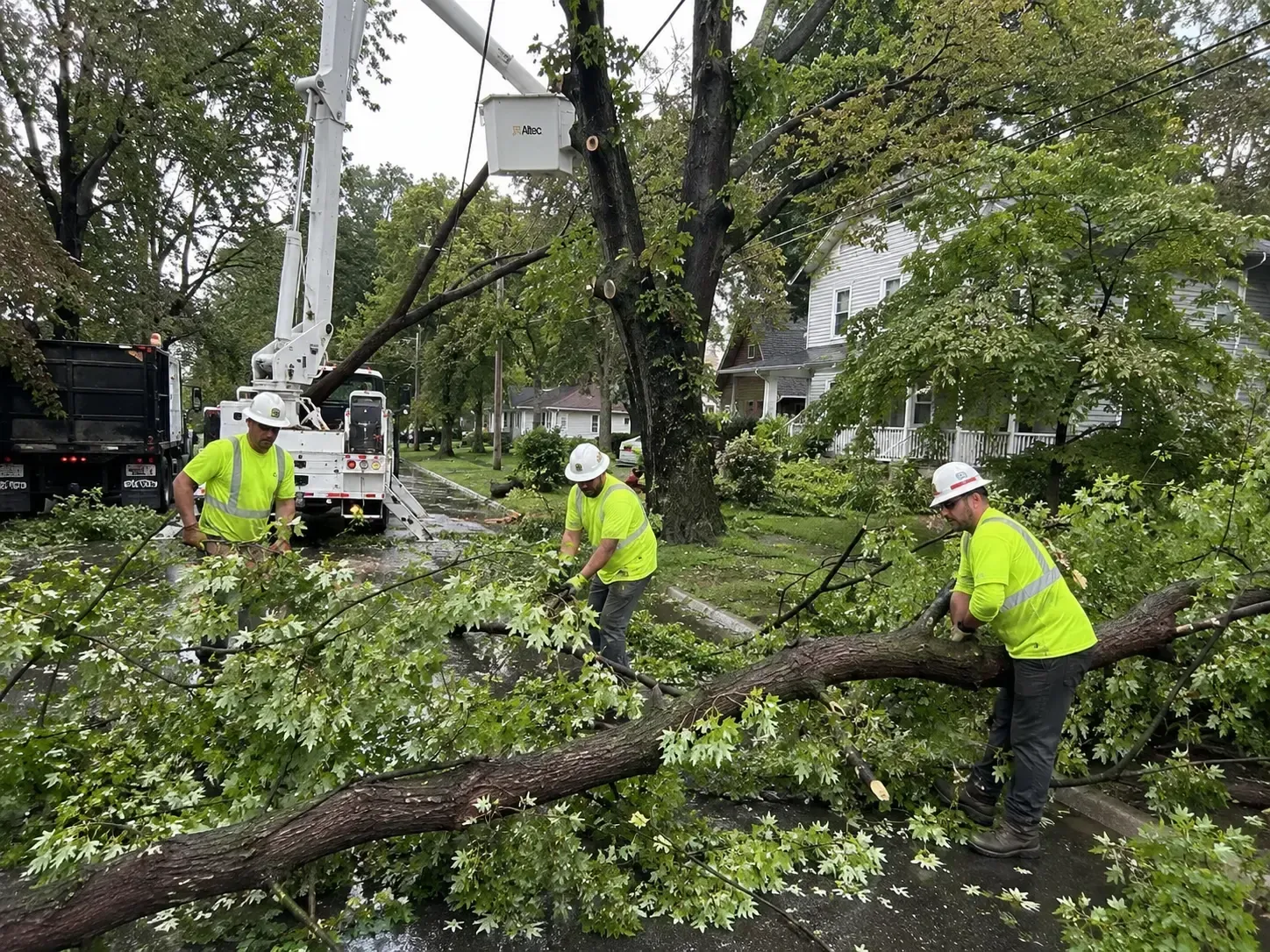
We see it constantly at Tree Service Perfection West Covina. A client calls because a massive branch crashed onto their roof near the West Covina Sportsplex. Upon inspection, we find the wood was rotted soft because a thick layer of ivy trapped moisture against the bark for a decade, creating a fungal paradise. In these cases, the tree is often beyond saving.
Tree removal becomes the only safe option when:
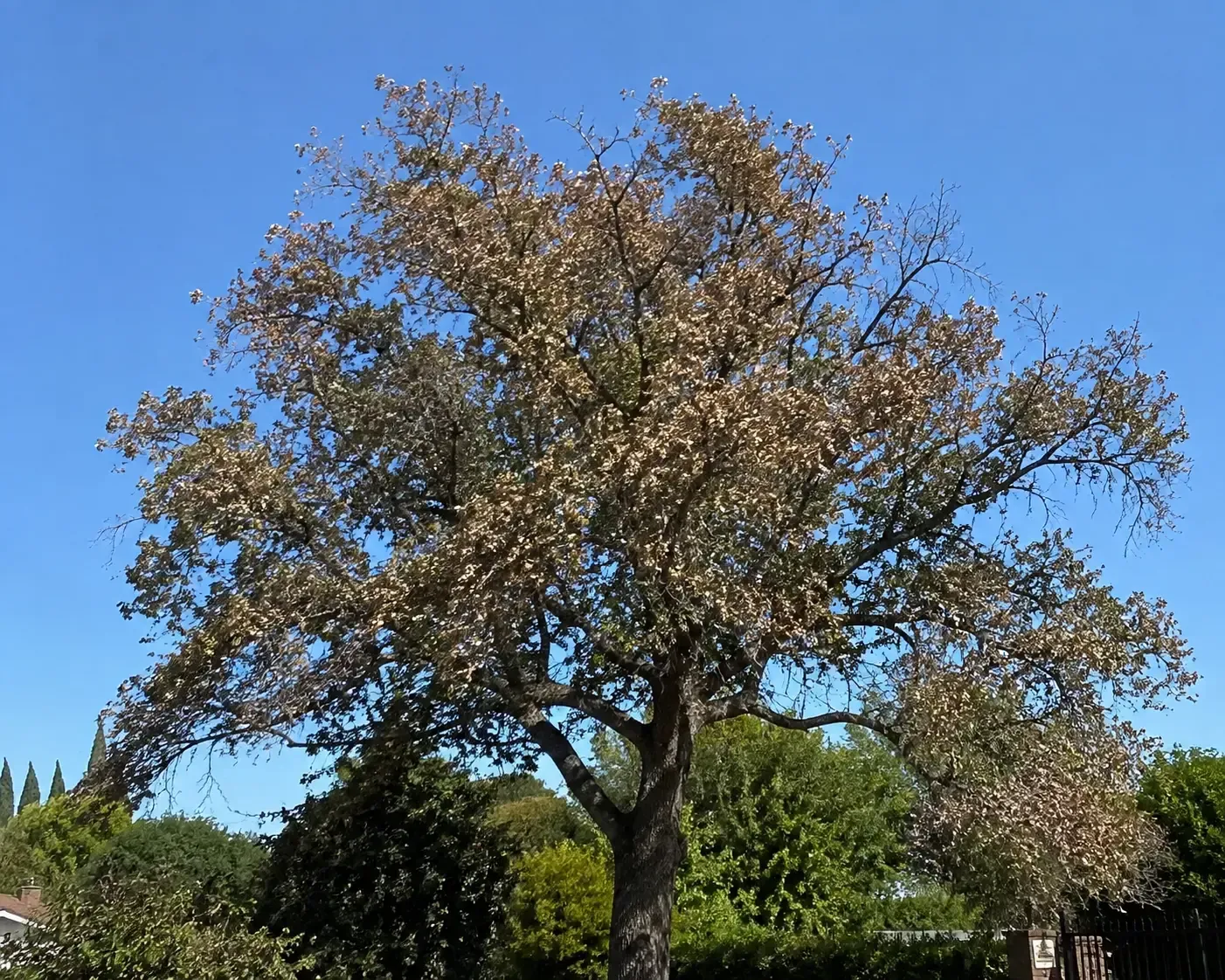
- The ivy has completely shaded out the tree's canopy, causing more than 50% dieback.
- The added weight has compromised the structural integrity of the trunk.
- Root rot, hidden by ground cover, has destabilized the foundation.
If you want to avoid paying thousands for emergency tree removal, you have to attack the ivy while the tree is still standing.
Our Process: Surgical Extraction, Not Just Hacking
You might think, "I'll just go out there and rip it off." Stop. That is a terrible idea.
Yanking vines off a tree trunk can strip the bark right along with it. If you strip the bark, you damage the cambium layer—the tree's vascular system. You might as well take a hatchet to it. Professional removal requires finesse.
1. The "Life Saver" Cut
We start with a technique often called ringing. We cut a section of the vines around the base of the trunk, usually removing a two-foot swath. This severs the connection between the roots in the ground and the foliage in the canopy. We don't pull the upper vines down immediately. We let them die and dry out. Trying to pull live, grippy vines is dangerous. Dead vines release their grip naturally over time.
2. Ground Clearing and Grubbing
The ground game is a battle of attrition. Ivy roots are tenacious. Simply weed-whacking the leaves does nothing; it just makes the plant angry. We perform manual grubbing, digging out the root crowns. For large infestations on commercial properties near the Plaza West Covina, we may utilize specialized eco-friendly herbicide treatments on fresh cuts to prevent regrowth, strictly following UC IPM guidelines.
3. Debris Haul-Away
Ivy is heavy. A 500-square-foot patch can generate tons of biomass. We don't leave piles on your curb. We mulch and haul everything, leaving your yard clean.
Pests Love Your Ivy (Even If You Don't)
If the threat of tree removal isn't enough to motivate you, let's talk about rats. Roof rats (Rattus rattus) differ from sewer rats; they prefer high ground and dense cover. Thick ivy on fences and trees provides an elevated superhighway for rodents to travel from the street directly to your attic vents. It protects them from predators like owls and hawks.
Cleaning out the ivy breaks this bridge. It exposes the area to light and air, making it inhospitable for rodents and snakes. Yes, we have rattlesnakes in the foothills of West Covina. Do you really want to reach your hand into a dense ivy patch where you can't see the ground?
Why Choose Tree Service Perfection West Covina?
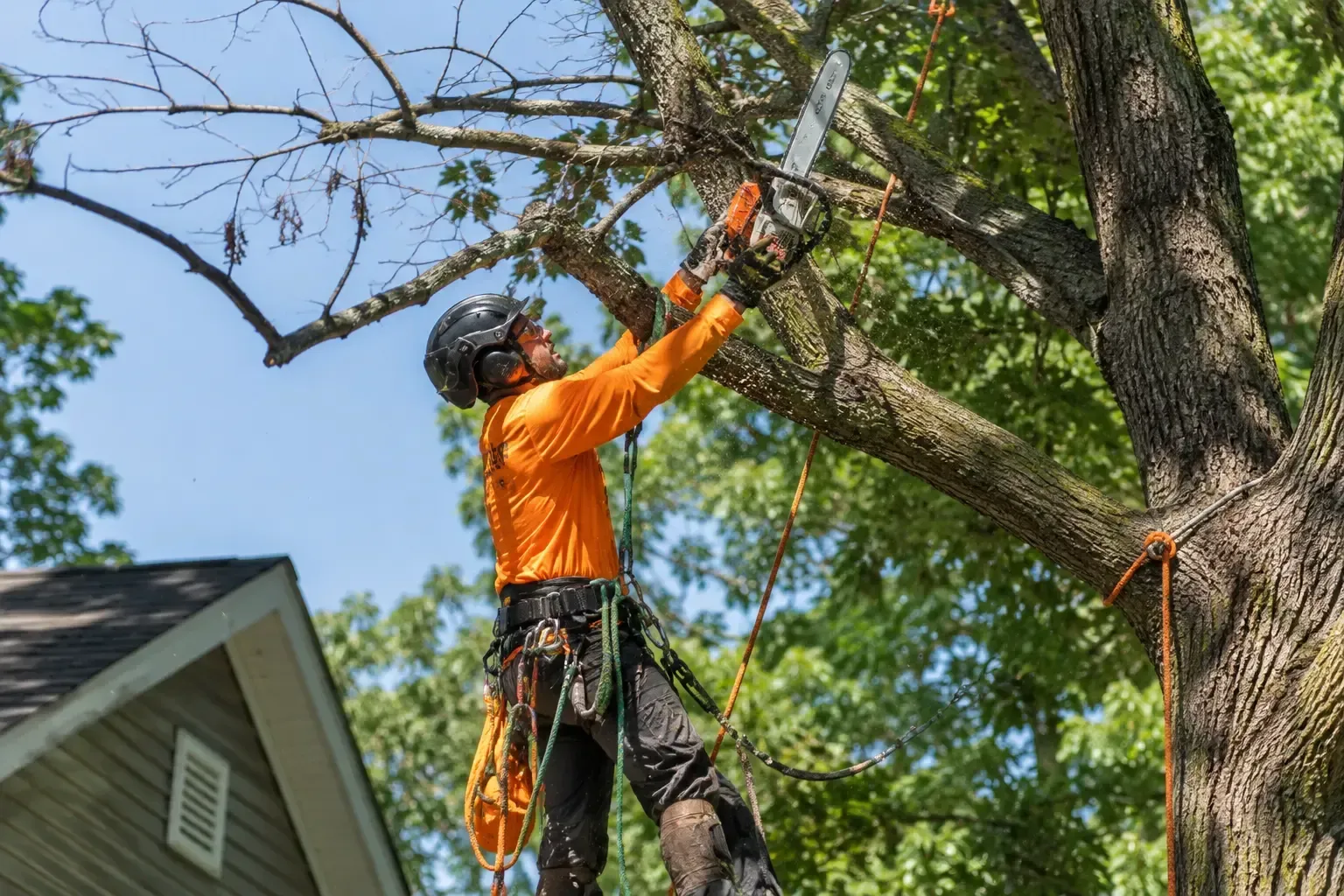
We know the local flora. We know the municipal codes regarding vegetation in West Covina. We aren't just guys with a truck and a chainsaw. We are arborists who understand tree physiology. Other companies might push for immediate tree removal because it's a higher-ticket job. We prefer preservation. If we can save your tree by removing the ivy, we will. But we will also give it to you straight if the tree is too far gone.
Don't let a vine dictate the future of your landscaping. Take back your yard.
Frequently Asked Questions
Does ivy actually kill trees?
Yes. While it doesn't strangle trees directly like a python, it competes for water and nutrients. More importantly, it blocks sunlight from the tree's leaves and traps moisture against the bark, leading to rot, disease, and eventual structural failure necessitating tree removal.
How much does professional ivy removal cost?
Costs vary based on density, acreage, and terrain. A flat backyard is cheaper than a slope in the South Hills. Generally, prices range from $500 for small patches to several thousand for extensive property clearance. We provide free, on-site estimates to give you an exact number.
Can I just use weed killer on the ivy?
Rarely effective. Ivy leaves have a thick, waxy coating that repels most over-the-counter herbicides. The chemical runs off into the soil, potentially harming your trees or nearby plants. Professional removal involves cutting the stem and applying concentrated treatment directly to the vascular system of the vine.
Will the ivy marks on my wall or tree go away?
Eventually. Ivy uses "holdfasts" (root-like structures) to glue itself to surfaces. Even after the vine is removed, these fuzzy marks remain. On trees, they will weather off over time. On stucco or brick, they may require pressure washing or wire brushing to remove completely.
Is ivy removal a one-time service?
Ideally, yes, but vigilance is key. English Ivy is resilient. While our deep extraction removes the root crowns, birds can drop seeds, or missed root fragments can sprout. We recommend a follow-up inspection six months after the initial clearing to ensure total eradication.