Winter Tree Removal in West Covina: Why Waiting for Spring Costs You More

John Constantine • January 28, 2026

That massive Oak looming over your driveway isn't sleeping. It’s waiting.


Most West Covina homeowners assume winter is downtime for yard work. You put the mower away. You ignore the landscaping. You wait for the spring bloom. This is a mistake. A costly one.


While the rest of the country shovels snow, the San Gabriel Valley deals with a different beast: the Santa Ana winds and the deceptive "dormant" season. Neglecting your trees now doesn't just look bad; it invites property damage. Winter is actually the gold standard season for structural pruning and tree removal. The leaves are down (for deciduous species), the structure is visible, and the risks are clearer than ever.


If you live near the West Covina Sportsplex or tucked away in the residential streets of 91790, here is the unvarnished truth about managing your trees during the cooler months.
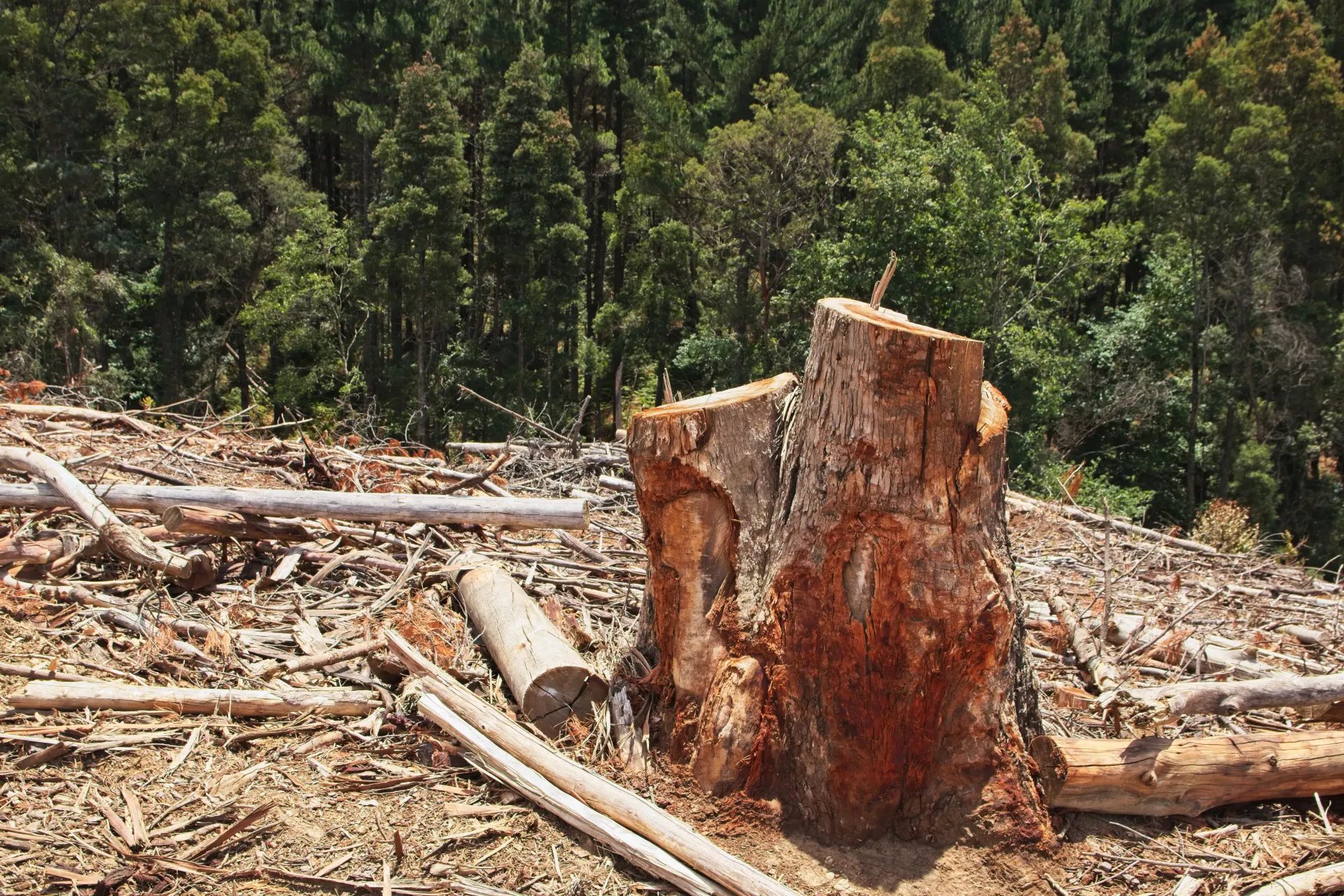
The "Off-Season" Advantage: Visibility and Physiology

Let’s get technical for a second. Without the camouflage of lush foliage, a tree has nowhere to hide its secrets. Structural defects, crossing branches, and fungal growth—often obscured by the thick canopy of spring and summer—stand out like a sore thumb in January.


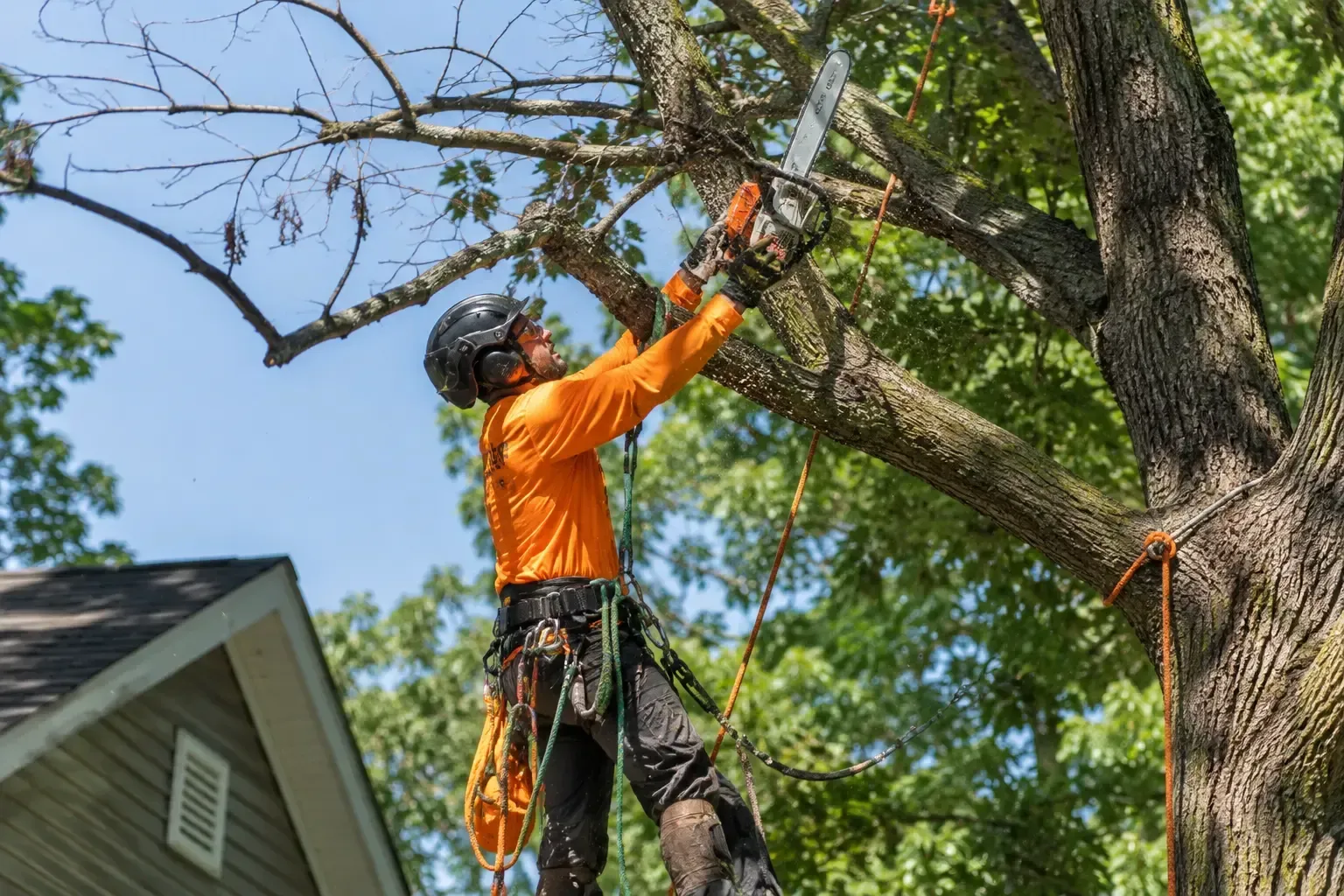
When our team at Tree Service Perfection West Covina inspects a Liquidambar or a Sycamore in the winter, we aren't guessing. We can see the architecture of the tree. This visibility is critical for safe tree removal. It allows arborists to identify the safest rigging points and cut angles without fighting through thousands of pounds of biomass.


Furthermore, trees are biologically dormant. When you cut a tree in active growth (spring/summer), you are stressing it out. Sap is flowing. Resources are being burned. In winter, the tree’s energy is stored in the roots. Removal or heavy pruning now causes less shock to the surrounding landscape and prevents the spread of diseases that rely on fresh, sappy wounds to enter the host.


The Santa Ana Factor: Gravity Doesn't Take a Holiday

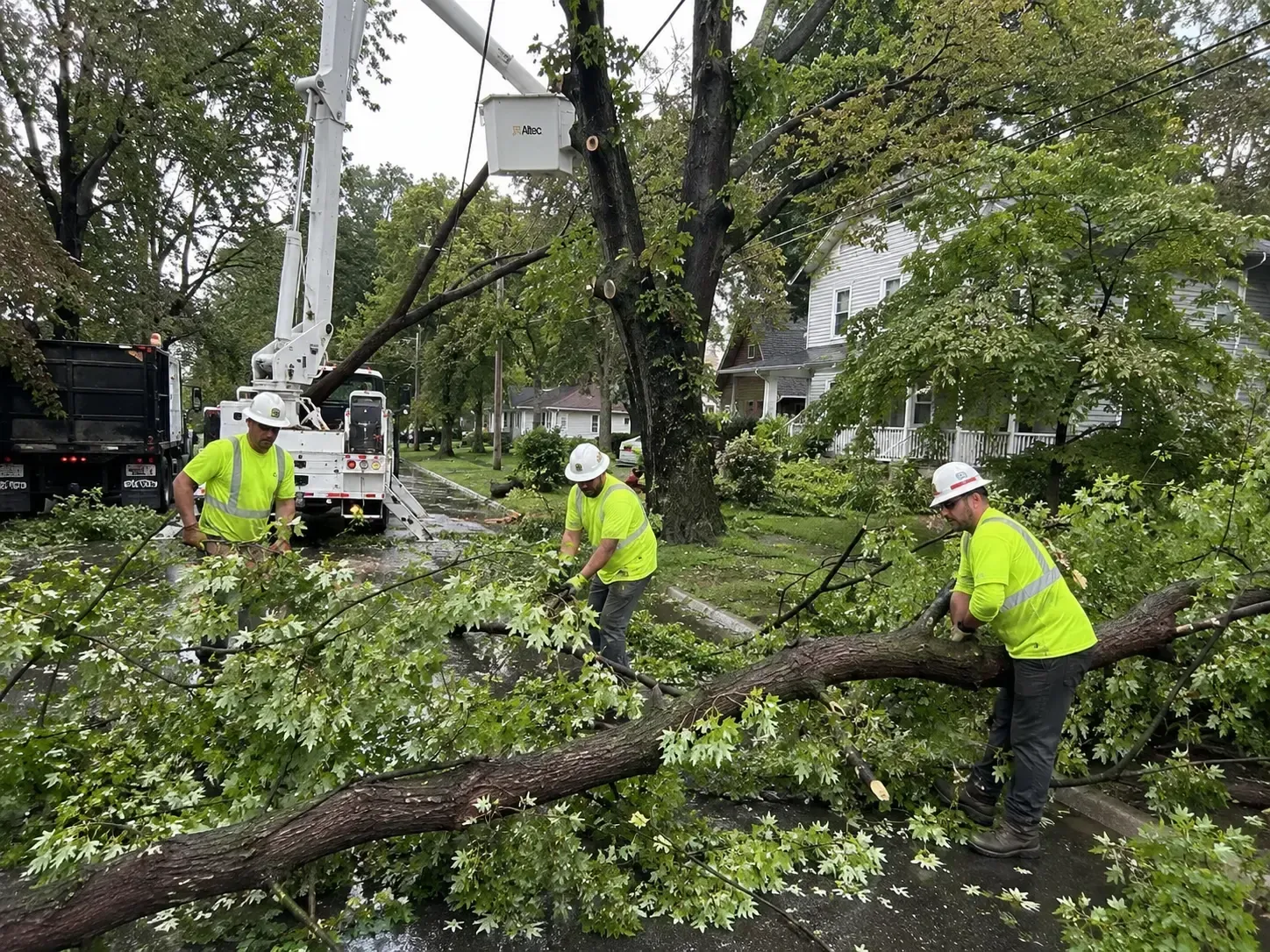
West Covina isn't immune to the infamous Santa Ana winds. Late fall and winter bring gusts that can tear heavy limbs right off the trunk.


Think about the soil. In the San Gabriel Valley, we often see heavy rains in short bursts during the winter. This saturates the ground. Combine waterlogged soil with high winds, and you have the perfect recipe for root failure. A tree that looks stable in July can topple in December.


We saw this recently near the Plaza West Covina area—a perfectly healthy-looking pine uprooted simply because the soil turned to soup and the wind pushed it past its tipping point. Proactive tree removal before the storms hit isn't paranoia. It’s asset protection.


Navigating West Covina Regulations: Don't Get Fined

You cannot just hack down a tree in this city because you feel like it. West Covina has specific preservation ordinances, particularly regarding Heritage Trees and specimens in the public right-of-way.


According to the
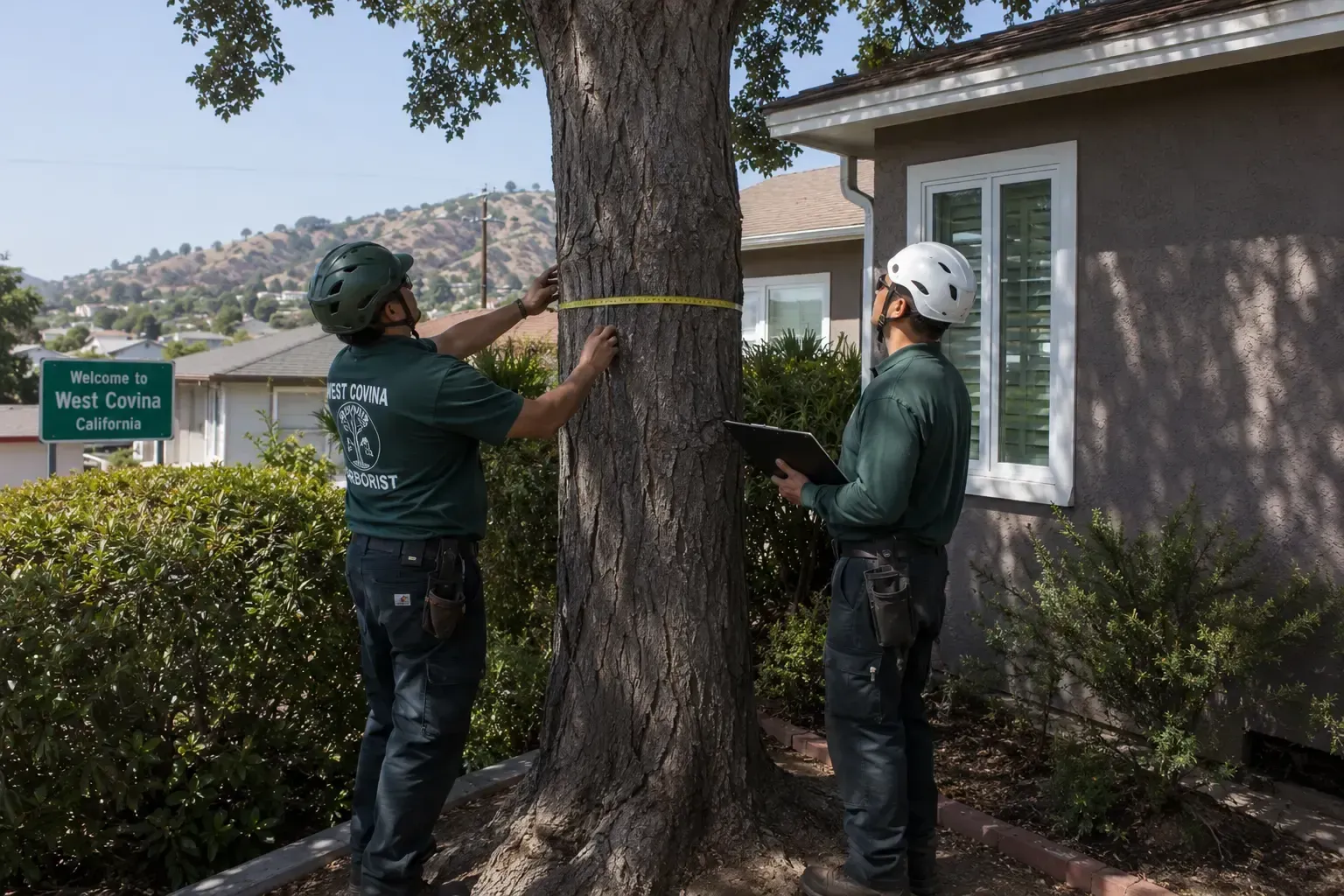
City of West Covina Public Works Department, specific permits are often required for significant tree work. If you remove a protected Oak without a permit, the fines can be astronomical. This is where a DIY approach turns into a legal nightmare.


Professional services handle the red tape. We know which trees are protected under California law and which ones are fair game. We pull the permits. We talk to the city. You just watch the problem disappear.


Cost Implications: Why Winter Wins

Supply and demand apply to arboriculture just like anything else. Spring is chaos. Everyone realizes their yard is a mess at the exact same time. Prices surge. Scheduling gets tight.


Winter is different. Because the average homeowner is distracted by the holidays or staying indoors, demand softens slightly. This can translate to:


Faster scheduling: No waiting three weeks for an estimate.

Better pricing: Many companies offer winter rates to keep crews moving.

Reduced impact: Frozen or harder ground (on colder mornings) means less damage to your lawn from heavy machinery.


The Hazard Assessment Checklist

Walk outside. Go look at your trees. If you spot any of the following, call a professional immediately:

  • Fungal Conks: Mushroom-like growths at the base of the trunk. This usually indicates internal rot.
  • Vertical Cracks: Splits in the bark that go deep into the wood.
  • Codominant Stems: Two trunks growing from the same base with a "V" shape crotch. These are prone to splitting.
  • Deadwood: Branches that have no bark or look dry and brittle.

Safety standards from the Tree Care Industry Association (TCIA) suggest that any tree striking a target (your house, your car, your neighbor) requires immediate risk mitigation. Don't gamble with gravity.


Why West Covina Chooses Tree Service Perfection

There are guys with chainsaws and pickup trucks, and then there are arborists. The difference is usually measured in insurance claims.


Tree Service Perfection West Covina
operates with a military-grade focus on safety and efficiency. We are intimately familiar with the 91790 microclimate. We know how the clay soil behaves near Galster Wilderness Park versus the flatter residential zones. We carry full liability insurance because we respect your property too much to risk it.


We don't just drop trees. We dismantle them. We utilize rigging techniques that ensure not a single branch touches your roof. And when we leave, we grind the stump and clean the debris. It’s like we were never there—except your problem is gone.


Frequently Asked Questions

  • Is it cheaper to remove trees in the winter in West Covina?

    Generally, yes. Winter is considered the off-season for the tree care industry. Due to lower demand compared to the spring rush, many companies offer more competitive pricing and flexible scheduling during the cooler months.


  • Do I need a permit to remove a tree on my private property in West Covina?

    It depends on the tree species and location. West Covina has ordinances protecting specific "Heritage Trees" (like certain Oaks) and street trees. Always verify with the Public Works Department or hire a licensed arborist who handles the permitting process for you to avoid heavy fines.


  • Does winter weather in California affect tree removal safety?

    While California winters are mild, rain and Santa Ana winds can create hazardous conditions. However, professional arborists prefer winter for removal because deciduous trees are bare, allowing for better visibility of structural defects and safer rigging points compared to full-foliage seasons.
By John Constantine January 31, 2026
Many property owners in West Covina assume their trees are harmless until something goes wrong. A falling branch a lifted sidewalk or storm damage can quickly turn a healthy looking tree into a serious liability. So the real question is How do you know when a tree on your property becomes a risk and not just landscaping This guide explains how to identify problem trees early and how Tree Service Perfection helps local homeowners and businesses stay safe and compliant.
By John Constantine January 31, 2026
Your backyard shouldn't look like an audition tape for a jungle survival show. Yet, here we are. In West Covina, the sun beats down relentlessly, and before you know it, those weeds you ignored in February are knee-high by May. It happens fast. One minute you have a manicured lawn; the next, you’re fighting a losing battle against nature. If you live in the 91790 zip code—whether you’re near the chaotic hum of the Plaza or tucked away closer to Galster Wilderness Park—you know the struggle. The soil here loves to grow things, unwanted things especially. Neglect isn't just aesthetic; it’s a liability. The City of West Covina Code Enforcement doesn't mess around with overgrown vegetation, and neither should you. This isn't just about raking a few leaves. This is about total property reclamation. We are talking about heavy-duty yard cleanup that restores sanity to your outdoor space. And if you think a standard gardener can handle a year’s worth of neglect with a weed whacker, think again.
By John Constantine January 30, 2026
Your backyard is a ticking time bomb. That sounds dramatic, sure, but after twenty years in the industry, I’ve seen enough crushed roofs and downed power lines to know that complacency is a homeowner's biggest enemy. Trees are massive, living organisms that weigh thousands of pounds. When they fail, they don't do it gracefully. They do it with enough force to split a house in two. Most people ignore the warning signs because they think a tree is a permanent fixture, like a chimney or a fence. It isn't. It’s a dynamic biological system that can be compromised by a single storm or a week of heavy rain.  If you are looking for Tree Services that actually understand the physics of a falling Coast Live Oak, you need more than a guy with a truck and a dull saw. You need expertise. The reality is that most "emergencies" weren't emergencies a month ago; they were ignored maintenance issues. At Our Homepage , we see it every day. A homeowner notices a slight tilt, thinks "I'll get to that next year," and then the Santa Ana winds kick in. By then, it’s too late. The tree is through the kitchen ceiling, and the insurance company is asking why you didn't mitigate the risk sooner.
By John Constantine January 26, 2026
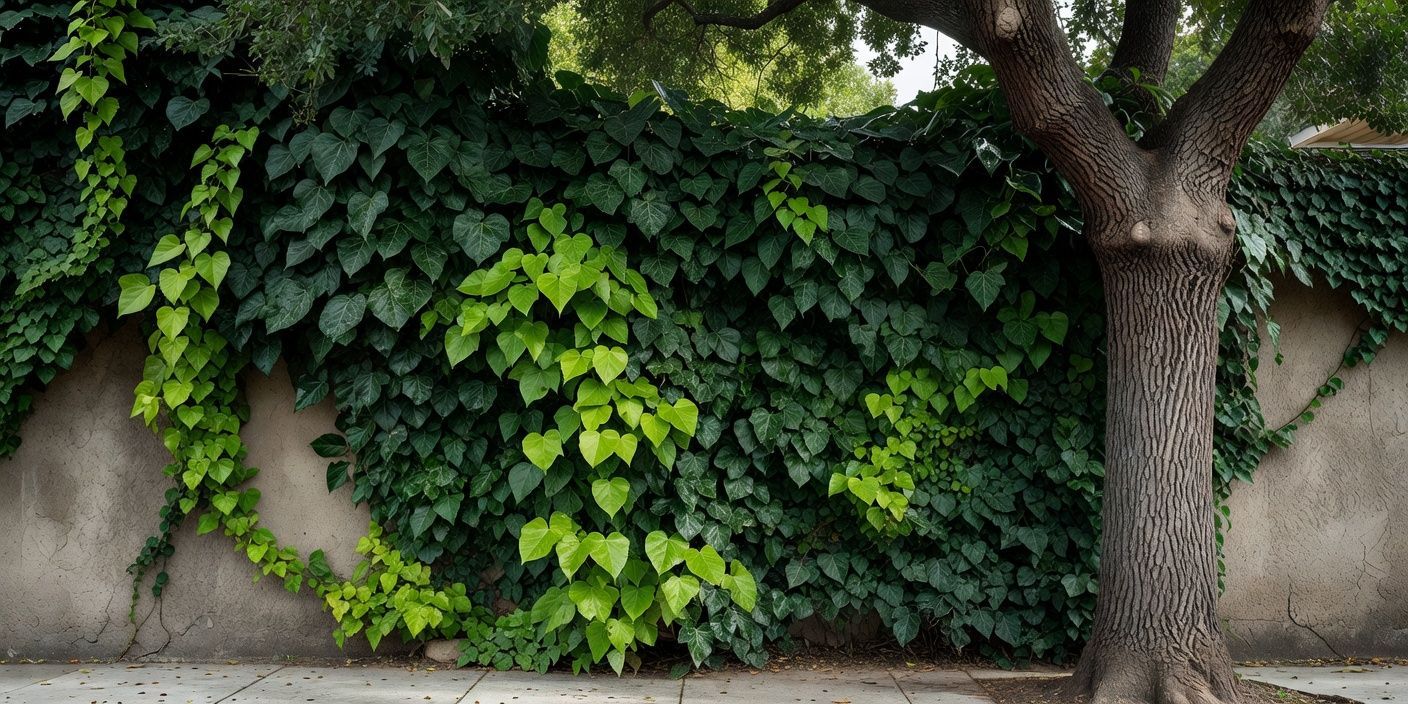
English Ivy looks charming on a postcard. On your West Covina home, it is a slow-motion demolition crew. It creeps. It crawls. Then, inevitably, it strangles. Most homeowners in the 91790 zip code view those glossy green leaves as a low-maintenance aesthetic choice. That is a mistake. Underneath that lush canopy lies a breeding ground for rats, a trap for moisture that rots wood fences, and a root system aggressive enough to crumble masonry. By the time you notice the damage, the repair bill has already tripled. Winter in the San Gabriel Valley isn't about snow; it's about opportunity. The cooler temperatures and dormant growth cycles make now the absolute best time to sever these vines. Waiting until spring—when the sap starts flowing and the growth rate explodes—is a strategic error. You need to act now.
By John Constantine January 22, 2026
A falling oak doesn’t care about your insurance policy. In the heat of the San Gabriel Valley, a neglected tree is a liability waiting to happen. Most property owners in West Covina don’t think about their canopy until a branch smashes through a roof or the Santa Ana winds turn a dead pine into a projectile. That is a mistake. Professional tree management is not a luxury; it is a fundamental requirement for safety, property value, and the health of our local environment.  Your trees are living assets. They shade your home, lower your cooling costs, and provide the structural backbone of your outdoor terrain. But without expert intervention, they can quickly become hazards. Whether you manage a sprawling commercial complex near Plaza West Covina or own a quiet residential lot in South Hills, you need a tree care service that understands the specific biological demands of our region. At Tree Service Perfection West Covina, we don’t just "cut branches." We provide comprehensive, start-to-finish biological management for every tree on your property.
By John Constantine January 20, 2026
A massive oak limb hanging over your roof isn't just a nuisance. It is a ticking clock. Every gust of wind, every heavy rain, and every day of neglect increases the odds of a multi-thousand-dollar insurance claim. You don't have time for a crew that shows up three hours late, drags their feet, and leaves your yard looking like a construction zone. You need speed. You need precision. Most importantly, you need a team that treats your property like their own backyard. When it comes to finding a reliable local tree service, the difference between a hack job and a professional masterpiece lies in the details that most companies ignore.
By John Constantine January 17, 2026
Winter in West Covina isn't exactly a frozen tundra. We don't deal with snowdrifts on Azusa Avenue or ice on the 10 freeway. But for your trees, the season is just as real. While you’re switching to iced lattes and enjoying the slightly crisp 65-degree mornings, your oaks and jacarandas are entering a critical phase of dormancy. This is the window. If you miss it, you aren't just looking at an ugly yard—you’re looking at a liability. Most homeowners make a classic mistake. They wait for the first leaf to bud in March before they think about calling a tree trimming crew. By then, the damage is often done. At Tree Service Perfection West Covina , we see the aftermath every single year. We see the split trunks after a Santa Ana windstorm and the diseased elms that could have been saved if they were thinned out in December. Winter isn't the "off-season" for tree care; it is the most important season.
By John Constantine January 16, 2026
Your tree is starving. You might not see it yet. You might even think it looks "cleaner" or more "manicured" after that heavy trim last weekend. But beneath the bark, a physiological crisis is unfolding. Most homeowners view tree pruning as a simple aesthetic chore, akin to getting a haircut. This is a dangerous misconception. A haircut involves dead keratin; pruning involves living, breathing, energy-producing organs. When you remove too much of a tree’s canopy, you aren't just tidying up your yard—you are effectively removing its ability to eat.  At Tree Service Perfection West Covina, we see the aftermath of "hacks" every single day. We see majestic oaks stripped down to skeletons and maples topped until they look like coat racks. This isn't just an eyesore. It’s a death sentence. If you want to keep your property value high and your family safe from falling limbs, you need to understand the brutal reality of over-pruning. It is the most common form of tree abuse in suburban environments, and it is entirely preventable.
By John Constantine January 13, 2026
That old pine stump in your backyard isn't just an eyesore; it’s a ticking time bomb for your property value. Most homeowners in West Covina look at their yards in December or January, see the grass go dormant, and assume tree maintenance should wait for spring. This is a costly mistake. Winter in the San Gabriel Valley offers a unique window of opportunity. While the rest of the country is buried in snow, our mild, rainy season creates the perfect conditions for heavy machinery and root eradication. Whether you live near the Plaza West Covina or tucked away closer to South Hills, ignoring that leftover stump until March allows root rot to spread and gives pests a warm bunker against the chill. It has to go. Now.
By John Constantine January 13, 2026
Your trees are screaming for help, even if you can’t hear them. In West Covina, where the sun beats down and the Santa Ana winds eventually roar through the pass, a neglected tree isn't just an eyesore. It’s a ticking time bomb. Most homeowners view a tree trimming service as a luxury or a "maybe next year" chore. That’s a mistake that costs thousands in property damage and lost equity.