Do You Need a Tree Removal Service in West Covina, CA? Here's Everything You Need to Know Before You Call
Introduction
That tree in your backyard looked beautiful when you moved in. Now it's leaning toward your roof after the last windstorm. Or the roots are cracking your driveway. Or it's dead and dropping branches every time the wind picks up. Or your neighbor keeps mentioning it and not in a friendly way.
Whatever the situation, you're now searching for a tree removal service in West Covina, California and you want to know who to call, what it costs, whether you need a permit, and whether the tree actually needs to come down in the first place.
This guide answers every one of those questions clearly and completely so you can make the right decision for your property, your family, and your budget.
When Does a Tree Actually Need to Be Removed
Not every tree that looks bad needs to come down. A certified arborist can often save a sick or damaged tree with trimming, treatment, or cabling. But there are clear situations where removal is the safest and most practical solution.
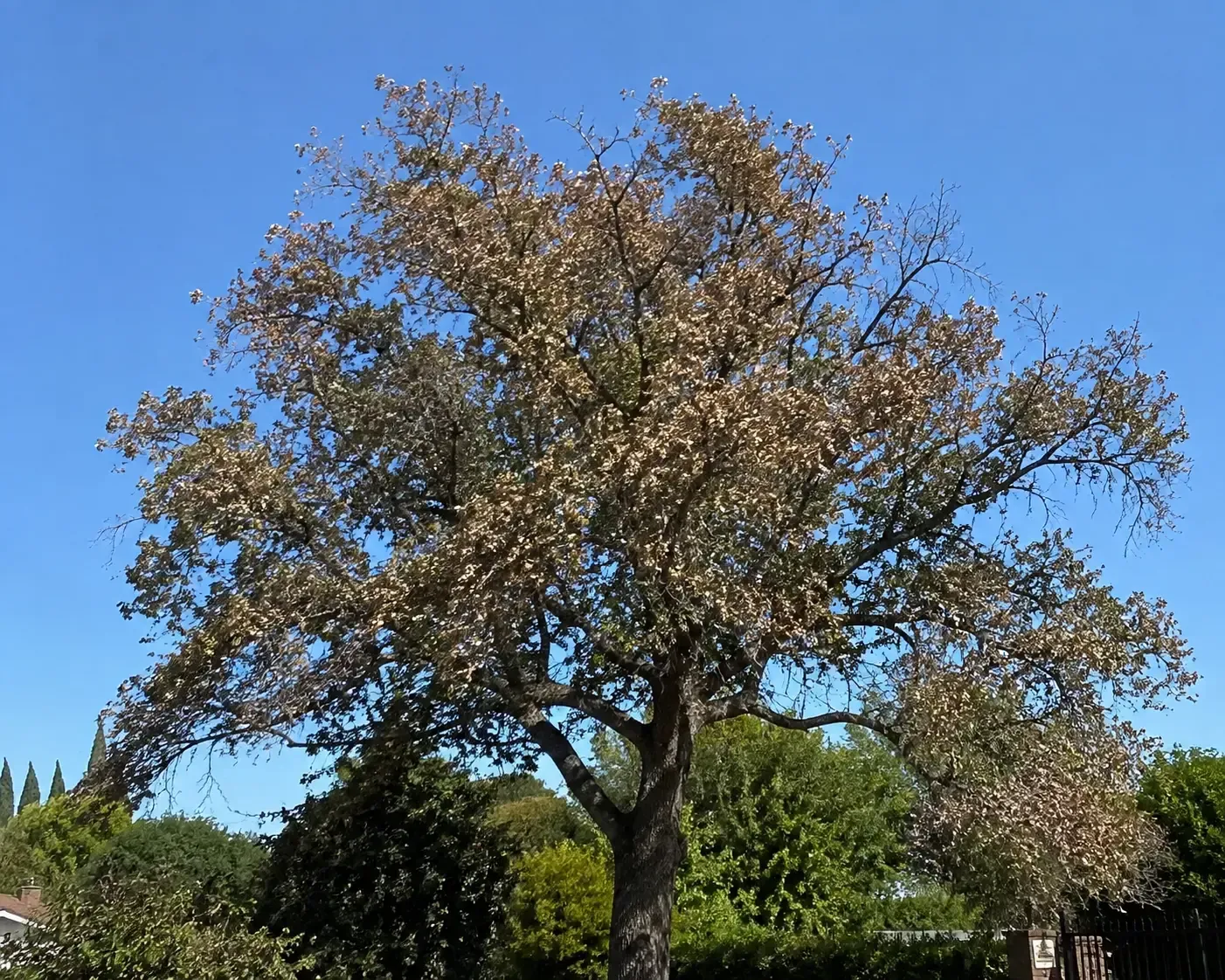
The tree is dead or dying. Dead trees don't stay standing forever. As the wood decays, the structural integrity weakens rapidly. A dead tree near your home, driveway, or power lines is a falling hazard waiting for the next Santa Ana wind event to trigger it.
The tree is severely leaning. A gradual lean that developed over time, especially after a storm, often signals root failure or soil instability on one side. A leaning tree near a structure should be evaluated by a professional immediately.
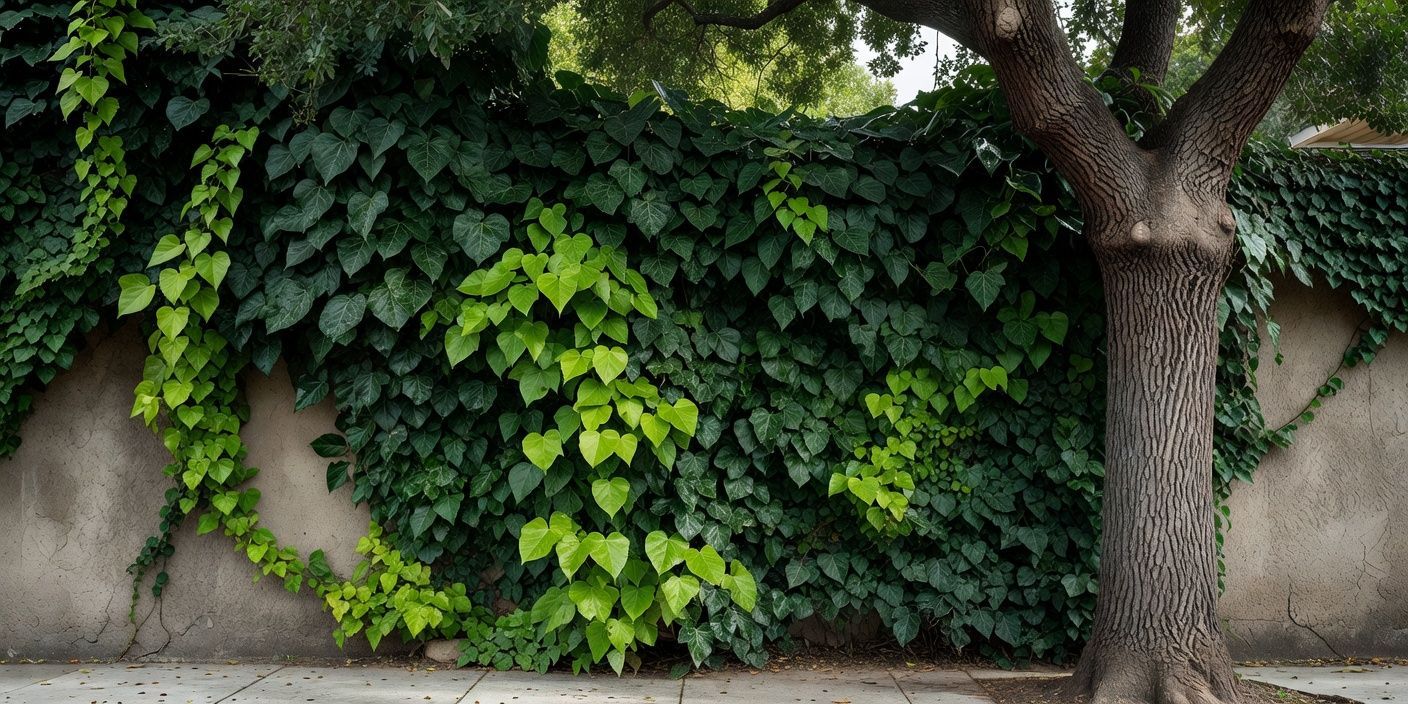
The roots are causing structural damage. Tree roots in West Covina's soil can extend far beyond the canopy and work their way into sewer lines, water pipes, driveways, sidewalks, and foundations. If you're seeing cracks in your hardscape or getting plumbing backups, nearby tree roots may be the cause.
More than 50% of the tree is damaged. If a major storm, disease, or pest infestation has compromised more than half the tree's canopy or trunk, recovery is unlikely. Trees in this condition drop limbs unpredictably and pose significant liability risks.
The tree is hollow or has significant trunk decay. Some hollow trees survive for years but a hollow trunk significantly reduces structural strength. Fungal growth, soft spots, or visible cavities in the trunk are serious warning signs.
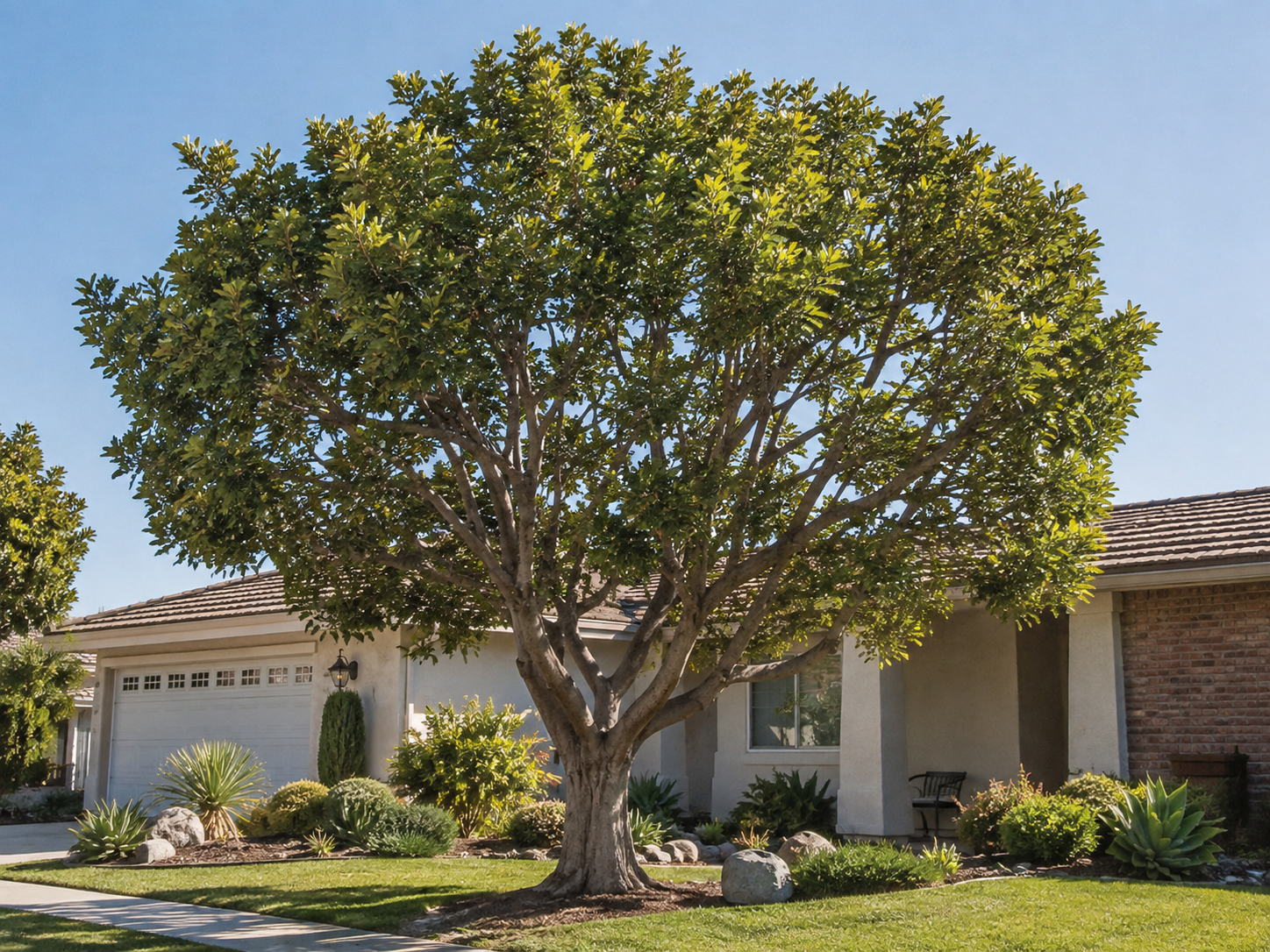
The tree is too close to your home or power lines. Trees within 15 to 20 feet of a structure or power line are considered high risk by most arborists. Southern California Edison manages trees near high voltage lines, but homeowners are responsible for trees near their own structures and service drops.
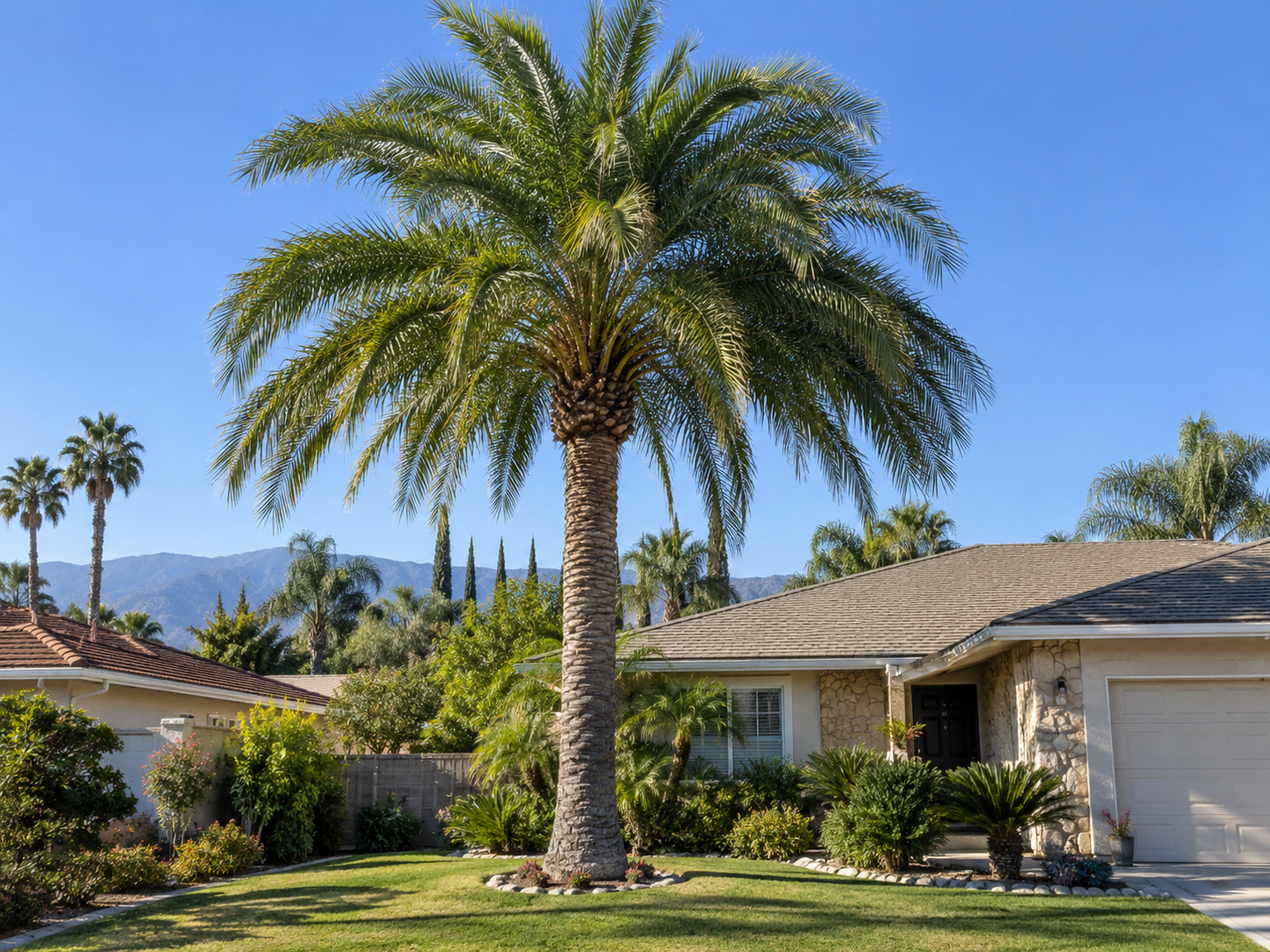
The tree is the wrong species for the location. Some trees planted decades ago in West Covina yards were simply the wrong choice. Fast growing species like eucalyptus, cottonwood, or certain palms planted too close to structures, walls, or utilities often cause more problems as they mature than they're worth.
What Are the Risks of Leaving a Dangerous Tree
West Covina homeowners sometimes put off tree removal because of the cost or the hassle and end up paying far more as a result. Here's what's actually at stake when a hazardous tree is left standing.
Property Damage. A falling tree or large limb can destroy a roof, crush a vehicle, crack a foundation, or take out a fence. Repair costs from tree related damage routinely run $5,000 to $50,000 or more depending on what gets hit.
Personal Injury. Falling branches injure thousands of people across Southern California every year. If someone is injured on your property by a tree you knew was hazardous, you may face significant legal liability.
Homeowner's Insurance Complications. If your insurance company determines that a fallen tree was obviously diseased or hazardous before it fell, they may dispute or deny your damage claim. Documented negligence, meaning a tree that was clearly dead or structurally compromised, can complicate your coverage significantly.
Neighbor Disputes and Legal Liability. In California, if your tree falls and damages your neighbor's property and you knew the tree was hazardous, you can be held liable for the damages. California tree law is clear on this: knowledge of a hazard creates a duty to act.
Pest Infestation Spread. Dead and decaying trees are prime habitat for termites, bark beetles, and wood boring insects. Once established, these pests can spread from a dead tree to your home's wood structure or to neighboring healthy trees.
The cost of professional tree removal in West Covina almost always looks small compared to the cost of the problems a hazardous tree creates when left standing.
Do You Need a Permit to Remove a Tree in West Covina
This is one of the most common questions West Covina homeowners ask and the answer depends on the tree's species, size, and location on your property.
West Covina's Tree Preservation Ordinance protects certain trees deemed significant based on trunk diameter, species, or location. Before removing any mature tree on your property, check with the City of West Covina's Planning and Development Services Department to confirm whether a permit is required.
A permit is more likely required when:
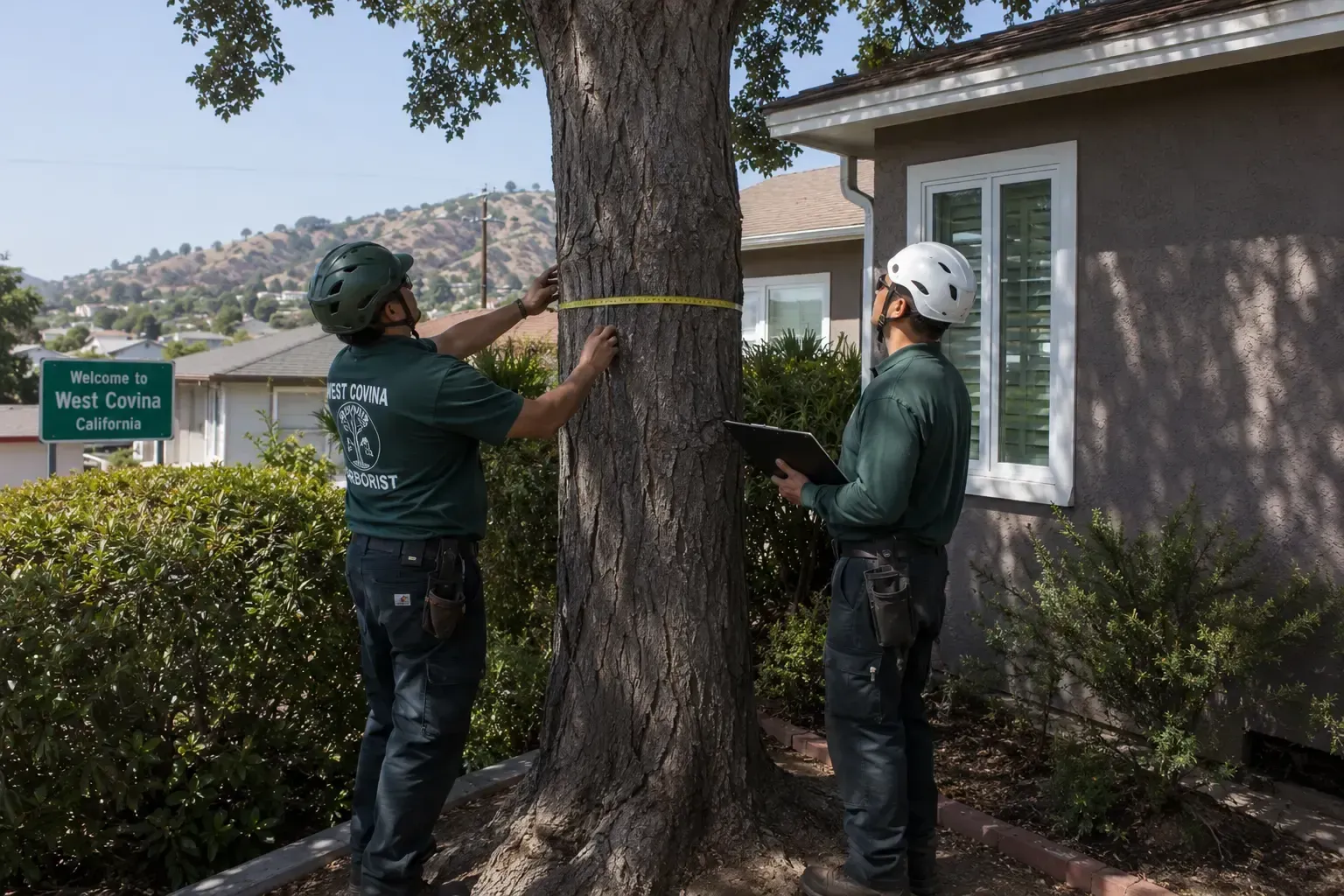
The tree has a trunk diameter exceeding a certain threshold, typically 8 inches or more measured at 4.5 feet above ground. The tree is located in a designated street right of way or parkway strip. The tree is a protected native species. The property is in a designated overlay zone or HOA with its own tree removal rules.
A permit may not be required when:
The tree is clearly dead and poses an immediate safety hazard. The tree is a non native, non protected species below the size threshold. The removal is part of an approved construction or development project.
Do not assume you don't need a permit. A reputable West Covina tree removal company will know local ordinances and can help you determine whether a permit is needed before any work begins. Removing a protected tree without a permit can result in significant fines and a requirement to replace the tree at your expense.
How Much Does Tree Removal Cost in West Covina, CA
Tree removal pricing in West Covina varies based on several factors: the height and diameter of the tree, its location relative to structures and utilities, how easily equipment can access the site, and whether stump removal is included.
Small trees under 25 feet tall such as ornamental trees, young palms, or shrubs typically cost $350 to $650 to remove.
Medium trees between 25 and 50 feet including most mature fruit trees, jacarandas, and smaller eucalyptus typically run $650 to $1,100.
Large trees between 50 and 75 feet including large shade trees, older palms, and medium eucalyptus typically cost $1,100 to $1,500.
Very large trees over 75 feet such as mature eucalyptus, large oaks, and towering palms can run $1,500 to $2,500 or more depending on complexity.
What drives the price up:
Trees close to structures, fences, or power lines require more careful rigging and piece by piece removal rather than felling, which adds time and labor. Difficult access, such as a backyard with no gate wide enough for equipment, adds cost. Multiple trunks or significant lean toward a structure increases technical difficulty. Emergency after hours service commands a premium.
What Does a Tree Removal Service Include
When you hire a professional tree removal company in West Covina, here is what a standard job typically includes.
Site Assessment. A qualified arborist or crew leader inspects the tree, evaluates the risks, determines the safest removal method, and confirms whether any permits are required.
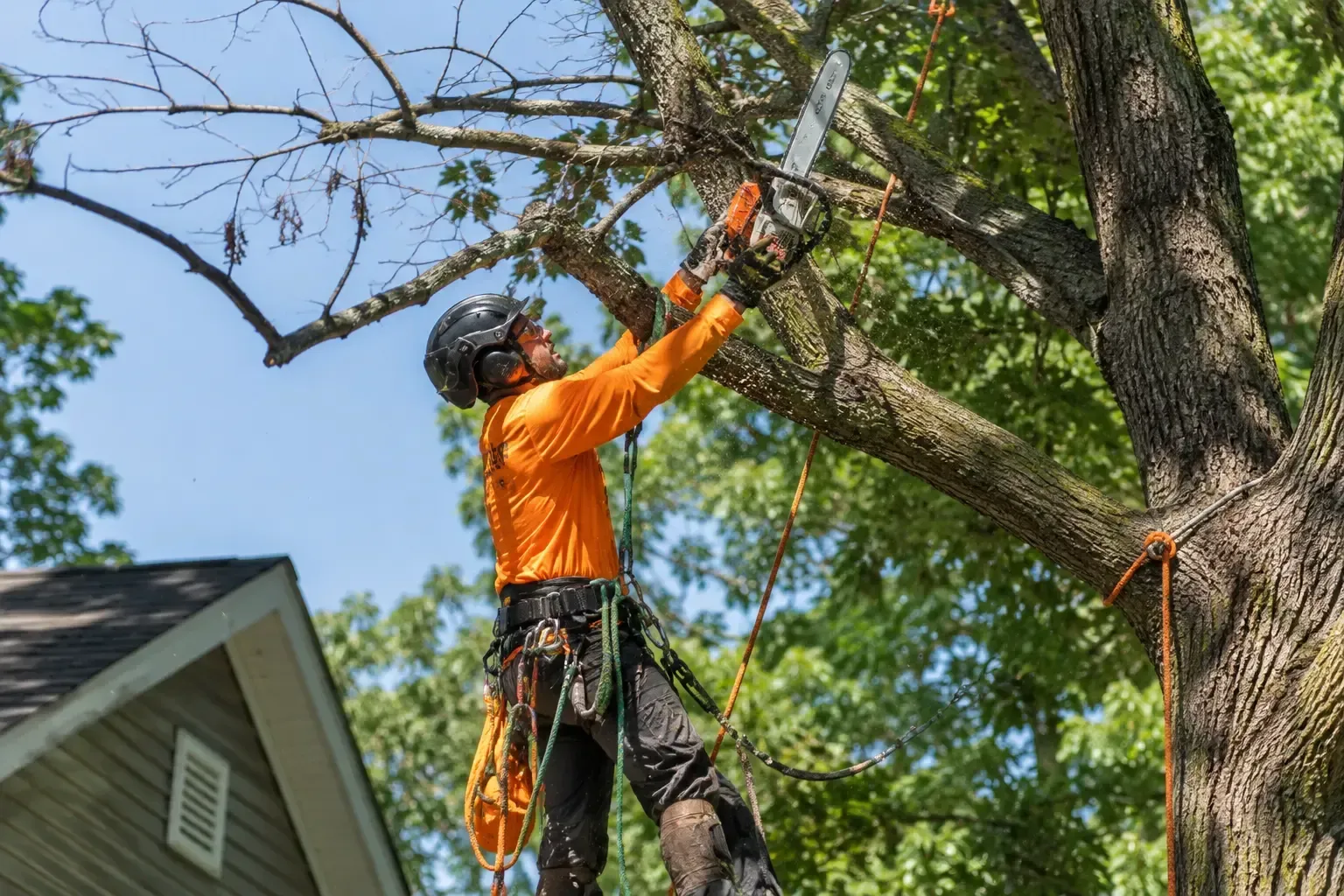
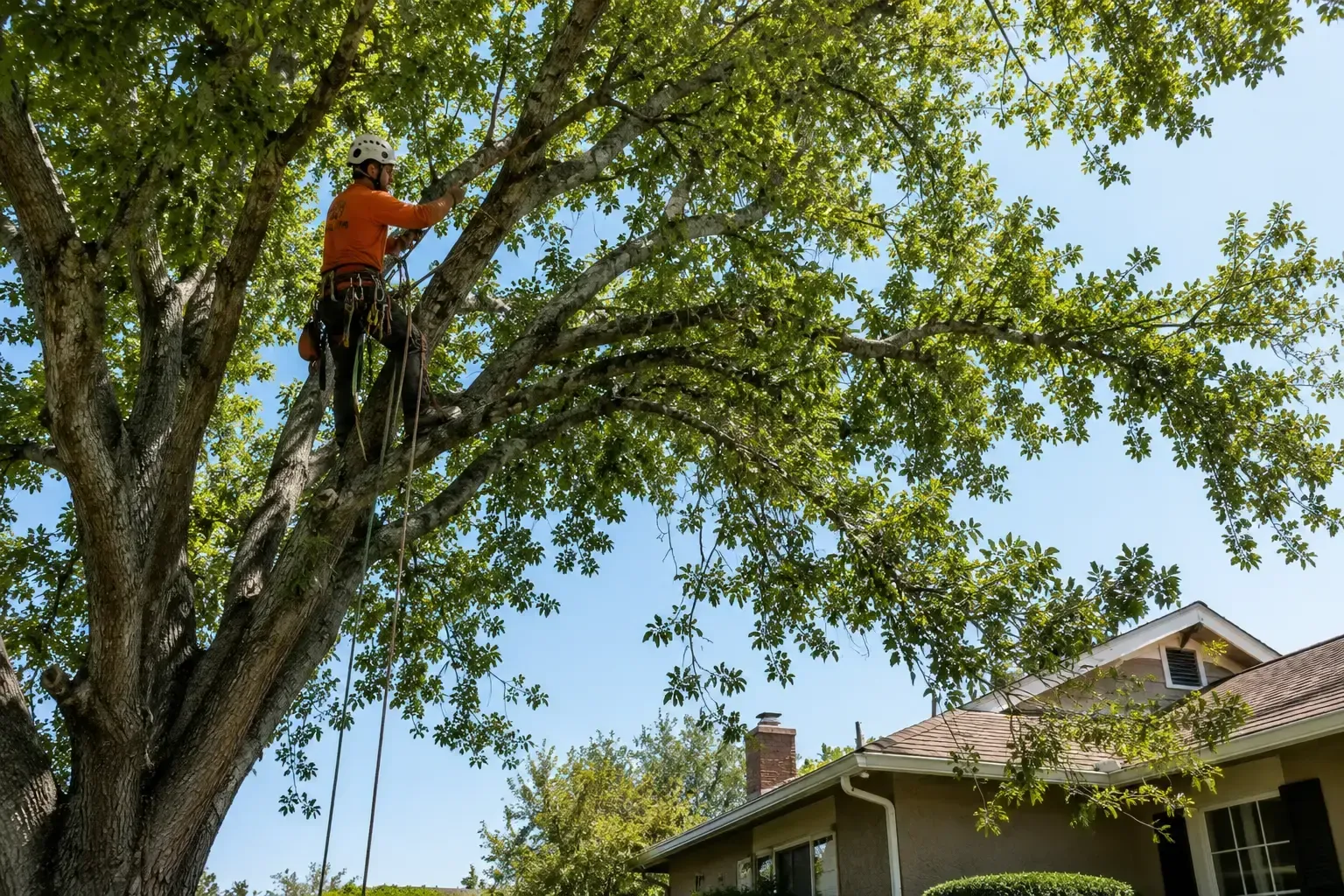
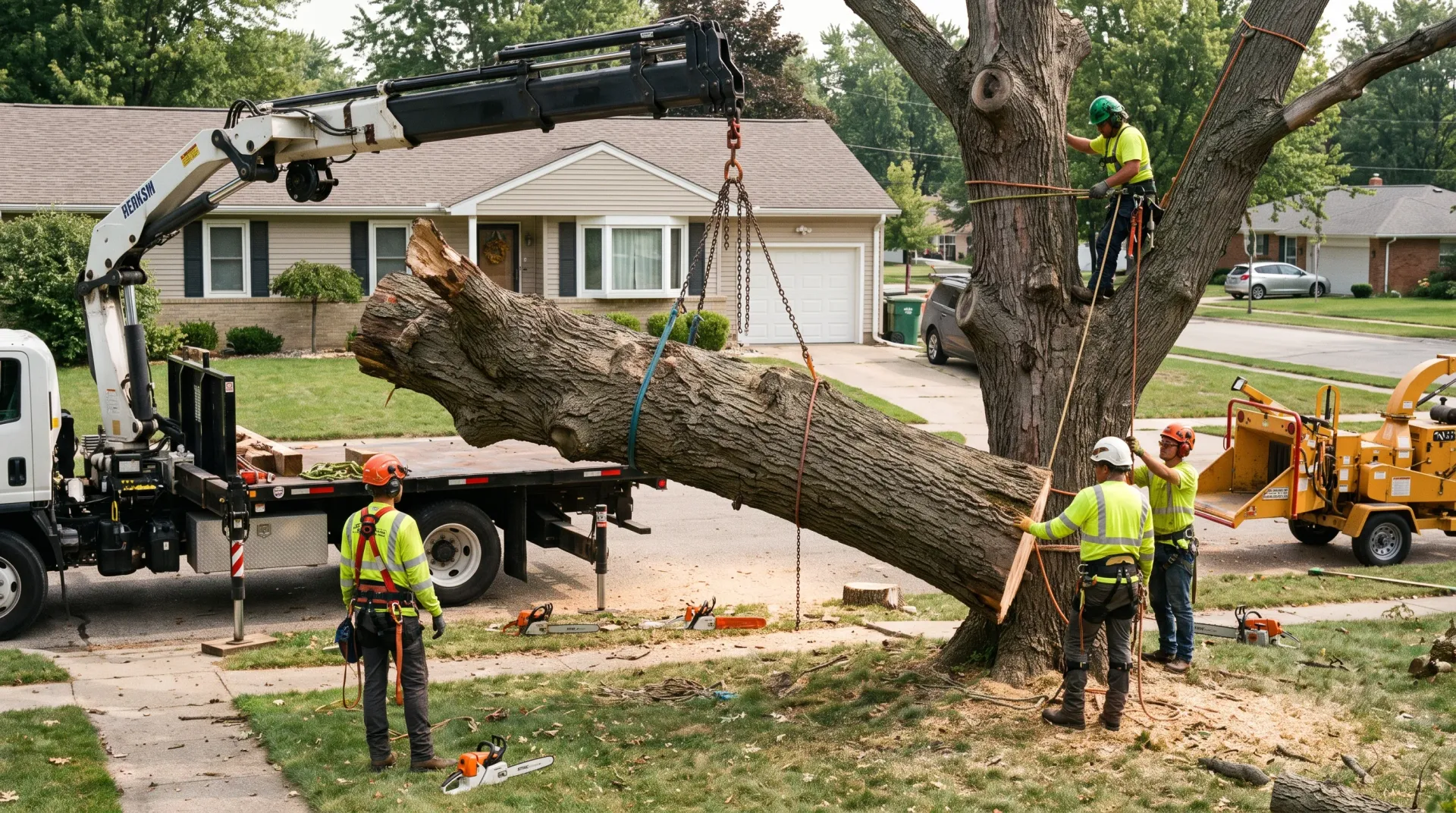
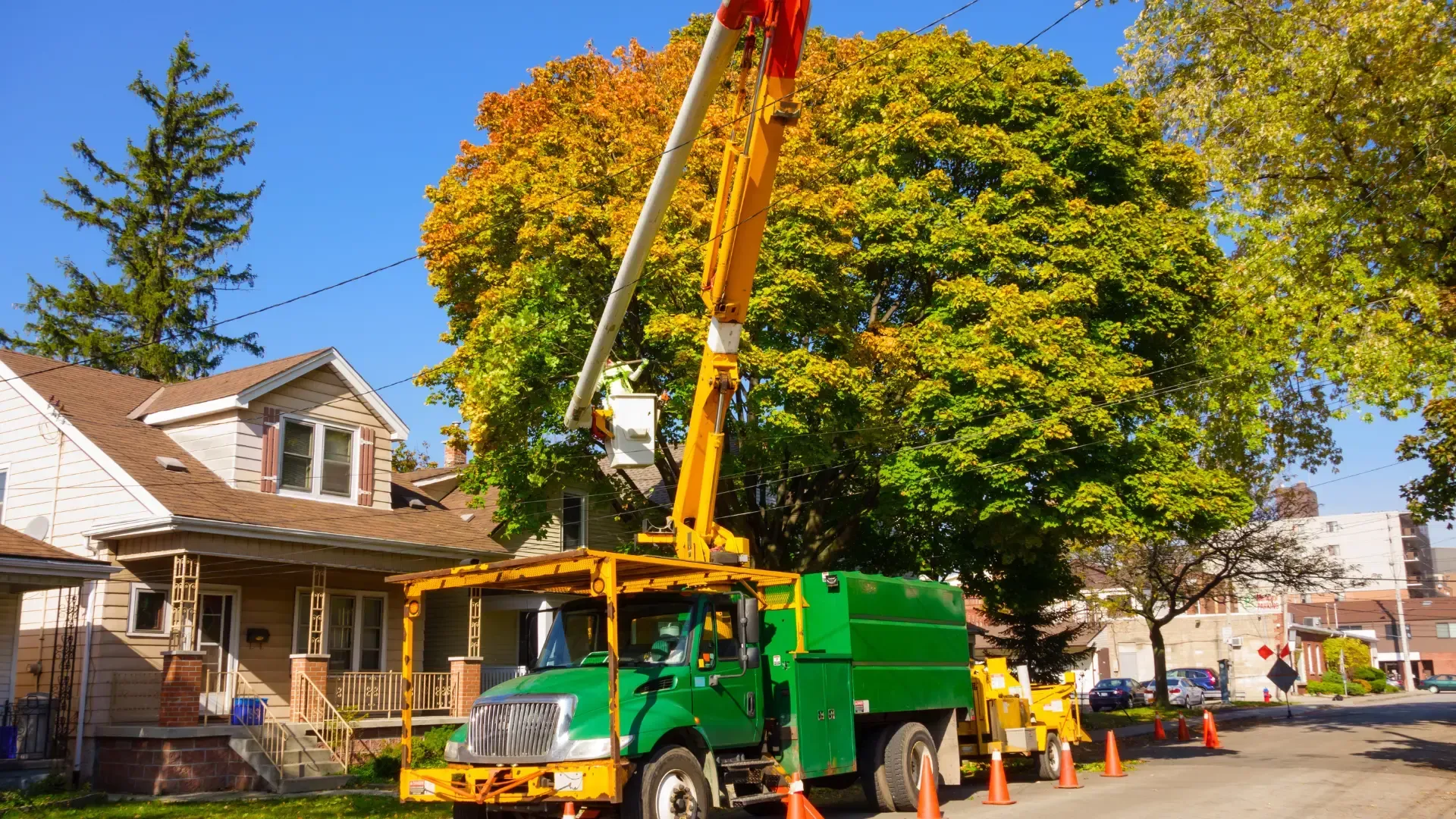
Equipment Setup. Depending on tree size and location, this may involve chainsaws, aerial lifts, cranes, rigging systems, and wood chippers. The crew protects surrounding structures, fences, and landscaping before cutting begins.
Tree Removal. The crew removes the tree using either a straight fell for trees with open space to fall or a sectional removal by cutting the tree down in sections from top to bottom when space is limited. Sectional removal is the standard approach in most residential West Covina yards.
Debris Chipping and Hauling. Branches and smaller wood are typically fed through a wood chipper on site. Larger logs may be cut into manageable sections and hauled away, or left if you want firewood.
Site Cleanup. A reputable company leaves your yard clean with no branches, no sawdust piles, and no debris. Always confirm cleanup is included in your quote.
Emergency Tree Removal in West Covina
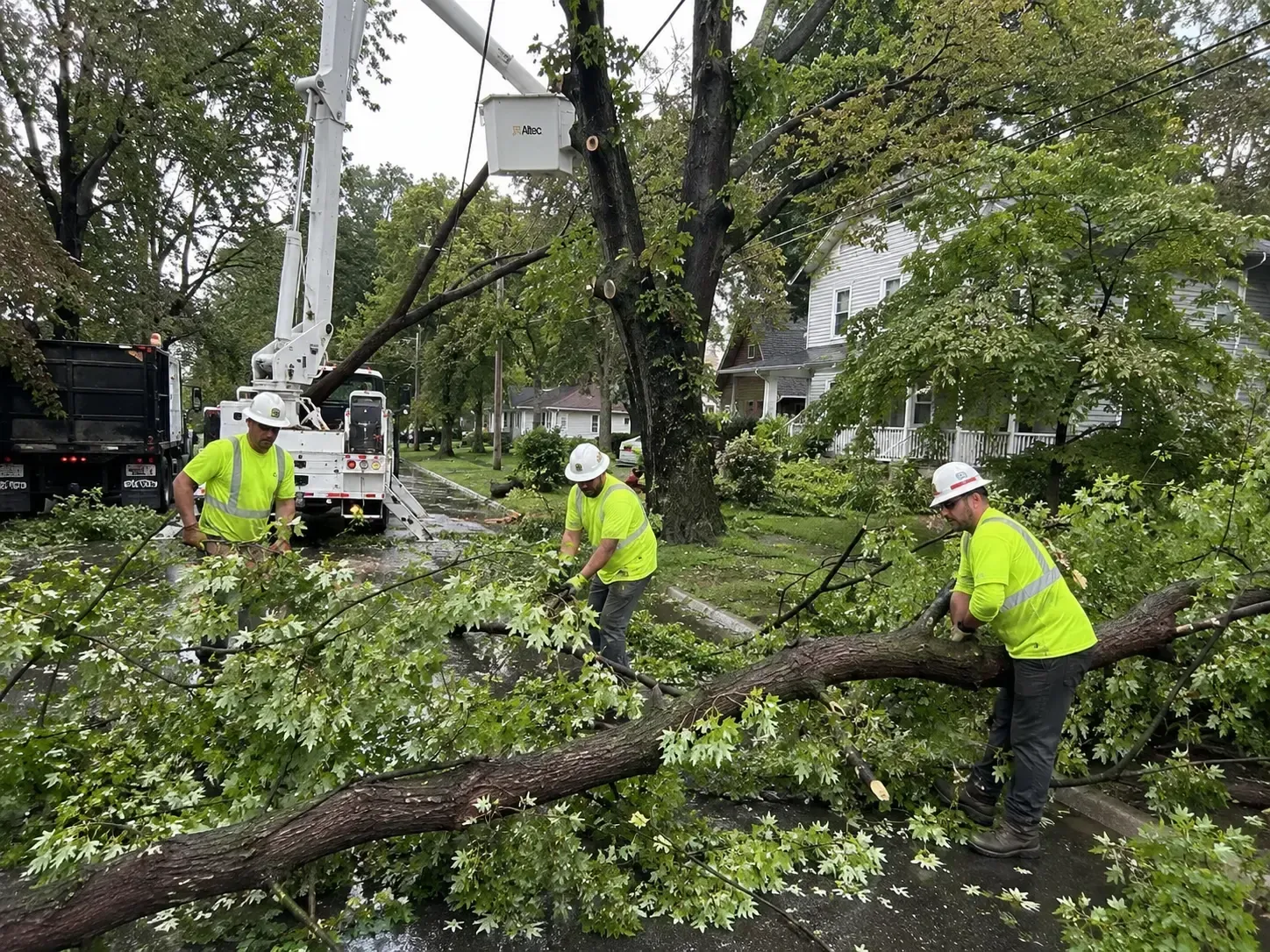
West Covina sits in an area of Southern California that sees regular weather events capable of causing sudden, severe tree damage including Santa Ana wind events, El Niño rain seasons, and occasional severe thunderstorms. When a tree falls on your property or poses an immediate threat, you need emergency service fast.
What counts as a tree emergency:
A tree or large limb has already fallen on your home, vehicle, fence, or is blocking your driveway. A tree is leaning severely against your roof or structure after a storm. A large limb is visibly cracked, hanging, and likely to fall imminently. A tree has fallen across a road or is blocking access to your property.
Stump Removal and Grinding
After a tree is removed, the stump is typically left at or just above ground level. Whether you need stump removal depends on what you plan to do with the space.
Reasons to remove the stump:
Stumps are tripping hazards, especially for children playing in the yard. They attract termites, carpenter ants, and wood boring beetles that can eventually migrate toward your home. They make lawn mowing difficult and can damage mower blades. They are eyesores that detract from your property's curb appeal. If you plan to replant, install a patio, or lay sod, the stump and root mass must be cleared first.
Stump grinding vs. full stump removal:
Stump grinding uses a rotating cutting wheel to grind the stump down 6 to 12 inches below grade. The remaining roots are left in the ground to decay naturally over time. This is the standard and most cost effective approach for most residential properties.
Full stump removal, meaning pulling the entire root ball out of the ground, is far more disruptive and expensive, involving excavation equipment and significant disruption to the surrounding yard. It is only necessary in specific situations such as when you are installing a new foundation or pool in the exact location of the old stump.
Tree Trimming vs. Tree Removal
Not every tree problem requires full removal. In many cases, strategic trimming or pruning can solve the issue at a fraction of the cost and preserve a healthy tree that adds value to your property.
Choose trimming or pruning when:
The tree is fundamentally healthy but has overgrown branches touching your roof, blocking sightlines, or interfering with power lines. The tree has some dead or damaged limbs that are creating hazards but the main trunk and root system are sound. You want to improve the shape, balance, or light penetration of the canopy. Routine maintenance is needed to keep the tree healthy and reduce wind resistance during Santa Ana events.
Choose removal when:
The tree is dead, severely diseased, or structurally compromised beyond recovery. The root system is actively damaging infrastructure. The tree is the wrong species for the location and will continue to cause problems regardless of how often it is trimmed. A certified arborist has assessed the tree and determined that removal is the only safe long term solution.
Frequently Asked Questions
Is tree removal covered by homeowner's insurance?
Homeowner's insurance typically covers tree removal when a fallen tree has damaged a covered structure such as your home, garage, or fence. It generally does not cover the cost of removing a tree that has fallen in your yard without damaging a structure, or the preventive removal of a hazardous tree before it falls.
How do I know if a tree is dangerous?
Signs of a hazardous tree include visible trunk decay or cavities, fungal growth at the base, dead or hanging branches, significant lean that has developed or worsened recently, roots that have lifted or separated from the soil on one side, and any history of dropping large limbs.
What is the best time of year to remove a tree in West Covina?
Tree removal can be performed year round in West Covina's mild Southern California climate. Late fall and winter when most trees are dormant are often preferred because reduced foliage makes the work easier and there is less disruption to surrounding landscaping.
What happens to the wood after my tree is removed?
Most tree removal companies chip branches and smaller wood on site using a wood chipper. Larger logs can be cut into firewood length sections and left for you, or hauled away.