Winter Tree Trimming in West Covina: Why Waiting for Spring is a Costly Mistake
Winter in West Covina isn't exactly a frozen tundra. We don't deal with snowdrifts on Azusa Avenue or ice on the 10 freeway. But for your trees, the season is just as real. While you’re switching to iced lattes and enjoying the slightly crisp 65-degree mornings, your oaks and jacarandas are entering a critical phase of dormancy. This is the window. If you miss it, you aren't just looking at an ugly yard—you’re looking at a liability.
Most homeowners make a classic mistake. They wait for the first leaf to bud in March before they think about calling a tree trimming crew. By then, the damage is often done. At
Tree Service Perfection West Covina, we see the aftermath every single year. We see the split trunks after a Santa Ana windstorm and the diseased elms that could have been saved if they were thinned out in December. Winter isn't the "off-season" for tree care; it is the most important season.
The Science of Dormancy and Tree Health
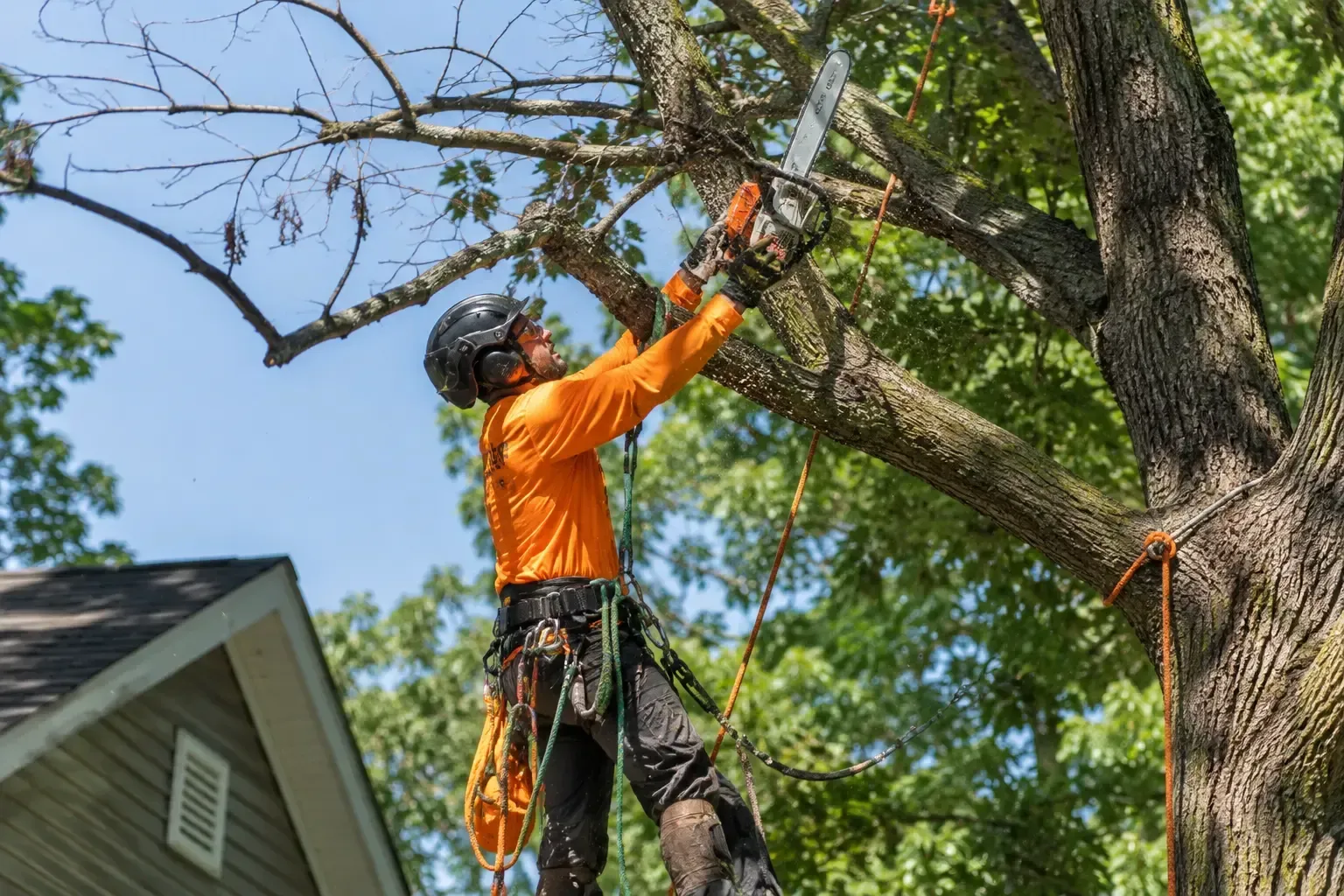
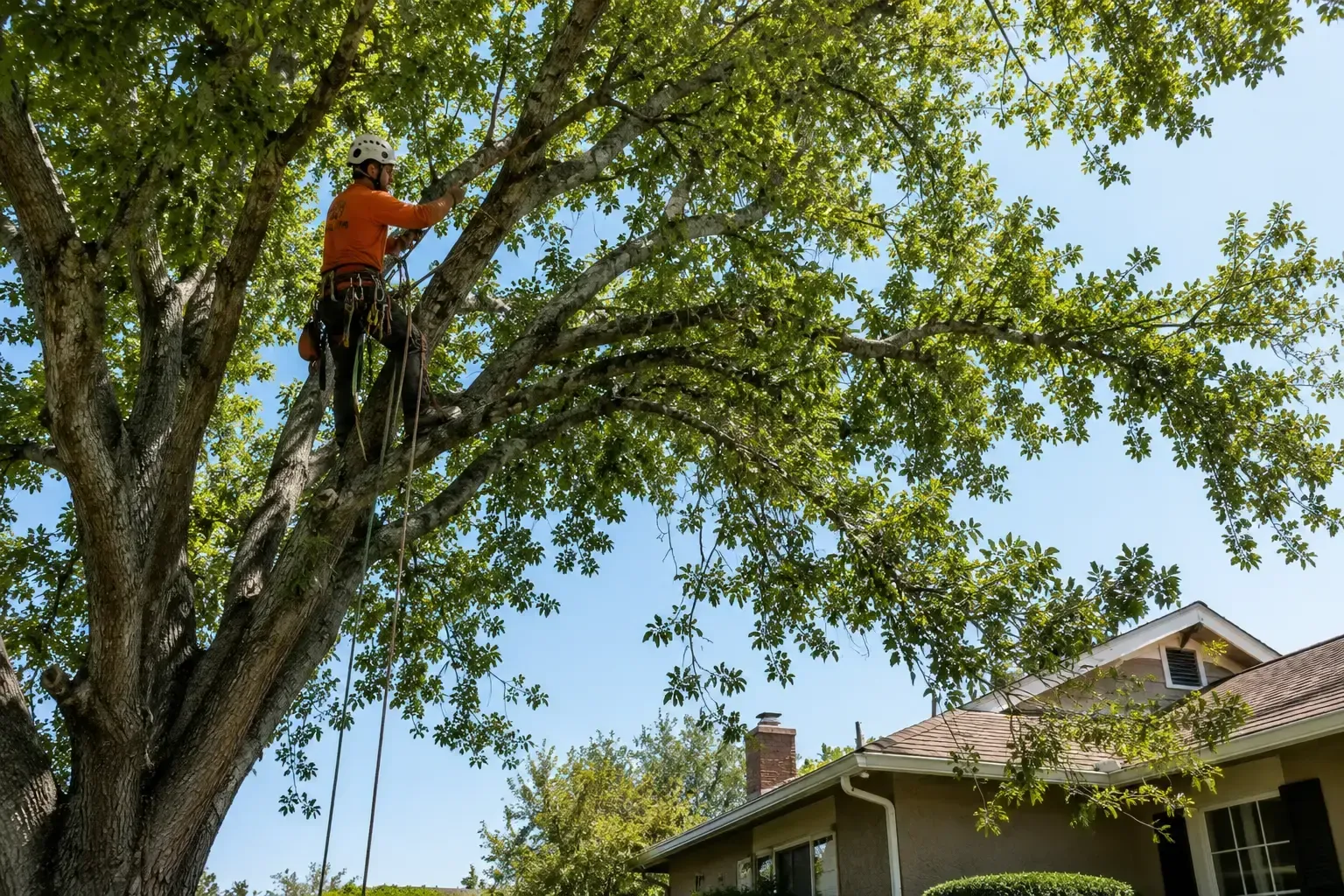
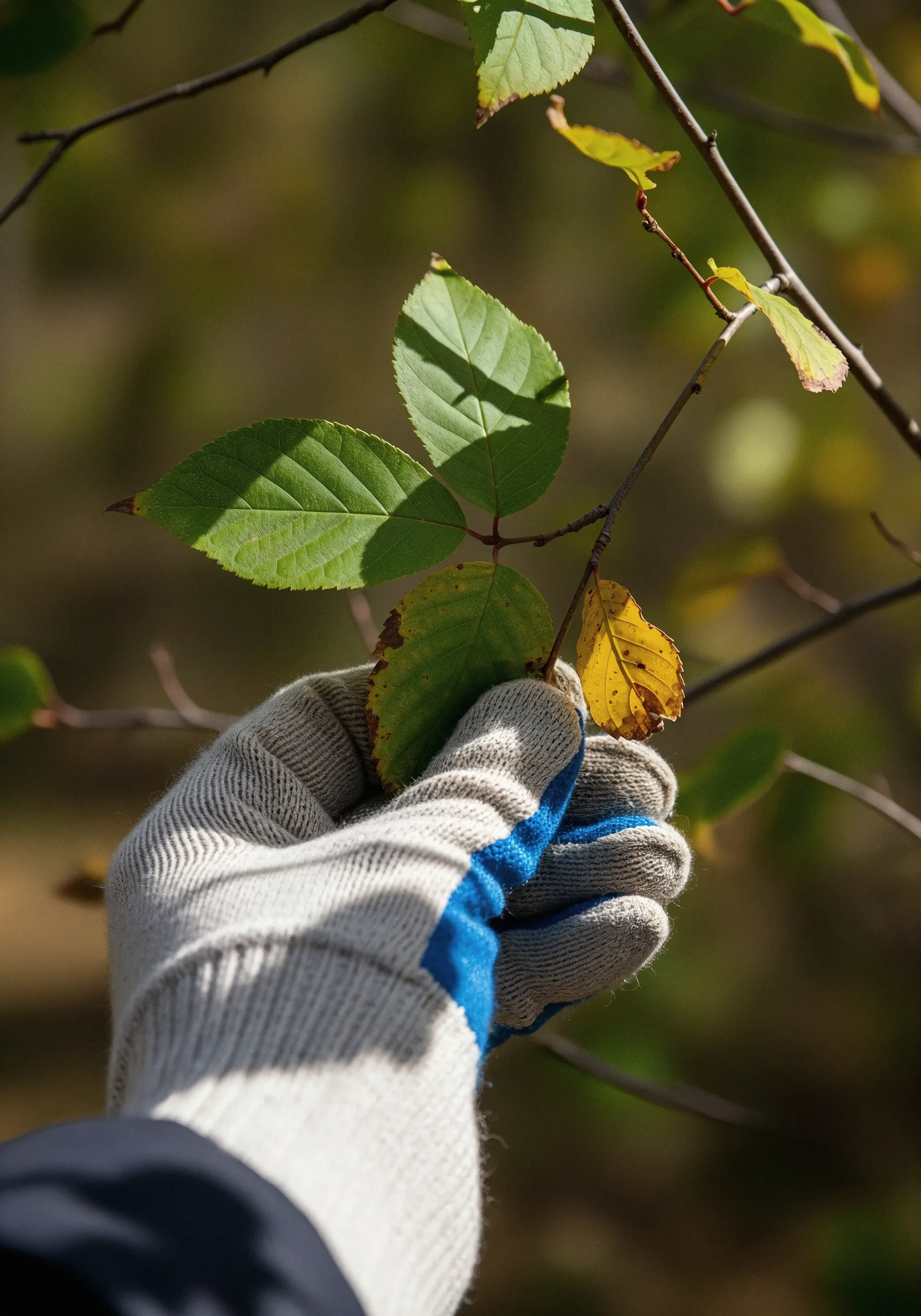
Why prune now? It’s about energy. During the winter months, trees in Southern California slow down their metabolic processes. They aren't pushing out new leaves or fighting off the heat of a July sun. This dormant state allows an arborist to make precise cuts that the tree can "seal" more effectively when spring arrives. According to the International Society of Arboriculture (ISA), pruning during dormancy minimizes the stress on the plant and reduces the risk of pest infestation.
Think of it like surgery. You wouldn't want to go under the knife while your body is running a marathon. You want the system at rest. In West Covina, our "winter" typically runs from November through February. This is when the sap flow is lowest. For species like the Coast Live Oak, which are iconic to our San Gabriel Valley landscape, this timing is mandatory. Pruning an oak in the heat of summer opens it up to Goldspotted Oak Borer and other pathogens that are active in warmer weather. If you value your property's canopy, you schedule your tree trimming when the bugs are asleep.
The Santa Ana Factor: Pruning for Storm Safety
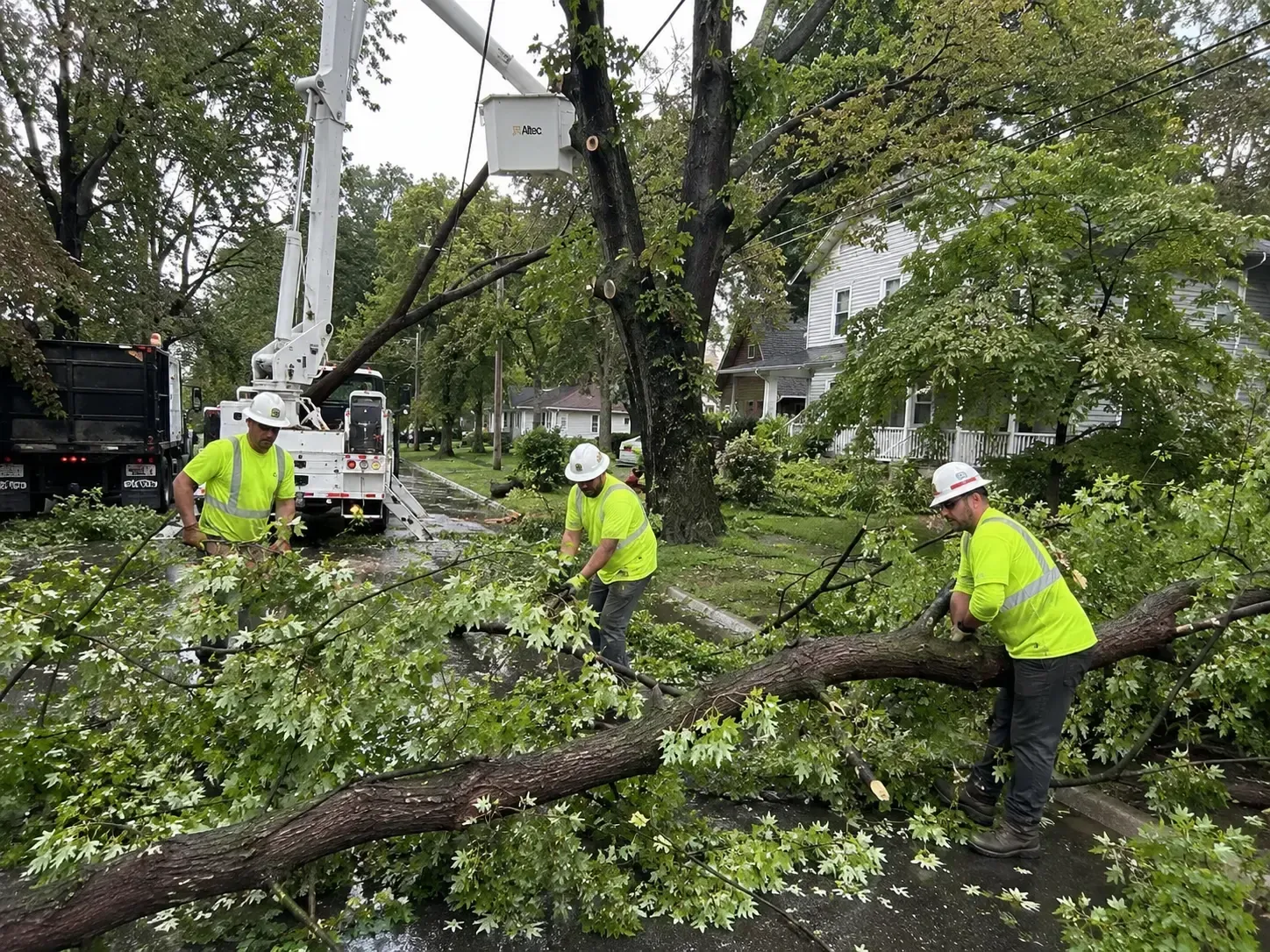
Deadwood is a sail. It’s that simple. When the Santa Ana winds kick up and start gusting at 50 miles per hour, every dead or over-extended branch on your property becomes a hazard. A tree that hasn't been thinned out acts as a solid wall against the wind. The pressure builds until something gives. Usually, it’s a heavy limb crashing through a roof or onto a parked car.
Strategic thinning allows the wind to pass through the canopy rather than pushing against it. We call this "wind sailing" reduction. It’s not just about aesthetics. It’s about structural integrity. If you have a mature Jacaranda, you know how brittle that wood can be. These trees are beautiful, but they are notorious for dropping limbs under stress. Winter pruning removes the weight before the wind does the job for you—and the wind doesn't care about your deductible.
Navigating West Covina’s Strict Tree Ordinances
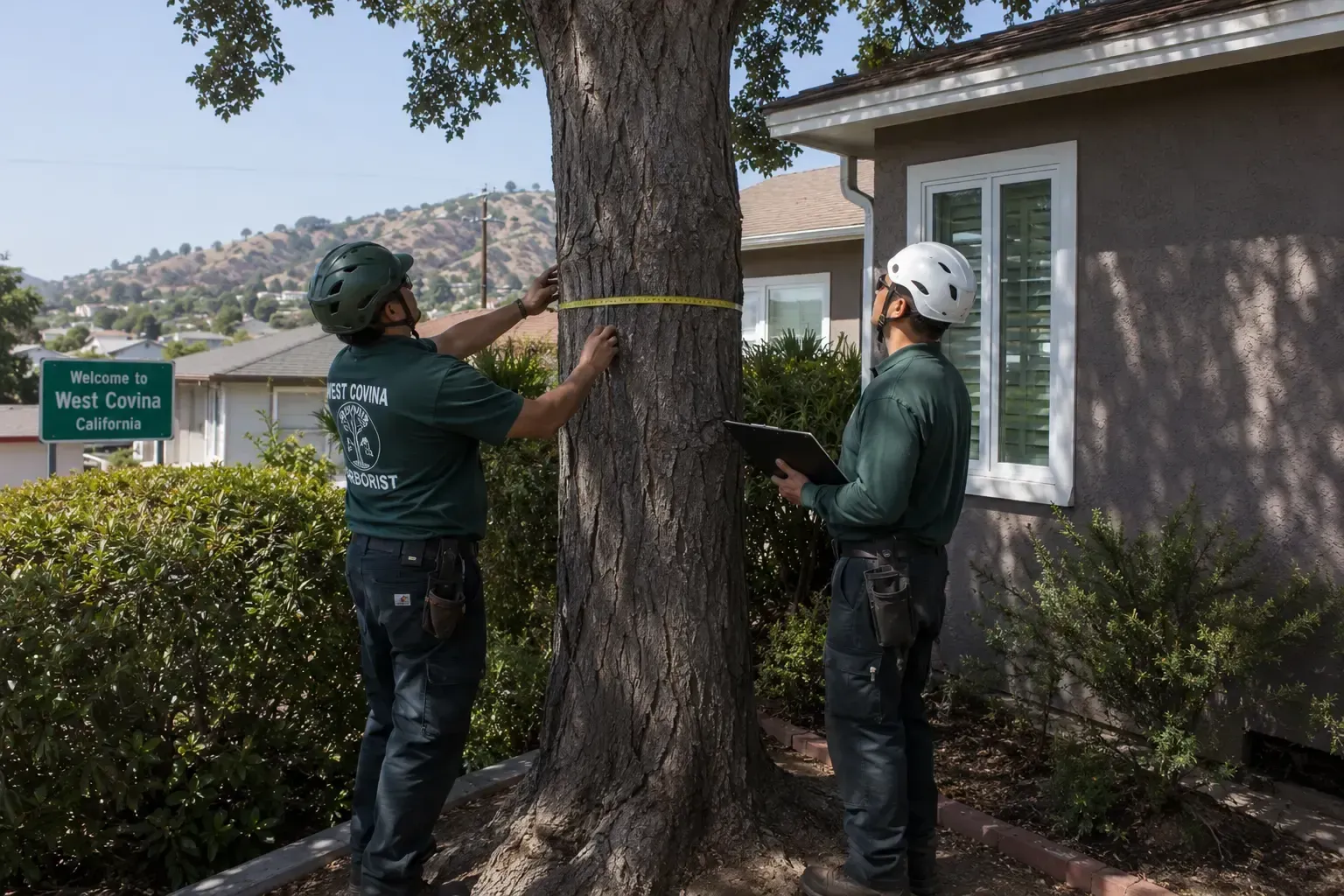
You can’t just go out with a chainsaw and start hacking. The City of West Covina takes its canopy seriously. Our municipal code has very specific rules regarding "Significant" and "Heritage" trees. For example, did you know that you cannot prune more than 10% of the live foliage of an Oak tree without an excess pruning permit? The City of West Covina Planning Division requires homeowners to obtain permits for the removal or heavy pruning of protected species, including the Southern California Black Walnut.
Fines for violating these codes are steep. They can reach into the thousands of dollars. This is why hiring a "guy with a truck" is a gamble you shouldn't take. At Tree Service Perfection West Covina, we handle the red tape. We know which trees are protected and how to prune them within legal limits while still achieving the health benefits your landscape needs. We don't just cut; we comply.
When Trimming Fails: Knowing When to Call a Tree Removal Service
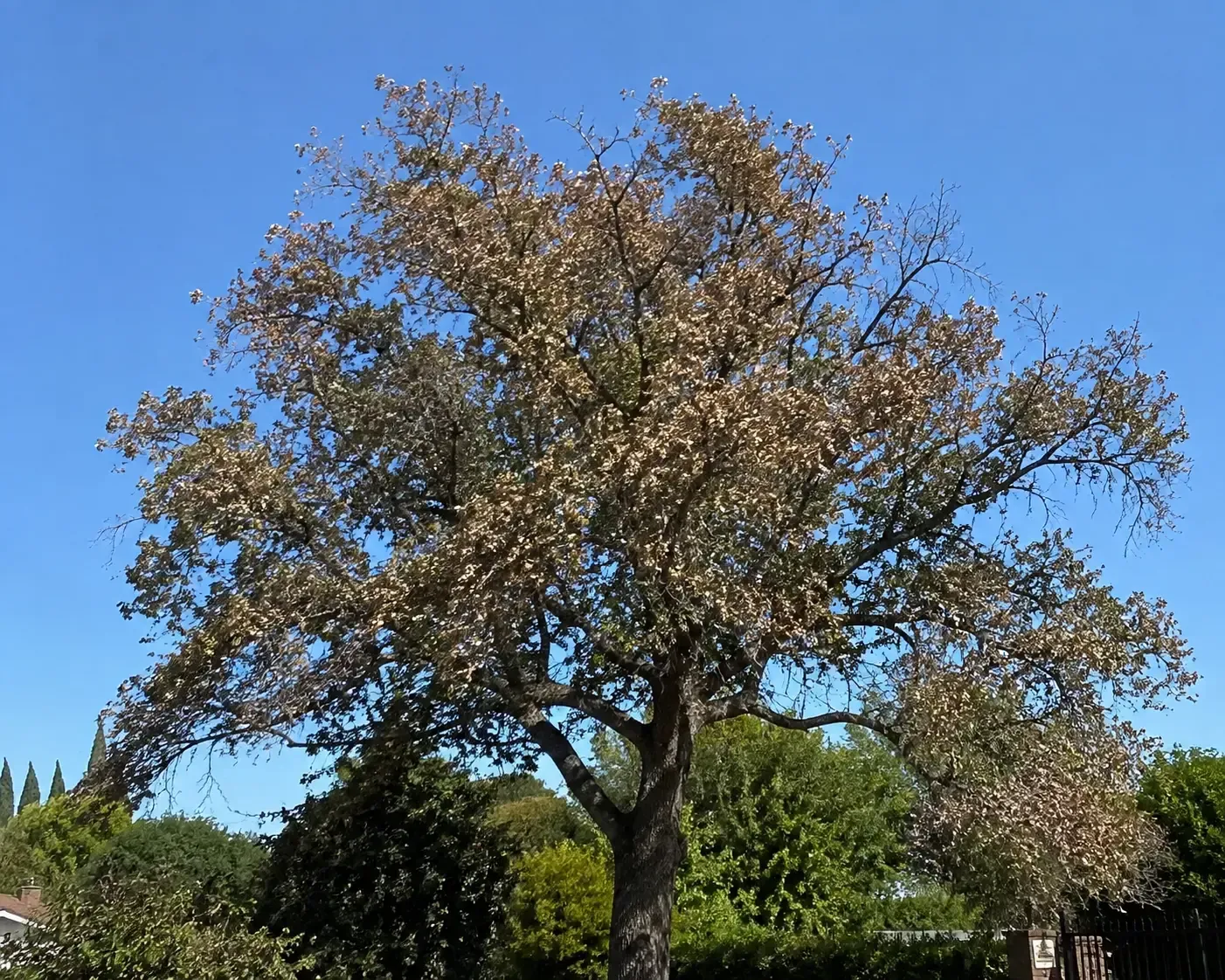
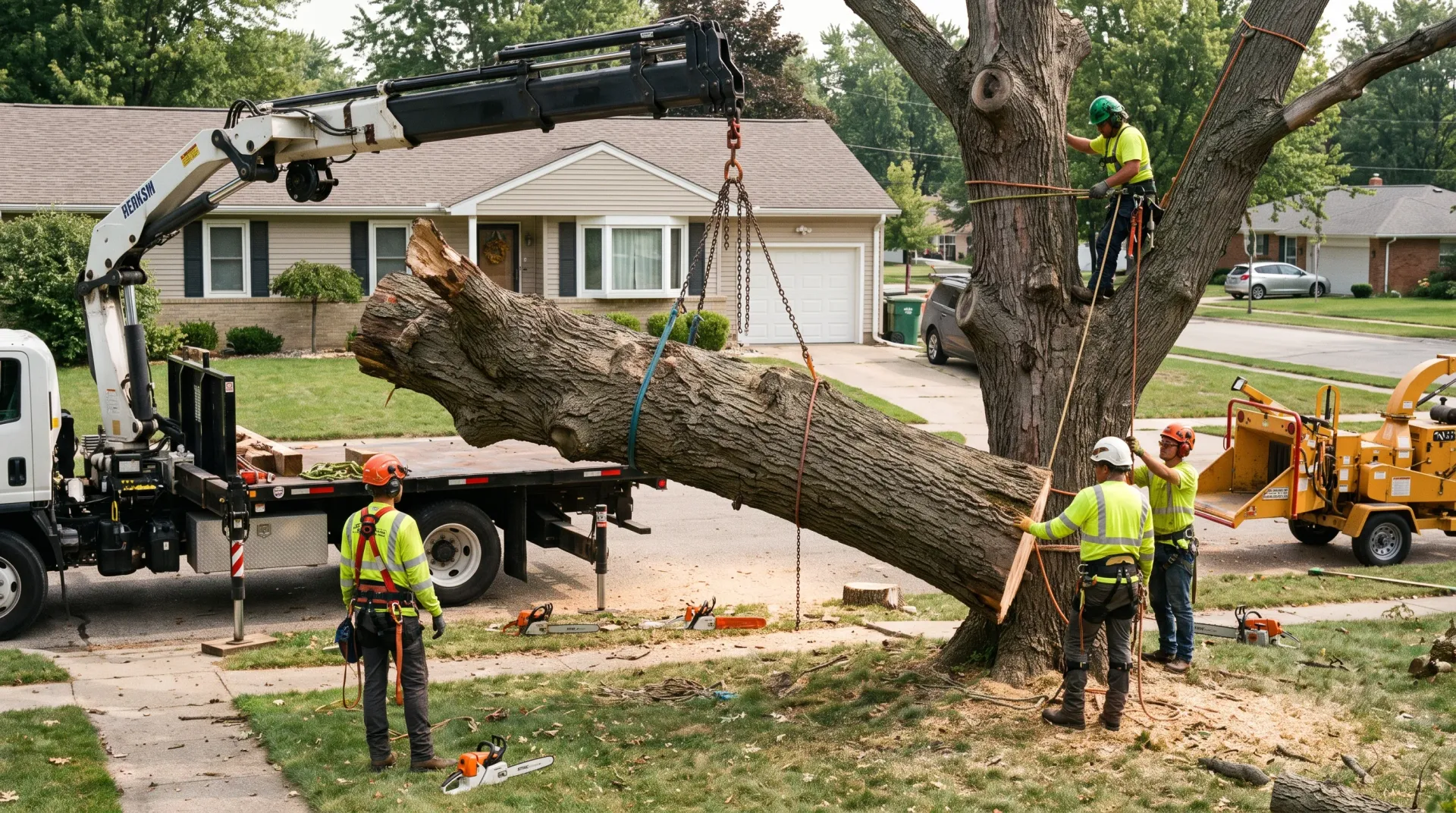
Sometimes, a haircut won't fix the problem. If a tree is dead, dying, or structurally compromised beyond repair, you need a tree removal service immediately. Winter is actually the best time for removal as well. Because the ground is often firmer and the surrounding deciduous plants are dormant, our heavy equipment causes less damage to your lawn and flower beds.
Look for the warning signs this winter. Is there "included bark" (where two trunks grow too close together, creating a weak V-shape)? Do you see shelf-like fungi growing at the base of the trunk? That’s a sign of internal rot. If the tree is leaning more than it was last year, the root system may be failing. A professional tree removal service is a controlled event; a tree falling on its own is a catastrophe. Don't wait for the inevitable. If the tree has to go, get it done before the spring rains soften the soil further and increase the risk of an uprooting.
Species-Specific Winter Needs in West Covina
Our local environment is a mix of native oaks and "imported" beauties. Each has a different winter checklist:
Coast Live Oaks: Focus on removing deadwood and crossing branches. Never "lion's tail" them (stripping the inner branches).
Jacarandas: Thin the canopy to reduce wind resistance. Check for "co-dominant stems" that might split.
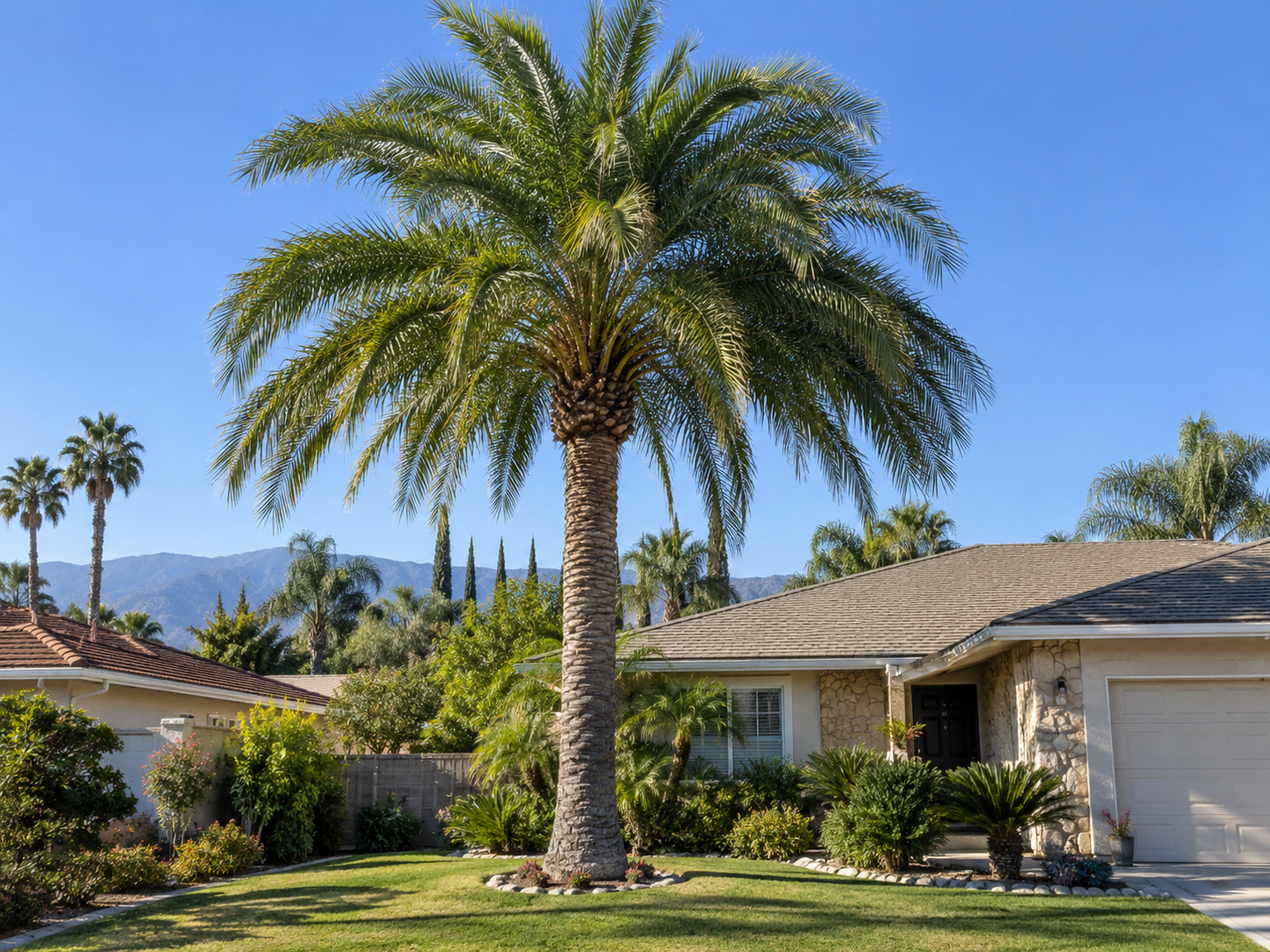
Palm Trees: Winter is the time for "skinning" and removing old fronds and seed pods that attract pests.
Fruit Trees: If you have citrus or stone fruits, winter pruning is essential for fruit production. Removing water sprouts ensures energy goes to the fruit, not just more leaves.
The Cal Poly SelecTree database is a great resource for identifying the specific needs of your trees, but nothing beats an on-site inspection. A tree in a windy canyon in South Hills has different needs than one in a sheltered backyard near West Covina High.
Why Professionalism Matters
Proper pruning is an investment, not an expense. A well-maintained tree can add up to 15% to your home’s value. Conversely, a poorly pruned "topped" tree is a permanent eyesore and a future hazard. Topping—the practice of cutting off the tops of trees—is a death sentence. It triggers a flush of weak, vertical shoots that break easily and look hideous. We never top trees. We follow ANSI A300 standards to ensure every cut promotes long-term health.
At Tree Service Perfection West Covina, we bring more than just saws. We bring expertise. We understand the biology of your trees and the mechanics of how they grow. We are fully insured, bonded, and deeply committed to the West Covina community. We aren't just here to clear a view; we are here to steward the urban forest that makes our city great.
Frequently Asked Questions
Is it okay to prune trees in the winter in Southern California?
Yes. Winter is the ideal time for tree trimming in West Covina. Most trees are dormant, which reduces stress and prevents the spread of diseases and pests that are active in warmer months. It also provides better visibility of the tree's structure for more accurate structural pruning.
How do I know if I need a tree removal service instead of just trimming?
You likely need a tree removal service if the tree has over 50% damage, shows signs of deep trunk rot (fungal growth), is leaning significantly, or has a hollow trunk. If the tree is dead or poses an immediate threat to structures, removal is the safest and only option.
Do I need a permit to trim my trees in West Covina?
For most routine tree trimming, no permit is required. However, West Covina has strict protections for "Significant" and "Heritage" trees, particularly Oaks and Black Walnuts. If you plan to remove or heavily prune (more than 10%) these species, you must obtain a permit from the Planning Division first.