Over-Pruning: Why Your Tree’s 'Haircut' Is Actually Killing It
Your tree is starving. You might not see it yet. You might even think it looks "cleaner" or more "manicured" after that heavy trim last weekend. But beneath the bark, a physiological crisis is unfolding. Most homeowners view tree pruning as a simple aesthetic chore, akin to getting a haircut. This is a dangerous misconception. A haircut involves dead keratin; pruning involves living, breathing, energy-producing organs. When you remove too much of a tree’s canopy, you aren't just tidying up your yard—you are effectively removing its ability to eat.
At Tree Service Perfection West Covina, we see the aftermath of "hacks" every single day. We see majestic oaks stripped down to skeletons and maples topped until they look like coat racks. This isn't just an eyesore. It’s a death sentence. If you want to keep your property value high and your family safe from falling limbs, you need to understand the brutal reality of over-pruning. It is the most common form of tree abuse in suburban environments, and it is entirely preventable.
The Starvation Cycle: How Leaves Power Life
Leaves are not decorations. They are sophisticated solar panels. Through photosynthesis, they convert sunlight, water, and carbon dioxide into glucose—the sugar that fuels every biological process from root growth to defense against pathogens. When a tree loses a massive chunk of its foliage through aggressive tree pruning, its food factory shuts down. The tree must then rely on stored energy reserves in the trunk and roots to survive. These reserves are finite. Once they are gone, the tree begins to decline.
Think of it as a forced fast. A healthy tree has a balance between its root system and its canopy. The roots provide water and minerals; the leaves provide energy. When you tip the scales by removing 40%, 50%, or 60% of the canopy, the roots begin to die off because they aren't receiving the sugars they need to maintain their own cellular structure. This creates a downward spiral. Fewer roots mean less water for the remaining leaves, which leads to more leaf drop, and eventually, the entire system collapses. This is why hiring a qualified local tree service is vital. Professionals understand the biological thresholds that must never be crossed.
Lion’s Tailing: The Aesthetic Trap
One of the most insidious forms of over-pruning is a practice called "lion’s tailing." This happens when a worker removes all the inner lateral branches and leaves only a tuft of foliage at the very end of the limb. To the untrained eye, it looks "professional" because the interior of the tree is clear. In reality, it is arboricultural malpractice. A tree’s weight should be distributed evenly along its branches. By stripping the interior, you shift all the mechanical leverage to the tips.
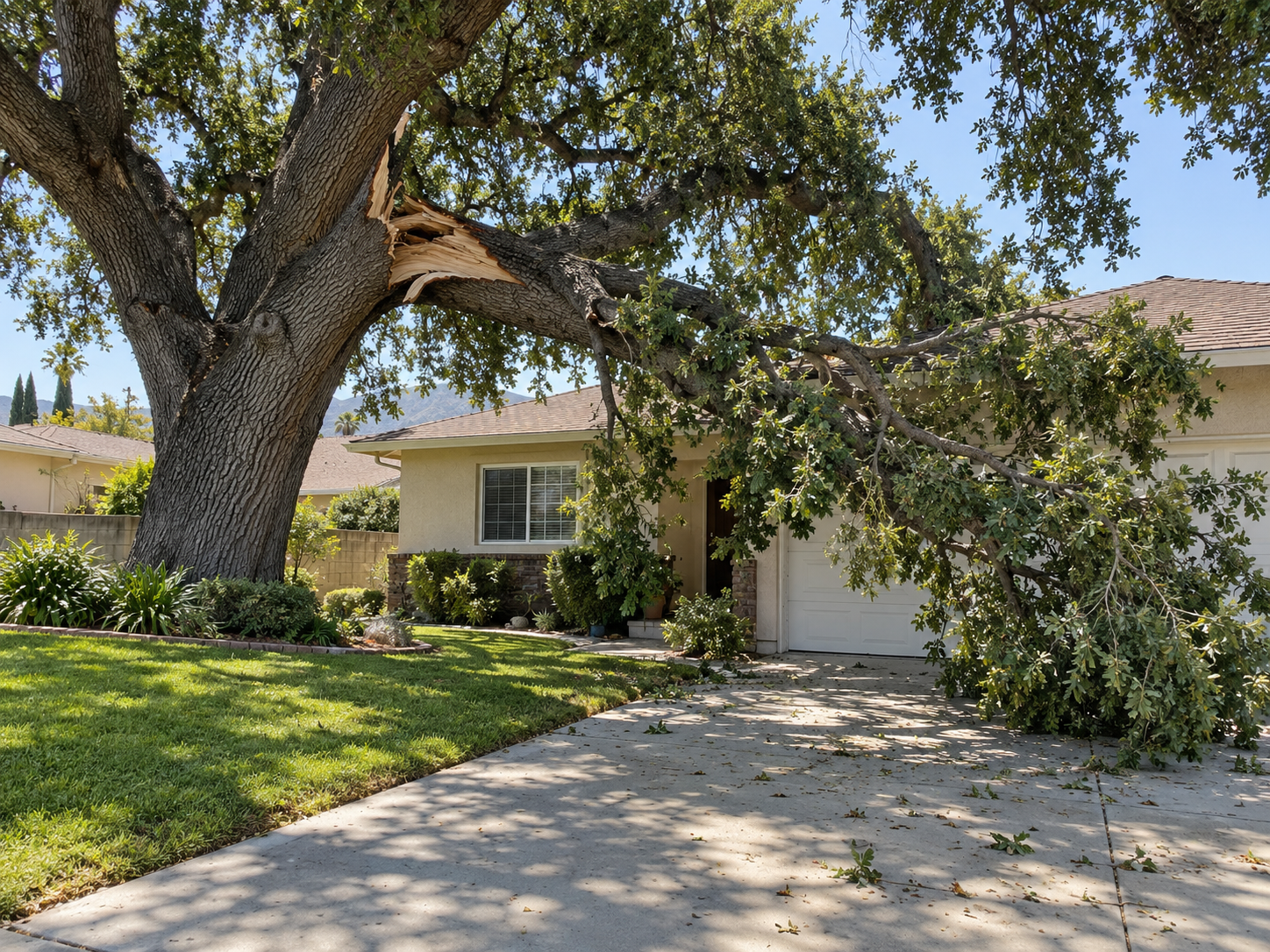
During a windstorm, these "lion-tailed" branches act like sails. Without the inner foliage to dampen the wind’s energy, the branch whips violently. The lack of taper—the gradual thickening of a branch toward the trunk—makes the limb brittle and prone to snapping. We often get called for emergency tree services after a moderate breeze because a lion-tailed tree simply couldn't handle the physics of its own weight. If you want to see how we approach structural integrity, check out Our Main Services for a breakdown of proper thinning techniques.
Epicormic Sprouting: The "Cry for Help"
Have you ever seen a tree that was heavily cut back, only to see dozens of thin, vertical "suckers" explode from the trunk a few months later? These are called epicormic sprouts, or more commonly, watersprouts. Many homeowners see this and think, "Great! It’s growing back fast!" Wrong. This is a panic response. The tree is using its last bit of stored energy to flush out new leaves as quickly as possible to avoid starvation.
These sprouts are structurally pathetic. Unlike normal branches that grow from the center of the limb over years, epicormic sprouts are only attached to the outermost layer of wood. They are weak. They grow incredibly fast, meaning they are prone to breaking. Within a few years, these sprouts will become heavy, poorly attached limbs that pose a significant liability. Over-pruning doesn't make a tree smaller in the long run; it makes it bushier, uglier, and significantly more dangerous. We explain our philosophy on long-term tree health on our About Us page, emphasizing growth over quick fixes.
Sunscald: When Trees Get Sunburned
A tree’s canopy provides shade for more than just your patio; it protects the tree’s own bark. The bark on the interior branches and the main trunk is thin and sensitive. When a local tree service removes too much of the outer "shell" of leaves, the interior bark is suddenly exposed to direct, intense UV radiation. This leads to sunscald.
Sunscald kills the cambium layer—the living tissue just beneath the bark. This tissue is responsible for transporting water and nutrients. When the cambium dies, the bark cracks and peels away, leaving the heartwood exposed. This is an open invitation for wood-boring insects and fungal decay. It’s a wound that rarely heals properly. Once the structural integrity of the main trunk is compromised by decay, the tree becomes a ticking time bomb. This is why we always recommend visiting Our Homepage to learn about our seasonal maintenance plans that prevent these kinds of disasters.
The 25% Rule: A Gold Standard for Pruning
How much is too much? While the answer varies slightly by species and age, the general rule of thumb is never to remove more than 25% of a tree’s living canopy in a single growing season. For older, stressed trees, that number should be closer to 10%. Anything beyond that triggers the stress responses we’ve discussed. Pruning should be a surgical process, not a demolition project.
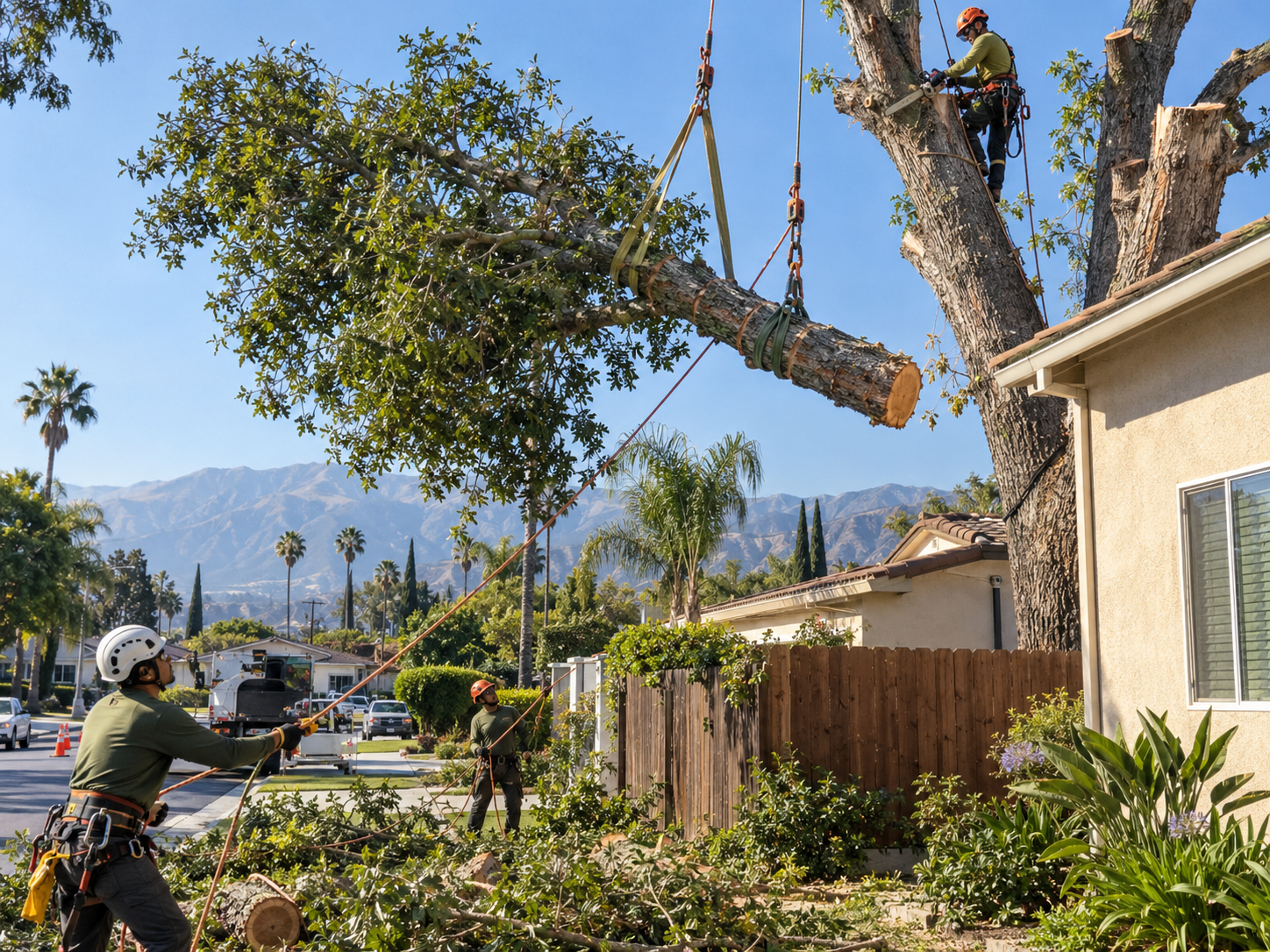
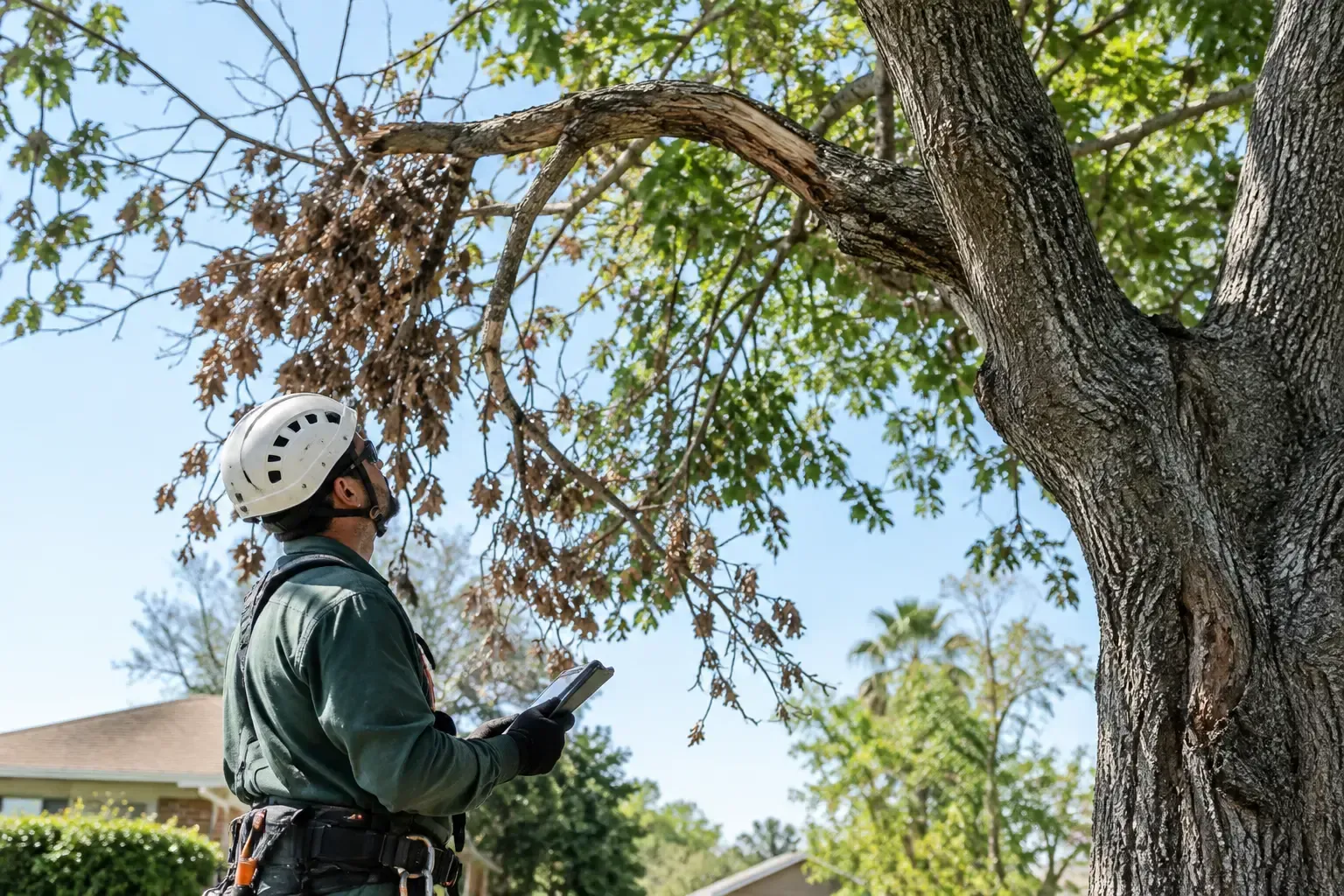
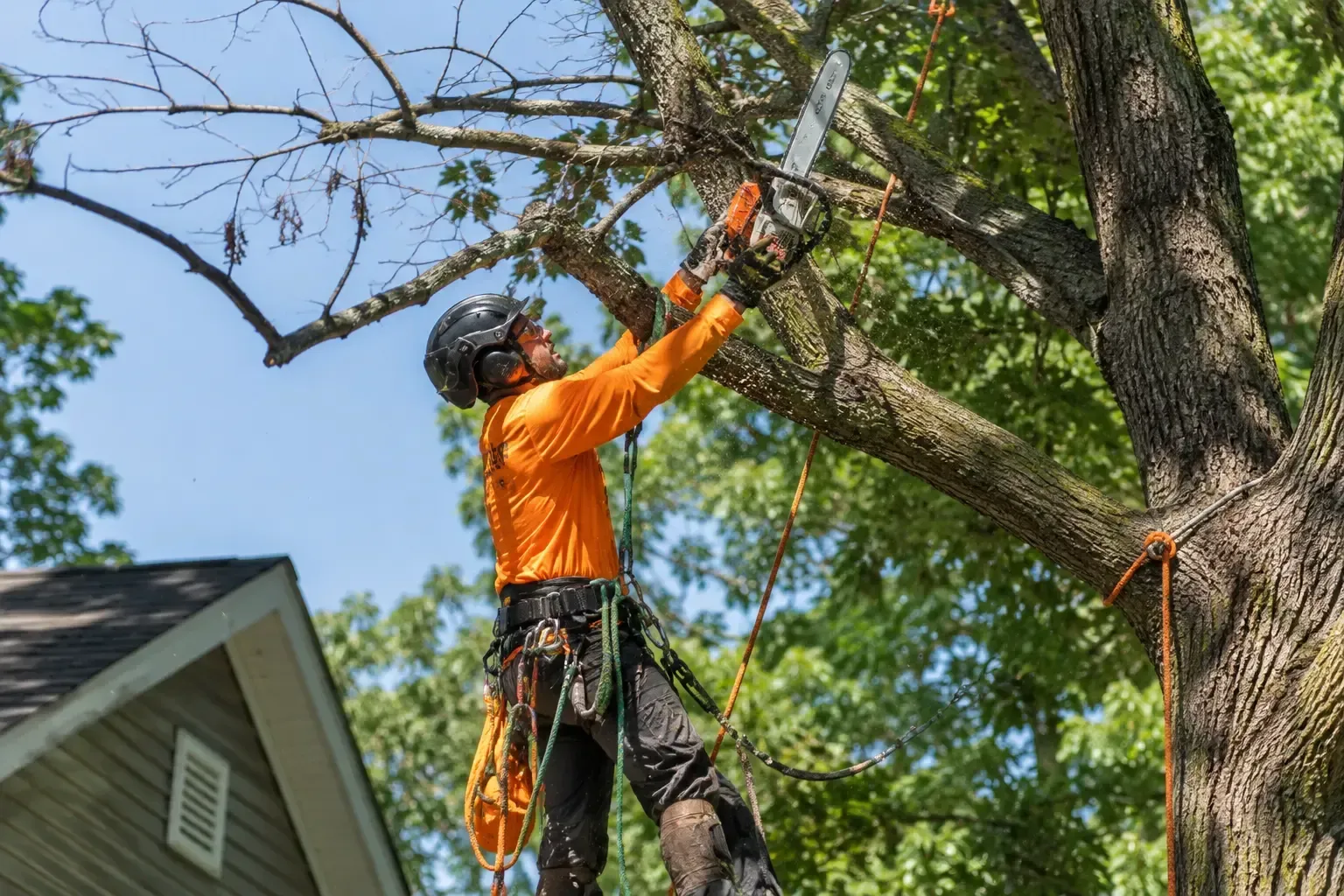
Professional tree pruning focuses on the "Three Ds": Dead, Damaged, and Diseased wood. Once those are removed, we look for structural issues like crossing branches or co-dominant stems. We don't just cut to cut. Every snip has a purpose. If a service provider shows up with a chainsaw and starts "topping" trees or "rounding them off" like hedges, tell them to leave. They are destroying your assets. If you are unsure if your trees have been over-pruned in the past, Contact Us for a professional health assessment.
The Economic Impact of Poor Tree Care
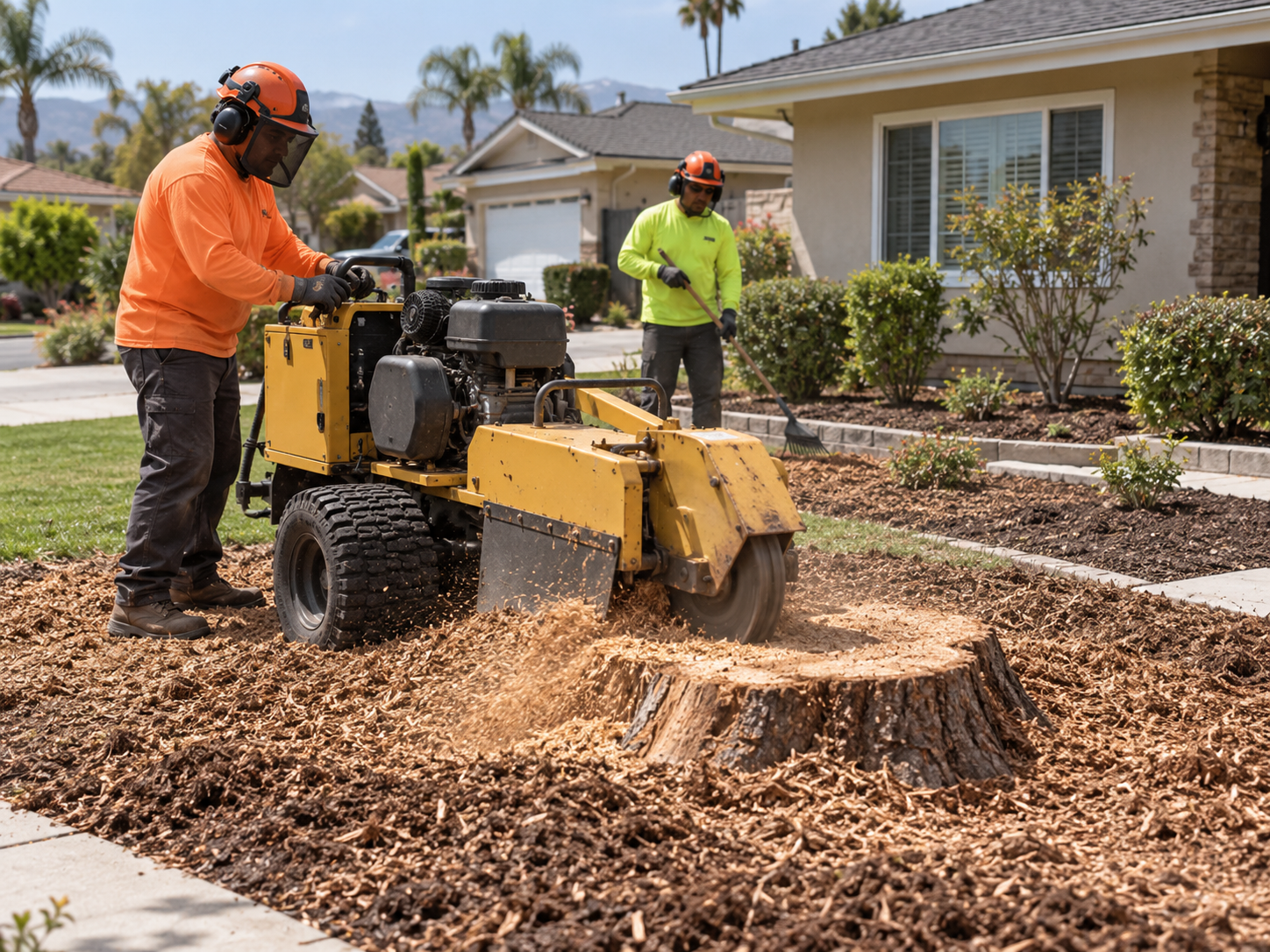
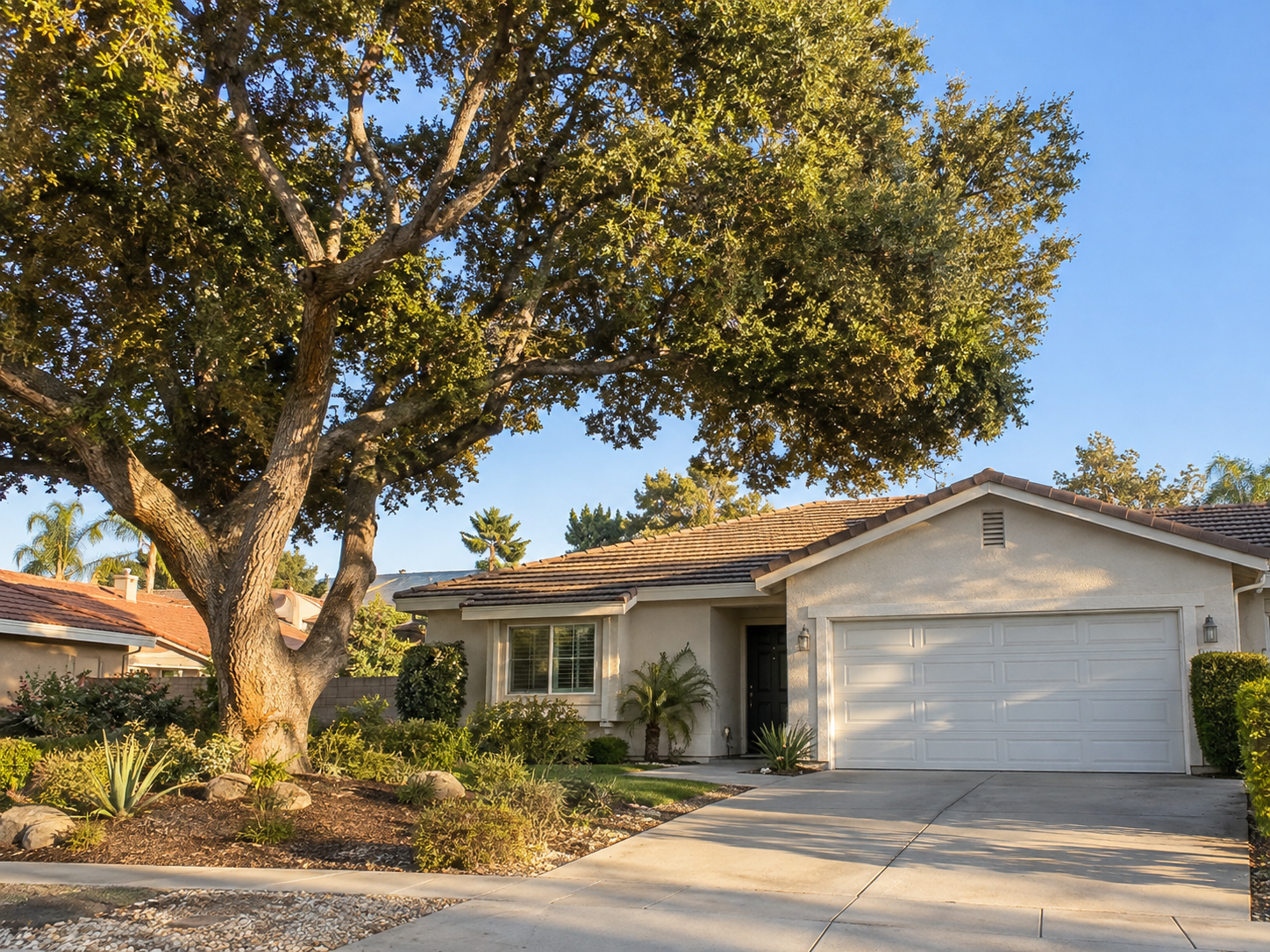
Let's talk money. Mature trees can add up to 15-20% to your property value. They lower cooling costs in the summer and provide privacy. An over-pruned tree is a depreciating asset. It costs more to maintain because of the rapid sprout growth. It has a shorter lifespan, meaning you’ll be paying for a full removal and stump grinding much sooner than necessary. And if a weakened branch falls on a neighbor's car? Your "cheap" tree services just became an expensive legal headache.
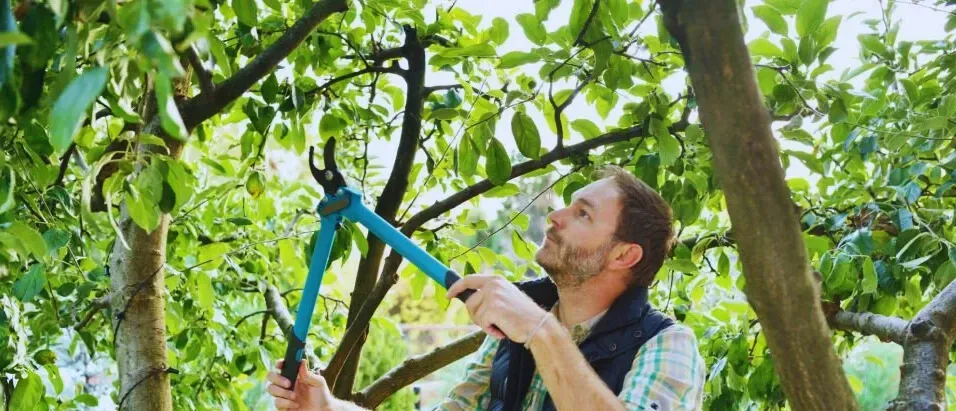
Tree Service Perfection West Covina prides itself on being the industry leader in West Covina because we prioritize the biology of the tree over the speed of the job. We use the right tools—sharp bypass pruners for small limbs and professional-grade saws for larger ones—to ensure clean cuts that the tree can actually seal. Ragged cuts from dull blades are another entry point for disease, further stressing an already over-pruned specimen.
Species-Specific Sensitivity
Not all trees react the same to the saw. Some are more resilient, while others will die if you even look at them with a pair of loppers at the wrong time of year.
- Oaks: Extremely sensitive to over-pruning and timing. Pruning during the growing season can attract beetles that carry Oak Wilt.
- Maples: Heavy bleeders. While "bleeding" sap isn't usually fatal, over-pruning maples leads to massive epicormic sprouting.
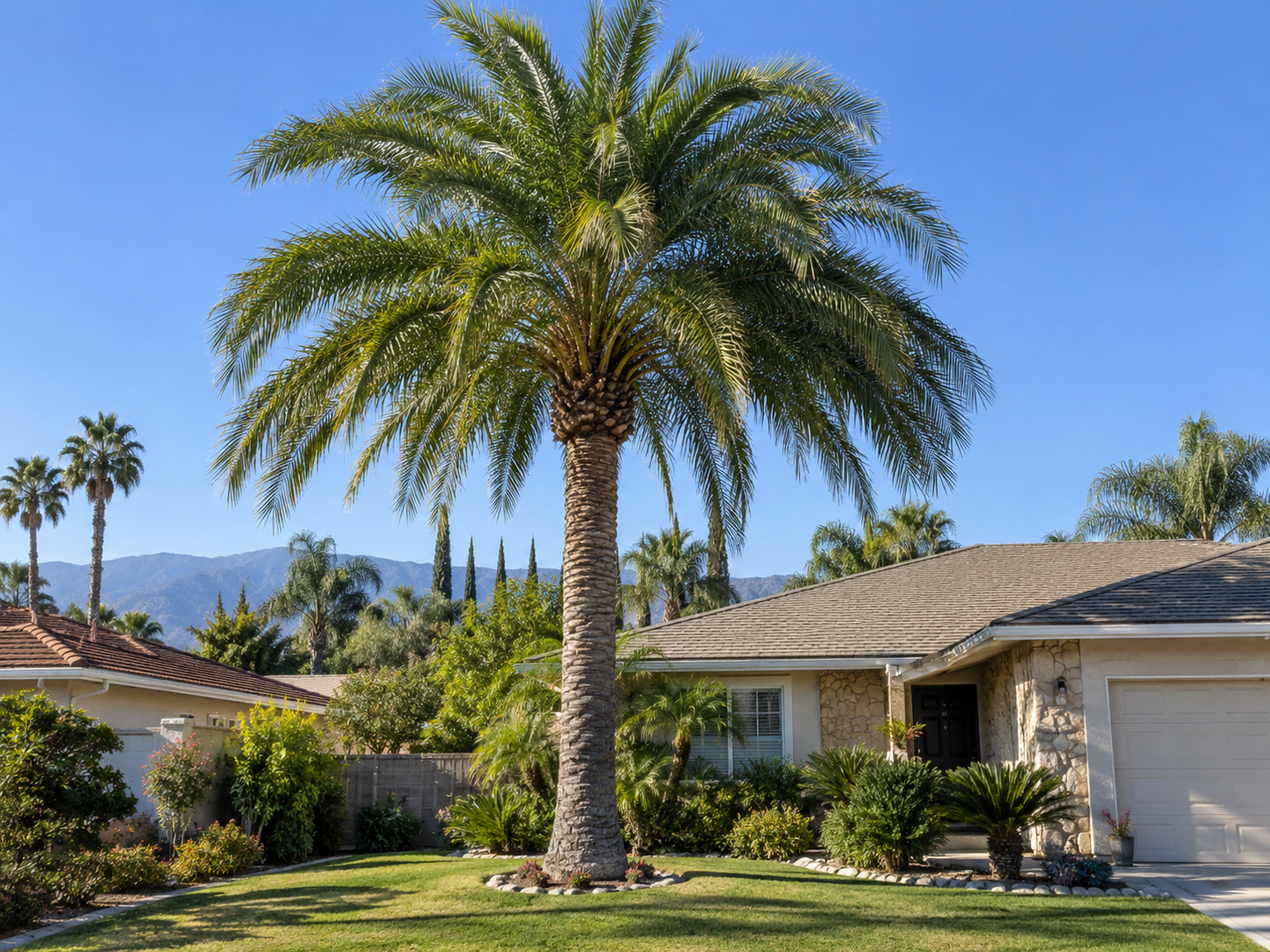
- Palms: Often over-pruned into a "pineapple" or "hurricane cut." This weakens the trunk and removes vital nutrients the palm pulls from older fronds.
- Fruit Trees: Require specific pruning for yield, but over-doing it leads to water sprouts that produce no fruit and only shade out the productive wood.
The Path to Recovery
Can a tree be saved after it’s been butchered? Sometimes. It takes years of "rehabilitative pruning." This involves selective thinning of those weak epicormic sprouts, encouraging the tree to re-establish a dominant leader, and providing deep-root fertilization to replenish those depleted energy reserves. It is a slow, patient process. You can't rush nature, and you certainly can't "fix" a bad pruning job with more aggressive cutting.
The best medicine is prevention. By understanding that tree pruning is a balance of science and art, you protect the canopy that protects you. Don't let your yard become a graveyard of topped trunks and lion-tailed limbs. Trust the experts who understand the local climate and the specific needs of West Covina’s urban forest.
Frequently Asked Questions
How can I tell if my tree was over-pruned?
Look for "lion's tailing," where foliage is only at the branch tips, or "topping," where the main vertical stem is cut flat. An explosion of thin, vertical sprouts (watersprouts) along the trunk or main branches is also a primary indicator of extreme stress and over-pruning.
Will an over-pruned tree grow back?
It may produce rapid, weak growth called epicormic sprouts, but the tree's health is permanently compromised. These sprouts are not as strong as original branches. Depending on the severity, the tree might decline over 3-5 years as its energy reserves are exhausted and it cannot recover.
What is the best time of year for tree pruning?
For most species, late winter or early spring during dormancy is ideal. This minimizes sap loss and allows the tree to "seal" wounds quickly as the spring growth flush begins. However, dead or hazardous limbs should be removed by a professional local tree service as soon as they are identified.
How much does professional tree pruning cost?
Cost varies based on the tree's size, health, and location. Investing in quality tree services prevents future costs associated with tree death or property damage. While prices vary, choosing a certified expert ensures the long-term survival of your landscape's most valuable assets.
Can I prune a large tree myself?
Working on large trees is dangerous and requires specialized equipment and knowledge of tree biology. Most DIY pruning results in over-cutting or poor cuts that don't heal. For anything beyond small, ground-level shrubs, it is safer and healthier for the tree to hire a professional.