A Broken Branch Is Hanging in the Canopy—What Should You Do Next?

September 29, 2026

A broken limb stuck in the canopy can drop without warning and damage roofs, cars, or people below. For dangerous hanging branch removal West Covina, secure the area, keep clear of the drop zone, and avoid DIY cuts from ladders. Tree Service Perfection West Covina assesses hangers, rigging needs, and safe takedown so property owners act before the next wind or rain.


Key takeaways

  • Isolate the zone under the hanging branch before anyone walks or parks nearby.
  • Do not shake, pull, or climb toward a partially attached limb.
  • Schedule professional hanging branch removal when the piece sits high or over structures.
  • Document photos and call for inspection if the tree shows more cracks or lean.
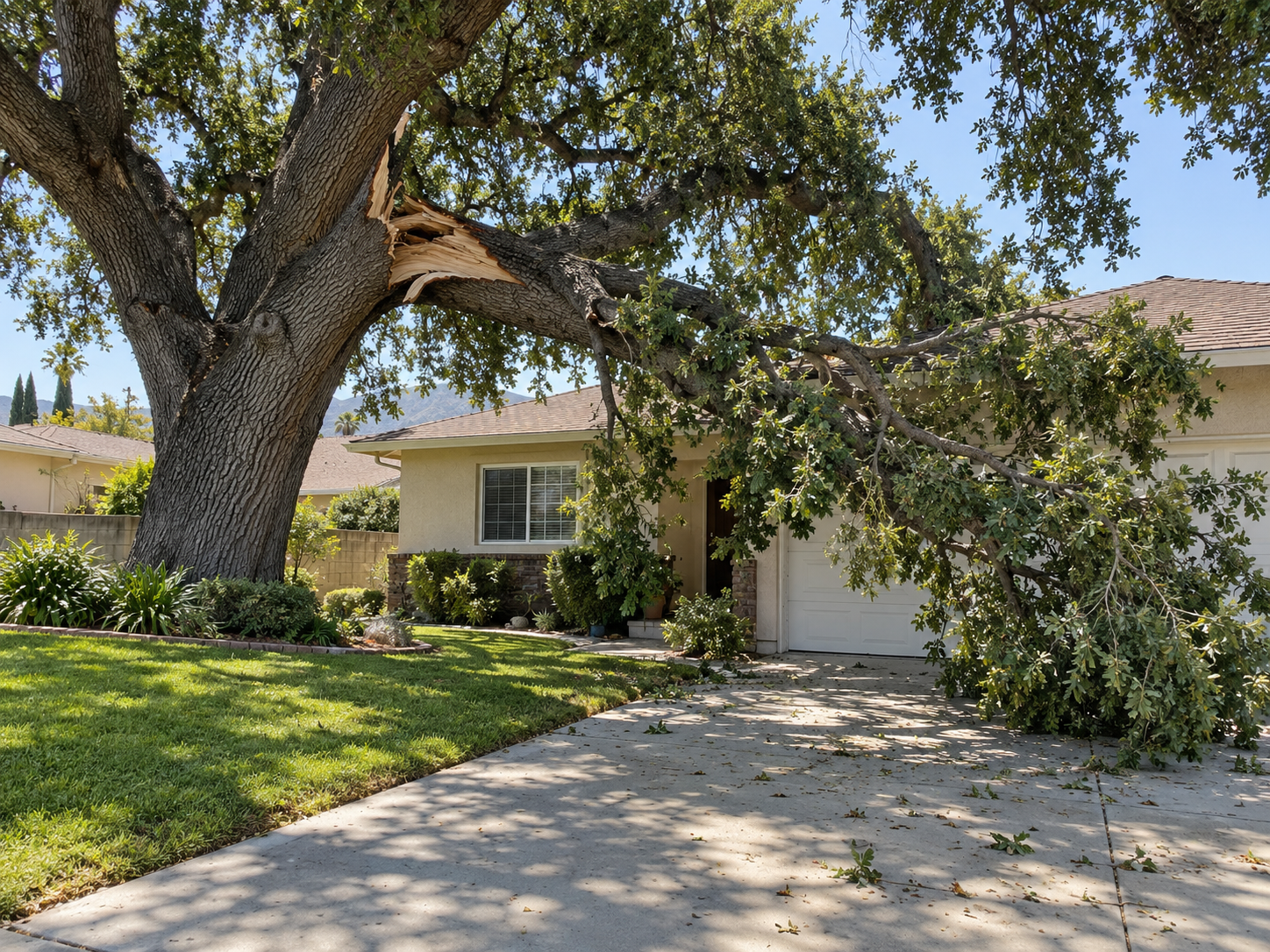

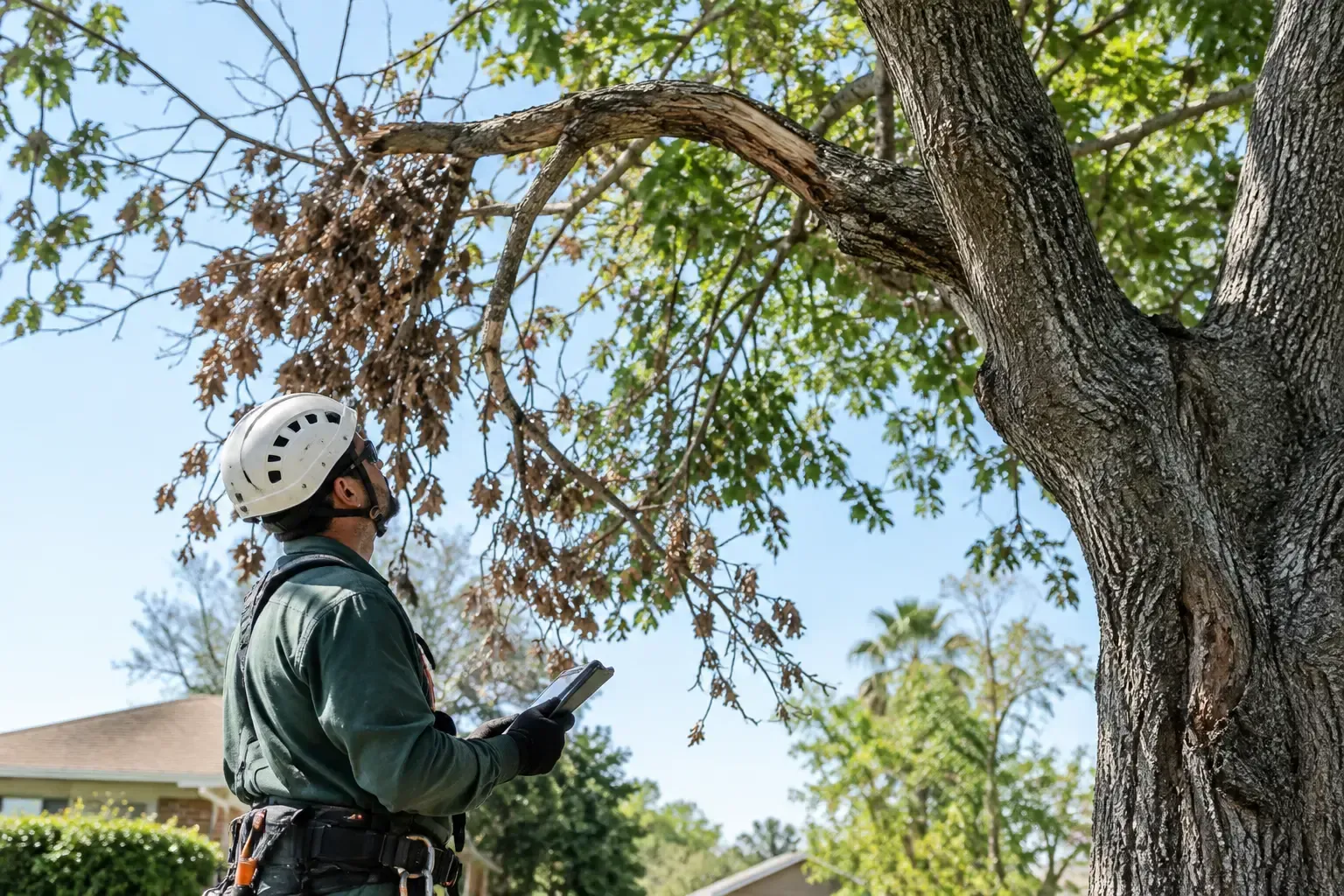
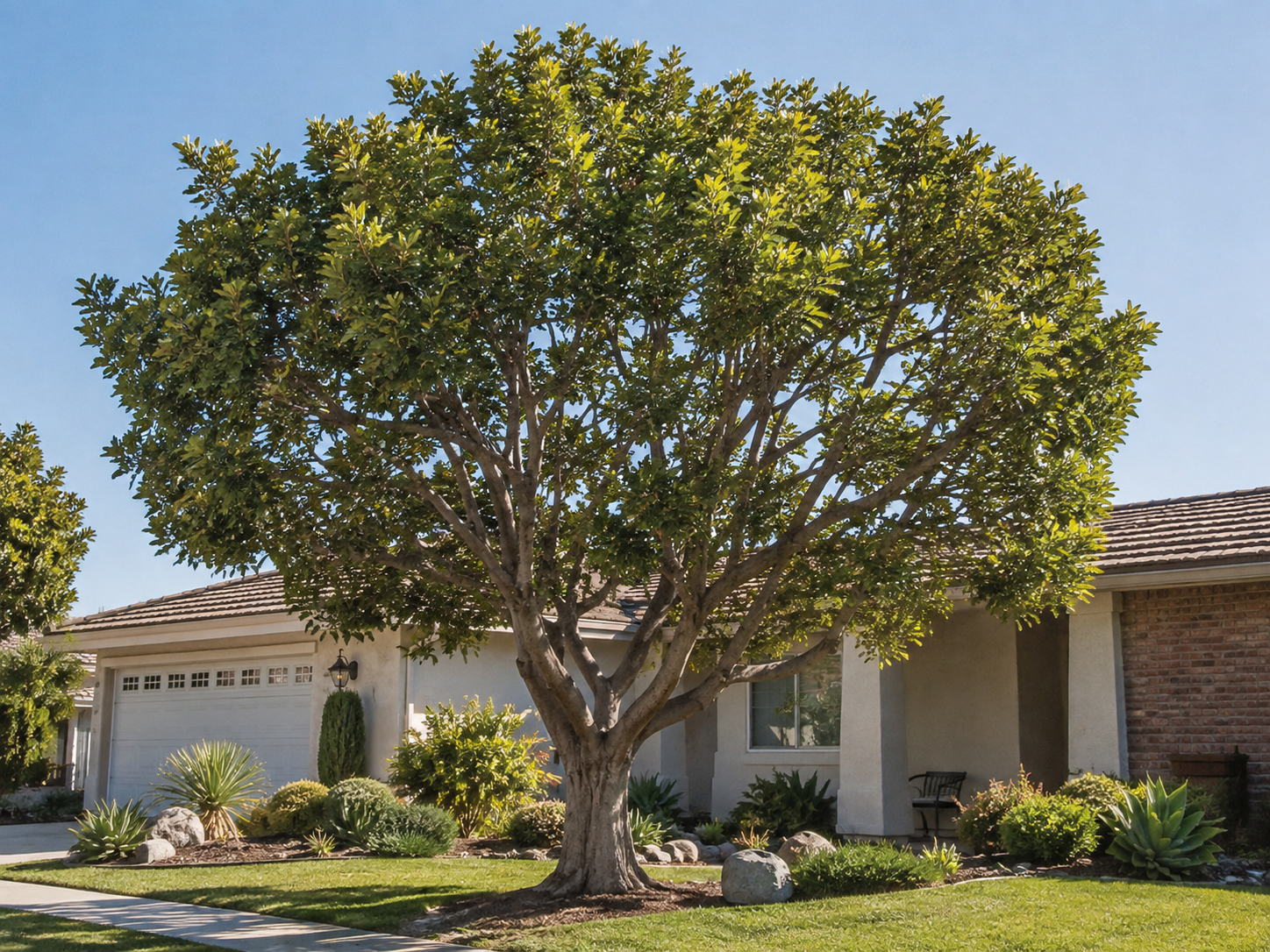
photographic view of a large oak canopy in a West Covina front yard with one fractured limb suspended above a driveway

What should you do the moment you spot a hanging branch?


Secure people and vehicles first, mark a wide clear radius, and leave the limb untouched until a trained crew can evaluate attachment, weight, and fall path; the team method uses controlled rigging rather than free-falling wood onto hardscape. Next, request a site check so removal happens before weather worsens.


DIY, neighbor help, or pro crew—which fits dangerous hanging branch removal West Covina?


Choose a licensed crew for high, heavy, or structure-overhanging hangers; keep DIY to ground-level debris only after the canopy is clear, skip ladder cuts and rope pulls on partially attached wood, and treat neighbor “help” as spotters—not climbers—so dangerous hanging branch removal West Covina stays controlled, insured, and clear of roofs, drives, and play areas below the drop zone.

Option Best for Watch-out Who should act
DIY only Small loose twigs already on the lawn Never cut a suspended limb from a ladder Owner after pros clear the hanger
Neighbor assist Extra eyes while you mark cones and tape No climbing, shaking, or vehicle towing of the limb Spotters only, outside the fall path
General handyman Minor yard tasks unrelated to the canopy Lacks rigging gear and aerial rescue plans Not for hangers over homes or cars
Tree service crew High hangers, split unions, targets below Delay raises storm-drop risk Schedule hanging branch removal promptly
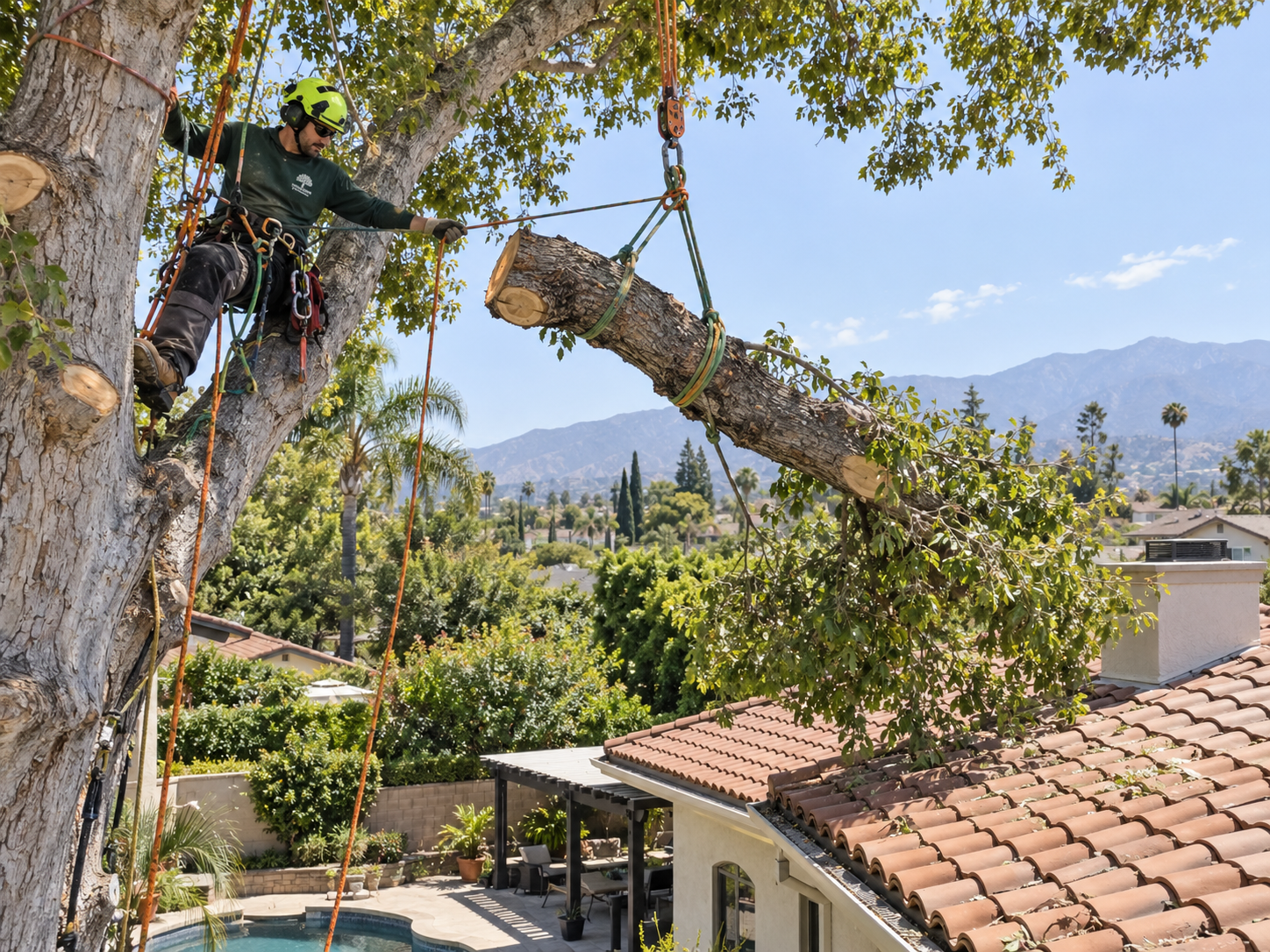
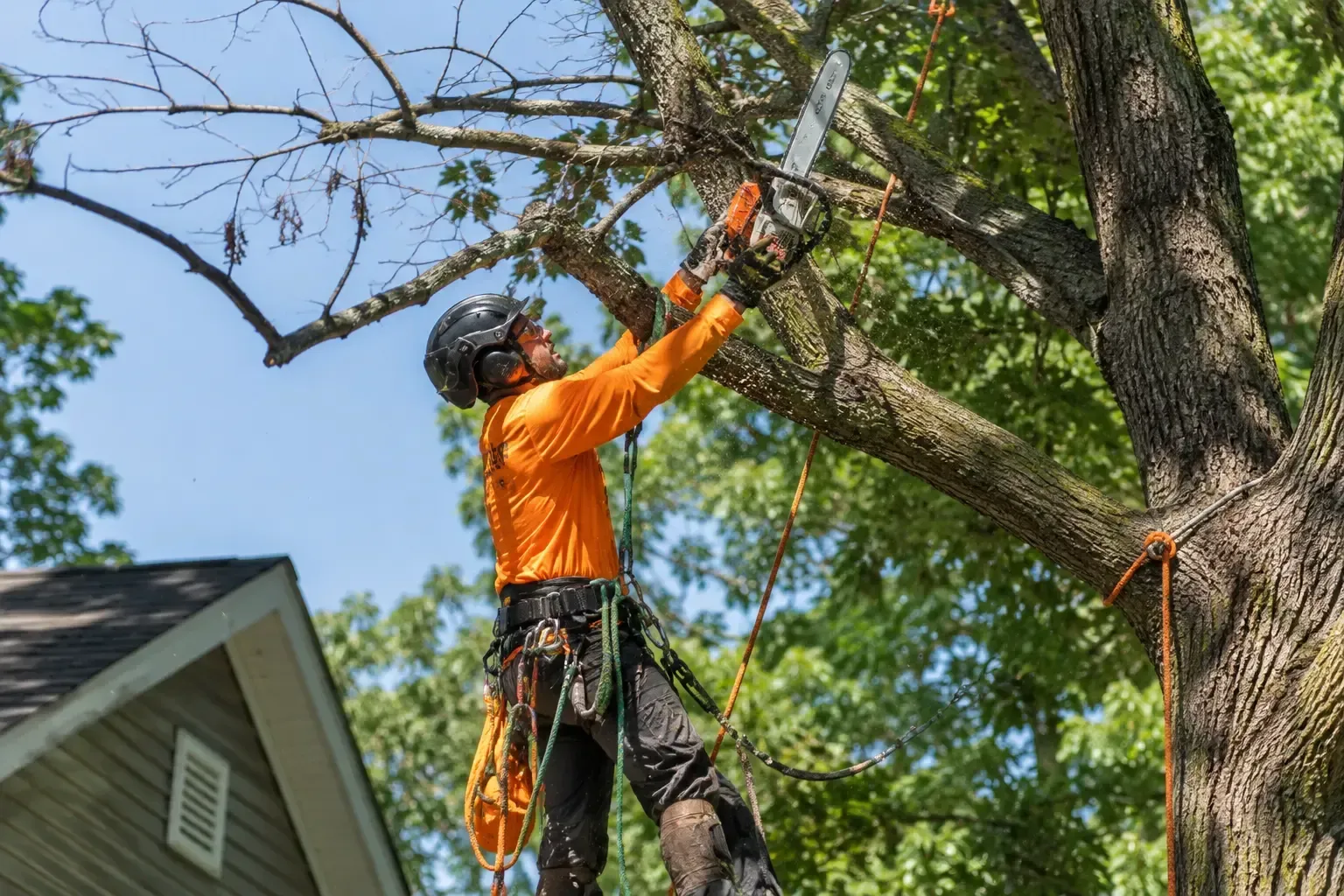
photographic scene of a certified climber in a West Covina backyard guiding a rigged limb away from a tile roof

Pros plan attachment points, lower wood in sections, and protect hardscape. The About approach favors assessed load paths over free falls. If the branch sits over a driveway or patio, contact the crew for a same-visit safety plan before wind returns.


Which Hangers Need Same-Day Work Versus a Short Wait?


Same-day dangerous hanging branch removal West Covina is the safer choice when wood hangs over roofs, cars, walkways, or play space, when the break is fresh after wind, or when the limb still moves in light breeze; a brief wait only fits stable hangers far from targets after a pro has already flagged the drop zone and you can keep people clear until the crew arrives with ropes and saws.


Storm fronts across the San Gabriel Valley can finish what a partial split started. Waiting “until the weekend” raises the chance of an uncontrolled drop onto tile, gutters, or parked vehicles.
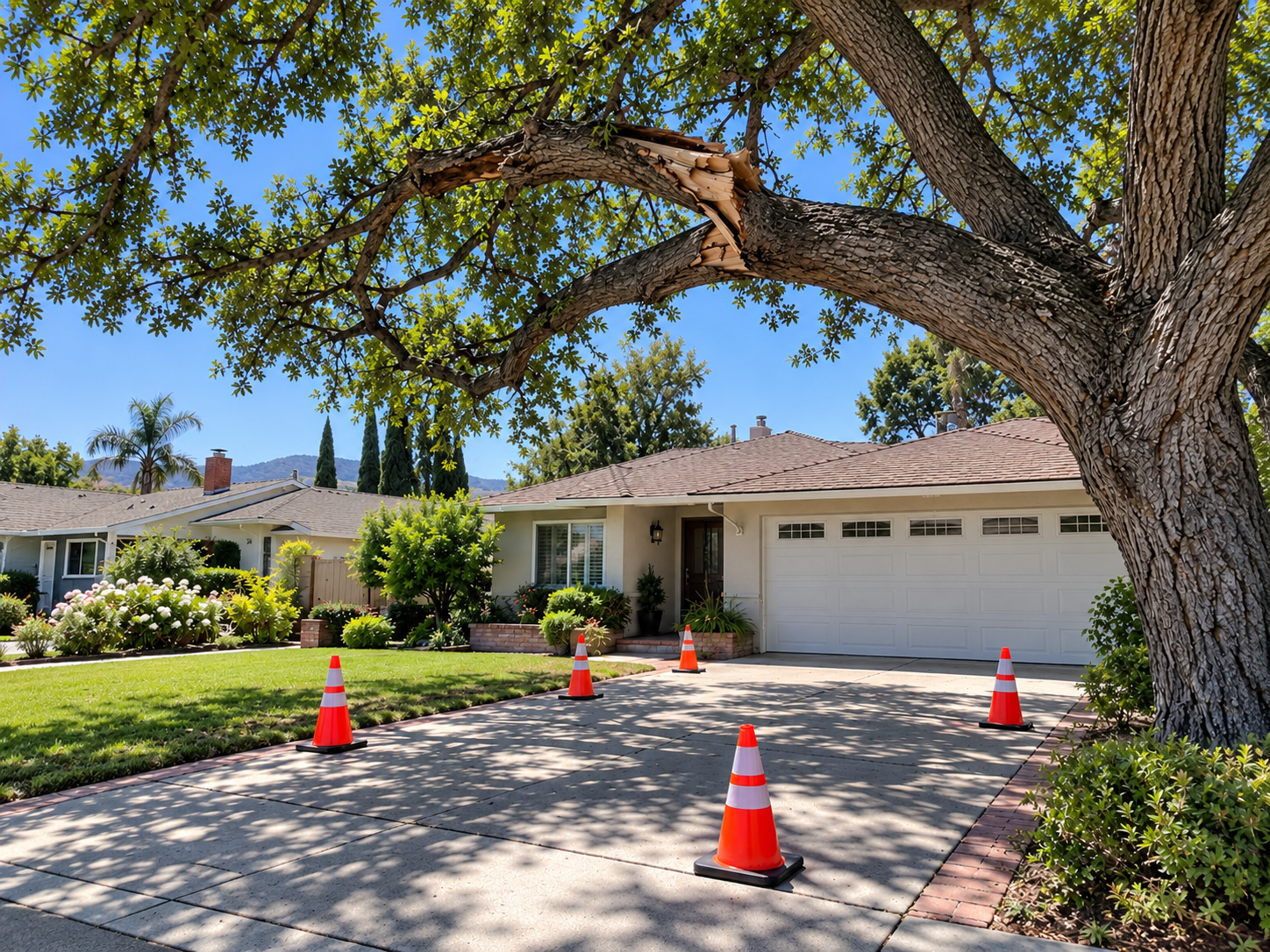
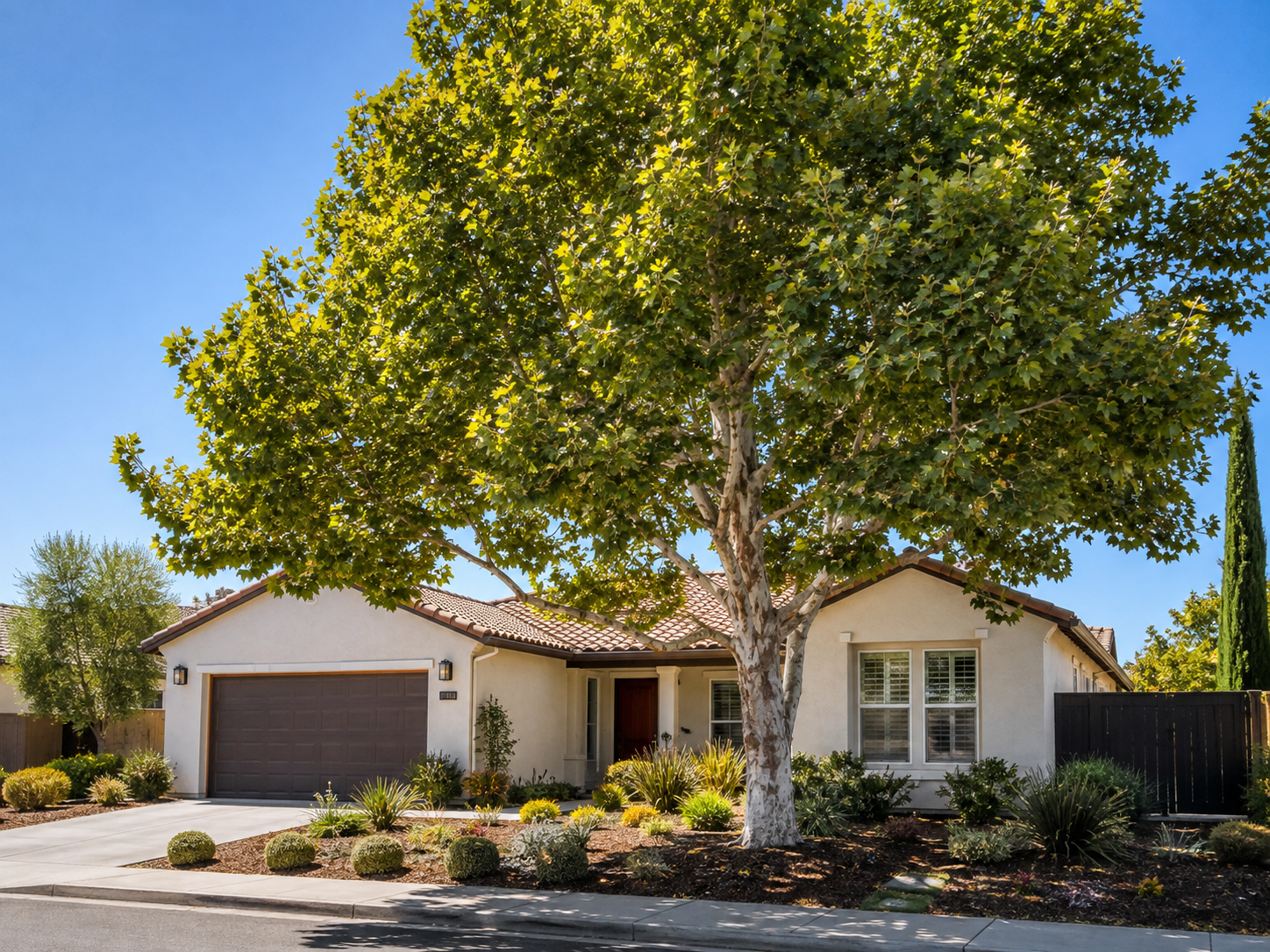
photographic view of a cracked oak limb suspended above a West Covina driveway with cones marking the fall path

If the hanger is high, attached by a thin hinge, or sitting above hardscape, treat it as urgent. Call for assessed rigging rather than hoping the wood stays put through the next gust.

Tree Service Perfection West Covina crews size load paths, section the limb, and lower pieces clear of living space. That method beats free-fall cuts from a ladder or roof edge.


Owners and managers should keep the area taped, move cars, and avoid shaking the canopy. For a timed visit and clear next steps, reach the office so the schedule matches weather and access on your block.


How Pros Clear a Hanger Without Free-Fall Risk


Dangerous hanging branch removal West Covina starts with a ground and canopy check so the crew maps hinge wood, lean, and targets before any cut; they then use ropes, friction devices, and sectional cuts so pieces lower on a controlled line instead of slamming roofs, cars, or walkways when the last fibers fail.


That approach protects tile, stucco, and irrigation lines common on local lots. Ladder-only free-fall cuts leave no way to steer the drop once the hinge opens.
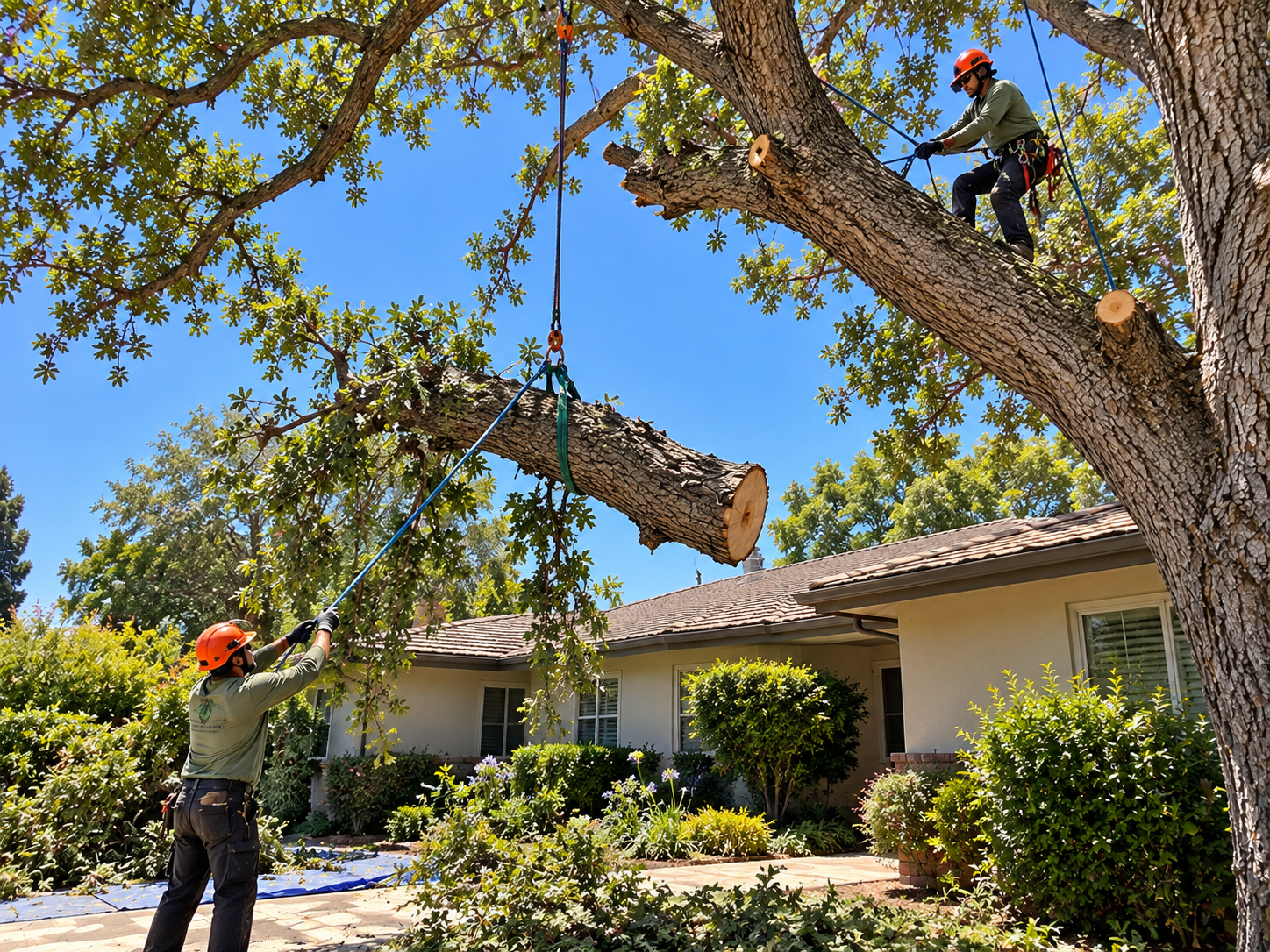
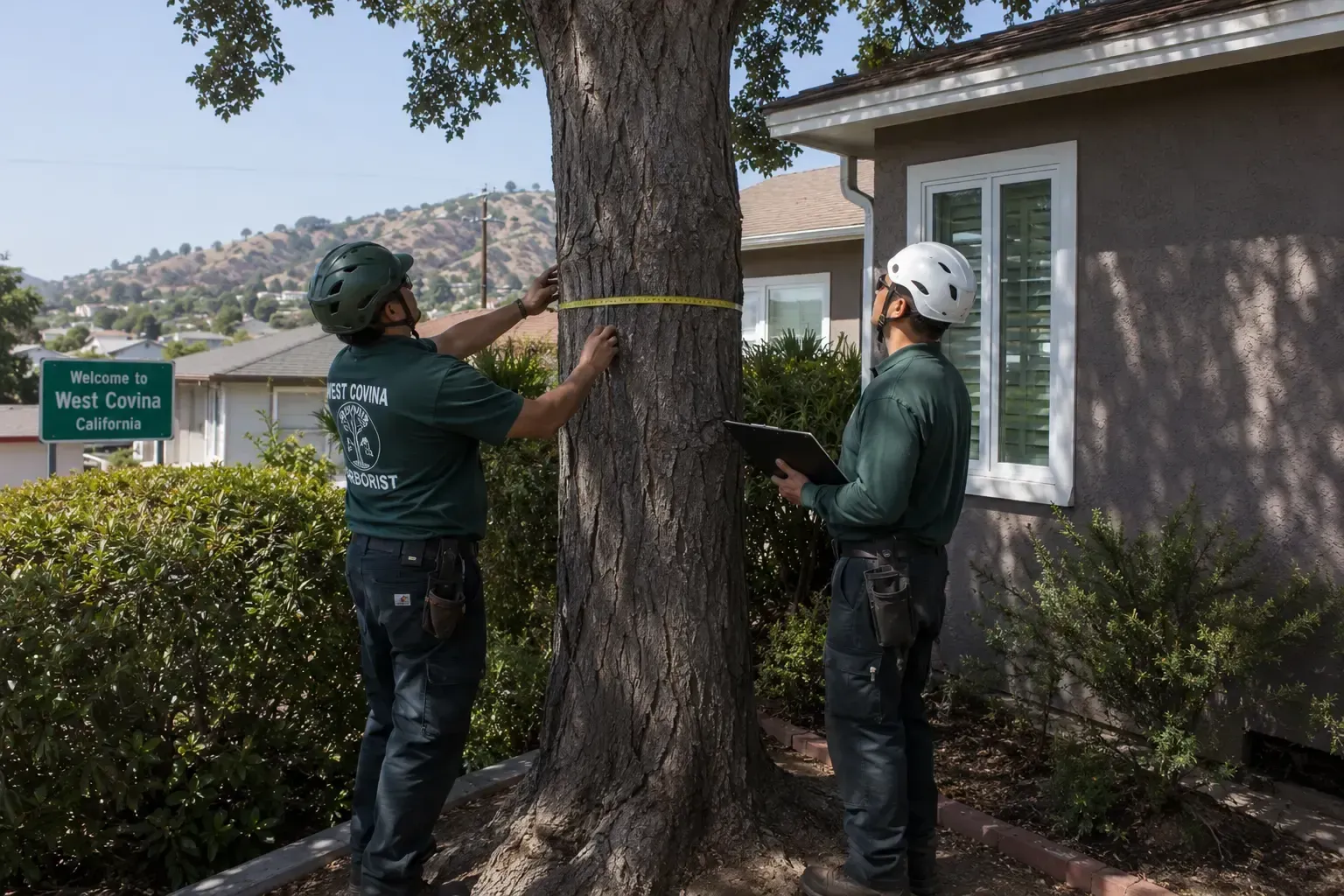
crew using ropes to lower a sectioned limb away from a single-story West Covina home

When you need the offering, review tree care services so scope matches height, species, and access. The team method favors load assessment and staged lowering over rush cuts from a roof edge.

Situation Typical priority Why
Over roof, car, or path Same day High strike cost
Fresh storm split, still moving Same day Hinge may fail fast
Stable, far from targets, zone clear Short scheduled wait Controlled drop still required

Keep cones or tape up, shift vehicles, and stay out of the marked fall path. For a timed crew visit, contact the office with address, photos, and access notes.


Tree Service Perfection West Covina handles hangers across West Covina with rigging suited to dense canopies and tight driveways.

Preferred Source on Google Search

Add www.covinatreeservice.com to customize your search feed across Top Stories.
Add as Preferred Source
September 22, 2026
Clearance should be evaluated when limbs hang low, scrape surfaces, or block sight lines after storms or growth spurts. For tree branches over roof driveway West Covina, schedule a check before peak wind or fire season. Tree Service Perfection West Covina helps owners judge safe gaps, reduce debris risk, and plan pruning without guesswork. Key takeaways  Inspect roof and driveway gaps after major growth or weather. Prioritize limbs that touch shingles, gutters, or vehicle paths. West Covina heat and wind make seasonal rechecks practical. Document height, species, and access before any services work.
By John Constantine • September 17, 2026
Learn what causes dead branches to keep falling from trees in West Covina, how to spot warning signs, prevent hazards, and when professional tree care may be needed.
September 15, 2026
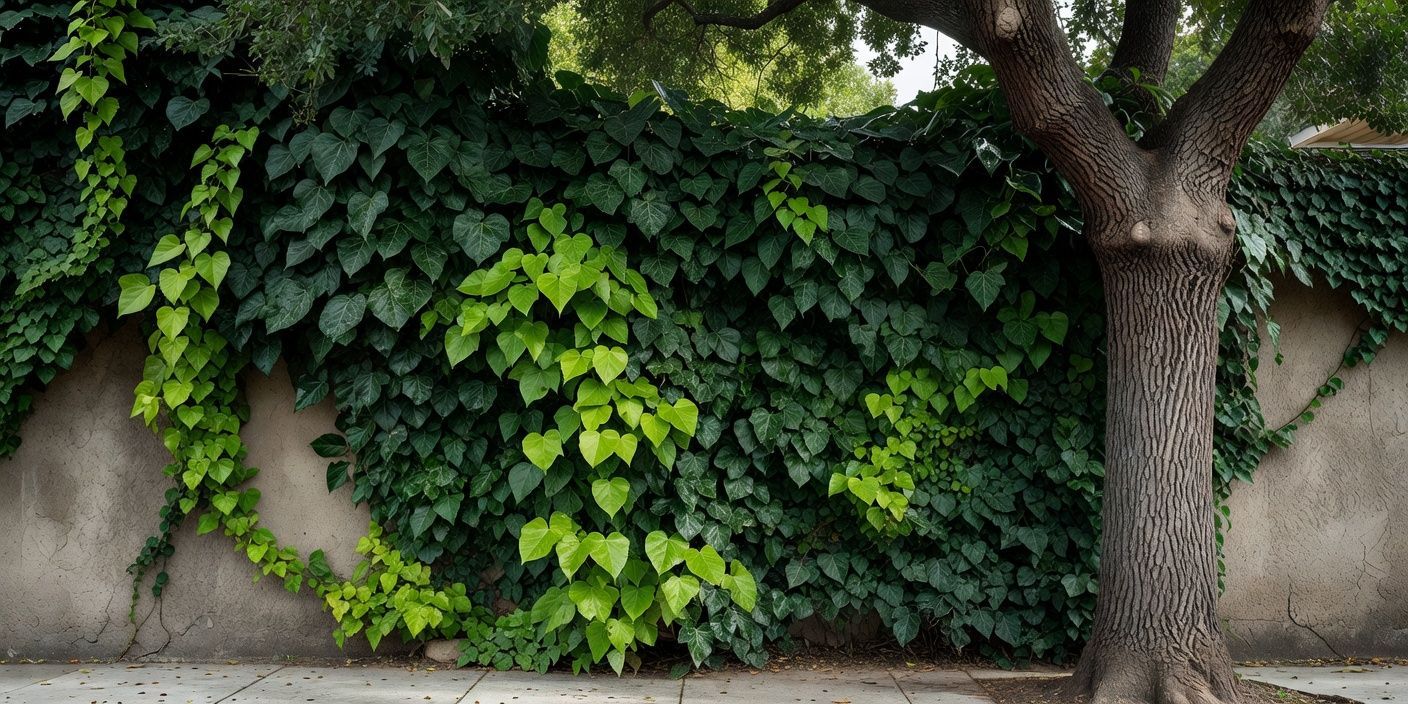
Yes, ivy can harm trees, walls, and fences when roots grip bark, mortar, and wood. For ivy removal from trees and walls West Covina, act before vines thicken and trap moisture. Tree Service Perfection West Covina helps property owners and managers cut risk, protect structures, and plan safe cleanup on local lots. Key takeaways Ivy can girdle trunks, hide decay, and stress mature trees. Roots and holdfasts can loosen mortar, stucco, and fence boards. Early cutting and root control reduce regrowth and structural wear. Local crews match methods to species, access, and property layout.
September 8, 2026
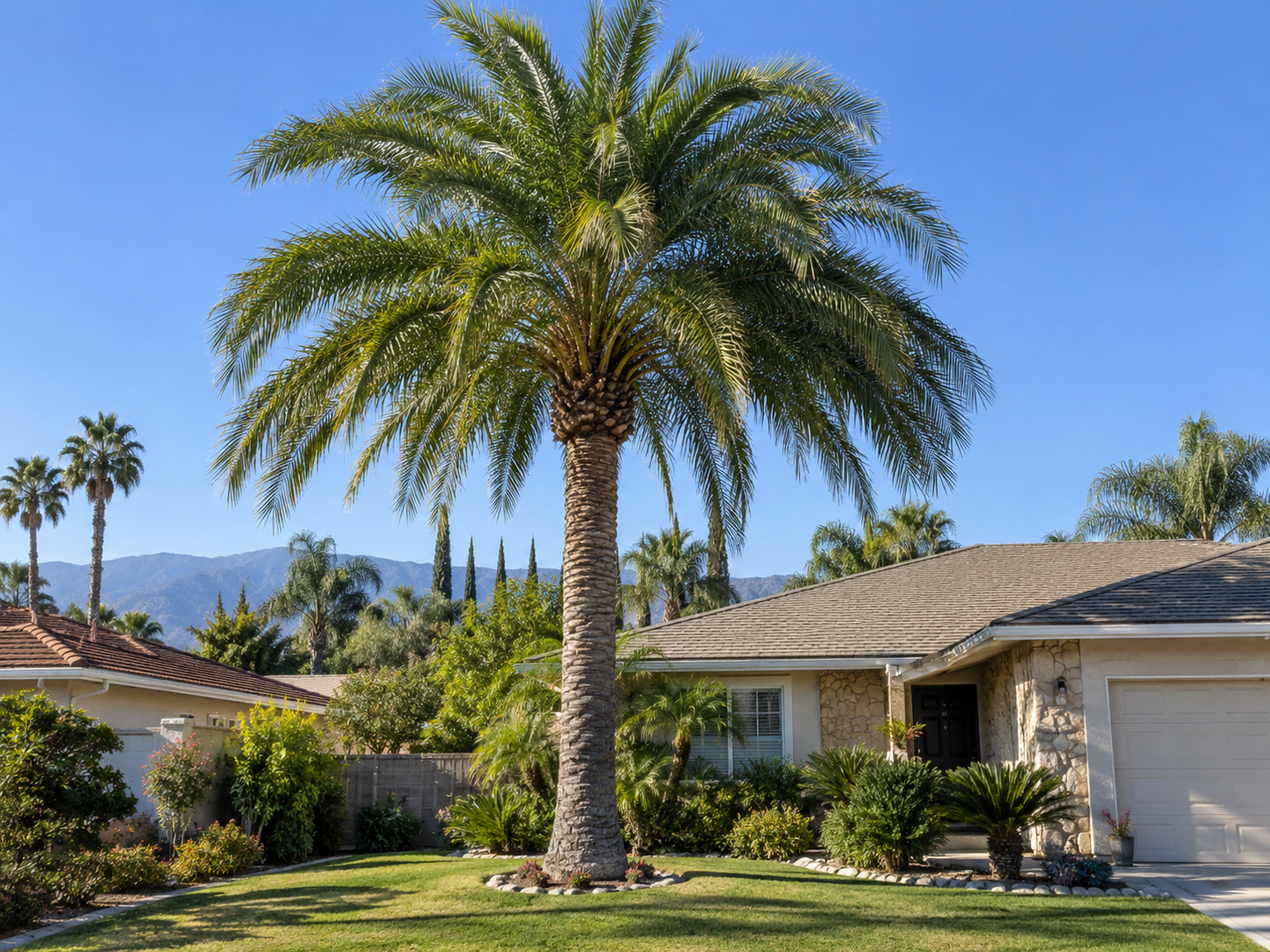
For property owners researching palm tree trimming West Covina , the right timing depends on the palm's condition, species, location, and potential hazards—not simply the calendar. Completely dead fronds, hazardous hanging material, and unwanted fruit stalks may justify pruning, while healthy green fronds usually should remain.  West Covina's climate and varied landscapes make regular inspections useful. This guide explains when to schedule maintenance and avoid practices that weaken palms.
September 1, 2026
Choosing professional tree trimming versus topping protects structure, safety, and long-term canopy health on West Covina properties. Topping removes large upper limbs and weakens the tree; proper trimming targets select branches for clearance, balance, and vigor. Tree Service Perfection West Covina helps owners and managers make that call with clear, site-specific guidance. Key takeaways Trimming follows the tree’s natural form; topping does not. Topping invites decay, weak sprouts, and higher storm risk. Correct cuts preserve strength and reduce future hazard work. Local pros match methods to species, site, and safety goals. 
By John Constantine • August 25, 2026
Key Takeaways and Insights Understanding why tree leaves turn brown is crucial for protecting your property value and ensuring landscape safety. This guide explores common environmental stressors like drought, over-watering, and pest infestations that plague local Southern California yards. By accurately diagnosing these symptoms early, homeowners can take effective action or hire trusted experts to revive their ailing trees. * Drought stress usually causes crispy brown leaf edges, while over-watering leads to soft, limp brown leaves due to root suffocation. * Pests and fungal diseases require immediate attention to prevent the infection from spreading across your entire landscape. * Engaging professional tree care experts is the safest and most effective way to handle severe canopy browning, large branch removal, and complex disease diagnosis. 
August 25, 2026
A mature canopy adds massive aesthetic value to your property. It provides cooling shade during hot summer months. It improves local air quality and supports neighborhood wildlife. A damaged or dying tree poses very serious risks instead. As a responsible property owner, you must catch warning signs early.
By John Constantine • August 17, 2026
Learn how tree roots can damage driveways and foundations in West Covina, California. Discover warning signs, risks, and when professional tree services can help.
By John Constantine • August 11, 2026
Can overgrown tree branches become a liability on your property? Learn the risks and when professional tree trimming can help protect your West Covina home.
By John Constantine • August 4, 2026
Key Takeaways and Insights  California's harsh, dry climate places severe stress on mature residential trees, compromising their root systems and inviting aggressive pest infestations. Homeowners must monitor their landscapes for early signs of dehydration and implement deep, slow watering techniques to protect their property values. Working with professional arborists ensures that large trees remain structural sound and aesthetically pleasing despite prolonged arid conditions. - Most structural tree roots live near the soil surface and dehydrate rapidly during dry spells. - Thirsty trees stop producing defensive sap, making them highly vulnerable to fatal bark beetle attacks. - Proper mulching and deep drip-line watering are the most effective ways to preserve soil moisture for large trees.