Dead, Declining, or Dormant? Why an On-Site Tree Evaluation Matters
Wondering is my tree dead or dormant West Covina after bare limbs or late leaf-out? Bark, buds, and roots tell the real story before you cut or wait. Tree Service Perfection West Covina gives clear on-site answers so West Covina owners act on facts, not guesswork, and protect property value.
Key takeaways
- Scratch tests and bud checks separate dormancy from true decline.
- Local soil, heat, and irrigation stress change how West Covina trees recover.
- On-site evaluation beats photos for roots, pests, and structural risk.
- Early services can save salvageable trees and limit hazard removals.
How can you tell dormancy from a dead tree on site?
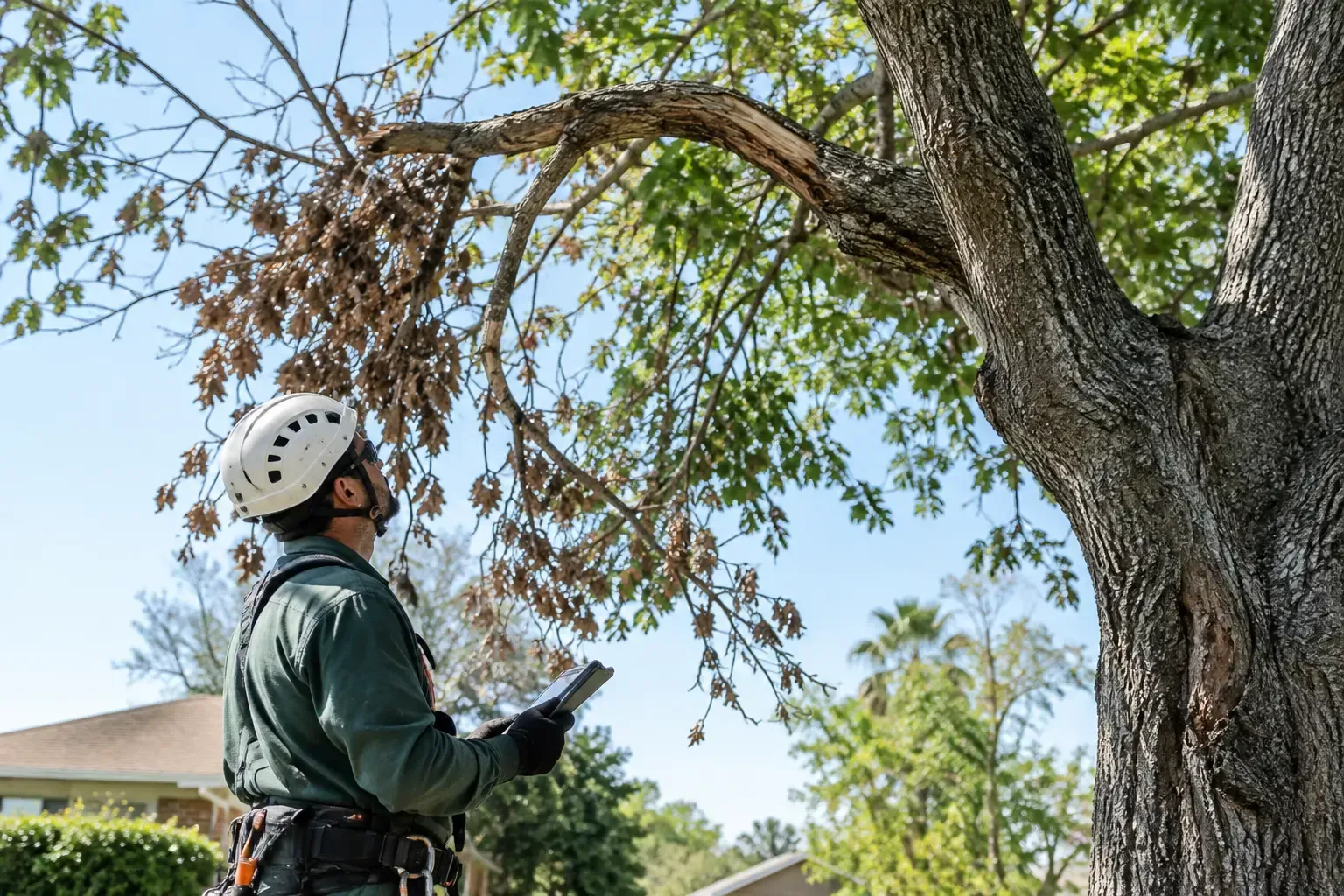
A live dormant tree usually shows flexible twigs, green under thin bark when lightly scratched, and plump buds even without leaves, while a dead tree has brittle wood, dry brown cambium, and no living buds from crown to base; our team confirms this in person across West Covina yards.
Which option fits: wait, prune, treat, or remove?
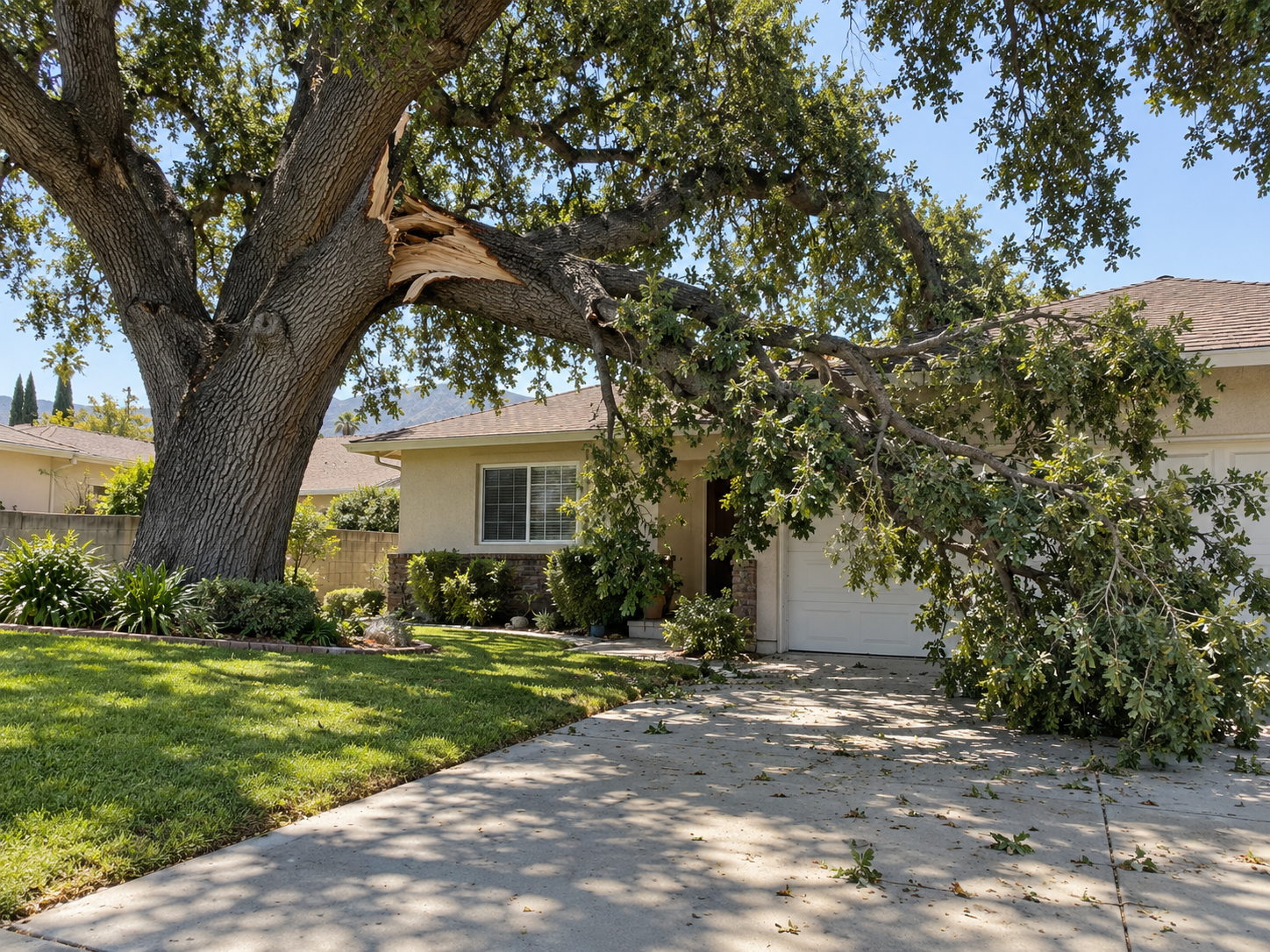
For West Covina owners asking is my tree dead or dormant West Covina, choose wait when buds and cambium are alive and weather is still cool; prune only dead wood on a recovering canopy; treat when pests, soil, or irrigation are the stress; and remove when the trunk is hollow, roots fail, or the tree is a clear fall hazard near people or structures.
| Option | Best for | Watch-out |
|---|---|---|
| Wait through season | Flexible twigs, green scratch test, delayed leaf-out after mild winters | Do not wait if limbs hang over roofs or walkways |
| Selective prune | Mixed live and dead branches on an otherwise sound tree | Over-pruning stressed crowns can worsen decline |
| Treat and monitor | Soil compaction, drought stress, or manageable pest issues | Delay without a plan can let decay spread into the trunk |
| Full removal | Brittle wood, no living buds, root plate failure, or target risk | DIY felling near power lines and homes is unsafe |
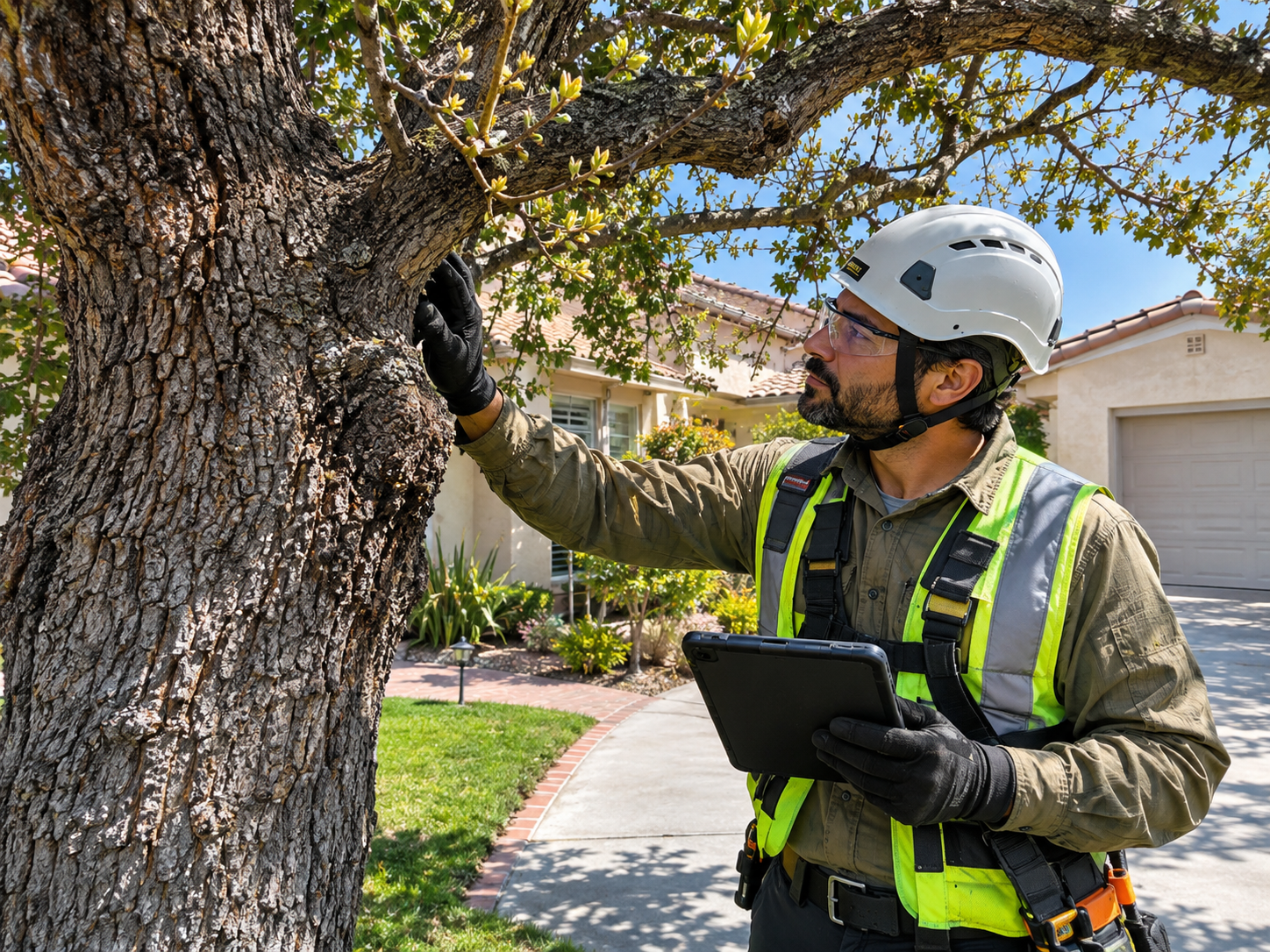
Short paragraphs of context help decisions stick. Local heat, clay soils, and uneven watering often mimic death when the tree is only dormant or stressed. Photos miss root flare, lean, and cavity depth that change the call.
When the offering is an on-site review, book services before you schedule heavy equipment. If risk is rising or you need a next step this week, contact the crew for a timed visit and a clear keep-or-remove plan.
Is My Tree Dead or Dormant West Covina After Heat and Dry Spells?
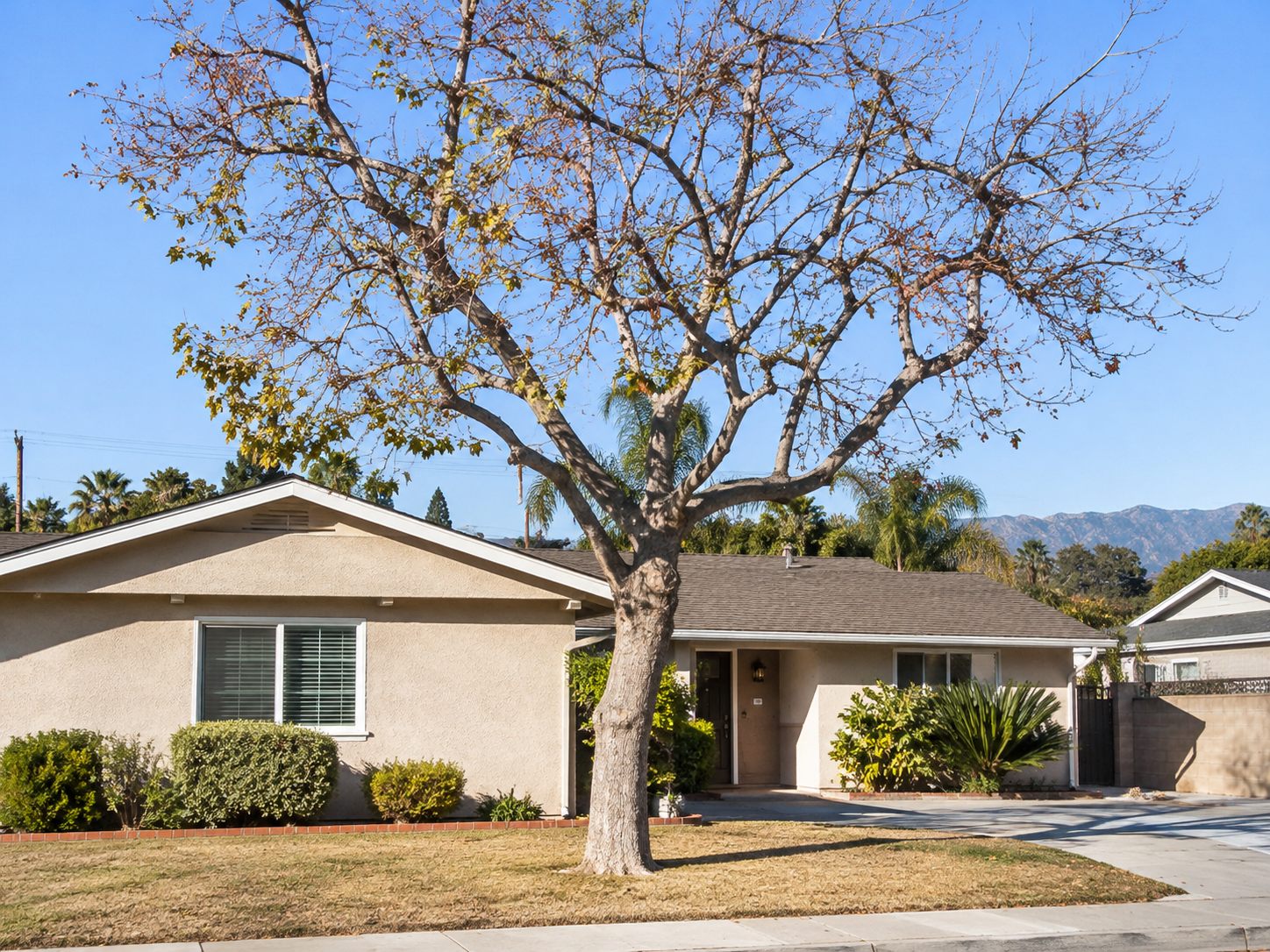
In West Covina, a bare canopy after heat, clay soil stress, or delayed leaf-out is often dormancy or temporary decline, not death, when twigs stay flexible, the scratch test shows green cambium, buds remain plump, and the root flare is stable; true death shows brittle wood, no living tissue, advanced decay, or root failure that needs prompt professional judgment on site.
Local summers and uneven irrigation confuse owners who judge only from the street. Bark color, lean, and cavity depth rarely show in phone photos. A walk-around still beats guesswork when targets sit under the crown.
The Tree Service Perfection West Covina approach pairs visual cues with soil and structure notes so keep, treat, or remove stays clear. When you want the team method explained in plain terms, ask how they separate seasonal rest from irreversible decline before any cut list is written.
Short notes on watering history and recent pruning help the visit. Avoid heavy equipment until live wood and targets are confirmed. That sequence protects the tree you can save and the property you cannot risk.
What an On-Site Tree Evaluation Checks in West Covina
An on-site tree evaluation in West Covina checks twig flexibility, cambium color, bud condition, root flare stability, soil moisture, and nearby targets so you know whether the tree is dead, declining, or dormant and whether keep, treat, or remove is the safer next step for your property.
Photos miss lean, cavity depth, and irrigation patterns common on local lots. The walk-around maps live wood against hardscape, play areas, and power lines. That context turns a bare canopy into a keep-or-remove plan instead of a guess.
When you need the offering spelled out, the visit pairs those cues with clear priorities: monitor, prune for safety, treat stress, or schedule removal. Notes on watering and recent cuts speed the call.
| Cue | Often dormancy / stress | Often dead / high risk |
|---|---|---|
| Twigs | Flexible, green under bark | Brittle, dry, brown cambium |
| Buds | Plump or delayed but present | Absent, hollow, or shriveled |
| Roots / flare | Stable, no major heave | Lifted, girdled, advanced decay |
| Next step | Water, mulch, monitor | Protect targets; plan removal |
Avoid heavy cuts until live tissue and targets are confirmed on site. That order saves salvageable trees and limits exposure under weak wood.
When to Call Before You Cut or Water Heavily
Call a local arborist before heavy watering, topping, or removal when bare limbs follow heat or clay stress, the trunk leans toward structures, or scratch tests look mixed, so an on-site plan can separate dormancy from failure risk without wasted work or unsafe DIY cuts.
Street views and apps skip soil compaction and root plate movement. A short Contact request with address, species if known, and recent weather notes sets a focused visit. You leave with ranked actions, not a vague “wait and see.”
Preferred Source on Google Search
Add www.covinatreeservice.com to customize your search feed across Top Stories.