Tree Care for Apartments, HOAs, and Commercial Properties in West Covina

November 17, 2026

Property managers need clear schedules, safety standards, and vendor accountability for shared grounds. Effective tree maintenance for HOA apartment property reduces limb risk, protects walkways and parking, and keeps common areas compliant. Tree Service Perfection West Covina supports West Covina owners with planned pruning, inspections, and responsive services built for multi-unit sites.


Key takeaways

  • Set a written prune-and-inspect cycle tied to HOA rules and peak wind seasons.
  • Prioritize clearance over drives, roofs, play areas, and pedestrian paths.
  • Document work scopes so boards can compare bids and track liability.
  • Use local crews who know West Covina soils, species, and access limits.
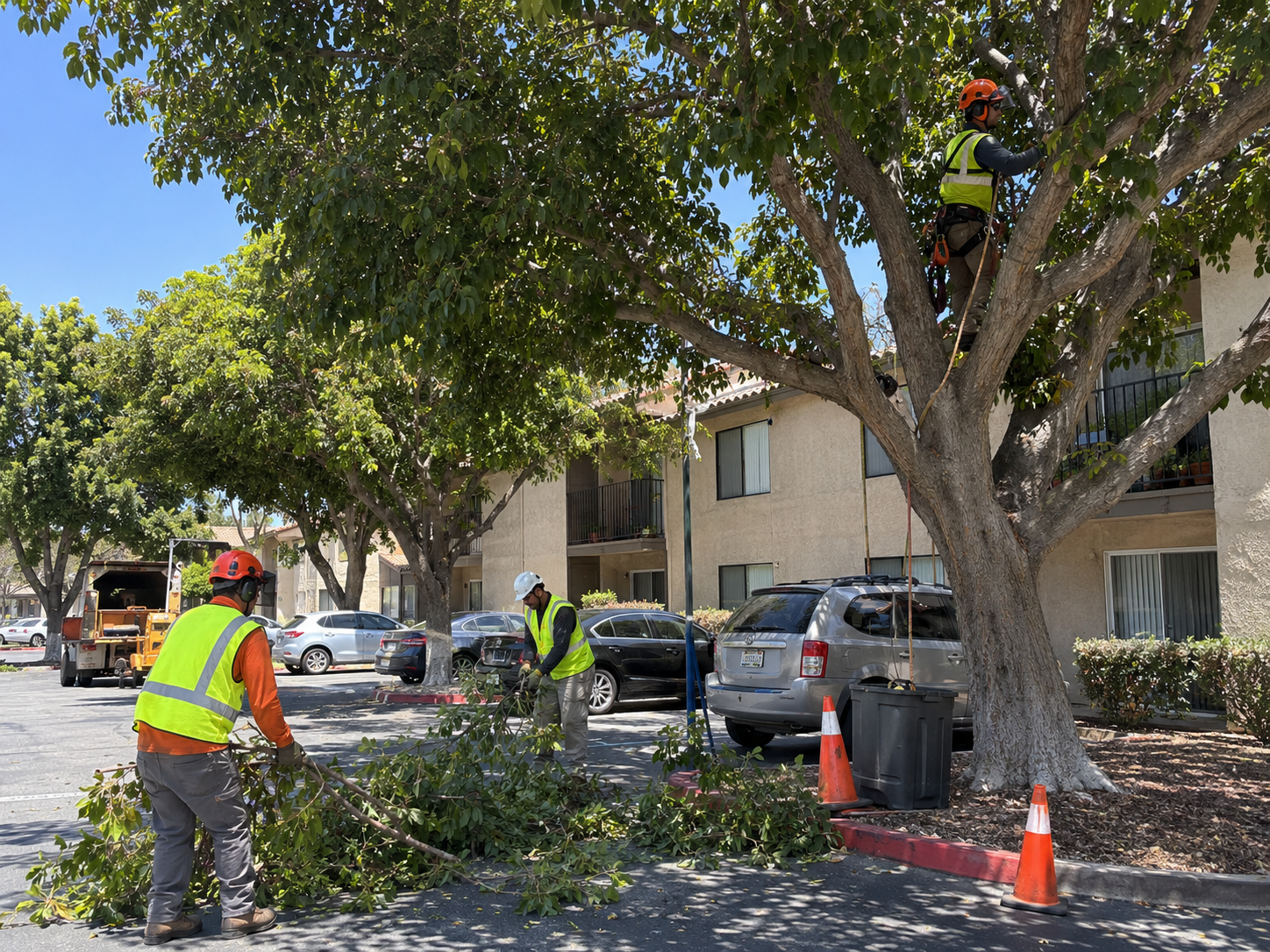
photographic alt showing a crew pruning mature street trees beside a West Covina apartment parking lot at mid-morning

Why do HOAs need structured tree care plans?


Structured plans assign who inspects, who approves work, and when pruning, removal, or storm cleanup happens so apartments stay safer and budgets stay predictable. They align services with board calendars, reduce emergency callouts, and give managers records for insurance and resident notices.


Which tree maintenance approach fits HOA apartment property best?


Seasonal scheduled pruning with documented inspections usually fits multi-unit sites better than ad-hoc calls, full removals-first policies, or DIY grounds work, because it balances canopy health, clearance over parking and paths, predictable spend, and liability records managers can show boards and insurers in West Covina’s dry summers and wind events.

Approach Best for Watch-out Typical cadence
Scheduled prune + inspect Most HOA and apartment common areas Needs written scope and access plans 1–2 visits per year plus storm checks
Reactive only (after complaints) Tiny budgets with few trees Higher emergency cost and resident friction Unplanned; spikes after wind
Removals-first Dead, hazardous, or root-conflict trees Loses shade and curb appeal if overused Case-by-case after assessment
In-house grounds crew only Light debris and mulch touch-ups Lacks climbing gear, insurance depth, and species judgment Weekly grounds; not structural pruning
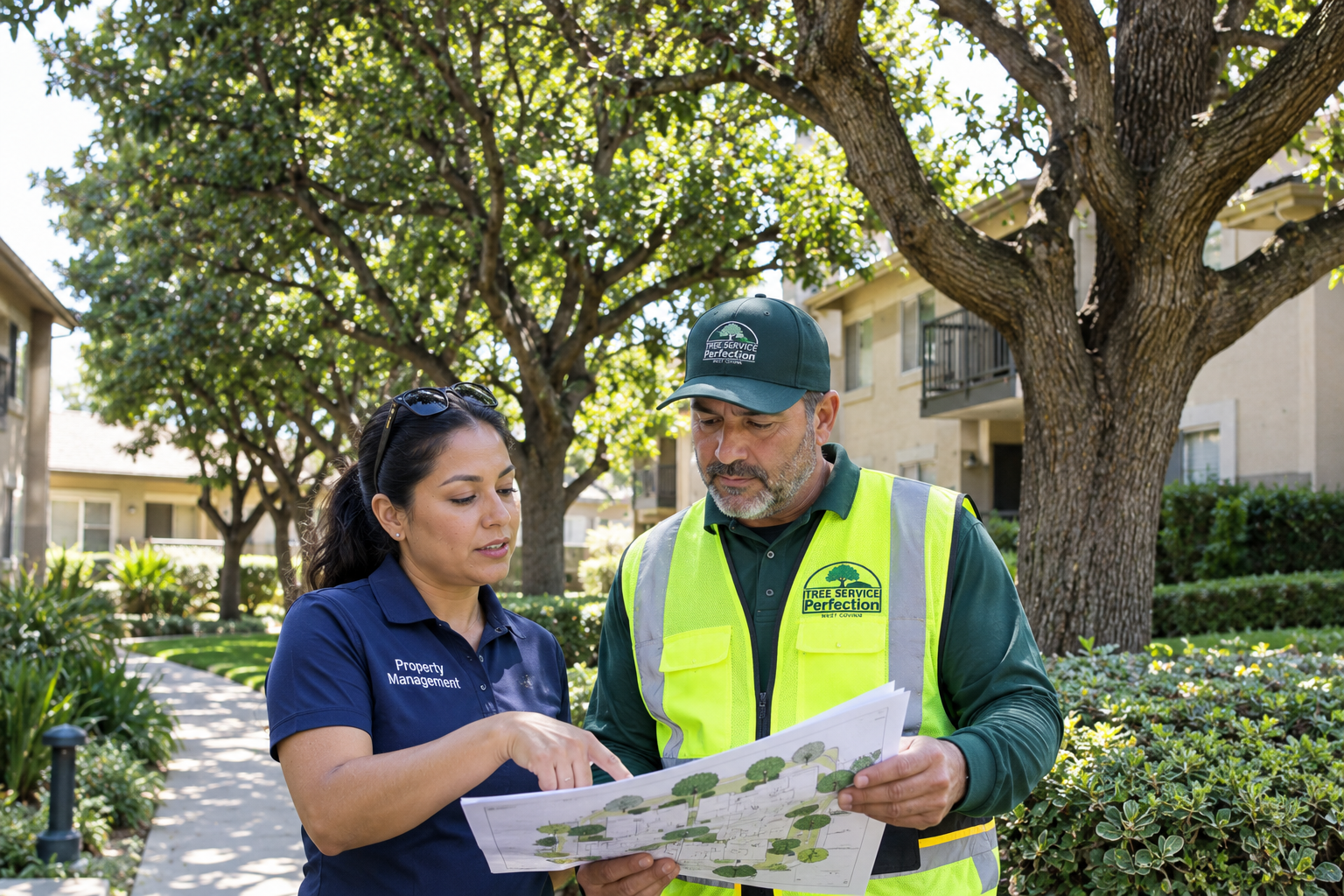
photographic alt of a property manager and arborist reviewing a printed tree map beside mature oaks in a West Covina HOA courtyard

Match the approach to canopy size, parking layout, and board approval rules. Ask the team how they sequence pruning so units stay accessible. For a scoped bid and calendar that boards can vote on, contact with site photos and your CC&R tree clauses.


Which Tree Maintenance Plan Fits Multi-Unit Sites Best?


For most West Covina HOA and apartment campuses, scheduled prune-and-inspect tree maintenance for HOA apartment property outperforms reactive calls, blanket removals, or grounds-only crews because it keeps canopies healthy, clears parking and walkways, stabilizes annual budgets, and produces inspection notes boards and insurers can file after dry summers and Santa Ana wind events.

Shared lots need predictable access windows so residents can park and move. A written scope lists species, height limits, and root zones near foundations and pool decks. That reduces surprise invoices and complaint spikes after storms.
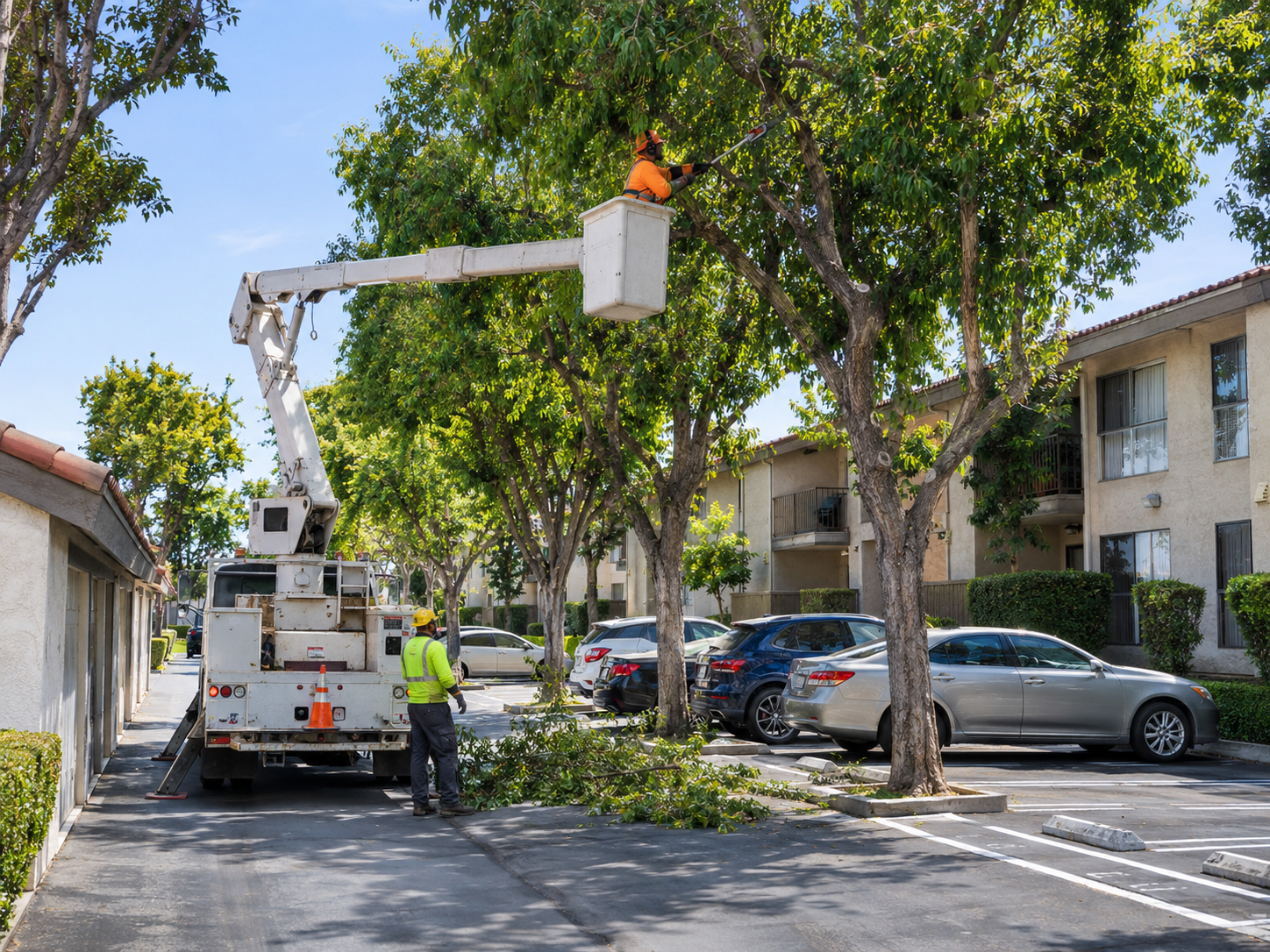
photographic alt of a lift truck pruning street trees along a West Covina apartment driveway while cars remain parked in marked stalls

Commercial strips and mixed-use courtyards gain the same structure: one calendar, one liability trail, less emergency overtime. Light debris work can stay with on-site staff; structural cuts and climb work belong with insured specialists who document risk.


When you compare services options, ask for a multi-visit map tied to your CC&Rs and irrigation layout. Pair that with clear photo notes so boards approve spend without delay. For a site walk and draft calendar managers can present next meeting, contact with addresses and priority trees.


Scheduled tree maintenance for HOA apartment property in West Covina aligns prune cycles with parking access, irrigation maps, and board reporting so canopies stay clear of roofs, lights, and drive aisles without surprise removals after wind or drought stress.


Why property managers schedule tree work


West Covina managers choose planned tree maintenance for HOA apartment property because one multi-visit calendar cuts emergency overtime, documents risk for insurers, and keeps resident complaints lower than reactive only crews after Santa Ana winds or dry summers. Light raking can stay on-site; climb work and structural cuts need insured specialists.


Shared campuses benefit when scopes name species, height caps, and root zones near pools and foundations. That clarity supports CC&R compliance and stable line items.


Comparison of common approaches

Approach Budget pattern Documentation Best fit
Scheduled prune-and-inspect Predictable annual Photo notes, risk log HOA and apartments
Reactive only Spikes after storms Sparse Small single lots
Grounds crew only Low day rate Limited structural detail Debris, not canopy

How Tree Service Perfection West Covina supports campuses


The About method pairs site walks with written scopes managers can take to boards, tying visits to local wind and irrigation patterns rather than one-size removals.

Preferred Source on Google Search

Add www.covinatreeservice.com to customize your search feed across Top Stories.
Add as Preferred Source
November 10, 2026
Wondering is my tree dead or dormant West Covina after bare limbs or late leaf-out? Bark, buds, and roots tell the real story before you cut or wait. Tree Service Perfection West Covina gives clear on-site answers so West Covina owners act on facts, not guesswork, and protect property value. Key takeaways Scratch tests and bud checks separate dormancy from true decline. Local soil, heat, and irrigation stress change how West Covina trees recover. On-site evaluation beats photos for roots, pests, and structural risk. Early services can save salvageable trees and limit hazard removals.
November 3, 2026
After strong wind, West Covina owners should photograph cracked limbs, leaning trunks, heaved roots, torn bark, and debris near roofs or power lines before cleanup. A prompt tree inspection after wind West Covina documents risk and supports claims. Tree Service Perfection West Covina helps property owners and managers prioritize safe next steps. Key takeaways Shoot wide and close-up views of every suspect limb and trunk. Capture root plate lift, soil cracks, and new lean angles. Note roof, fence, and wire proximity in the same frames. Timestamp photos and keep a simple damage list for adjusters.
October 27, 2026
Early cuts guide branch architecture, reduce future failure risk, and lower long-term care costs for West Covina yards. Done right, structural pruning for young trees builds strong leaders and well-spaced scaffolds before wood hardens. Tree Service Perfection West Covina helps property owners start that work while trees are still flexible and responsive. Key takeaways Train one dominant leader early to limit competing stems. Space scaffold branches for light, strength, and clearance. Remove weak unions and included bark before they enlarge. Small, timely cuts heal faster and cost less than later corrections.
October 20, 2026
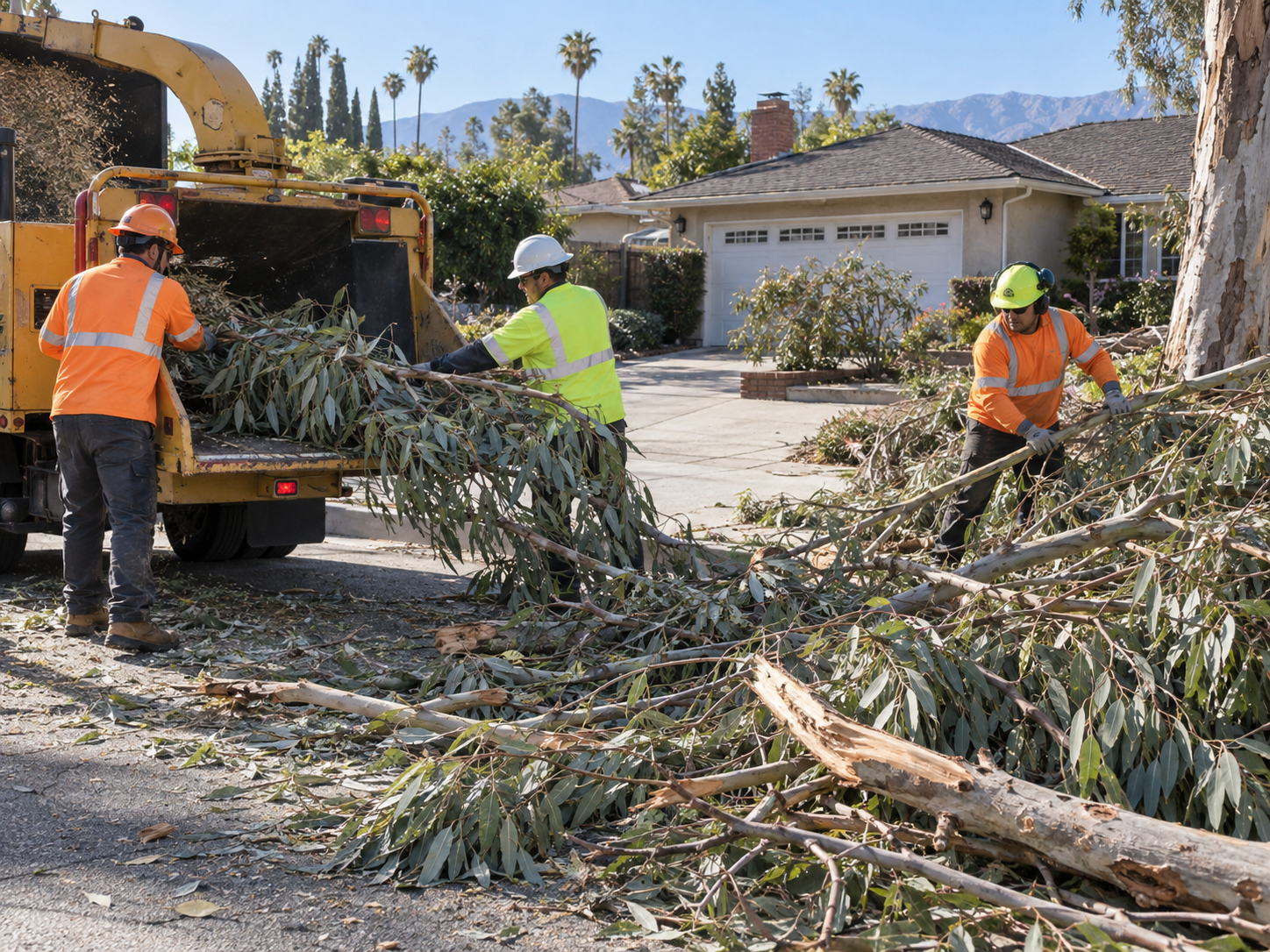
High winds leave West Covina yards with storm debris, fallen limbs, or overgrowth. Each needs a tailored response for safety and property care. Choose tree debris removal after wind West Covina with Tree Service Perfection West Covina , which matches cleanup services to the exact problem so managers clear hazards without over-clearing healthy growth. Key takeaways Loose storm debris is mostly chip-and-haul work after winds. Fallen limbs often hide hangers that need rigging before removal. Wind-driven overgrowth usually calls for selective pruning only. Local access and disposal rules shape how fast a West Covina lot clears.
October 13, 2026
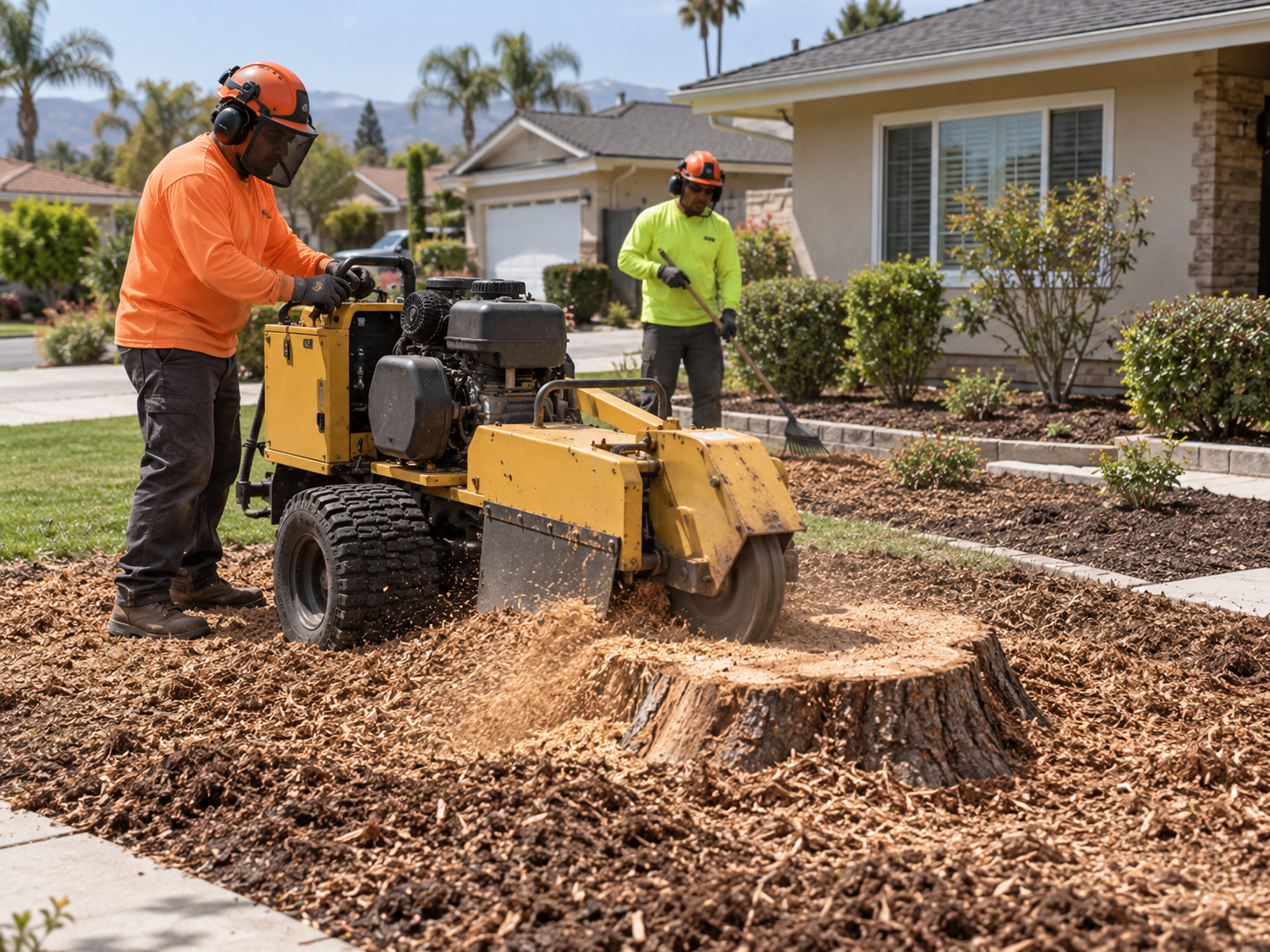
Before you plant, pave, or redesign a yard, clear old roots so new work settles cleanly. Property owners planning stump grinding West Covina should confirm depth, haul-away, and soil backfill first. Tree Service Perfection West Covina helps local owners and managers sequence grinding with irrigation, sod, and hardscape so leftovers do not lift beds or block drainage. Key takeaways Match grind depth to the next landscape layer, not only the visible stump. Ask what happens to chips, roots, and soil voids after the machine leaves. Confirm utilities, access, and nearby plant protection before the crew arrives. Schedule grinding early so settling and fill can finish before planting day.
October 6, 2026
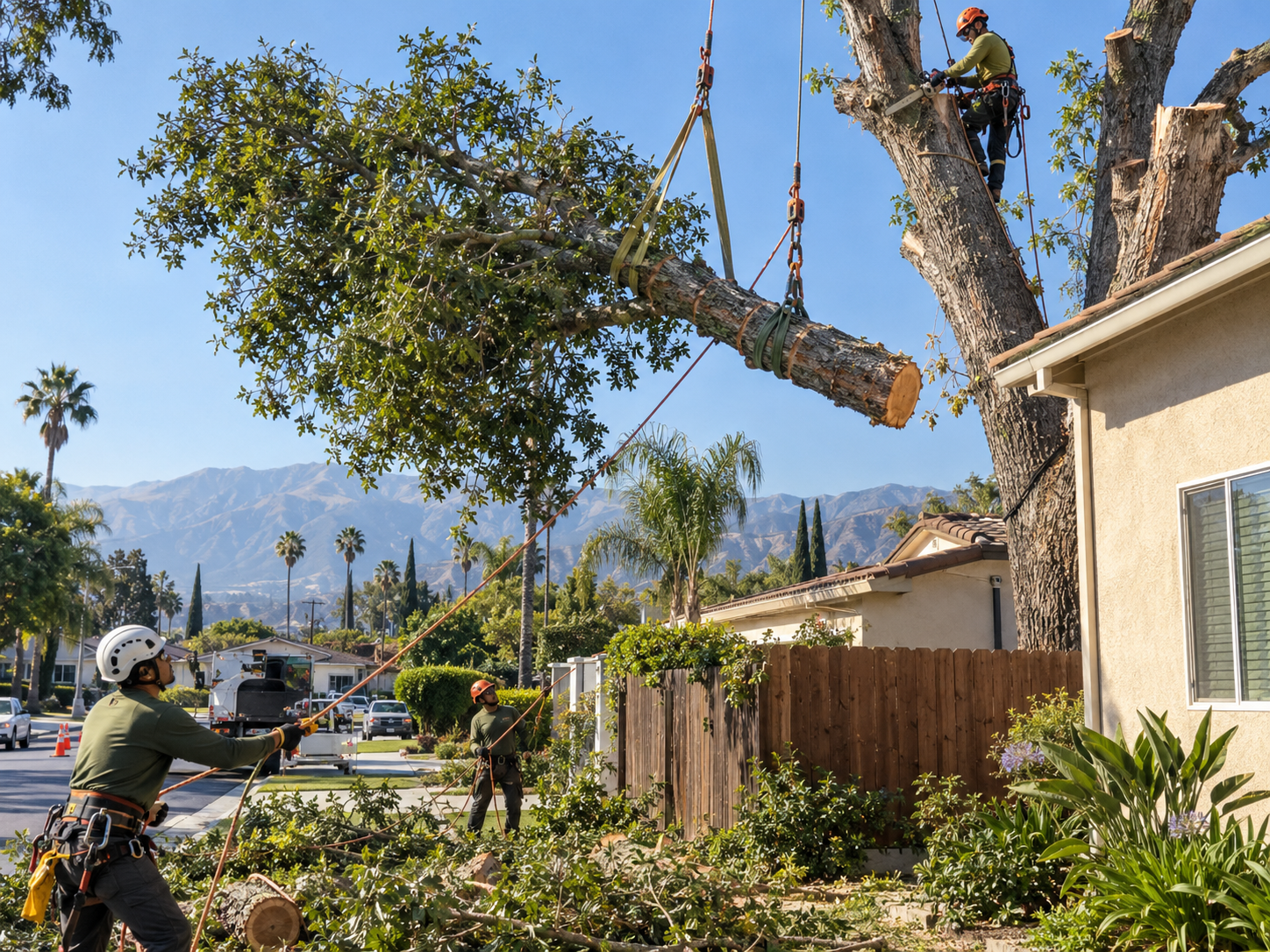
Property owners who need to remove large tree near house West Covina rely on sequenced planning that protects roofs, fences, and utilities. Tree Service Perfection West Covina maps lean, drop zones, and access before any cut. Crews stage gear, set exclusion areas, and choose sectional removal when full felling is unsafe beside homes. Key takeaways Site walks mark house, fence, and utility clearances before work starts. Sectional cuts and rigging limit swing risk next to structures. Ground crews control landing zones and chip debris on site. Permits and neighbor notice reduce delays in West Covina neighborhoods.
September 29, 2026
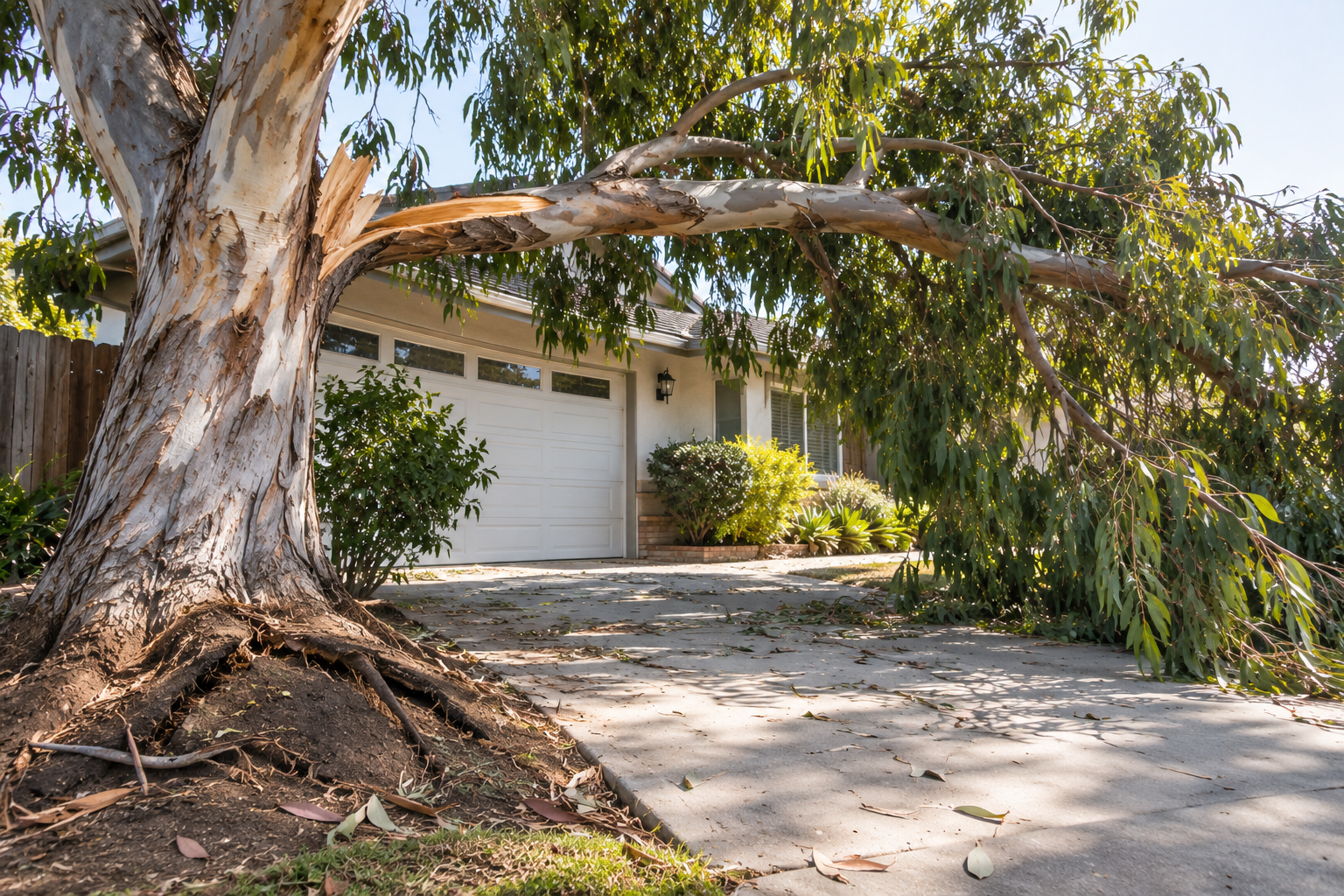
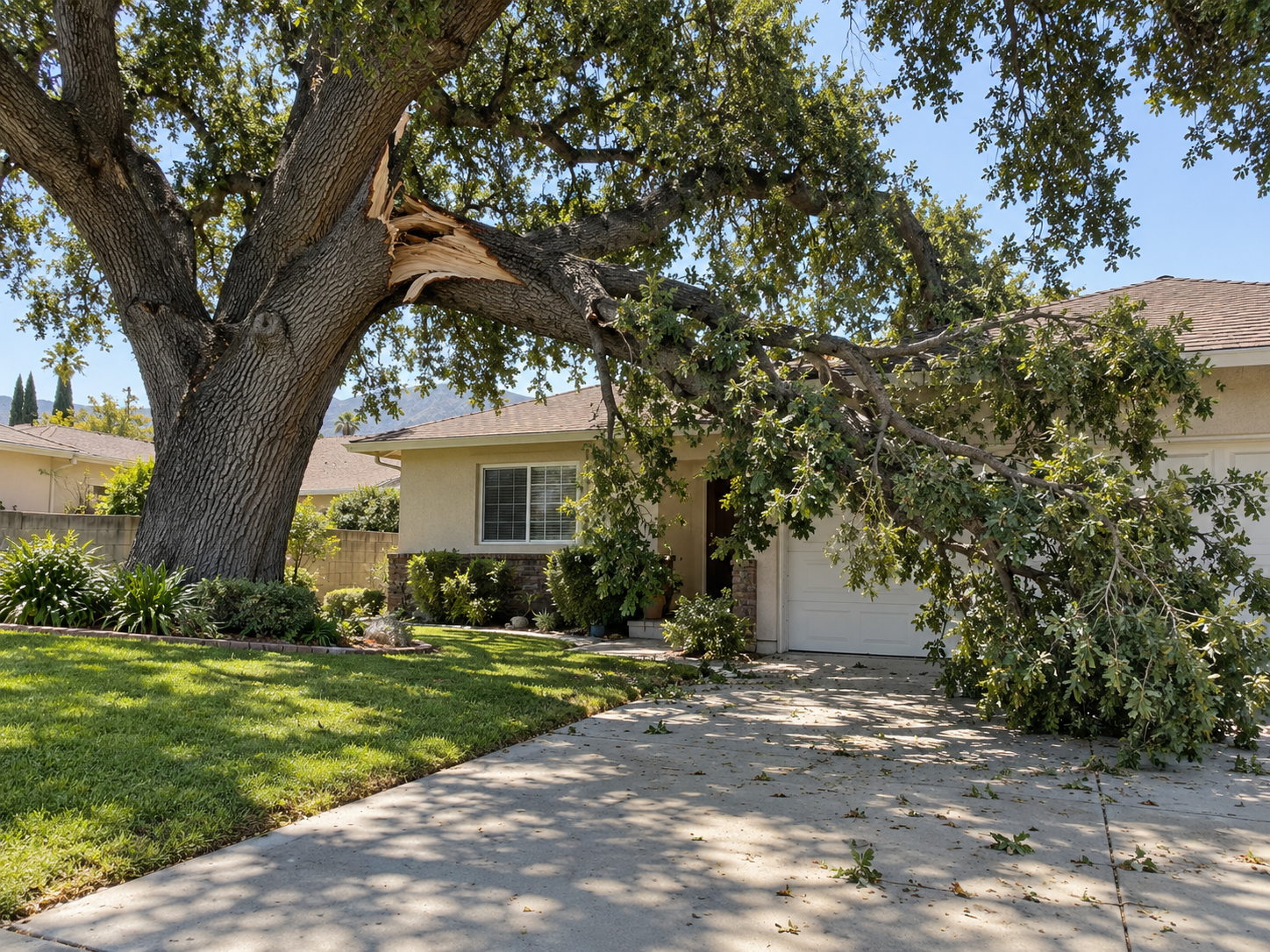
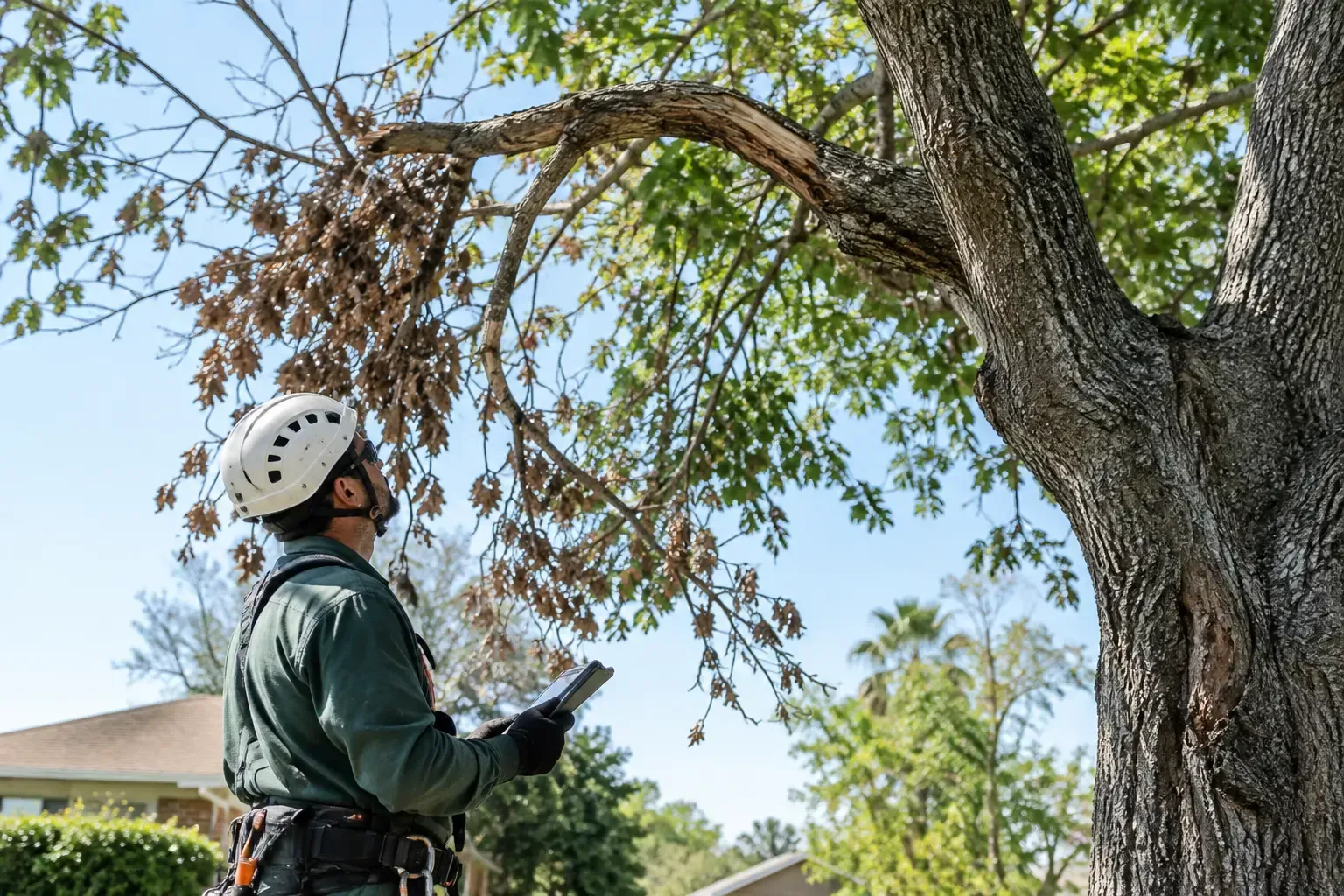
A broken limb stuck in the canopy can drop without warning and damage roofs, cars, or people below. For dangerous hanging branch removal West Covina, secure the area, keep clear of the drop zone, and avoid DIY cuts from ladders. Tree Service Perfection West Covina assesses hangers, rigging needs, and safe takedown so property owners act before the next wind or rain. Key takeaways Isolate the zone under the hanging branch before anyone walks or parks nearby. Do not shake, pull, or climb toward a partially attached limb. Schedule professional hanging branch removal when the piece sits high or over structures. Document photos and call for inspection if the tree shows more cracks or lean.
September 22, 2026
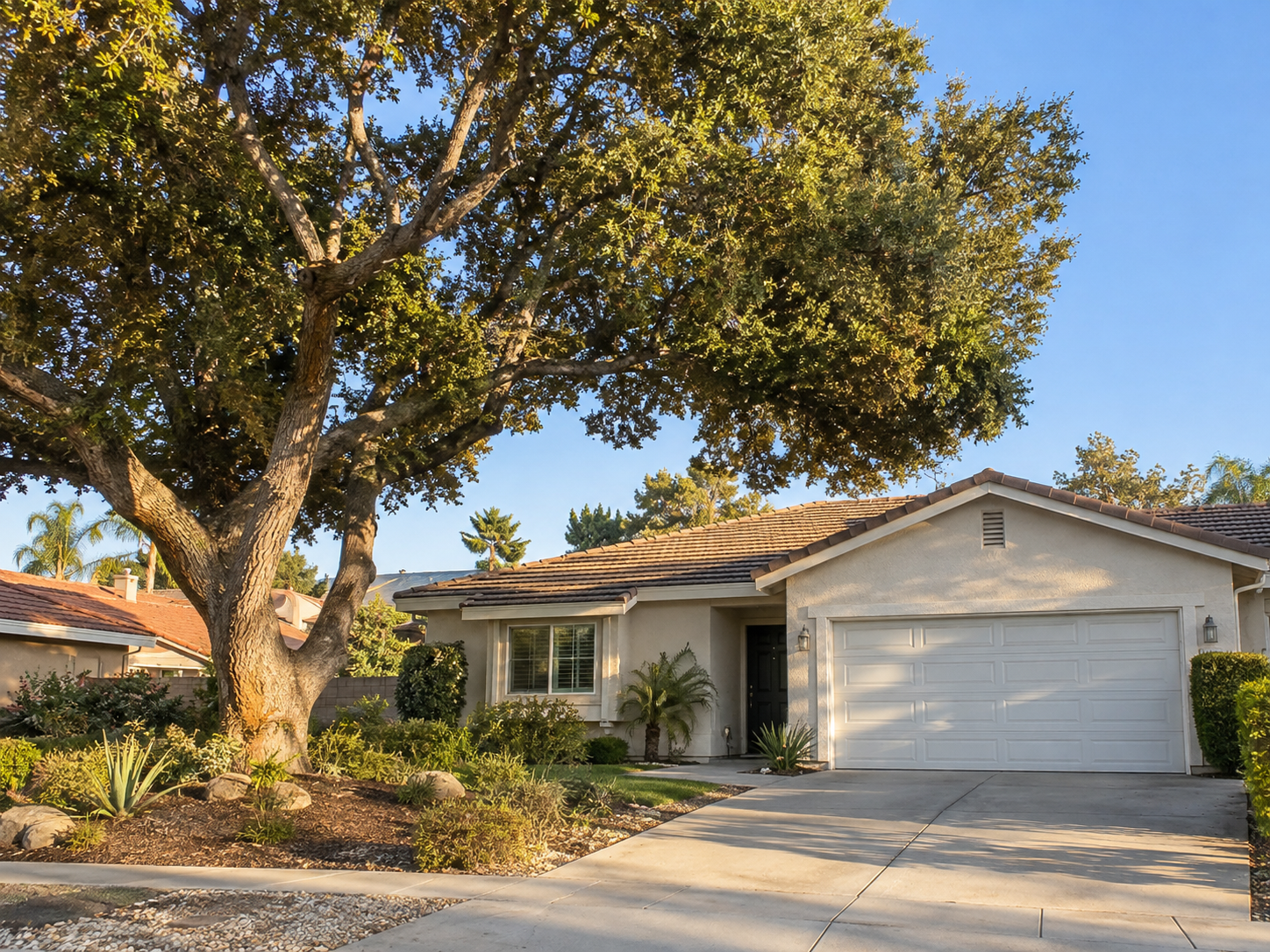
Clearance should be evaluated when limbs hang low, scrape surfaces, or block sight lines after storms or growth spurts. For tree branches over roof driveway West Covina, schedule a check before peak wind or fire season. Tree Service Perfection West Covina helps owners judge safe gaps, reduce debris risk, and plan pruning without guesswork. Key takeaways  Inspect roof and driveway gaps after major growth or weather. Prioritize limbs that touch shingles, gutters, or vehicle paths. West Covina heat and wind make seasonal rechecks practical. Document height, species, and access before any services work.
By John Constantine • September 17, 2026
Learn what causes dead branches to keep falling from trees in West Covina, how to spot warning signs, prevent hazards, and when professional tree care may be needed.
September 15, 2026
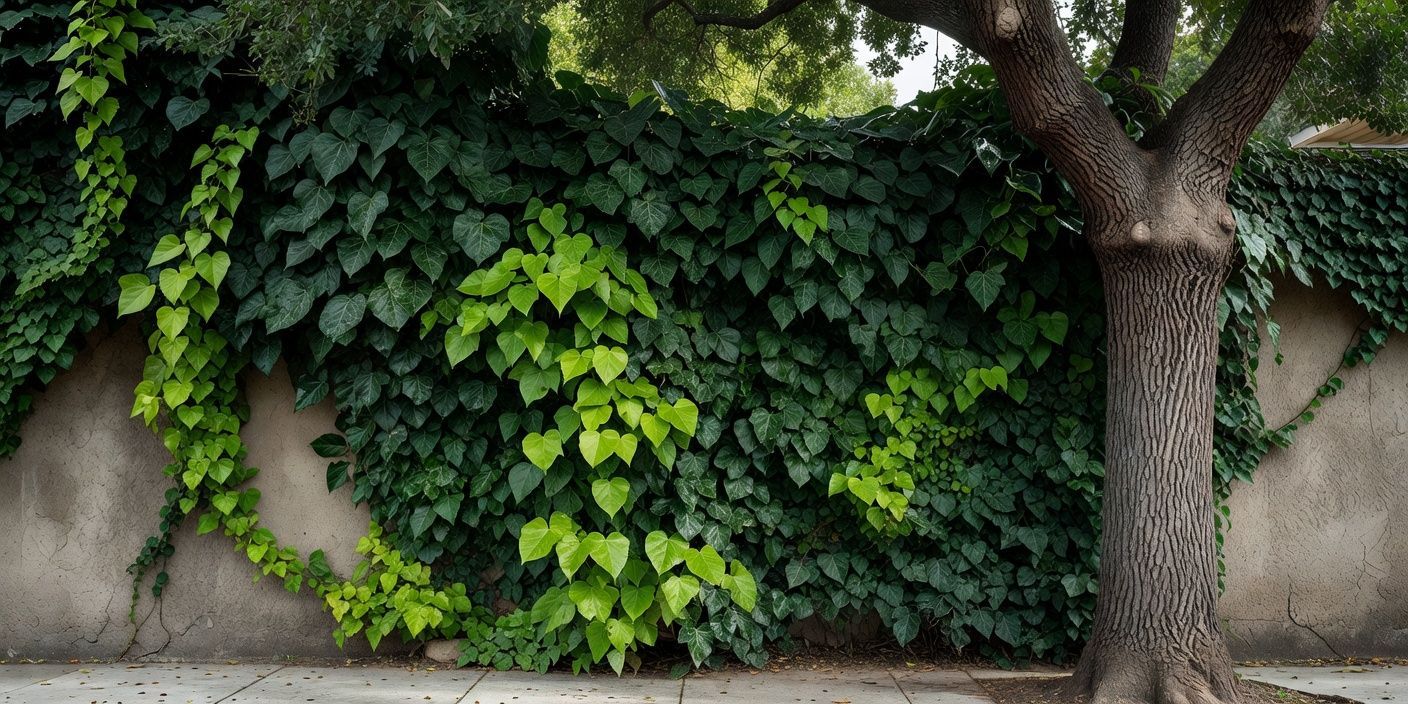
Yes, ivy can harm trees, walls, and fences when roots grip bark, mortar, and wood. For ivy removal from trees and walls West Covina, act before vines thicken and trap moisture. Tree Service Perfection West Covina helps property owners and managers cut risk, protect structures, and plan safe cleanup on local lots. Key takeaways Ivy can girdle trunks, hide decay, and stress mature trees. Roots and holdfasts can loosen mortar, stucco, and fence boards. Early cutting and root control reduce regrowth and structural wear. Local crews match methods to species, access, and property layout.