Ivy Removal from Trees and Walls West Covina Guide
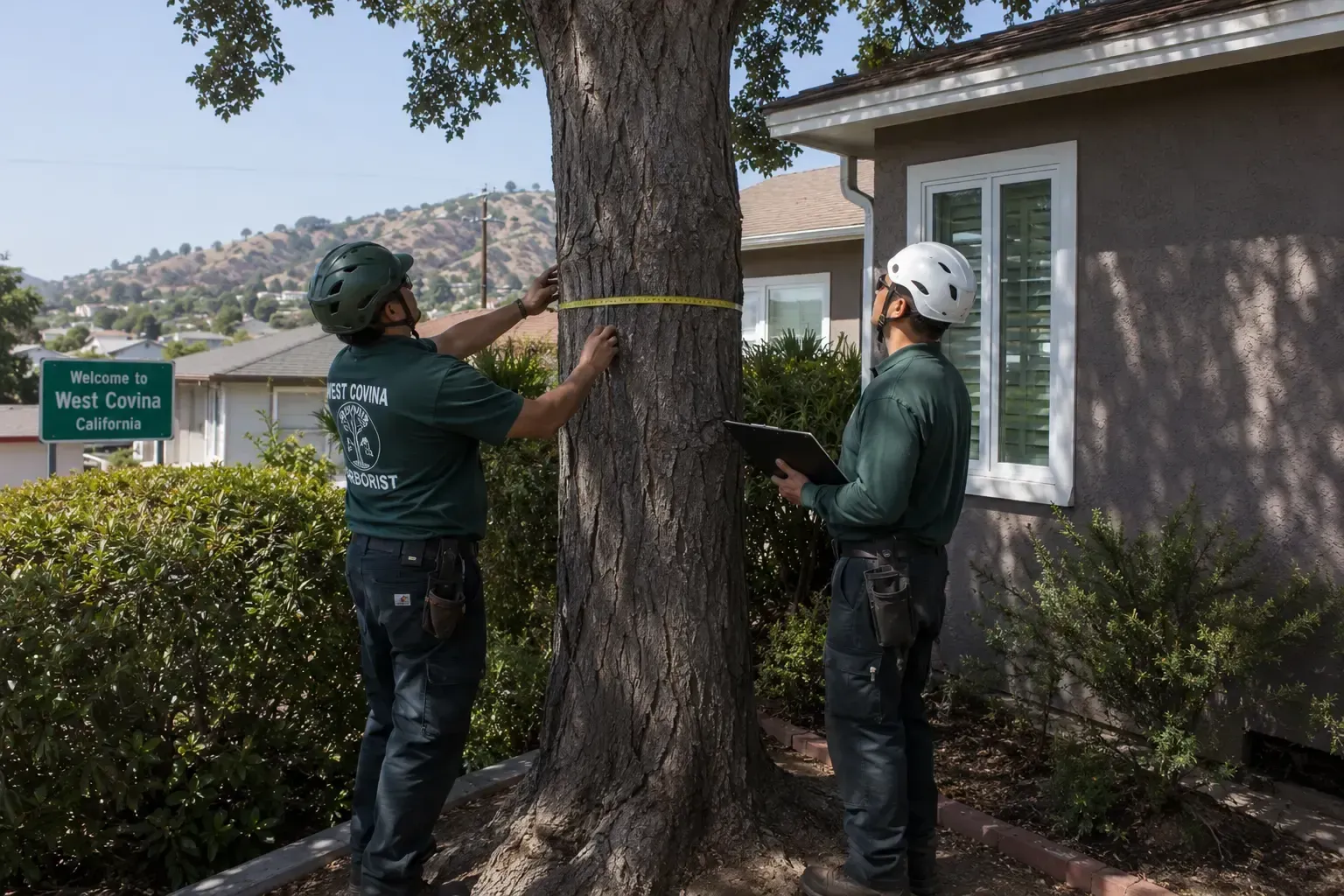
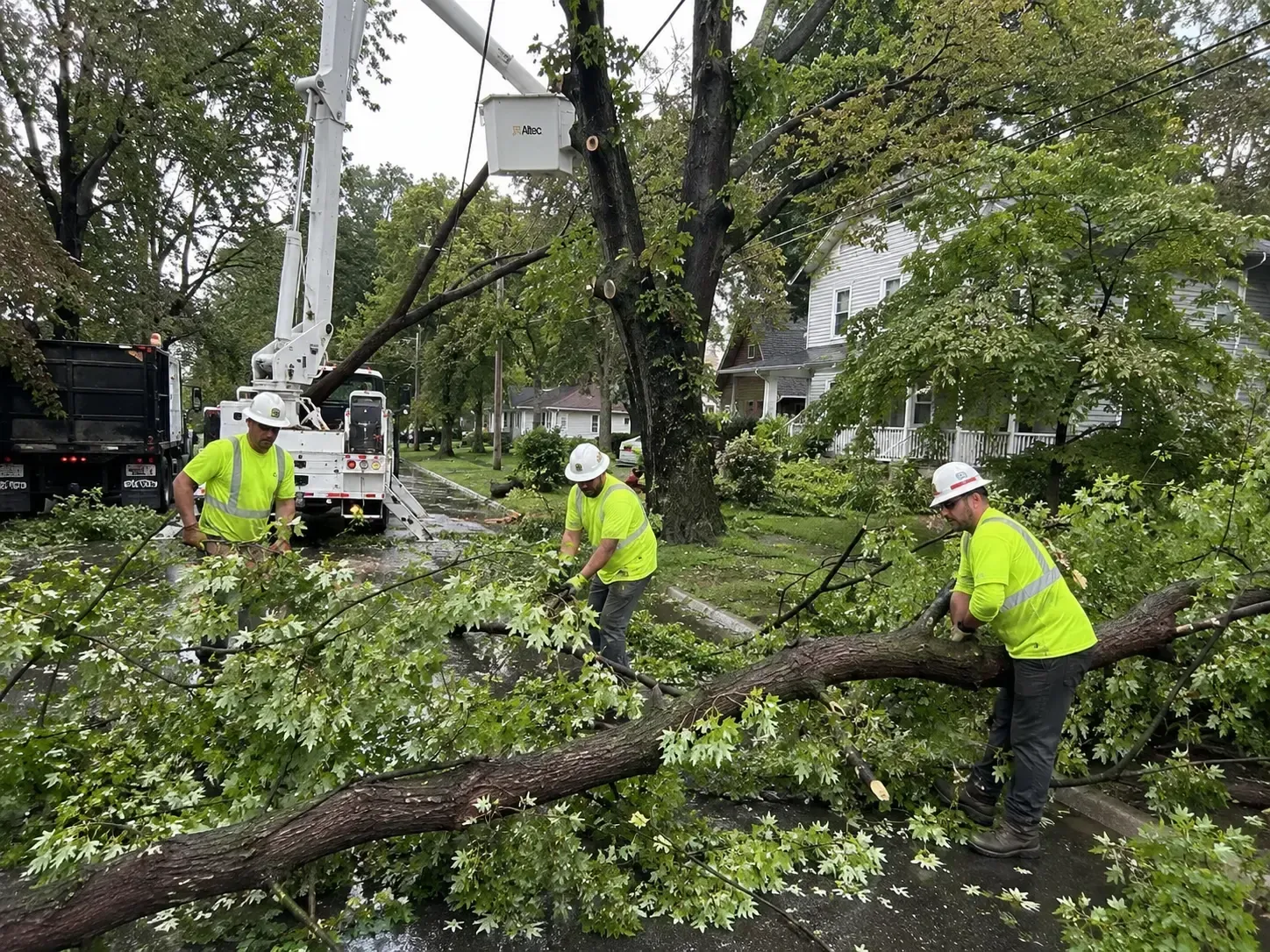
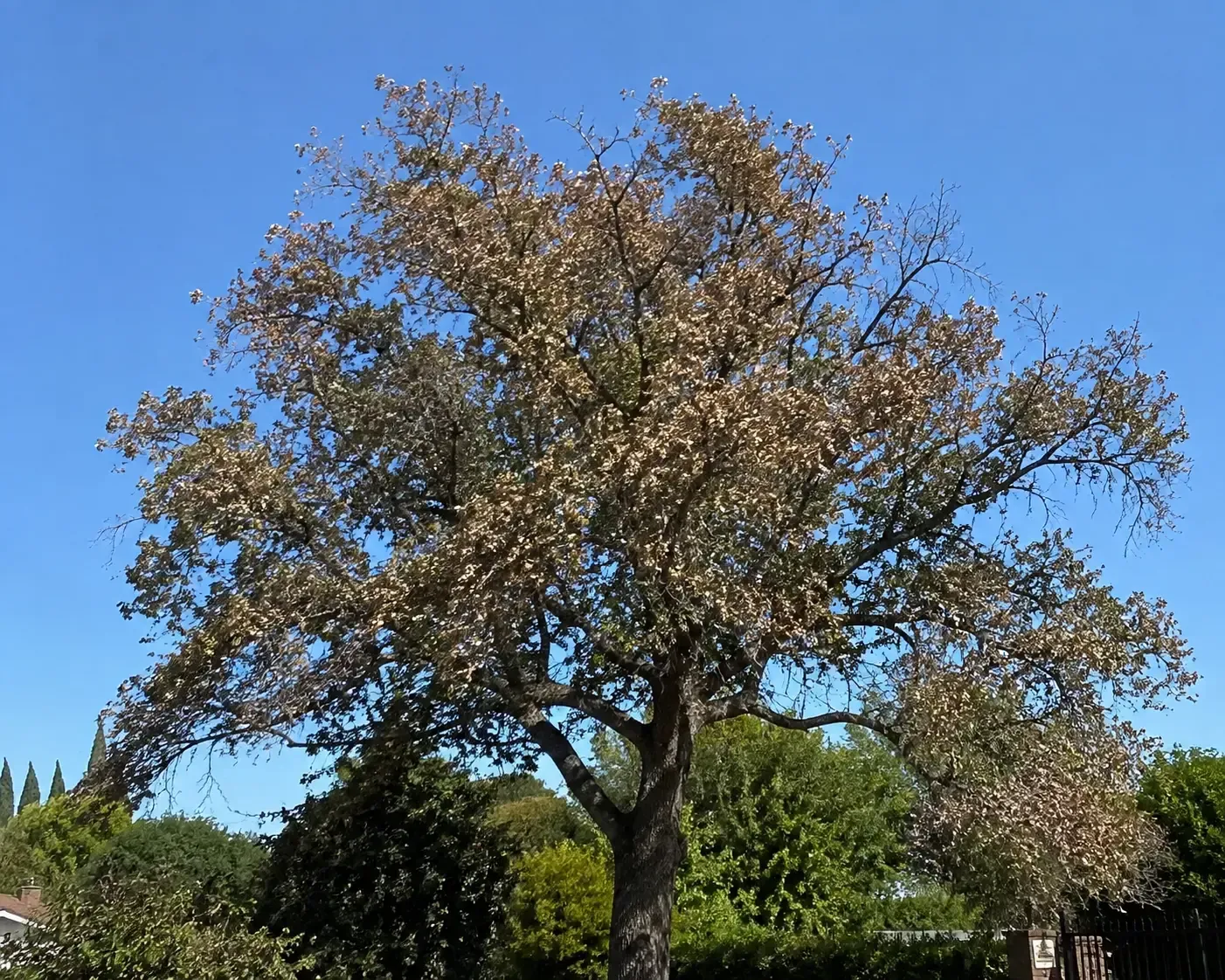
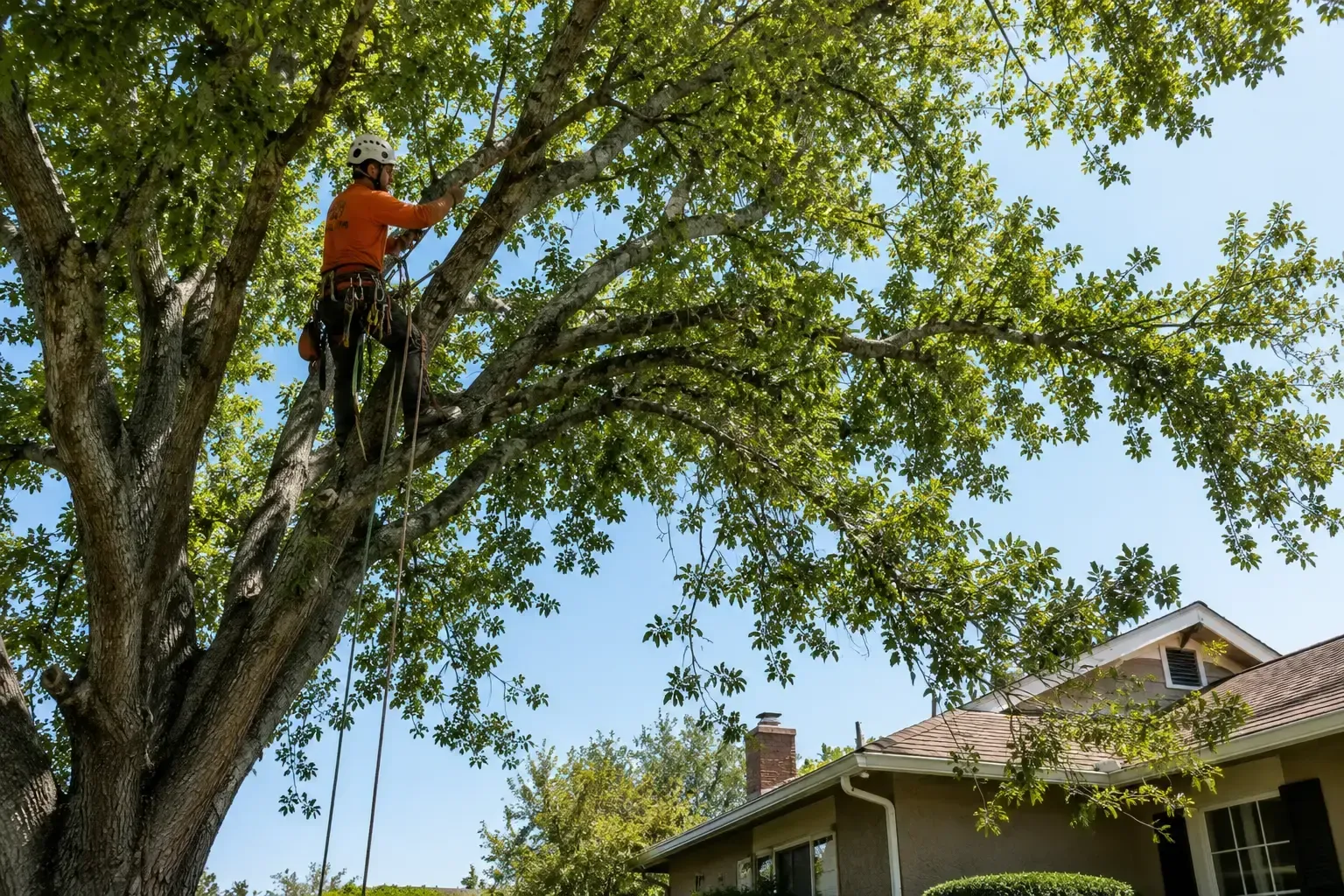
Yes, ivy can harm trees, walls, and fences when roots grip bark, mortar, and wood. For ivy removal from trees and walls West Covina, act before vines thicken and trap moisture. Tree Service Perfection West Covina helps property owners and managers cut risk, protect structures, and plan safe cleanup on local lots.
Key takeaways
- Ivy can girdle trunks, hide decay, and stress mature trees.
- Roots and holdfasts can loosen mortar, stucco, and fence boards.
- Early cutting and root control reduce regrowth and structural wear.
- Local crews match methods to species, access, and property layout.
Can ivy damage trees, walls, and fences in West Covina?
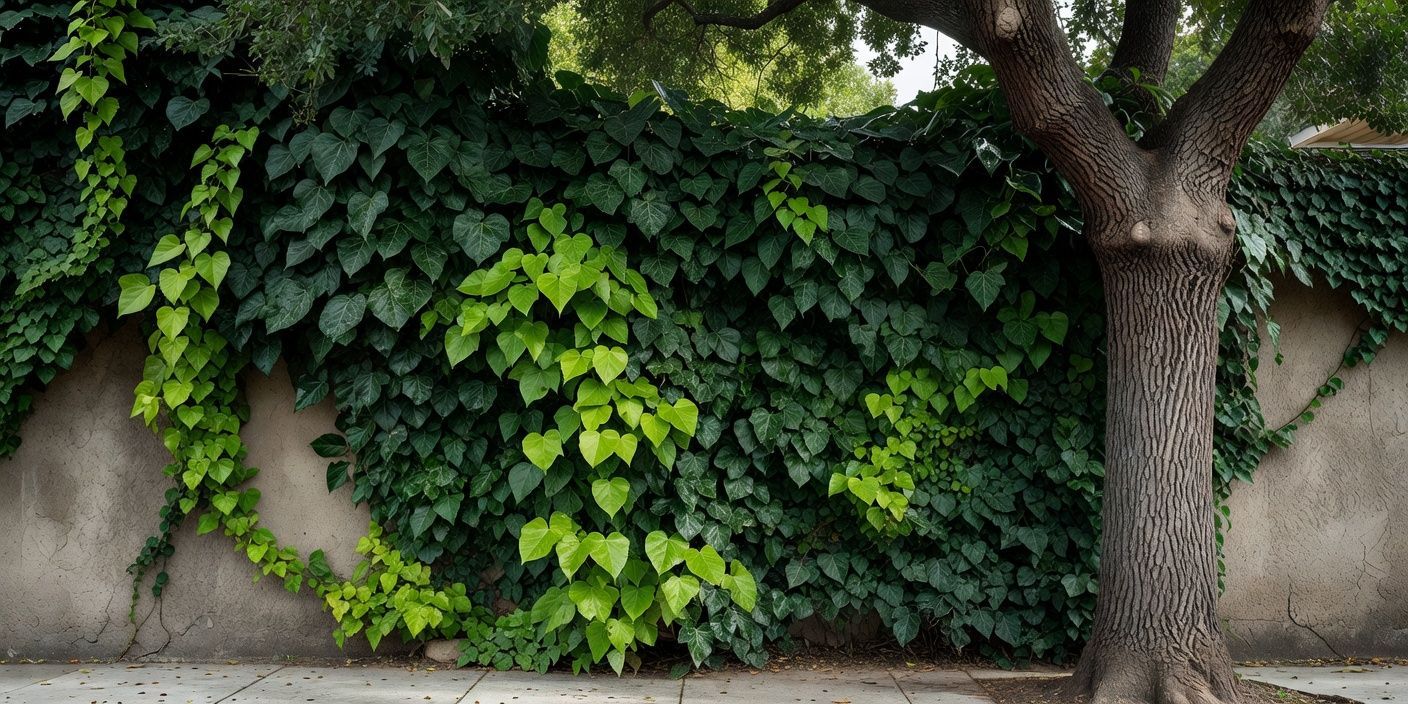
Ivy can damage trees by shading foliage, adding weight, and wrapping trunks so bark stays wet and pests hide; on walls and fences it drives roots into joints, lifts paint and mortar, and holds moisture against wood or stucco until boards warp and finishes fail, so timely services matter.
Which surfaces need ivy removal from trees and walls West Covina first?
Prioritize live trees with trunk-wrapping vines, then stucco or masonry with joint penetration, then wood fences holding moisture; that order limits girdling, mortar loss, and board rot while you plan full ivy removal from trees and walls West Covina with a local crew that matches access and species.
| Surface | Best for early action | Watch-out |
|---|---|---|
| Mature trees | Cut vines at base before canopy shade and trunk wrap worsen | Leaving aerial stems can hide decay and pests |
| Stucco walls | Clear holdfasts near cracks and weep areas | Aggressive scraping can scar finish |
| Brick or block | Remove growth from mortar joints first | Roots can reopen soft joints after rain |
| Wood fences | Strip vines that trap damp against boards | Nails and rails may already be loose |
West Covina heat and irrigation keep soil moist along foundations, so ivy rebounds if roots stay active. Work from the ground up: sever stems, free bark gently, and avoid stripping live cambium. On walls, lift vines rather than yanking through soft mortar. Fence runs need board-by-board checks for rot.
The About approach favors controlled cuts and debris haul-off suited to hillside lots and tight side yards. When you are ready for a walkthrough and next-step plan, contact the team with photos of trunks, joints, and fence lines.
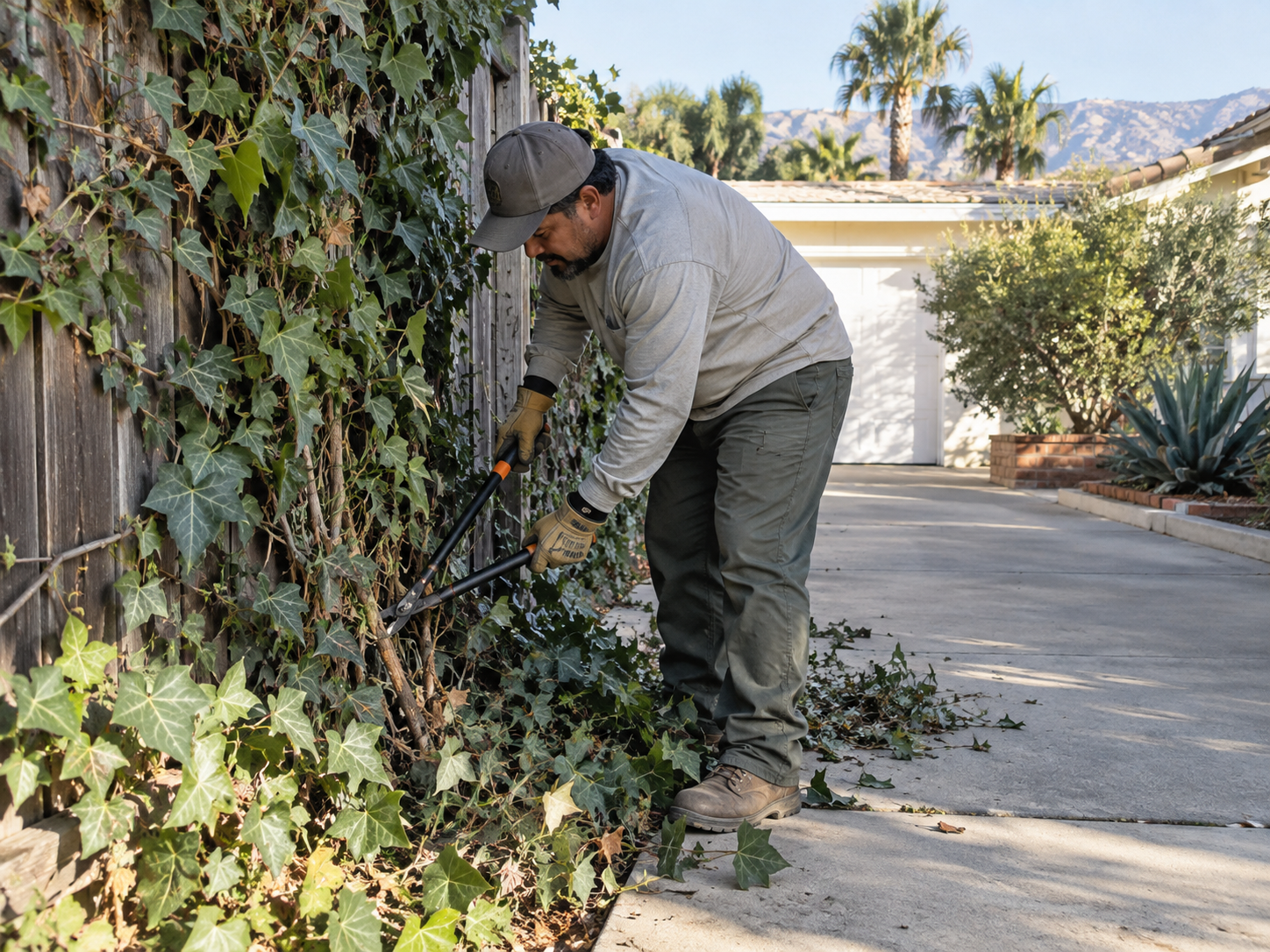
Which Surfaces Need Ivy Removal First in West Covina?
On most West Covina lots, prioritize living trees and wood fences before masonry when planning ivy removal from trees and walls West Covina, because vines girdle bark, trap irrigation moisture, and hide decay faster than they open mortar; walls still matter near cracks, but delayed fence and trunk work often costs more in replacements than early stucco cleanup.
Trees lose canopy light and trunk health when stems wrap tight through summer heat. Cut ground stems first, then free bark without peeling live tissue. Leave dried aerial growth only if a pro will clear it safely later.
Wood fences along side yards stay damp under dense cover. Strip boards section by section and check rails for soft spots before paint or stain. Rebounding roots near sprinklers need follow-up so new shoots do not reattach overnight.
Stucco and brick tolerate short delays if joints stay sound, yet holdfasts near weeps still deserve gentle lift rather than aggressive scraping.
Tree Service Perfection West Covina pairs that sequence with
services aimed at access-limited yards and mixed surfaces.
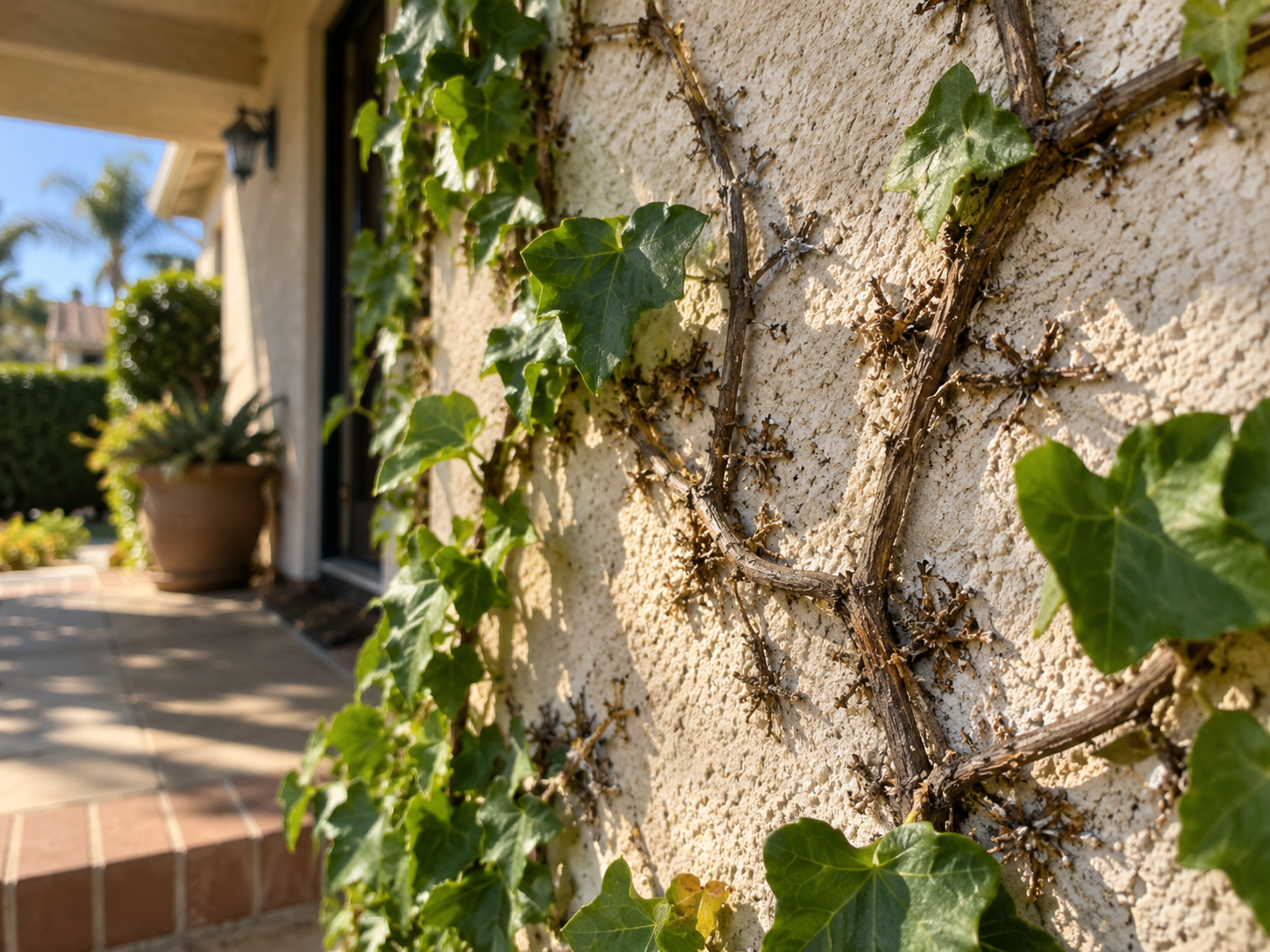
How Does Ivy Harm Trees Versus Hardscape?
Ivy removal from trees and walls West Covina starts with living wood because climbing stems shade leaves, bind trunks, and hold moisture against bark through hot, dry summers, while walls and fences mainly face holdfast scars, trapped damp, and hidden soft spots that worsen when vines stay attached through irrigation cycles.
On trees, dense cover reduces light to lower limbs and can stress canopy recovery after heat. Tight wraps also make decay harder to spot until pruning or removal is already overdue. Free the trunk carefully so bark stays intact.
On walls and fences, roots and aerial roots keep boards and joints wet longer after watering. Soft rails and cracked stucco show up first along shaded side yards. Early strip work limits replacement scope compared with waiting for full collapse of cover.
What Signs Mean Ivy Should Come Off Now?
Act when stems thicken at the base, bark looks compressed, fence boards feel soft, or mortar shows fresh cracks under holdfasts, because those cues mean ivy removal from trees and walls West Covina will cost less than deferred trunk, rail, or stucco repairs after another growth season.
Watch for yellowing lower foliage on host trees and for vines bridging from soil to canopy without a clear break. That pattern often means continuous feeding from the root mass.
On hardscape, look for peeling paint lines, dark damp bands behind leaves, and vines entering gaps near posts or weep holes. Photograph problem spans before cutting so you can track regrowth after the first pass.
Safe DIY Limits Versus Calling a Crew
Homeowners can cut ground-level stems and clear low fence runs when access is open and no power lines or tall trunks are involved, yet climbing work, large canopy ivy, and brittle stucco near openings belong with a trained crew for ivy removal from trees and walls West Covina so bark, finish, and fall zones stay protected.
DIY fits short sections of wood fence and isolated stems you can sever at soil line without ladders. Bag debris so fragments do not root in mulch beds.
Call pros when vines crown into upper limbs, when walls face the street with fragile coating, or when irrigation and roots intertwine. The team approach emphasizes controlled cuts, surface-safe release
Preferred Source on Google Search
Add www.covinatreeservice.com to customize your search feed across Top Stories.