What Causes Dead Branches to Keep Falling From Trees in West Covina?

John Constantine • September 17, 2026

ead limbs drop when decay, drought stress, pests, or storm damage weaken wood until it fails. In West Covina, California, heat and wind speed that cycle. Covina Tree Service delivers local Tree Services that find weak attachments early, reduce hazard, and keep canopies safer for homes and streets.
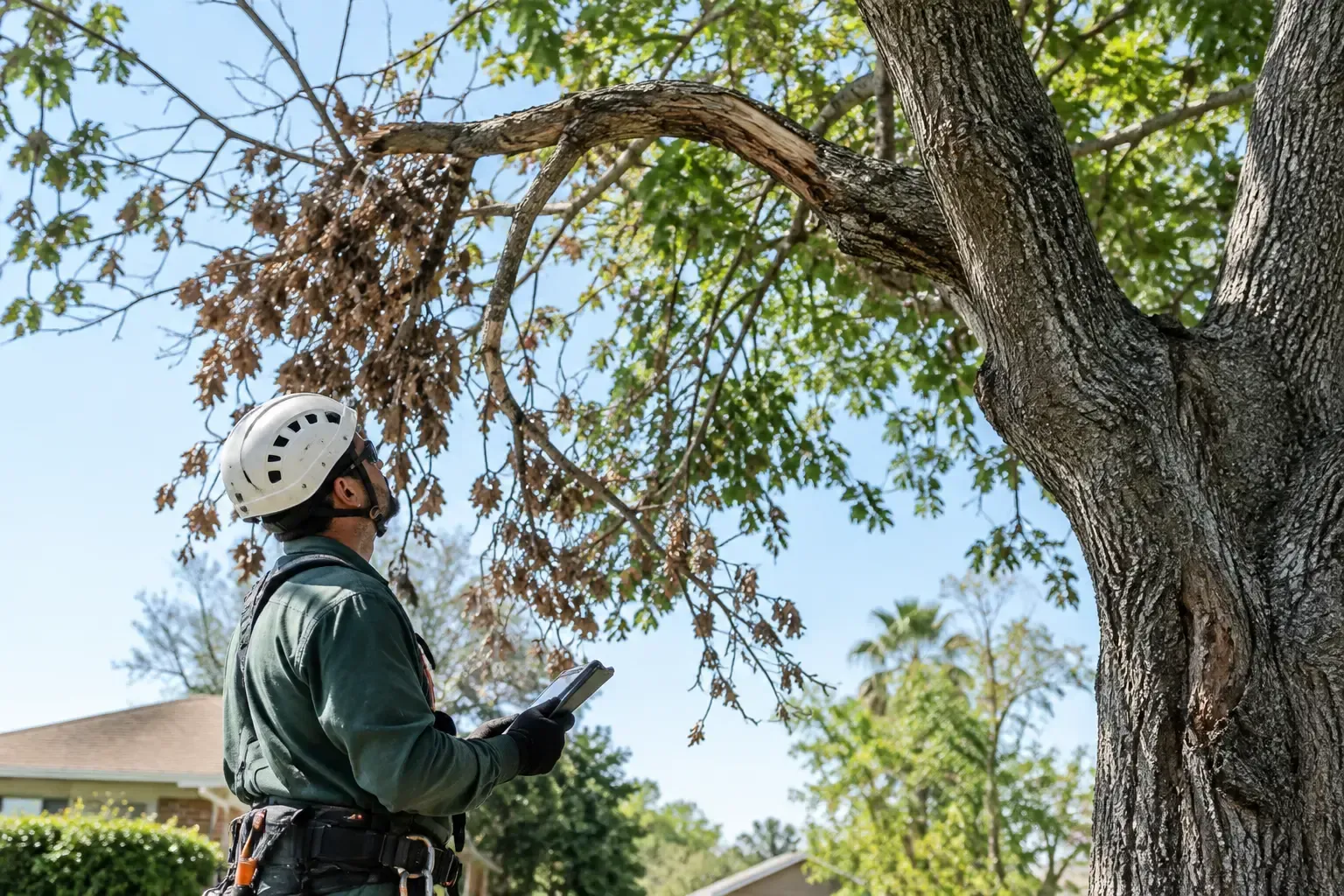
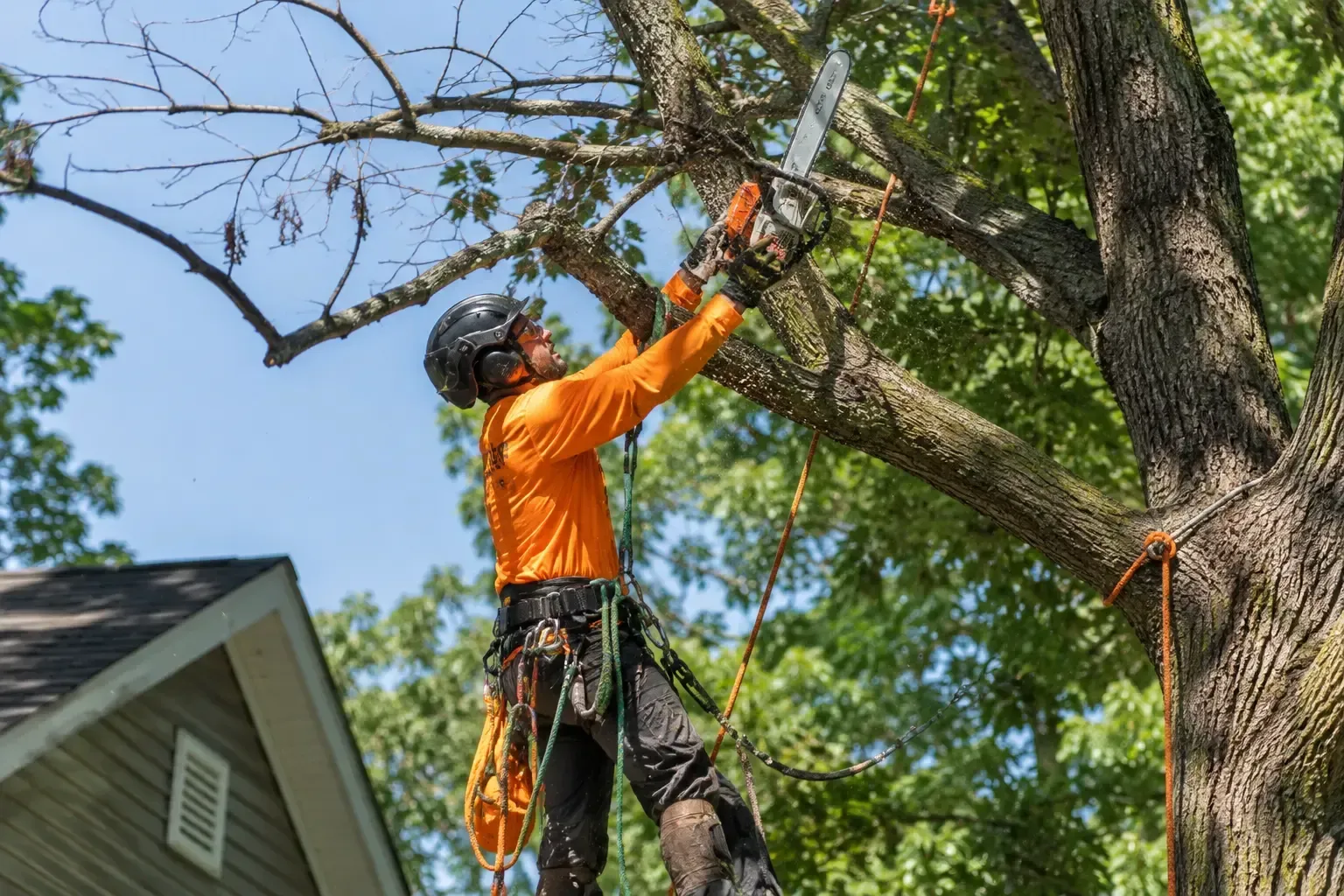
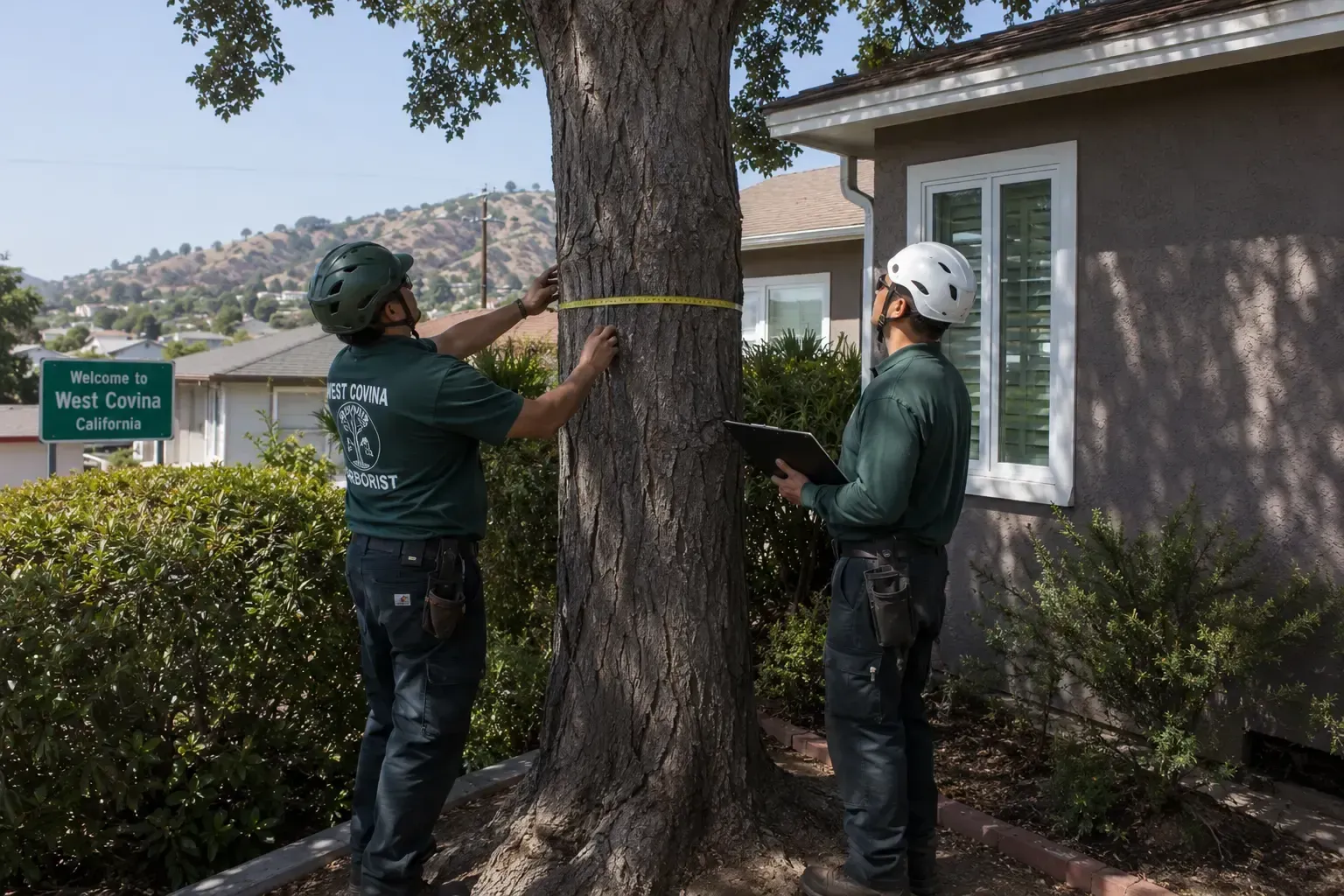
Arborist inspecting a tree with dead branches in a West Covina residential yard.

Key takeaways

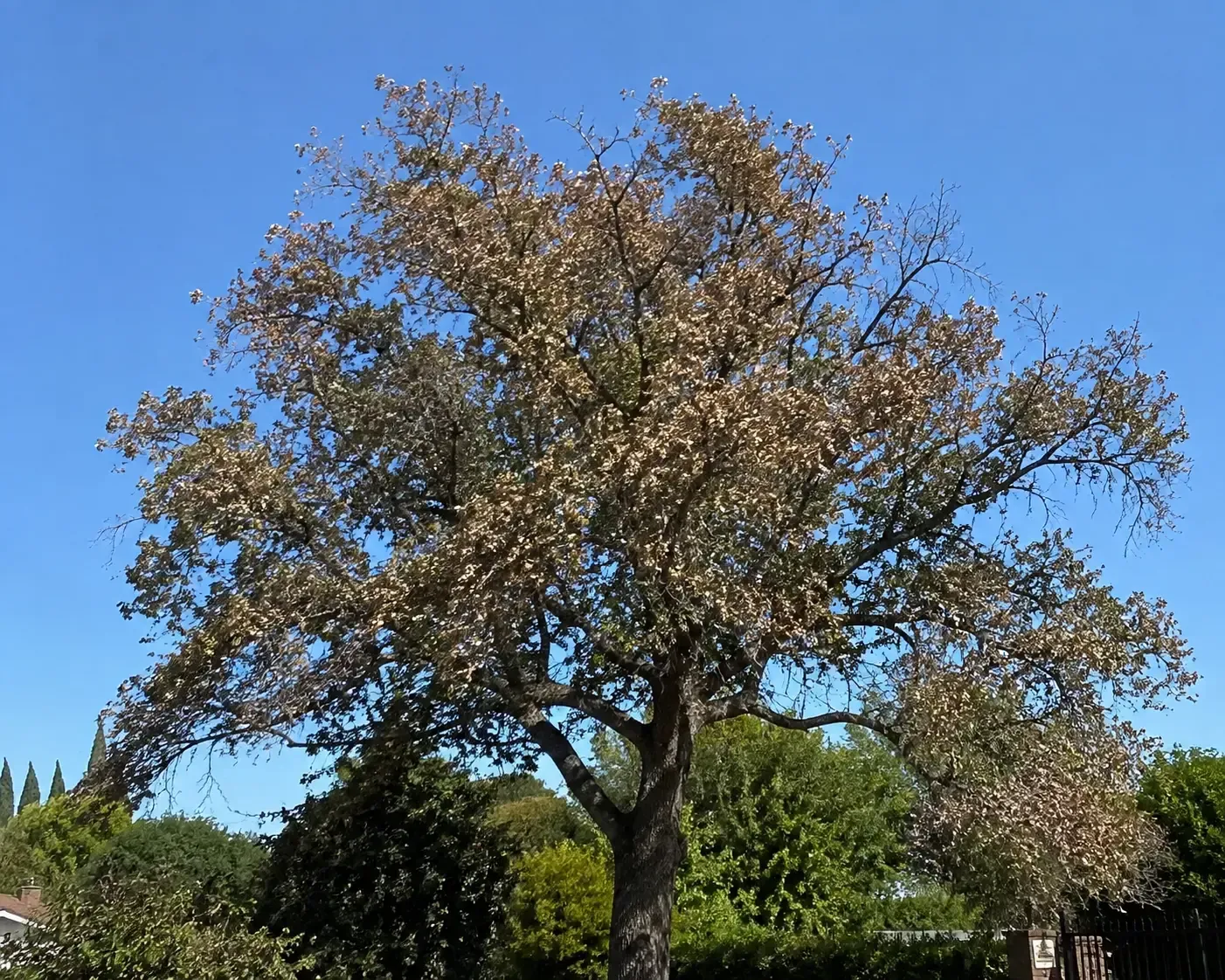
  • Drought and heat kill tips first; dead wood snaps in Santa Ana winds.
  • Fungi and borers hollow limbs until weight exceeds strength.
  • Poor past cuts leave stubs that die back and shed.
  • Routine inspection and pruning cut repeat drop risk.


Why do dead branches keep falling from West Covina trees?

Dead branches keep falling when living tissue dies from water stress, disease, or injury, then gravity and wind finish the break at weak crotches or decay pockets common on local oaks, ash, and eucalyptus. Professional tree care maps those failure points before the next gust. For a property check or hazard prune, contact the team to schedule a next-step visit.


Why limbs keep failing after one clean-up

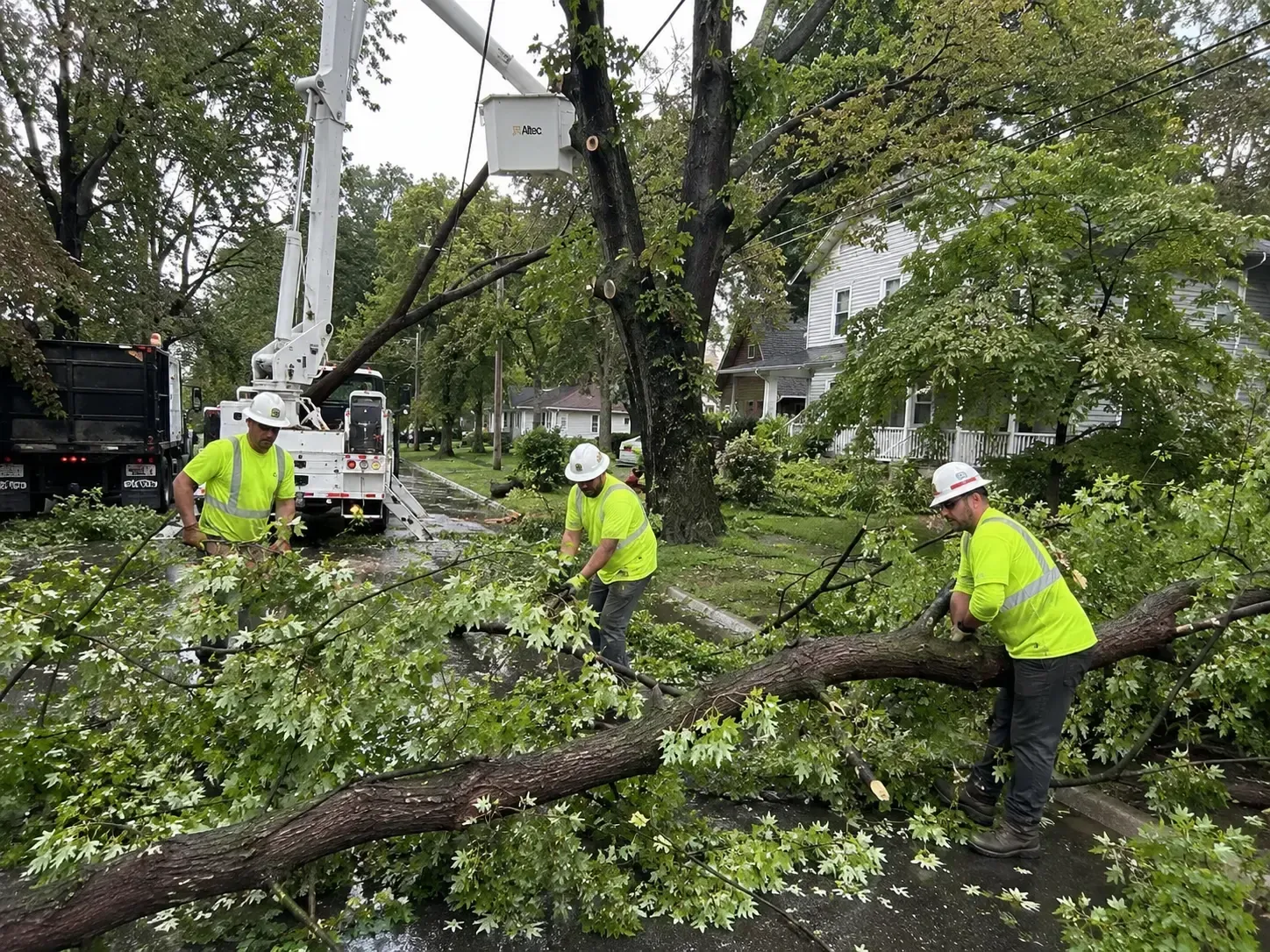
Many properties see repeat drop because only the obvious hangers were cut while hidden decay, tight forks, and dry roots stayed in place. Heat and Santa Ana winds then lever the same weak points until more wood fails onto roofs, cars, and walkways.

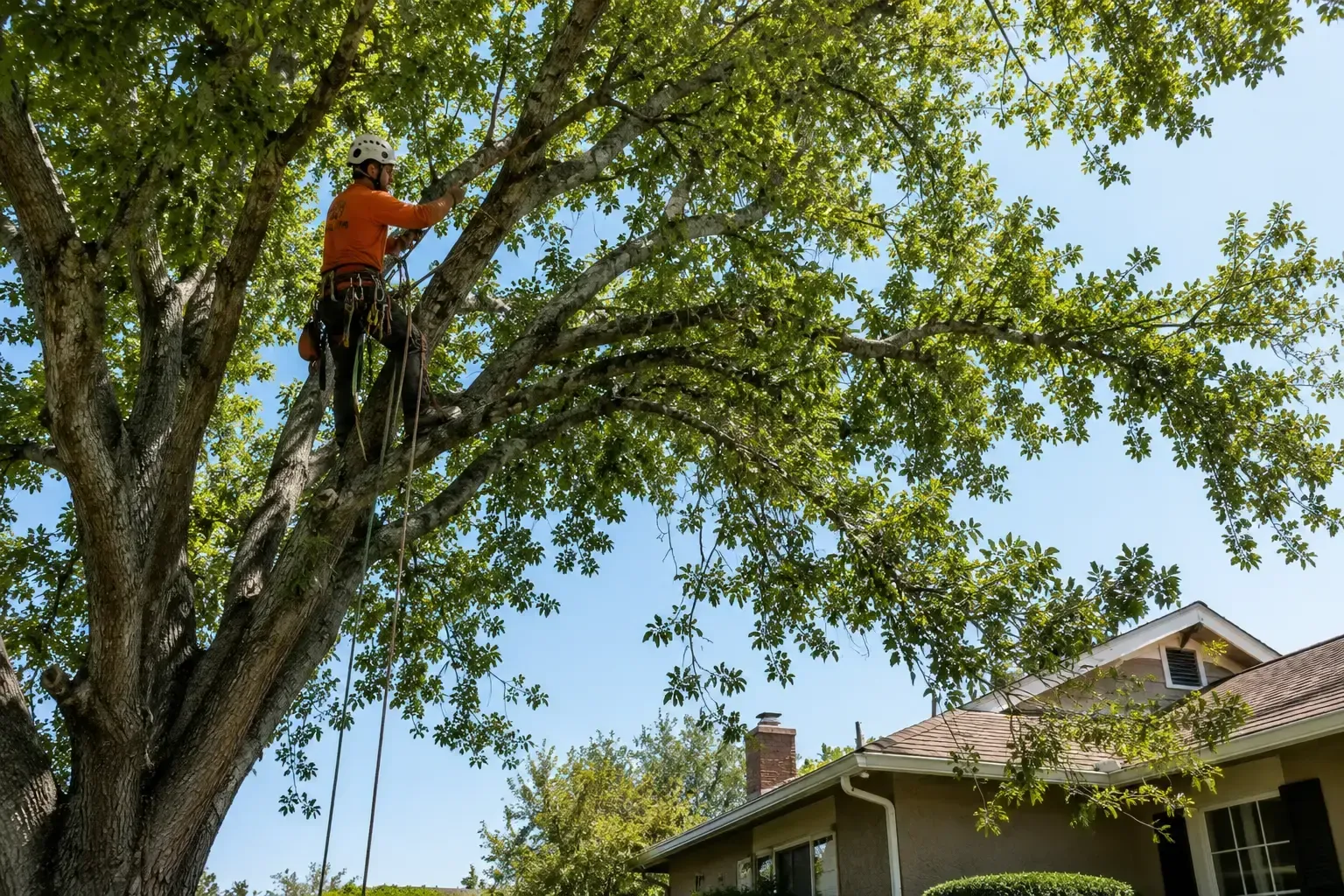
A second pass that lightens ends, opens collars, and restores drip-line moisture usually stabilizes the canopy for the season.


Common triggers side by side

Trigger What you notice Typical local fix
Drought stress Brittle tips, thin canopy Deep drip-line water, mulch
Decay / pests Soft collars, exit holes Remove failed wood only
Weak unions Cracks, included bark End-weight reduction
Wind load Sudden large drops Selective thinning, no topping

Seasonal timing in West Covina

Late winter through early spring pruning lets cuts seal before peak heat. Summer work stays limited to hazard wood so live tissue is not shocked. After Santa Ana events, a quick ground check catches new cracks before they shed.


Modest mulch and infrequent deep water keep parkway roots cooler through dry spells and slow further dieback without constant irrigation.


Frequently Asked Question

  • What causes dead branches to keep falling from trees in West Covina?

    Repeated drop usually comes from leftover decay, codominant stems, drought-stressed roots, and wind leverage acting together.

  • How do Tree Services stop ongoing branch drop?

    Professional Tree Services map bare stubs, soft collars, and tight forks, then cut outside the branch collar, lighten end weight, and avoid topping. Crews pair that work with drip-line watering and mulch so remaining canopy holds through local heat instead of failing again after the first clean-up.


  • Can I remove hanging dead limbs myself safely?

    Ground photos help, but ladder cuts and pulling often worsen splits and send wood onto roofs or fences. Sound wood thickness and crotch strength need professional judgment. Tree Services crews use binoculars, sounding, and rigging so pieces land in controlled zones instead of uncontrolled freefall.

Preferred Source on Google Search

Add www.covinatreeservice.com to customize your search feed across Top Stories.
Add as Preferred Source
September 15, 2026
Yes, ivy can harm trees, walls, and fences when roots grip bark, mortar, and wood. For ivy removal from trees and walls West Covina, act before vines thicken and trap moisture. Tree Service Perfection West Covina helps property owners and managers cut risk, protect structures, and plan safe cleanup on local lots. Key takeaways Ivy can girdle trunks, hide decay, and stress mature trees. Roots and holdfasts can loosen mortar, stucco, and fence boards. Early cutting and root control reduce regrowth and structural wear. Local crews match methods to species, access, and property layout.
September 8, 2026
For property owners researching palm tree trimming West Covina , the right timing depends on the palm's condition, species, location, and potential hazards—not simply the calendar. Completely dead fronds, hazardous hanging material, and unwanted fruit stalks may justify pruning, while healthy green fronds usually should remain.  West Covina's climate and varied landscapes make regular inspections useful. This guide explains when to schedule maintenance and avoid practices that weaken palms.
September 1, 2026
Choosing professional tree trimming versus topping protects structure, safety, and long-term canopy health on West Covina properties. Topping removes large upper limbs and weakens the tree; proper trimming targets select branches for clearance, balance, and vigor. Tree Service Perfection West Covina helps owners and managers make that call with clear, site-specific guidance. Key takeaways Trimming follows the tree’s natural form; topping does not. Topping invites decay, weak sprouts, and higher storm risk. Correct cuts preserve strength and reduce future hazard work. Local pros match methods to species, site, and safety goals. 
By John Constantine August 25, 2026
Key Takeaways and Insights Understanding why tree leaves turn brown is crucial for protecting your property value and ensuring landscape safety. This guide explores common environmental stressors like drought, over-watering, and pest infestations that plague local Southern California yards. By accurately diagnosing these symptoms early, homeowners can take effective action or hire trusted experts to revive their ailing trees. * Drought stress usually causes crispy brown leaf edges, while over-watering leads to soft, limp brown leaves due to root suffocation. * Pests and fungal diseases require immediate attention to prevent the infection from spreading across your entire landscape. * Engaging professional tree care experts is the safest and most effective way to handle severe canopy browning, large branch removal, and complex disease diagnosis. 
August 25, 2026
A mature canopy adds massive aesthetic value to your property. It provides cooling shade during hot summer months. It improves local air quality and supports neighborhood wildlife. A damaged or dying tree poses very serious risks instead. As a responsible property owner, you must catch warning signs early.
By John Constantine August 17, 2026
Learn how tree roots can damage driveways and foundations in West Covina, California. Discover warning signs, risks, and when professional tree services can help.
By John Constantine August 11, 2026
Can overgrown tree branches become a liability on your property? Learn the risks and when professional tree trimming can help protect your West Covina home.
By John Constantine August 4, 2026
Key Takeaways and Insights  California's harsh, dry climate places severe stress on mature residential trees, compromising their root systems and inviting aggressive pest infestations. Homeowners must monitor their landscapes for early signs of dehydration and implement deep, slow watering techniques to protect their property values. Working with professional arborists ensures that large trees remain structural sound and aesthetically pleasing despite prolonged arid conditions. - Most structural tree roots live near the soil surface and dehydrate rapidly during dry spells. - Thirsty trees stop producing defensive sap, making them highly vulnerable to fatal bark beetle attacks. - Proper mulching and deep drip-line watering are the most effective ways to preserve soil moisture for large trees.
By John Constantine July 28, 2026
Discover how proper tree pruning can help trees live longer, improve their health, and reduce safety risks. Learn when to prune your trees with West Covina Tree.
Wondering whether it's cheaper to trim a tree or remove it? Learn the key cost factors, safety consi
By John Constantine July 19, 2026
Wondering whether it's cheaper to trim a tree or remove it? Learn the key cost factors, safety considerations, and when each option makes sense with expert advice.