After Strong Wind: What Tree Damage Should West Covina Owners Photograph?
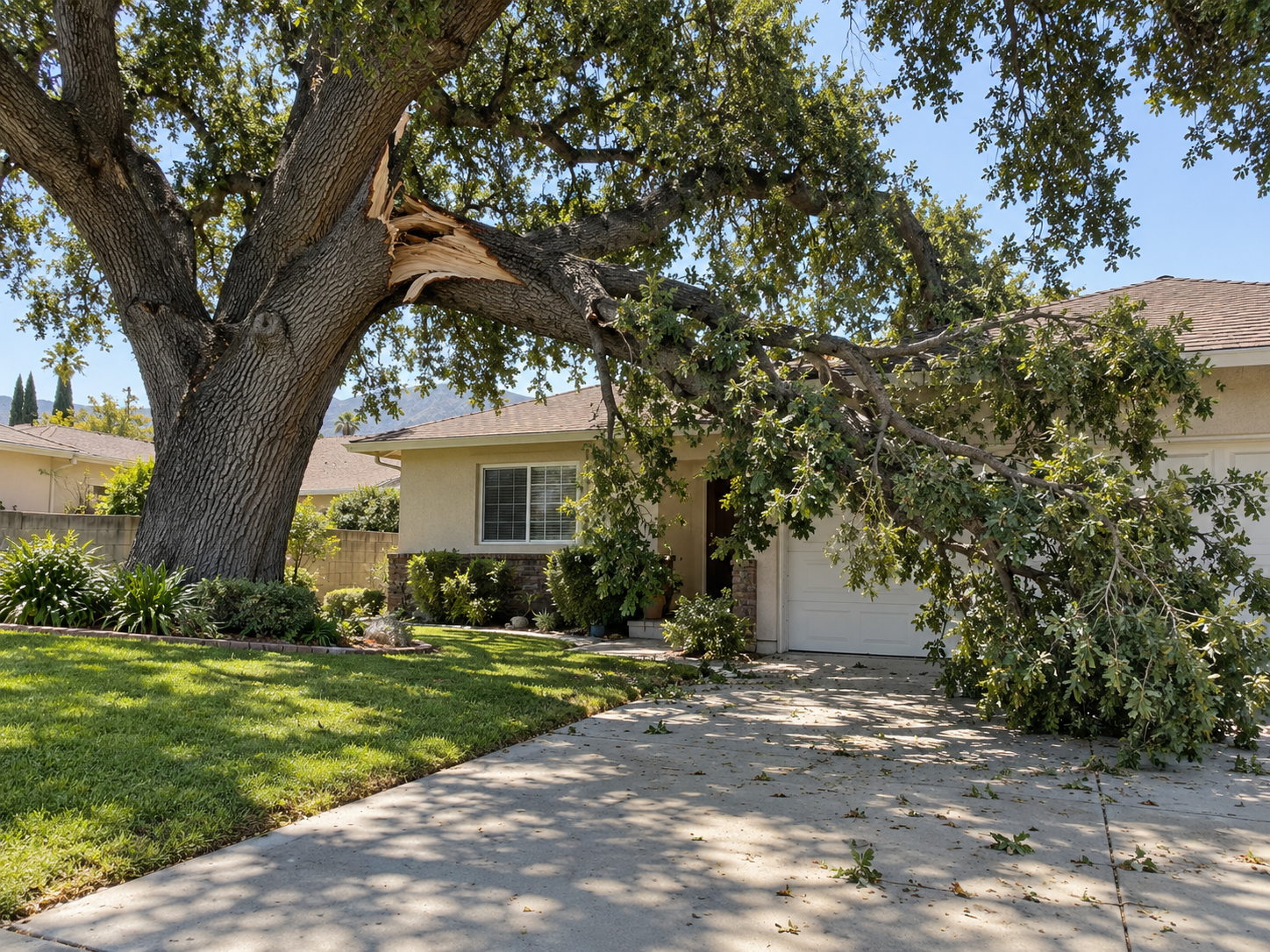
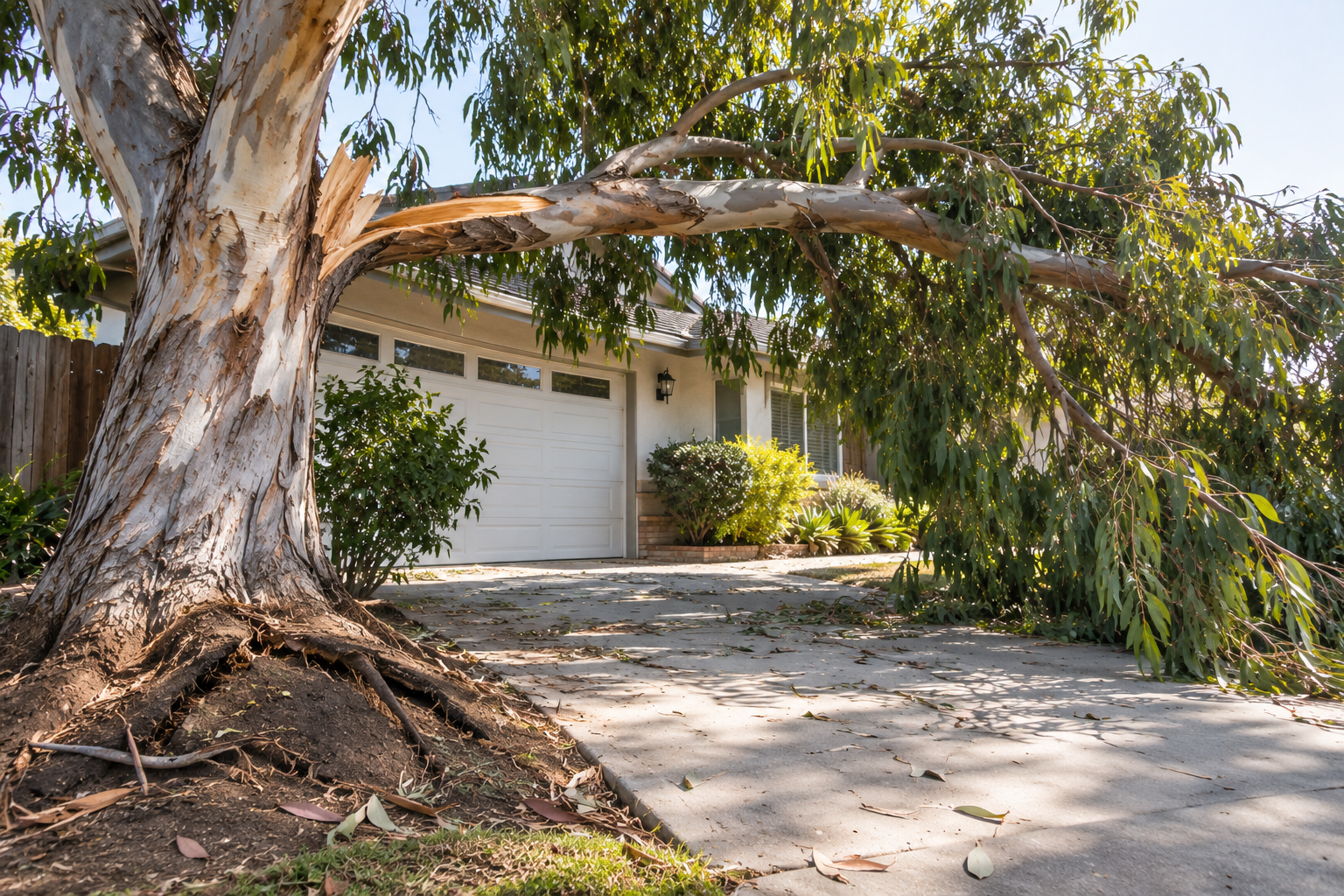
After strong wind, West Covina owners should photograph cracked limbs, leaning trunks, heaved roots, torn bark, and debris near roofs or power lines before cleanup. A prompt tree inspection after wind West Covina documents risk and supports claims. Tree Service Perfection West Covina helps property owners and managers prioritize safe next steps.
Key takeaways
- Shoot wide and close-up views of every suspect limb and trunk.
- Capture root plate lift, soil cracks, and new lean angles.
- Note roof, fence, and wire proximity in the same frames.
- Timestamp photos and keep a simple damage list for adjusters.
What tree damage should you photograph first?
Start with unstable hangers, split crotches, and trunks that lean more than before the storm, plus any roots that lifted or soil that cracked around the base, because these failures can drop without warning and matter most for safety, insurance notes, and a later professional review of your yard. Keep each shot clear and labeled by tree location. When you need services or the team method, plan a walkthrough and contact for scheduling.
Which wind damage photos matter most for claims versus cleanup?
Photograph structural failures first for safety and claims—leaning trunks, lifted root plates, split leaders, and limbs over roofs or lines—then document scattered debris and minor tip breakage mainly for cleanup scope, because adjusters and crews weigh different frames when you request a tree inspection after wind West Covina and need a clear before-and-after record.
| Focus | Best for | Watch-out |
|---|---|---|
| Lean and root heave | Claims, hazard priority | Stand clear; shoot from two angles |
| Split crotch or hanging limb | Safety and removal quotes | Include ground reference objects |
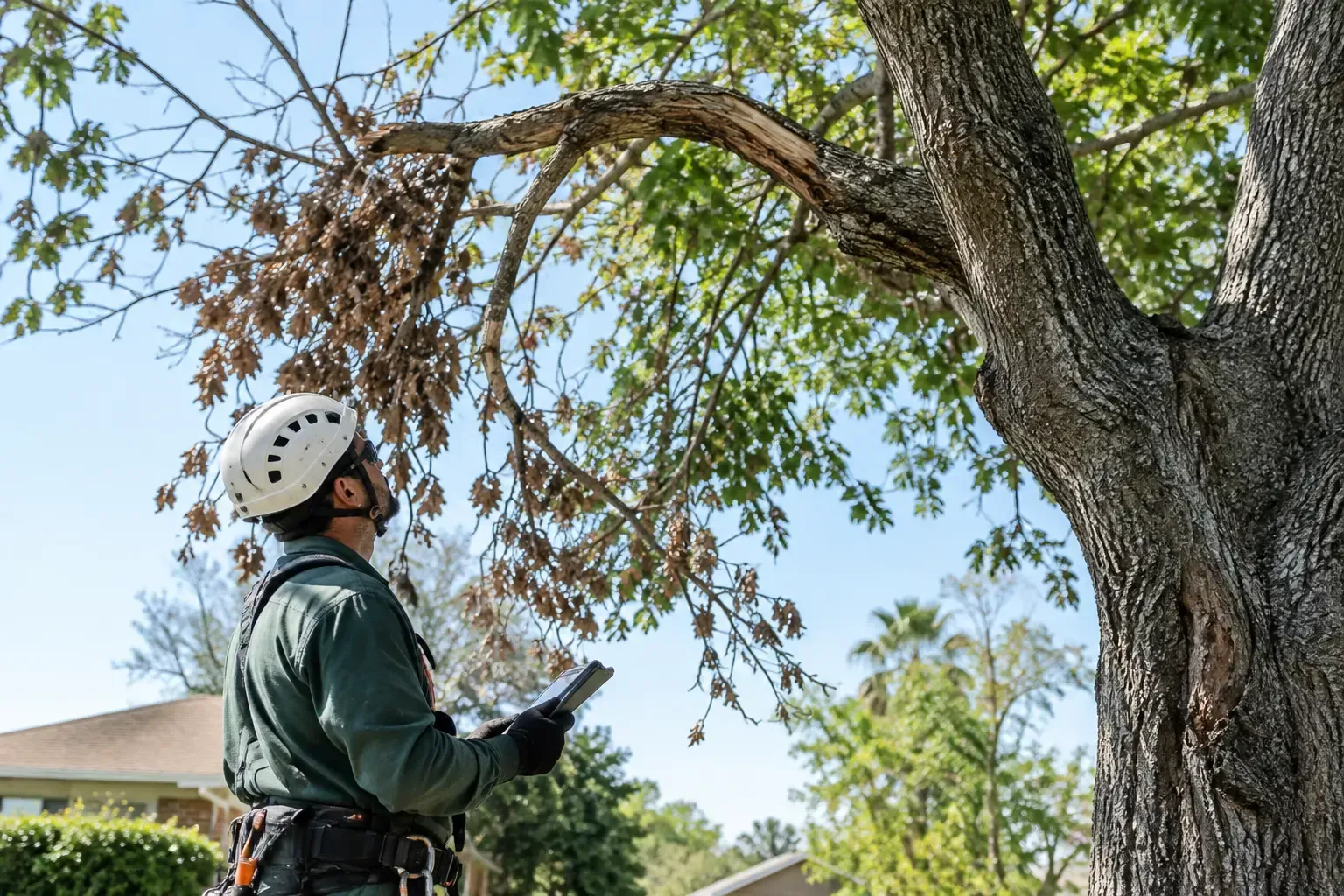
| Torn bark and canopy gaps | Health follow-up | Avoid climbing for close-ups |
| Fence, roof, wire contact | Liability and adjusters | Show distance without entering hazard |
Keep paragraphs short and files named by address and tree side. Wide shots show context; tight shots show cracks and soil lift. Add a simple note of wind direction if you know it.
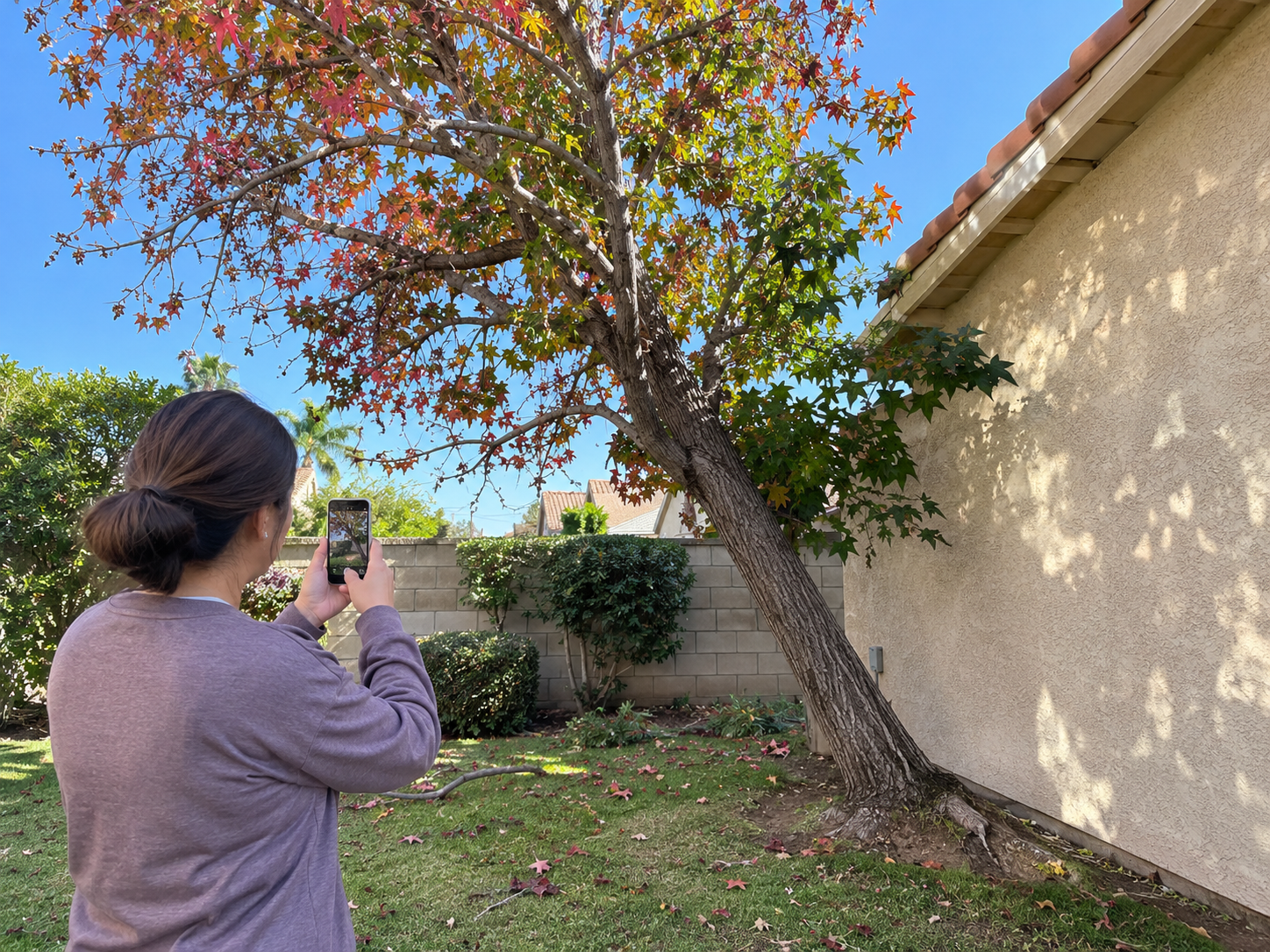
When framing next steps, use services for removal or pruning options and the about page for how crews assess risk. For a same-week walkthrough, contact with your photo set ready.
Which Damage Photos Should You Prioritize for Insurance Versus Cleanup?
Insurance and hazard review need clear frames of leaning trunks, lifted root plates, split leaders, and limbs touching roofs or lines after a storm, while cleanup crews mainly need wide views of scattered limbs and tip breakage so a tree inspection after wind West Covina can separate safety claims from debris scope without mixed, unclear files.
Shoot structural failures first from a safe distance. Include two angles and a ground object for scale. Name files by street side and tree.
Cleanup shots can wait until the site is stable. Capture piles, broken tips, and open canopy gaps. Keep each frame simple so estimators see volume, not just drama.
Wide context plus one tight crack or soil-lift shot usually beats dozens of similar debris images. Note wind direction if you remember it. Avoid climbing or standing under hangers.
When you need removal or pruning options, review services. Crew method and risk checks are outlined on about. Tree Service Perfection West Covina can align photos with local conditions. Send your set through contact for a same-week walkthrough.
After high winds, West Covina owners should also note soil heave around mature roots, fresh lean against fences, and any conductor contact before crews arrive. A focused tree inspection after wind West Covina starts with those frames so risk and debris stay separate in your file set.
Photograph cracked crotches and partially detached bark only from clear ground. Keep people and pets out of the shot. Label each image with address side and species if known so estimators match trees to claims without a second site visit.
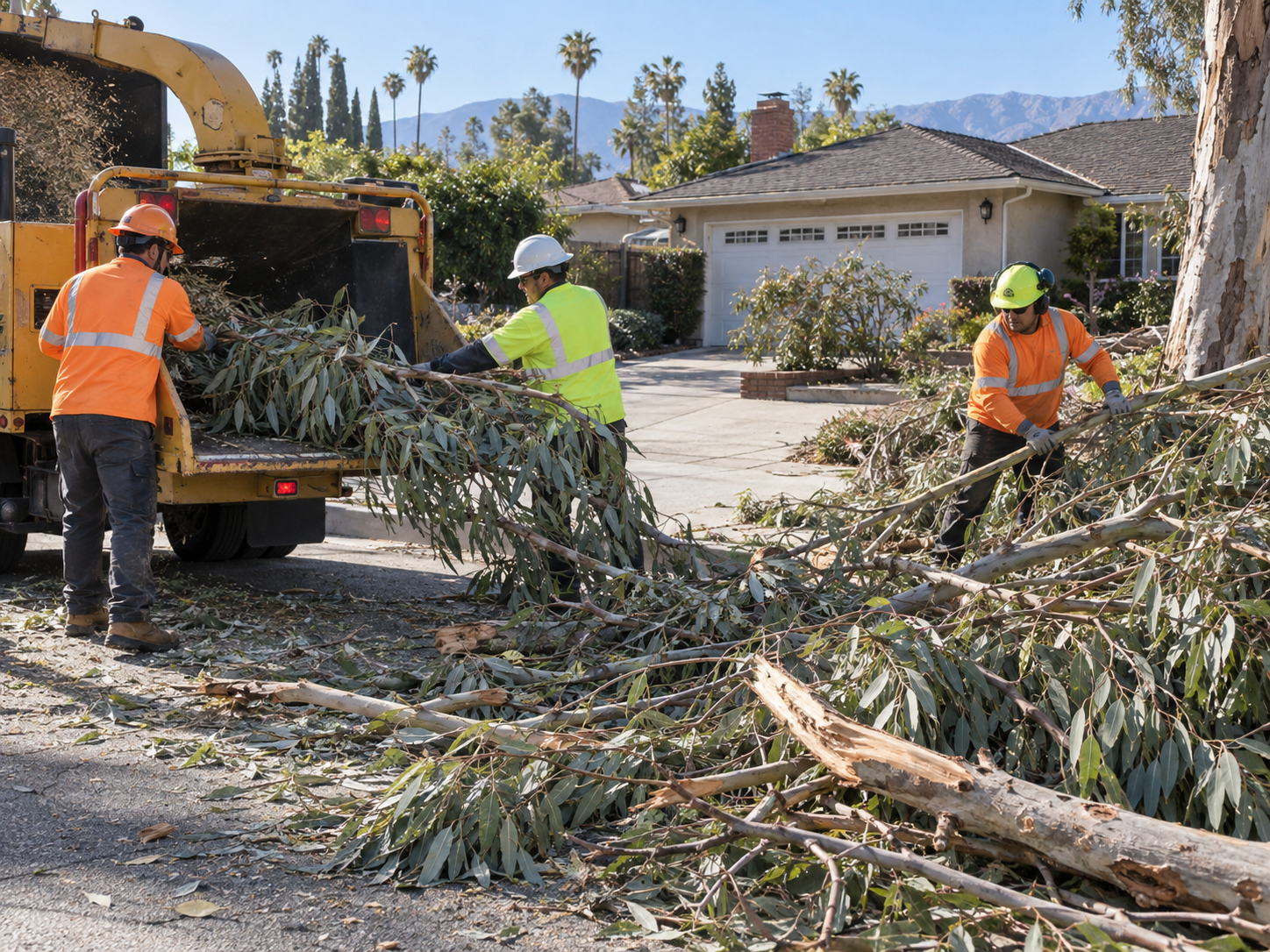
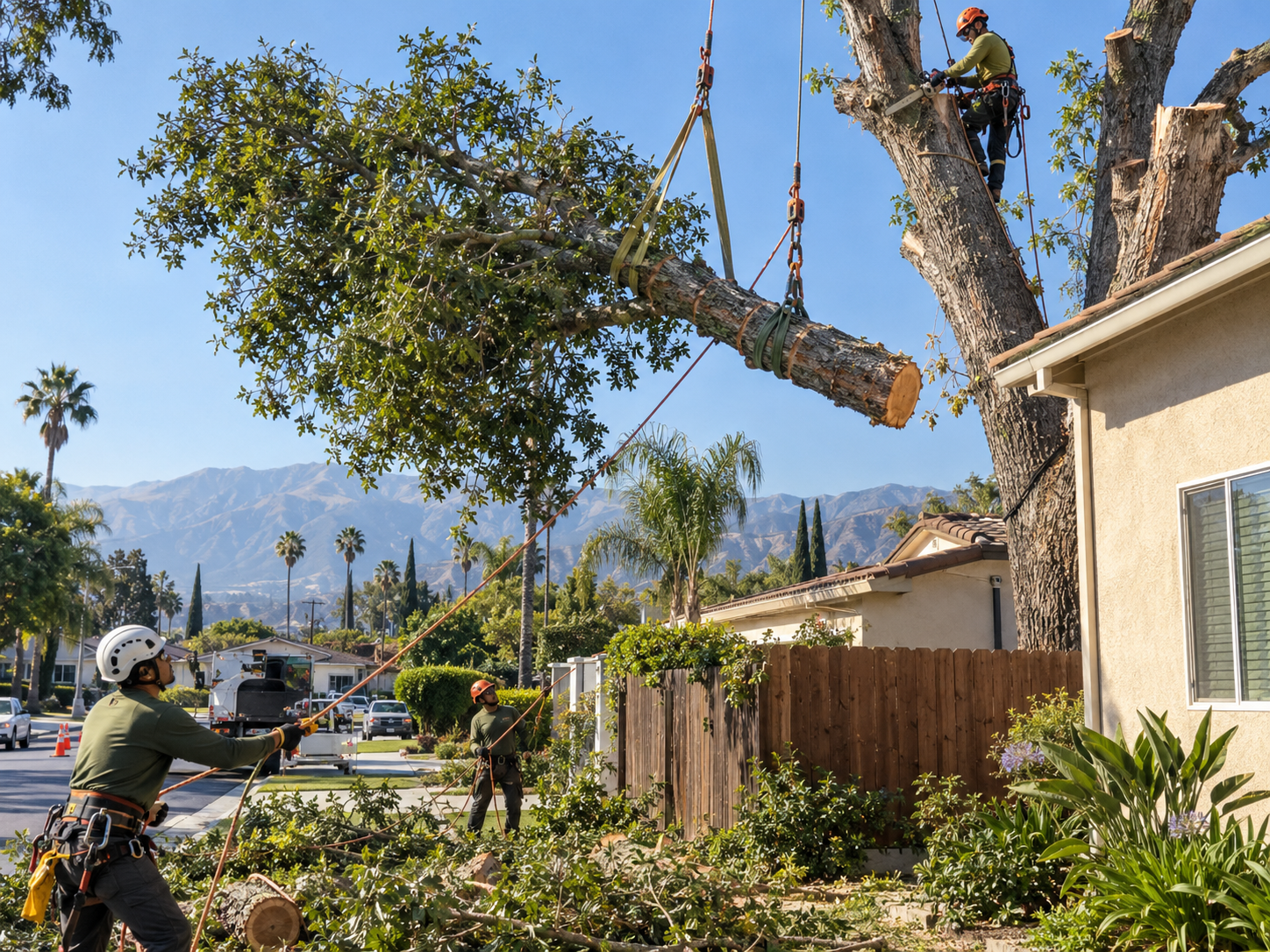
If a limb rests on a roof or power line, stay back and capture the contact point plus the trunk base. Do not attempt temporary ties. Local crews use those stills to plan lift paths and protect hardscape during removal or reduction work.
Store originals unedited. Compress only copies for email. Consistent lighting and scale objects help underwriters and arborists read the same failure story. When photos show both hazard and volume, scheduling stays faster and safer for hillside and tract lots across West Covina.
What to Capture First After Gusts
Structural lean, root-plate lift, and roof or line contact come before debris piles so a tree inspection after wind West Covina supports insurance and hazard decisions without cluttered files.
Safe Distance and File Naming
Two angles plus a ground object for scale, shot from clear ground and named by street side, give crews usable evidence while you avoid hangers and unstable soil.
When Cleanup Photos Matter
Wide views of limb piles, tip breakage, and canopy gaps help volume estimates once the site is stable and structural frames are already secured.
Sharing Sets With Local Crews
Clear, labeled stills let estimators separate safety work from debris hauling and speed same-week walkthroughs on West Covina properties.
Preferred Source on Google Search
Add www.covinatreeservice.com to customize your search feed across Top Stories.