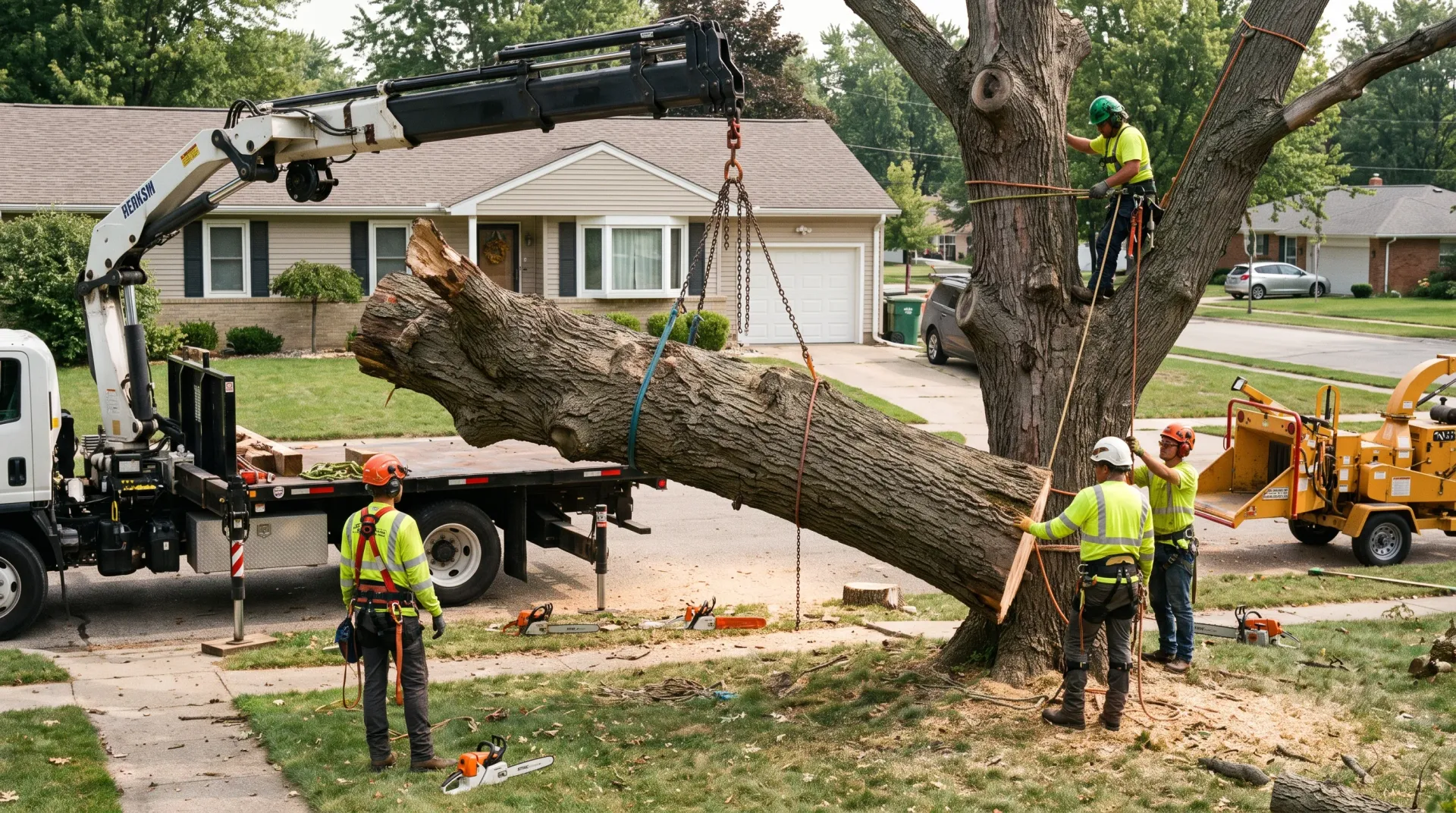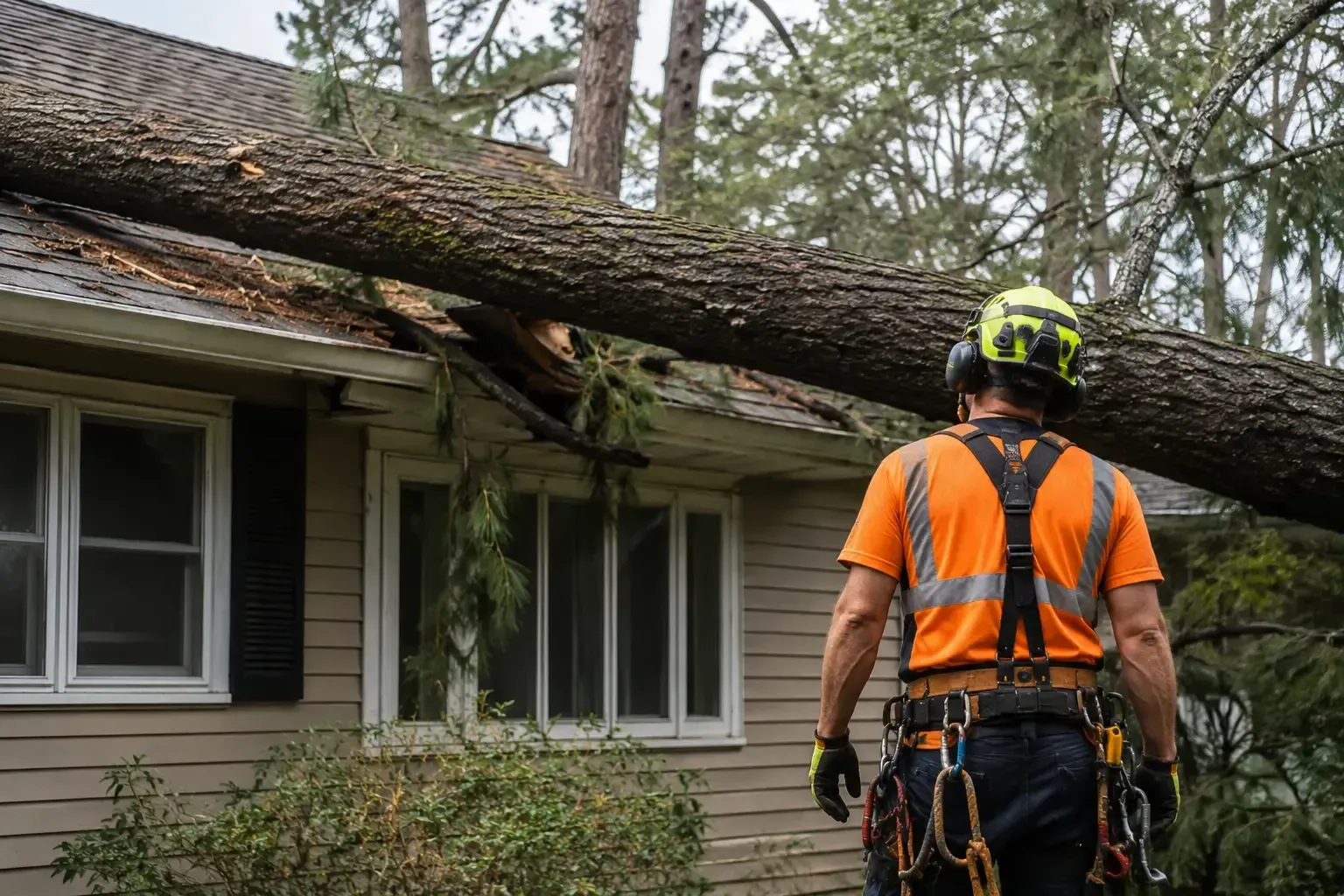
Palm Tree Trimming in West Covina: What Determines the Right Timing?
For property owners researching palm tree trimming West Covina, the right timing depends on the palm's condition, species, location, and potential hazards—not simply the calendar. Completely dead fronds, hazardous hanging material, and unwanted fruit stalks may justify pruning, while healthy green fronds usually should remain.
West Covina's climate and varied landscapes make regular inspections useful. This guide explains when to schedule maintenance and avoid practices that weaken palms.
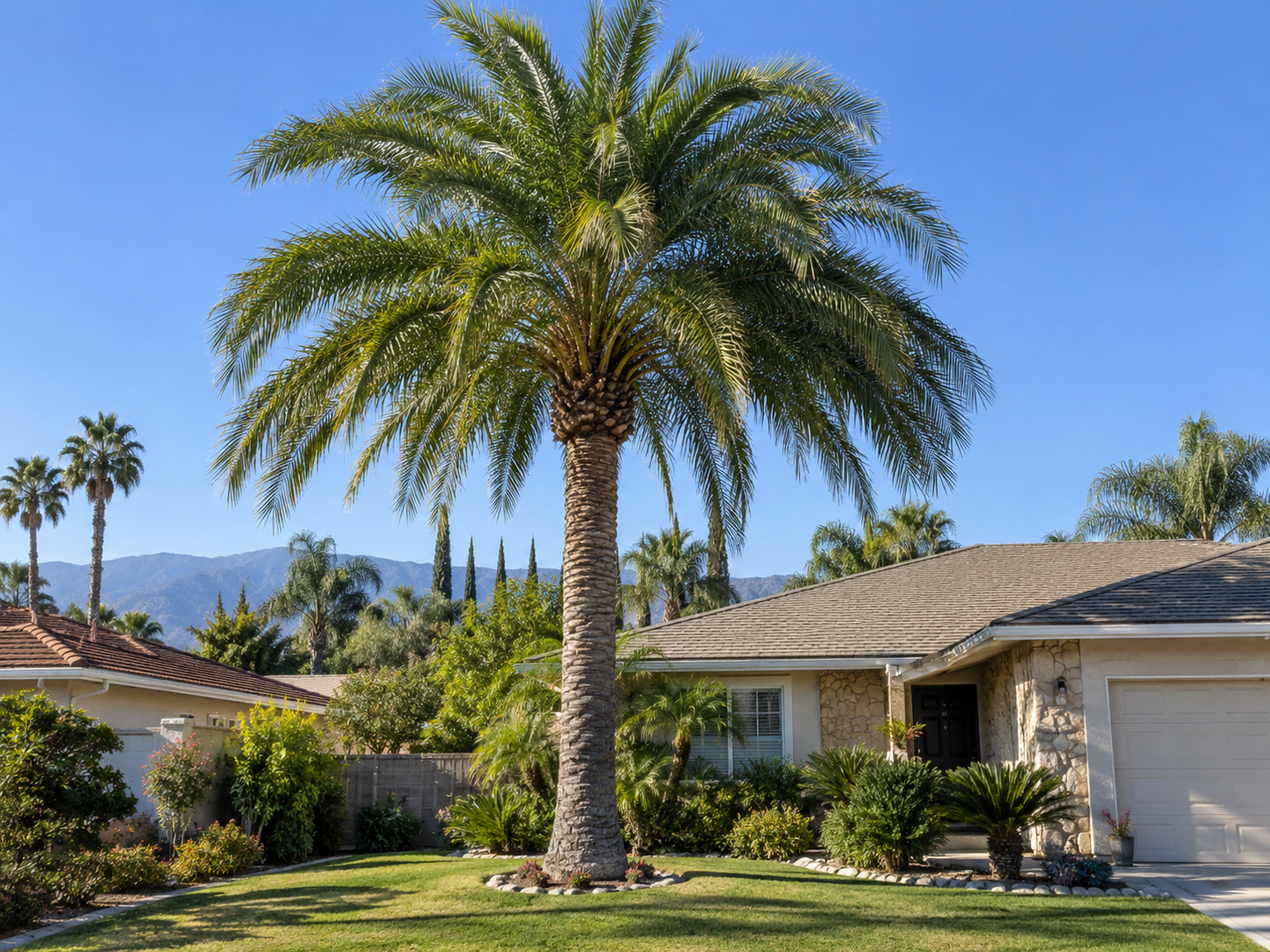
Is There a Best Season to Trim Palm Trees?
There is no universal month when every palm needs trimming. Established palms can generally have appropriate dead material removed when necessary, provided the work is safe and does not damage healthy growth. Species, weather, and the reason for pruning matter more than a fixed annual date.
Spring or early summer can be practical for reviewing winter damage and planning maintenance, but no season requires every palm to be cut.
A palm with no hazardous dead material may not need pruning at all. Conversely, a dangerous hanging frond should not be ignored merely because the next scheduled visit is months away.
How Palm Biology Determines Pruning Timing
Palms grow differently from ordinary branching trees. Most have a single growing point near the top, and their fronds are essential to producing food and supporting normal growth. Removing too much living foliage reduces the resources available to the palm.
Older leaves naturally decline as new growth develops. Completely brown fronds can often be removed without harming the palm, but yellowing leaves may still be supplying nutrients. Excessive yellowing can also indicate a nutritional or environmental problem that deserves diagnosis.
The familiar “hurricane cut,” which leaves only a small tuft of upright fronds, is not a sound method of preparing palms for wind. A fuller, healthy crown is generally preferable. Never remove the central growing point or cut into living trunk tissue.
Six Factors That Determine the Right Timing
1. Dead or Loosely Attached Fronds
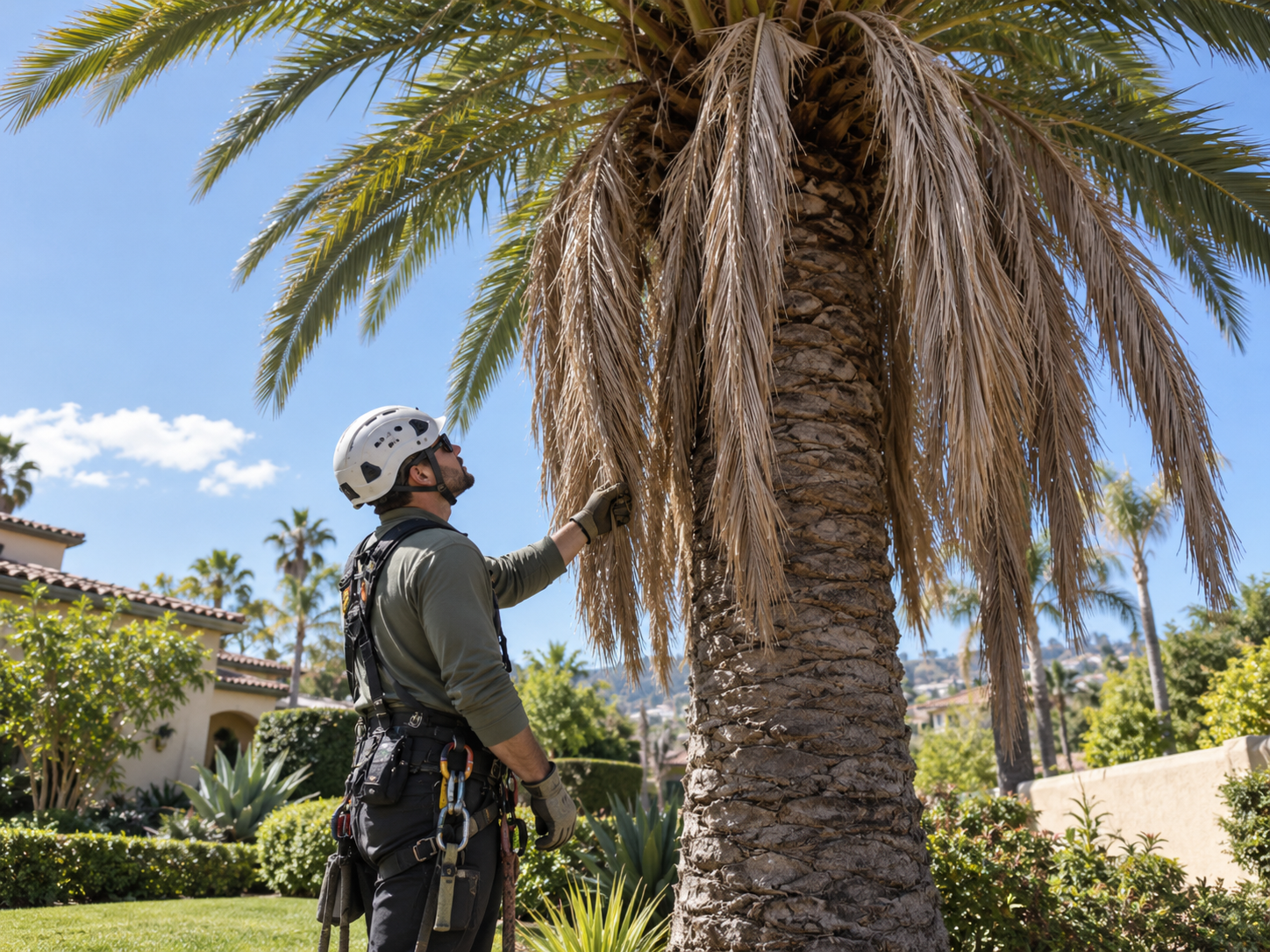
A large dead frond hanging above a driveway, entrance, patio, or parking area deserves prompt attention. Species differ in how they retain dead foliage.
A professional can assess attachment and falling-material risks before recommending removal.
2. Flower and Fruit Production
Flower and fruit stalks may create litter, attract unwanted attention from animals, or interfere with maintenance areas. Removing unwanted stalks before heavy fruit develops can simplify cleanup.
Leaving flowers and fruit may support wildlife, while planned removal can reduce litter around busy entrances.
3. Species and Natural Growth Habit
A Mexican fan palm, California fan palm, queen palm, and Canary Island date palm do not have identical growth habits or maintenance needs. Some palms retain a skirt of dead leaves; others shed foliage more readily.
Identification helps distinguish normal aging from nutritional concerns or disease and guides future maintenance.
4. Wind and Seasonal Weather
Santa Ana winds occur mainly during Southern California's fall and winter, although strong wind events can happen at other times. Review obvious hazards before periods of increased exposure.
Do not respond by stripping healthy fronds. Overpruning does not make a palm stormproof. During severe weather, isolate hazardous areas and postpone elevated work.
5. Tree Health and Previous Pruning
A palm that has been heavily pruned, recently transplanted, or is showing unusual yellowing may need assessment rather than another aggressive cut. Repeated removal of living leaves can contribute to declining vigor.
Canary Island date palms can be vulnerable to diseases spread by contaminated tools. Ask how equipment will be cleaned.
6. Access, Clearance, and Property Use
Consider pedestrian access, vehicles, roofs, fences, and equipment clearance when planning work.
Work near electrical lines requires special precautions. Never attempt to prune near energized lines yourself; contact the utility or an appropriately qualified professional.
Palm Trimming Timing: A Practical Decision Table
| Palm Condition or Situation | Recommended Timing | Main Consideration |
|---|---|---|
| Healthy crown with no hazardous material | Inspect periodically; pruning may not be necessary | Preserve living foliage |
| Completely dead, securely attached lower fronds | Schedule routine maintenance | Species and property appearance |
| Loose, heavy fronds above occupied areas | Arrange prompt professional assessment | Falling-material risk |
| Unwanted flowers or developing fruit | Plan removal before troublesome fruit drop | Cleanup, access, and wildlife |
| Widespread yellowing or unusual crown decline | Assess before routine pruning | Possible nutrition, disease, or environmental stress |
| Recently overpruned or transplanted palm | Obtain species-specific guidance | Recovery and remaining foliage |
| Suspected active bird nest | Delay nonessential work and seek appropriate guidance | Wildlife protection |
| Fronds near power lines | Contact the utility or qualified professional | Electrical safety |
What Does West Covina's City Trimming Schedule Mean?
The City of West Covina publishes a two-year trimming cycle for city-owned palms. Its Public Works Department maintains street trees and generally handles work outside the established cycle when an emergency need exists.
Private palms require their own assessment; the municipal cycle is not a universal maintenance requirement.
If you are unsure whether a palm belongs to the city or your property, confirm ownership before arranging work. The city provides an inspection and reporting process for city-owned trees. Private-property owners should also verify applicable requirements before major pruning or removal.
Why Excessive Palm Pruning Can Be Harmful
Removing healthy green fronds for a narrow, symmetrical appearance can reduce a palm's ability to produce food and retain nutrients. Repeated overpruning may leave the crown weakened and less resilient.
A common guideline is to avoid removing healthy fronds growing horizontally or upward. However, the correct amount of pruning depends on the species and condition, and even lower yellowing fronds may need to remain when nutrient deficiencies are suspected.
A qualified arborist should distinguish between necessary maintenance and purely cosmetic removal. Clean cuts should preserve living trunk tissue, and fronds should not be forcibly pulled away. Climbing spikes should not be used on palms being retained because they can damage the trunk.
Scheduling Around Wildlife and Safe Work Conditions
Birds may nest in palm crowns or retained dead fronds. Before pruning, have the work area checked for active nests. If an active nest is present, postpone nonessential work and seek appropriate guidance rather than disturbing it.
Weather matters on the actual appointment day. Strong winds, lightning, and unsafe access conditions can make elevated tree work hazardous. A responsible crew should be prepared to reschedule.
For commercial properties, coordinate pedestrian restrictions, parking, debris removal, and tenant notifications.
What to Expect From a Professional Palm Assessment
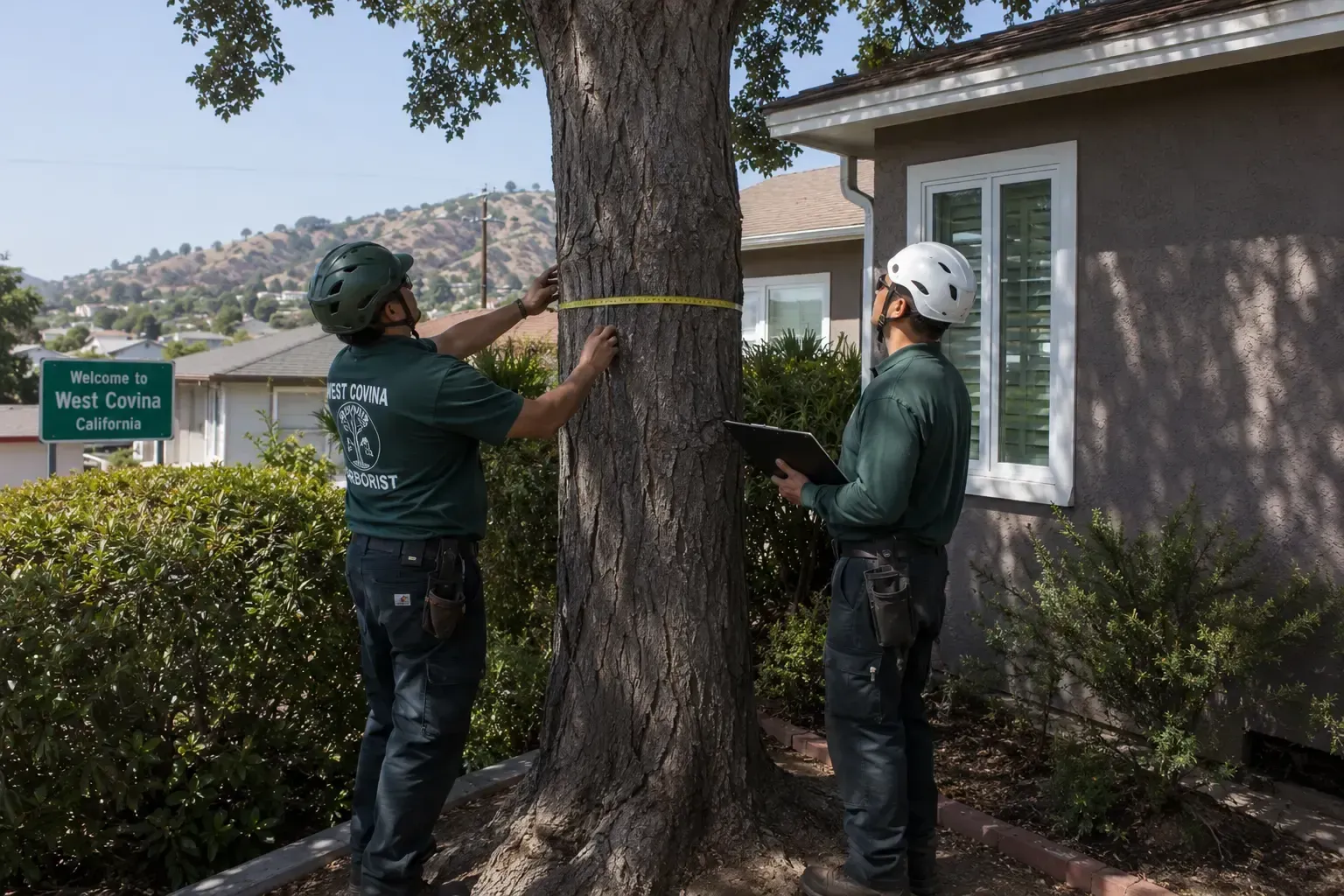
A useful assessment begins with identifying the palm and reviewing its crown, trunk, visible roots, surrounding structures, and maintenance history. The arborist should explain which material needs removal and why. Photographs of the crown and surrounding area can help explain concerns before scheduling an onsite visit.
Ask whether the proposal includes dead-frond removal, fruit-stalk management, cleanup, and appropriate access equipment. Discuss suspected disease, nearby utilities, and any concerns about previous pruning.
Tree Service Perfection West Covina provides tree trimming, removal, and emergency tree services for local property owners. Review the Tree Services or learn more About Tree Service Perfection West Covina before requesting an assessment.
Frequently Asked Questions
What Is the Best Month for Palm Tree Trimming in West Covina?
There is no single best month for every palm. Appropriate dead material can generally be removed when necessary, while routine scheduling should consider species, fruit production, weather, and property use.
How Often Should Palm Trees Be Trimmed?
Frequency varies by species and condition. Some palms need little pruning, while others retain dead fronds or produce fruit that requires periodic attention. An inspection-based schedule is preferable to automatic excessive cutting.
Should Yellow Palm Fronds Be Removed?
Not automatically. Yellowing leaves may still supply nutrients and can indicate a deficiency or another problem. Have unusual discoloration assessed before removing substantial living foliage.
Does Trimming Palms Before Santa Ana Winds Make Them Safer?
Removing hazardous dead material may reduce specific falling-debris risks, but stripping healthy foliage does not make palms stormproof. An arborist should evaluate the tree's condition and recommend targeted maintenance.