Professional Tree Trimming Versus Topping Explained
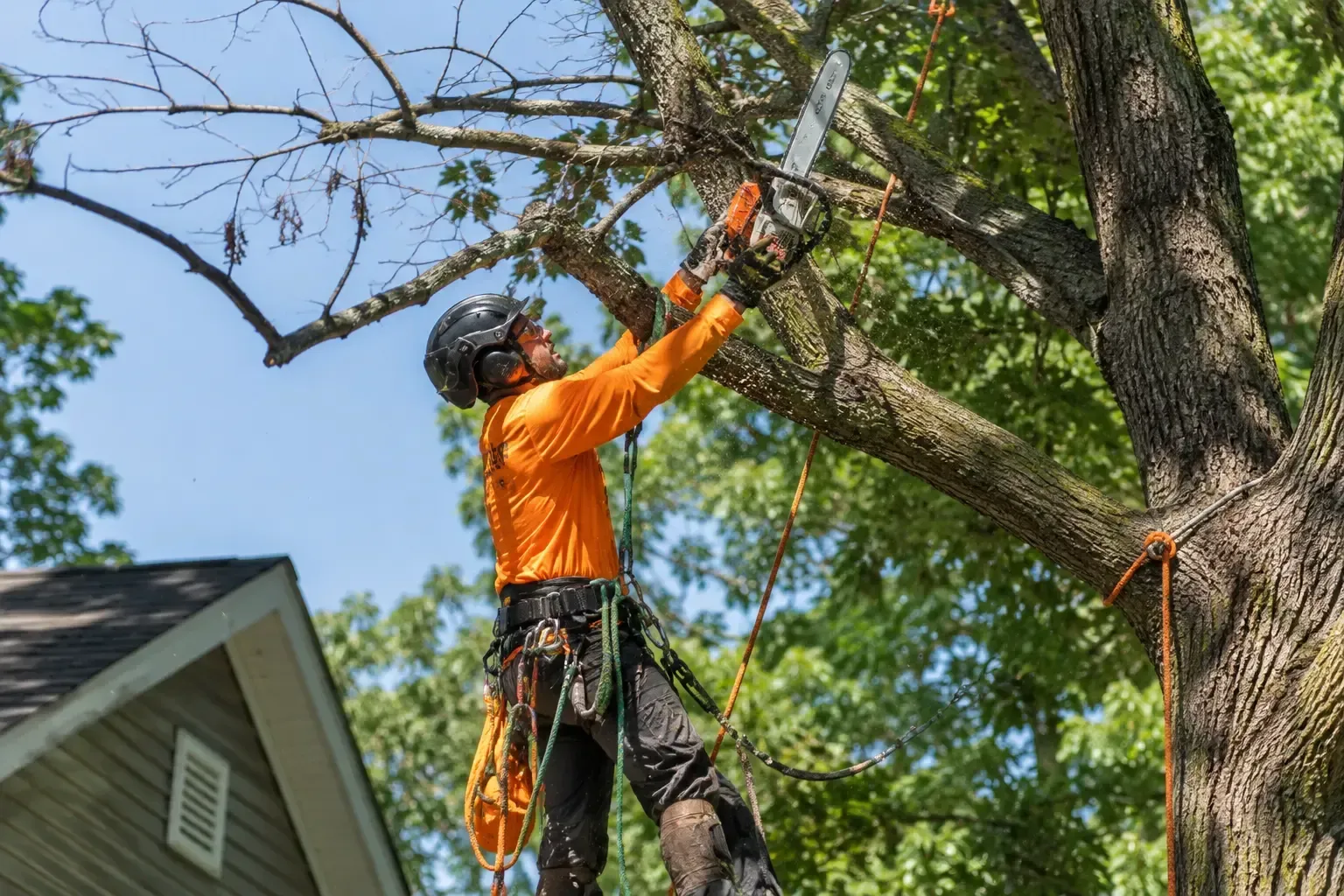
Choosing professional tree trimming versus topping protects structure, safety, and long-term canopy health on West Covina properties. Topping removes large upper limbs and weakens the tree; proper trimming targets select branches for clearance, balance, and vigor. Tree Service Perfection West Covina helps owners and managers make that call with clear, site-specific guidance.
Key takeaways
- Trimming follows the tree’s natural form; topping does not.
- Topping invites decay, weak sprouts, and higher storm risk.
- Correct cuts preserve strength and reduce future hazard work.
- Local pros match methods to species, site, and safety goals.
What is the real difference between trimming and topping?
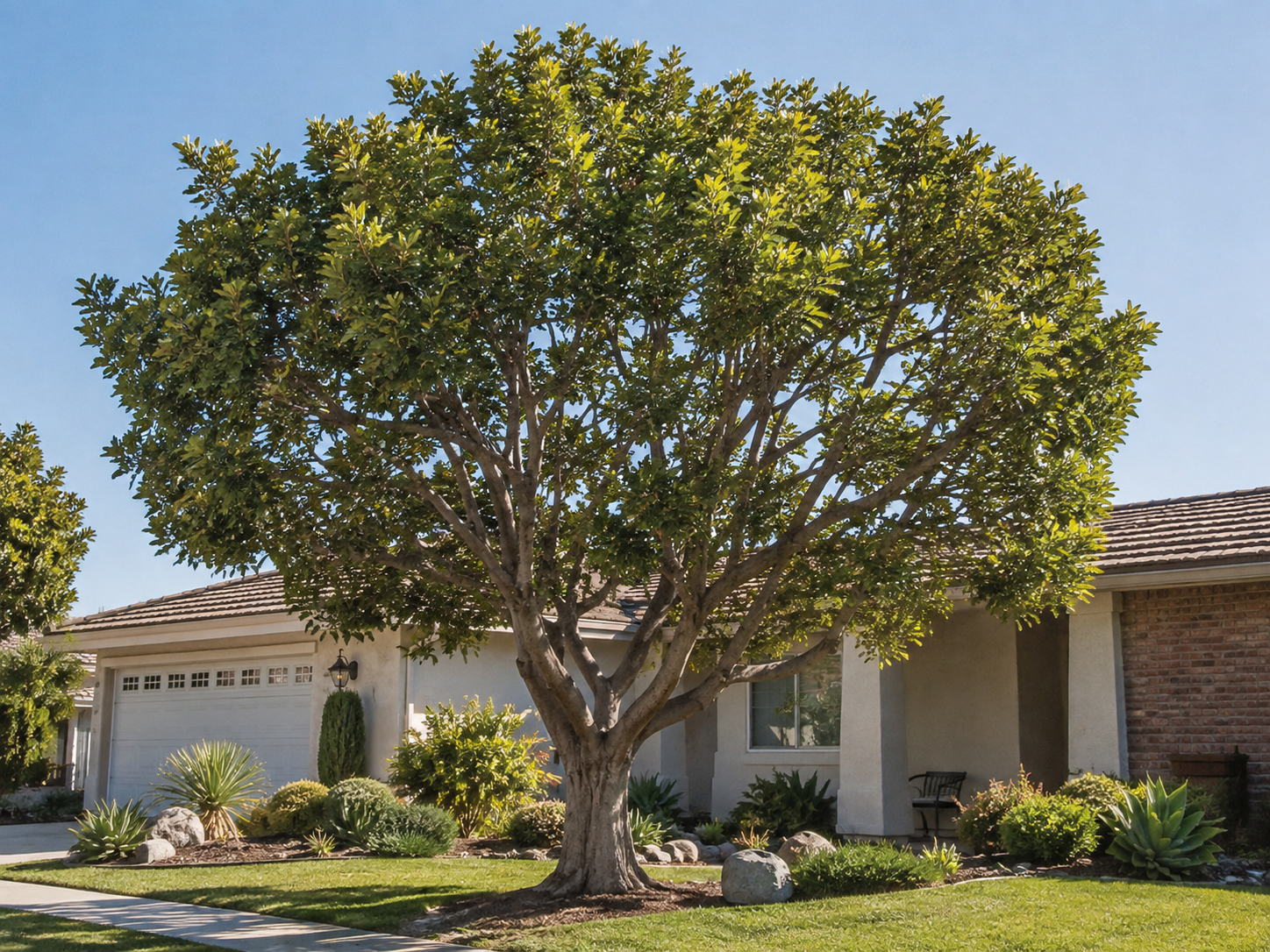
Professional trimming removes specific limbs at proper points to improve clearance, light, and structure without stripping the crown, while topping cuts main leaders back to stubs and forces weak regrowth that fails sooner under wind or weight. That contrast drives cost, liability, and tree lifespan for West Covina-area property owners.
Which approach fits West Covina properties better?
Professional tree trimming versus topping favors selective cuts that keep strong branch attachments, natural form, and safer canopies, while topping is rarely justified on healthy landscape trees because it creates stubs, decay entry, and dense weak sprouts that raise storm and liability risk for local yards and common areas.
| Option | Best for | Watch-out |
|---|---|---|
| Selective trimming | Clearance, light, and structure on live trees | Needs correct cut placement and timing |
| Crown thinning | Dense canopies that block light or airflow | Over-thinning can sunscald limbs |
| Crown reduction | Height or spread control near roofs and lines | Must reduce to suitable laterals, not stubs |
| Topping | Almost never for healthy ornamentals or shade trees | Decay, weak sprouts, higher failure risk |
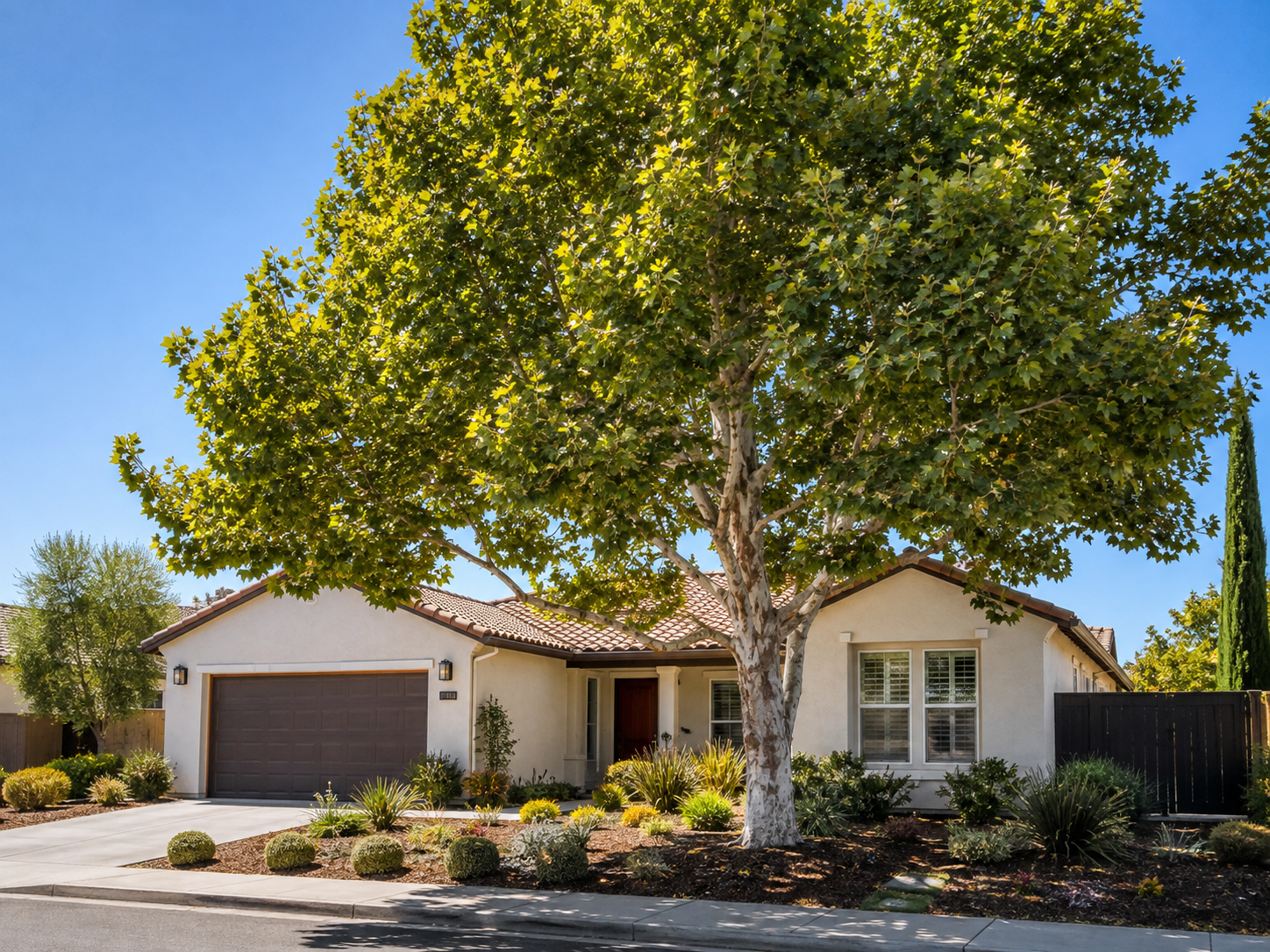
On West Covina lots, species, soil, wind exposure, and nearby structures decide the cut plan. A skilled crew sizes work to the tree, not a flat “shorten everything” habit. When you need professional tree trimming, ask for goals: clearance, balance, health—not a lower silhouette alone.
The team’s method favors living laterals and clean unions so the canopy can close without a flush of brittle water sprouts. Topping looks cheap up front, then multiplies hazard pruning and removal odds.
Next step: schedule a site walk and written scope via Contact before any large upper-limb work begins.
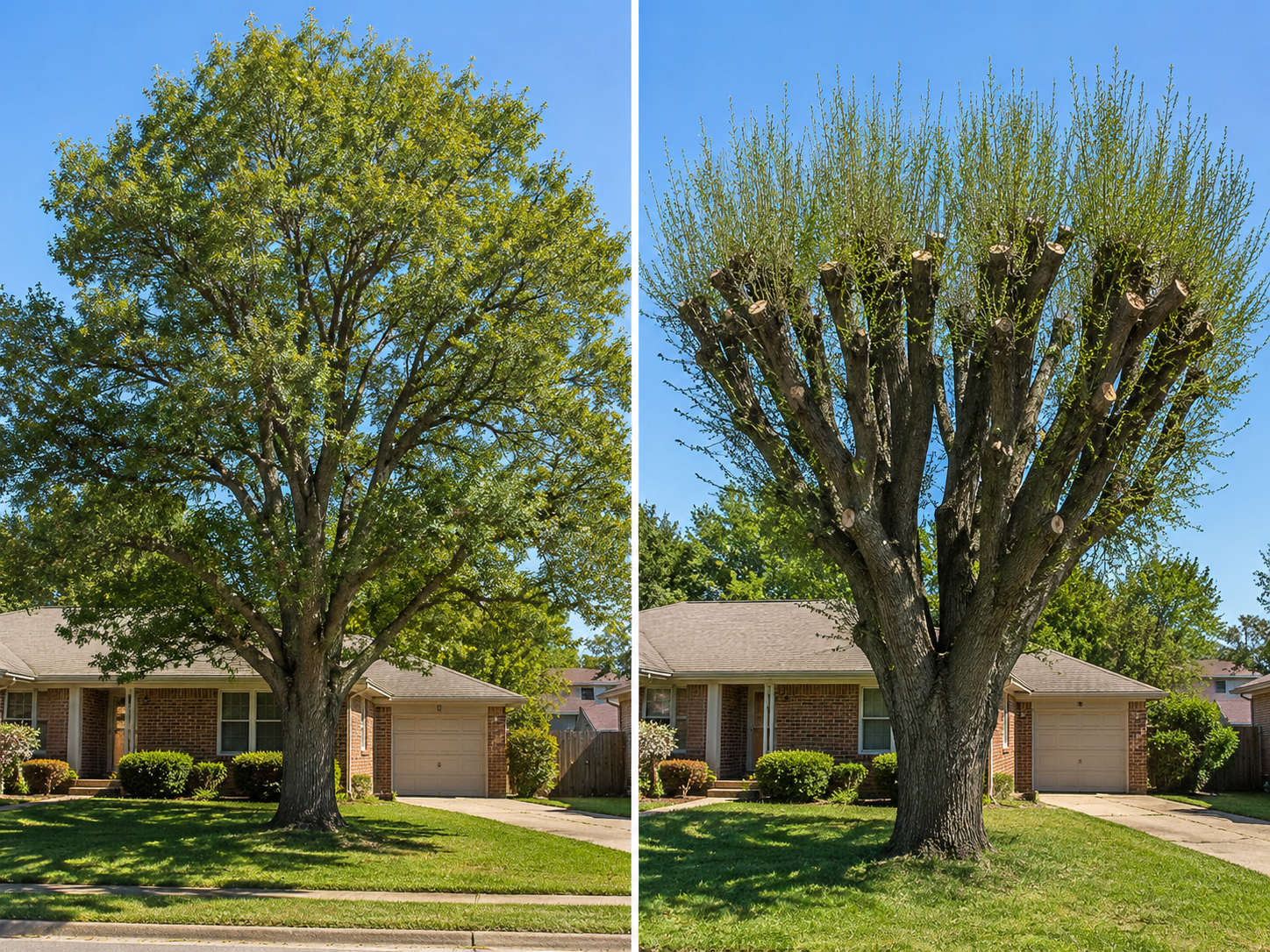
Which Choice Fits West Covina Yards: Trimming or Topping?
Professional tree trimming versus topping is not a style preference: selective cuts keep structure, living laterals, and long-term stability on shade and street trees, while topping leaves stubs, invites decay and weak sprouts, and usually raises storm and liability risk for local yards and common areas—so trimming is the default for healthy ornamentals and canopy management near homes.
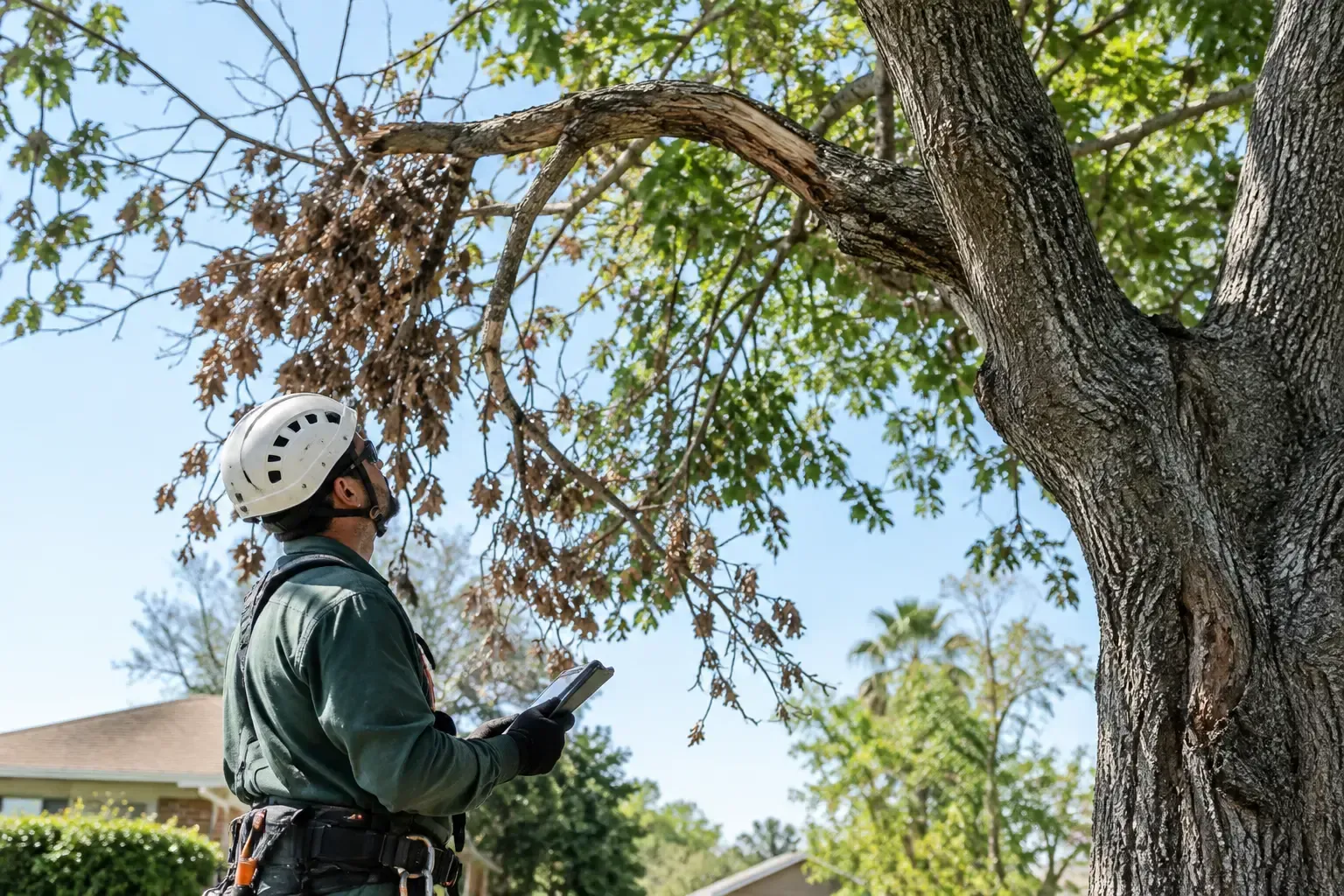
Topping shortens leaders without a proper reduction target. The tree responds with dense, poorly attached shoots that load the same stubs again. That cycle is common after DIY “height cuts” on eucalyptus, ash, and liquidambar in the San Gabriel Valley wind path.
Trimming aims at clearance, light, and balance. Cuts land at branch collars or strong laterals so wound wood can close. Timing and dose matter more than how short the silhouette looks from the curb.
Property managers often face HOA height pressure or line clearance. A reduction plan can meet those goals without destroying the framework. Ask for before-and-after canopy targets in writing, not a blanket drop in feet.
Cost alone misleads. A cheap top can force repeated hazard pruning or early removal. Budget for the right cut once, then routine maintenance.
If a prior top already left stubs and sprouts, staged corrective work can rebuild form over seasons. Do not re-top the same heads.
Why professional tree trimming versus topping protects West Covina canopies
Professional tree trimming versus topping starts with how cuts land: selective removal at collars or strong laterals preserves structure, living tissue, and wind load paths on shade and street trees common across West Covina, CA, while topping leaves stubs that decay and push weakly attached sprouts that raise storm and liability risk for yards and HOA common areas.
Tree Service Perfection West Covina treats height and clearance as design problems, not a race to shorten the silhouette. Reduction targets a lateral large enough to assume the terminal role so the tree keeps a coherent framework instead of a brush of water sprouts.
Local species—eucalyptus, ash, liquidambar, and many street plantings—respond poorly to flush tops. Wind along the San Gabriel Valley path loads those new shoots hard. Correct tree trimming doses the canopy for light, lines, and balance without destroying the scaffold.
How reduction differs from a height drop
Reduction shortens a leader to a living lateral that can sustain the remaining crown. Topping cuts to an arbitrary height with no viable target. Wound response, decay risk, and future pruning cycles diverge from that single choice.
| Goal | Professional trimming | Topping |
|---|---|---|
| Structure | Keeps laterals and collars | Leaves stubs |
| Growth response | Controlled, directed | Dense weak sprouts |
| Storm risk | Managed load paths | Higher failure risk |
| Long-term cost | Routine maintenance | Repeat hazard work or removal |
| HOA / clearance | Written canopy targets | Blanket foot drop |
When managers and owners should choose trimming
HOA height rules and utility clearance still allow a reduction plan. Ask for before-and-after canopy targets in writing. Avoid paying only for a lower outline from the curb.
If stubs and sprouts already exist, staged corrective work rebuilds form over seasons. Do not re-top the same heads. The team’s method favors living laterals, proper timing, and dose over cosmetic shortness.
Budget once for the right cuts, then routine
Preferred Source on Google Search
Add www.covinatreeservice.com to customize your search feed across Top Stories.