Don’t Wait for Decay: How to Recognize Tree Stress Early and Protect Your Property
Trees are the silent, steadfast giants of our landscapes. They provide shade, beauty, and a sense of permanence to our homes and communities in West Covina. But like any living organism, they can suffer from stress and illness. The problem is, trees communicate their distress in subtle ways that are easy to overlook until it's too late. A leaning trunk, a widespread fungal infection, or a catastrophic limb failure often begins as a quiet whisper of stress years earlier. Waiting for the obvious signs of decay can lead to costly interventions, property damage, or even the complete loss of a beloved tree.
Recognizing the early warning signs of tree stress is one of the most crucial skills a homeowner can develop. It’s the difference between a simple, proactive treatment and a complex, expensive emergency removal. Here at Tree Service Perfection West Covina, we believe that an educated homeowner is the first and best line of defense for a healthy urban canopy. This comprehensive guide will teach you how to read the language of your trees, identify stress signals from root to leaf, and take action to protect your green assets before decay takes hold.
The Silent Threat: Why Early Detection is Non-Negotiable
Ignoring the early signs of tree stress is a gamble against time, gravity, and biology. A stressed tree is a vulnerable tree. Its natural defenses are weakened, making it an easy target for opportunistic pests and diseases that a healthy tree would easily fend off. The consequences of inaction can be severe:
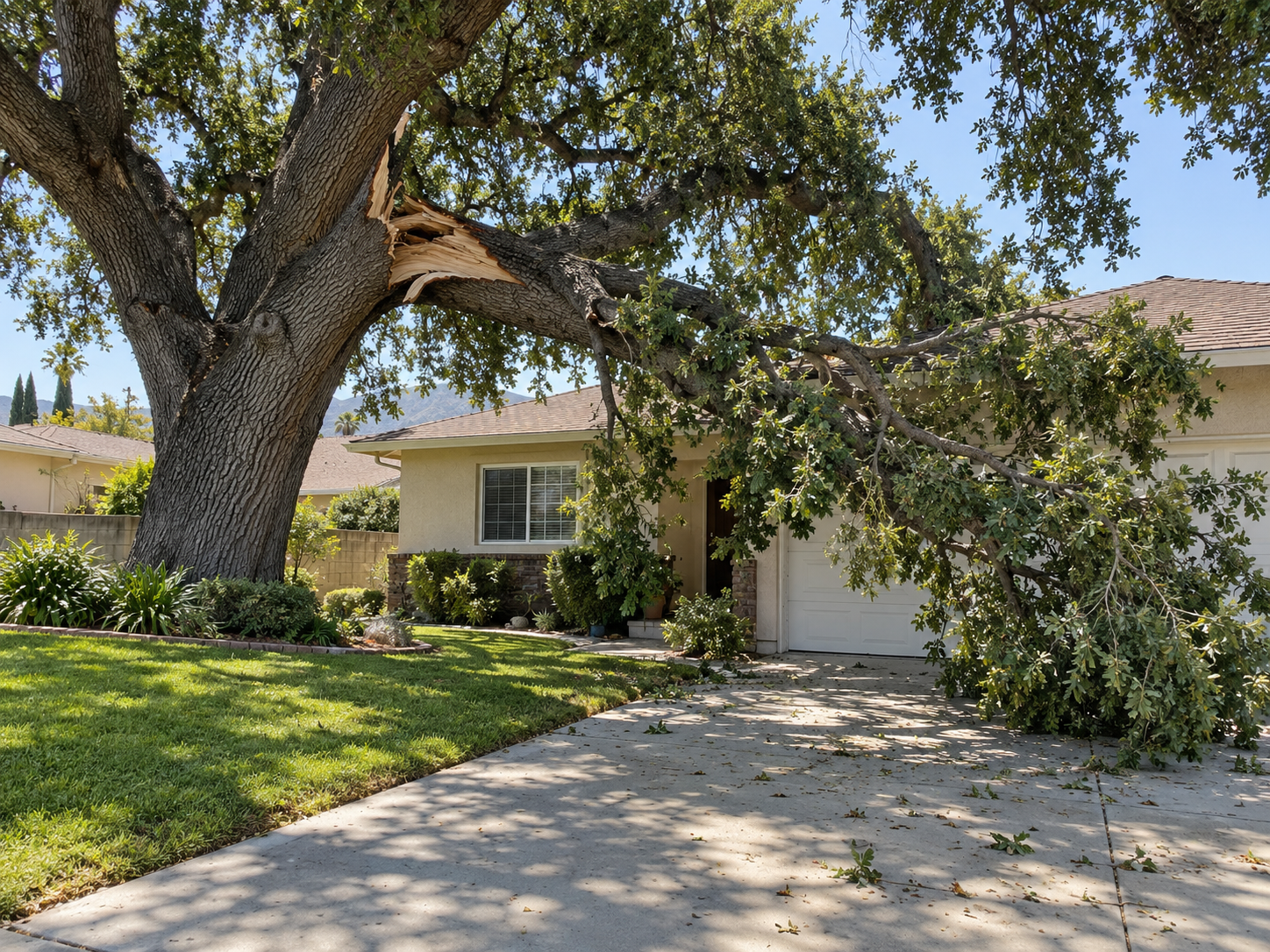
- Safety Hazards: Stressed trees are more likely to drop large branches or even completely uproot during storms or high winds, posing a significant threat to your home, vehicles, and family.
- Increased Costs: An early intervention, such as adjusting watering or applying a targeted treatment, is far more affordable than the extensive surgery or complete removal required for a severely decayed tree. Emergency tree work is always more expensive than planned maintenance.
- Property Devaluation: Healthy, mature trees can add thousands of dollars to your property value. A sick or dying tree, on the other hand, can become a liability that detracts from your home's curb appeal and overall worth.
- Irreversible Damage: Once decay or a structural defect becomes advanced, it's often impossible to save the tree. Early detection provides a window of opportunity to reverse the decline and restore the tree to health and vigor.
Decoding the Language of Trees: Visual Cues of Stress
Your trees are constantly sending signals about their health. You just need to know where to look. A regular, mindful inspection—perhaps once a season—can help you spot trouble early. Let's break down the key areas to examine.
1. The Canopy: Leaves and Branches
The canopy is often the first place you'll notice something is wrong. It's the tree's engine, and any issues there can signal a deeper problem.
- Leaf Discoloration (Chlorosis): Are the leaves turning a pale green or yellow, especially while surrounding trees are a vibrant green? This can indicate a nutrient deficiency, poor drainage, or root damage. Browning along the edges often points to dehydration or salt burn.
- Premature Leaf Drop: While autumn leaf drop is normal for deciduous trees, significant leaf loss during spring or summer is a major red flag. It signals that the tree is trying to conserve resources due to stress.
- Thinning Canopy: Can you see much more sky through the branches than you could in previous years? A sparse, thinning canopy suggests the tree isn't producing enough foliage, which could be due to root problems, disease, or pests.
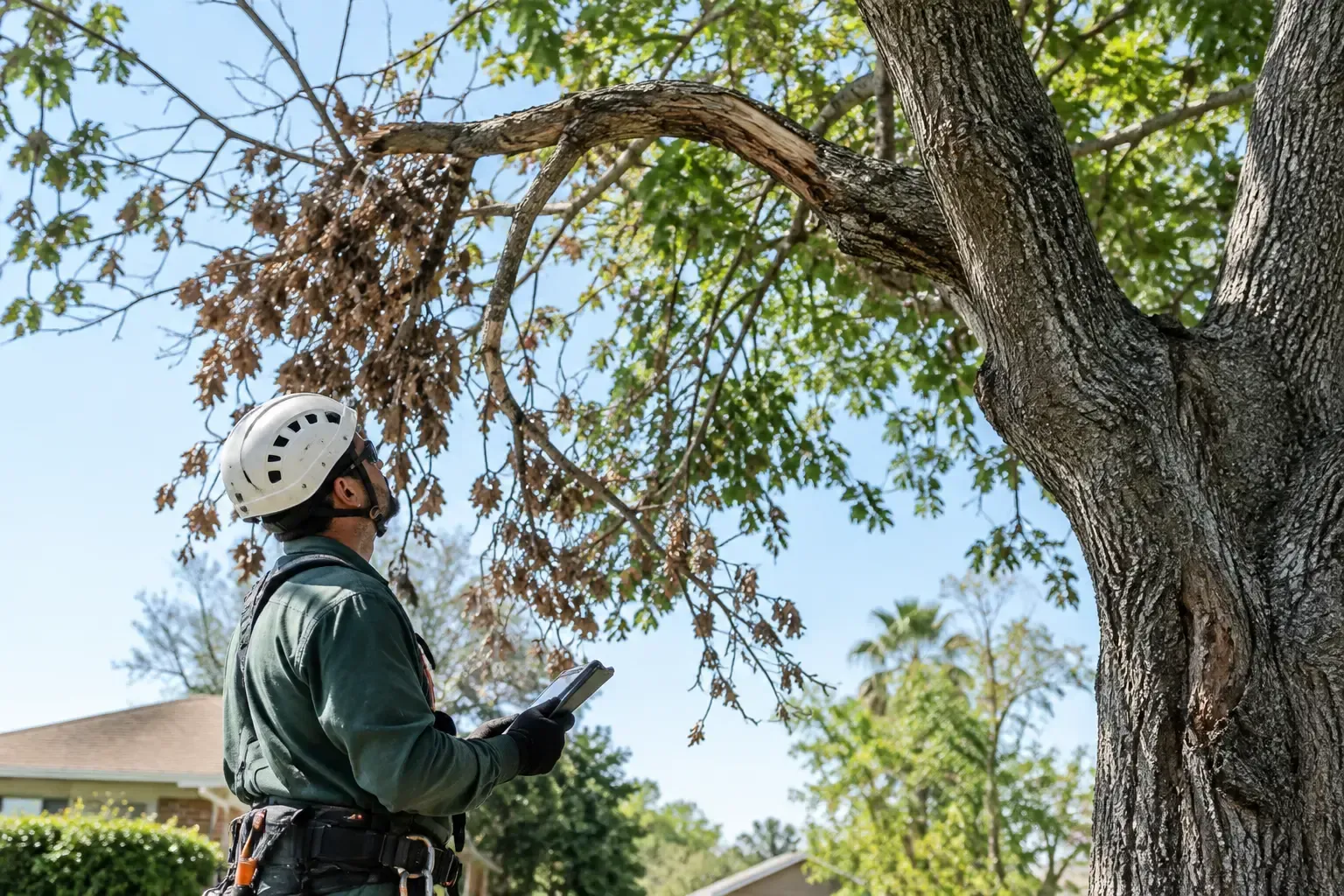
- Branch Dieback: Look for dead twigs and branches, especially at the very top of the tree (the crown). This dieback is a classic sign of systemic stress, often related to root health.
- Epicormic Sprouts: Have you noticed small, weak sprouts or suckers emerging from the trunk or large branches? These are known as epicormic sprouts and are a desperate attempt by a stressed tree to produce new leaves after its primary branches have been damaged or are failing.
2. The Trunk: The Tree's Backbone
The trunk supports the entire tree and serves as the superhighway for water and nutrients. Any compromise to its integrity is serious.
- Cracks and Splits: Deep vertical cracks can expose the tree to pests and decay. They can be caused by lightning, frost, or internal structural strain.
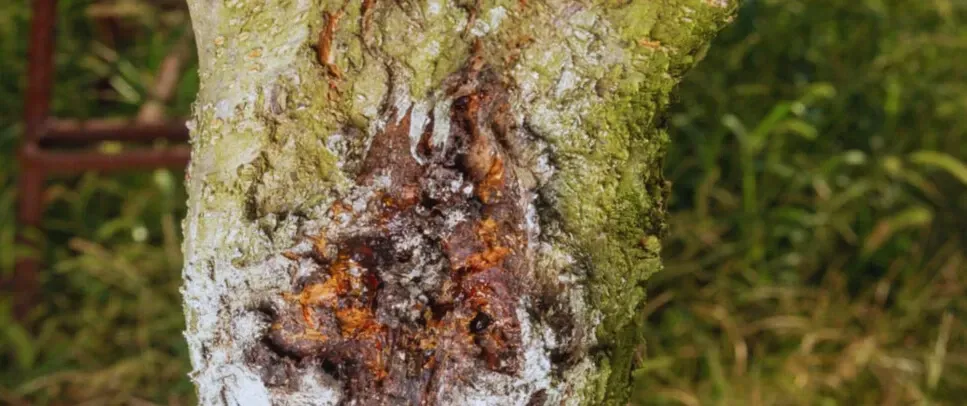
- Cankers: These are sunken areas of dead bark on the trunk or branches, often looking like a wound that won't heal. Cankers are caused by fungal or bacterial infections that have killed the underlying tissue.
- Peeling or Flaking Bark: While some trees like sycamores naturally shed bark, unusual or excessive peeling on other species can indicate disease or that the tree is dying from within.
- Fungal Growth: The presence of mushrooms or fungal conks on the trunk or at the base is a definitive sign of internal decay. The fungus you see is merely the fruiting body of a much larger organism that is breaking down the wood inside the tree.
- Insect Holes and Sawdust (Frass): Small, perfectly round holes or D-shaped exit holes, often accompanied by fine sawdust-like material (frass), are clear evidence of wood-boring insects.
3. The Base and Roots: The Unseen Foundation
Problems below ground are harder to spot, but they are often the root cause (pun intended) of the issues you see above ground.
- Leaning Trunk: If a tree that was once straight suddenly begins to lean, it’s a critical warning sign. It often indicates root failure or compromised soil stability.
- Soil Heaving or Mounding: A mound of soil cracking or lifting on one side of the tree's base can mean the root plate is beginning to tear away from the ground as the tree starts to uproot.
- Mushrooms at the Base: As with the trunk, mushrooms growing on or around the root flare are a strong indicator of root rot.
- Visible Damage to Roots: Have you recently had construction or trenching done near the tree? Severed or damaged roots can starve a tree of water and nutrients, leading to a slow decline.
Quick Reference: Tree Stress Symptom Chart
To help you synthesize this information, here’s a quick-reference table:
| Symptom | Location | Potential Cause | Recommended Action |
|---|---|---|---|
| Yellowing Leaves | Canopy | Nutrient deficiency, poor drainage, root stress | Check soil moisture, consider soil testing, consult an arborist. |
| Branch Dieback | Top of Canopy | Root damage, drought, disease | Professional pruning of deadwood, assess watering practices. |
| Cracks/Splits | Trunk | Structural strain, weather damage | Immediate professional assessment for stability. |
| Mushrooms | Trunk or Base | Internal decay / Root rot | Urgent arborist consultation for risk assessment. |
| Sudden Leaning | Entire Tree | Root failure, soil instability | Emergency situation. Keep clear and call a professional immediately. |
When to Call the Experts at Tree Service Perfection West Covina
While proactive care like proper watering and mulching can go a long way, some symptoms require a trained eye. A certified arborist can perform a detailed diagnosis, much like a doctor for your trees. They can identify the specific pest or disease, assess the extent of any decay, and recommend a course of action.
You should call a professional from a reputable company like Tree Service Perfection West Covina if you notice:
- Any signs of significant decay, such as large cracks or fungal growth.
- A sudden change in the tree's lean.
- More than one-third of the canopy appears dead or dying.
- The tree is near a high-value target like your house, power lines, or a play area.
- You've identified a problem but are unsure of the cause or the solution.
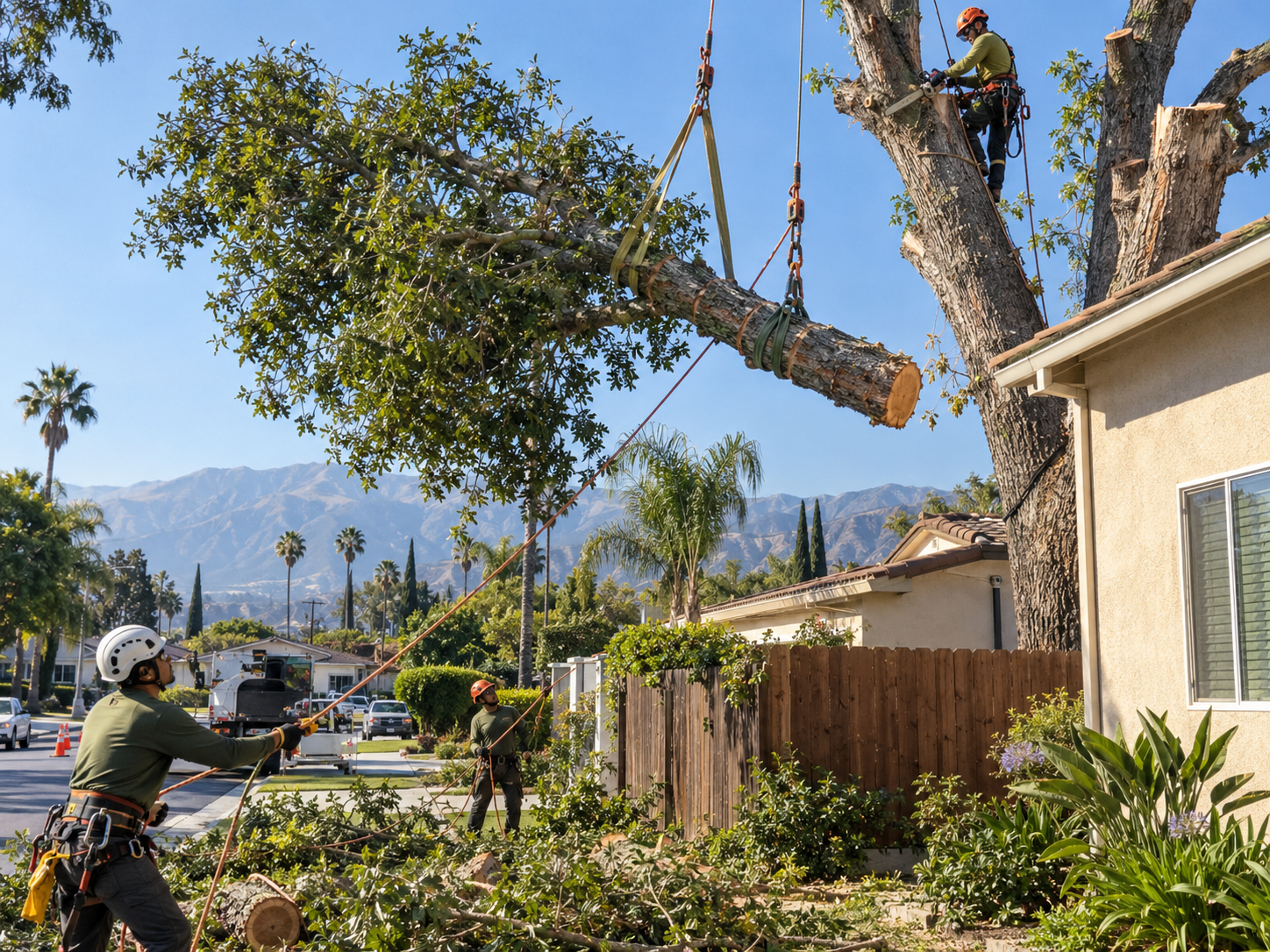
Our team has the expertise and equipment to safely handle everything from targeted treatments and corrective pruning to complex removals. Exploring our main services can give you an idea of the comprehensive care we provide. Our philosophy, detailed on our about us page, is rooted in preserving the health and beauty of our community's trees whenever possible.
Conclusion: Be Your Tree's Best Advocate
Your trees are a living, valuable part of your property. By learning to recognize the early signs of stress, you transform from a passive observer into an active caretaker. Regular inspections, an understanding of their basic needs, and the wisdom to know when to call for professional help are the keys to ensuring your trees live long, healthy lives. Don't wait for a whisper of stress to become a roar of decay. Pay attention to the subtle language of your trees, and they will reward you with decades of beauty, shade, and safety.
If you have any concerns about a tree on your property, don't hesitate. A simple consultation can provide peace of mind or a clear action plan. Contact Tree Service Perfection West Covina today to schedule an assessment with one of our certified arborists.
Frequently Asked Questions
How often should I inspect my trees for signs of stress?
A good rule of thumb is to perform a thorough visual inspection at least twice a year—once in the spring as leaves are emerging, and once in the late summer before they begin to drop. It's also wise to check on them after any major weather event like a severe storm or drought.
Can a stressed tree recover on its own?
Sometimes, if the source of stress is temporary (like a short drought) and the tree is otherwise healthy, it can recover. However, if the stress is caused by disease, pests, significant root damage, or poor soil conditions, it will almost always require human intervention to correct the problem and give the tree a chance to heal.
Is it expensive to have a professional arborist assess my trees?
Many professional tree care companies, including Tree Service Perfection West Covina, offer initial consultations. The cost of an assessment is minimal compared to the potential cost of property damage from a failing tree or an emergency removal. It's a wise investment in your property's safety and value.
What is the difference between a dead branch and a dormant one?
In winter, it can be tricky. A simple test is the 'scratch test.' Gently scratch a small spot on a twig with your fingernail. If it's green and moist underneath, the branch is alive and dormant. If it's brown, dry, and brittle, it's dead and should be pruned.