Why Winter is the Absolute Best Time for Stump Grinding in West Covina
Most homeowners in the San Gabriel Valley look at their backyard in January and see a muddy mess. We see opportunity. While you are hiding from the rain, the soil in West Covina is undergoing a transformation that makes it the perfect consistency for heavy machinery.
Ignore the common misconception that tree work is strictly a spring or summer activity. That is amateur thinking. If you are sitting on an unsightly stump left over from a previous removal, waiting until July is a mistake. The ground hardens. The termites wake up. The cost goes up.
Tree Service Perfection West Covina isn't just about cutting branches; it's about strategic property management. Here is why winter is the superior season to finally erase those stumps from your property.
The Science of Soil: Why West Covina Winters Work for Us
West Covina sits on a mix of soil types, but much of the residential area, from South Hills to the neighborhoods surrounding Plaza West Covina, deals with clay-heavy earth. In the summer, this soil bakes into concrete. Taking a stump grinder to dry, compacted clay causes excessive vibration, wears down teeth on the cutter wheel, and takes twice as long.
Winter changes the game.
The seasonal rains soften the ground saturation. This allows our industrial grinders to chew through the root ball and the surrounding earth with surgical precision. We can grind deeper—often 12 to 16 inches below grade—ensuring that the stump doesn’t just disappear from sight, but is obliterated enough to allow for replanting.
Pest Control Starts Below Ground
A decaying stump is not a harmless piece of wood. It is a beacon. It signals food and shelter to the very things you do not want near your foundation: termites, carpenter ants, and beetles. In Southern California, the invasive Polyphagous Shot Hole Borer is a legitimate threat to healthy trees.
During the cooler months, insect activity slows down. By grinding the stump now, you destroy the habitat before the spring breeding season kicks into high gear. You are essentially performing a preemptive strike against infestation. If you leave that stump until April, you are rolling out the red carpet for a colony that might eventually migrate to your framing.
Integrating Expert Tree Removal and Tree Trimming Services
Stump grinding rarely happens in a vacuum. It is usually the final, critical step in a broader maintenance plan. This is where the difference between a "guy with a truck" and true Expert Tree Removal and Tree Trimming Services becomes glaringly obvious.
When we perform tree removal, we plan for the stump immediately. However, many homeowners call us to clean up another company's mess. They had a tree cut down, but the crew left the stump because they lacked the proper equipment. This is lazy arboriculture.
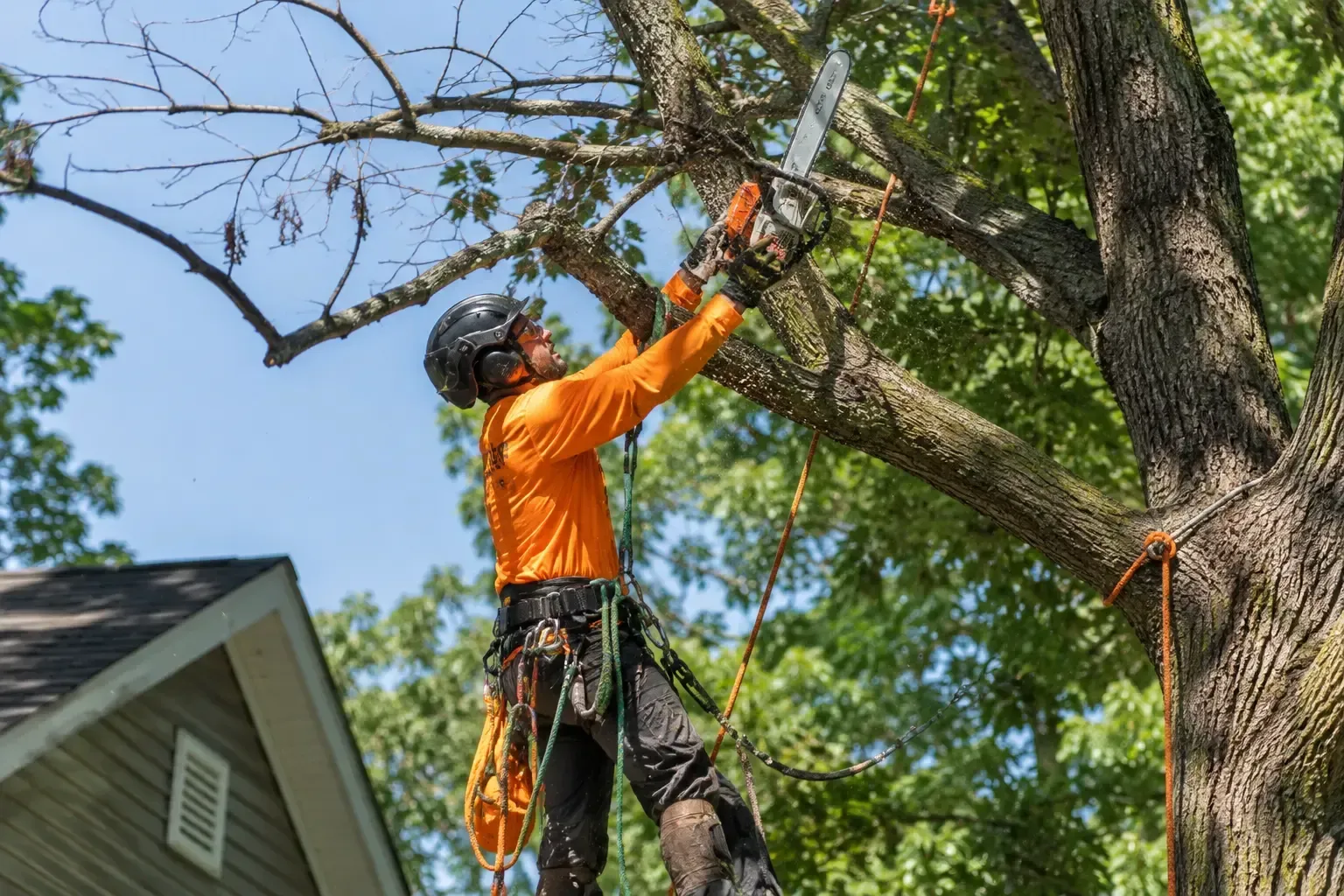
Winter is also the optimal time for structural pruning. Trees are dormant. The sap flow is low. This minimizes stress on the tree and reduces the risk of disease transmission through open pruning wounds. By combining stump grinding with your annual trimming, you consolidate crew visits, save on mobilization costs, and prep your entire yard for the spring growth spurt.
According to the International Society of Arboriculture (ISA), dormant pruning is essential for structure, yet many property managers neglect it until a storm breaks a heavy limb.
The "DIY" Trap: Don't Rent That Machine
I’ve seen the YouTube videos. I know the temptation. You think you can drive down to the local hardware rental yard, pick up a small grinder, and knock it out on a Saturday.
Don't do it.
Here is the reality of rental grinders vs. commercial equipment:
- Power Disparity: Rental units usually run on 25-horsepower engines. Our commercial units run on 70+ horsepower diesel engines. You will bounce off a hard oak stump for six hours; we will finish it in forty-five minutes.
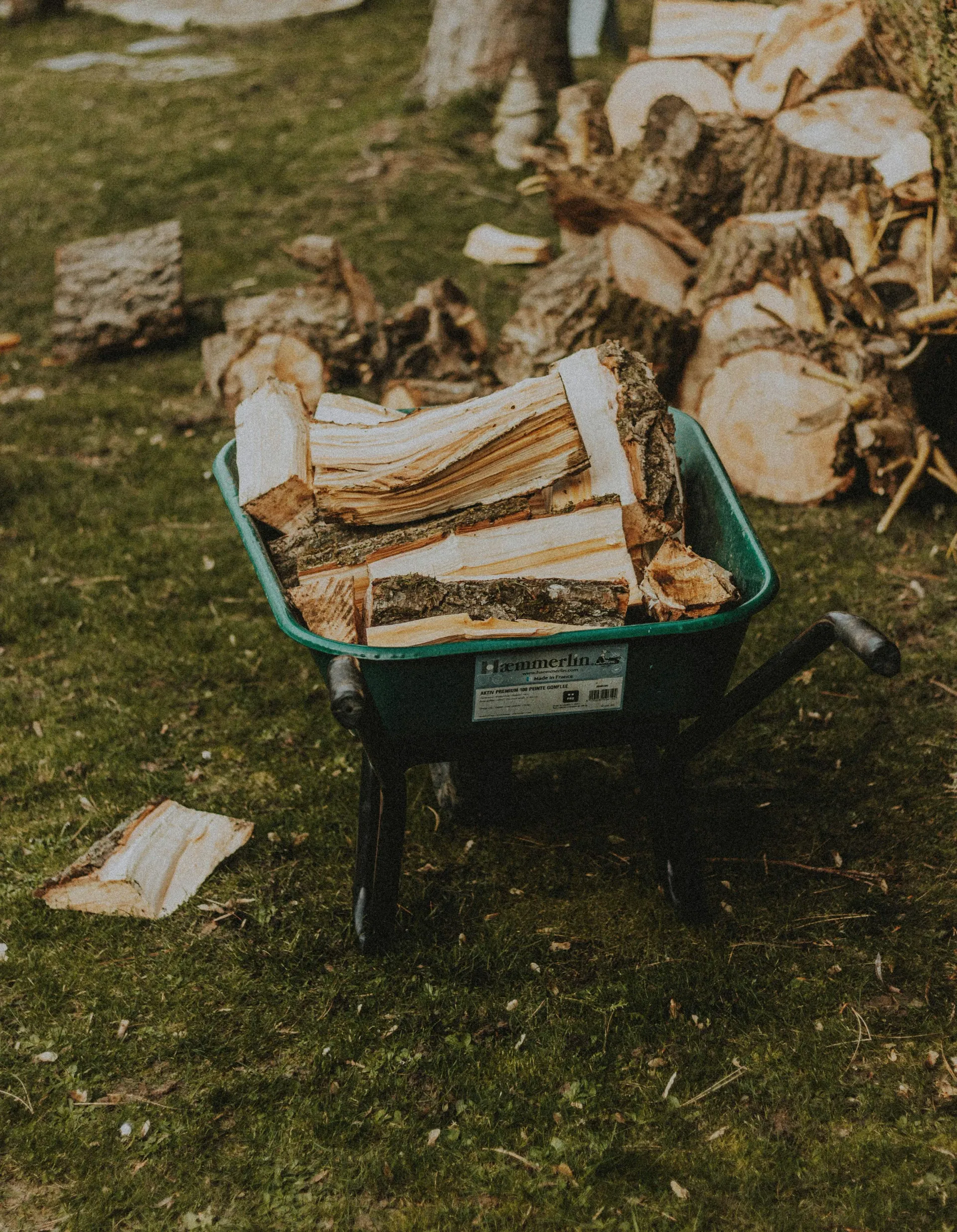
- The Debris Field: Grinding a stump produces a massive volume of mulch—often three times the volume of the stump itself. Do you have a plan for two cubic yards of wood chips? We do.
- Underground Hazards: West Covina is dense. Gas lines, irrigation pipes, and fiber optic cables weave through your yard. Professional services utilize "Call Before You Dig" protocols and have the experience to spot surface indicators of underground utilities. Hitting a gas line is not a DIY mistake you want to make.
Navigating Local Regulations
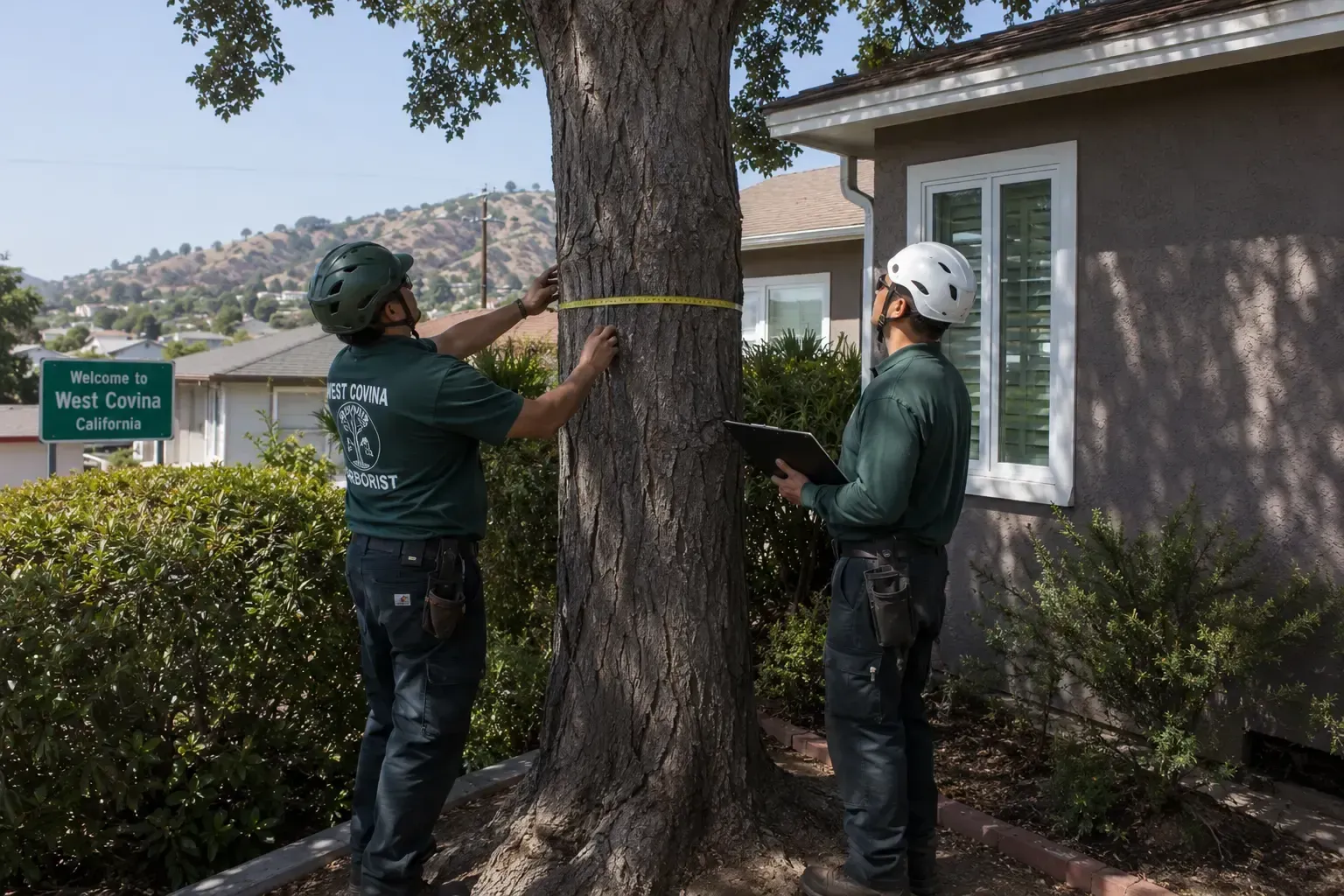
West Covina has specific ordinances regarding tree preservation, particularly for heritage oaks and walnuts found in the Shadow Oak and South Hills areas. While stump grinding generally doesn't require a permit if the tree was already legally removed, navigating the rules for Expert Tree Removal and Tree Trimming Services requires local knowledge.
The City of West Covina Public Works department enforces strict guidelines on right-of-way trees. If your stump is on the easement, you cannot touch it. We verify property lines and easement zones before a single tooth touches the wood, protecting you from municipal fines.
The Aesthetic Reset
Think of your yard like a blank canvas. A stump is a stain on that canvas. It prevents you from laying sod, pouring a patio, or planting a new specimen tree. By grinding the stump in winter, the resulting mulch has time to decompose and settle before the spring planting season.
Furthermore, the mulch created (if you choose to keep it) acts as an excellent insulator for your other flower beds during the cooler nights. It retains moisture and suppresses weeds. It’s the ultimate recycling of organic material.
Why West Covina Chooses Tree Service Perfection
We don't cut corners. We cut wood. When you hire Tree Service Perfection West Covina, you are getting a team that understands the specific micro-climates and soil conditions of the San Gabriel Valley.
We arrive. We assess safety. We grind deep. We clean up. It’s a seamless operation designed to minimize disruption to your life while maximizing the value of your property. Don't let another season pass with that tripping hazard in your backyard.
Frequently Asked Questions
How deep should a stump be ground down?
Ideally, a stump should be ground 6 to 12 inches below the soil surface. This depth ensures the root ball is severed from the trunk, prevents regrowth in most species, and provides enough depth to cover the area with topsoil and turf. For replanting a new tree in the same spot, we may need to go deeper.
Can I replant a tree in the same spot after grinding?
Yes, but you must remove the sawdust and wood chips first. The grinding process leaves wood material that consumes nitrogen as it decomposes, which can starve a new tree. We recommend replacing the grindings with fresh topsoil or waiting a few months before planting in the exact same location.
Is stump grinding better than stump removal?
For most residential properties, grinding is far superior. Full removal requires excavating the entire root system, which can destroy your lawn, crack driveways, and damage underground pipes. Grinding is less invasive, faster, and significantly more cost-effective while achieving the same visual result.
How much does stump grinding cost in West Covina?
Costs vary based on the stump's diameter and accessibility. Generally, prices range from $150 to $400 per stump. Factors like surface roots, rocky soil, or narrow gate access (requiring smaller, slower machines) can affect the final quote. Always get an on-site estimate rather than a phone quote.
What happens to the wood chips after grinding?
You have two options: we can haul the mulch away for a disposal fee, or leave it for you to use. The mulch makes excellent garden bedding, weed suppression, or compost material. Most West Covina homeowners choose to keep the chips to insulate their garden beds during the winter.