Winter Tree Trimming: The Secret Weapon for West Covina Properties
Most people think tree care is a spring cleaning activity. They are wrong. By the time green buds are popping along Sunset Avenue or near the Plaza West Covina, you have already missed the prime window for structural maintenance. Winter in the 91790 zip code isn't about snow; it is about biology and preparation. It is the tactical season.
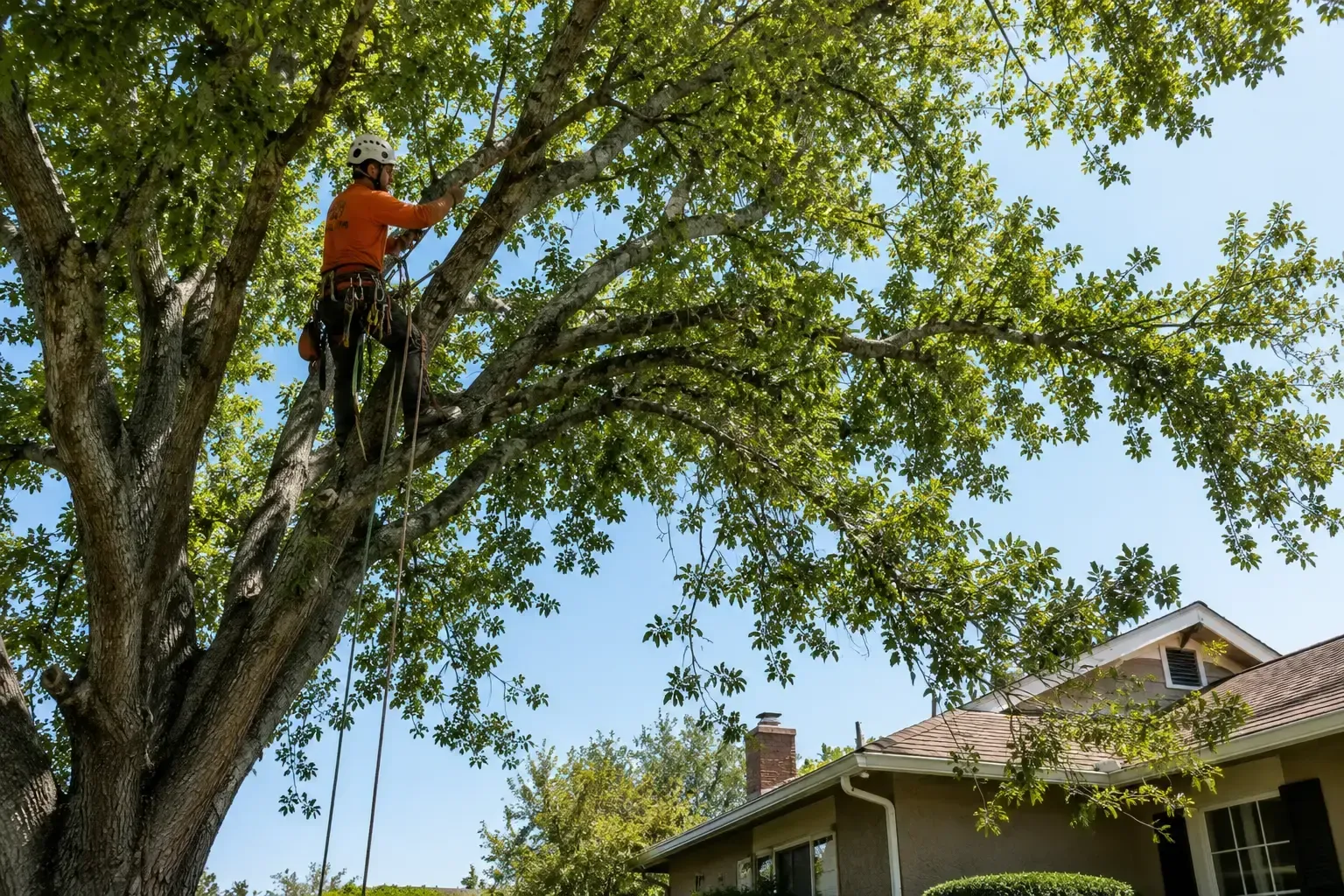
Trees are quiet right now. Deciduous species have dropped their leaves, exposing their skeletal architecture. This visibility is gold. It allows a professional arborist to spot structural defects, crossing branches, and potential hazards that lush summer foliage hides. For homeowners and property managers in West Covina, ignoring this season is a liability. You aren't just maintaining a yard; you are managing risk.
Why Winter Trimming Wins in the 91790
West Covina has a specific microclimate. We don't get deep freezes, but we do get rain and, notoriously, wind. The Santa Ana winds don't care about your curb appeal. They care about physics. If your canopy is too dense, it acts like a sail. When the gusts hit 40 or 50 mph coming through the San Gabriel Valley, that resistance snaps branches.
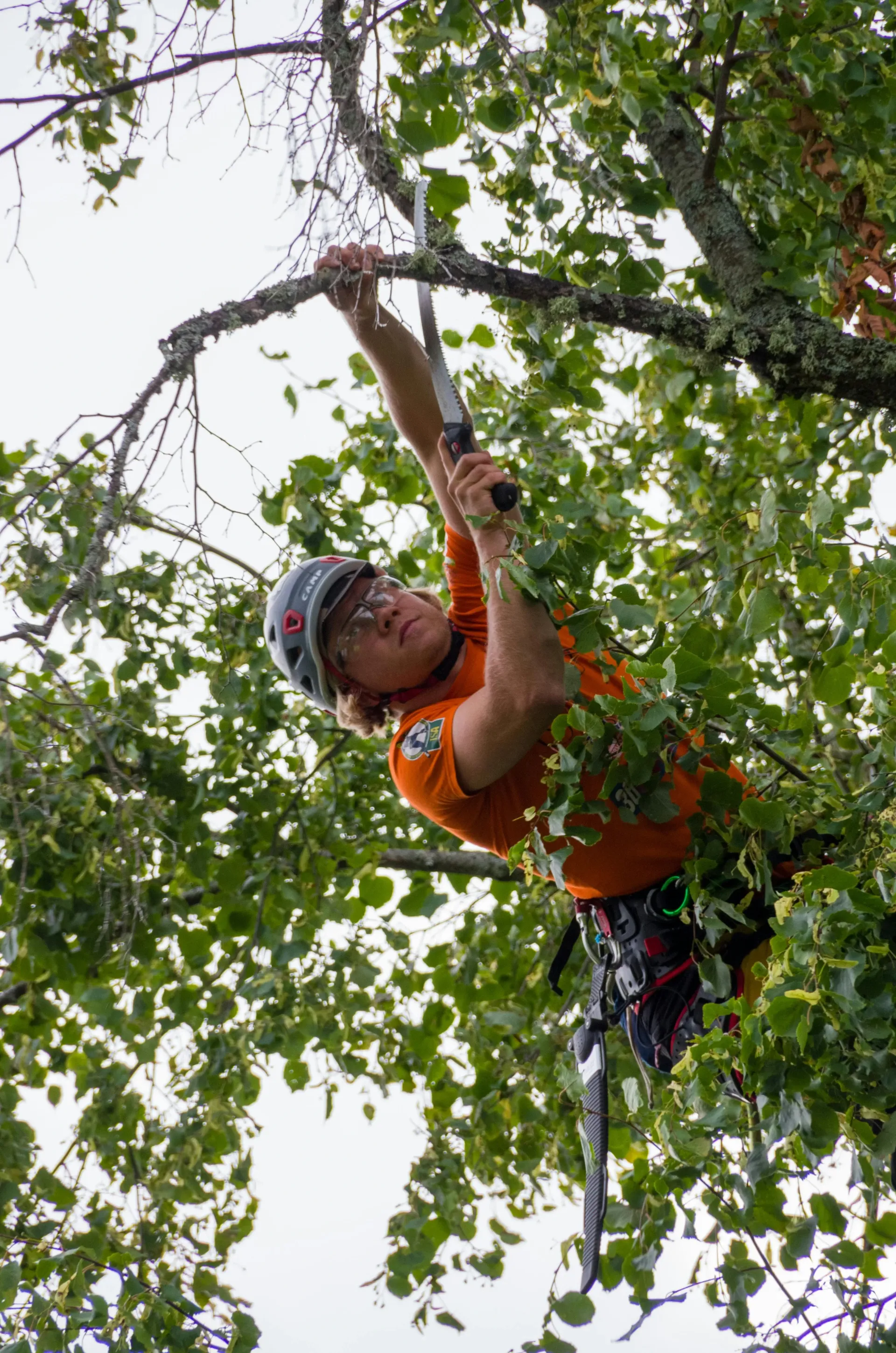
Dormancy is the key factor here. When a tree is dormant, the sap flow slows down. Making cuts now prevents the massive stress that happens if you slice into a tree during its peak growth phase in April or May. It’s like surgery. You want the patient under anesthesia, not running a marathon. Trimming now promotes rapid healing once the weather warms up, reducing the chance of disease transmission—specifically fungal infections and beetle infestations that thrive in fresh wounds during warmer months.
According to the International Society of Arboriculture (ISA), dormant pruning is essential for vigorous spring growth. You aren't just cutting; you are directing energy.
The Property Manager’s Dilemma: Liability vs. Budget
If you manage an apartment complex or commercial lot near the West Covina civic center, you know the drill. Budgets are tight. However, reactive tree service is always more expensive than proactive maintenance. Always.
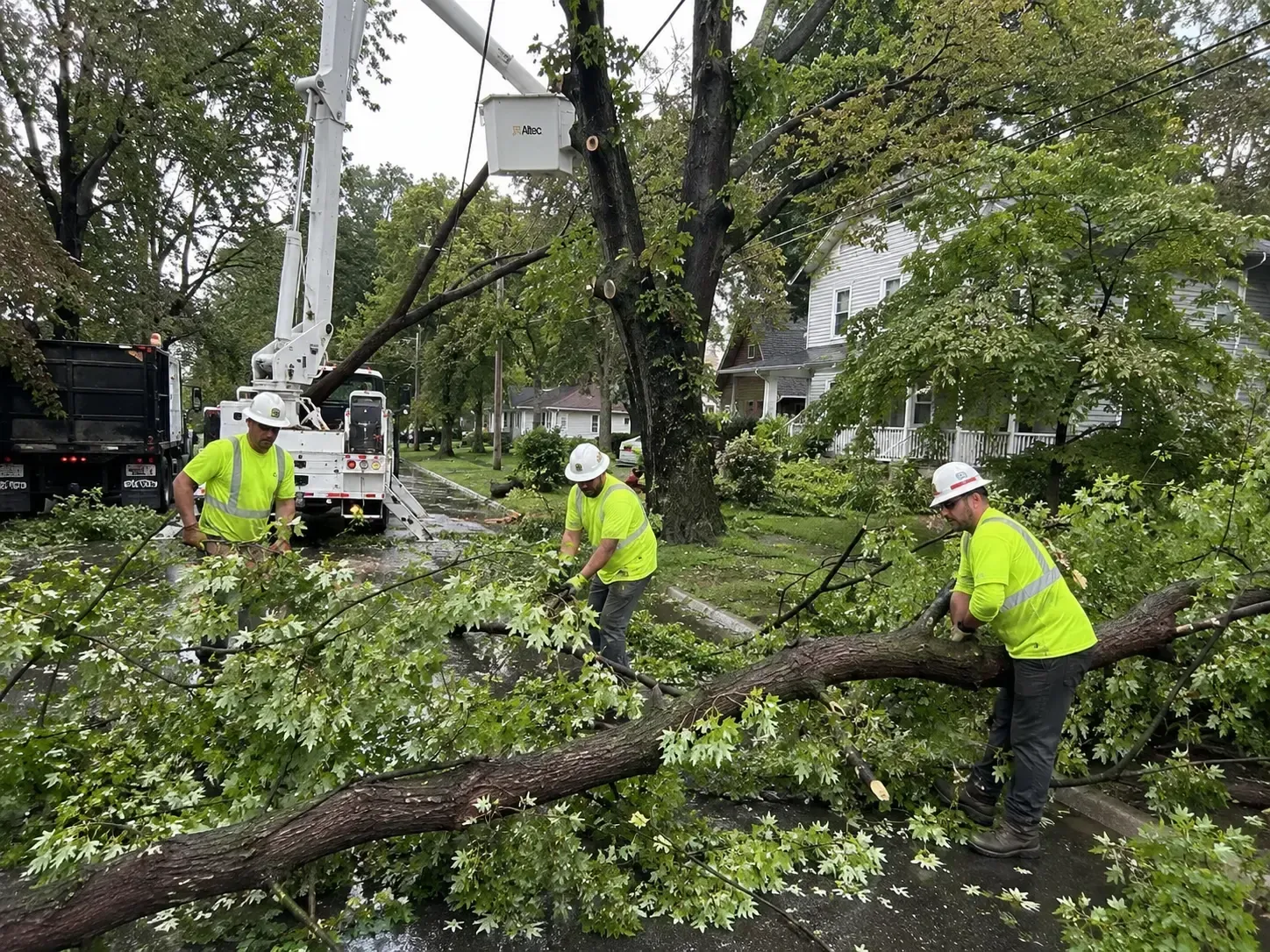
Emergency calls at 2:00 AM because a heavy Eucalyptus limb crushed a tenant's carport roof? That bill will make your eyes water. Scheduled winter maintenance is controlled. It’s predictable. Furthermore, it keeps your insurance premiums from skyrocketing. Negligence is a harsh legal term, but it applies if you fail to address visibly dead or dying limbs that later cause damage.
Consider the visual impact as well. West Covina is competitive. Curb appeal drives occupancy rates. A well-manicured canopy allows light to hit the grounds, keeping the grass alive and reducing mold growth on shaded walkways during our rainy season. It’s a holistic approach to property health.
Specific Tree Challenges in West Covina
Our local flora is a mix of native resilience and imported aesthetics. Each requires a different touch.
The California Sycamore & Oak
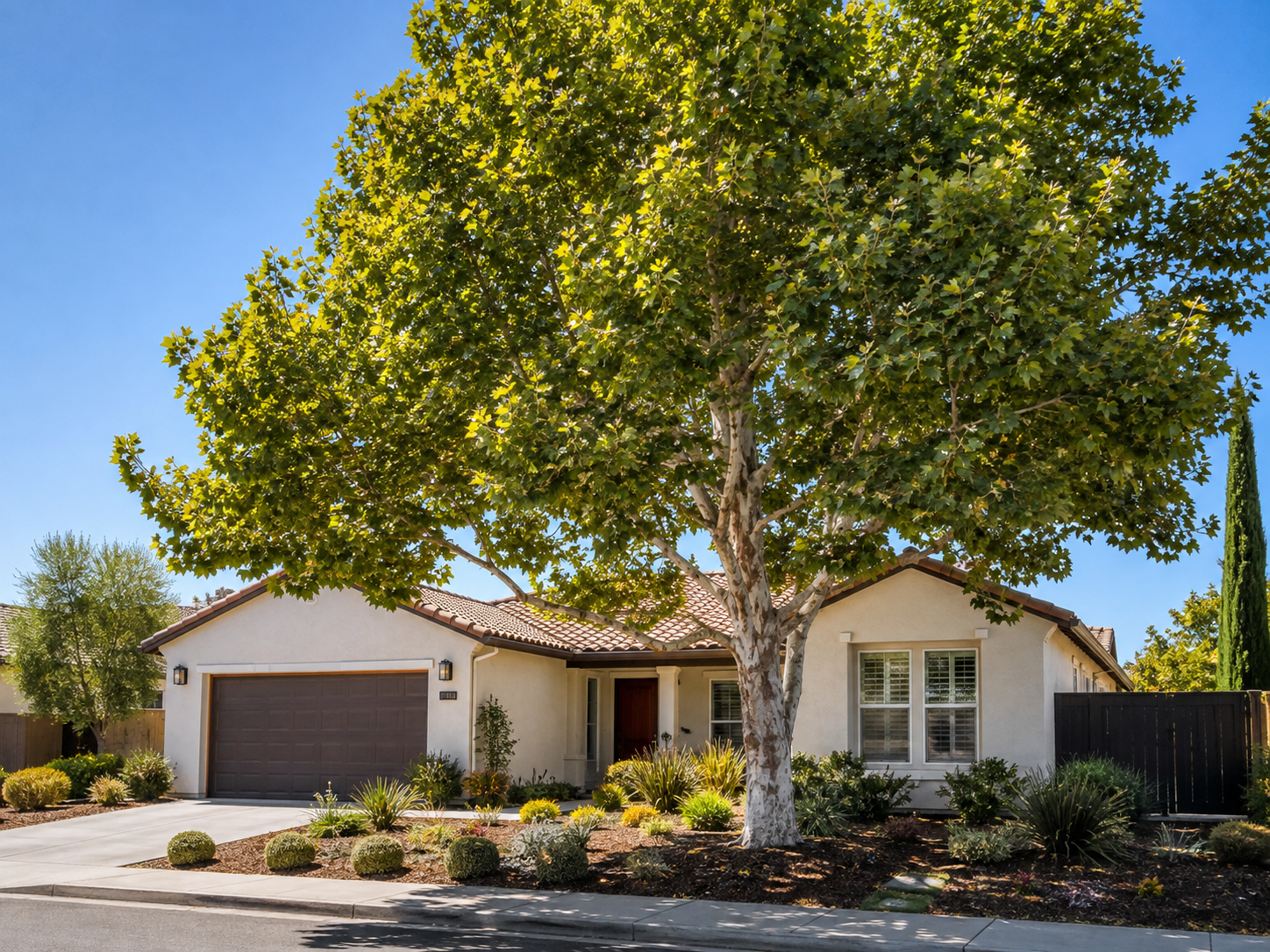
These giants define our skyline. They are beautiful but prone to "sudden limb drop" if not weight-reduced. Winter is the only safe time to prune Oaks to avoid the deadly Goldspotted Oak Borer. You cannot risk trimming these in summer.
The Mexican Fan Palm
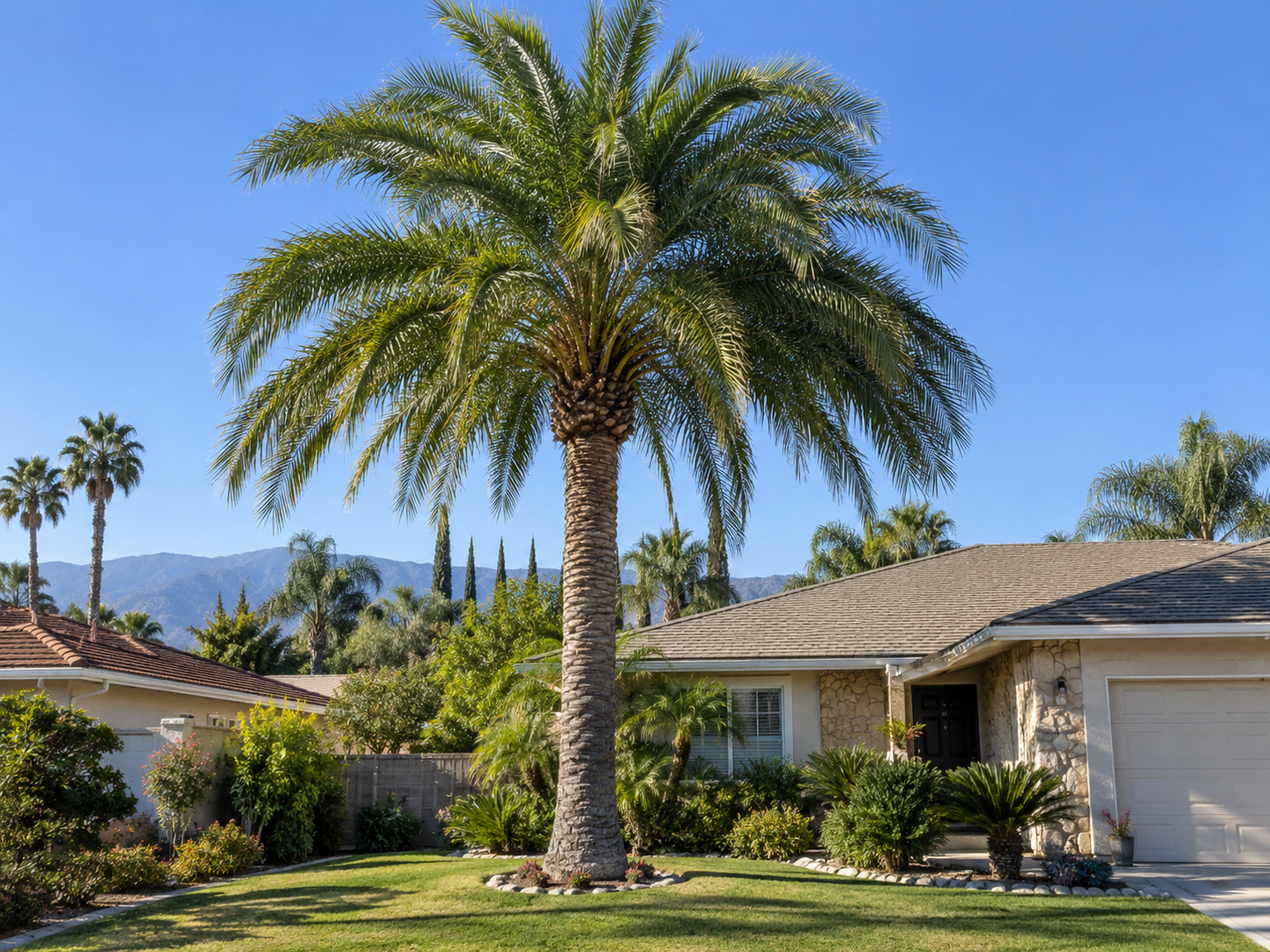
Iconic? Yes. A nuisance? Absolutely. While palms don't go dormant like oaks, winter is an excellent time to remove heavy seed pods before they drop and create a slipping hazard on sidewalks. Those fronds are heavy, and when they detach in a windstorm, they become projectiles.
Pine and Conifers
We see plenty of these in the residential pockets of 91790. They need thinning to reduce wind resistance. A dense pine is a dangerous pine in a windstorm.
The "Tree Service Perfection" Standard
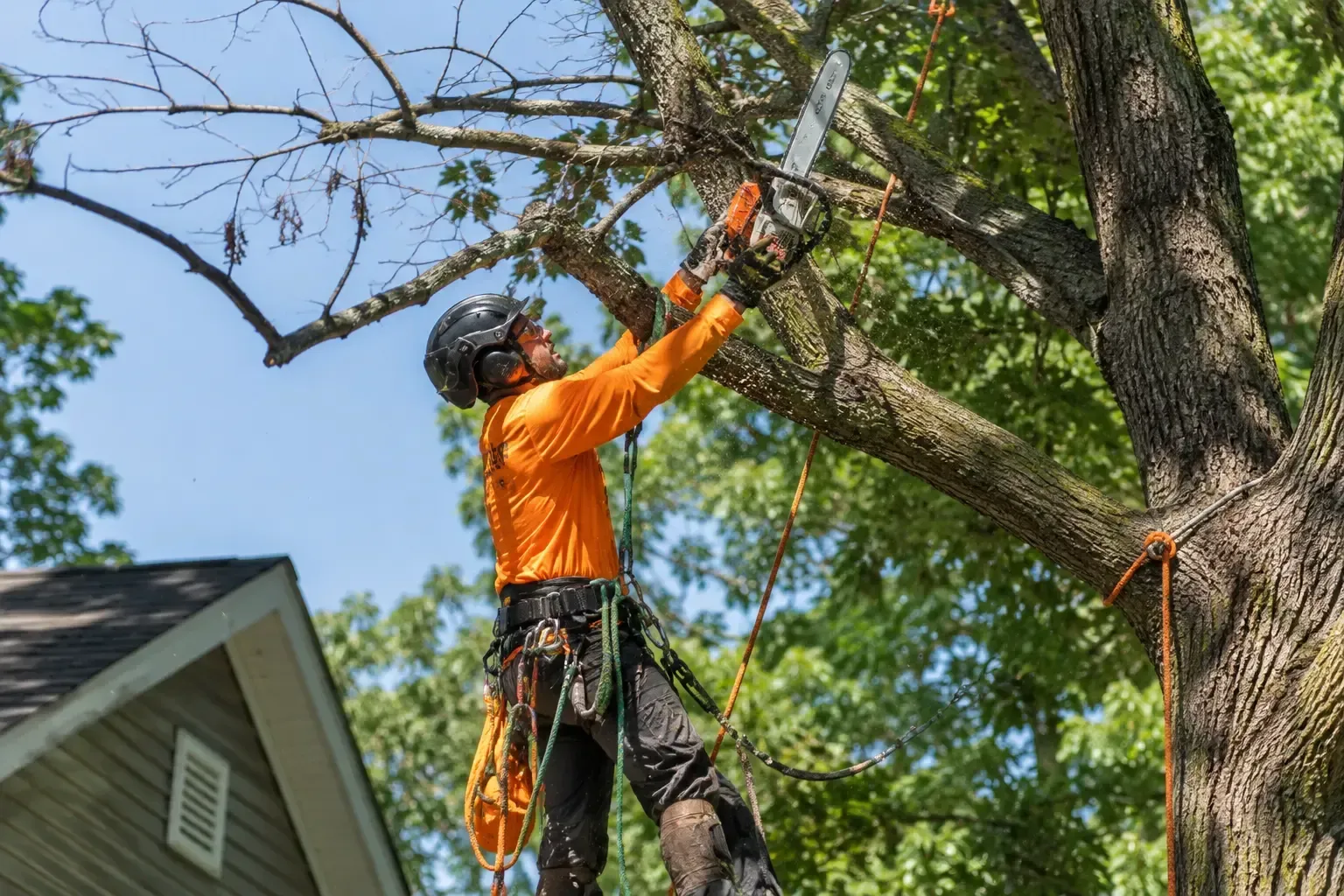
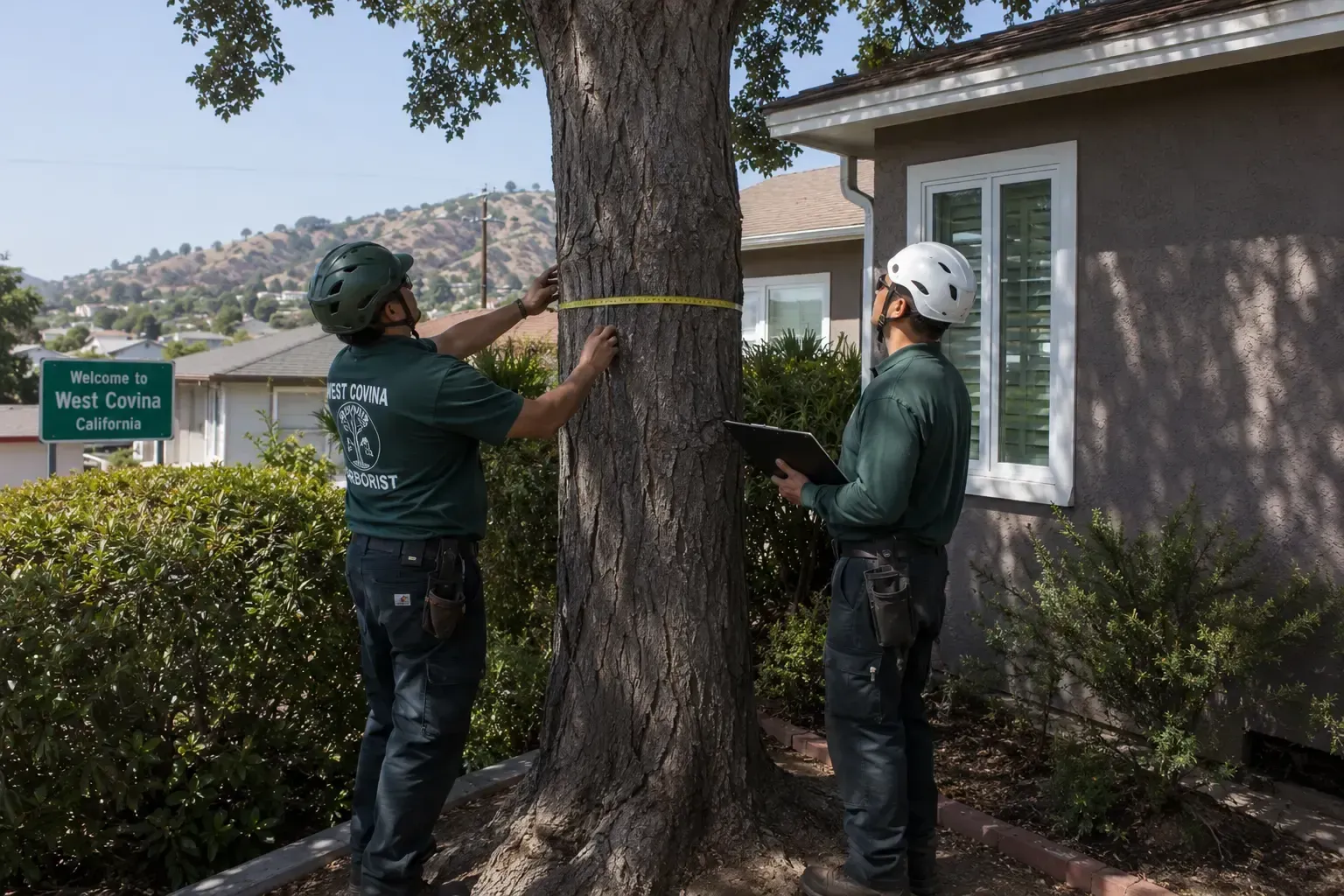
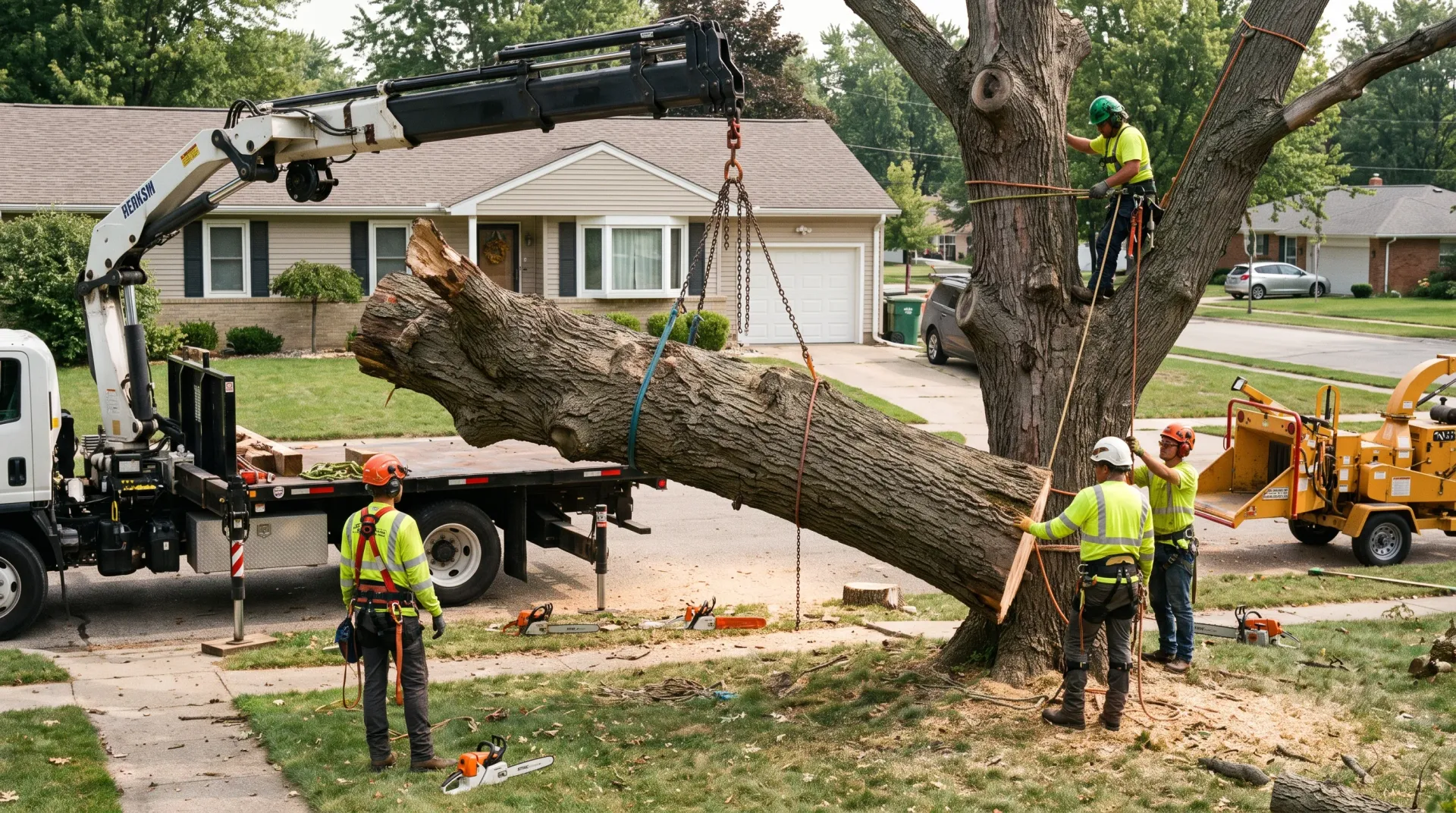
There is a guy with a truck and a chainsaw, and then there is Tree Service Perfection West Covina. The difference is knowledge. We don't just hack away at green things. We study the tree’s biology. Amateur lopping leads to "topping"—a disastrous practice that ruins the tree's natural structure and encourages weak, spindly regrowth. It looks ugly and it is dangerous. We practice crown cleaning, thinning, and raising. We make precise cuts at the branch collar to ensure the tree can seal the wound naturally. No tar. No gimmicks.
Our team understands the local ordinances too. West Covina has specific rules regarding the preservation of heritage trees. Violating these can lead to hefty fines. We navigate the red tape so you don't have to.
Signs Your Trees Need Immediate Winter Attention
Walk your property today. Look up. Do you see:
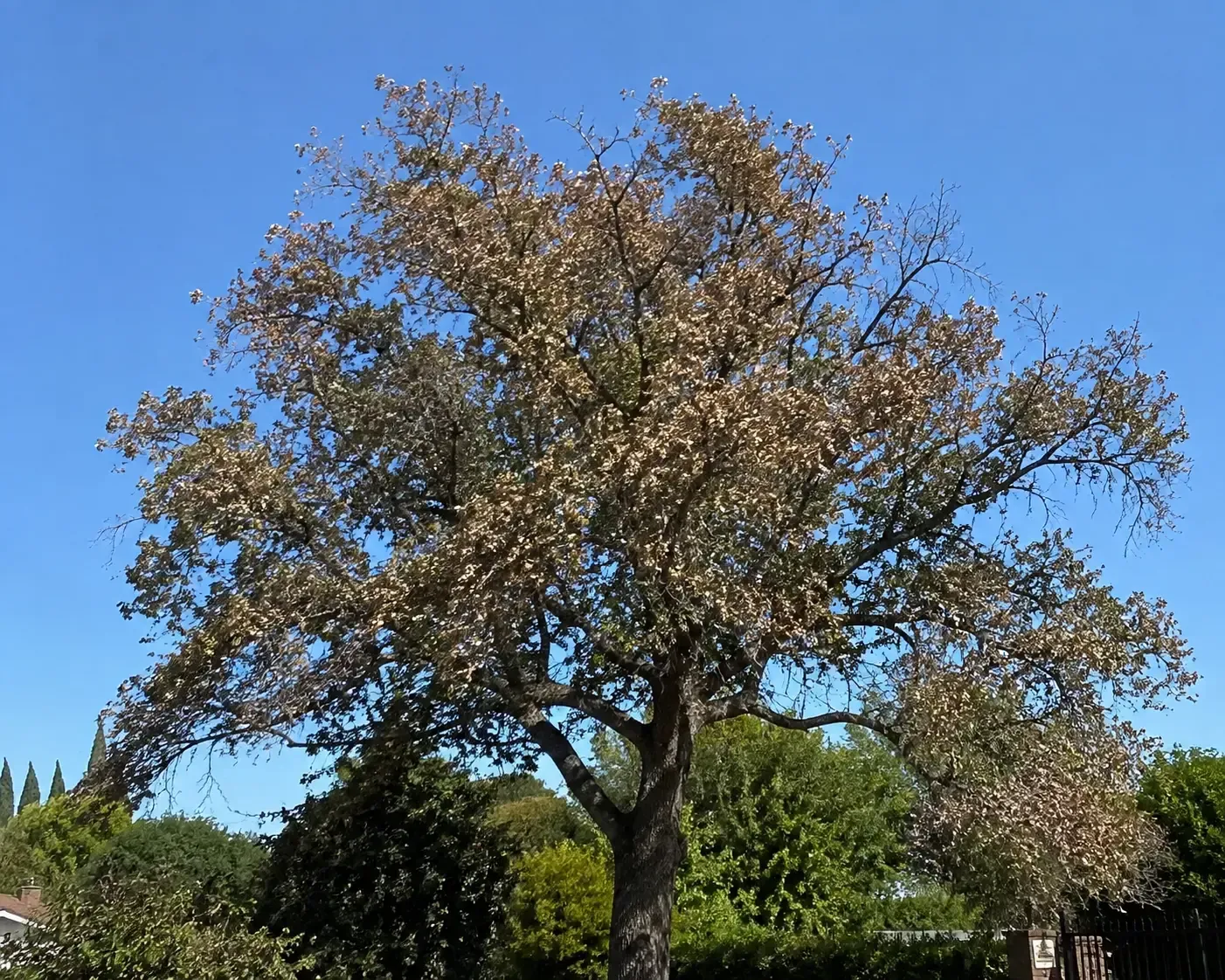
- Deadwood: Branches that are leafless (on evergreens) or missing bark. These are ticking time bombs.
- Crossing Branches: Limbs rubbing against each other create wounds that invite decay.
- Roof Clearance: If a branch is touching your shingles, it provides a bridge for rats and insects to enter your attic. It also scrapes the granules off your roof.
- V-Crotches: Two trunks growing from a tight V-shape often have weak attachment points and are prone to splitting.
If you spot these issues, pick up the phone. Delaying until spring means the tree will be heavier with leaves and actively growing, making the job more difficult and stressful for the plant.
The Financial Logic of Seasonal Timing
Let’s talk money. Demand for tree service spikes in spring and summer. Everyone wants their yard ready for barbecues. By booking in winter, you often get faster scheduling. The crew isn't fighting 100-degree heat, which means they work more efficiently. Better efficiency translates to better value for your dollar.
Moreover, properly pruned trees increase property value. A USDA Forest Service study suggests that healthy, mature trees can add an average of 10 percent to a property’s value. In the West Covina housing market, that is a significant chunk of change.
Don't Let the Quiet Season Fool You
Winter in Southern California is deceptive. It feels like a pause, but for your green assets, it is the most critical time of the year. It is the time to correct structure, reduce weight, and prepare for the inevitable growth spurt of spring. Whether you own a single-family home off Francisquito Avenue or manage a sprawling complex near the mall, the health of your trees dictates the safety and beauty of your grounds.
Tree Service Perfection West Covina is ready to assess your needs. We bring the expertise, the equipment, and the local knowledge to ensure your trees survive the winter and thrive in the spring. Don't wait for a branch to fall on your car to realize you need a professional.
Frequently Asked Questions
When is the best time to trim trees in West Covina?
For most deciduous trees (like Sycamores and Ash) and native Oaks, late winter (January to February) is ideal. The trees are dormant, minimizing sap loss and stress. However, dead or hazardous branches should be removed immediately, regardless of the season, to ensure safety.
Do I need a permit to remove a tree in West Covina?
Yes, often. West Covina has specific preservation ordinances, particularly for Heritage Trees and certain native species like Oaks and Walnuts. Removing or significantly altering these trees without a permit can result in fines. A professional tree service can help verify requirements with the city planning department.
Why is tree topping bad for my trees?
Topping cuts off the tree's nutrient supply and forces it to grow weak, rapid "water sprouts" to survive. These new shoots are poorly attached and prone to breaking. Topping destroys the tree's natural structure, reduces its lifespan, and increases long-term maintenance costs. Never hire a company that recommends topping.
How does winter trimming help with Santa Ana winds?
Winter trimming, specifically "thinning," reduces the density of the canopy. This allows wind to pass through the tree rather than pushing against it like a sail. By reducing wind resistance and removing heavy, over-extended limbs, you significantly lower the risk of the tree uprooting or branches snapping during high-wind events.
Is winter tree service cheaper than summer service?
While base rates often remain consistent, winter service can be more cost-effective. The lack of leaves makes the work faster and cleanup easier for the crew. Additionally, preventing storm damage through proactive winter maintenance is significantly cheaper than paying for emergency removal and property repairs after a storm.