Expert Tree Removal & Trimming Services in West Covina You Can Rely On

September 16, 2025

Looking for trusted tree service in West Covina, CA? Discover expert tree removal and trimming services by local arborists to keep your property safe, healthy, and beautiful.


Introduction

If you live in West Covina, CA, you already know how much trees add beauty, shade, and value to your property. But without proper care, trees can become hazardous, diseased, or overgrown. That’s where tree service comes in. From trimming branches that grow too close to your roof to safely removing weakened trees, local arborists provide the expertise and equipment needed to protect your home and landscape.


This article breaks down what tree service is, why it matters in West Covina, when to schedule it, and how to get it done. Whether you’re a homeowner wanting to spruce up your yard or a business owner prioritizing safety, this guide is designed to give you clarity, practical tips, and local insights.

What Is a Tree Service?

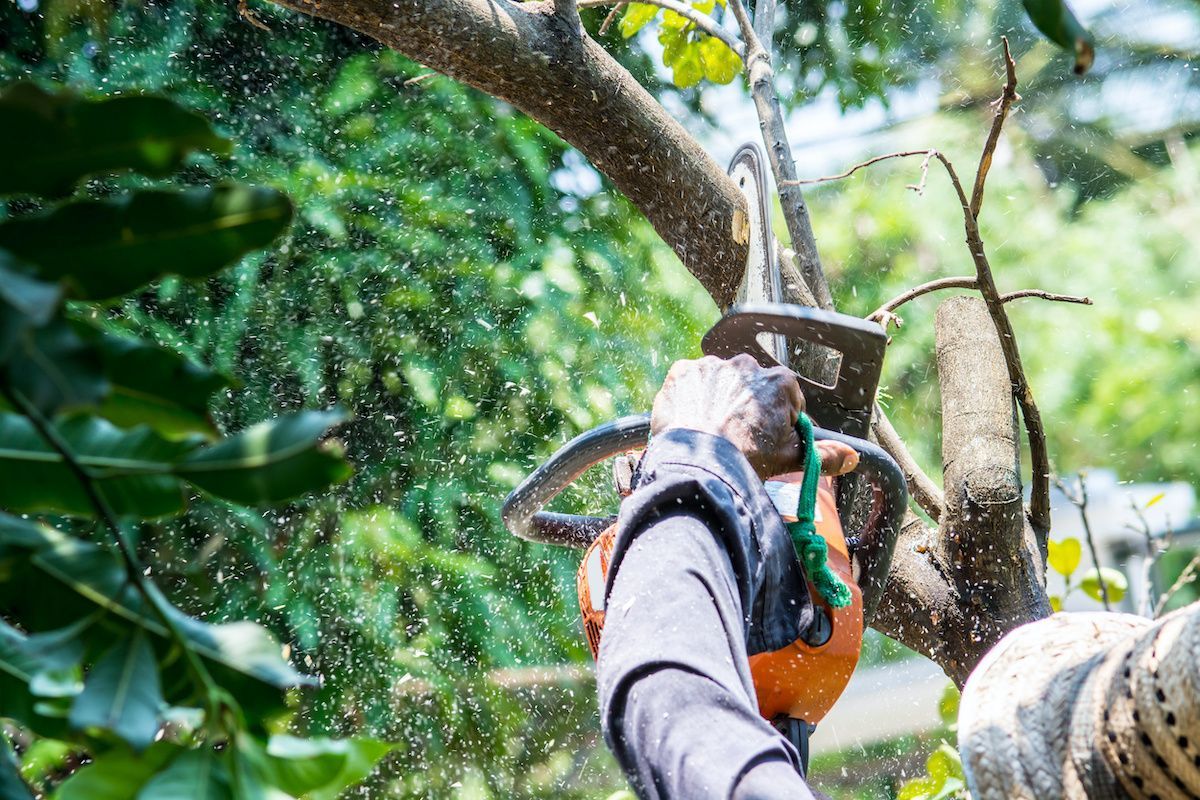
A tree service is a professional service focused on maintaining, trimming, and sometimes removing trees to keep properties safe, attractive, and healthy. Local arborists don’t just “cut branches”; they assess tree health, identify risks, and recommend treatments that improve longevity.


Services often include:

  • Tree trimming and pruning
  • Full tree removal
  • Emergency storm cleanup
  • Stump grinding and removal
  • Planting advice and tree health care


In a place like West Covina, where summers are hot and dry while winters bring occasional storms, having well-maintained trees is not just about looks—it’s about safety and long-term property care.


Why Tree Service Matters in West Covina, CA

West Covina’s climate plays a major role in how trees grow and respond to stress. With long periods of sun exposure, limited rainfall, and sudden seasonal winds, trees can quickly become unstable or unhealthy.


Here’s why tree service matters locally:

  • Fire Safety: Dry branches increase fire risks during Southern California’s hot summers.
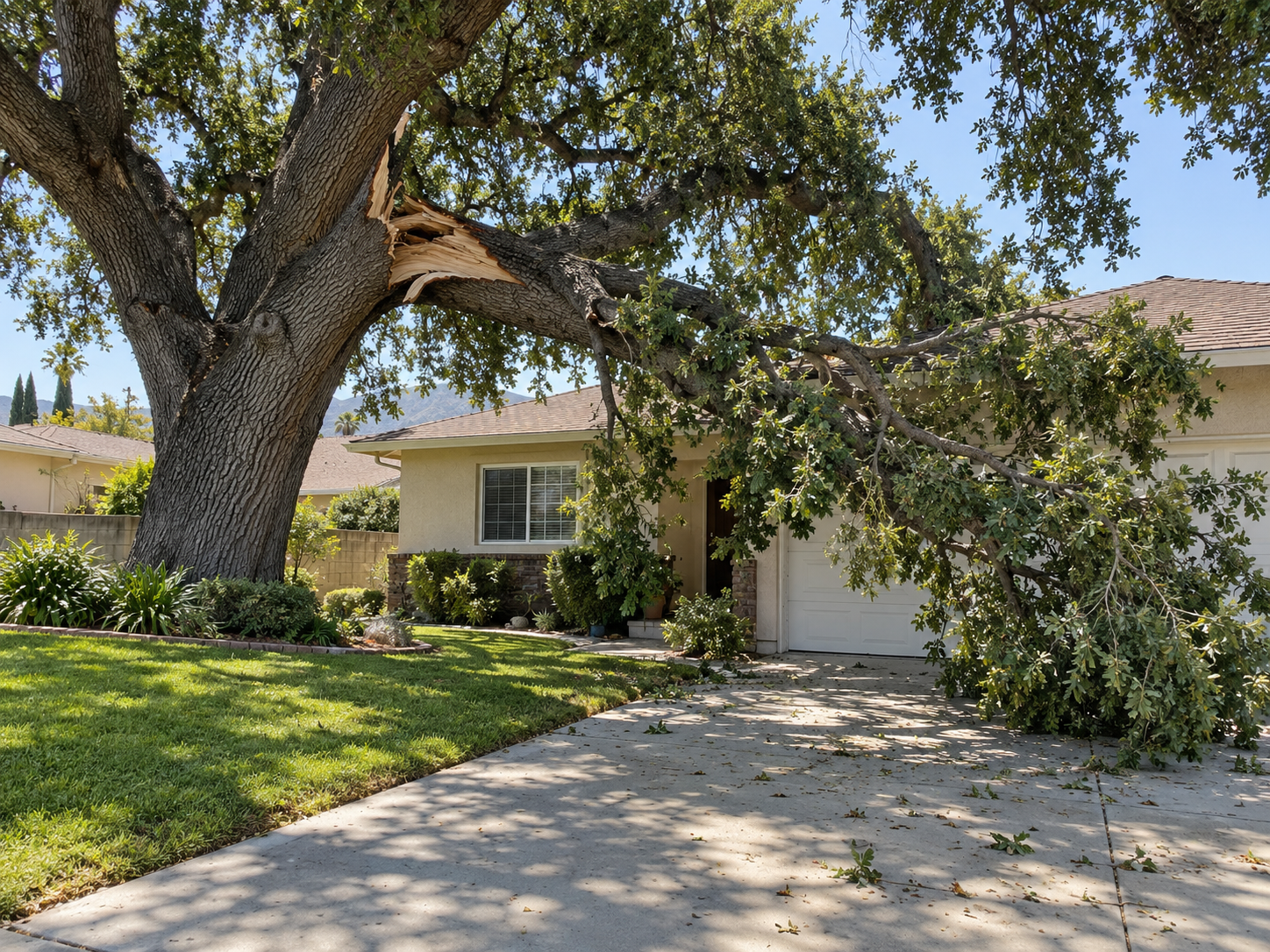
  • Storm Protection: Heavy winds can break branches or topple weak trees, damaging property.
  • Health of Trees: Regular trimming prevents diseases from spreading and improves growth.
  • Curb Appeal: Healthy, shaped trees add to the value and beauty of your home.


Local arborist insight:


“We often see homeowners in West Covina wait until branches are dangerously close to power lines. Routine trimming could save thousands in potential damage.”


When Should You Schedule Tree Service in West Covina?

Timing makes a big difference in tree care.

  • Spring (March–May): Ideal for trimming to promote growth.
  • Summer (June–August): Monitor trees for signs of stress, dehydration, or fire hazards.
  • Fall (September–November): Great for pruning before winter storms.
  • Winter (December–February): Safe season for removing dormant or weak trees.


Emergency Situations

  • After heavy winds or storms
  • If a tree is leaning dangerously
  • If branches are threatening your roof, windows, or power lines


How Local Arborists Get the Job Done

Hiring local arborists ensures the work is safe, efficient, and tailored to West Covina’s conditions. Here’s how it typically works:

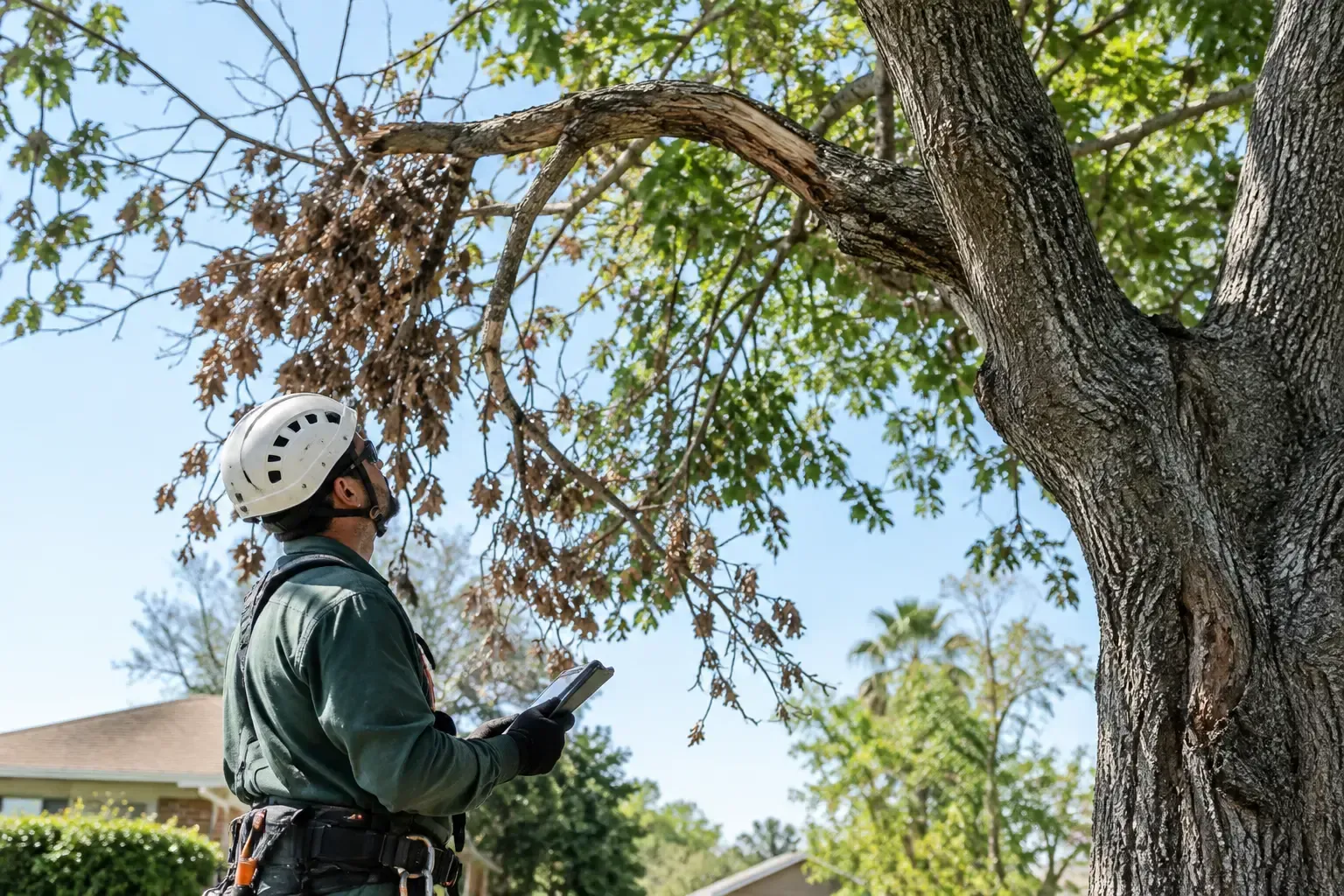
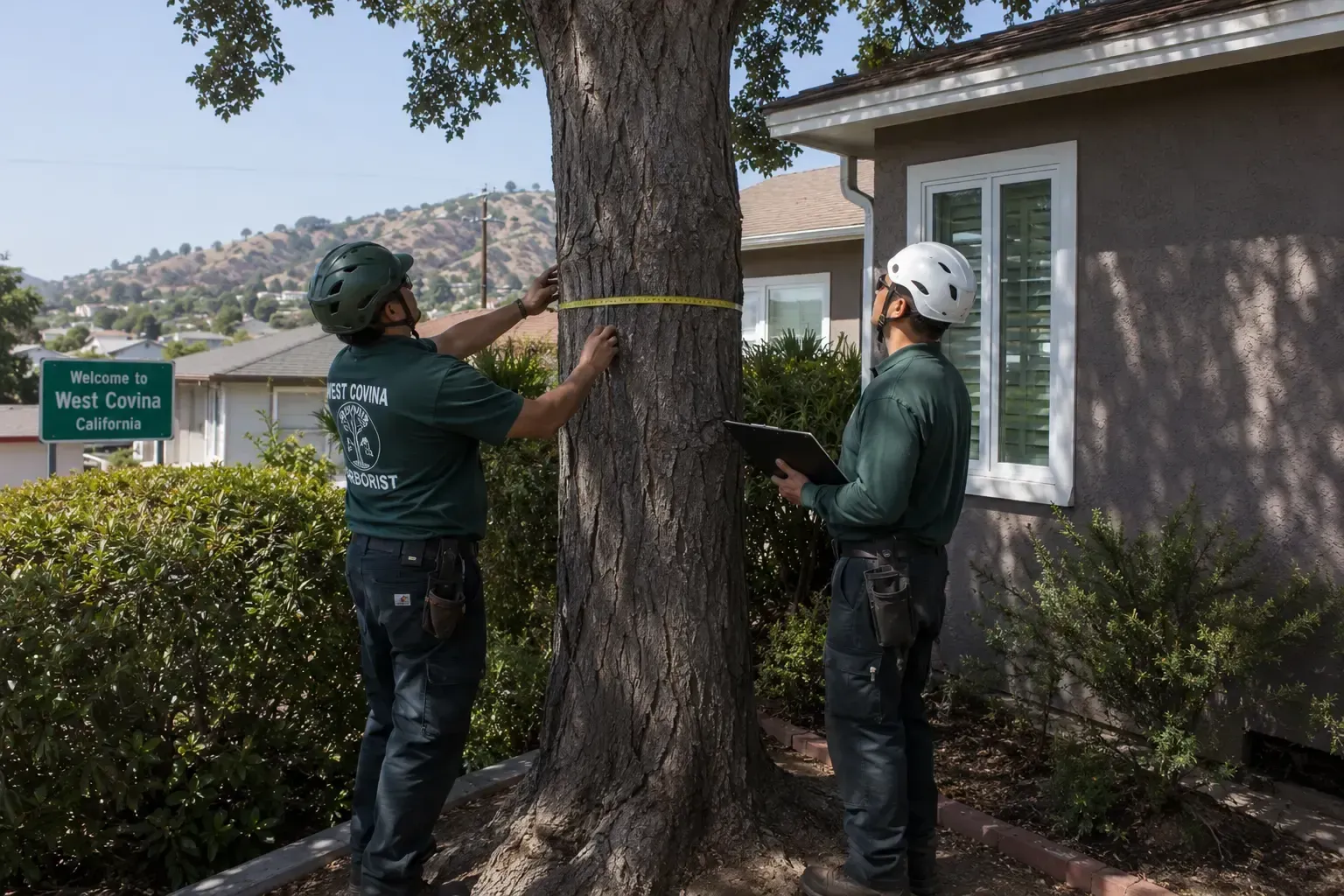
  1. Initial Assessment – A professional inspects your trees for hazards and health concerns.
  2. Recommendation – They suggest trimming, removal, or health treatments.
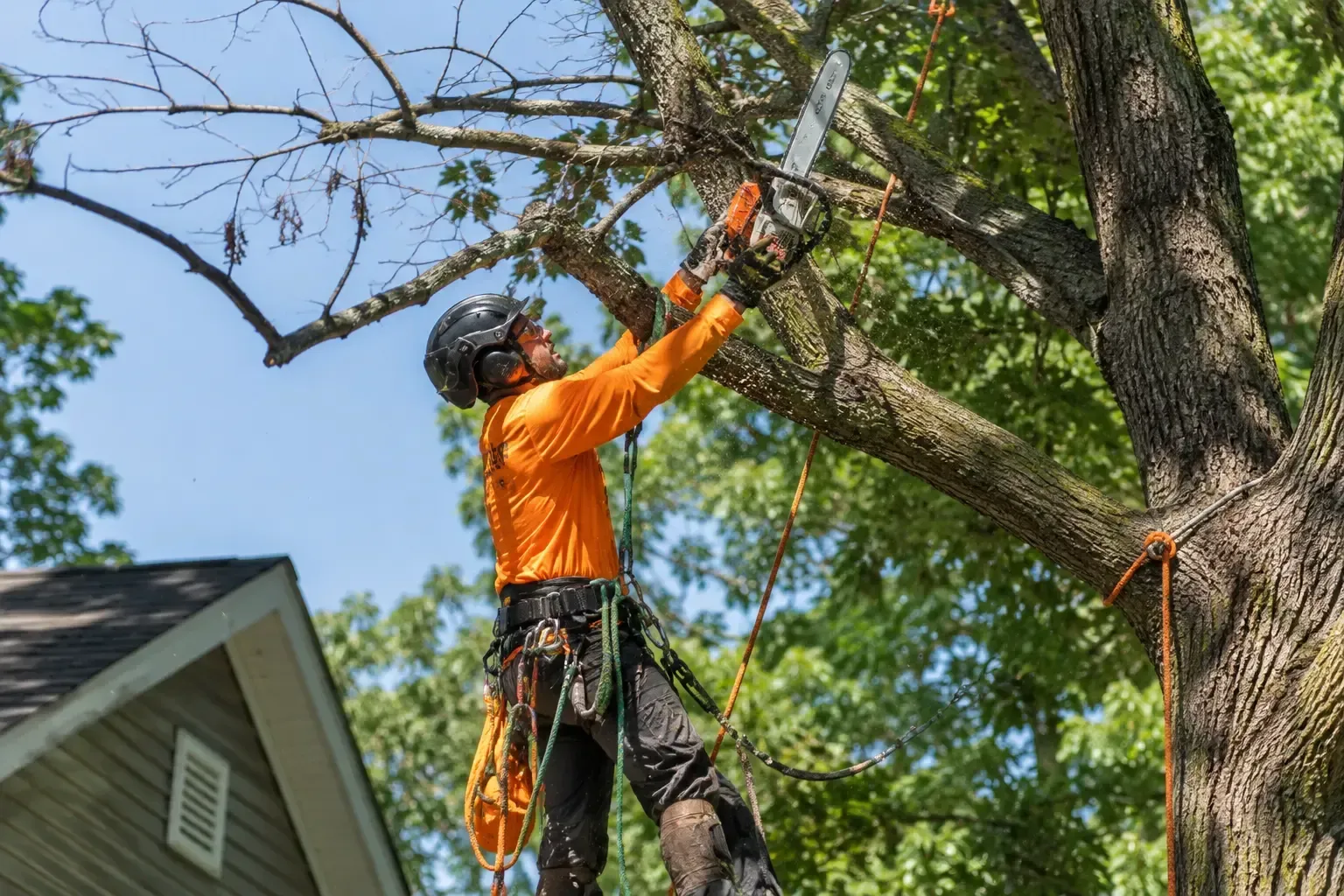
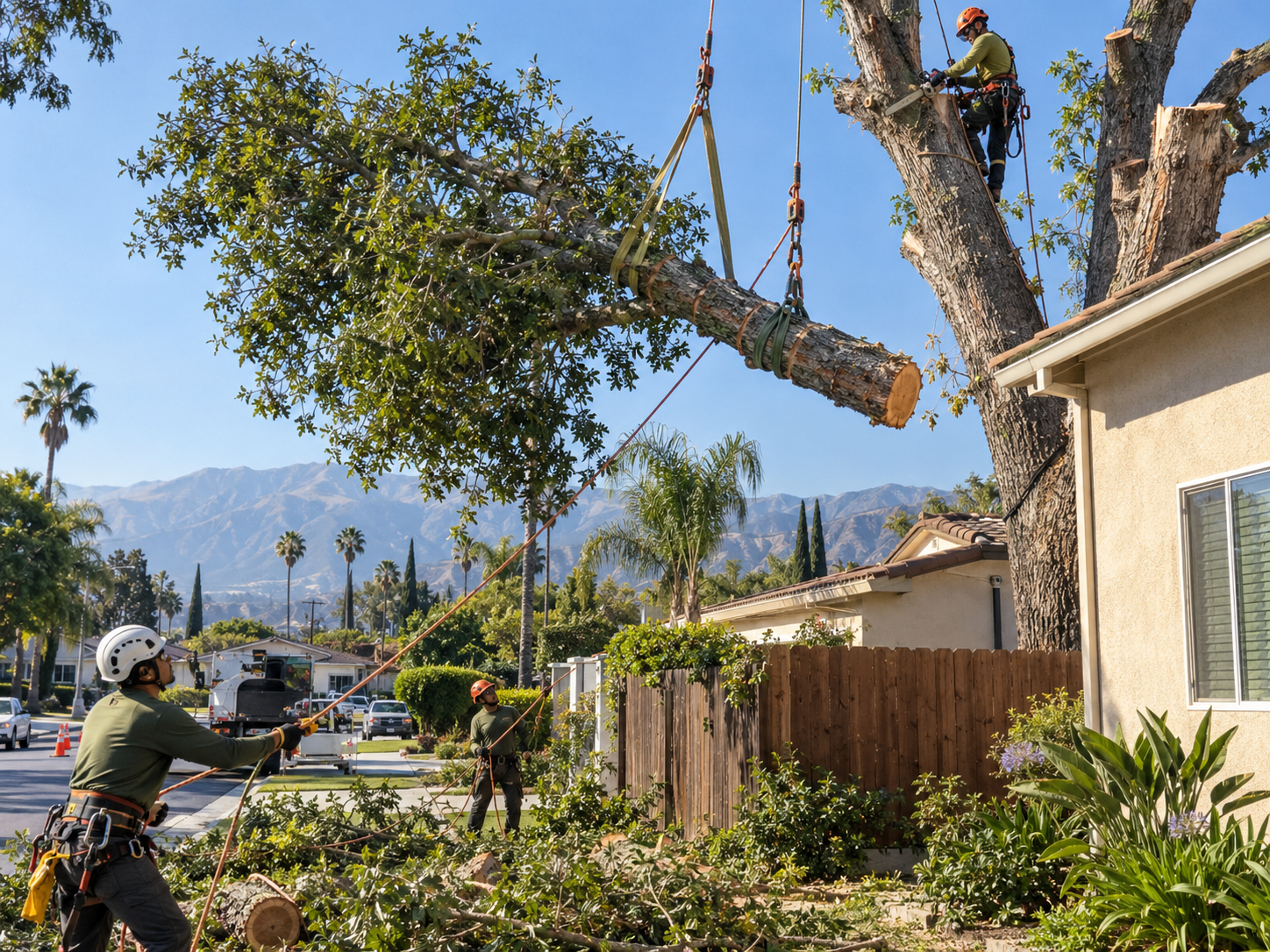
  3. Execution – Using specialized equipment, the team carefully trims or removes the tree.
  4. Cleanup – Branches, debris, and stumps are removed, leaving your property tidy.


Pro Tip: Always ask if your arborist is insured. This protects you from liability in case of accidents.


Service Options Comparison

Here’s a breakdown of common tree services and their benefits:

Service Type Benefits Best Time in West Covina
Tree Trimming Improves shape, health, and safety Spring & Fall
Tree Removal Prevents damage from unstable trees Winter or Emergency
Stump Grinding Eliminates tripping hazards, improves yard Anytime
Emergency Services Immediate response to storms or hazards Year-round


Checklist for West Covina Homeowners

Before calling a tree service West Covina, CA, review this checklist:

  • Are branches touching or close to your roof?
  • Do you see cracks or hollow spots in the trunk?
  • Are leaves discolored, even in the growing season?
  • Has your tree leaned more in recent months?
  • Are roots causing damage to sidewalks or driveways?


If you answered “yes” to any of these, it’s time to call local arborists.


Local Testimonials

“We had a large pine removed after a storm. The team came out the same day and handled everything professionally. We feel much safer now.” – Resident, West Covina
“Our yard looks amazing after a seasonal trim. The crew explained everything and worked fast.” – Business Owner, West Covina


FAQs

What is the average cost of tree service in West Covina, CA?
Costs vary depending on the tree size and type of service. Trimming might range from $150–$500, while removal can exceed $1,000 for large trees.


Can I trim my own trees?
Small branches, maybe. But for large trees or those near power lines, it’s safer to hire local arborists.


How often should trees be trimmed?
Most trees benefit from trimming every 1–3 years, depending on the species and growth rate.


Are tree services in West Covina regulated?
Yes, local regulations apply, especially for tree removal permits. Check city guidelines before cutting down large or heritage trees.


Do arborists also plant trees?
Yes, many local arborists also recommend and plant tree species that thrive in West Covina’s climate.


Is stump grinding necessary?
While optional, removing stumps prevents pests, improves curb appeal, and makes landscaping easier.


Conclusion

Healthy trees mean a safer and more beautiful property. Whether it’s seasonal trimming or an urgent removal, working with tree service West Covina, CA professionals gives you peace of mind. Local arborists know the city’s weather patterns, soil conditions, and regulations, making them the best choice for reliable care.


Ready to schedule a consultation? Learn more about our Services Page or Contact Page today.


Key Takeaways

  • Tree service is about safety, health, and property value.
  • In West Covina, CA, tree care prevents storm damage and fire risks.
  • Timing matters—spring and fall are best for trimming, winter for removal.
  • Local arborists provide reliable expertise and cleanup.
  • Use a homeowner’s checklist to decide when it’s time to call.


Explore more about us here:
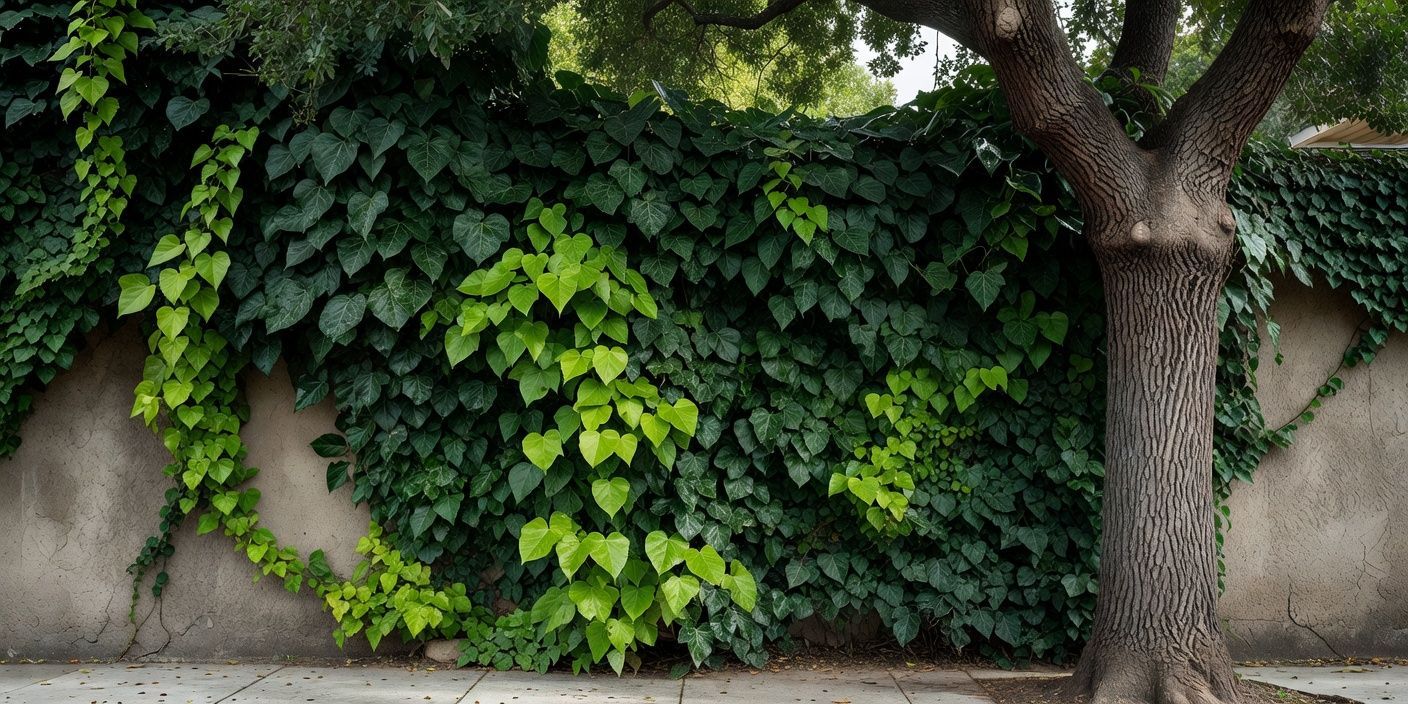
Ivy Removal vs. Ivy Trimming: Which Solution Is Best for Long-Term Control?
By John Constantine July 9, 2026
Choosing between trimming and completely removing ivy is a critical decision for property managers.
By John Constantine July 8, 2026
Key Insights and Takeaways Maintaining a safe and beautiful landscape requires a species-specific approach to tree trimming, balancing local climate challenges with precise arboricultural practices. Homeowners in West Covina must account for drought stress and Santa Ana winds by ensuring their trees receive professional structural evaluation regularly. A proactive maintenance schedule protects property values, enhances tree vitality, and mitigates the risk of catastrophic branch failure. Fruit trees demand annual dormant pruning to maximize yield and health. Deciduous shade trees require structural thinning every three to five years to reduce wind resistance. Hazardous conditions like severe leaning, deep trunk cracks, or massive deadwood require immediate emergency intervention.
By John Constantine July 7, 2026
Key Takeaways and Insights  Removing a tree at the right time ensures safety, saves money, and protects your property value in West Covina. While winter is generally the most efficient season for planned removals, severe weather or structural decay often requires immediate emergency intervention. Trusting a licensed professional guarantees the job is done safely, legally, and with minimal disruption to your landscape. Winter offers optimal conditions for planned removals due to dormant trees and firm soil. Signs like deep trunk cracks, leaning, and fungal growth dictate the need for immediate emergency service. Hiring licensed experts ensures local permit compliance and protects your home from accidental damage.
By John Constantine July 3, 2026
Key Insights and Takeaways Protecting your West Covina property requires vigilance and a basic understanding of tree biology. By recognizing the early warning signs of canopy dieback, trunk decay, and root instability, homeowners can prevent catastrophic property damage before it happens. Timely professional intervention is the safest and most cost-effective way to manage failing trees. Sudden leaning or soil heaving at the base of a tree requires immediate emergency intervention to prevent an imminent collapse. Peeling bark, deep cavities, and fungal growth on the trunk are prime indicators of severe internal decay. Proactive, seasonal pruning removes dangerous deadwood and promotes better long-term health for your landscape.
By John Constantine July 2, 2026
Key Insights and Takeaways Maintaining healthy and safe trees in West Covina requires proactive care tailored to Southern California's unique environmental challenges, including heavy winds and drought. By partnering with experienced professionals, homeowners can protect their property values, prevent structural damage, and ensure their landscapes remain vibrant year-round. Taking action before severe weather hits is the most effective strategy for long-term landscape success. Routine pruning improves canopy airflow and drastically reduces the risk of branch failure during local windstorms. Early identification of pests, diseases, and invasive ivy is critical to saving mature trees from irreversible structural decay. Professional tree care requires specialized local knowledge to ensure safety, proper equipment usage, and strict compliance with West Covina municipal codes.
By John Constantine June 29, 2026
Key Insights And Takeaways Property owners in West Covina must remain vigilant about the health and structural integrity of their trees to prevent property damage. Relying on professional arborists ensures that hazardous, diseased, or storm-damaged trees are extracted safely and legally. Taking proactive steps to remove dangerous vegetation protects your home and preserves the aesthetic value of your landscape. * Regular inspections can identify severe leaning, deep trunk cracks, and fungal decay before a tree fails. * Professional extraction utilizes specialized equipment to safely dismantle large trees in tight residential spaces. * Local experts handle necessary municipal permits and understand how the West Covina climate impacts root health.
By John Constantine June 28, 2026
Prolonged dry seasons in Southern California place immense stress on mature residential landscapes, making proactive arboriculture absolutely essential for property protection. By prioritizing deep root hydration, strategic canopy pruning, and expert hazard removal, West Covina homeowners can successfully safeguard their real estate investments. Partnering with fully insured, highly specialized local professionals ensures your property remains perfectly safe, structurally sound, and visually stunning year round. * Recognize early drought stress indicators like canopy dieback and leaf scorch to prevent irreversible structural damage. * Proper mulch application and selective thinning drastically reduce water demand and mitigate severe storm liability risks. * Always hire fully licensed, insured experts to completely avoid massive financial liability during complex hazard removals.
By John Constantine June 25, 2026
Key Insights and Takeaways Maintaining a healthy landscape in West Covina requires vigilance against drought stress, invasive pests, and structural instability. Identifying symptoms early allows property owners to secure professional interventions before total failure occurs. Relying on certified experts for targeted pruning, disease management, and safe extractions protects both your home and the surrounding urban forest. * Early detection of pests and fungal infections prevents localized issues from becoming fatal systemic diseases. * Structural pruning and professional ivy removal significantly reduce the risk of unexpected branch failure during severe weather. * Hazardous or severely decaying specimens should be promptly removed by trained specialists to ensure safety and prevent pathogen spread.
By John Constantine June 24, 2026
Strategic tree removal is a vital landscape management tool that eliminates harmful competition for sunlight, water, and soil nutrients. By extracting declining or overcrowded specimens, property owners can protect their remaining plants from spreading diseases and structural defects. Investing in professional canopy management ultimately secures the health, safety, and real estate value of your outdoor environment. * Eliminating overcrowded trees instantly frees up essential soil moisture and nutrients for surrounding vegetation. * Removing diseased plants prevents wood boring insects and fungal pathogens from spreading across your yard. * Proper spatial management allows remaining trees to develop symmetrical, structurally sound canopies that withstand high winds.
By John Constantine June 23, 2026
A decaying tree on your property represents a significant structural liability. Property owners frequently overlook the subtle biological indicators of arboreal decline until extreme weather exposes the compromised root system or brittle canopy. The high winds that occasionally sweep through Southern California test the physical limits of every standing structure. Healthy timber flexes and adapts to these environmental pressures. Dead timber simply snaps.  Addressing a failing landscape specimen promptly protects your family, safeguards your property value, and prevents catastrophic damage to roofs, vehicles, and underground utilities. Understanding the precise biological and physical indicators of a dying trunk allows you to take decisive action before a sudden failure occurs. Proactive landscape management requires vigilance, and learning to read the structural warning signs of a decaying canopy is an essential part of responsible property ownership.