Why Are the Leaves on My Tree Turning Brown?
Key Takeaways and Insights
Understanding why tree leaves turn brown is crucial for protecting your property value and ensuring landscape safety. This guide explores common environmental stressors like drought, over-watering, and pest infestations that plague local Southern California yards. By accurately diagnosing these symptoms early, homeowners can take effective action or hire trusted experts to revive their ailing trees.
* Drought stress usually causes crispy brown leaf edges, while over-watering leads to soft, limp brown leaves due to root suffocation.
* Pests and fungal diseases require immediate attention to prevent the infection from spreading across your entire landscape.
* Engaging professional tree care experts is the safest and most effective way to handle severe canopy browning, large branch removal, and complex disease diagnosis.
Seeing the leaves on your tree turn brown can be stressful. Big trees add great value to your home. They also give shade during hot California summers. When a tree suddenly looks sick, it is normal to worry about costs and safety.
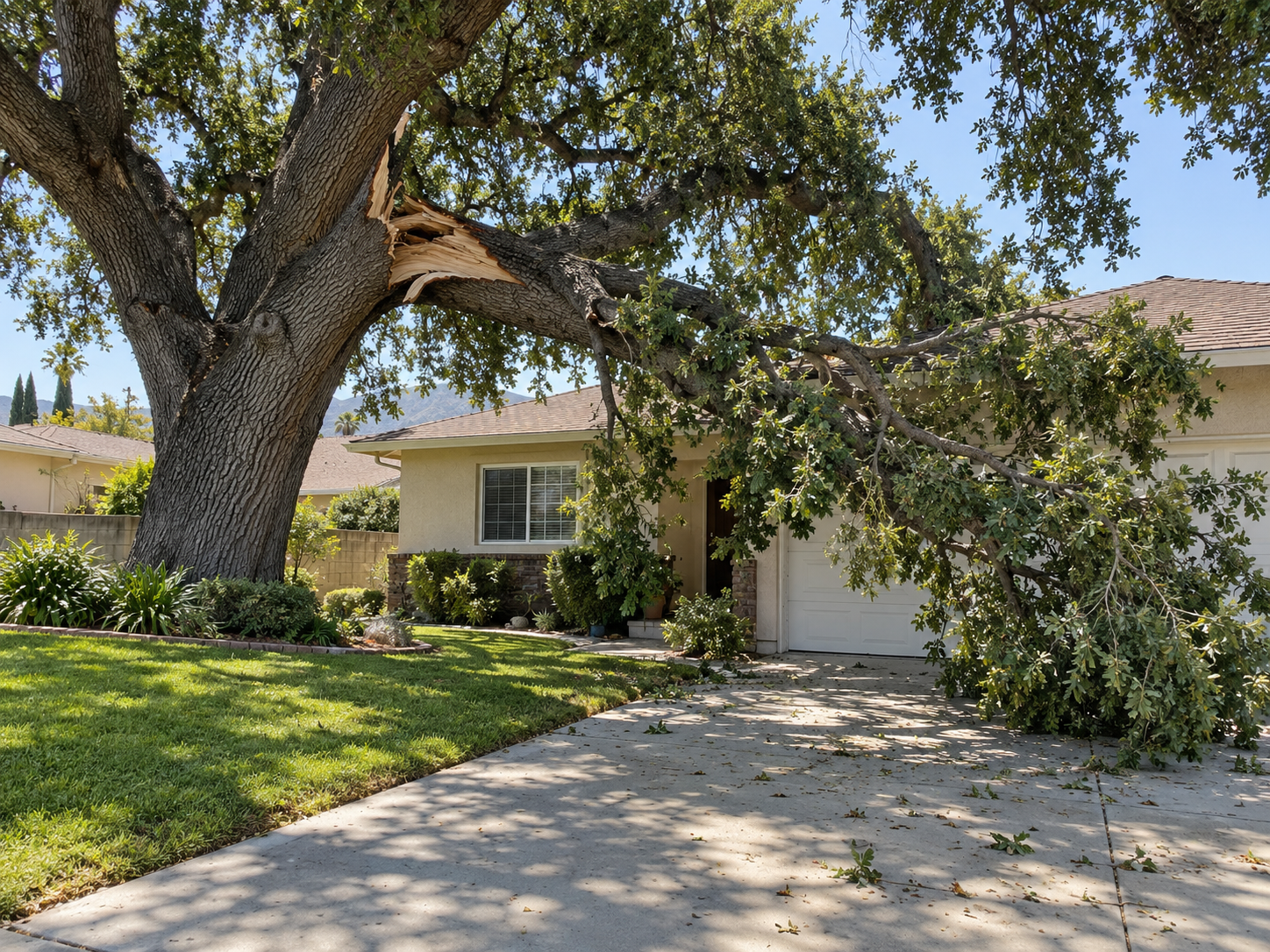
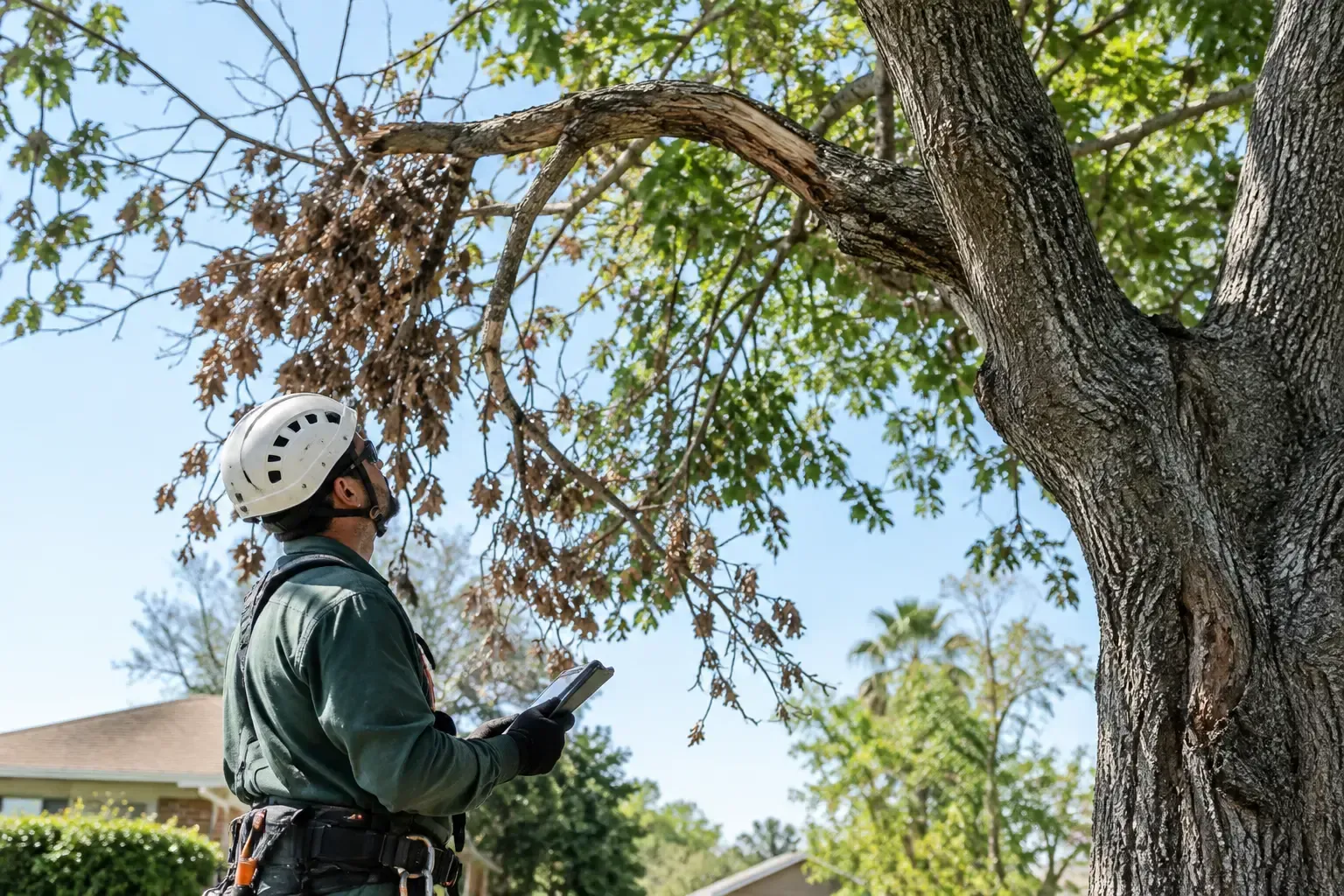
Brown leaves are a clear sign that your tree is stressed. This stress can come from many things. It might be a minor issue like a short heatwave. It could also be a big problem that needs quick care. Ignoring these warning signs is never a smart idea. Dead branches can easily break off. They might damage roofs, cars, or power lines.
Finding the main cause is the first step to fixing the problem. You should act quickly to protect your yard. This guide covers common reasons tree leaves turn brown. It also helps you choose the best next steps.
How the Local Climate Affects Your Trees
West Covina goes through intense summer heat and long dry spells. This tough weather quickly pulls water right out of the dirt. Large trees often struggle to survive in these hard conditions. This struggle causes dry and brown leaves.
The local dirt in Southern California also plays a big part in tree health. Hard clay dirt does not soak up water easily. Water tends to run right off the top of the yard. This leaves deep roots totally dry. If your tree cannot get water from deep underground, the leaves will suffer.
You should also think about the layout of your yard. Trees planted near concrete driveways face a lot of extra heat. Concrete takes in the sun and gives off intense warmth. This bakes the nearby dirt. Knowing these local details is key for proper tree care.
Common Causes of Brown Leaves
There is rarely just one reason for tree leaves changing color. You will need to act like a garden detective. Take a close look at how the leaves are turning brown. The specific signs you see will point you toward the right fix.
Underwatering and Drought Stress
Dry conditions are very common across California. When a tree lacks water, it goes into survival mode. The tree stops sending water to the furthest leaf tips. This is why you often see brown edges first.
As the dry spell continues, the whole leaf will turn brown and dry out. The leaves might curl up and feel crunchy when you touch them. Over time, the tree drops these dead leaves to save energy.
Surface watering is rarely enough to keep your large trees healthy. Sprinklers normally only wet the top inch of the dirt. However, tree roots grow much deeper. You need to slowly water the ground under the outer tips of the branches. Giving this area a slow soak helps the roots grow deep and strong.
Overwatering and Root Rot
Giving a tree too much water causes very similar warning signs. It is often a silent killer. Tree roots actually need plenty of air to survive and grow. When the dirt is constantly flooded, the root system can easily drown.
Without air, the delicate roots will slowly begin to rot. A rotting root system cannot take in water or food. Because of this, the tree begins to starve. The leaves will turn brown, but they often feel soft or limp instead of crunchy.
Be sure to check your home sprinkler systems. You must ensure they are not flooding the ground. You also need to make sure your yard drains water well. If water pools around the trunk for several hours, you have a drainage problem. You might need to change the slope of your yard to fix this issue.
Bug Problems and Fungal Diseases
Bugs and diseases are major threats to the health of your trees. Pests like aphids and spider mites love to attack and bite the leaves. They drink the rich tree sap. This causes the leaves to turn yellow and then brown.
You can usually spot the signs of a bad bug problem. Look closely for sticky sap on the leaves or on the main trunk. You should also watch out for tiny webs hiding between the tree branches.
Fungal diseases can cause ugly brown spots or large patches on your trees. Fungus grows very well in warm and wet weather. Certain types of fungus attack the soft new leaves and create large dead zones. These tree sicknesses need quick care so they do not spread to other plants.
Knowing When to Call Professional Tree Services
Homeowners can usually fix simple watering issues all by themselves. However, serious problems require professional training. Figuring out a tricky tree disease can be very hard to do alone. Safely removing a massive dead branch is also highly dangerous. This is exactly when you should call in the experts.
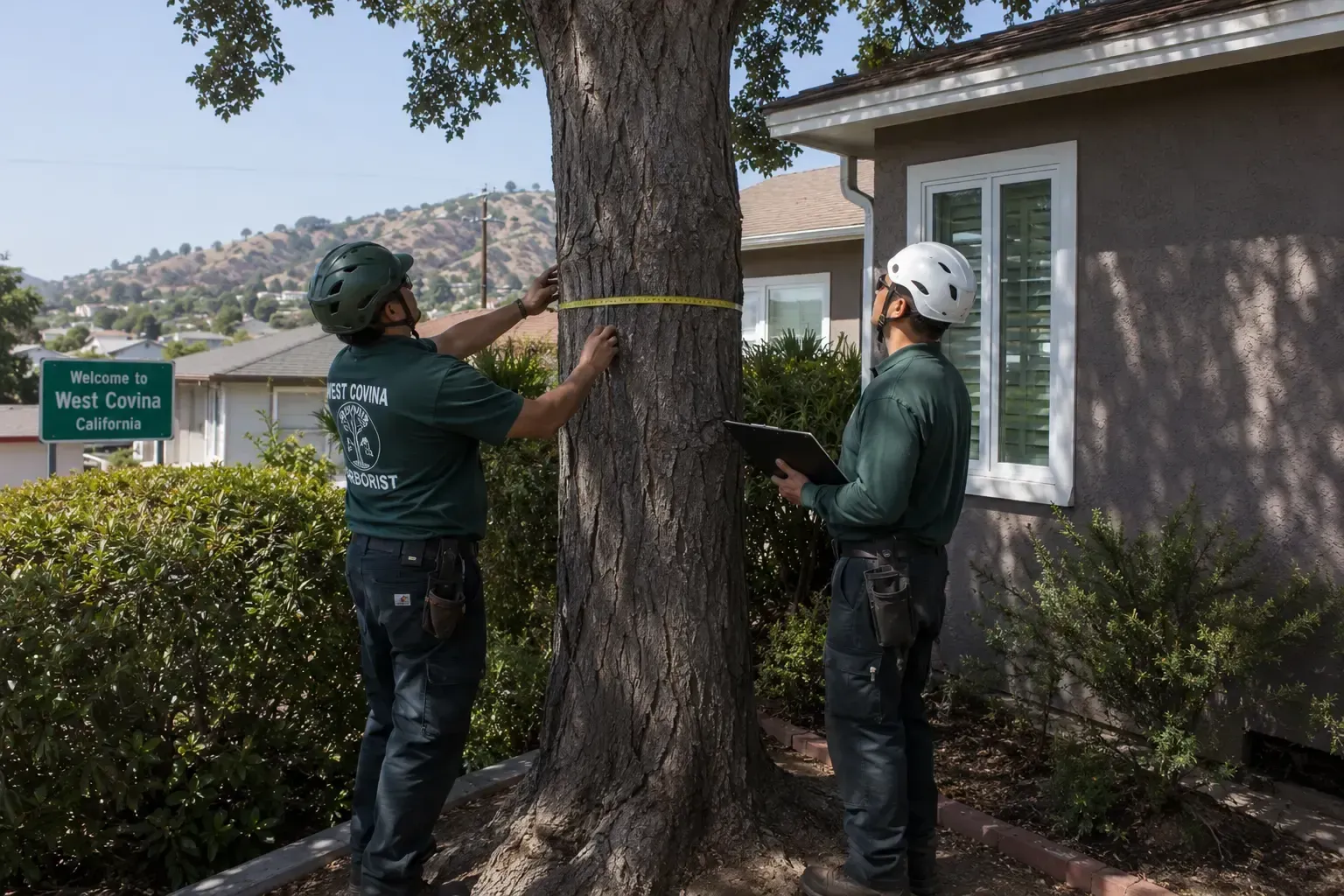
Professional Tree Services provide complete care for your entire yard. Certified experts know how to spot local bugs. They also understand the watering needs of different trees. They can find weak branches that an untrained eye might easily miss.
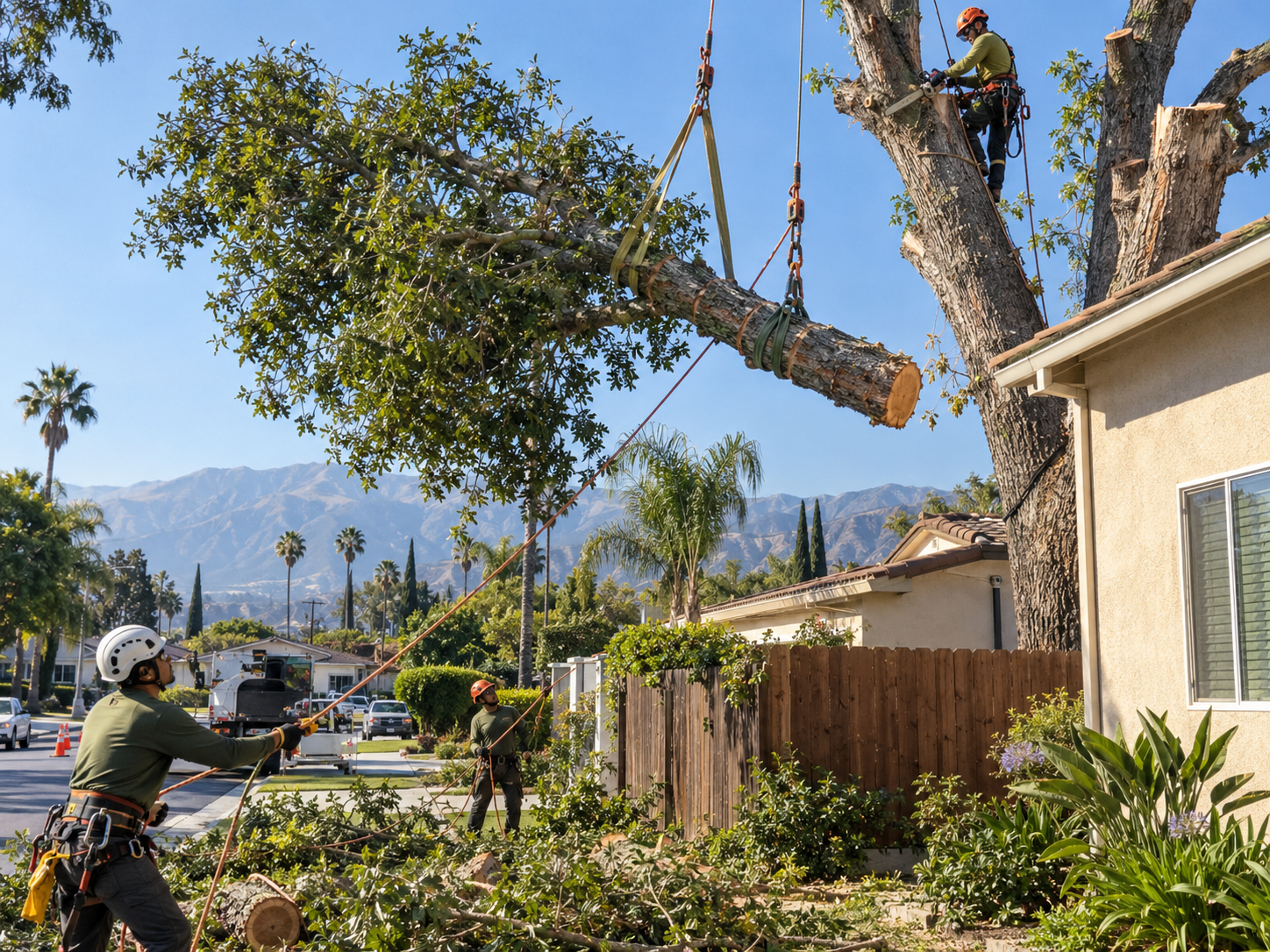
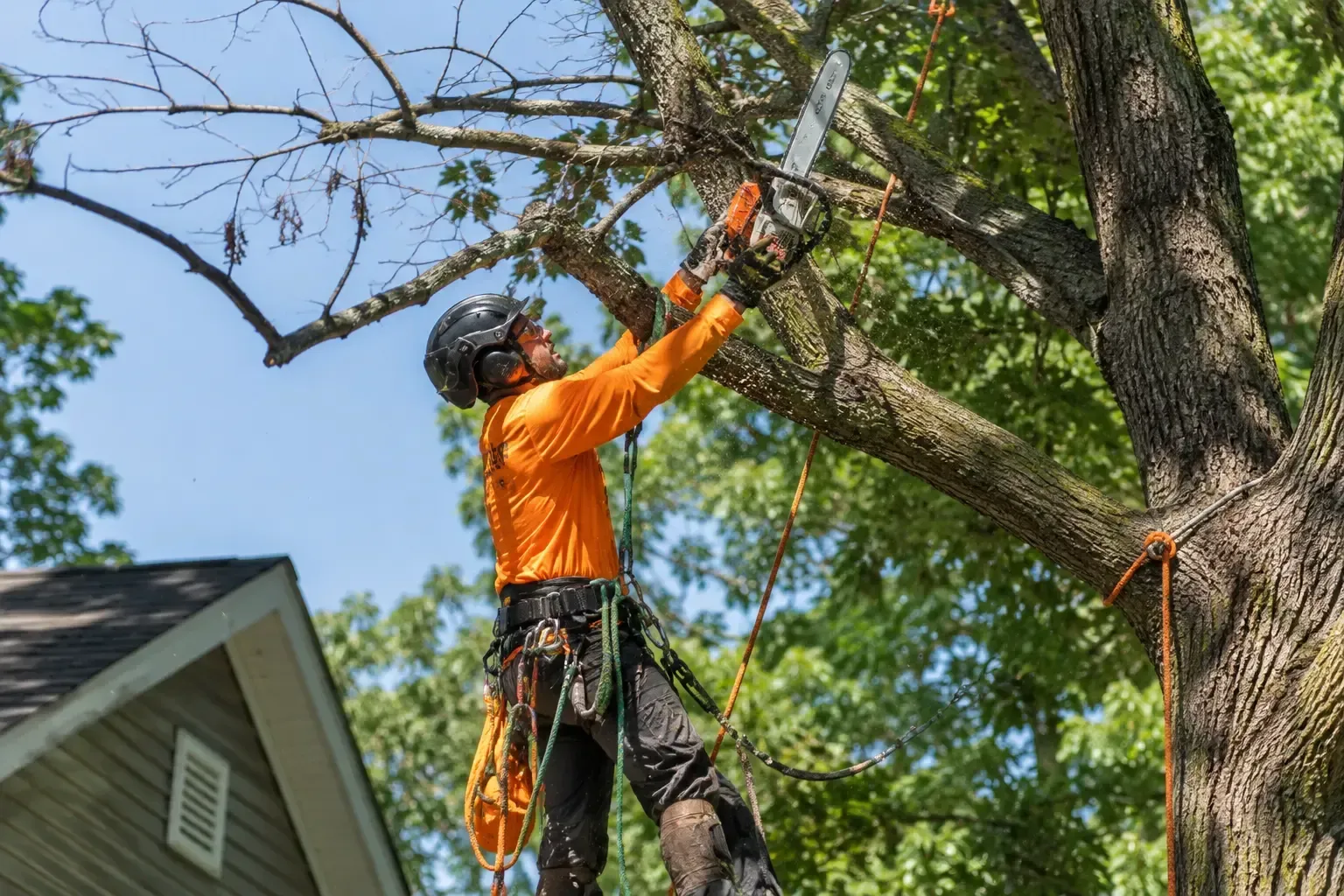
Trying to do heavy tree work by yourself is very risky. Chainsaws and ladders are a dangerous combination. Property damage and severe injuries happen quite often. Professional crews carry the right tools. They also have full insurance coverage to protect you.
If more than half of your tree is brown, call for help right away. The tree might be slowly dying. This becomes a huge danger to your home and family. High winds can easily blow a dead tree right onto your house. Working with the team at Tree Service West Covina ensures your property remains perfectly safe and beautiful.
How Proper Pruning Keeps Trees Healthy
Regular pruning is very important for keeping your trees healthy over time. Trimming safely removes all the dead or broken branches. This stops sickness from spreading to the main trunk. It also helps fresh air flow much better through the upper branches.
Good air flow helps to quickly dry out wet leaves. This stops fungus and disease from taking hold. Pruning also lets more warm sunlight reach the inner branches. The extra sunlight helps create thick and green growth throughout the entire tree.
On the other hand, cutting your trees the wrong way is actually harmful. Making random cuts can shock the tree. It leaves large open wounds that invite bugs. Professionals always use exact cutting methods. They know exactly where to cut to help the tree heal quickly.
If you notice dead or heavily browned sections, do not just chop them off. Instead, you should rely on professional tree trimming. This will safely improve the strength and health of your trees.
Quick Guide: Figuring Out Tree Problems
Use this quick chart to help find out what might be wrong with your tree. This helpful information makes it easier to talk clearly when you call a tree expert.
| Problem Signs | Likely Cause | What You Can Do Now | Professional Help Needed |
|---|---|---|---|
| Crispy brown leaf tips | Not enough water | Soak the roots deeply | Soil and root check |
| Soft and limp brown leaves | Too much water | Turn off nearby sprinklers | Fix yard drainage issues |
| Brown spots with yellow rings | Fungal sickness | Rake up the fallen leaves | Special fungus spray treatment |
| Sticky sap on brown leaves | Bug problem | Wash small trees with water | Special bug control treatment |
| Sudden brown leaves all over | Severe shock or dying tree | Keep people away from the tree | Emergency safety check |
Taking Action to Save Your Yard
Do not wait for a sick tree to somehow fix itself. Trees grow very slowly, but their health can fail very fast if ignored. Taking action early will save you time, money, and a lot of stress.
Start by checking the moisture in your dirt. Dig a small hole near the outer branch line. Feel the dirt about six inches down. If it is bone dry, you need to water the tree deeply. If it is soaking wet, you need to stop watering for a while.
You can also put a thick layer of natural mulch around the tree base. Mulch helps keep the dirt at a safe temperature. It also traps moisture during hot West Covina summers. Just keep the mulch pulled a few inches away from the trunk to stop root rot.
If these basic steps do not help, you should seek expert advice. Do this before a sick tree becomes a danger to your home. Protecting your property requires helpful and caring attention. Please reach out to our local team to schedule a professional yard check today.
Frequently Asked Questions
Can a tree recover if all its leaves turn brown?
Yes, a tree can sometimes bounce back and fully recover. It really depends on what caused the problem in the first place. A short heatwave might cause the tree to drop its leaves early. It might then push out fresh new leaves next spring. However, a bad sickness or major root damage could cause the tree to die. An expert check is the best way to know for sure.
How much water does a mature tree need in West Covina?
Big trees need deep watering that does not happen too often. During the hot summer months, a large tree might need a slow soak every two to four weeks. The goal is to wet the dirt at least twelve to eighteen inches deep. Using a slow water hose around the outer branches for a few hours is the best method.
Should I cut off branches with brown leaves myself?
You can safely cut off small branches that are easy to reach from the ground. Always be sure to use clean and sharp hand clippers for this job. However, you should never try to remove large branches. You should also never climb a ladder with cutting tools. Taking down large tree limbs is very dangerous work. It requires special training to avoid ruining your property.