Protect Your Property and Power: Managing Trees Growing Near Utility Lines in West Covina, CA
Learn how professional Tree Service West Covina, CA experts manage trees near utility lines safely. Discover why hiring a Local Arborist protects your home, power, and property year-round in West Covina, CA.
Introduction
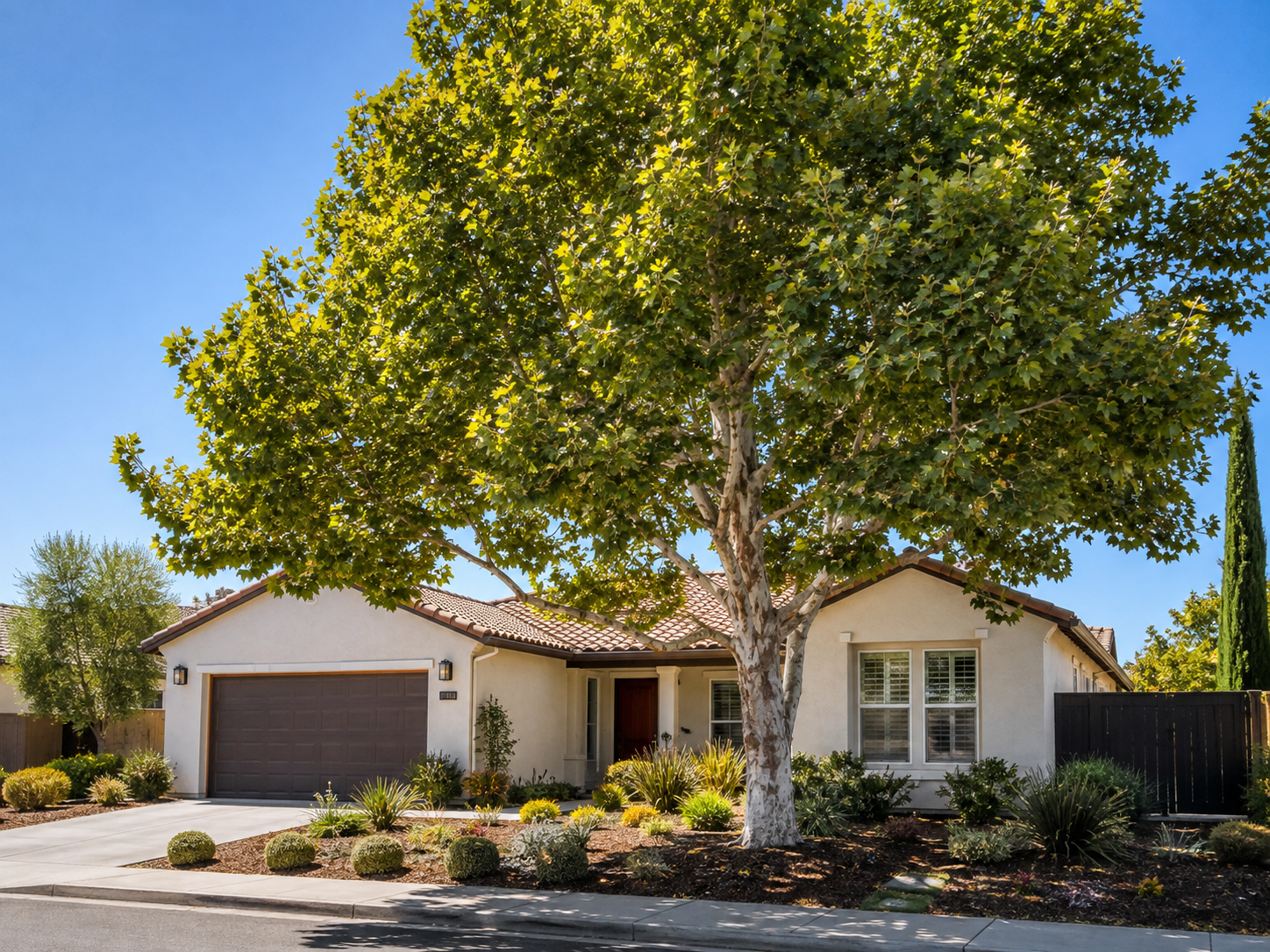
Living in West Covina, CA, means enjoying sunny days, leafy neighborhoods, and a mix of urban comfort and suburban greenery. But with that beauty comes responsibility — especially when trees start growing too close to utility lines. Overgrown branches can interrupt power supply, cause safety risks, and even violate city maintenance codes.
That’s where a Tree Service comes in. A Local Arborist understands how to trim, prune, and manage trees safely while keeping your landscape healthy. This article will walk you through what tree service means, why it’s needed in West Covina, when to schedule maintenance, and how professionals handle it — so you can protect your home, your neighborhood, and your peace of mind.
What Is a Tree Service?
A Tree Service involves the professional care, maintenance, and management of trees to ensure safety, health, and proper growth. Services typically include:
- Tree trimming and pruning
- Tree removal
- Stump grinding
- Powerline clearance
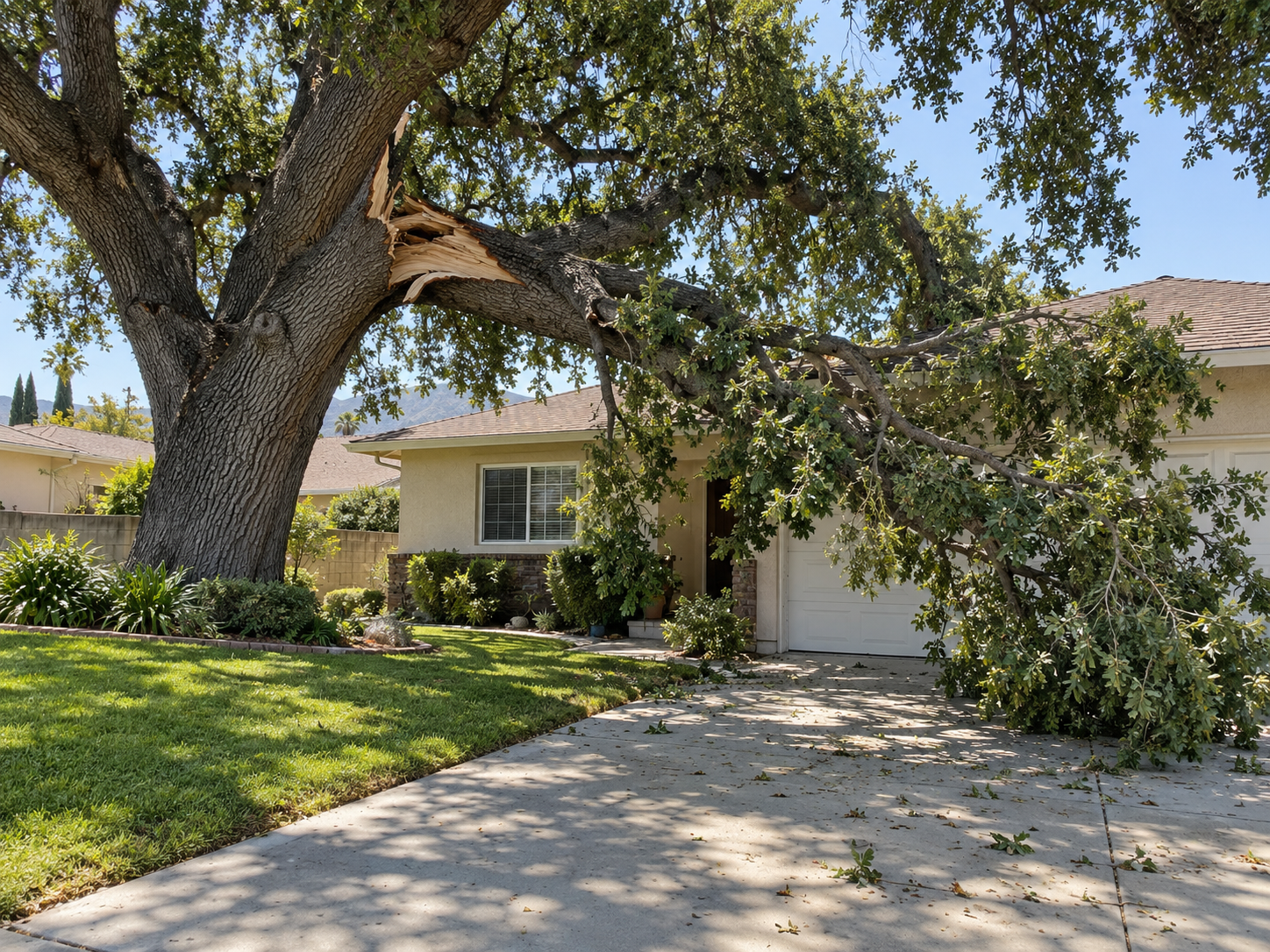
- Emergency storm cleanup
In West Covina, CA, where strong winds and dry conditions can increase fire risk, tree management plays a big part in property safety and power reliability.
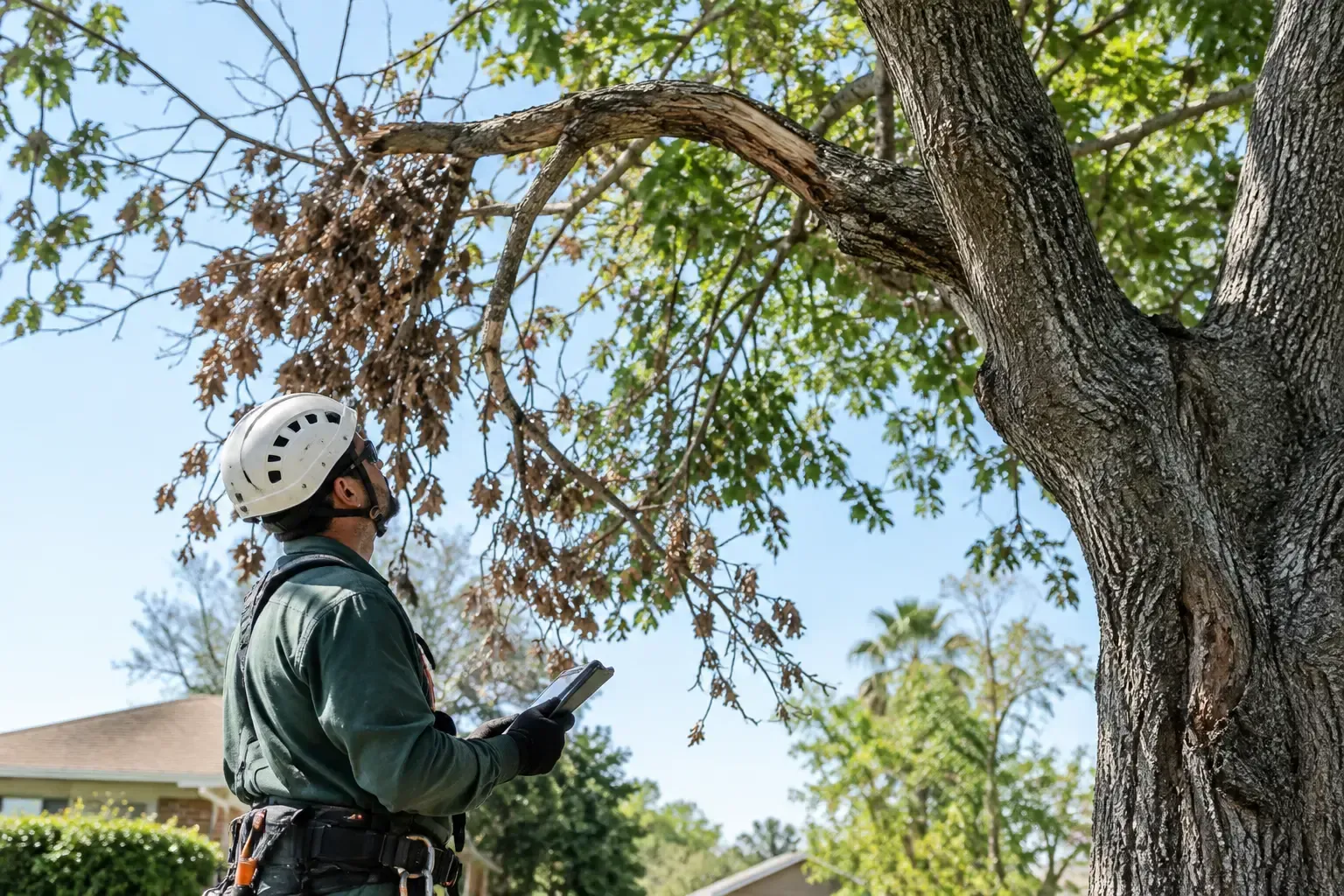
A qualified Local Arborist doesn’t just cut branches. They assess tree health, soil conditions, and growth patterns to determine what’s best for your property. You can learn more about the range of options offered by local professionals on the Services Page.
Why Tree Service Matters in West Covina, CA
West Covina’s climate — hot, dry summers and mild winters — means trees grow fast in the spring and dry out quickly in the summer. Without regular trimming, branches can extend dangerously close to power lines.
Local Risks and Conditions
- Wildfire Risk: Overgrown trees near utility lines can ignite during dry or windy conditions.
- Power Outages: Tree contact with power lines is a major cause of outages in Los Angeles County.
- City Code Compliance: The City of West Covina encourages regular maintenance to prevent line interference.
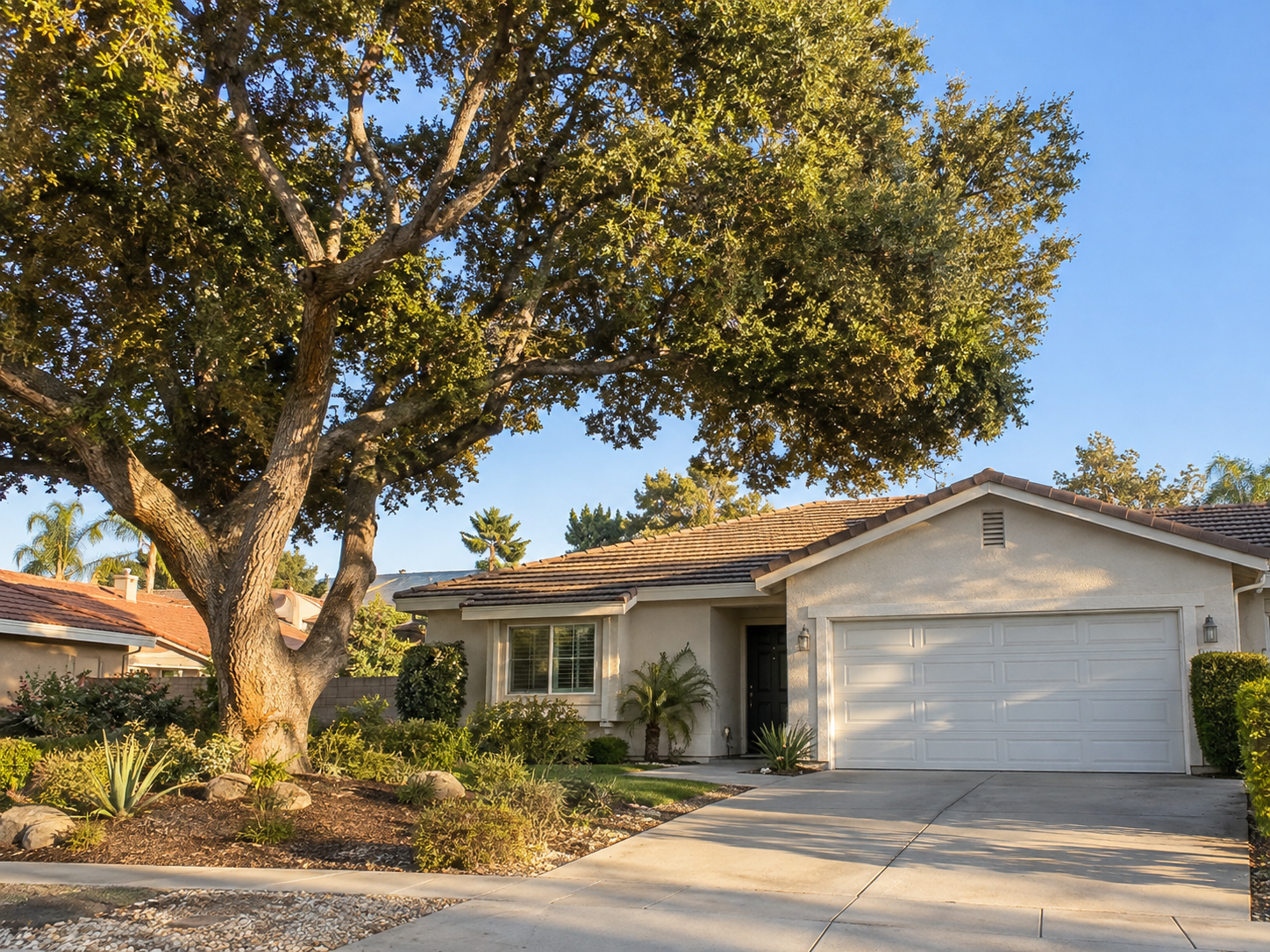
- Aesthetic Value: Healthy, well-trimmed trees keep your property beautiful and boost curb appeal.
According to a Local Arborist, “Most homeowners don’t realize how fast certain species like eucalyptus or pine can grow toward lines. Scheduling inspections twice a year can save you from costly emergencies.”
When to Schedule a Tree Service in West Covina
Timing your tree maintenance makes all the difference. In West Covina, tree growth is seasonal and can be affected by rainfall and temperature shifts.
Best Times for Maintenance
| Season | Recommended Action | Reason |
|---|---|---|
| Spring (March–May) | Pruning & Health Check | Promotes healthy new growth |
| Summer (June–August) | Powerline Clearance | Prevents fire hazards and power issues |
| Fall (September–November) | Structural Trimming | Prepares trees for winter storms |
| Winter (December–February) | Removal of Deadwood | Easier access during dormancy |
Most Tree Service West Covina, CA providers recommend at least one annual inspection — ideally in spring or summer — to catch potential hazards before they become emergencies.
How a Local Arborist Handles Powerline Tree Management
When you hire a Local Arborist, the process is designed to balance safety, compliance, and tree health.
Step-by-Step Process
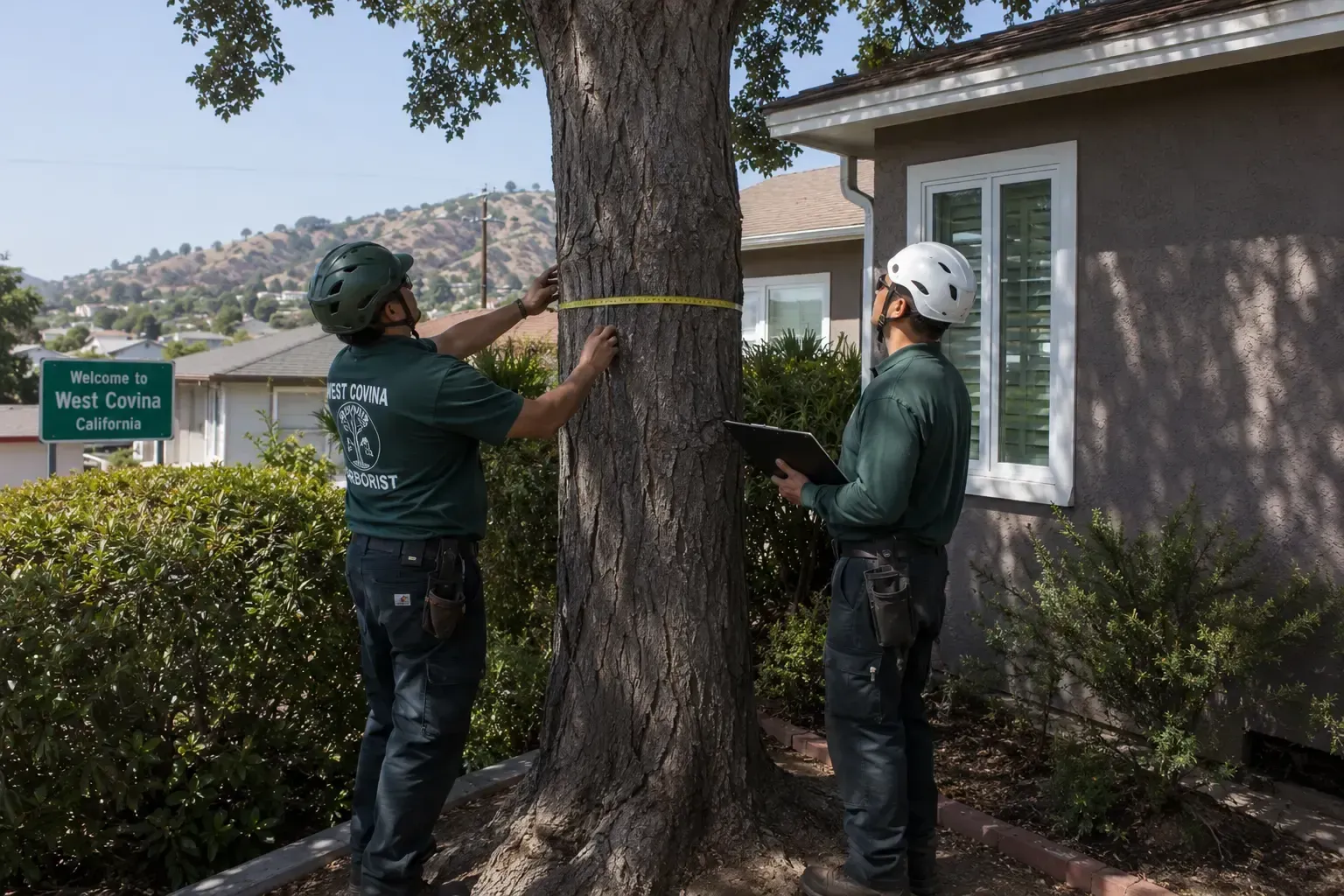
- Initial Inspection: The arborist assesses the trees near utility lines.
- Utility Coordination: They may contact the local power company if line work is required.
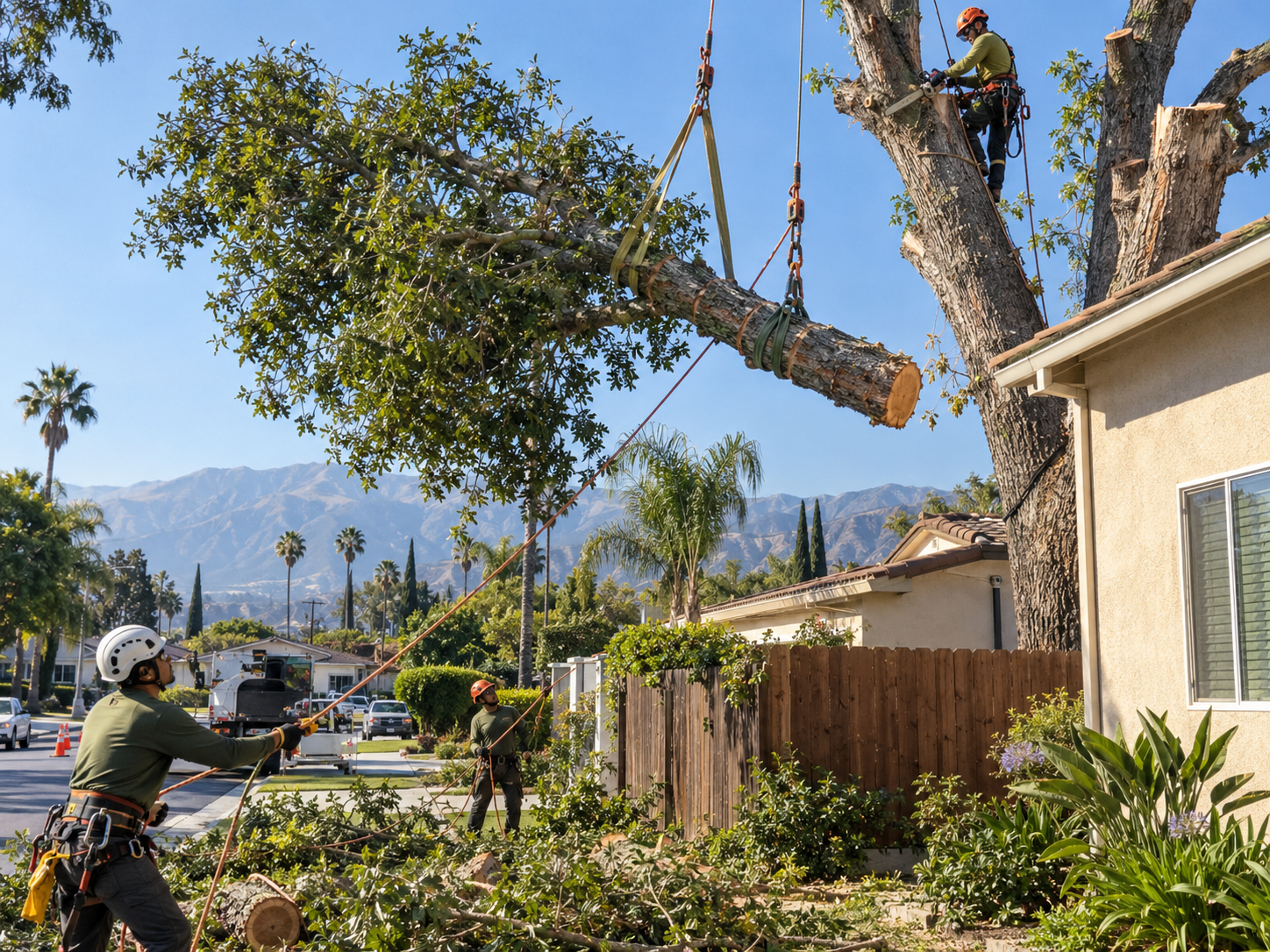
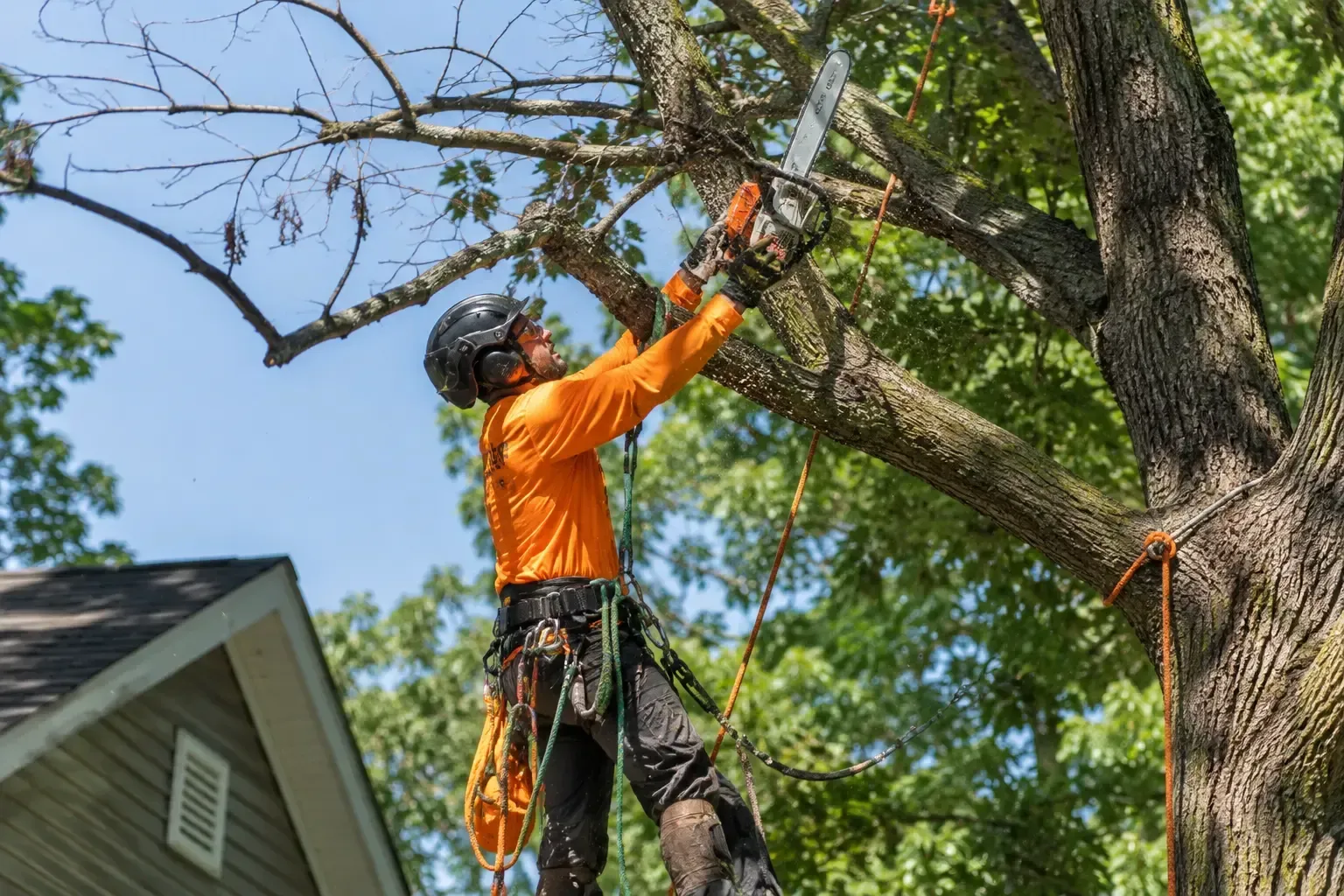
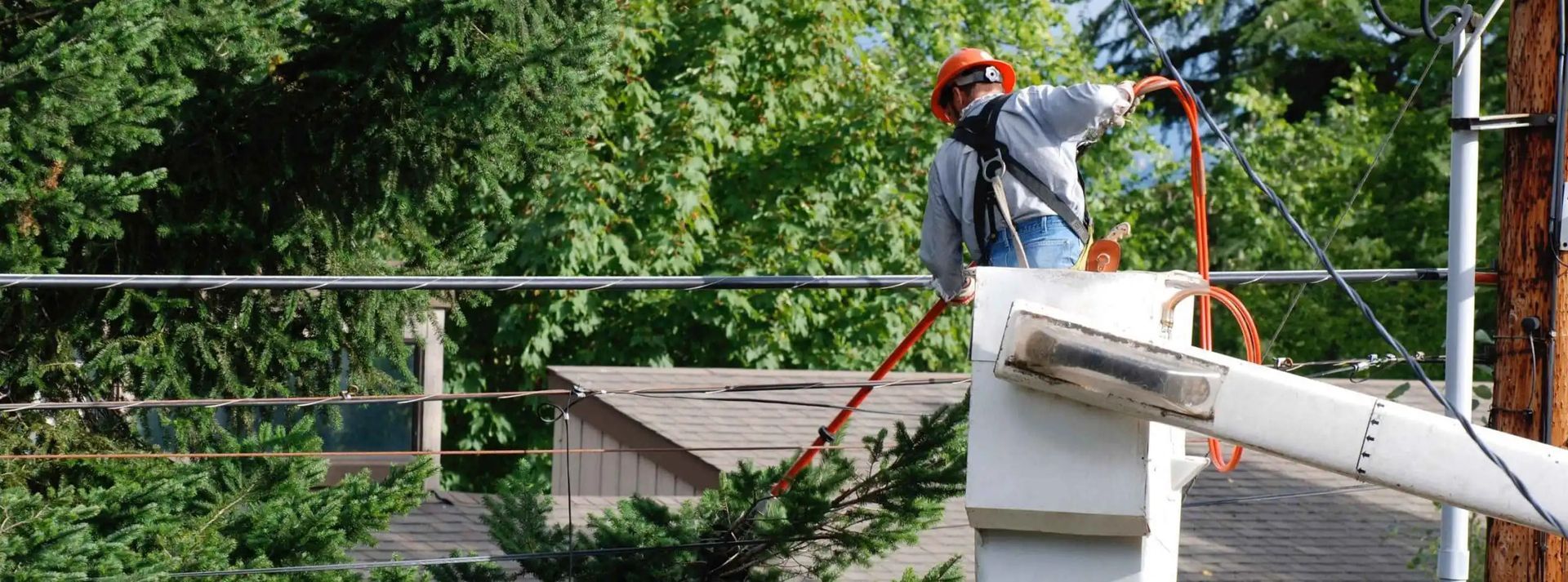
- Precision Trimming: Using insulated tools and professional climbing gear, they trim branches to maintain safe distances.
- Disposal and Cleanup: All debris is safely removed, chipped, or recycled.
- Health Assessment: The tree’s health and structure are checked to prevent future overgrowth.
Safety regulations require certified professionals to handle any trimming within 10 feet of utility lines. Never attempt this yourself — contact a Local Arborist who has the training and equipment for the job.
Tree Service Options and Benefits Table
| Service Type | Benefit | Ideal For |
|---|---|---|
| Tree Trimming | Improves appearance & safety | Regular maintenance |
| Tree Removal | Eliminates hazards | Dead or damaged trees |
| Powerline Clearance | Prevents outages & fires | Homes near utilities |
| Emergency Cleanup | Restores safety fast | Storm or accident damage |
| Stump Grinding | Prevents regrowth & pests | Post-removal clean-up |
Checklist for West Covina Homeowners
Before scheduling a Tree Service, use this quick checklist to stay prepared:
- Inspect your property for branches near power lines.
- Look for dead or leaning trees after windstorms.
- Check city regulations on private tree trimming.
- Ask for a quote from a Local Arborist.
- Schedule maintenance before peak summer heat.
- Keep emergency numbers handy for urgent removals.
Common Mistakes to Avoid
- DIY Trimming Near Power Lines: It’s dangerous and often illegal.
- Ignoring Seasonal Maintenance: Waiting too long can lead to line interference.
- Hiring Unlicensed Workers: Always check for insurance and certification.
- Over-Pruning: Removing too much foliage can weaken trees.
If you’re unsure, reach out via the Contact Page to speak with certified experts who can guide you safely.
Expert Tip
“Regular trimming isn’t just about safety; it’s about extending the life of your trees. Healthy trees add value to your property while keeping power lines safe.”
— Marco D., Certified Local Arborist, West Covina, CA
Signs You Need Tree Service Now
Don’t wait until an outage or storm to take action. Look out for:
- Branches touching or near wires
- Flickering lights during wind or rain
- Cracking or leaning tree trunks
- Falling leaves or bark near power lines
- Trees growing too close to your roof
If you notice any of these, call a Tree Service West Covina, CA specialist immediately.
Cost of Tree Service in West Covina, CA
Here’s a quick overview of average local pricing (may vary based on size and height):
| Service | Average Cost | Frequency |
|---|---|---|
| Tree Trimming | $200 – $600 | 1–2 times/year |
| Tree Removal | $500 – $1,500 | As needed |
| Powerline Clearance | $250 – $800 | Annually |
| Emergency Cleanup | $300 – $1,000 | Per incident |
| Stump Grinding | $150 – $350 | Per stump |
Many homeowners save by scheduling multiple services together through local providers like Covina Tree Service.
How Tree Service Keeps West Covina Safe and Beautiful
Regular maintenance doesn’t just protect your property — it helps keep West Covina’s tree-lined streets vibrant and safe. With local ordinances encouraging proactive trimming, professional Tree Service providers play a key role in preserving the city’s natural beauty and reducing fire risk.
Conclusion
Managing trees near utility lines in West Covina, CA is more than just a task — it’s a responsibility to your home, your neighbors, and your community. By hiring a Local Arborist, you ensure your trees stay healthy, your power stays steady, and your property remains safe.
Visit Covina Tree Service’s Home Page to schedule an inspection or learn more about their full range of professional services. Protect your property and power — starting today.
Key Takeaways
- Tree growth near power lines can lead to safety and power issues.
- Seasonal maintenance prevents hazards and keeps trees healthy.
- Only certified Local Arborists should perform trimming near utility lines.
- Regular inspections save money and extend tree life.
- West Covina’s dry climate makes proactive service even more important.
Frequently Asked Questions
What does a Tree Service include?
It includes pruning, trimming, removal, stump grinding, and powerline clearance to keep your property safe and visually appealing.
How often should I schedule a Tree Service in West Covina, CA?
Most homeowners schedule service once or twice a year — typically in spring and summer.
Can I trim trees near power lines myself?
No. Only trained professionals with certification and proper equipment should handle trees near electrical lines.
How much does a Local Arborist charge in West Covina?
Prices vary depending on the job, but most trimming services range between $200–$600.
What happens if trees touch power lines?
They can cause sparks, fires, or outages. Contact your power company or a local tree service immediately.
Why choose a Local Arborist instead of a general landscaper?
A
Local Arborist is specifically trained in tree biology, safety standards, and local regulations — ensuring expert care and compliance.