Protecting Your West Covina Property: The Definitive Approach to Ivy Removal
Ivy often begins as a charming addition to brick facades or garden walls. However, without strict management, these aggressive vines quickly transform into a destructive force. Homeowners in West Covina, CA, understand how the region's warm climate accelerates plant growth. Left unchecked, invasive vines can compromise building foundations, harbor pests, and choke the life out of mature trees.
Addressing an overgrowth requires more than a simple pair of gardening shears. It demands a strategic approach to eradicate the root system while preserving the surrounding landscape. Our team at Tree Service Perfection West Covina has seen firsthand the damage aggressive vines can inflict on local properties. To learn more about our mission to protect local landscapes, we always emphasize proactive intervention over reactive damage control.
The Hidden Risks of Overgrown Ivy on Southern California Properties
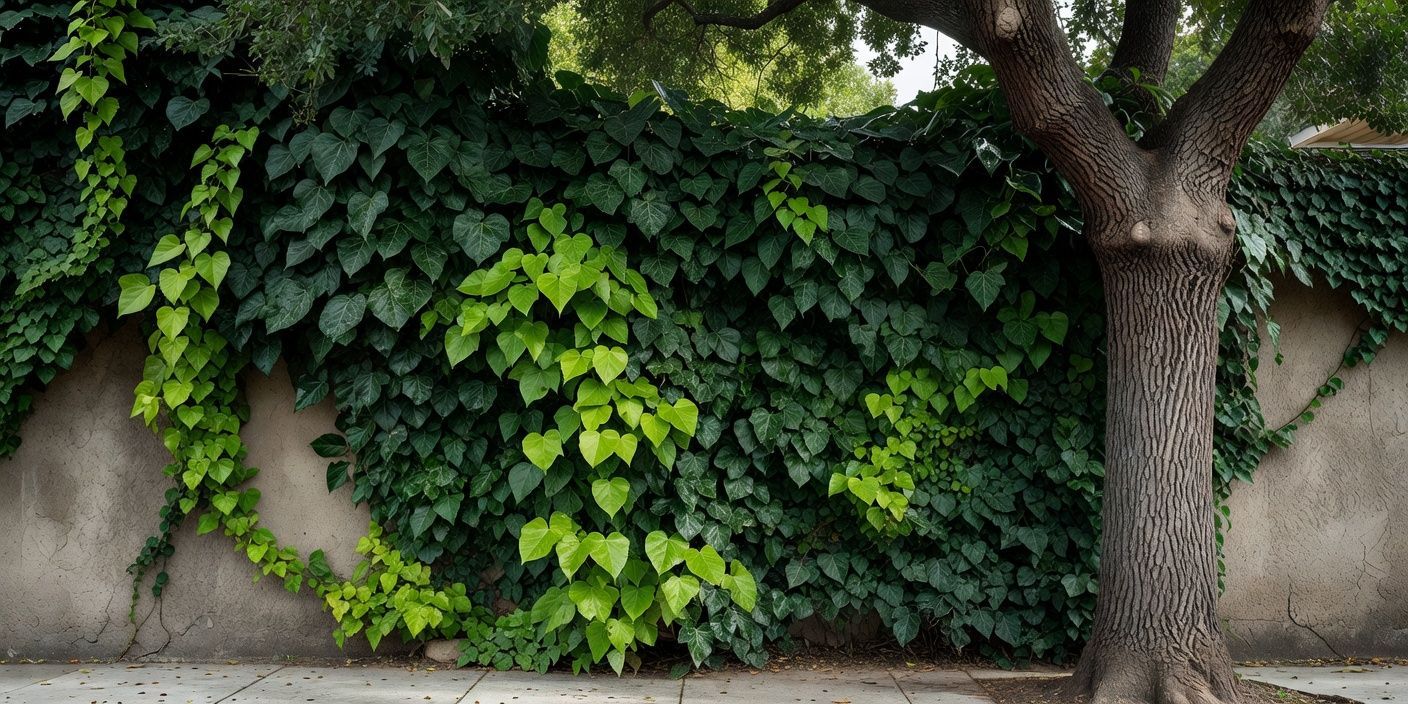
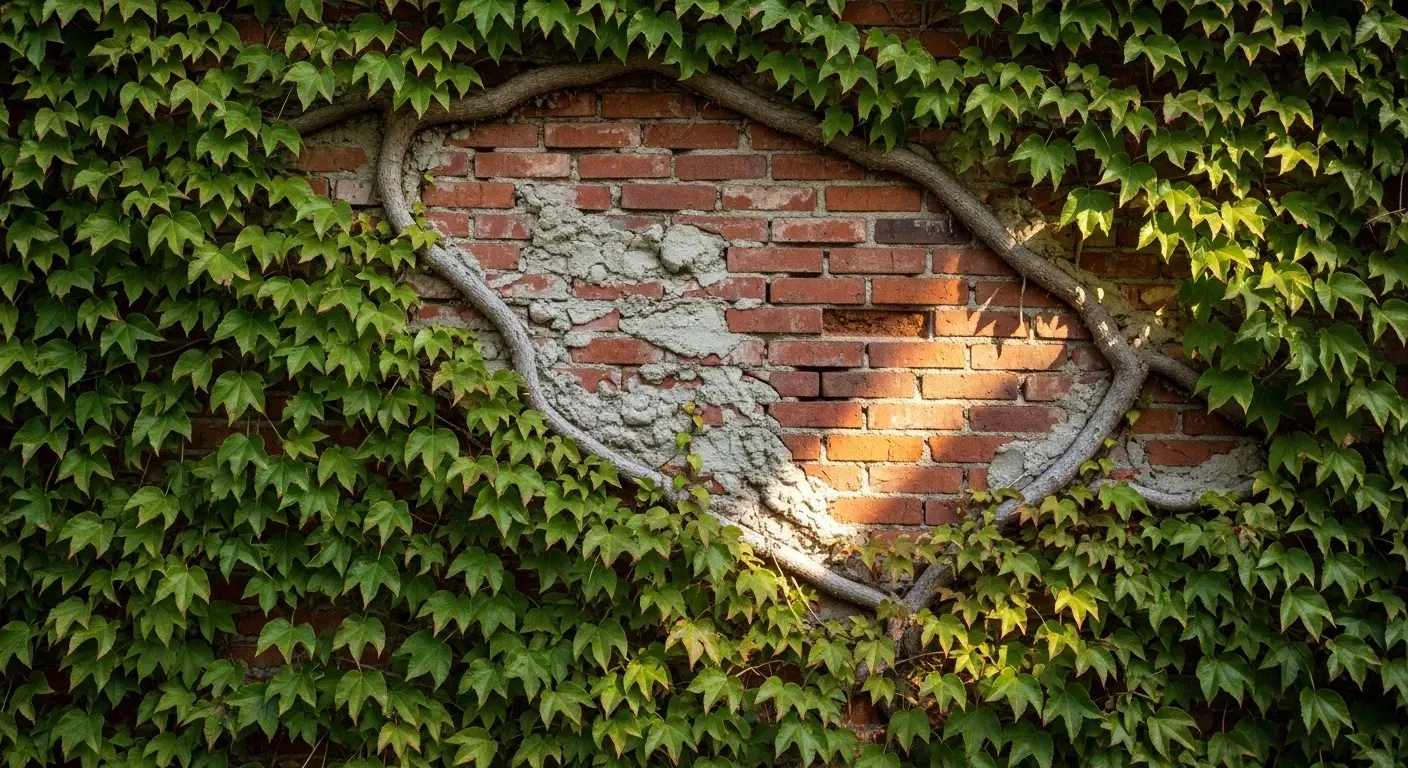
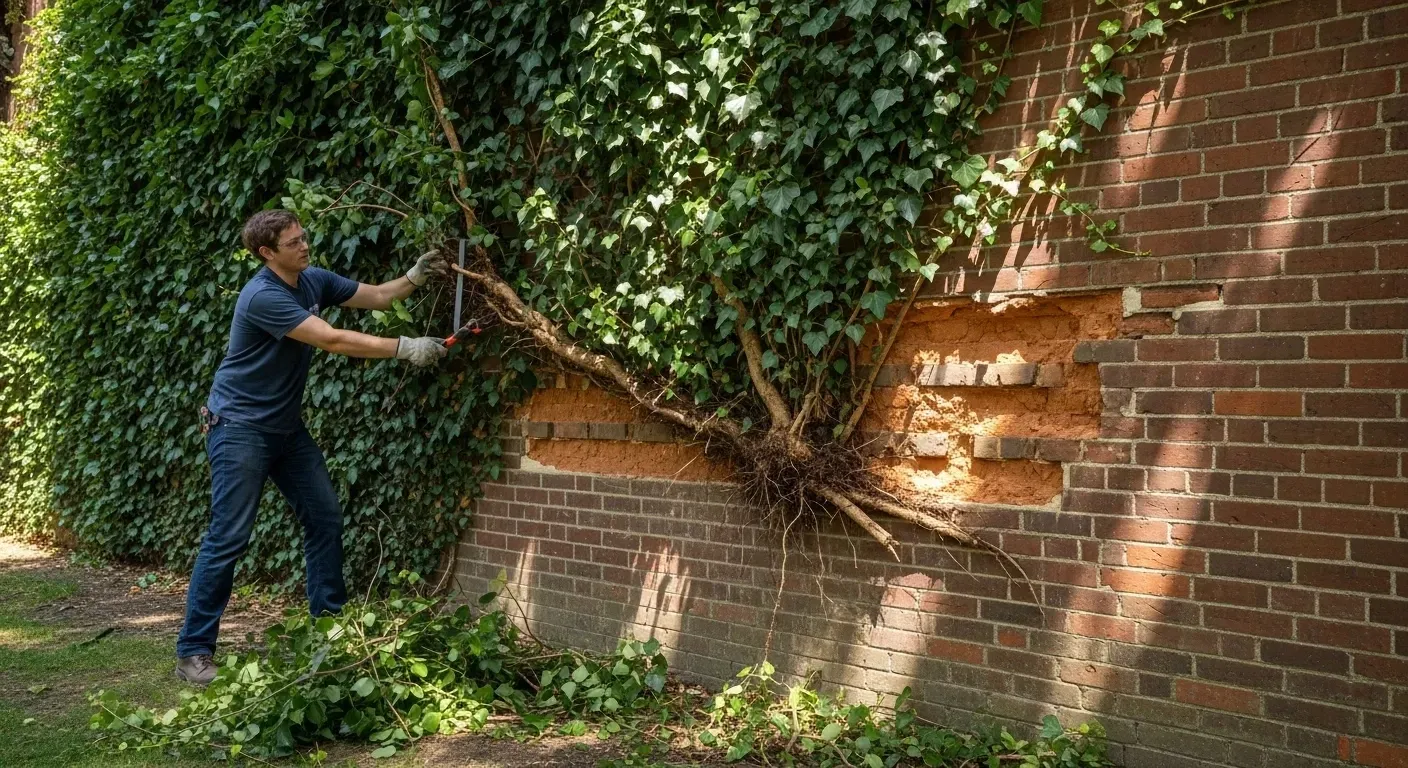
Southern California environments provide the perfect breeding ground for invasive species. Vines like English Ivy and Algerian Ivy attach themselves to surfaces using tiny aerial rootlets. These rootlets dig deeply into mortar, wood siding, and stucco. As the plant thickens, it holds trapped moisture directly against the structure to promote wood rot, mold growth, and severe structural decay.
The threat extends far beyond your home's exterior walls. When vines climb the trunk of a mature oak or pine, they compete directly for water and soil nutrients. The dense foliage of the climbing plant blocks vital sunlight from reaching the tree's own leaves. Over time, the host tree weakens and becomes highly susceptible to disease and pest infestations.
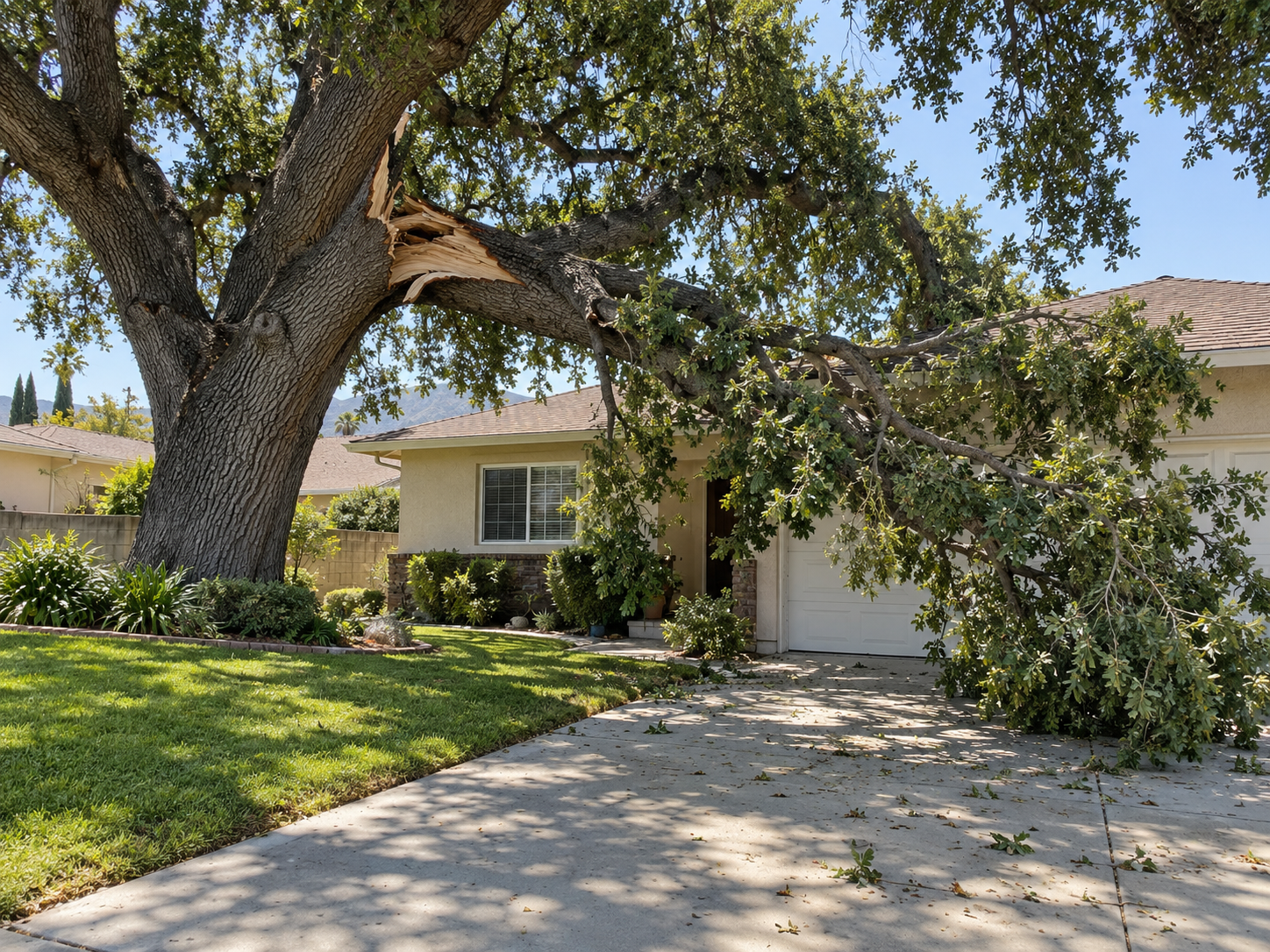
In severe cases, the sheer weight of mature, water-logged vines can bring down large branches during strong winds. If a tree on your property has already succumbed to vine strangulation and poses a falling risk, you may need to look into professional tree removal to eliminate the hazard before it impacts your roof or driveway.
Why Professional Tree Services Are Necessary for Ivy Management
Many property owners attempt to tackle aggressive vines on their own. They pull down massive sections of the plant, only to find it growing back thicker a few weeks later. Cutting the surface foliage simply does not eliminate the stubborn root system hidden beneath the soil. Beyond that, pulling vines off a wall or tree trunk incorrectly can strip vital protective bark or rip out chunks of masonry.
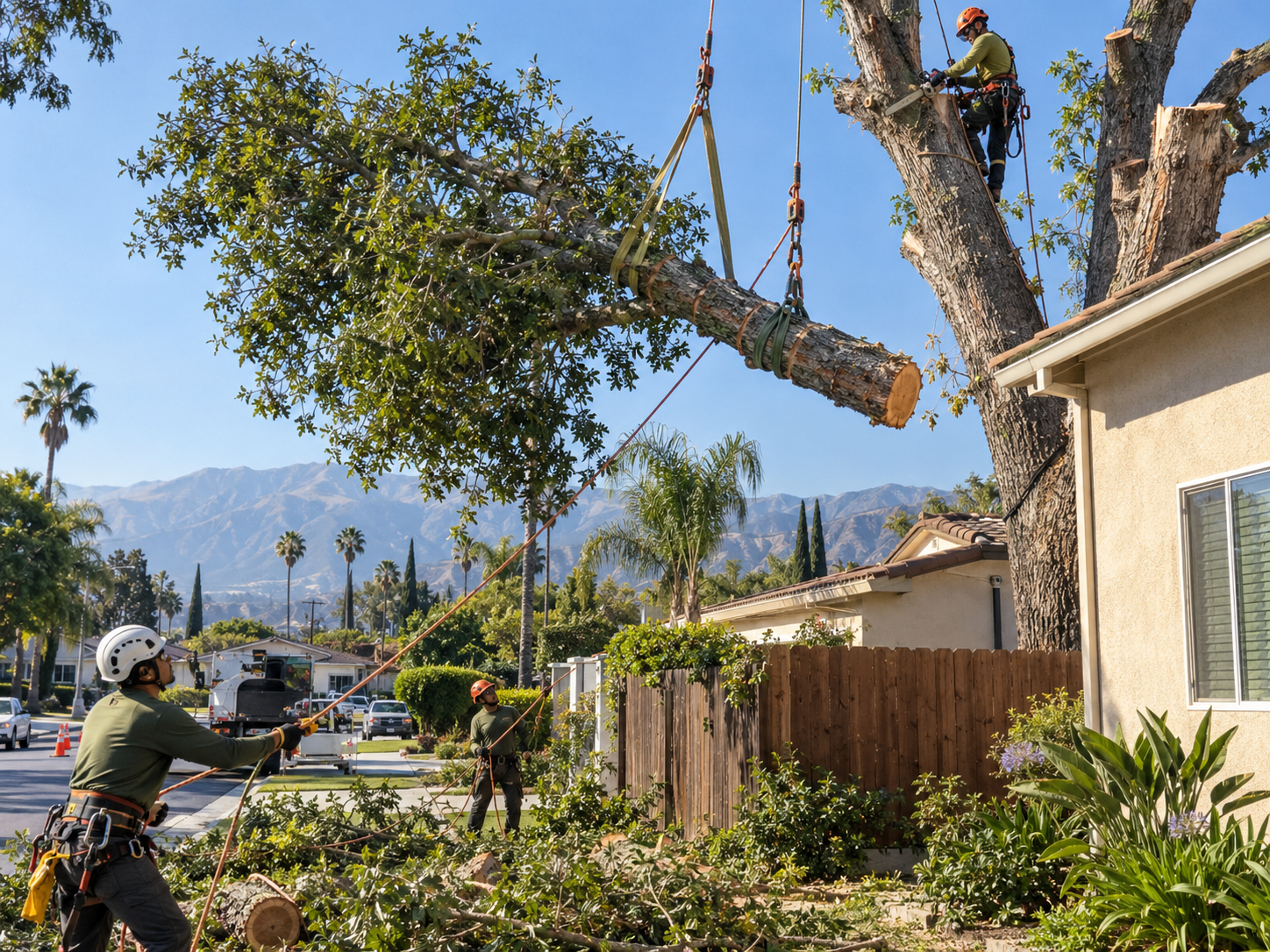
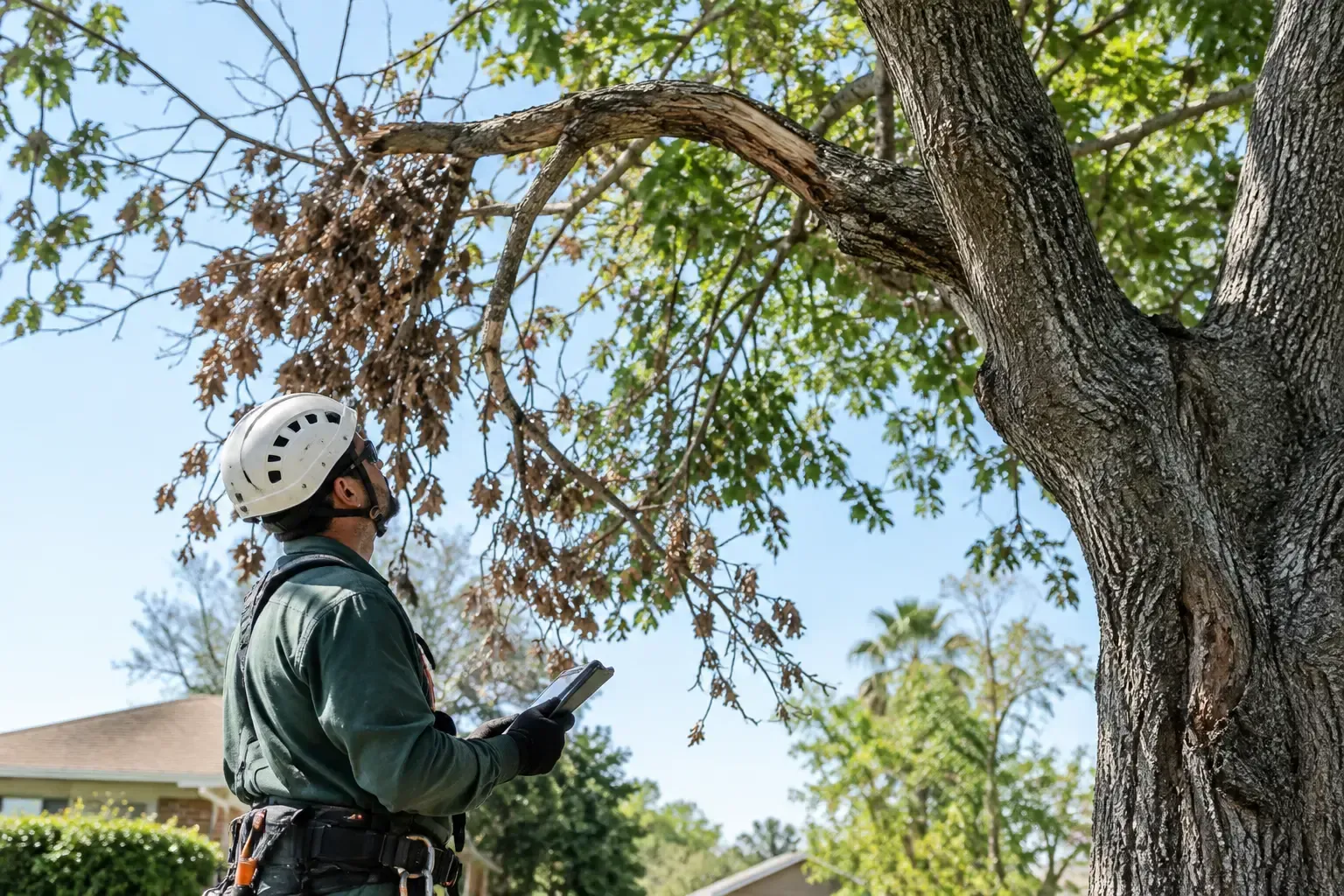
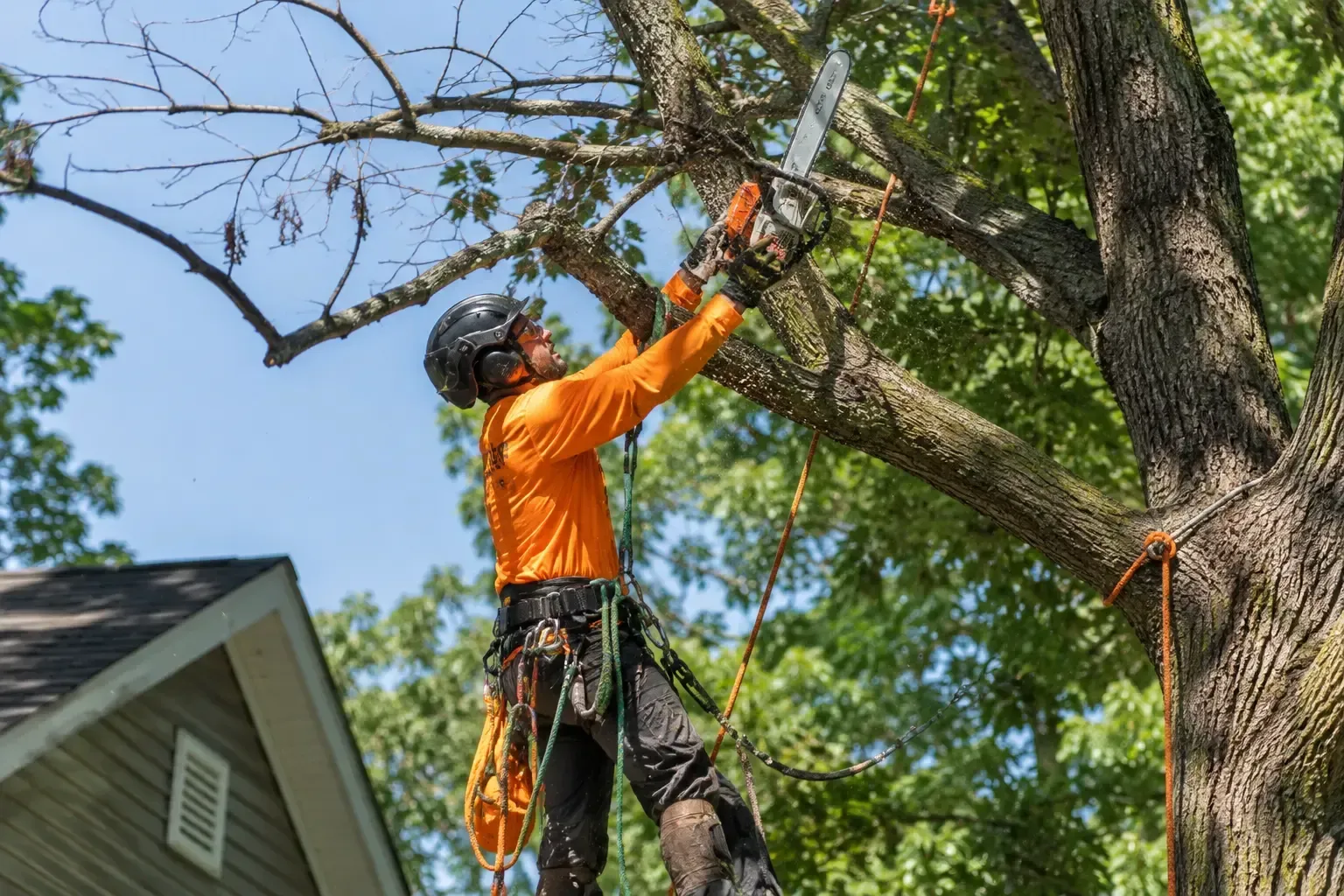
This is exactly where specialized Tree Services prove invaluable. Arborists possess the technical knowledge to sever the vine at the base without harming the host tree. We apply targeted techniques to ensure the root system decays safely and permanently.
Professional teams also carry the proper equipment to access high, dangerous canopies. Climbing a ladder to pull vines from a forty-foot branch poses immense safety risks for an untrained homeowner. If heavy vines have already caused a limb to snap and create an immediate hazard over your home, our emergency tree removal crew can secure the area rapidly. For preventative care, routine tree trimming keeps climbing plants away from the upper canopy and maintains clear sightlines around your property.
The Impact of the West Covina Climate on Vine Growth
The local climate in West Covina plays a significant role in how these climbing plants behave. With mild winters and plenty of sunshine year-round, vines do not experience the typical dormant periods seen in colder, northern climates. This uninterrupted growing season allows them to spread relentlessly across your yard.
They easily cross property lines, cover fences, and overtake native shrubs. Recognizing the speed at which these plants multiply is the first step in effective landscape management. Homeowners must remain vigilant, as a small patch of ground cover can escalate into a massive canopy invasion in just a few short seasons.
Evaluating Your Property: Ivy Type and Treatment Strategy
Not all climbing plants behave the same way. Identifying the specific species invading your yard dictates the required eradication method. West Covina properties commonly face a few distinct varieties. Understanding their growth habits helps you determine the urgency of the situation and the correct approach for removal.
| Vine Species | Growth Rate | Structural Threat Level | Recommended Eradication Method |
|---|---|---|---|
| English Ivy | Extremely Fast | Critical | Base severing, targeted root treatment, and manual pulling. |
| Algerian Ivy | Fast | High | Repeated basal cutting and soil-level root extraction. |
| Poison Oak | Moderate | Low (High Health Risk) | Chemical application and professional extraction with PPE. |
| Boston Ivy | Moderate | Moderate | Pruning and controlled removal to protect masonry. |
Restoring Your West Covina Landscape After Ivy Extraction
Removing the aggressive vines is only the first step in reclaiming your outdoor space. Once the heavy foliage is gone, you are often left with bare soil, damaged tree bark, or exposed surface roots. The ground where the vines previously thrived will need careful rehabilitation. The ivy likely drained the soil of essential nutrients, so adding a thick layer of organic mulch helps restore soil moisture and encourages beneficial microbial activity.
If the vines caused significant dieback in your trees, corrective pruning is necessary to stimulate new, healthy growth. Arborists can shape the remaining canopy to optimize sunlight absorption. Sometimes, the dense vegetation obscures old stumps that become trip hazards or breeding grounds for termites once exposed to the open air. You can easily handle those leftover issues by consulting our guide on how to say goodbye to unsightly stumps.
Reclaiming your yard requires diligence and the right expertise. Tree Service Perfection West Covina stands ready to assess your property, eradicate invasive plants, and restore the health of your mature trees. We focus on long-term solutions that protect your property value and enhance your curb appeal. If you are dealing with an overgrowth that threatens your home or landscape, reach out to our team today. You can easily schedule a comprehensive property inspection by visiting our contact us page.
Frequently Asked Questions
Will removing ivy from my house damage the siding or brick?
Improper removal can definitely cause exterior damage. Vines attach themselves with strong aerial roots that grip tightly to porous surfaces. Yanking the vines aggressively can pull off paint, stucco, and mortar. A professional team carefully severs the base of the plant, allows the vines to wither naturally, and then gently removes the dead material to protect your walls.
How long does it take for a tree to recover after vine strangulation?
Recovery depends on how long the tree was covered and its overall health prior to the invasion. Once the vines are severed, the host tree will immediately benefit from increased sunlight and reduced competition for water. Most trees begin to show visible signs of recovery and new foliage growth within one or two growing seasons, provided they receive proper watering and structural pruning.
Can I just spray herbicides on the ivy to kill it permanently?
Surface-level herbicides are rarely effective against mature vines because their leaves feature a waxy coating that repels liquids. Chemical treatments often require cutting the stem and applying the solution directly to the fresh wound. This method requires extreme precision to avoid poisoning surrounding plants and desirable trees, which is why hiring an experienced arborist is highly recommended for the job.