Taming the Overgrowth: Ivy & Expert Tree Removal Service in West Covina
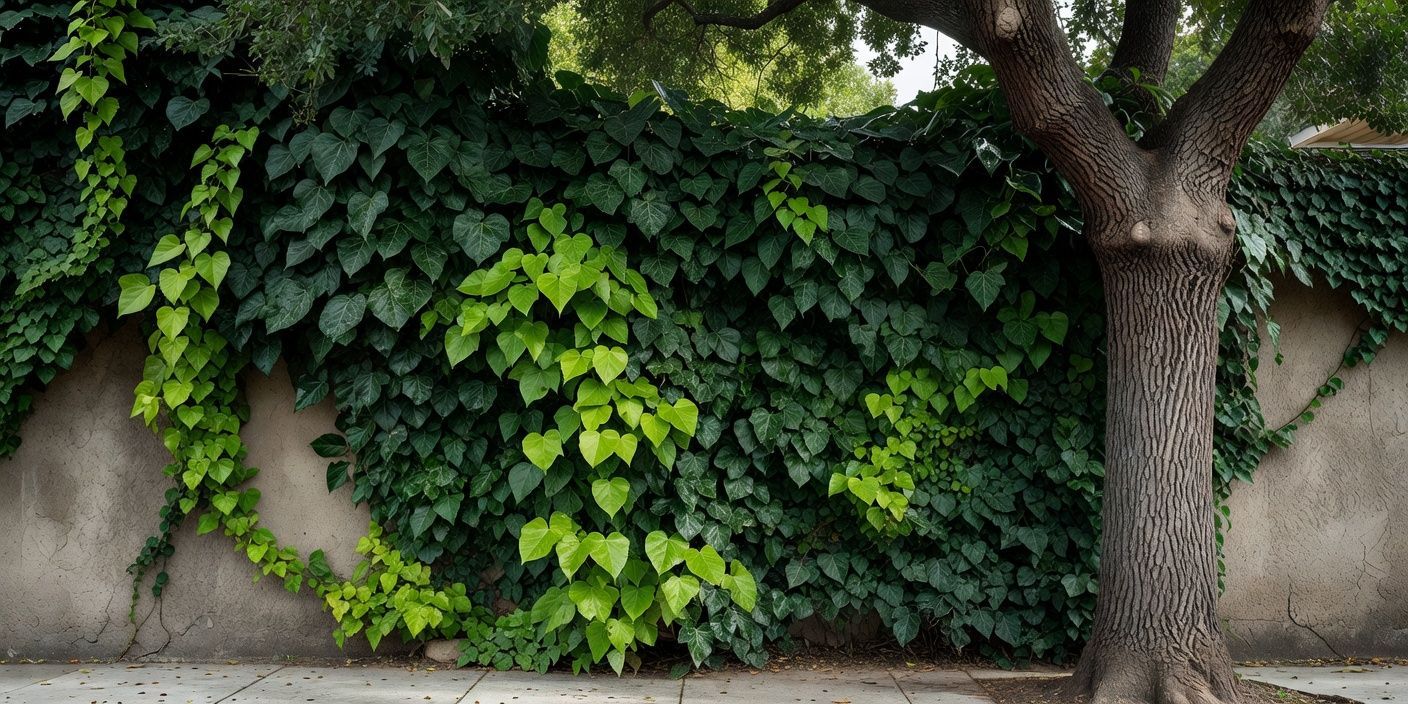
Ivy is a liar. It looks like a quaint, charming detail straight out of a classic novel. In reality? It is a relentless green parasite choking the life out of your West Covina property. Left unchecked, invasive vines weaken structural roots, trap rot-inducing moisture against bark, and turn healthy oaks into massive, rotting hazards. Then, the Santa Ana winds hit.
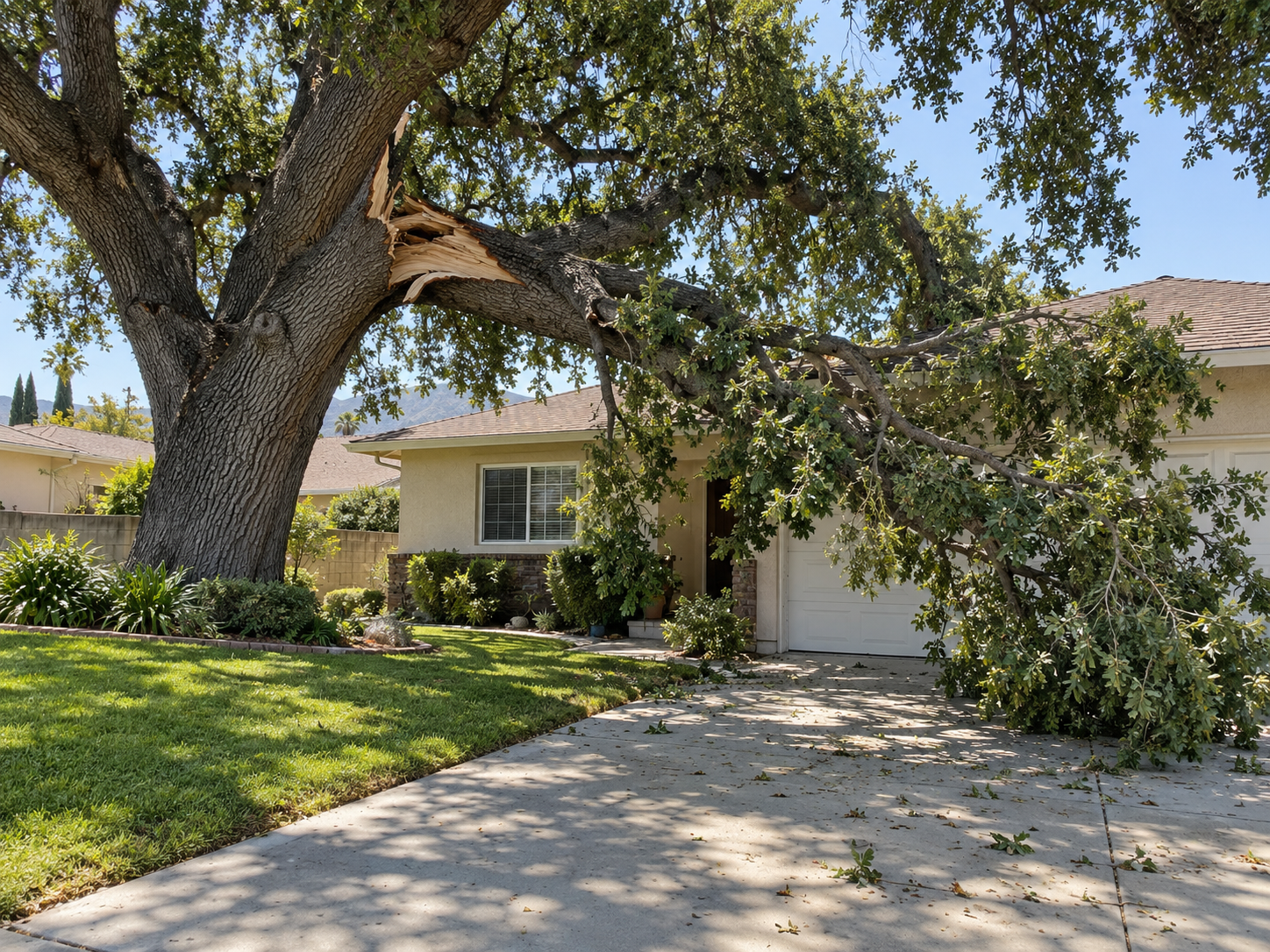
You do not want to be the homeowner waking up to a 10,000-pound eucalyptus crushing your garage. Keeping your yard safe and clean requires aggressive intervention. Sometimes, that means clearing out years of neglected brush. Other times, it means making the tough call to remove a dead tree entirely. When that moment arrives, you need a professional tree removal service. Not a neighborhood handyman with a rusty chainsaw. You need certified experts.
The Silent Chokehold: Why English Ivy is Destroying Your Yard
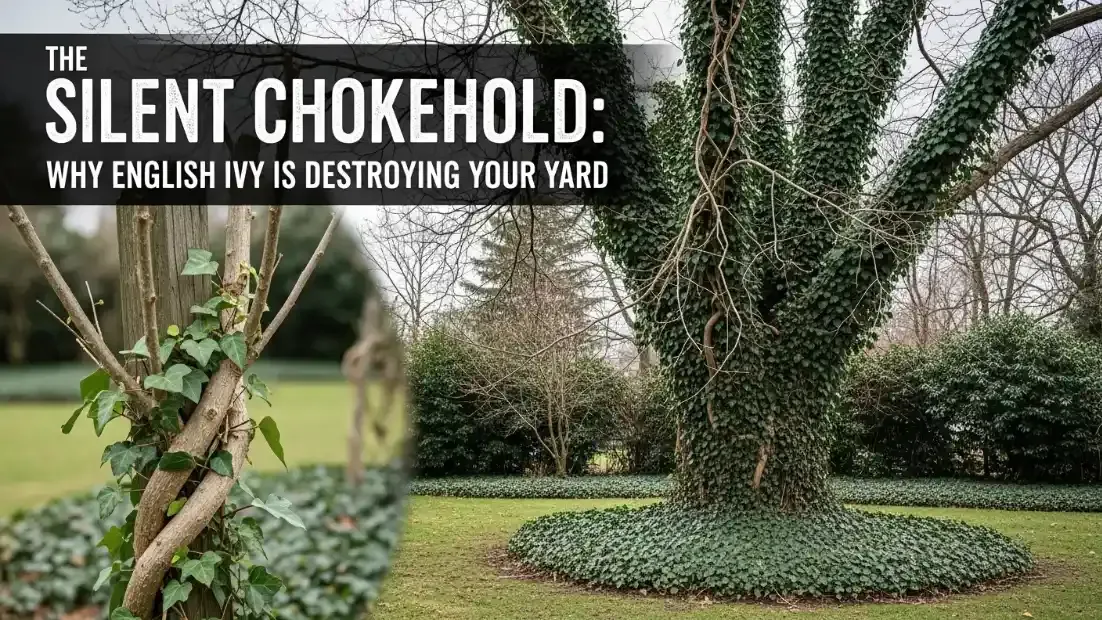
Homeowners often ignore vines creeping up their tree trunks. They assume it is harmless. This is a dangerous misconception. English Ivy and other invasive climbers actively destroy the structural integrity of mature trees. According to the California Invasive Plant Council, invasive ivy outcompetes native flora for water and nutrients. In a climate like Southern California, where water is already a premium commodity, your trees are starving.
The damage goes deeper than stolen water. Trees need their bark exposed to the air. Bark is a tree's primary defense mechanism against pathogens. Ivy creates a dark, damp micro-climate directly against the trunk. This trapped moisture breeds fungi and attracts wood-boring insects. Over time, the bark softens and rots. The tree dies from the outside in.
Furthermore, ivy dramatically alters the physics of your tree. A healthy canopy allows wind to pass through its branches. Ivy weaves those branches together into a solid, impenetrable mass. Arborists call this the "sail effect." When high winds sweep through the San Gabriel Valley, the wind hits that wall of vines instead of passing through. The excessive force transfers straight to the rotting base. The result is catastrophic root failure.
Recognizing the Point of No Return
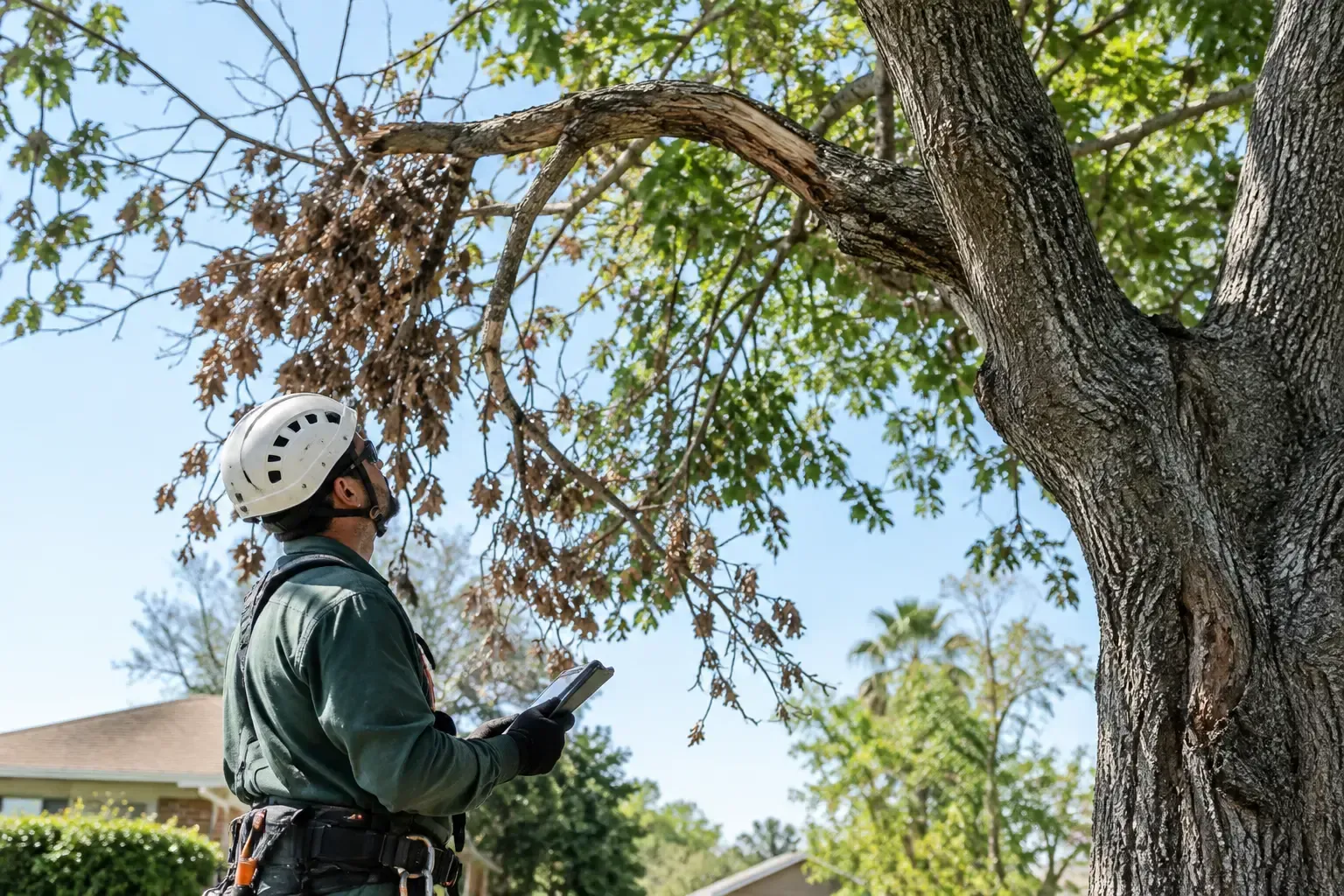
Not every tree can be saved. Recognizing the signs of a dead or dying tree early is the only way to prevent property damage. You must actively inspect your property. Look up. Look down. Pay attention to the details.
Dead wood is the most obvious indicator. If an entire section of the canopy fails to produce leaves in the spring, that section is dead. If you spot deep, vertical cracks running down the main trunk, the tree's structural integrity is compromised. Fungal fruiting bodies—like mushrooms—growing around the base of the trunk are a massive red flag. They indicate severe root rot. At this stage, pruning will not save the tree. The internal decay is already terminal.
This is when a professional tree removal service becomes a strict necessity. A dying tree is unpredictable. Its center of gravity shifts. The wood becomes brittle. Attempting to bring it down without understanding the complex tension points is a recipe for disaster. The University of California Agriculture and Natural Resources highly recommends removing dead and dying trees to mitigate severe fire risks and property damage, especially in suburban environments.
Why Tree Service Perfection West Covina Sets the Standard
When a dead tree threatens your home near Plaza West Covina or your backyard overlooking the hills, you cannot afford amateur mistakes. Tree Service Perfection West Covina operates entirely on precision, safety, and speed. We do not guess. We assess, dismantle, and remove.
We understand the specific soil profiles and weather patterns of this region. The heavy, compacted clay soil in many West Covina neighborhoods restricts deep root growth. When heavy winter rains follow a long summer drought, those shallow-rooted trees become highly susceptible to uprooting. We evaluate the specific environmental risks on your property before we even start up our equipment.
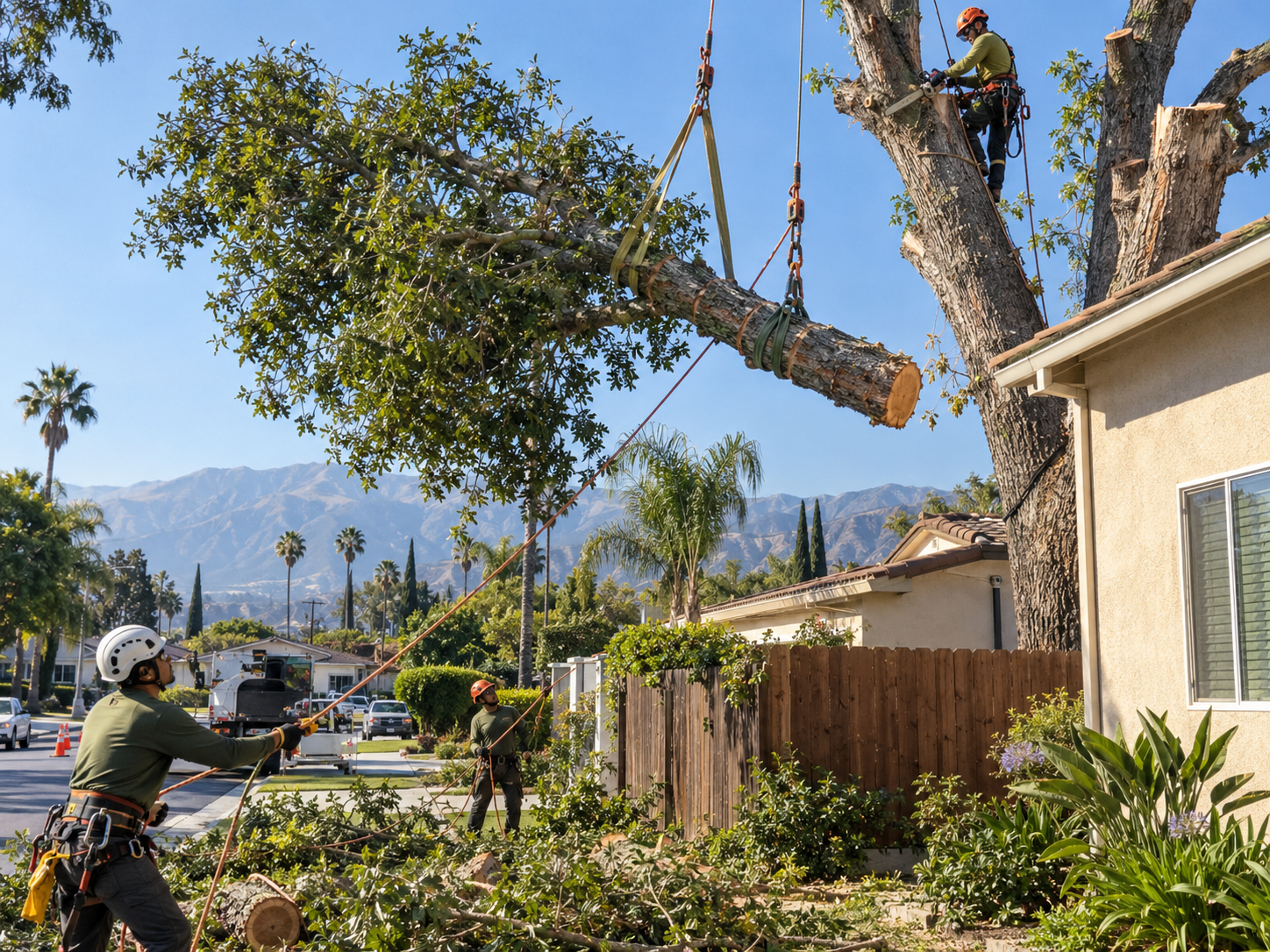
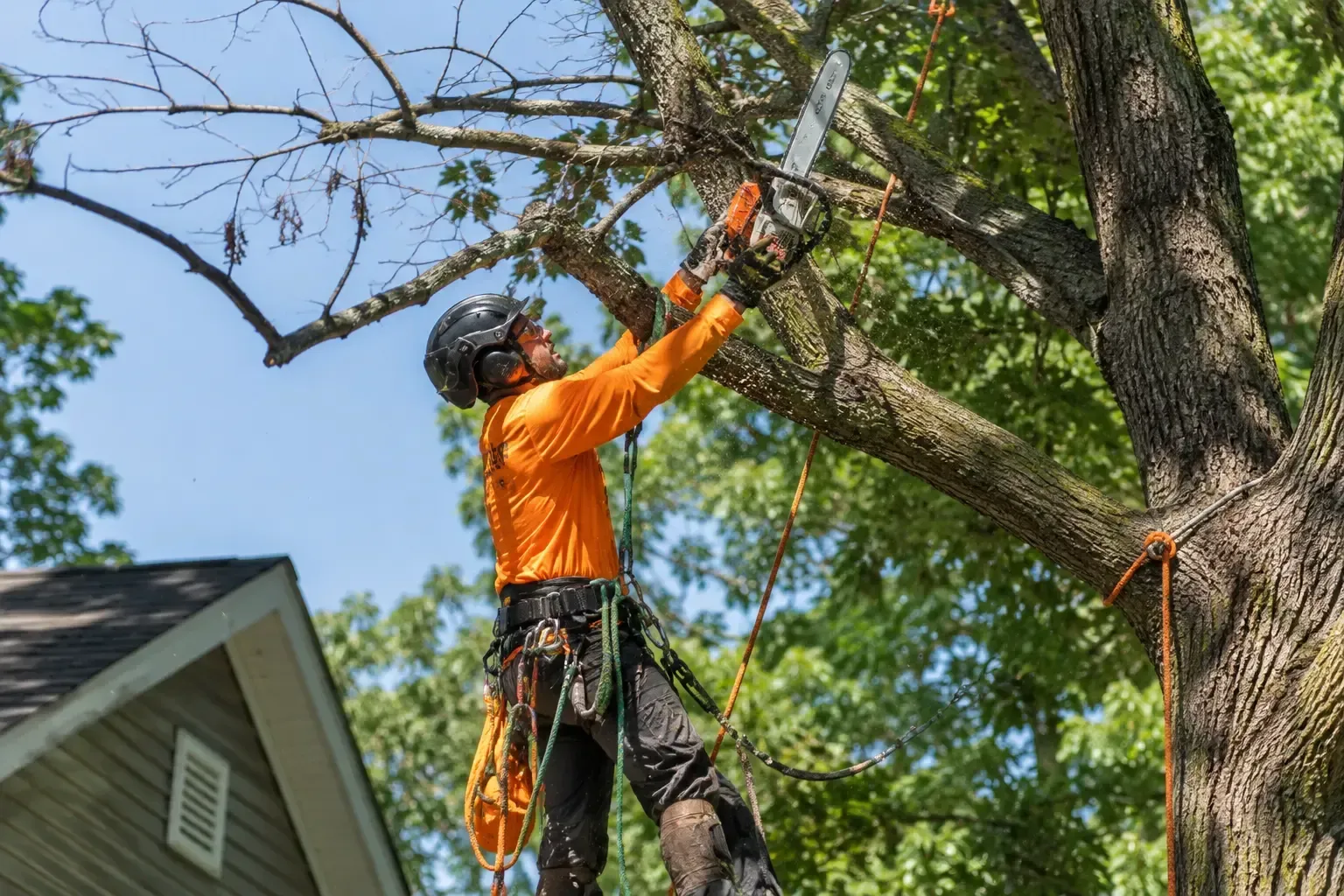
Our crews use advanced rigging techniques. We do not just fell a tree and hope it misses your roof. We systematically dismantle the canopy piece by piece, lowering heavy timber safely to the ground. This surgical approach ensures zero impact on your home, your driveway, or your remaining garden beds. We leave your yard cleaner than we found it.
The Real Cost of DIY Brush Clearing
We see it every spring. A homeowner decides to save a few dollars by tackling a massive ivy overgrowth or a dead pine tree themselves. It rarely ends well. Tree work is consistently ranked among the most dangerous professions in the country. The Occupational Safety and Health Administration (OSHA) reports hundreds of severe injuries annually from improper chainsaw use, falls, and struck-by accidents.
Cutting down a tree is an exercise in applied physics. You are dealing with thousands of pounds of tension, unpredictable wind gusts, and gravity. If a branch snaps back, or if the trunk twists off the stump in the wrong direction, the damage to your home will far exceed the cost of hiring a professional tree removal service. Furthermore, improper disposal of invasive ivy often leads to it taking root in local landfills or spreading to wildland areas. We adhere strictly to CalFire defensible space guidelines, ensuring all hazardous brush and timber is completely removed and properly processed.
Frequently Asked Questions
How much does a tree removal service cost in West Covina?
Costs vary based on the tree's size, location, and condition. A small, easily accessible tree might cost a few hundred dollars. Large, hazardous trees requiring complex rigging and crane work over a house can cost significantly more. We provide precise, transparent estimates upfront.
Can ivy actually kill a large, healthy mature tree?
Yes. Ivy outcompetes the tree for vital nutrients and water. It also traps moisture against the bark, causing severe rot. The added weight and "sail effect" in the canopy make the tree highly vulnerable to snapping during heavy winds or storms.
Do I need a permit to remove a tree in West Covina?
West Covina has specific municipal ordinances protecting certain mature and native tree species. Generally, dead or highly hazardous trees can be removed, but a permit may still be required. We handle the assessment and guide you through local compliance.
What happens to the stump after tree removal?
Standard tree removal leaves a stump close to ground level. For a completely clean, level yard, we highly recommend our professional stump grinding service. This process destroys the root crown, preventing regrowth and eliminating trip hazards in your yard.