The Environmental Benefits of Tree Services in West Covina: A Greener Tomorrow
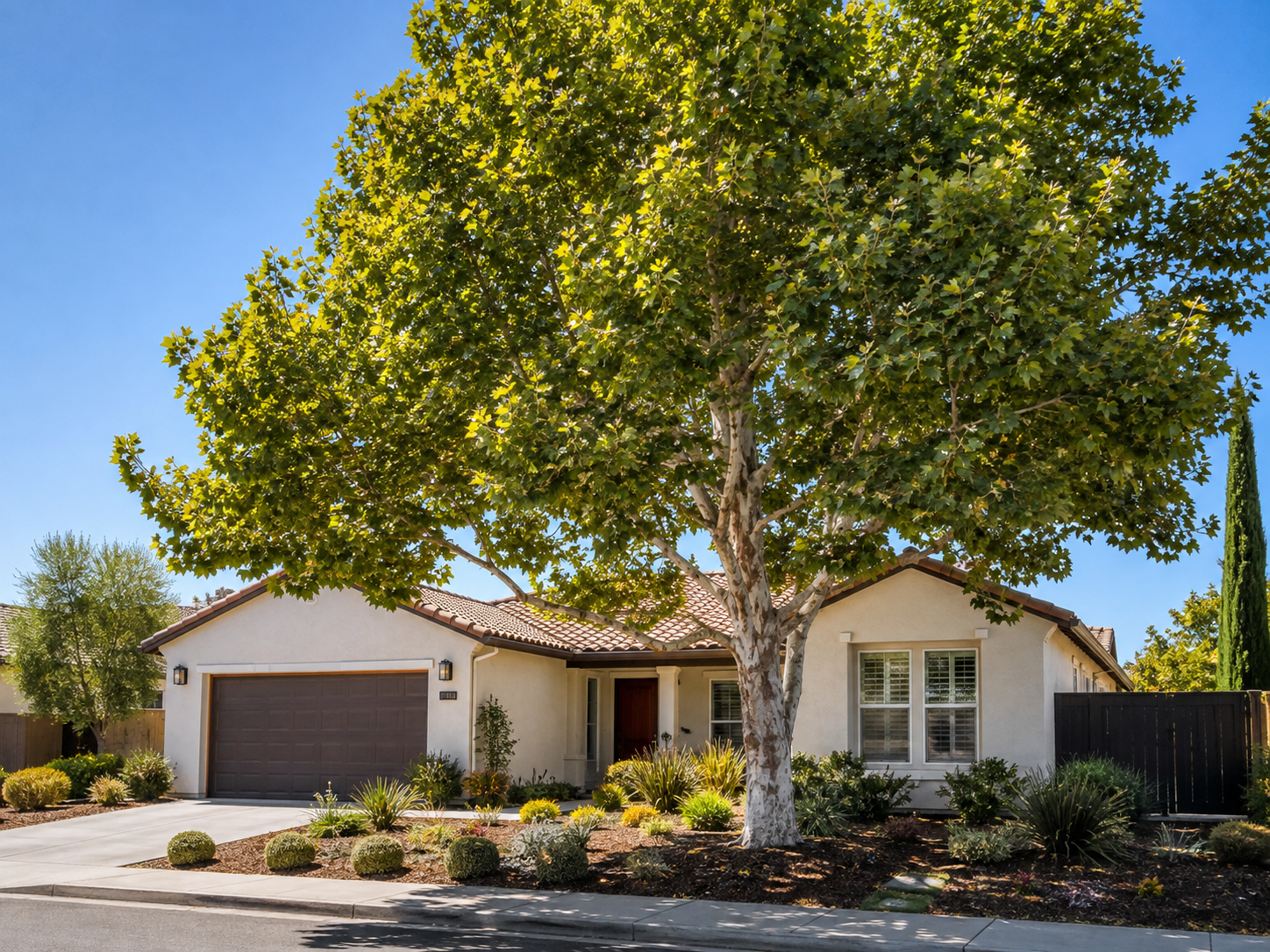
Introduction: Why Trees Matter in Our Urban Landscape Every morning when I step outside my West Covina home, I'm greeted by the gentle rustling of leaves from the sycamore trees lining our street. It's easy to take these silent guardians for granted, but the truth is, our urban trees are working hard every day to make our city more livable, beautiful, and environmentally healthy.
The Hidden Heroes of West Covina: Our Urban Forest
Did you know that West Covina's trees are actually a critical part of our city's infrastructure? Just like our roads and water systems, our urban forest provides essential services that impact everything from the air we breathe to the value of our homes. As a resident who's watched our community grow over the years, I've seen firsthand how proper tree care can transform neighborhoods and improve our quality of life.
My Journey with Trees in Southern California
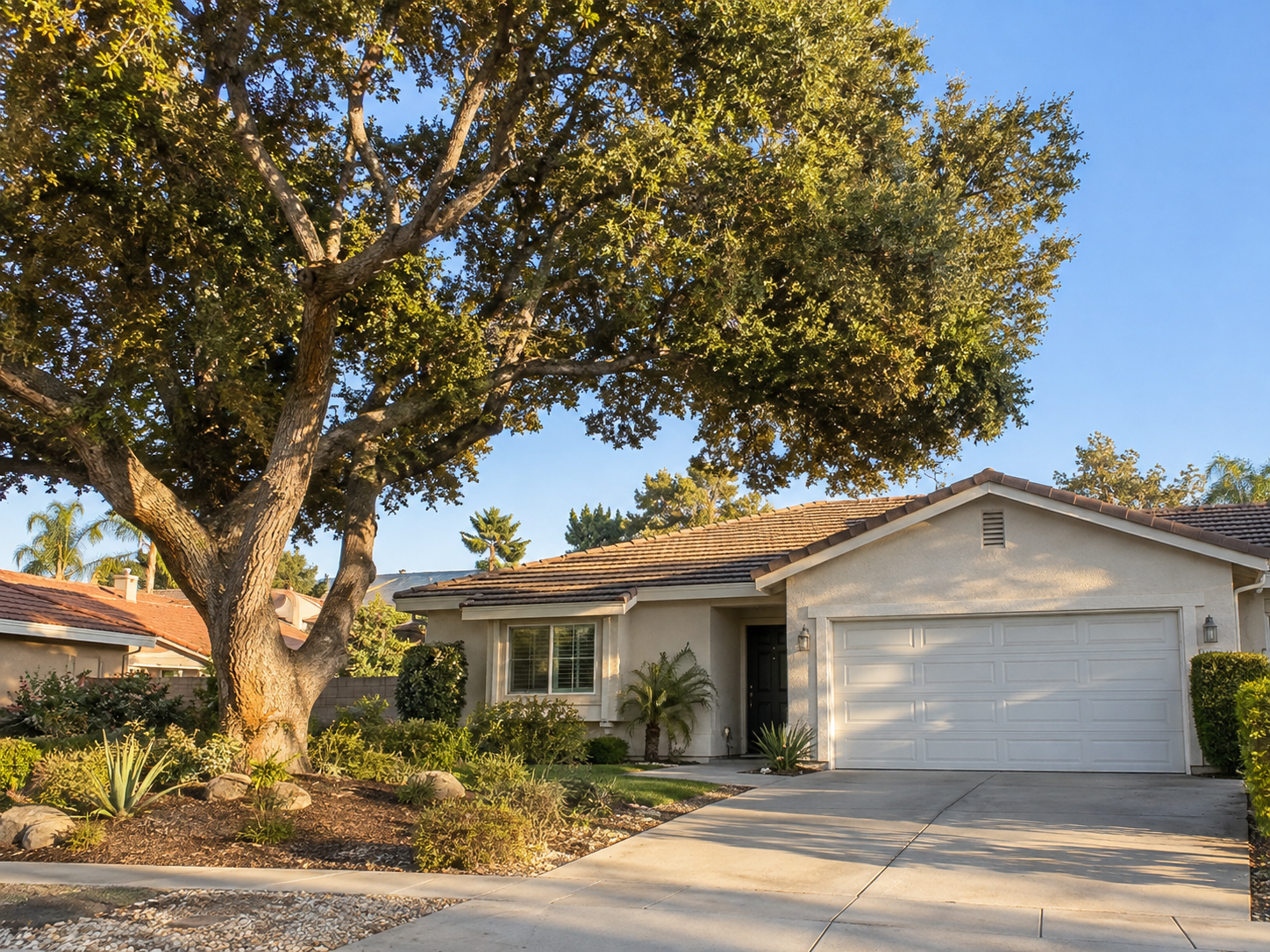
When I first moved to West Covina fifteen years ago, the lot around my new home was mostly bare. Over time, I planted several native California trees - a coast live oak, a western redbud, and some desert willows. Working with local tree service professionals, I've learned how proper maintenance not only keeps these trees healthy but contributes to our wider ecosystem. That journey inspired me to share what I've learned about the environmental benefits of professional tree services in our community.
Understanding Professional Tree Services
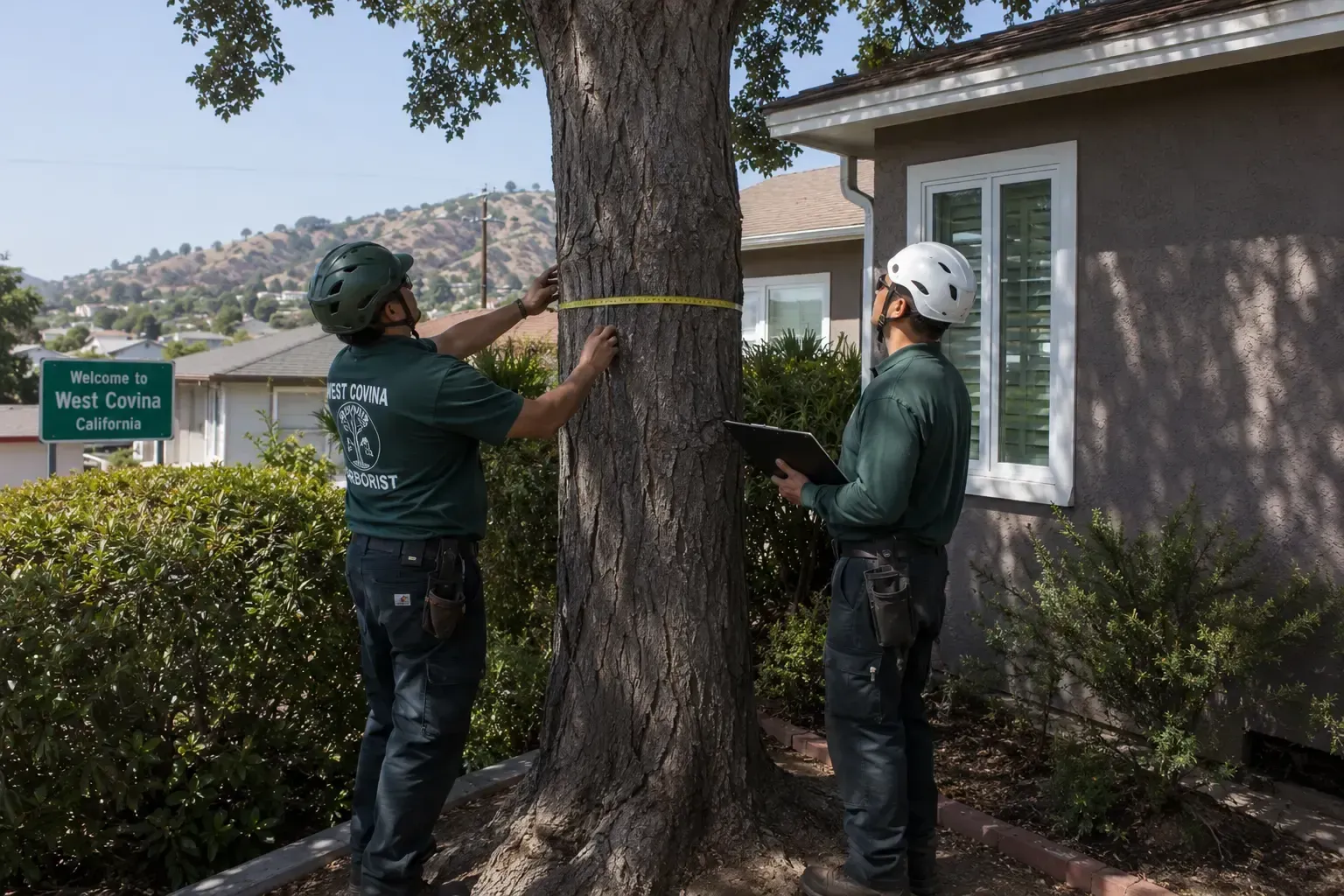
Before diving into the environmental benefits, let's clarify what professional tree services actually include. Far from just "cutting down trees," modern arborists and tree care specialists offer a range of services designed to maintain tree health while addressing safety and property concerns.
Tree Trimming: More Than Just Aesthetics
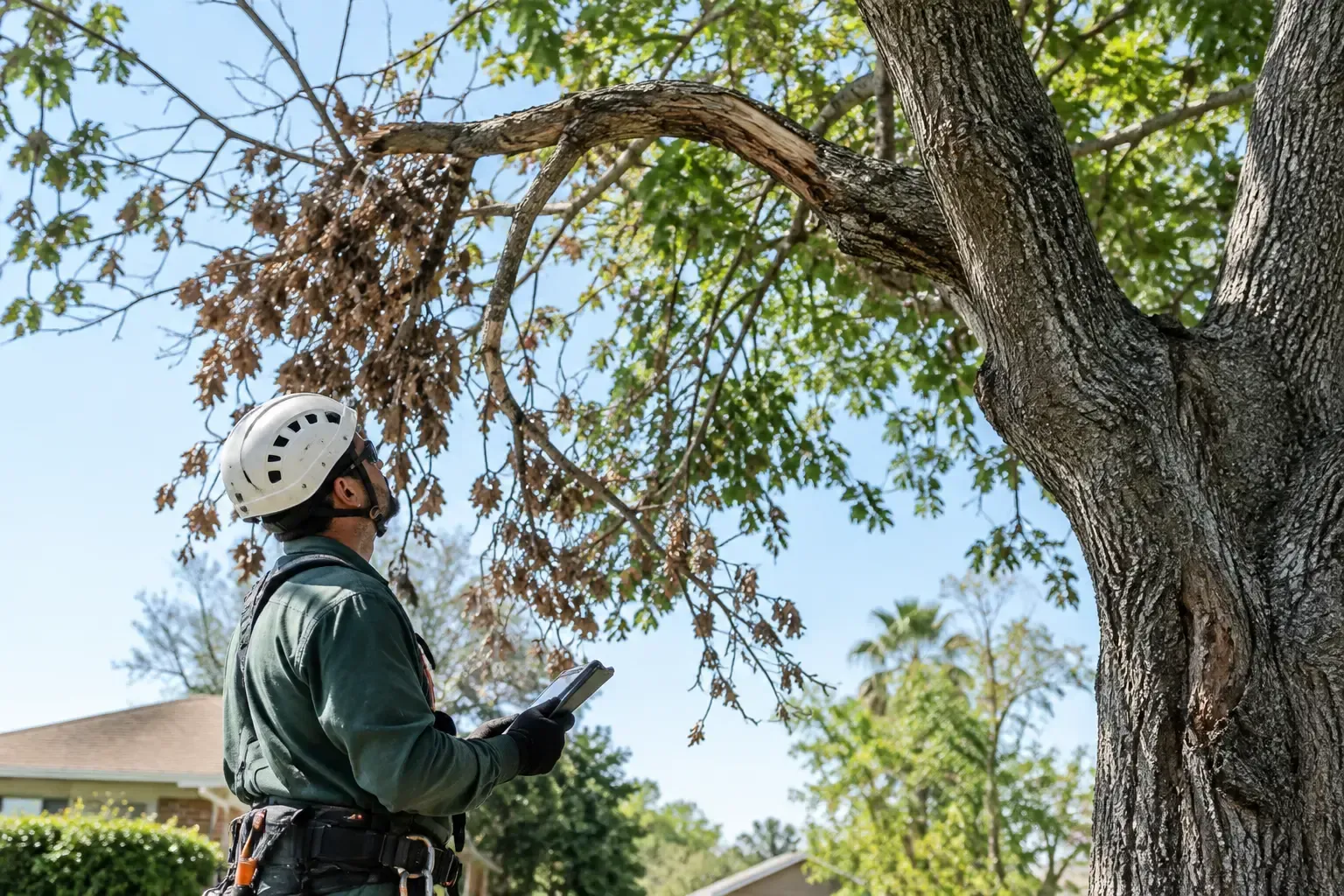
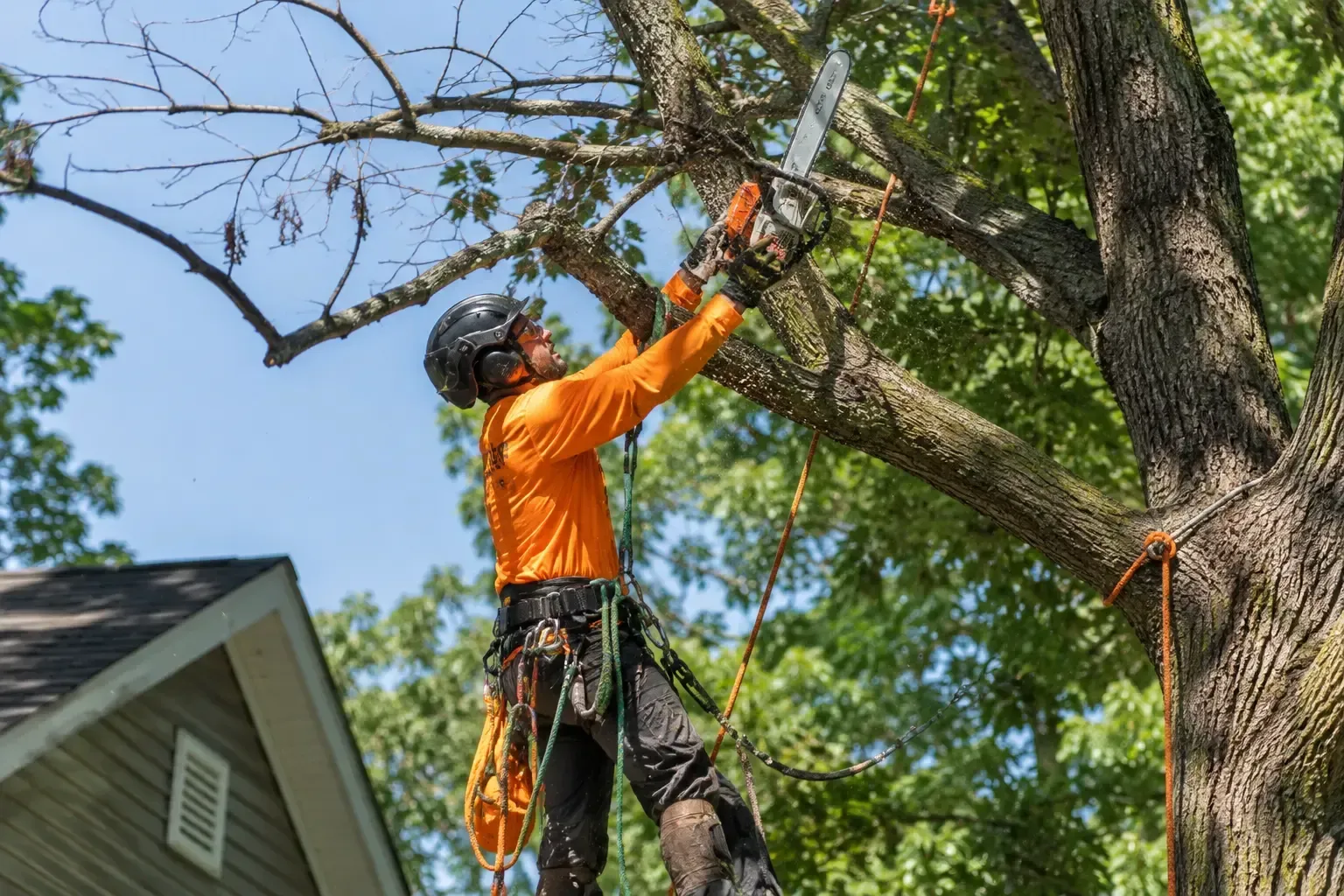
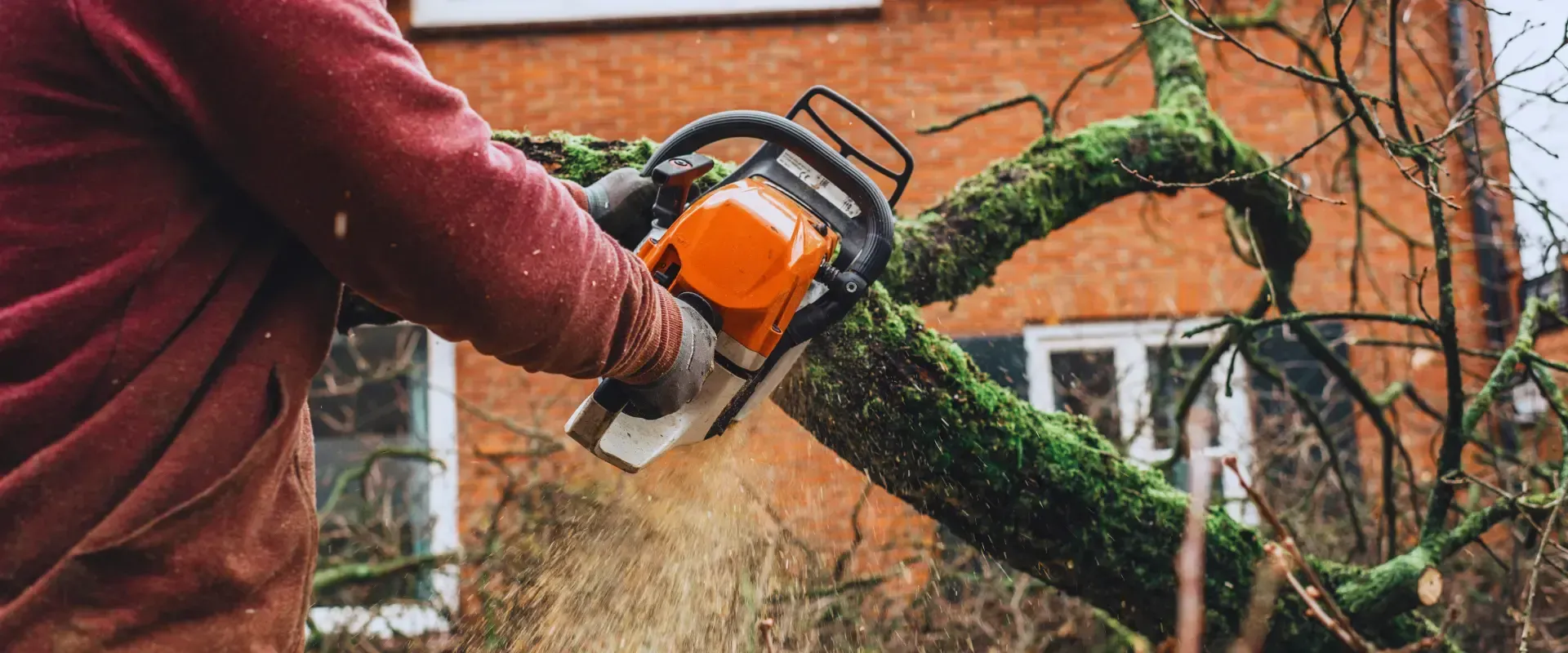
When done properly, tree trimming isn't just about making trees look nice - it's about health and safety. Professional tree trimming removes damaged or diseased branches before they become hazards, promotes better air circulation through the canopy (reducing disease), and shapes trees to grow strong and stable.
I remember when my neighbor's oak was struggling with a fungal issue. Rather than removing the entire tree, a careful trimming by professionals opened up the canopy, improved air flow, and saved both the tree and its environmental benefits for our street.
When Tree Removal Becomes Necessary
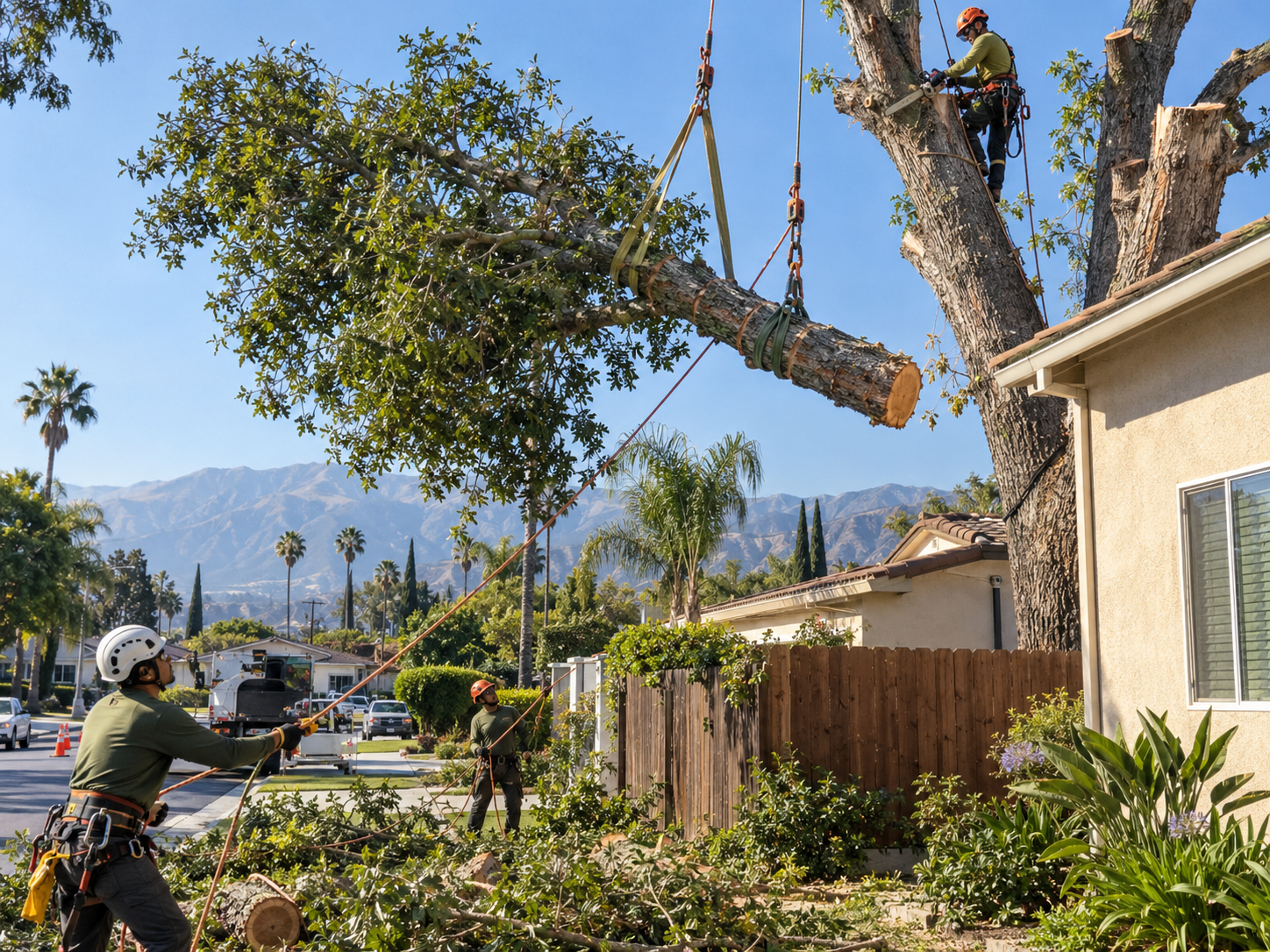
Sometimes, despite our best efforts, tree removal becomes necessary. While I'm always sad to see a tree go, there are situations where removal is actually the environmentally responsible choice:
- When a tree is severely diseased and threatens to spread pathogens to nearby healthy trees
- When invasive species are crowding out native trees and plants
- When a tree's structure has been compromised and poses a safety risk
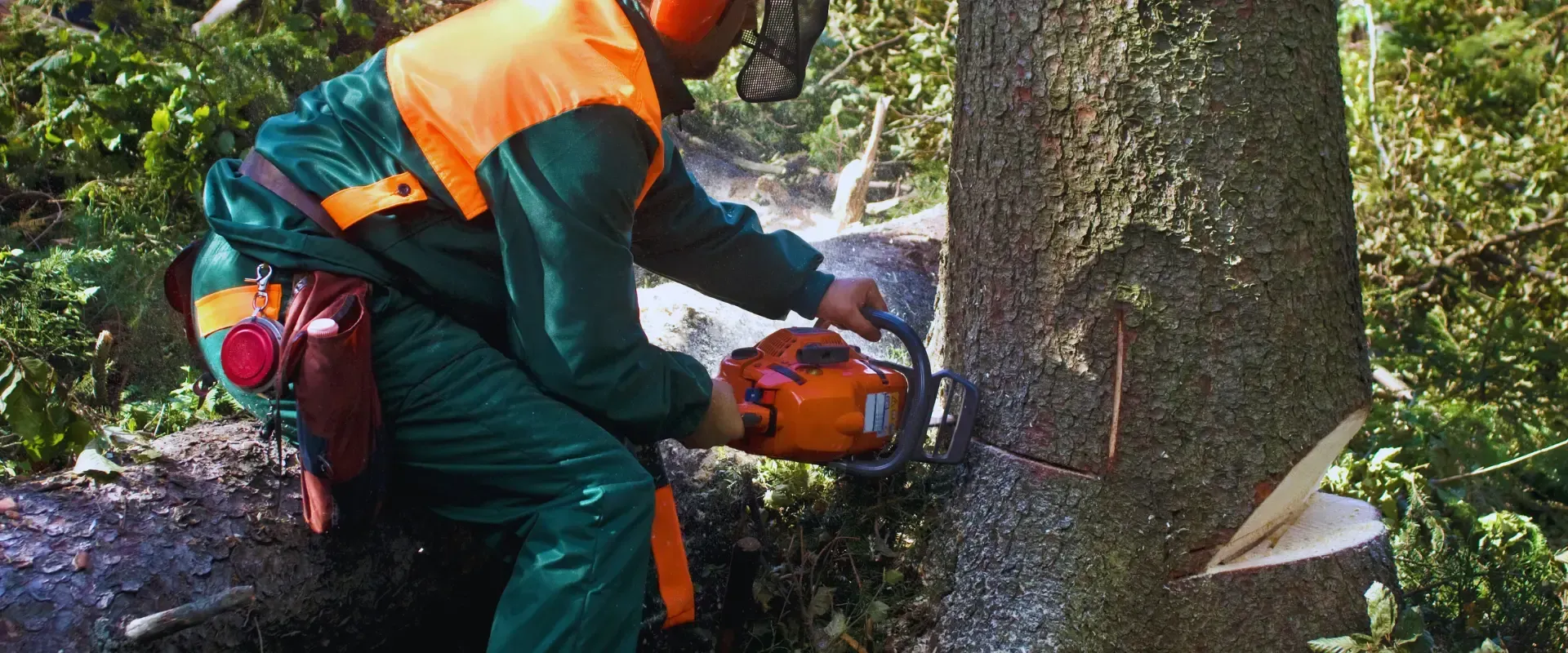
Professional tree removal ensures that when a tree must be taken down, it happens with minimal impact to surrounding plants, soil, and wildlife.
Emergency Tree Removal: Responding to Nature's Challenges
Storm Damage and Safety Concerns
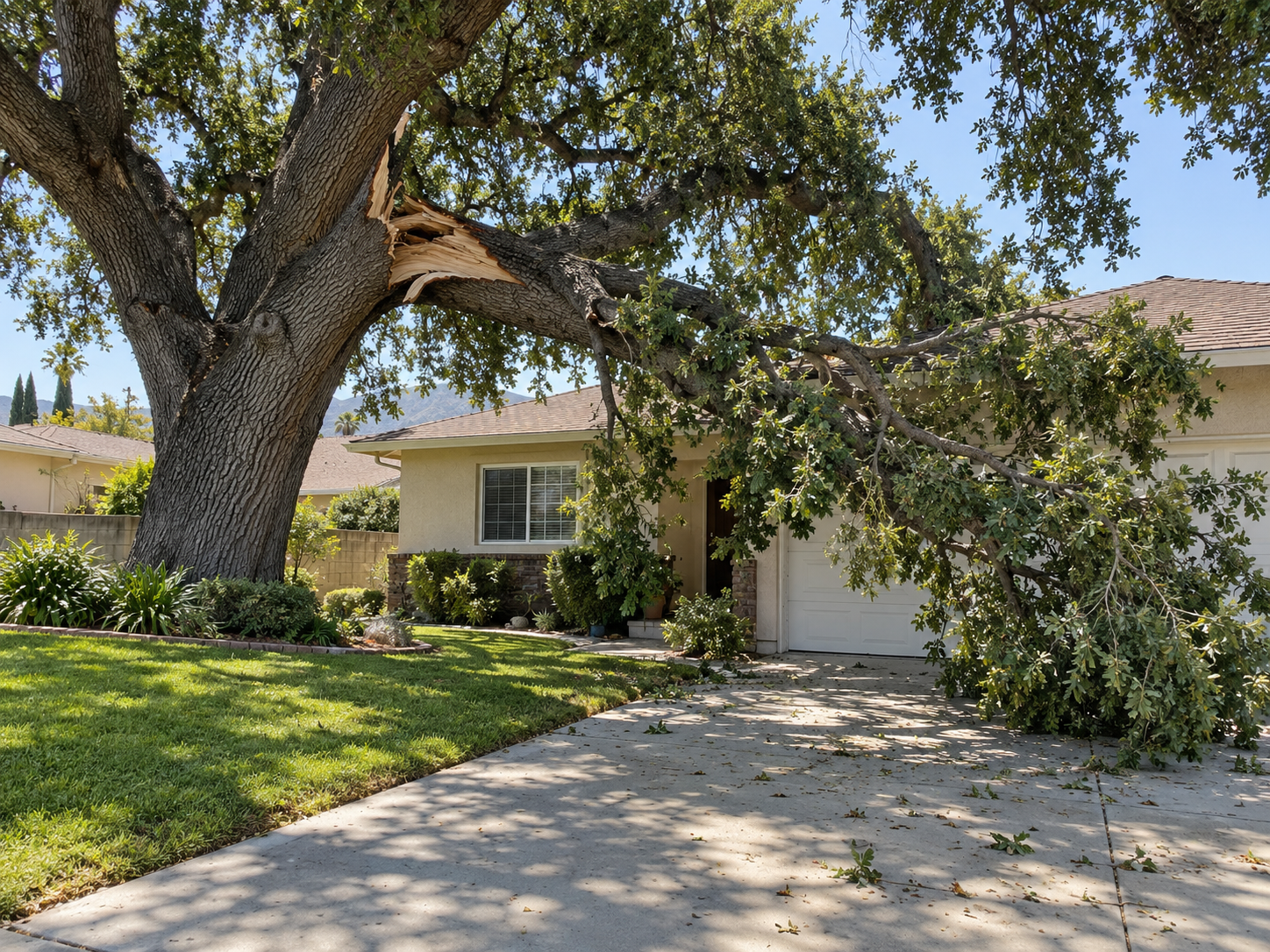
Living in Southern California means occasionally facing powerful winds, heavy rains, or even earthquakes. When these events damage trees, prompt emergency tree removal prevents further property damage and personal injury. The best services respond quickly while still following environmental best practices for removal and disposal.
Disease Management Through Removal
Sometimes removing one tree saves dozens more. When diseases like sudden oak death or invasive pests like the polyphagous shot hole borer threaten our urban forest, strategic removal of infected trees can protect the broader ecosystem. Professional services know how to handle and dispose of diseased material without spreading the problem.
Environmental Benefits of Professional Tree Care
Now that we understand the services, let's explore their environmental benefits specifically for West Covina.
Improving Air Quality Through Proper Tree Maintenance
Our location near the San Gabriel Mountains and proximity to Los Angeles means air quality is a constant concern. Well-maintained trees are air-purifying powerhouses. Here's what I've learned about how professional care maximizes these benefits:
- Regular trimming encourages dense, healthy leaf growth that captures more air pollutants
- Proper care ensures longer tree lifespans, providing decades of air filtration
- Strategic pruning can increase leaf surface area, enhancing a tree's ability to produce oxygen
One mature, healthy tree can provide enough oxygen for two people and remove up to 48 pounds of carbon dioxide annually. By keeping our trees healthy, professional services help our urban forest clean West Covina's air more effectively.
Enhancing Biodiversity in West Covina
Healthy trees support incredible biodiversity, even in urban settings like ours. Professional tree care helps create habitat by:
- Preserving dead wood where safe (providing homes for beneficial insects and birds)
- Maintaining healthy canopies that support bird nesting
- Controlling invasive species that would otherwise crowd out native plants and the wildlife they support
I've noticed more bird species in my yard since implementing a professional maintenance plan for my trees - from hummingbirds to finches and even the occasional hawk!
Managing Urban Heat Island Effect
West Covina, like many suburban areas, faces the challenge of the urban heat island effect - where paved surfaces and buildings absorb and radiate heat, raising local temperatures.
Shade and Temperature Regulation
Properly maintained trees provide optimal shade, which can reduce ambient temperatures by 6-8 degrees Fahrenheit. Professional trimming ensures this shade falls where it's most beneficial - over homes, sidewalks, and gathering spaces. When arborists shape trees with this in mind, they help cool our entire city.
Energy Conservation for Homes and Businesses
Strategic tree placement and maintenance around buildings can reduce air conditioning needs by 20-30%. I've experienced this benefit directly - after having professionals properly trim and shape the trees around my home, my summer energy bills noticeably decreased. Multiply this effect across West Covina, and we're talking significant energy savings and reduced carbon emissions.
Sustainable Practices in Modern Tree Services
Today's best tree services in West Covina don't just provide environmental benefits through the trees they maintain - they also use sustainable practices in their operations.
Eco-Friendly Equipment and Techniques
Leading tree services now use:
- Electric or low-emission equipment when possible
- Organic mulches and treatments instead of chemical alternatives
- Climbing techniques that minimize damage to healthy tissue
When researching a tree service, I always ask about their equipment and approaches. The most environmentally conscious providers are usually happy to explain their sustainable practices.
Recycling and Repurposing Tree Materials
Mulch and Compost Creation
When trimming or removal generates green waste, responsible tree services don't just send it to landfills. Many now create mulch that can:
- Return nutrients to the soil
- Reduce water needs for other plants
- Prevent erosion in our hillside areas
- Suppress weeds naturally
I use mulch from local tree trimmings in my garden beds, creating a full-circle benefit from our community's tree care.
Artisan Woodworking from Local Trees
Some West Covina tree services partner with woodworkers to give removed trees a second life as furniture, art, or building materials. This practice honors the tree's value while sequestering carbon in durable goods instead of releasing it through decomposition.
A friend recently had a large walnut tree removed from their property, and the service connected them with a local craftsman who turned some of the wood into a beautiful dining table - keeping that tree's legacy alive in their home.
Seasonal Tree Care: When to Schedule Services
Timing tree care correctly maximizes both tree health and environmental benefits.
Spring and Summer Tree Maintenance
In spring and early summer, I schedule:
- Structural pruning of young trees to encourage strong growth patterns
- Removal of storm-damaged branches from winter
- Inspection for pests and early signs of disease
This timing helps trees heal quickly and prepares them for the stresses of summer heat.
Fall and Winter Preparations
Before winter, professional services help by:
- Removing dead or weakened branches that could fall during storms
- Performing health assessments before trees go dormant
- Planning for any necessary winter removals when impact on surrounding plants will be minimized
By timing services with the natural cycles of our trees, we maximize their environmental contributions throughout the year.
Choosing the Right Tree Service Provider in West Covina
Not all tree services prioritize environmental benefits equally. Here's how I evaluate providers:
Questions to Ask About Environmental Practices
When contacting services, I ask:
- How do you dispose of tree waste?
- What steps do you take to protect surrounding plants and soil?
- Do you offer organic treatment options for pests and diseases?
- How do you decide when removal is necessary versus when a tree can be saved?
The answers reveal a lot about a company's environmental commitment.
Certifications and Credentials to Look For
The most environmentally conscious providers typically have:
- ISA (International Society of Arboriculture) certified arborists on staff
- Training in integrated pest management
- Knowledge of native and drought-tolerant species
- Proper licensing and insurance that ensures they follow environmental regulations
I've found that companies with these qualifications, like Covina Tree Service, tend to take a more holistic, environmentally-friendly approach to tree care.
The Future of Urban Forestry in West Covina
As our climate continues to change, professional tree services will play an increasingly important role in our community's environmental health.
Community Initiatives and Partnerships
Some forward-thinking tree services in West Covina are already:
- Participating in city tree planting initiatives
- Offering workshops on sustainable tree care
- Partnering with schools for environmental education
- Providing reduced-cost services for community spaces
These collaborations extend the environmental benefits beyond individual properties to strengthen our entire urban forest.
Long-term Benefits for Future Generations
The trees we plant and maintain today will provide benefits long after we're gone. Professional care ensures these trees grow strong and live long, becoming the mature canopy that future West Covina residents will rely on for clean air, shade, and beauty.
When I look at the young oak I planted years ago, now thriving thanks to professional guidance, I feel I'm paying forward an environmental gift to whoever lives in my home decades from now.
Conclusion: Embracing Our Responsibility to West Covina's Trees
As residents of West Covina, we're the current stewards of our urban forest. By partnering with environmentally conscious tree services, we multiply the benefits our trees provide - cleaner air, cooler temperatures, wildlife habitat, and natural beauty.
I've seen my own property transform through proper tree care, and I've watched neighborhoods across our city grow greener and more vibrant as awareness of these benefits spreads. Every time we choose professional care for our trees, we're investing in West Covina's environmental future.
I encourage you to see the trees around your home or business with fresh eyes - not just as features of your property, but as vital contributors to our shared environment. With the right care from qualified tree service professionals, these silent benefactors will continue purifying our air, cooling our city, and enhancing our quality of life for generations to come.
FAQs About Environmental Tree Services
Q: How often should I have my trees professionally inspected?
A: For most trees in West Covina, an annual inspection is sufficient. However, after major storms or if you notice any signs of disease or damage, it's wise to call for a professional assessment right away.
Q: Can tree trimming actually be good for the environment?
A: Yes! Proper trimming improves tree health, which enhances all the environmental benefits trees provide. It also prevents hazardous situations that might otherwise require complete tree removal.
Q: What happens to the trees and branches after removal or trimming?
A: Environmentally responsible services recycle the material as mulch, compost, or wood products. Ask your provider about their specific practices.
Q: Are there certain trees that provide more environmental benefits in West Covina?
A: Native species like coast live oaks, California sycamores, and western redbuds are generally best adapted to our climate and provide optimal benefits for local wildlife.
Q: How can I tell if a tree service is environmentally responsible?
A: Look for ISA certification, ask about their waste management practices, and inquire about their approach to preservation versus removal. Their website should also indicate their environmental values.
Q: What's the best time of year for tree planting in West Covina?
A: Late fall through early spring is ideal, allowing roots to establish before summer heat arrives.
Key Takeaways:
- Professional tree services provide environmental benefits beyond just aesthetics
- Proper maintenance maximizes trees' air-purifying capacity
- Strategic trimming helps manage urban heat island effect
- Sustainable tree services recycle and repurpose materials
- Seasonal timing of tree care optimizes environmental benefits
- Choosing environmentally conscious providers multiplies positive impacts
- Today's tree care affects West Covina's environmental future
Environmental Benefit How Professional Tree Services Help Air Quality Improvement Maintains healthy leaf surface for maximum filtration Temperature Regulation Shapes canopies for optimal shading Wildlife Habitat Preserves safe habitat features while removing hazards Carbon Sequestration Ensures longer tree lifespan for continued carbon storage Water Management Reduces runoff through proper mulching and soil care Energy Conservation Strategically trims for building shading in summer