What is the Process of Tree Removal Service in West Covina, CA?
If you live in West Covina, CA, you may be wondering what's involved when you need to remove a tree from your property. Between safety concerns, permit requirements, equipment needs, and cleanup, the tree removal process can seem overwhelming if you've never done it before.
That's why more homeowners in West Covina are choosing to work with professional tree removal services that handle every step safely and efficiently. A reputable tree service company provides a clear, transparent process that protects your property while giving you peace of mind from start to finish.
At Tree Service Perfection, we help West Covina residents remove dangerous, dead, or unwanted trees safely and professionally. Whether you're dealing with storm damage, a diseased tree, construction needs, or simply want to clear space in your yard, working with experienced arborists ensures the job is done right the first time.

What Is Tree Removal Service?
Tree removal service is the professional process of safely cutting down and removing a tree from your property. Unlike simple tree trimming, removal involves completely taking down the tree, cutting it into manageable sections, and clearing all debris from your yard.
Professional tree removal typically includes:
Complete tree takedown using specialized equipment
Safe dismantling in sections to avoid property damage
Stump grinding or stump removal (often as an add on service)
Full cleanup and debris hauling
Permit acquisition assistance when required
Damage prevention for surrounding landscaping and structures
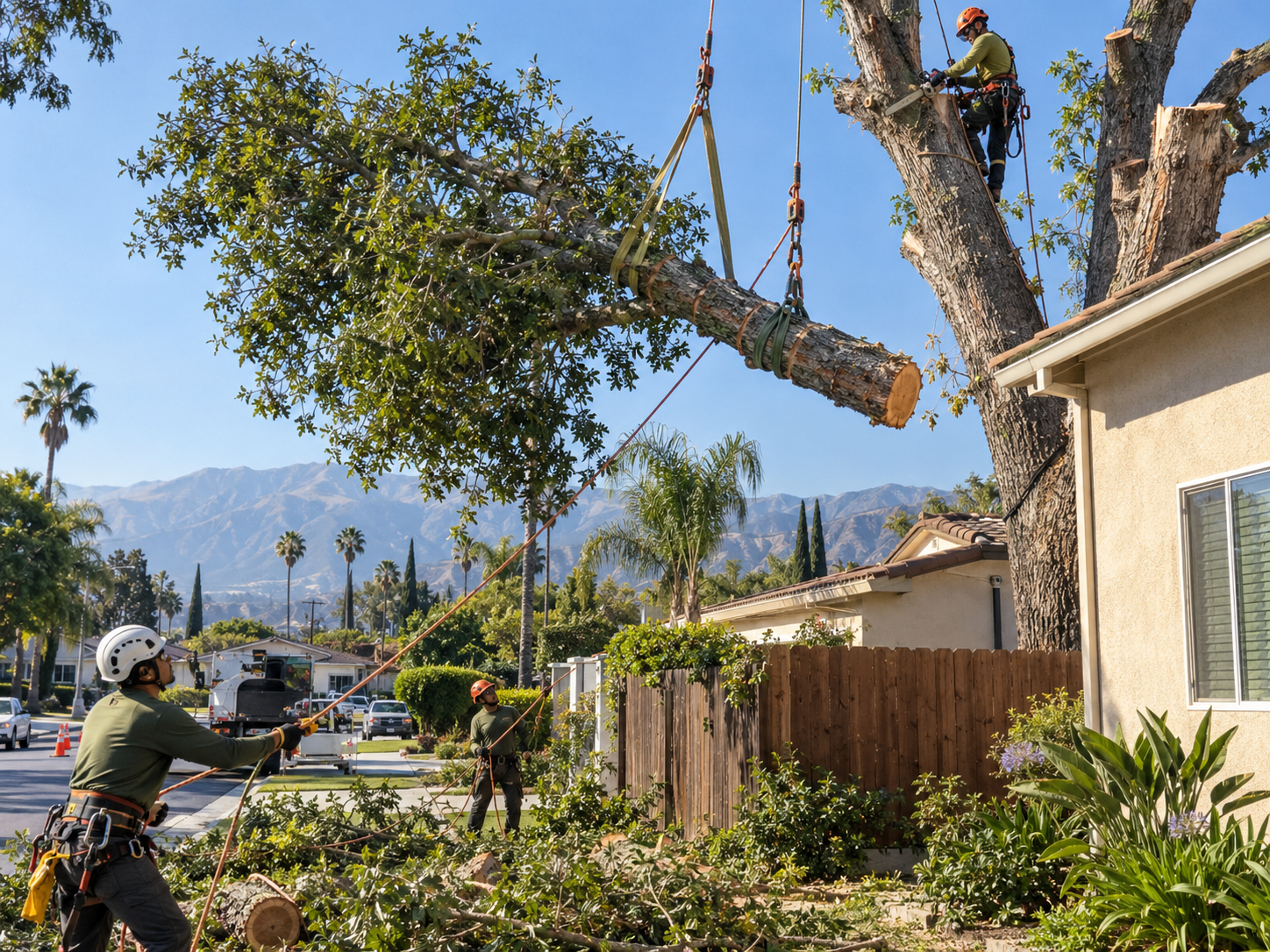
For example, a homeowner in South Hills with a large dead eucalyptus tree leaning toward their house can hire professional tree removal services to safely dismantle the tree in sections, preventing any damage to the roof, fence, or neighboring properties.
Why the Tree Removal Process Matters in West Covina, CA
West Covina's climate and tree species present unique challenges for property owners. With Santa Ana winds, occasional storms, and a mix of mature trees including pine, oak, eucalyptus, and palm trees, knowing when and how to remove a tree safely is critical.
Attempting DIY tree removal can lead to serious injuries, property damage, and liability issues. Professional tree removal services follow strict safety protocols and carry proper insurance to protect you and your property.
According to the City of West Covina, certain tree removals require permits, especially for protected species or trees over a certain size. Professional tree services understand these local regulations and can help you navigate the permit process smoothly.
As one of our certified arborists often says:
"The tree removal process in West Covina is not just about cutting down a tree. It's about doing it safely, legally, and with minimal impact to your property and the surrounding environment."
When Should You Consider Tree Removal?
Tree removal becomes necessary in several situations. While regular tree trimming can maintain healthy trees, removal is the right choice when a tree poses safety risks or is beyond saving.
Here are common scenarios when homeowners need tree removal:
Dead or Dying Trees: Trees killed by disease, pests, or drought become hazardous and should be removed promptly.
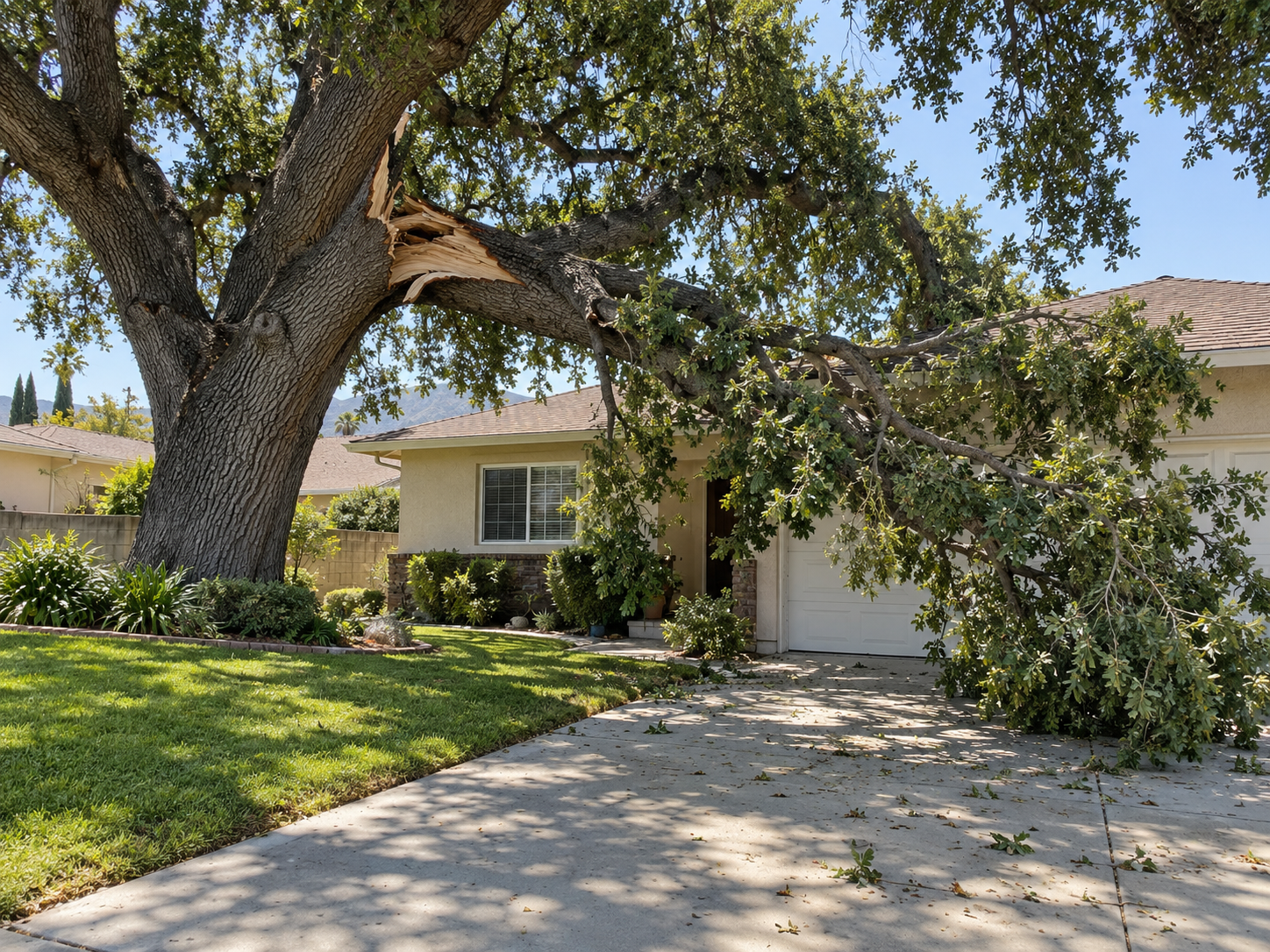
Storm Damaged Trees: Trees with major structural damage from wind or lightning are dangerous and unstable.
Leaning Trees: Trees leaning significantly toward structures or power lines pose immediate risks.
Root Damage: Trees with damaged root systems from construction or disease can fall unexpectedly.
Disease Spread: Infected trees may need removal to prevent spreading disease to healthy trees.
Construction Projects: New builds, additions, or pool installations often require tree removal.
Overgrown Trees: Trees too close to homes, power lines, or other structures create ongoing hazards.
Example Timeline:
| Situation | Urgency Level | Typical Completion Time |
|---|---|---|
| Dead Tree Removal | High | 1 to 3 days |
| Storm Damaged Tree | Emergency | Same day to 24 hours |
| Healthy Tree Removal | Low to Medium | 3 to 7 days |
| 4Multiple Tree Removal | Medium | 1 to 2 weeks |
How the Tree Removal Process Works in West Covina
Working with Tree Service Perfection for tree removal in West Covina is straightforward and safe. Our certified arborists handle every step professionally, ensuring your property is protected and the job meets all local regulations.
Here's how our process works:
Step 1: Initial Consultation and Assessment
You contact us by phone or through our homepage to schedule a free consultation. We'll ask basic questions about the tree, including its size, species, location, and condition. We typically schedule an on site visit within 24 to 48 hours.
Step 2: On Site Inspection
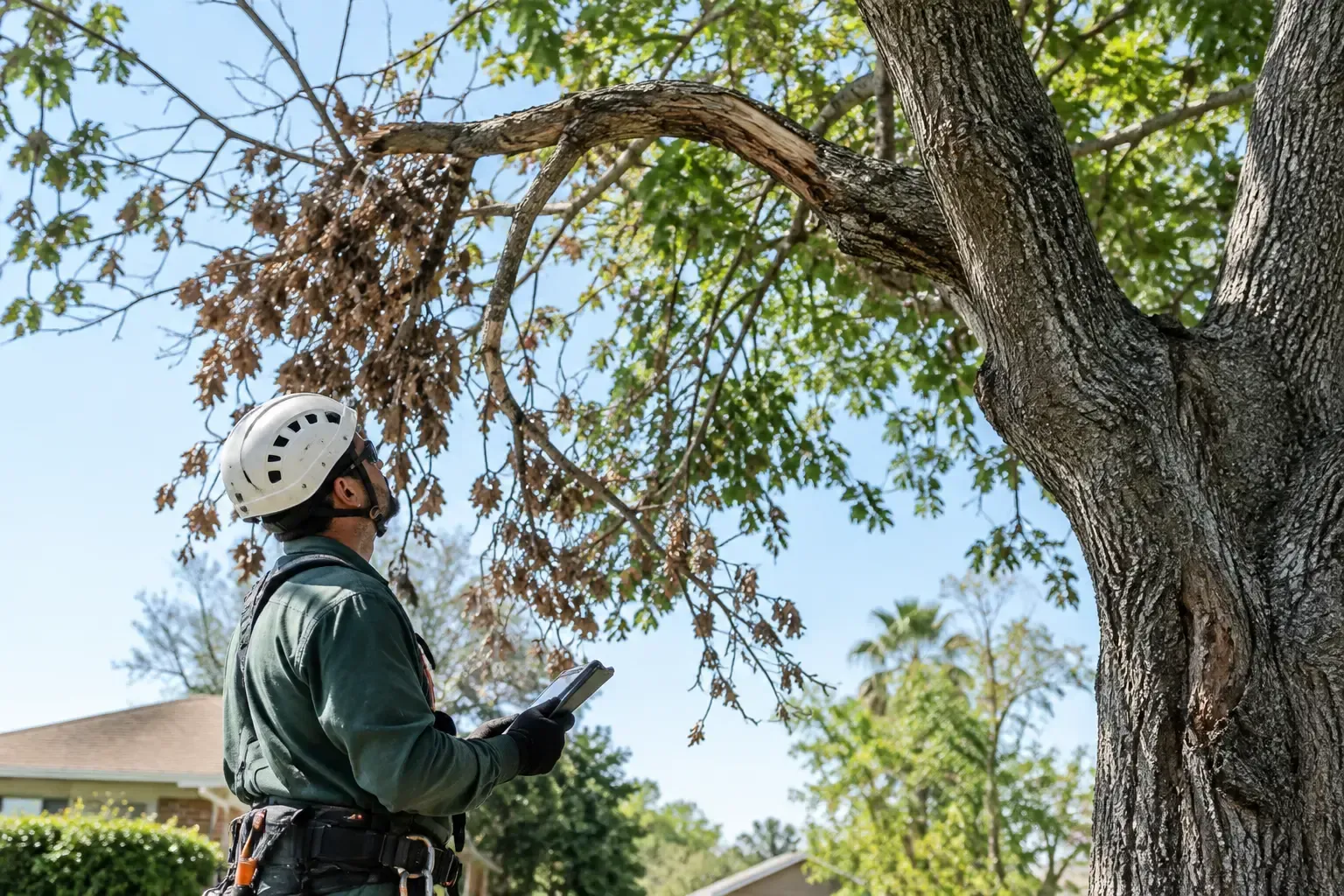
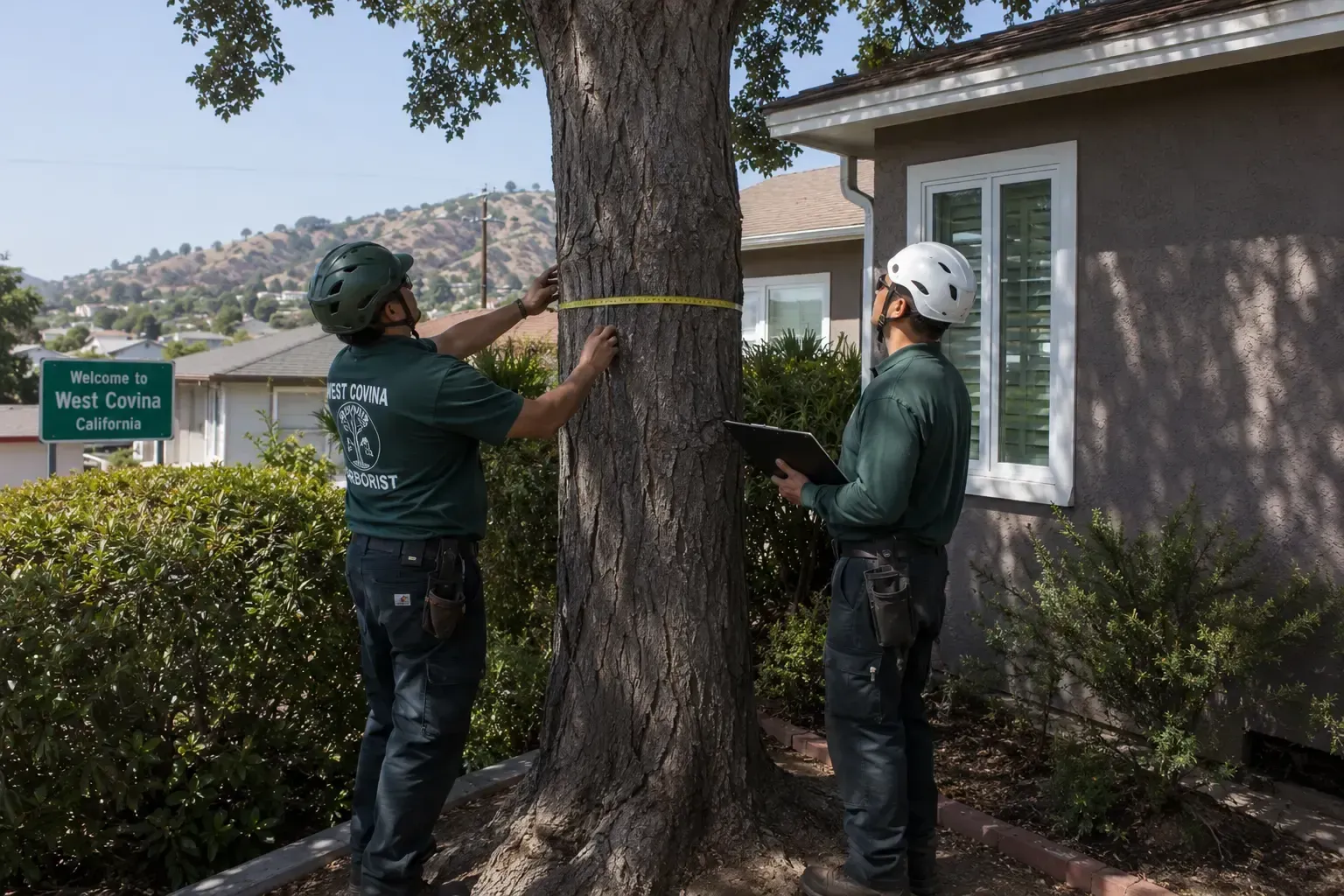
Our certified arborist visits your property to thoroughly assess the tree. We examine the tree's health, structural integrity, proximity to structures, and any potential hazards. We also check for overhead power lines, underground utilities, and access points for equipment.
Step 3: Detailed Estimate and Plan
Within 24 hours of the inspection, we provide a detailed written estimate that includes the scope of work, timeline, costs, and our removal strategy. We explain exactly how we'll safely remove the tree and what equipment we'll use. There are no hidden fees, and stump removal or grinding is clearly outlined as an option.
Step 4: Permit Acquisition
If your tree removal requires a permit from the City of West Covina, we help you understand the requirements and can assist with the application process. Some protected tree species and trees of certain sizes require permits before removal. We handle this step to ensure full compliance with local regulations.
Step 5: Pre Removal Preparation
Before we begin, our team prepares the work site. We set up safety zones, protect your landscaping and hardscapes, and position equipment. If power lines are nearby, we coordinate with utility companies to ensure safe clearance. We also notify your neighbors if the work may temporarily affect them.
Step 6: Safe Tree Removal
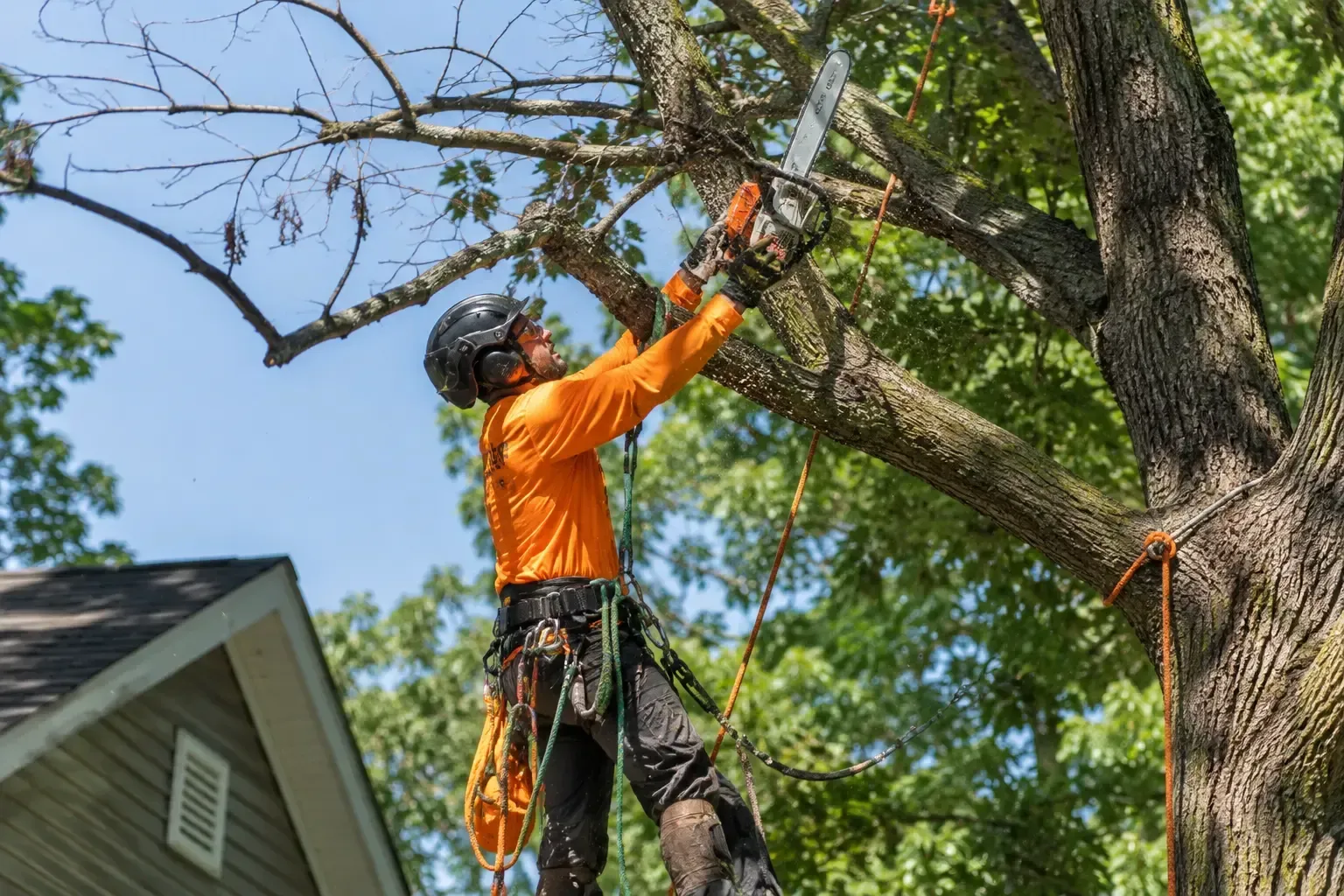
Our trained crew uses professional techniques and equipment to safely remove the tree. For large trees near structures, we use sectional removal, carefully lowering each piece with ropes and rigging to prevent damage. For trees in open areas, we may use traditional felling methods. Throughout the process, safety is our top priority.
Step 7: Stump Grinding or Removal
Once the tree is down, we can grind the stump below ground level or completely remove it, depending on your preference. Stump grinding is typically faster and less invasive, while complete removal is better if you're replanting in the same spot. We discuss both options during the estimate phase.
Step 8: Complete Cleanup and Debris Removal
After the tree and stump are removed, we thoroughly clean your property. We haul away all wood, branches, and debris, leaving your yard clean and ready to use. If you'd like to keep some wood for firewood, just let us know and we'll stack it for you.
Step 9: Final Inspection
Before we leave, we conduct a final walkthrough with you to ensure you're completely satisfied with the work. We inspect the area for any missed debris and verify that your property is in excellent condition.
Property Owner's Preparation Checklist
Here's a quick checklist to help you prepare for tree removal service in West Covina.
Step 1: Take photos of the tree from multiple angles to document its condition.
Step 2: Clear the area around the tree of furniture, decorations, vehicles, and any valuables.
Step 3: Notify your neighbors about the scheduled work, especially if equipment will be near property lines.
Step 4: Secure pets indoors during the removal process for their safety.
Step 5: Mark any underground sprinklers, utilities, or sensitive landscaping near the tree.
Step 6: Contact Tree Service Perfection to schedule your free estimate and removal date.
Expert Tips and Local Insights
In West Covina, working with licensed and insured tree removal professionals protects you from liability and ensures quality work. The key is choosing a company with certified arborists who understand local tree species and regulations.
"The tree removal process should always prioritize safety over speed. If a company rushes through an estimate without thoroughly inspecting the tree and surroundings, that's a major red flag. Quality tree services take time to plan and execute removals properly," says one of our lead arborists.
Whether you're in the East Side, near Cameron Park, or in the residential areas around Eastland Center, professional tree removal protects your home and maintains your property's value. If you're also considering maintaining other trees on your property, our tree trimming services can keep them healthy and beautiful year round.
For situations requiring immediate attention, such as trees that have fallen or are at risk of falling during storms, our emergency tree removal services are available 24/7 to respond quickly and safely.
Conclusion
Understanding the process of tree removal service in West Covina, CA helps you make informed decisions about your property's safety and appearance. The process is systematic, safe, and designed to protect your home while efficiently removing unwanted or dangerous trees.
If you're ready to remove a tree from your property, our professional tree removal services are here to help. Contact Tree Service Perfection today for a free estimate and expert guidance throughout the entire process.
Frequently Asked Questions
How long does the tree removal process take in West Covina?
Most residential tree removals take 1 to 3 days from start to finish, including cleanup. Large trees or multiple removals may take up to a week. Emergency removals can often be completed within 24 hours.
Do I need a permit to remove a tree in West Covina?
It depends on the tree species, size, and location. The City of West Covina requires permits for certain protected trees and trees over specific sizes. We can help determine if your tree removal requires a permit.
What happens to the wood after tree removal?
We haul away all debris and wood unless you request otherwise. If you'd like to keep firewood, we can cut and stack it for you at no extra charge.
Is tree removal dangerous?
Tree removal can be extremely dangerous without proper training and equipment. That's why hiring licensed, insured professionals is essential. We follow strict safety protocols to protect our crew and your property.
How much does tree removal cost in West Covina?
Costs vary based on tree size, location, accessibility, and complexity. Most residential tree removals range from $500 to $3,000. We provide free, detailed estimates with no hidden fees.
Can you remove a tree close to my house?
Yes. We specialize in removing trees near structures using sectional removal techniques and rigging systems to safely lower each piece without causing damage.
Key Takeaways
Professional tree removal follows a clear, step by step process for safety and efficiency
The process includes assessment, permits, safe removal, stump grinding, and complete cleanup
Licensed arborists use specialized equipment to protect your property during removal
West Covina tree removal may require permits depending on tree size and species
Complete tree removal typically takes 1 to 3 days depending on tree size and complexity