Winter Yard Cleanup in West Covina: Protecting Rentals from Wind, Rain, and Liability
Ignore the calendar. Winter in West Covina doesn't mean hibernation. While the rest of the country shovels snow, property managers in the 91790 ZIP code battle a different beast entirely: the aggressive growth spurts triggered by San Gabriel Valley rains and the destructive potential of Santa Ana winds.
If you manage rental units near The Lakes or oversee multi-family housing in South Hills, you know the drill. A neglected yard in December isn't just an eyesore; it’s a lawsuit waiting to happen.
The "dormant season" here is a myth. It’s actually the most critical time for structural pruning and risk assessment. Landlords often treat winter cleanup as an optional expense. That is a mistake. A messy yard signals neglect to prospective tenants, drags down property value, and creates genuine safety hazards that insurance companies love to deny claims over.

The "California Winter" Paradox: Why West Covina Yards Go Wild
Outsiders assume California vegetation stops growing when the temperature drops. Locals know better. When the winter rains hit the San Gabriel Valley, the soil moisture spikes, causing dormant weeds to explode and heavy limbs to become waterlogged.
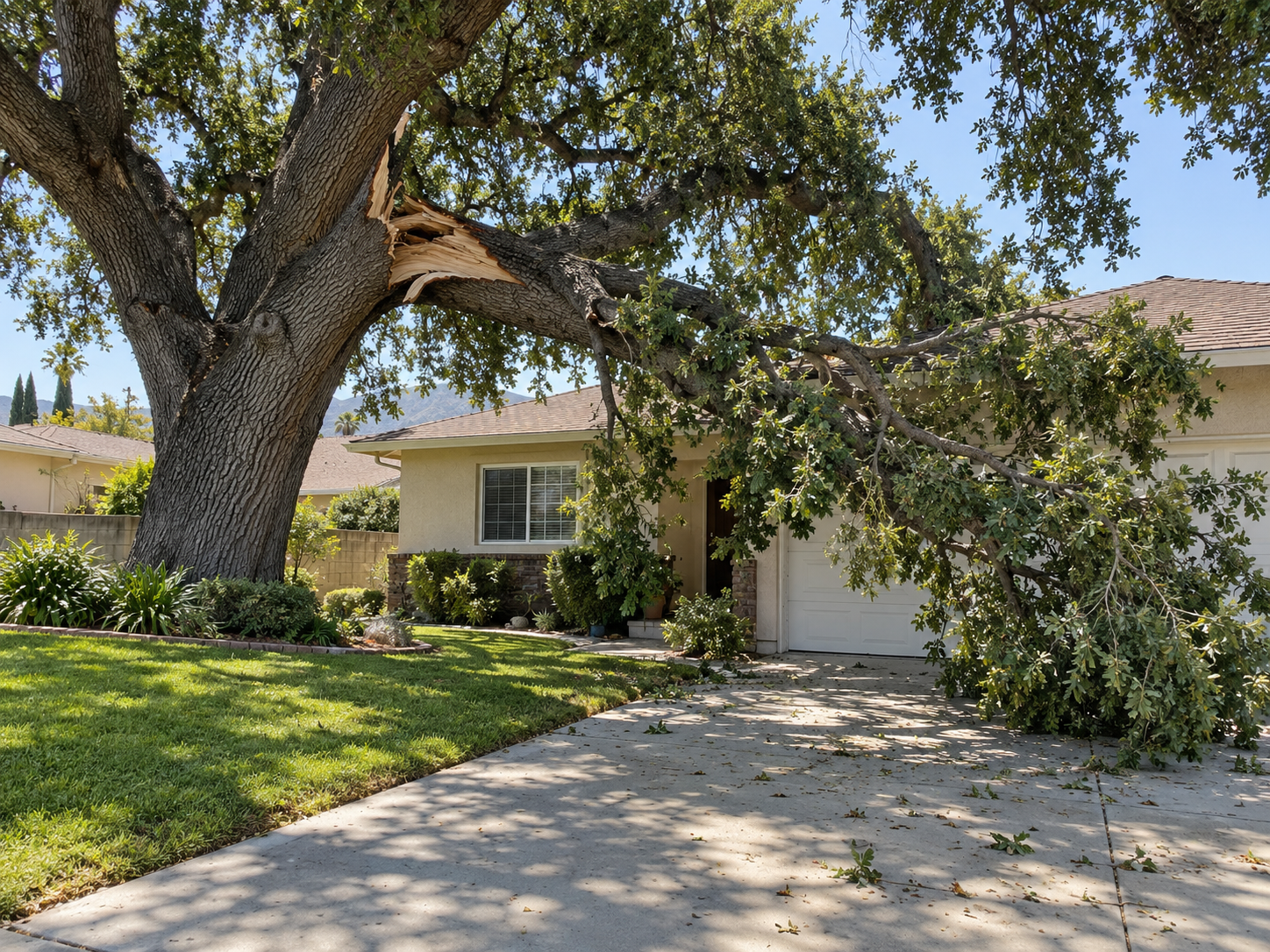
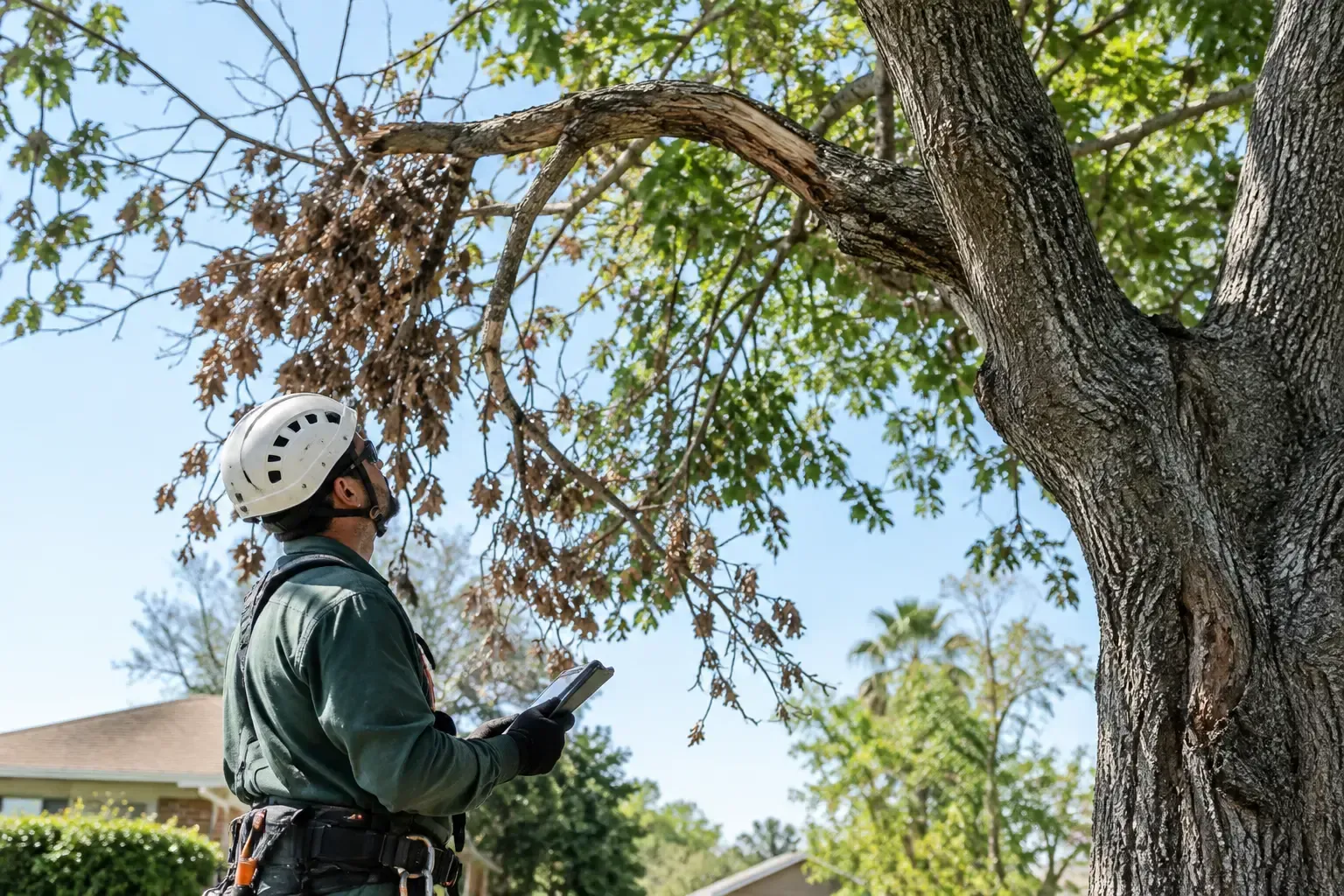
This creates a specific structural risk for trees. A heavy canopy combined with rain-softened soil is the primary recipe for tree failure during wind events. In West Covina, we don't worry about ice storms; we worry about the Santa Anas howling through the pass.
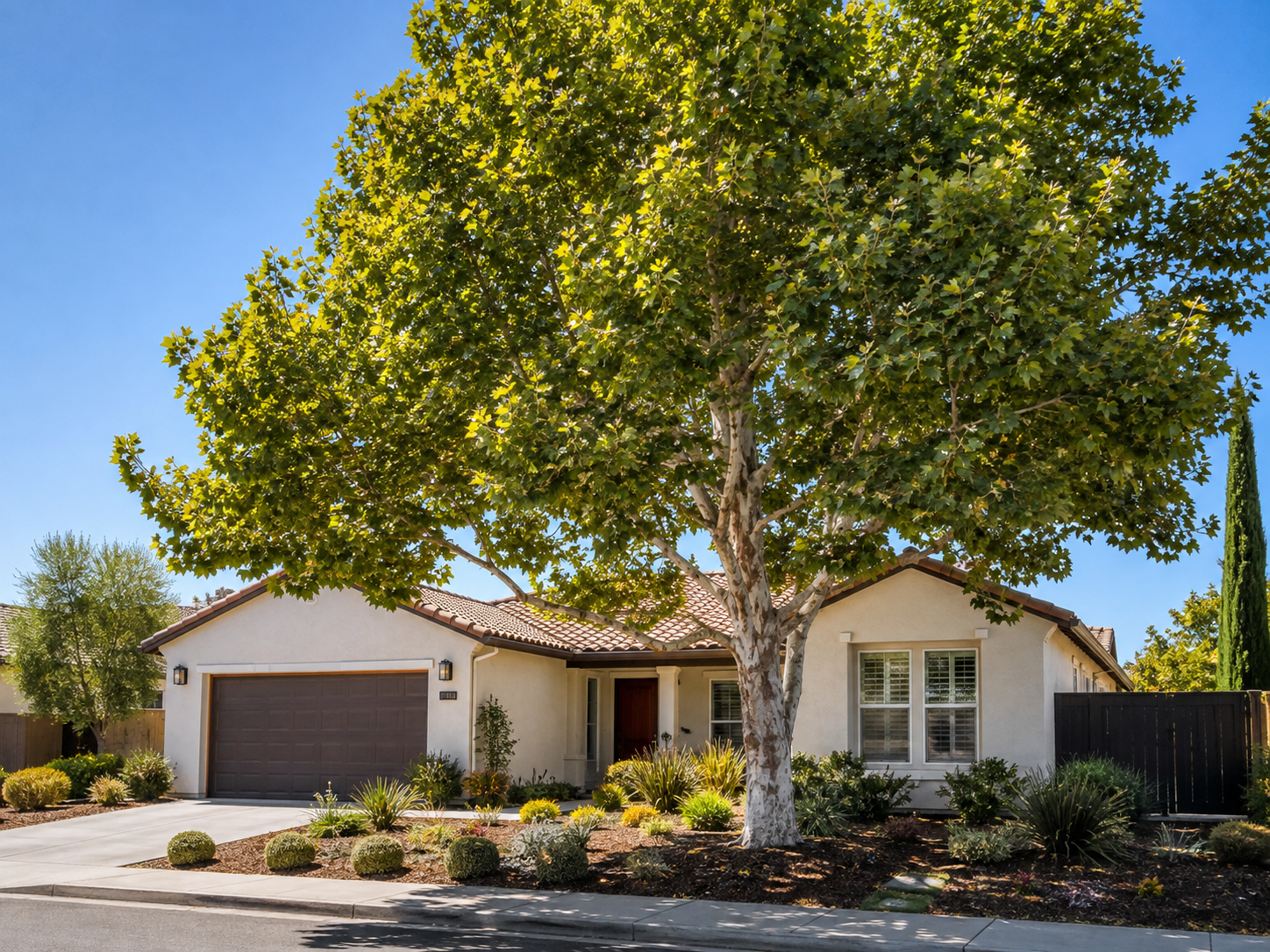
According to local meteorological data, wind gusts in this corridor can easily exceed 40 mph during winter events. If you haven't thinned the crowns of your large Sycamores or Oaks, you are essentially keeping a massive sail aloft, waiting for a gust to pull it down onto a carport or, worse, a tenant's vehicle.
Liability: The Landlord’s Silent Killer
Let's talk about the money. Not the cost of the cleanup, but the cost of not cleaning up. California law is notoriously tenant-friendly. Under
California Civil Code Section 1941.1, landlords are required to maintain the property in a habitable and safe condition. This extends to the exterior grounds.
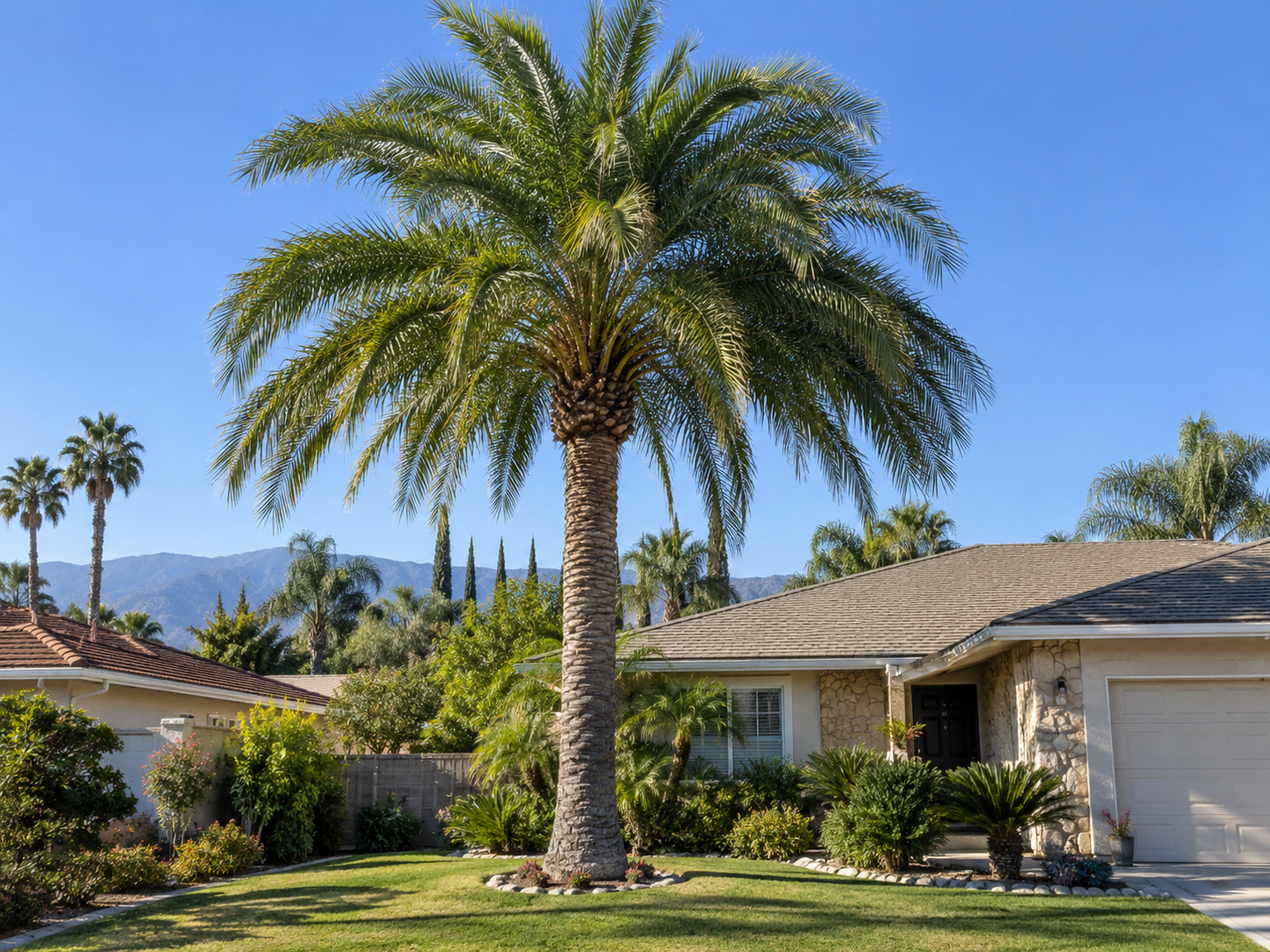
If a dead palm frond drops from 40 feet up and injures a resident, "I didn't know" is rarely a valid legal defense. Negligence is expensive.
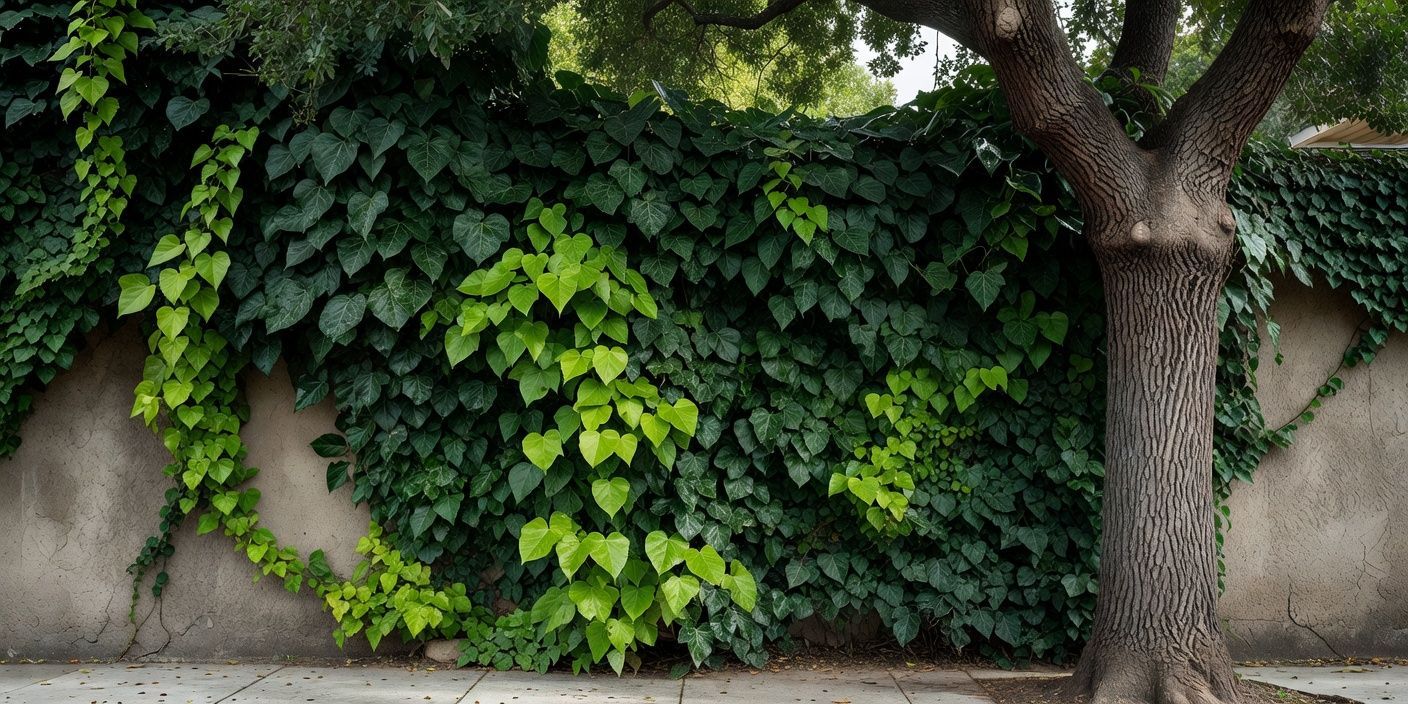
Beyond the legal threats, there is the issue of pests. West Covina’s mild winters mean rats and insects don't die off; they just look for warmer shelter. Overgrown ivy, piled leaf litter against the foundation, and unpruned touching branches provide a literal highway for rodents to enter your rental units. Professional winter cleanup breaks this bridge.
The Essential Winter Cleanup Protocol for 91790
You don't need a gardener who just "blows and goes." You need a strategic cleanup. Here is what actually moves the needle for rental properties in this area.
1. Structural Crown Thinning
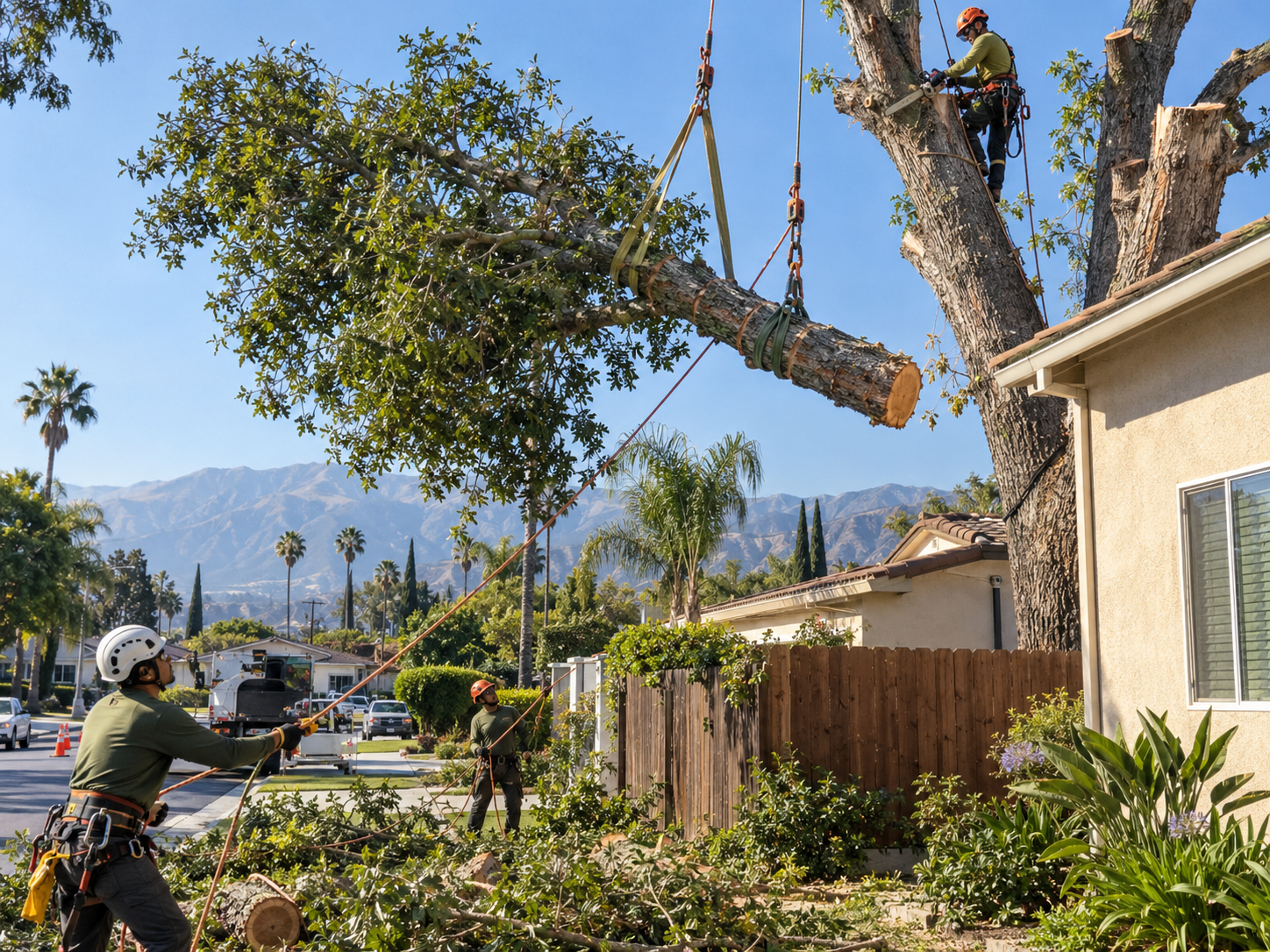
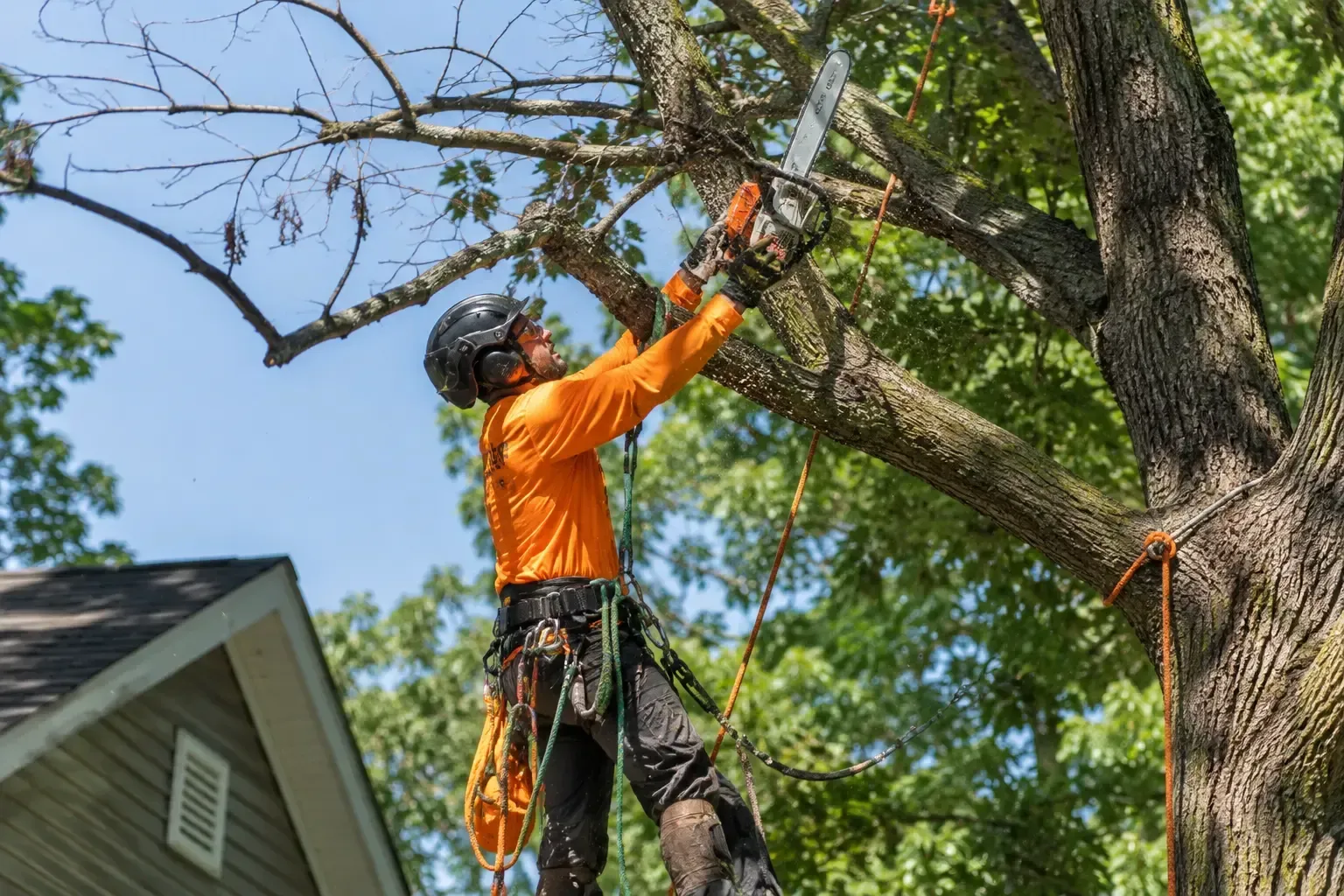
This is not "topping" trees (which destroys them). This is selectively removing branches to reduce wind resistance. By allowing air to pass through the tree rather than pushing against it, you significantly reduce the chance of failure during a storm. This is the flagship service we prioritize at Tree Service Perfection West Covina during the winter months.
2. Hardscape Clearance and Root Inspection
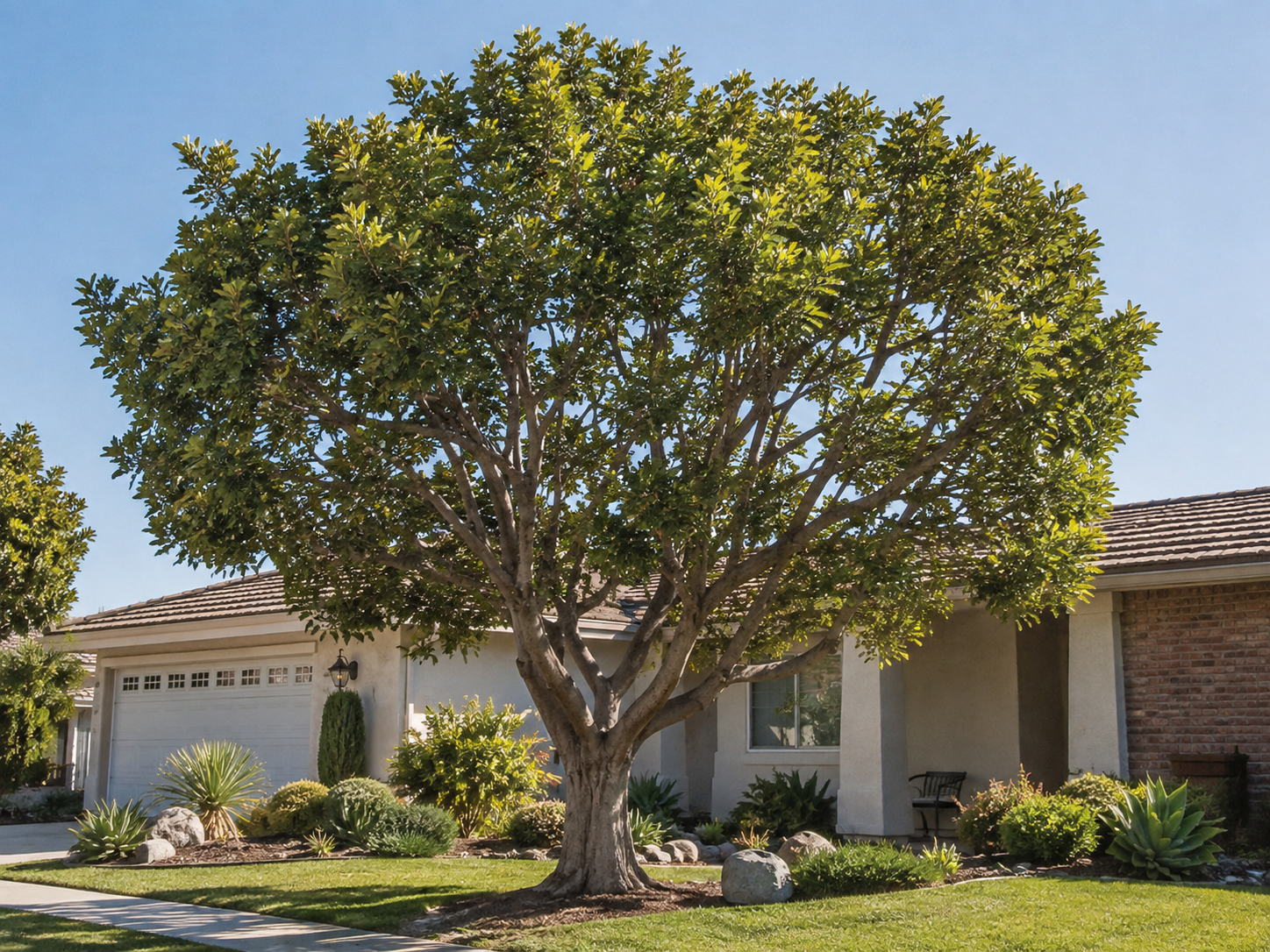
Winter is the best time to inspect hardscapes. Invasive roots from fast-growing species like Ficus can lift sidewalks, creating trip hazards. In a litigious environment, a lifted slab of concrete is a liability nightmare. We cut back root encroachment and clear walkways of moss and slick debris that accumulate during the damp mornings.
3. Palm Skinning and Frond Removal
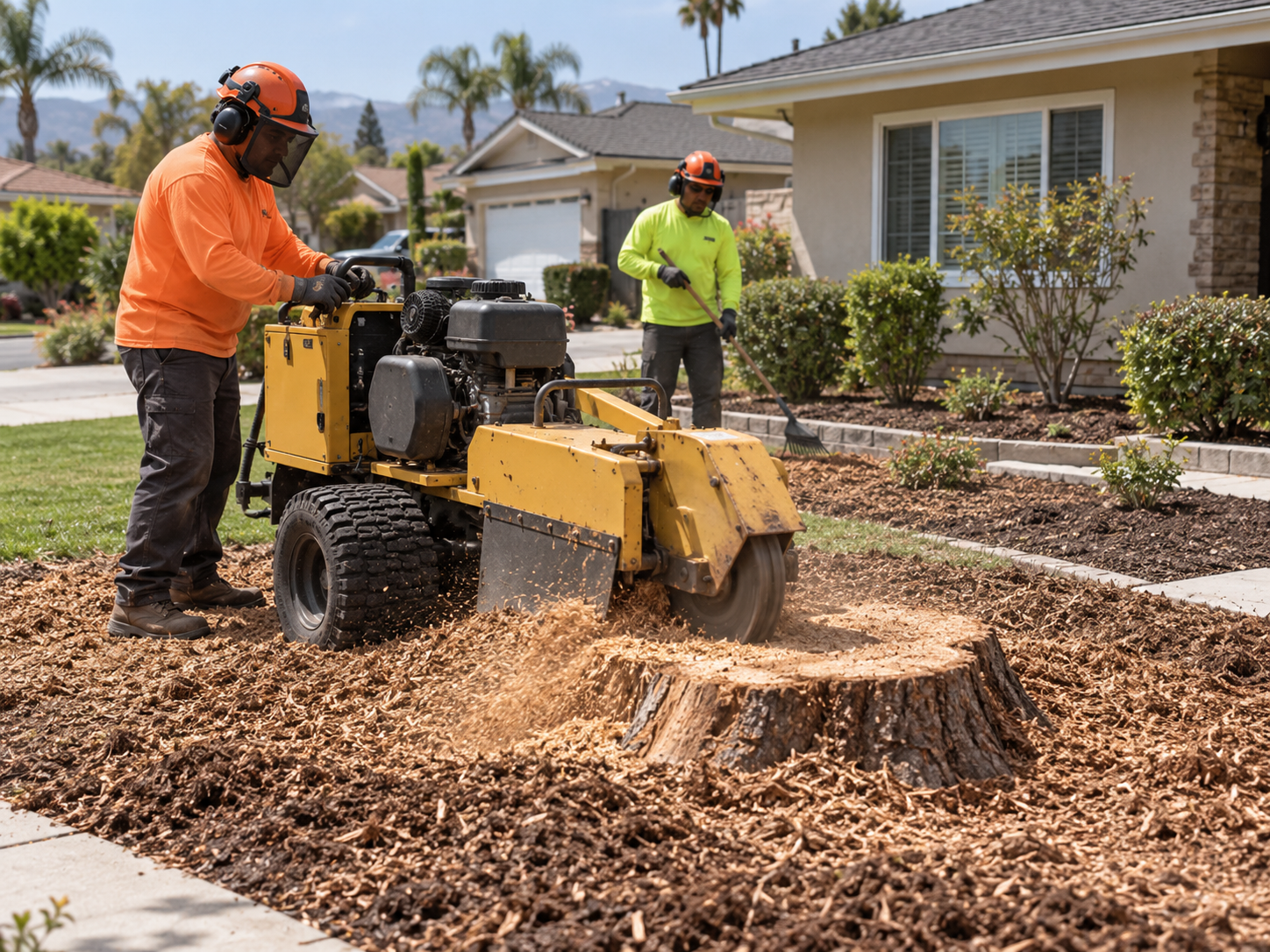
Palms are iconic to West Covina, but they are messy. Old fronds (skirts) are fire hazards and rat nests. Winter cleanup must include skinning palm trunks and removing seed pods before they drop and stain the driveways—a common complaint among tenants with nice cars.
4. Gutter and Roofline Clearance
It rains here. Sometimes it pours. If your rental's gutters are packed with Sycamore leaves, that water backs up. It rots the fascia boards and eventually leaks into the walls. We ensure a minimum of three feet of clearance between tree branches and the roofline to prevent abrasion and keep critters off the shingles.
Why "Tree Service Perfection West Covina" is the Industry Standard
You have choices. There are plenty of guys with a truck and a chainsaw cruising the 10 Freeway. But property management requires a level of professionalism that the "guy with a truck" cannot provide.
We understand the rental market. We know that you need before-and-after photos for your owners. We know you need invoicing that matches your accounting codes. Most importantly, we know the local flora of West Covina better than anyone.
At
Tree Service Perfection West Covina, we don't just cut wood. We manage risk. We assess the health of the trees to ensure they add value to the property rather than subtracting from your bottom line. A well-maintained landscape allows you to command higher rents. A jungle scares away the best tenants.
According to the
International Society of Arboriculture, mature trees can increase property value by up to 20%, but only if they are healthy and well-maintained. We protect that asset.
Timing Your Service
Don't wait for the first storm warning on the news. By then, our crews are booked solid with emergency calls. The smart money moves in late November through January.
This timing aligns with the dormancy of deciduous trees, making pruning less stressful for the plant, and clears the deck before the heaviest rains usually arrive in February. It also ensures your property looks pristine for the spring leasing season, giving you a competitive edge in the local rental market.
Frequently Asked Questions
When is the best time for winter yard cleanup in West Covina?
Ideally, schedule services between late November and January. This timing addresses growth from early rains and prepares trees for peak Santa Ana wind events, while also ensuring the property is clean before the spring rental season begins.
Are landlords responsible for tree trimming in California?
Generally, yes. Unless a lease agreement explicitly states the tenant is responsible for major landscaping (which is rare and risky), the landlord is liable for maintaining trees to prevent injury or property damage under California's habitability laws.
How does rain affect tree stability in the San Gabriel Valley?
Rain softens the soil significantly. When combined with heavy, unpruned canopies and high winds, this creates a high risk of "root plate failure," where the entire tree tips over. Winter thinning reduces this weight and wind resistance.