Expert Tree Removal and Tree Trimming Services That Preserve Your Landscape
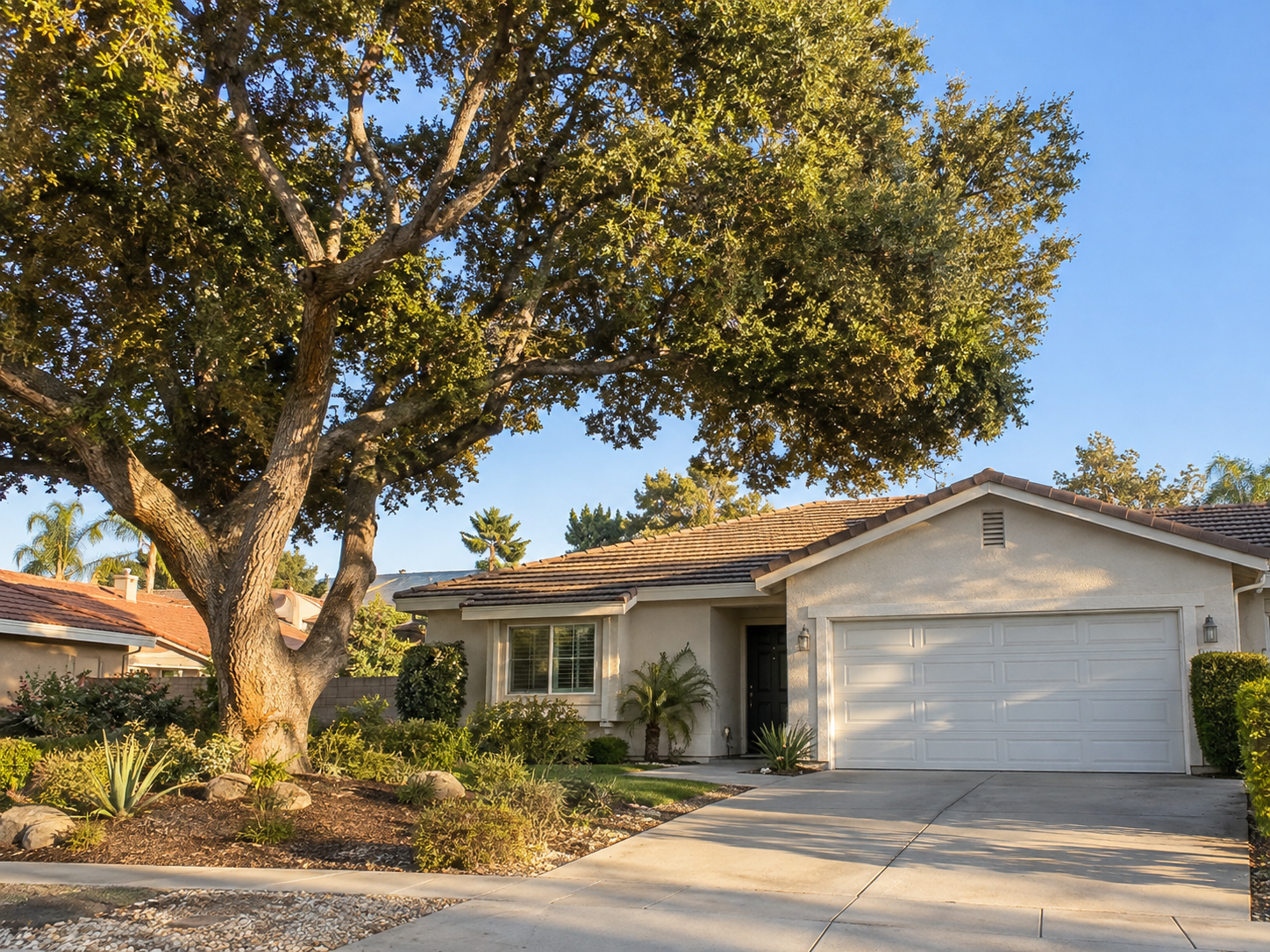
Your trees are a vital part of your property's charm and value, offering shade, beauty, and a connection to nature. But when a tree becomes a hazard or its growth gets out of hand, it's crucial to handle the situation with care and expertise. At
Tree Service Perfection West Covina, we understand that tree removal and trimming are more than just maintenance—they're about preserving the health and beauty of your entire landscape. This post will explore the importance of professional tree services and how the right approach can protect your green investment.
The Art and Science of Professional Tree Trimming
Tree trimming is not just about lopping off branches. It's a science that, when done correctly, promotes tree health, safety, and aesthetics. Professional arborists use specific techniques to enhance a tree's natural shape and encourage healthy growth.
- Crown Thinning: This technique involves selectively removing branches to increase sunlight penetration and air circulation throughout the tree's canopy. This not only improves the tree's health but also reduces the risk of disease.
- Crown Raising: By removing lower branches, we can create clearance for pedestrians, vehicles, and structures, enhancing the functionality and appearance of your landscape.
- Crown Reduction: When a tree has grown too large for its space, crown reduction carefully shortens branches to a healthy lateral branch, reducing the tree's overall size while maintaining its natural form.
Following the guidelines set by the International Society of Arboriculture (ISA) ensures that every cut is made with the tree's long-term health in mind. Proper pruning can prevent weak branches from becoming a hazard during storms and can even extend the life of your trees.
When Tree Removal Becomes a Necessity
While our goal is always to preserve healthy trees, removal is sometimes the only safe option. A professional certified arborist can help you determine if a tree needs to be removed. Circumstances that often warrant removal include:
- Disease or Pest Infestation: When a tree is severely compromised by disease or pests, it can become weak and unstable.
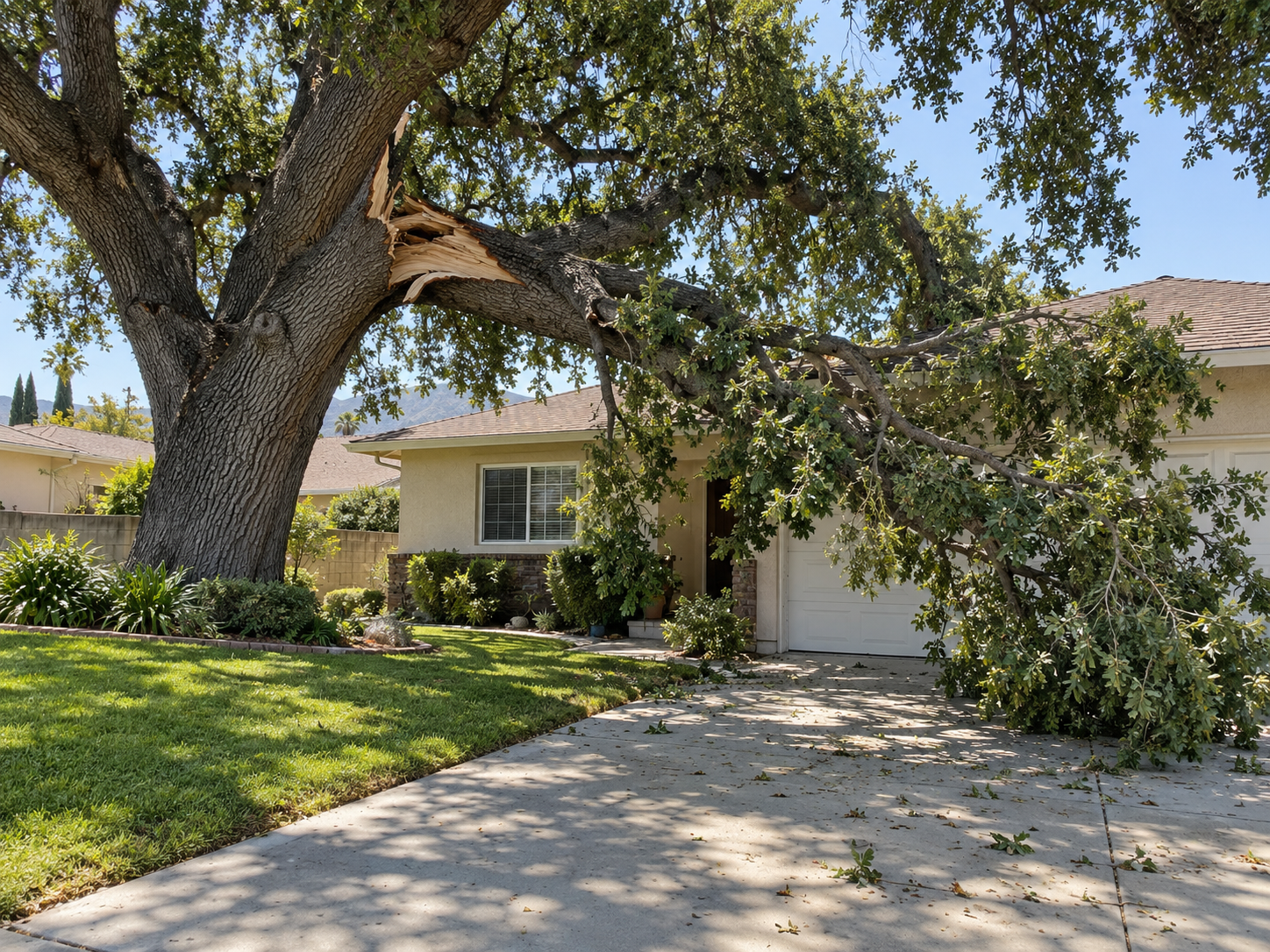
- Storm Damage: Trees that have been significantly damaged by storms may be structurally unsound and pose a risk to your property.
- Proximity to Structures: A tree growing too close to your home, power lines, or other structures can be a significant hazard.
- Dead or Dying Trees: A dead tree is a liability and should be removed promptly to prevent it from falling unexpectedly.
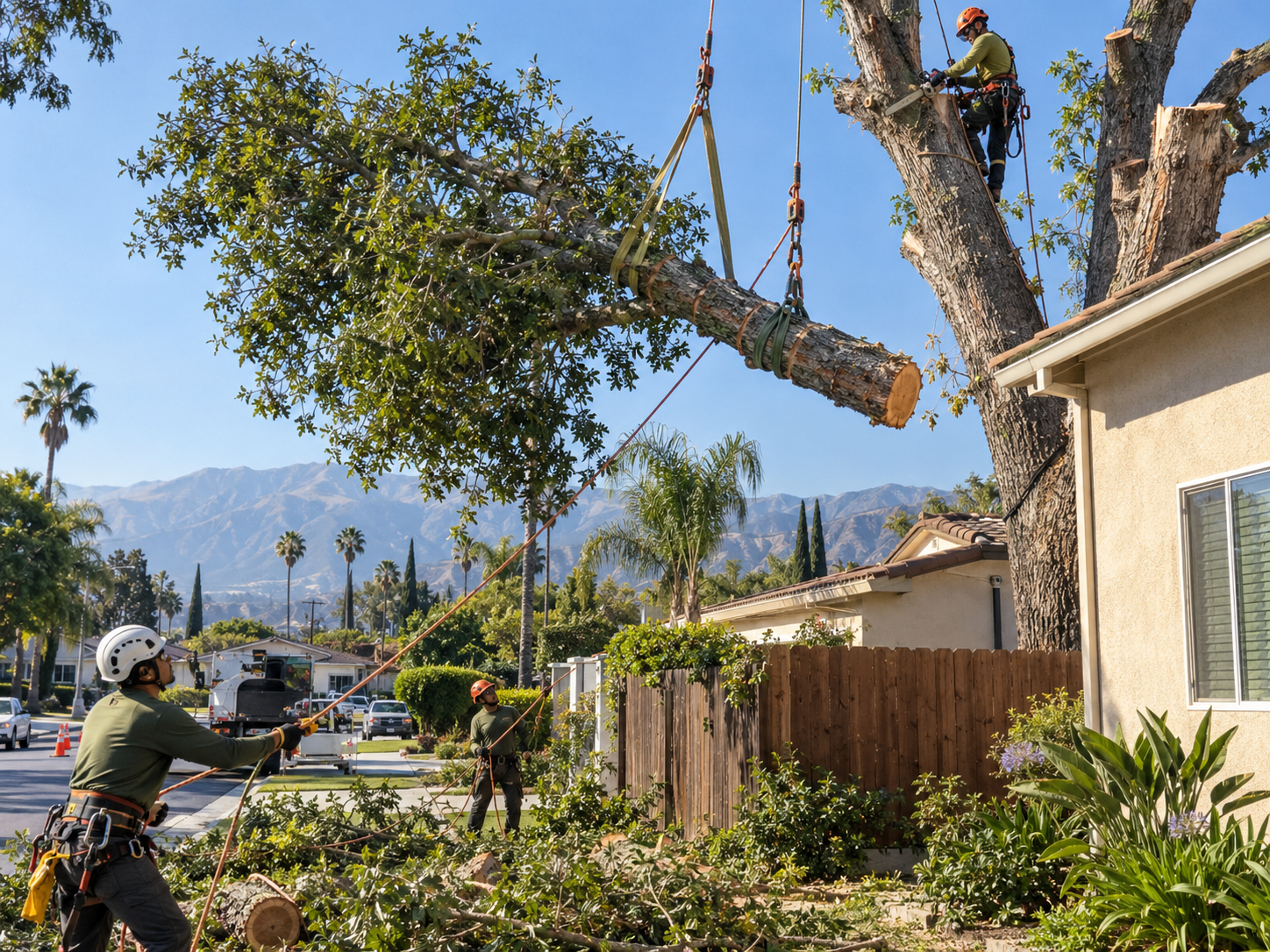
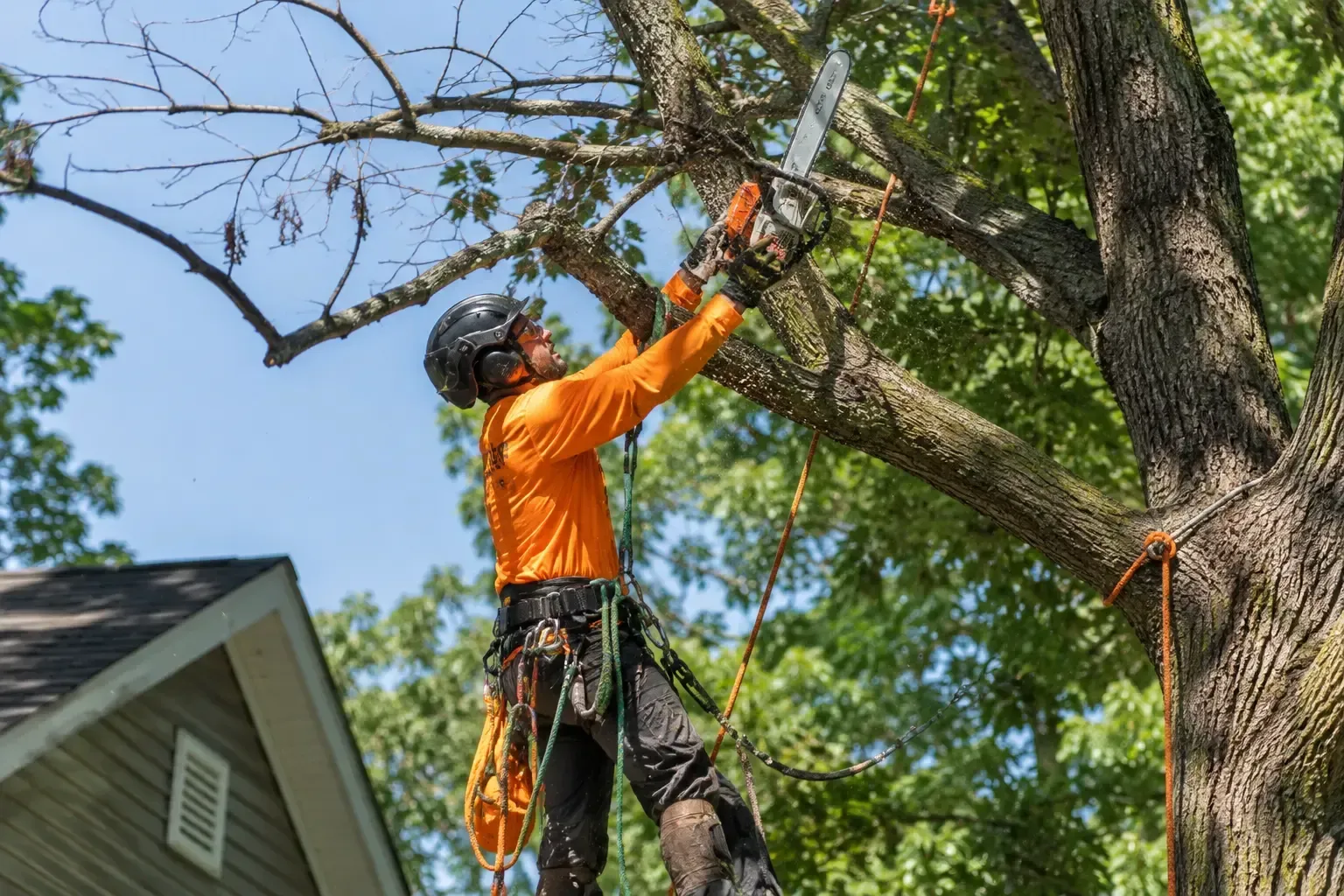
Here at Tree Service Perfection West Covina, we approach tree removal with a meticulous focus on safety and efficiency. Our team uses state-of-the-art equipment and follows strict safety protocols to ensure the removal process is smooth and that your property is protected.
The Importance of a Professional Assessment
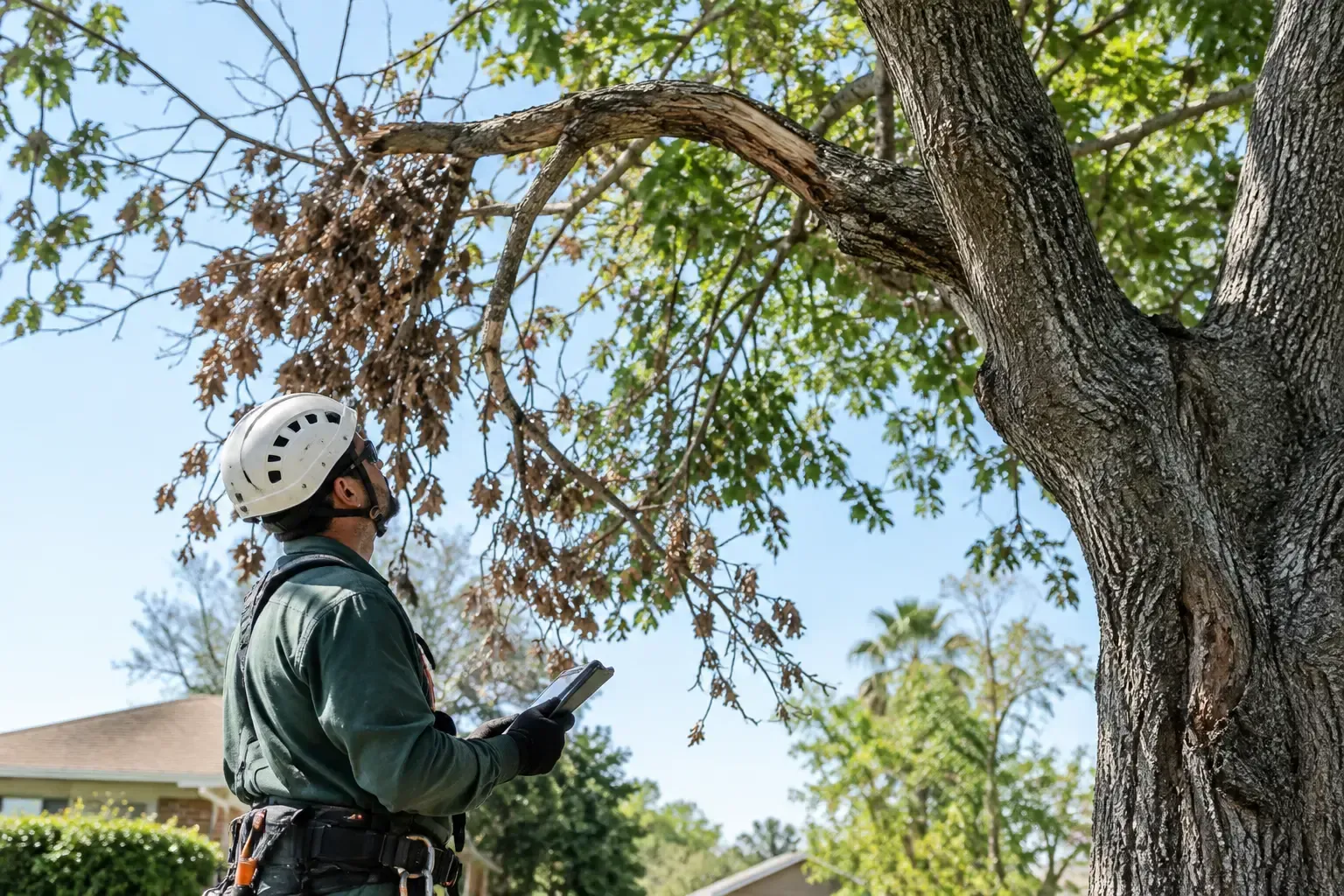
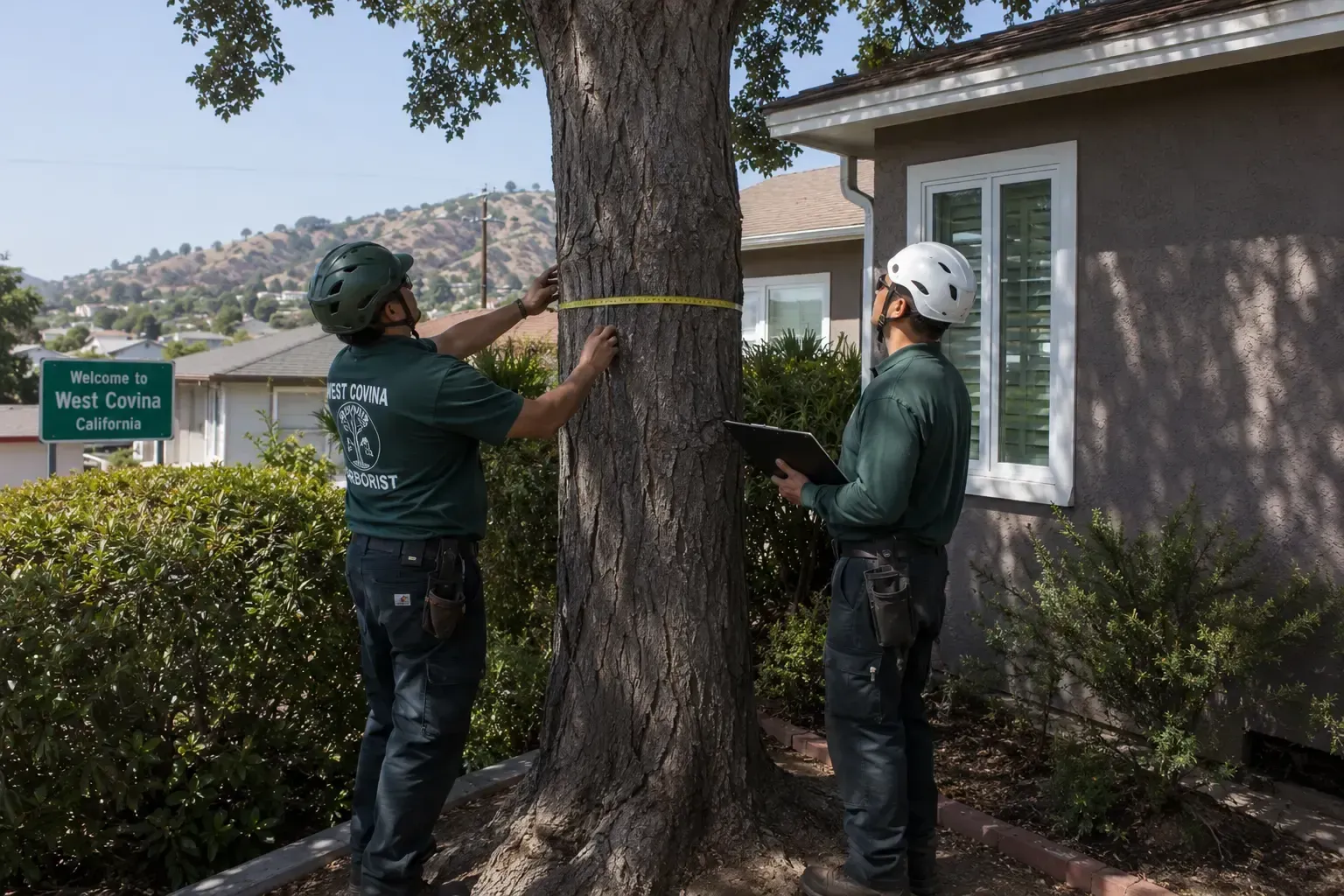
Before any work begins, a thorough tree health assessment is crucial. A certified arborist will inspect your trees for signs of weakness, disease, or structural issues. This evaluation helps in making informed decisions about whether to prune or remove a tree. A professional assessment can identify potential problems early, often saving a tree that might otherwise need to be removed. It's a proactive step that protects your landscape and prevents future emergencies.
Understanding the difference between a tree's health and its risk is key. A tree can appear healthy with a full canopy but still have structural defects that make it a hazard. A qualified arborist can identify these hidden dangers and recommend the best course of action.
Preserving Your Landscape During Tree Work
One of the biggest concerns for homeowners is the potential damage to their property during tree removal or trimming. A professional service takes every precaution to protect your landscape. This includes:
- Careful Planning: Assessing the tree and the surrounding area to determine the safest method for felling or trimming.
- Controlled Techniques: Using ropes and specialized equipment to lower large branches and sections of the trunk safely to the ground.
- Thorough Cleanup: Ensuring that your property is left clean and free of debris after the job is completed.
The goal is to leave your landscape looking as good as, if not better than, when we arrived. Turning branches into mulch is also a sustainable option that can nourish the rest of your garden.
Your Partner in Landscape Preservation
Your trees are a valuable asset, and they deserve the best care. Whether you need routine trimming to maintain their health and beauty or require the safe removal of a hazardous tree, the team at Tree Service Perfection West Covina is here to help. Our commitment to professional standards and landscape preservation ensures that your property is in good hands.
Don't wait for a storm to reveal a problem with your trees. Be proactive about their care. If you have concerns about the trees on your property, contact us today for a professional assessment. Let us help you keep your landscape safe, healthy, and beautiful for years to come. Ready to care for your trees? Contact Tree Service Perfection West Covina at (909) 362-8885 for a consultation!
Frequently Asked Questions
How can I tell if a tree is a hazard and needs to be removed?
Look for signs like large dead branches, cracks or splits in the trunk, mushrooms growing at the base, and a sudden lean. However, some hazards are not obvious. A professional arborist can perform a thorough risk assessment to determine if a tree poses a danger.
Will tree trimming harm my tree?
When done correctly by a professional, trimming is beneficial for a tree's health. Improper pruning, such as topping, can cause significant damage. That's why it's essential to hire experts who follow industry best practices like those from the International Society of Arboriculture.
How often should I have my trees trimmed?
Most mature trees benefit from trimming every three to five years, while younger trees may need it more frequently to ensure they develop a strong structure. The frequency can also depend on the tree species and its location on your property.