Protect Your West Covina Trees: The Ultimate Guide to Eco-Friendly Pest Control
The lush, green canopy of West Covina is one of our community's greatest assets. Trees provide shade, clean our air, and add immense beauty to our properties. However, this beautiful urban forest is under constant threat from a variety of pests. Before reaching for harsh chemical pesticides that can harm beneficial insects, pets, and the environment, it's crucial to explore effective, eco-friendly alternatives. Here at Tree Service Perfection West Covina, we believe in a sustainable approach to tree care, focusing on prevention and natural solutions. This guide will walk you through everything you need to know to protect your trees the green way.
Understanding the Enemy: Common Tree Pests in Southern California
Knowledge is your first line of defense. Identifying the specific pest plaguing your tree is the first step toward effective treatment. Here are some of the most common culprits we see in the West Covina area:
Aphids
These tiny, pear-shaped insects cluster on the undersides of leaves and new growth, sucking sap from the plant. This can cause leaves to yellow, curl, and stunt growth. Aphids also excrete a sticky substance called 'honeydew,' which can lead to sooty mold growth and attract ants.
Scale Insects
Scale insects look like small bumps on stems, twigs, and leaves. They are masters of camouflage. Like aphids, they feed on sap, weakening the tree over time. A severe infestation can cause branch dieback and overall decline in tree health.
Spider Mites
Technically arachnids, not insects, these minuscule pests are difficult to see with the naked eye. The first sign is often fine webbing on leaves and a stippled, discolored appearance on the foliage. They thrive in hot, dry conditions, making our Southern California climate a perfect breeding ground.
Borers (e.g., Goldspotted Oak Borer)
Borers are among the most destructive pests. The larvae tunnel beneath the bark, disrupting the tree's ability to transport water and nutrients. Symptoms include D-shaped exit holes, crown thinning, and bark staining. Infestations are often not noticed until significant damage has occurred, making prevention paramount.
Caterpillars
Various types of caterpillars can defoliate a tree with alarming speed. While a mature, healthy tree can often withstand a single event, repeated defoliation can severely weaken it, making it susceptible to other pests and diseases.
The Foundation of Defense: Proactive & Preventative Tree Care
The most eco-friendly pest control strategy is to prevent infestations from happening in the first place. A healthy, vigorous tree is its own best defense. By focusing on creating a healthy environment, you can drastically reduce the likelihood of pest problems.
1. Build Healthy Soil
Healthy trees start from the ground up. Rich, living soil provides essential nutrients and supports a robust root system. Amend your soil with organic compost and apply a layer of natural mulch (like wood chips or shredded bark) around the base of your trees. Mulch helps retain moisture, regulate soil temperature, and suppress weeds, reducing stress on your trees.
2. Water Wisely
Both overwatering and underwatering can stress trees, making them vulnerable. Most established trees benefit from deep, infrequent watering rather than frequent, shallow sprays. This encourages deep root growth. The specific needs will vary by tree species and season, so it's important to do a little research on your particular trees.
3. Strategic Pruning for Health
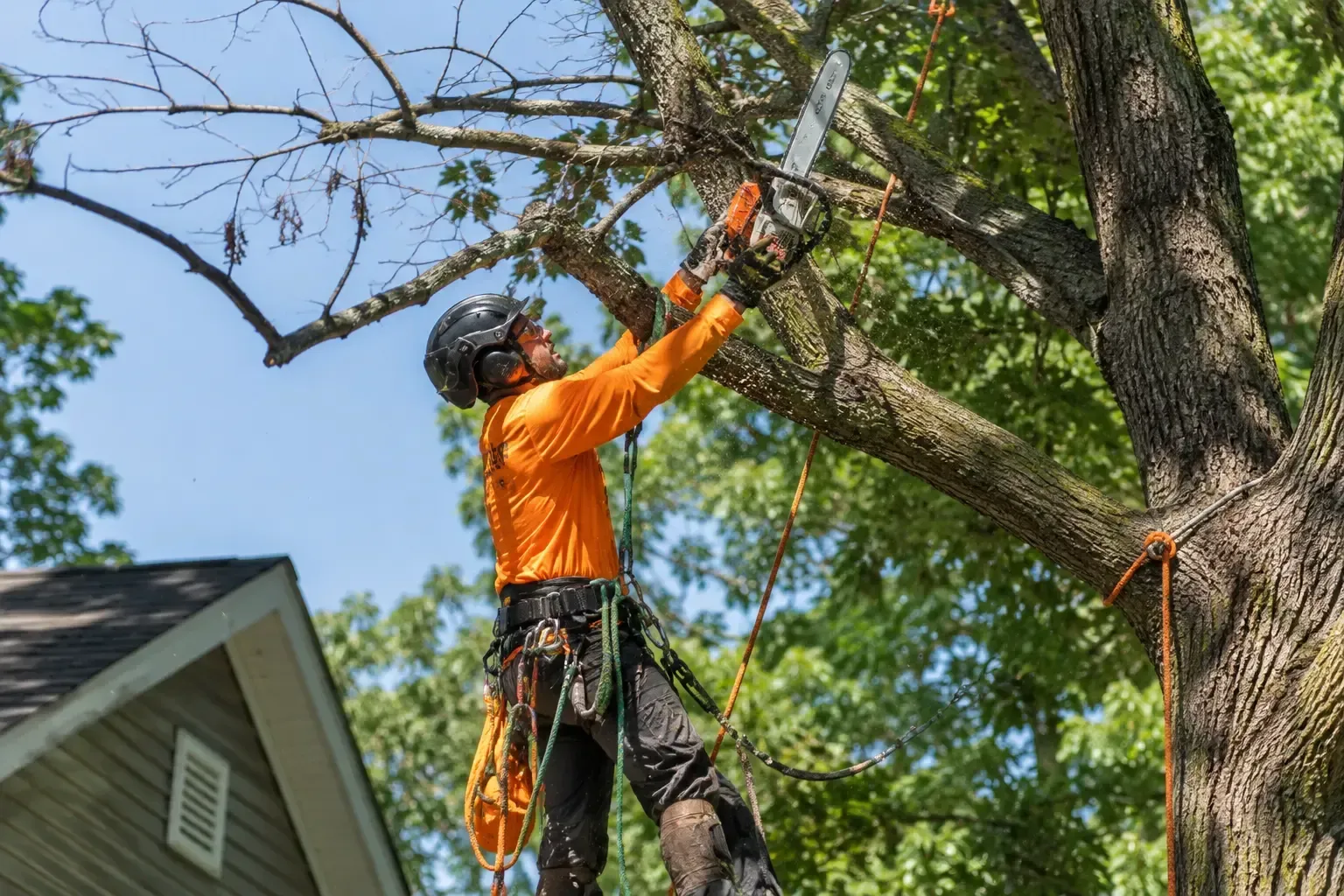
Proper pruning is not just about aesthetics; it's a critical component of tree health. At Tree Service Perfection West Covina, we perform strategic pruning to:
- Improve Air Circulation: Thinning the canopy allows air to move freely, which helps prevent the development of fungal diseases that can weaken a tree.
- Remove Weak or Infested Wood: Removing dead, damaged, or diseased branches eliminates potential entry points and breeding grounds for pests.
- Promote Strong Structure: A well-structured tree is a healthier tree, better able to withstand environmental stressors.
Our professional tree services ensure that pruning is done correctly, without causing unnecessary harm to the tree.
4. Embrace Biodiversity
A garden with a wide variety of plants is more resilient than a monoculture. Planting a mix of native flowers, shrubs, and trees attracts a diverse range of wildlife, including beneficial insects that prey on common tree pests. Think of it as recruiting a tiny, free security force for your garden.
Your Eco-Friendly Arsenal: Natural Pest Control Methods
When you do find pests on your trees, don't panic. There are many powerful, natural methods you can use to control them without resorting to synthetic chemicals.
Method 1: Recruit Beneficial Insects
Nature has its own pest control team. You can attract or purchase beneficial insects to release in your garden. Key players include:
- Ladybugs: Voracious predators of aphids, mites, and scale insects.
- Lacewings: Their larvae, often called 'aphid lions,' consume huge numbers of soft-bodied pests.
- Parasitic Wasps: Don't worry, they don't sting people! These tiny wasps lay their eggs inside pests like caterpillars and scale, controlling them from the inside out.
You can attract these helpers by planting nectar-rich flowers like yarrow, dill, and cosmos.
Method 2: Use Horticultural Oils and Soaps
These sprays are effective and have low environmental impact when used correctly.
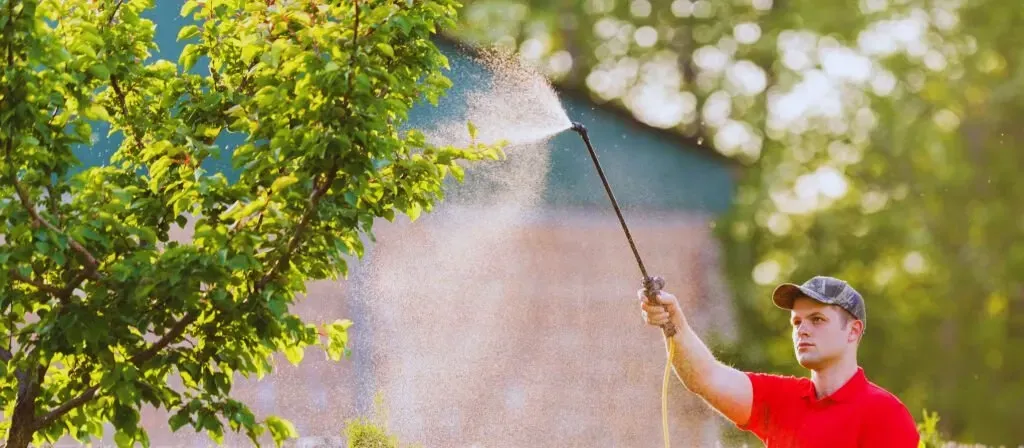
- Neem Oil: Derived from the neem tree, this oil acts as a repellent, hormone disruptor, and feeding deterrent for hundreds of pests. It's most effective when applied before pest populations get too high. Mix as directed (usually 2 tablespoons per gallon of water) and spray all surfaces of the leaves.
- Horticultural (Dormant) Oil: This refined oil is applied during the tree's dormant season (winter) to smother overwintering insects and their eggs, such as scale, mites, and aphids.
- Insecticidal Soap: A specially formulated soap that breaks down the outer shell of soft-bodied insects. It's effective but must come into direct contact with the pest to work. It has no residual effect, making it safe for beneficial insects once dry.
Method 3: Physical Barriers and Traps
Sometimes, a simple physical approach is best.
- Sticky Bands: Wrap a sticky band around the trunk of your tree to capture crawling insects like ants (which often 'farm' aphids) and some caterpillars before they can climb into the canopy.
- Pheromone Traps: These traps use synthetic pheromones to lure and trap specific pests, like codling moths. They are useful for monitoring pest populations and reducing mating success.
- A Strong Jet of Water: For a mild infestation of aphids or spider mites on smaller trees, a strong blast of water from a hose can be surprisingly effective at dislodging them.
When to Call the Professionals: Integrated Pest Management (IPM)
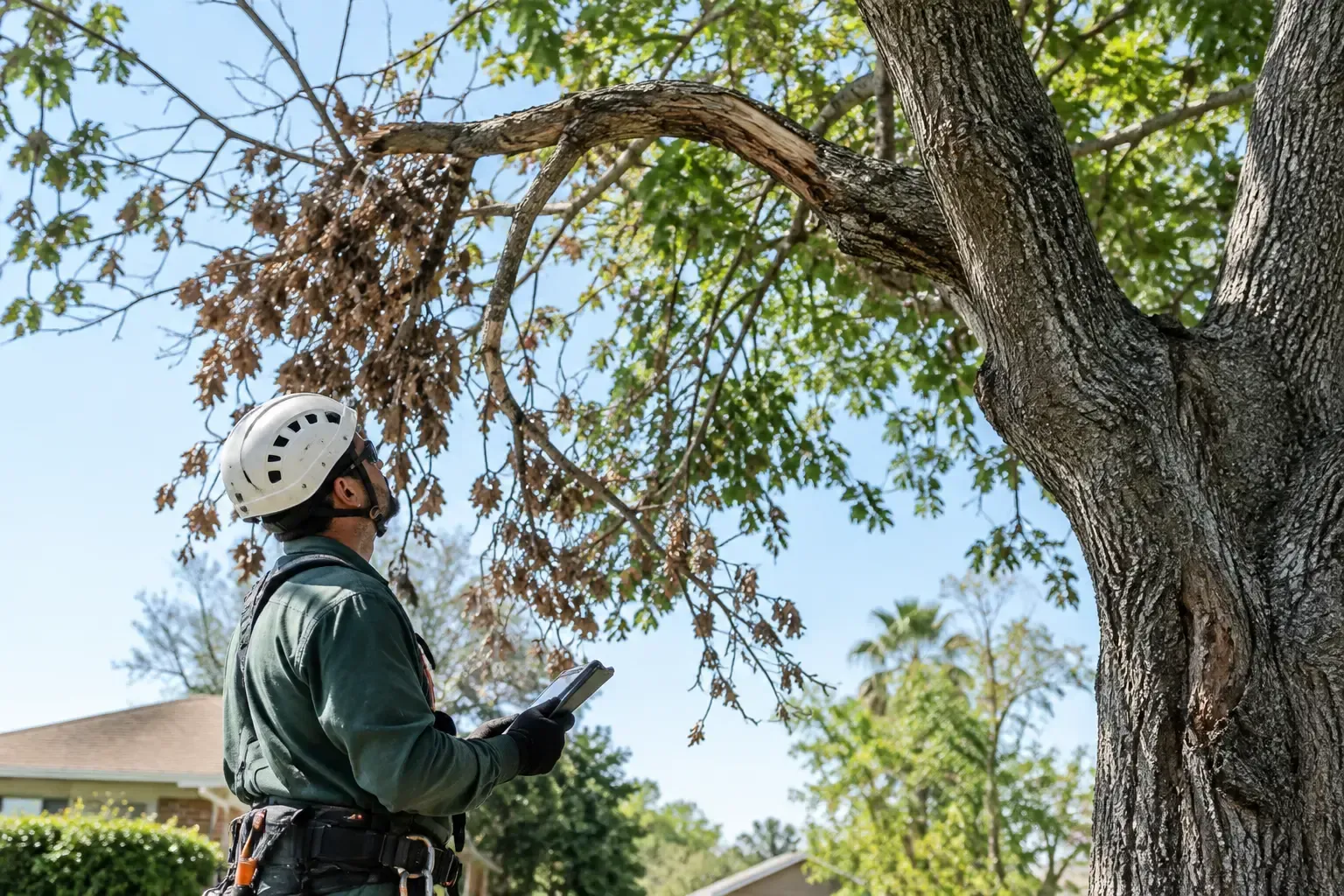
While DIY methods are excellent for minor issues, some infestations are too widespread or complex for a homeowner to handle alone. This is where a professional approach, known as Integrated Pest Management (IPM), becomes essential. IPM is a holistic strategy that prioritizes the long-term health of the ecosystem. As experts in tree care, the team at Tree Service Perfection West Covina follows IPM principles. We begin with a thorough assessment to accurately identify the pest and determine the extent of the infestation. Our plan will always start with the least toxic methods, only escalating to stronger treatments if absolutely necessary to save the tree. This responsible approach protects your investment, your family, and our shared West Covina environment. If you're facing a stubborn pest problem, don't hesitate to contact us for a consultation.
Conclusion: A Partnership with Nature
Protecting your trees from pests doesn't have to be a battle against nature. By adopting an eco-friendly mindset, you can work in partnership with the environment. By fostering healthy trees, encouraging beneficial insects, and using gentle, targeted treatments, you can maintain a beautiful, thriving landscape. A proactive approach not only saves your trees but also contributes to a healthier, more resilient West Covina for everyone.
Frequently Asked Questions
What are the first signs of a pest infestation on my trees?
Look for yellowing or discolored leaves, chewed foliage, fine webbing, sticky residue on or under the tree (honeydew), tiny holes in the bark, and unusual bumps on stems or leaves. Early detection is key to successful and easy treatment.
Is it safe to use homemade pest sprays on all types of trees?
Not always. While many DIY sprays are gentle, some trees can be sensitive to oils and soaps, especially when young or under stress. It's always best to test a spray on a small, inconspicuous area of the tree and wait 24-48 hours to check for any signs of damage before treating the entire tree.
How often should I inspect my trees for pests?
A good practice is to do a quick visual inspection every couple of weeks during the growing season (spring and summer). Pay close attention to the undersides of leaves and new, tender growth where pests love to hide. A more thorough inspection should be done at least twice a year.
Can a tree recover from a serious pest infestation?
Yes, in many cases, a tree can recover, but it depends on the tree's overall health, the type of pest, and the severity of the infestation. Recovery often requires professional intervention to properly manage the pest, followed by supportive care like proper watering, fertilization, and corrective pruning to help the tree regain its vigor.