Protecting Your West Covina Property: The Critical Importance of Professional Ivy Removal

John Constantine • June 5, 2026

Key Insights and Takeaways

Invasive ivy poses a severe threat to property structures and mature trees in West Covina due to its aggressive growth and destructive rootlets. Professional removal is essential to safely detach vines, preserve the health of host trees, and prevent property damage without leaving regenerative root fragments behind. Engaging local arborists ensures total eradication and opens the door for proper landscape restoration.


* Ivy rootlets easily penetrate brick, wood, and stucco, leading to structural damage and moisture retention.

* Vines climbing mature trees add heavy mechanical weight and increase wind resistance, drastically elevating the risk of branch failure.

* DIY removal often fails due to the plant's waxy chemical resistance and its ability to regrow from tiny left-behind root fragments.


Lush green vines climbing up a mature oak or wrapping around a brick chimney often evoke images of historic estates and classic architecture. The reality of unchecked ivy growth in Southern California is far less romantic. Invasive vines pose a severe threat to your landscaping, your home exterior, and the structural integrity of your property. For homeowners in West Covina, CA, understanding the destructive nature of these aggressive climbing plants is the first step toward preserving the health and safety of their outdoor spaces.

How Invasive Ivy Threatens West Covina Landscapes

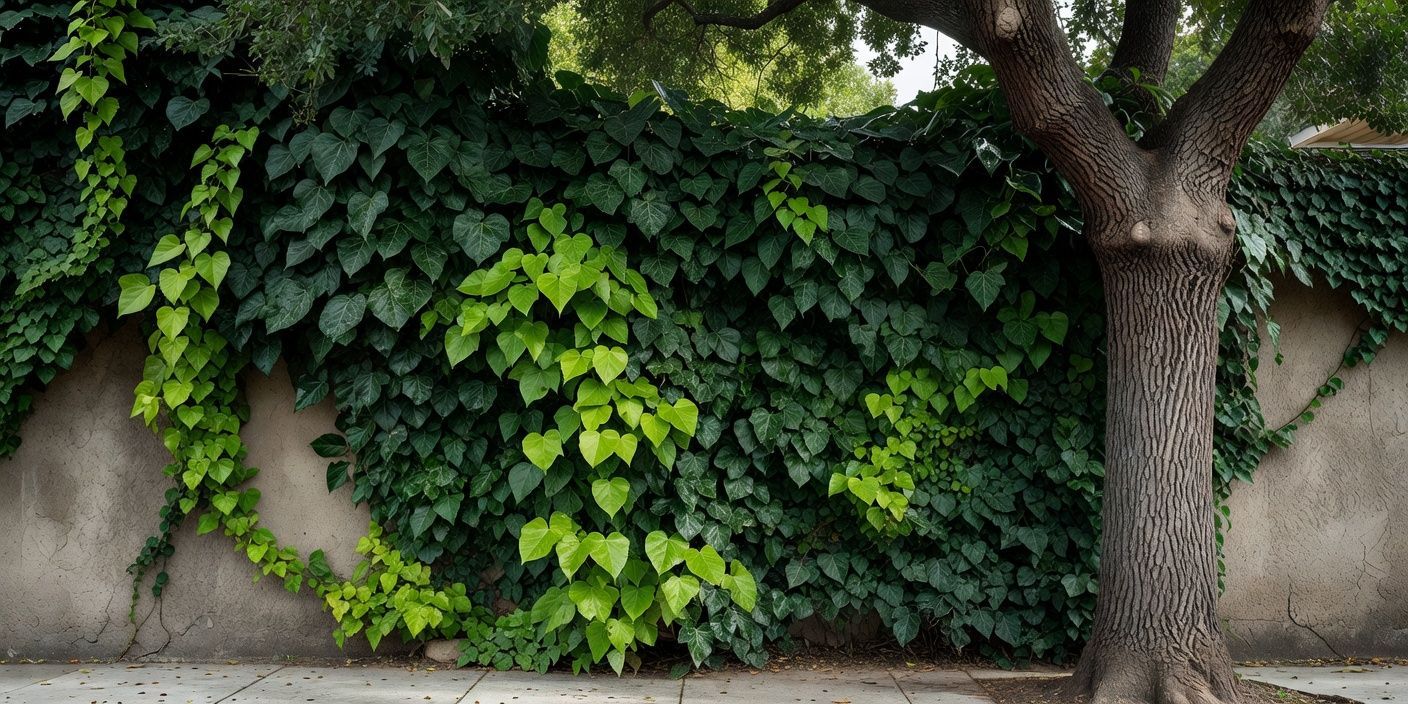
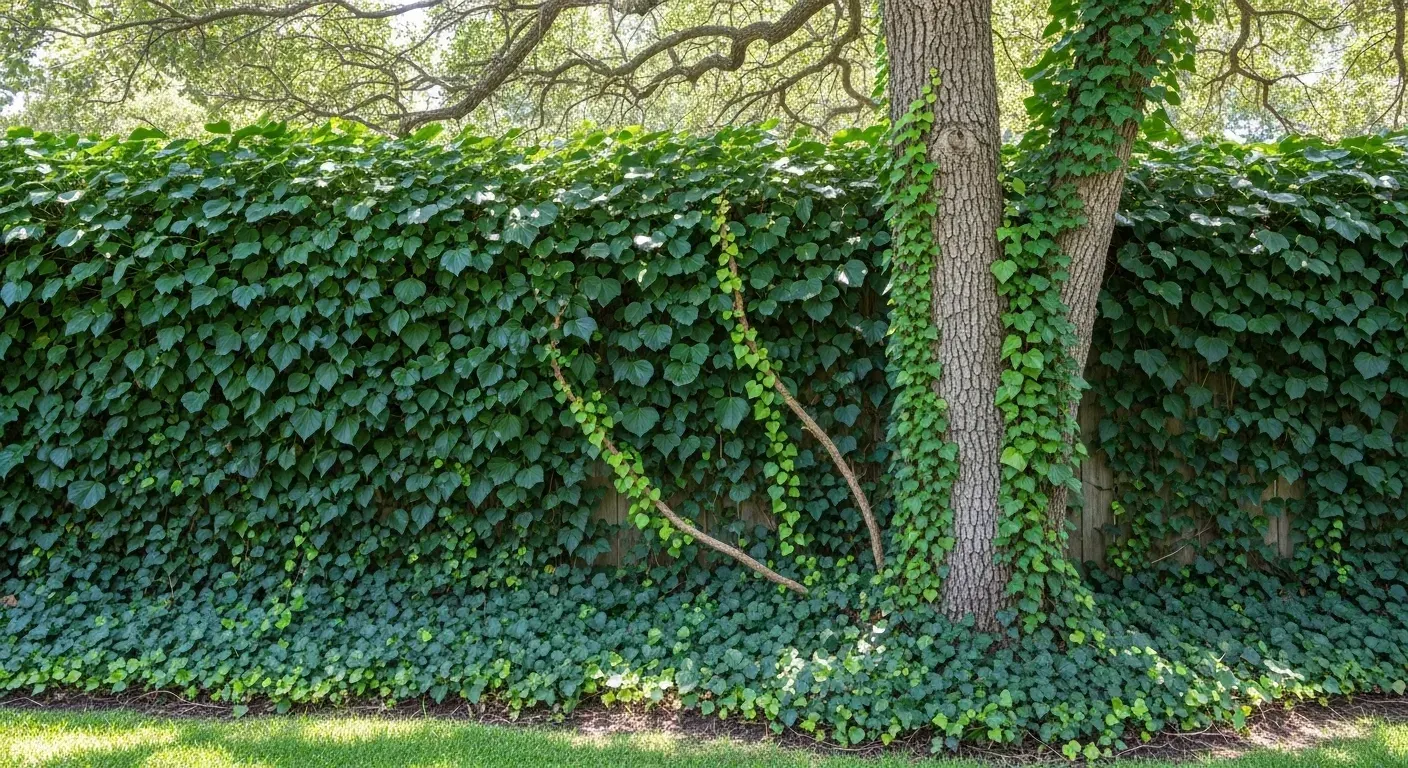
Ivy species, particularly English and Algerian ivy, thrive in the mild, sun-drenched climate of the San Gabriel Valley. Without cold winters to naturally curb their expansion, these vines grow relentlessly year-round. What begins as a small patch of ground cover can quickly escalate into a dense, suffocating mat that overtakes everything in its path.


The primary danger lies in the plant's biological adaptations. Ivy relies on specialized aerial rootlets that secrete a mildly acidic, glue-like substance. This allows the vines to adhere securely to almost any surface. When ivy climbs the side of a house, these rootlets actively penetrate microscopic cracks in stucco, brick mortar, and wood siding. As the vines thicken and expand, they widen these fissures. This structural intrusion invites moisture penetration, which inevitably leads to wood rot, crumbling mortar, and costly exterior repairs.


Beyond structural damage, dense ivy creates a localized microclimate that traps moisture against your home. This damp environment is the perfect breeding ground for mold and mildew. It also serves as a highly attractive harborage for pests. Rodents, spiders, and stinging insects frequently use thick ivy blankets as a protected highway to bypass pest control perimeters and enter attics or crawlspaces.

Integrating Ivy Management with Comprehensive Tree Services

The impact of climbing vines extends far beyond fences and buildings. The relationship between invasive plants and your existing landscape highlights the necessity of professional tree services. When ivy discovers a tree trunk, it immediately begins an aggressive vertical ascent toward the canopy.


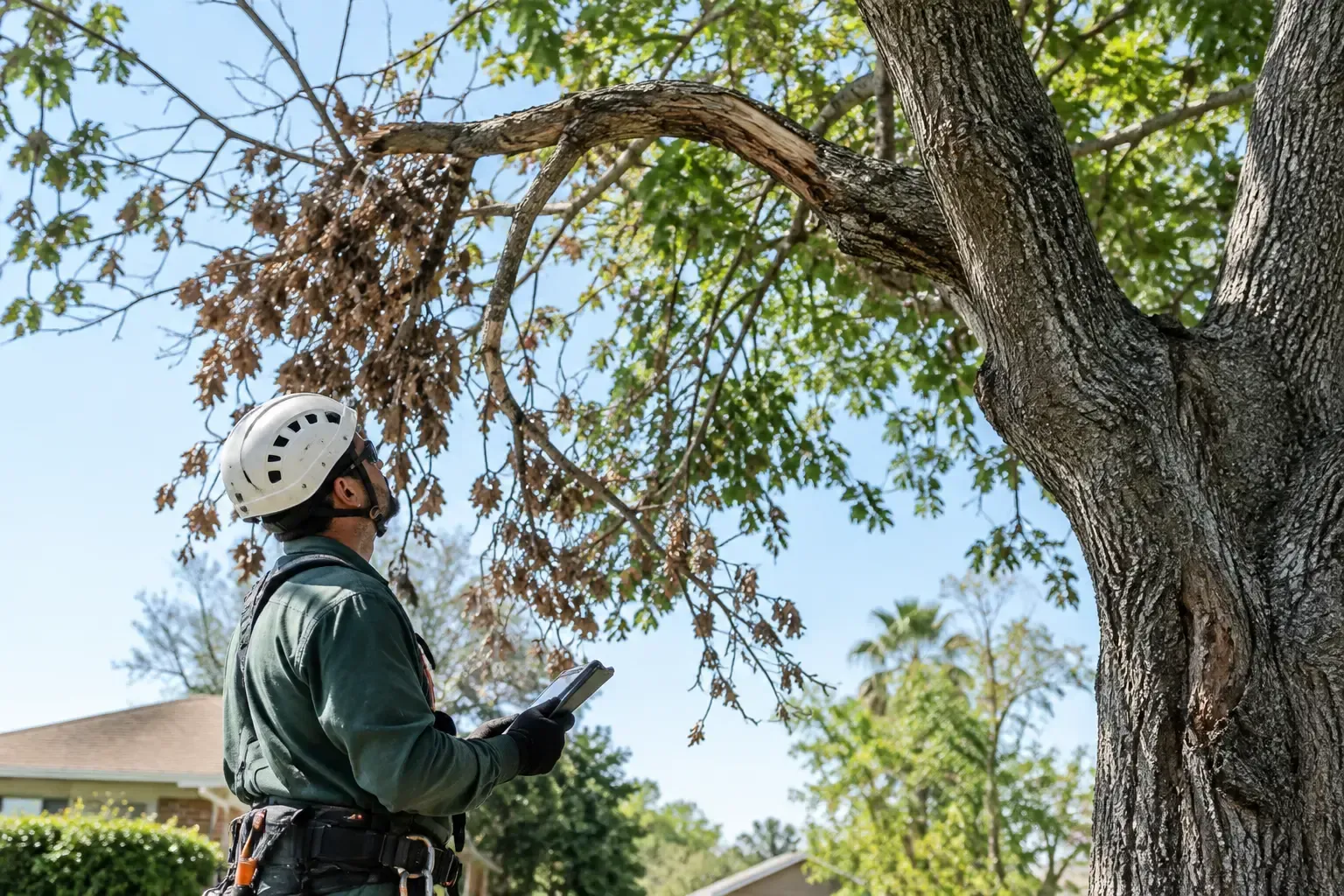
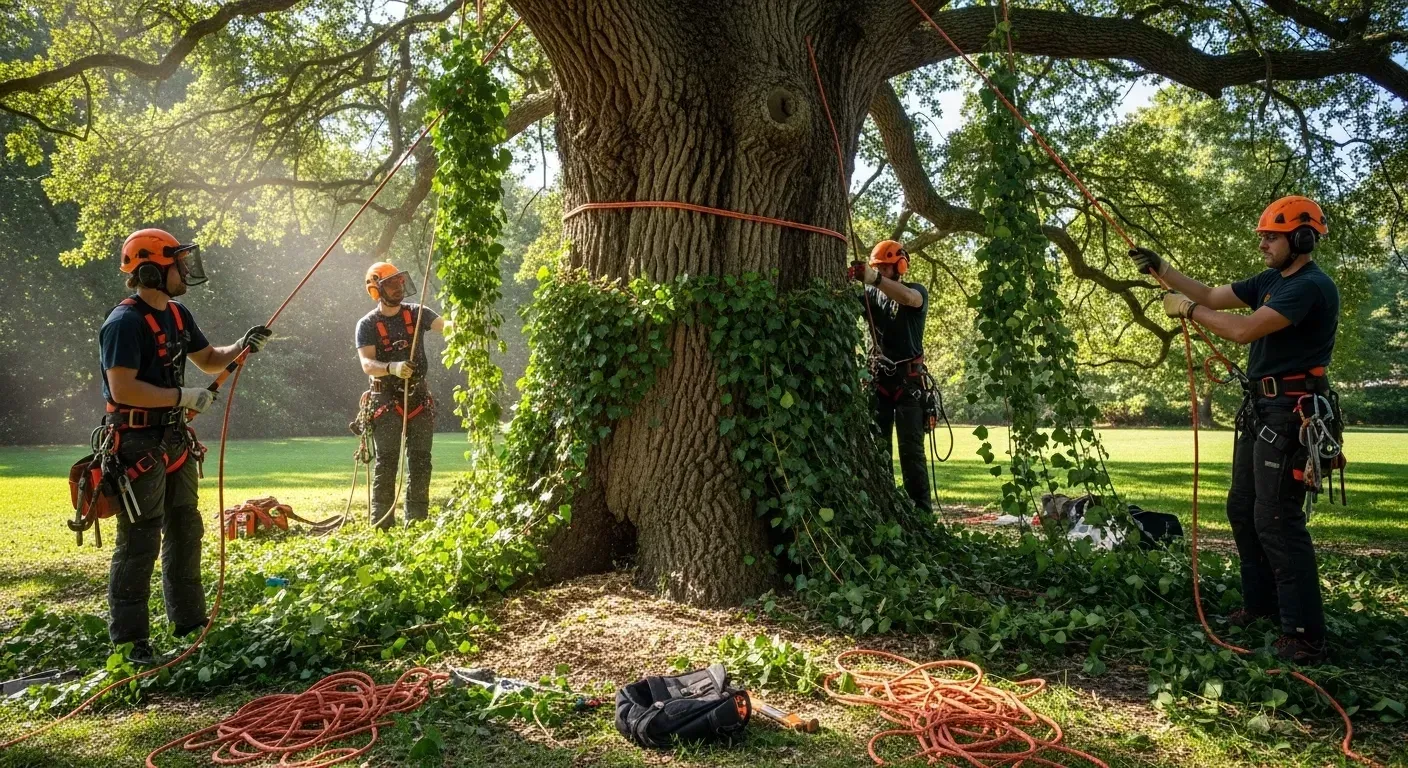
Once established in the crown of a tree, ivy competes directly with the host for sunlight, water, and essential soil nutrients. The dense foliage of the vines shades the tree's leaves, effectively starving the host plant by hindering photosynthesis. The added weight of heavy, moisture-laden vines places immense mechanical stress on the branches. In the West Covina area, where seasonal Santa Ana winds can be fierce, an ivy-covered canopy acts like a massive sail. The increased wind resistance drastically elevates the risk of sudden branch failure or complete uprooting.


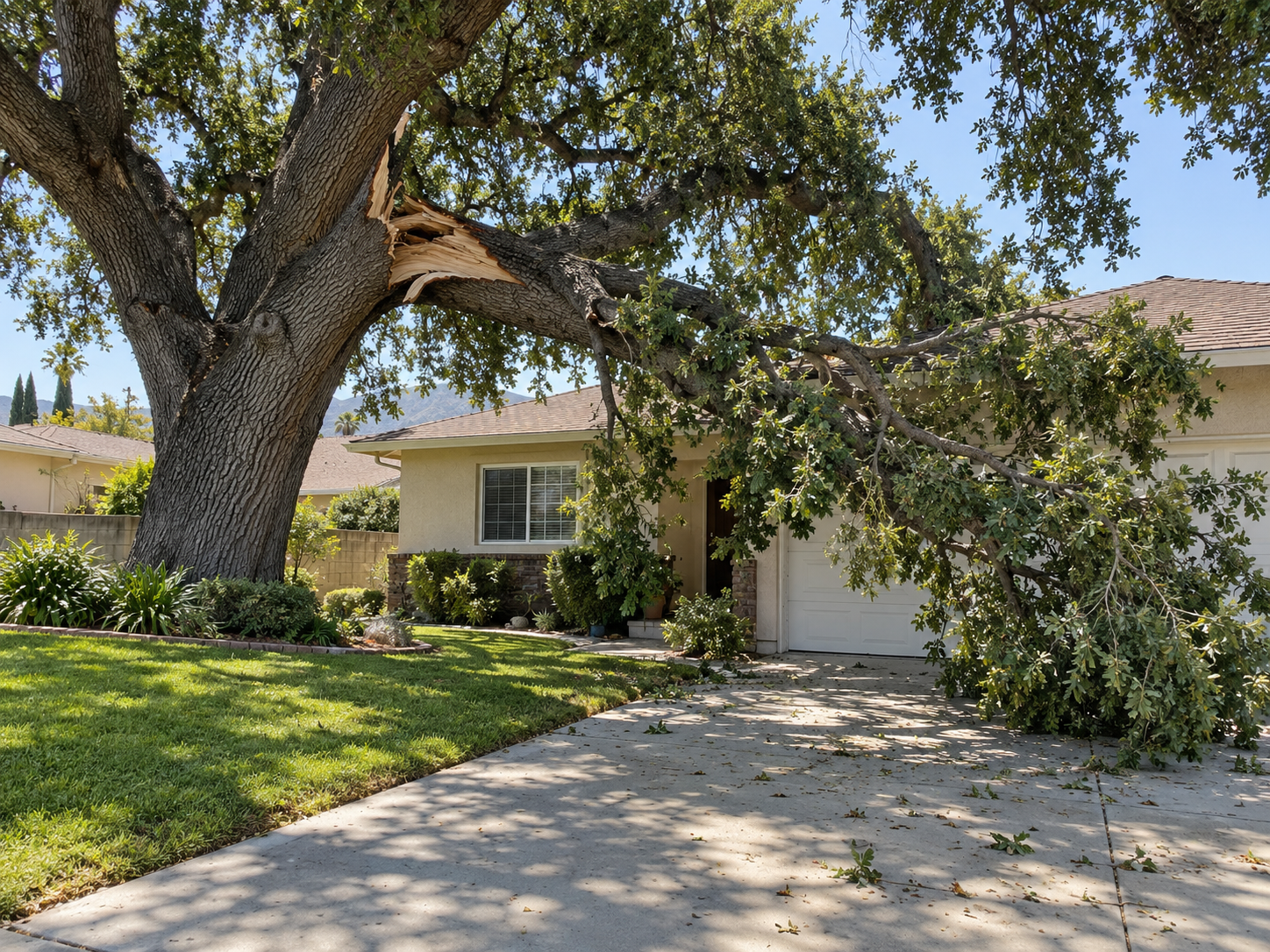
When a tree becomes completely overwhelmed by invasive vines, simple pruning is rarely enough to save it. If the structural integrity of the host is compromised beyond recovery, property owners must consider complete tree removal to prevent a catastrophic fall. In situations where heavy, vine-choked branches are already snapping or looming dangerously over a roofline, immediate intervention through emergency tree removal becomes necessary to protect lives and property. Regular arboricultural maintenance and timely vine management are critical strategies for avoiding these drastic outcomes.

Why DIY Ivy Clearing Falls Short

Many property owners attempt to tackle aggressive vines with a pair of loppers and weed killer. These weekend projects almost always end in frustration. Ivy leaves feature a thick, waxy cuticle designed to retain moisture. This natural armor makes the plant highly resistant to over-the-counter chemical herbicides, which simply bead up and roll off the foliage.


Manual removal is equally challenging. Pulling vines from tree bark or siding without the proper technique often leaves microscopic rootlets embedded in the surface. These remnants not only cause lasting cosmetic damage but can also regenerate. Ivy reproduces vigorously from small root fragments left behind in the soil. Furthermore, distinguishing between harmless ground covers and dangerous noxious weeds can be difficult. Attempting to clear thick brush manually often exposes homeowners to hidden hazards like uneven ground, nesting pests, or adjacent toxic plants.


Relying on professional ivy removal guarantees that the plant is eradicated at the root level. Experts understand the biology of these invasive species. They employ targeted physical removal techniques that carefully sever the vines at the base, allowing the upper canopy to wither safely before extraction. This method minimizes damage to the host tree's cambium layer and protects the underlying building materials of your home.

Beyond the Vines: Comprehensive Landscape Restoration

Removing a massive infestation reveals the true state of the landscape beneath. Property owners are often left with bare soil, damaged retaining walls, or remnants of dead trees that were previously hidden by the dense foliage. Complete property restoration requires addressing these underlying issues.


If the ivy concealed old tree stumps or if vine-damaged trees had to be felled during the cleanup process, those remaining stumps present their own set of challenges. They attract termites and pose significant tripping hazards in a newly cleared yard. Taking the time to understand the benefits of stump grinding in West Covina is an essential part of reclaiming your outdoor space. Grinding away these remnants allows you to replant healthy, non-invasive species and fully utilize your property.

Partnering with Local West Covina Experts

Protecting your property investment requires a proactive approach to landscape management. The unique climate of the San Gabriel Valley demands expertise tailored to local soil conditions, native tree species, and regional weather patterns. West Covina Tree provides exactly that level of specialized, localized care.


Learning more about our dedicated team reveals a commitment to sustainable, safe, and effective property maintenance. We do not just hack away at the greenery. We evaluate the overall health of your property to provide long-term solutions that prevent regrowth and encourage a thriving landscape. If invasive vines are threatening your home or choking your mature trees, it is time to take decisive action. Reach out and contact our specialists today to schedule a thorough evaluation of your property.


Frequently Asked Questions

  • Will ivy grow back after it is removed?

    Ivy is highly resilient and will regenerate if even small root fragments are left in the soil. Professional removal focuses on extracting the complete root system and monitoring the area to ensure the aggressive vines do not return to your property.


  • Does ivy damage mature trees?

    Yes, ivy poses a significant threat to mature trees. It aggressively competes for water and nutrients, smothers the tree canopy to block vital sunlight, and adds immense weight that increases the likelihood of branches breaking during high winds.


  • How long does professional ivy removal take?

    The timeline depends entirely on the size of the infestation and what the vines are attached to. Small ground patches can be cleared in a few hours, while massive vines deeply entrenched in mature trees or sensitive building exteriors may require a full day or more of meticulous, careful extraction.
By John Constantine June 7, 2026
Maintaining mature trees is a critical aspect of homeownership that protects property value, enhances curb appeal, and ensures environmental safety in West Covina. Recognizing the signs of decaying branches and utilizing licensed local professionals for removal and pruning mitigates the risks associated with heavy winds and root encroachment. Partnering with experienced arborists provides peace of mind and keeps your residential or commercial landscape pristine year-round. * Proactive tree trimming prevents severe property damage caused by high winds and heavy, unbalanced branches. * Licensed and insured local tree care providers protect homeowners from financial liability during dangerous removal operations. * Stump grinding and comprehensive root management are essential steps to protect concrete driveways and home foundations from costly damage.
By John Constantine June 4, 2026
Key Insights and Takeaways Removing a tree is only the first step in restoring your property. Professional stump grinding eliminates tripping hazards, prevents pest infestations, and protects your yard from subterranean fungal diseases. Partnering with local experts ensures the process is handled safely and efficiently, allowing you to fully reclaim your outdoor living space. * Grinding is a non-invasive alternative to full extraction that protects your surrounding topsoil. * Decaying stumps attract pests like termites that can migrate to healthy trees or your home foundation. * Hiring experienced professionals guarantees the correct machinery is used for specific local wood types without risking personal injury.
By John Constantine May 31, 2026
Mature trees in older West Covina neighborhoods offer immense property value but require specialized attention to mitigate severe safety and structural risks. Homeowners must prioritize professional maintenance to manage heavy canopies, destructive root systems, and complex local compliance regulations. Proactive care not only prevents catastrophic storm damage but also protects the long-term financial investment of the property.  * Professional structural pruning drastically reduces the risk of heavy limb failure during severe wind events. * Intrusive root systems can destroy older plumbing lines and lift concrete, creating expensive liabilities. * Hiring licensed, insured experts ensures compliance with local municipal ordinances and HOA guidelines.
By John Constantine May 30, 2026
Key Insights and Takeaways Proper tree trimming in West Covina is essential for maintaining landscape health, preventing property damage, and protecting trees from local weather challenges like Santa Ana winds. Relying on professional arborist techniques ensures clean cuts that promote natural healing and structural integrity. Avoiding destructive practices like topping preserves the vitality and beauty of your property for years to come. * Professional trimming uses precise cuts to help trees compartmentalize decay and resist disease. * Regular canopy thinning reduces wind resistance and prevents major limb failures during storms. * Strategic structural pruning is a safer, biologically sound alternative to harmful tree topping.
By John Constantine May 29, 2026
Key Insights and Takeaways Maintaining landscape safety in West Covina requires knowing when a compromised tree transitions from a property asset to a dangerous liability. Professional removal mitigates the high risks of structural damage and personal injury associated with decaying timber and sudden weather events. By addressing hazardous trees and the resulting stumps, homeowners can preserve their property value and ensure long-term yard health. * Watch for critical warning signs like deep trunk cracks, fungal growth, and sudden leaning. * Tree dismantling requires specialized rigging and should never be attempted as a DIY project. * Stump grinding is an essential final step to prevent pest infestations and eliminate yard hazards.
By John Constantine May 23, 2026
West Covina residents prioritize professional tree care to maintain robust property values, enhance curb appeal, and mitigate strict liability risks. By investing in routine maintenance, homeowners and property managers actively protect their real estate from severe storm damage while adhering to local HOA guidelines. Engaging licensed and insured arborists ensures long-term landscape health and community safety. * Routine tree trimming prevents structural damage and drastically improves residential curb appeal. * Preemptive removal of dead or diseased trees protects property owners from costly legal and financial liabilities. * Professional services ensure full compliance with West Covina municipal codes and strict HOA landscaping standards.
By John Constantine May 21, 2026
Maintaining a healthy landscape in West Covina requires consistent attention to the natural elements surrounding your property. The unique Southern California climate provides excellent growing conditions for a wide variety of tree species. However, these same ideal conditions mean vegetation can quickly become overgrown, presenting risks to both safety and property value. Managing your canopy through targeted care ensures longevity and aesthetic appeal for your yard. At West Covina Tree , we understand the specific environmental factors that affect local foliage. Regular maintenance goes far beyond simple aesthetics. Proper pruning dictates the structural integrity of your branches, encourages healthy seasonal blooming, and protects your home from unexpected damage. Comprehensive Tree Services Benefit Your Property Health When property owners think about landscaping, they often focus entirely on watering schedules and fertilizing. Yet, structural pruning remains one of the most critical components of plant health care. Professional Tree Services provide a systematic approach to managing growth. This process involves the strategic removal of specific branches to improve the overall architecture of the plant.
By John Constantine May 19, 2026
Mature trees are a defining feature of the San Gabriel Valley. They provide much-needed shade during hot Southern California summers, improve neighborhood aesthetics, and significantly boost property values. However, for homeowners in West Covina, these beautiful natural assets can sometimes harbor a hidden threat underground. When large trees are planted too close to a house, their expansive root systems can interact with the soil and the structural footprint of the property. Property owners often wonder if these roots possess the sheer physical force required to break through solid concrete. The reality of how roots interact with residential foundations is highly complex, relying as much on soil chemistry and moisture levels as on the physical growth of the tree itself.  Understanding the mechanics of root expansion, recognizing the early warning signs of property damage, and knowing when to call in experts will help you protect your most valuable financial asset.
By John Constantine May 17, 2026
Many homeowners in West Covina take great pride in their mature landscaping. Beautiful shade trees provide relief from the Southern California sun while enhancing property values across the community. However, when a tree dies, suffers severe storm damage, or becomes a liability, property owners face the inevitable task of taking it down. While cutting the canopy and trunk is one hurdle, dealing with what remains rooted in the ground is an entirely different challenge. After removing the main body of a tree, a solid, deeply anchored stump is left behind. Many weekend DIY enthusiasts view this remnant as a simple yard project. They head to the local hardware store, buy a few tools, and assume they can pry, burn, or dissolve the stump away in a single afternoon. In reality, tackling this job without heavy equipment and specialized knowledge rarely yields good results. Relying on an experienced West Covina Tree crew ensures the job is handled safely, protecting both the property and the homeowner from unnecessary stress.
By John Constantine May 14, 2026
Ivy often starts as a charming addition to a garden. Many property owners plant it with the intention of creating a classic brick-and-vine aesthetic. However, this aggressive climbing plant quickly turns from a decorative feature into a landscape liability. Without strict management, ivy will overtake fences, consume mature vegetation, and degrade structural foundations. Residents of West Covina CA understand how the mild Southern California climate allows invasive vines to flourish year-round. At West Covina Tree , we routinely encounter properties entirely smothered by unmanaged growth. Addressing this issue requires more than a simple pair of gardening shears. It demands a systematic approach to safely sever the root systems and extract the clinging vines without damaging the underlying structures or suffocating the existing flora. Why Climbing Vines Present a Severe Property Risk The visual appeal of a vine-covered wall masks significant underlying damage. Ivy uses specialized aerial roots to anchor itself into microscopic cracks in masonry, wood siding, and stucco. As the vine matures, these roots expand. This expansion slowly forces cracks wider and allows moisture to penetrate deep into the building envelope. Moisture retention is another major issue. A thick blanket of leaves traps humidity against your home. This constant dampness creates an ideal breeding ground for mold, wood rot, and structural decay. Furthermore, dense foliage acts as a natural shelter for rodents, spiders, and other unwanted pests. Unchecked vines are a major red flag for inspectors and prospective buyers alike. We recently discussed how landscaping impacts property value , noting that a clean and structurally sound exterior is vital for maximizing your return on investment.