Recognizing When It Is Time for Professional Tree Removal in West Covina, CA

John Constantine • April 29, 2026

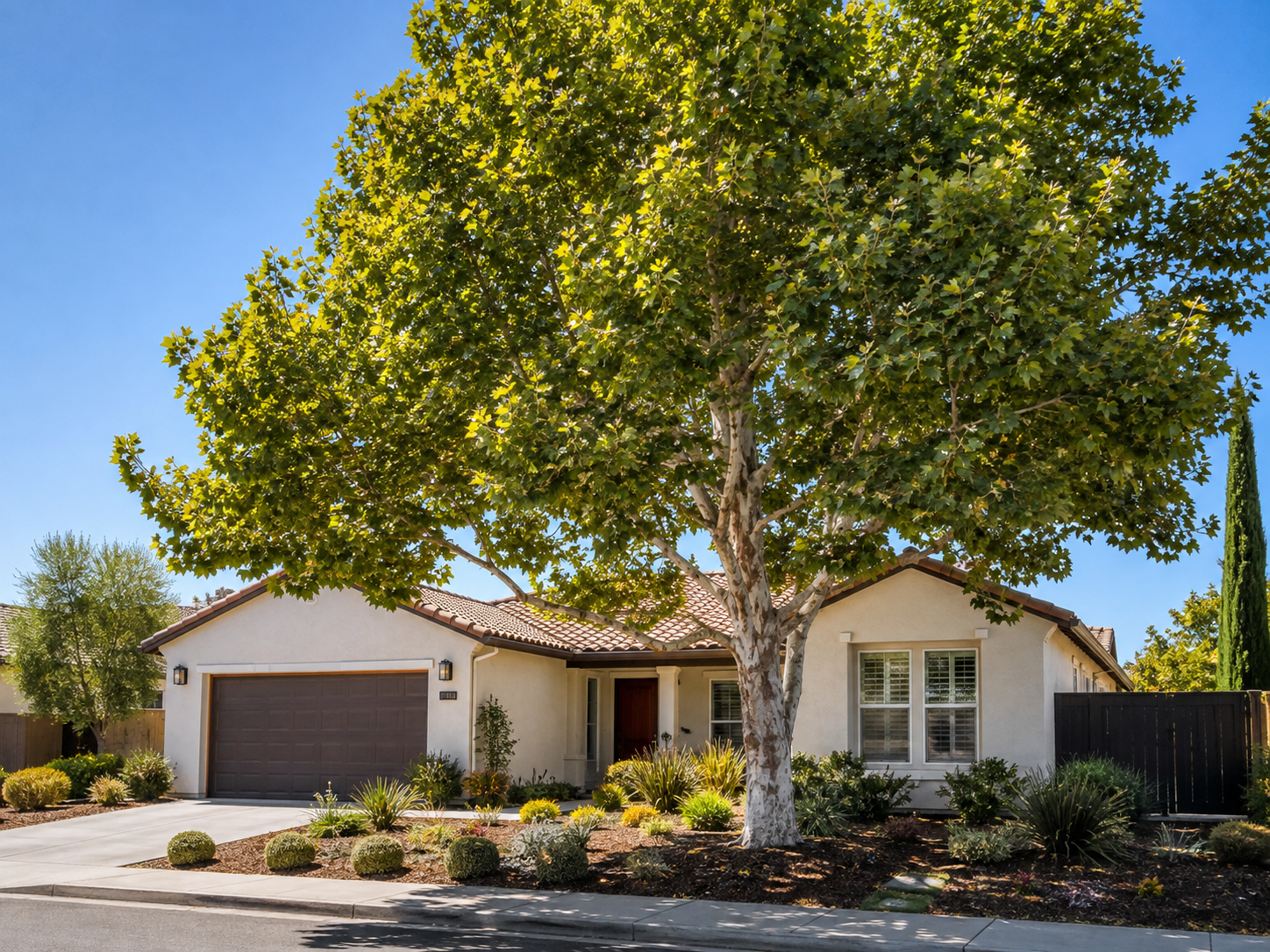
Beautiful, mature trees define the residential landscape across West Covina, CA. They provide vital shade during hot Southern California summers, improve local air quality, and significantly elevate property values. However, property owners must also recognize that trees are living organisms susceptible to disease, old age, and environmental stress. When a tree becomes a liability rather than an asset, keeping your property safe requires decisive and immediate action.


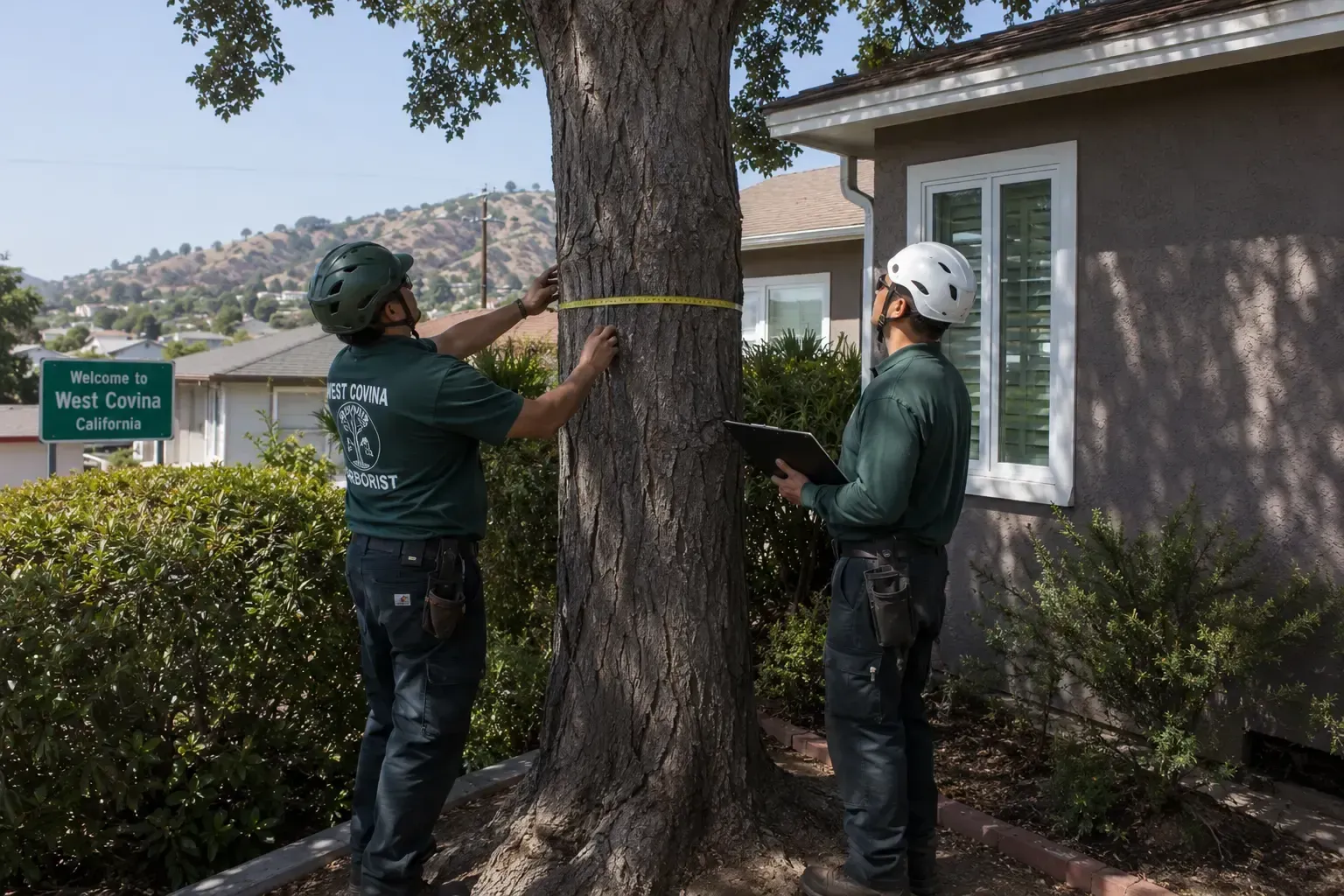
Understanding the indicators of a failing tree ensures you can protect your home, your family, and your surrounding landscape. For homeowners looking for comprehensive guidance and reliable evaluations, West Covina Tree provides expert assessments to determine the best course of action for every unique yard.

The Core Elements of Expert Tree Services

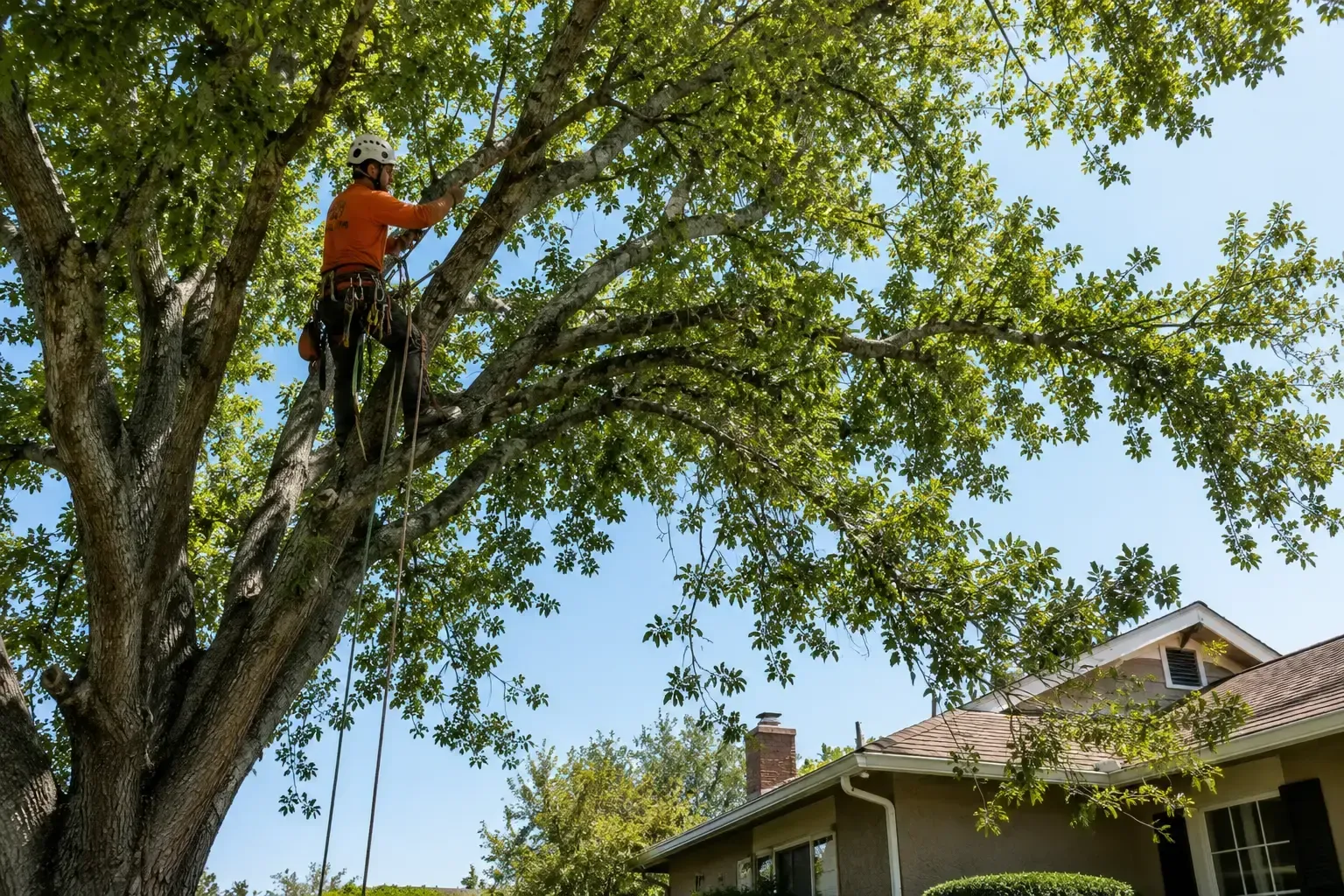
Maintaining a healthy urban canopy involves much more than simply watering your plants and raking up autumn leaves. Professional tree services encompass a wide spectrum of care designed to extend the lifespan of your greenery whenever possible. Certified specialists evaluate the structural integrity, root health, and canopy density of your specimens to determine their overall viability.


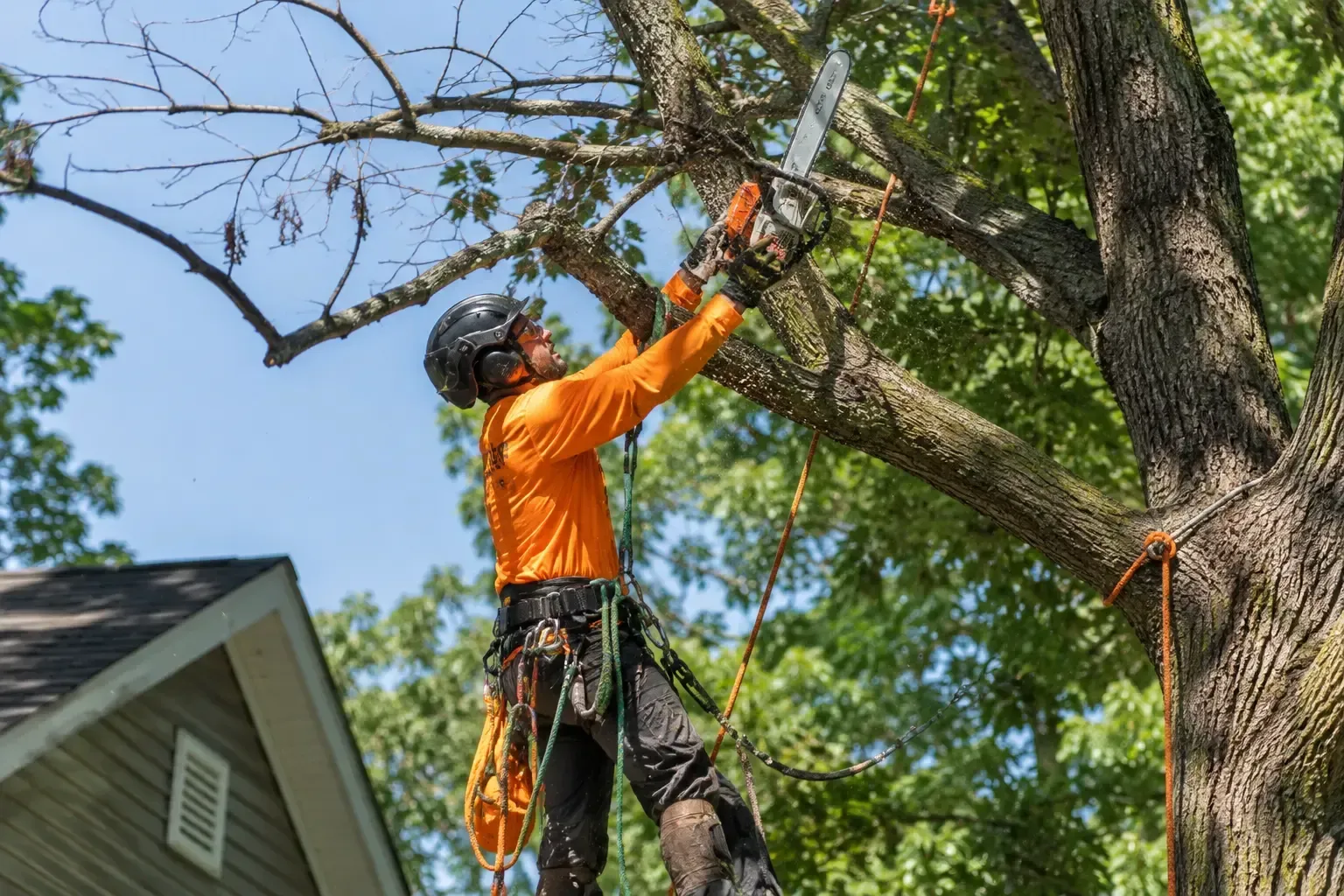
Sometimes, targeted pruning can save a damaged or overgrown specimen. By removing dead wood, reducing weight on heavy limbs, and improving internal airflow, experts can revitalize a struggling oak, pine, or eucalyptus. Yet, preservation is not always a feasible option. When an infection has advanced too far or structural decay poses an imminent threat to nearby structures, complete extraction becomes the only responsible choice. Knowing the difference between a salvageable plant and a hazardous one is the absolute cornerstone of responsible property management.

Signs Your West Covina Property Needs Dedicated Tree Removal

Identifying a dying or dangerous tree early can save thousands of dollars in property damage. Several specific warning signs indicate that a specimen may be completely beyond recovery.

First, you should inspect the trunk for significant cavities, deep vertical cracks, or missing chunks of bark. These structural flaws severely compromise the physical stability of the timber. Additionally, fungi growing around the base of the trunk or spreading across the visible surface roots strongly suggest internal rotting. Once the core of the trunk begins to decay, the tree loses its structural integrity and becomes a severe falling hazard.
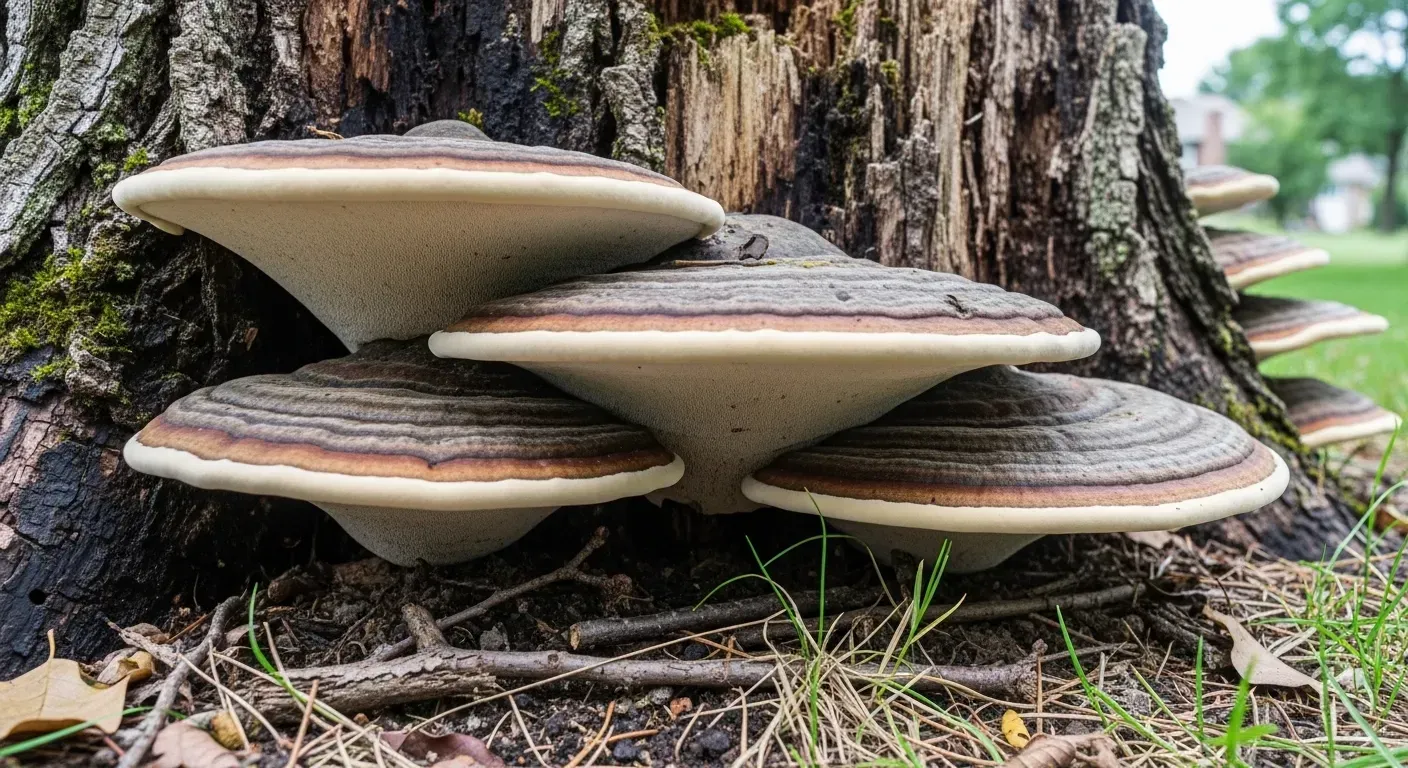
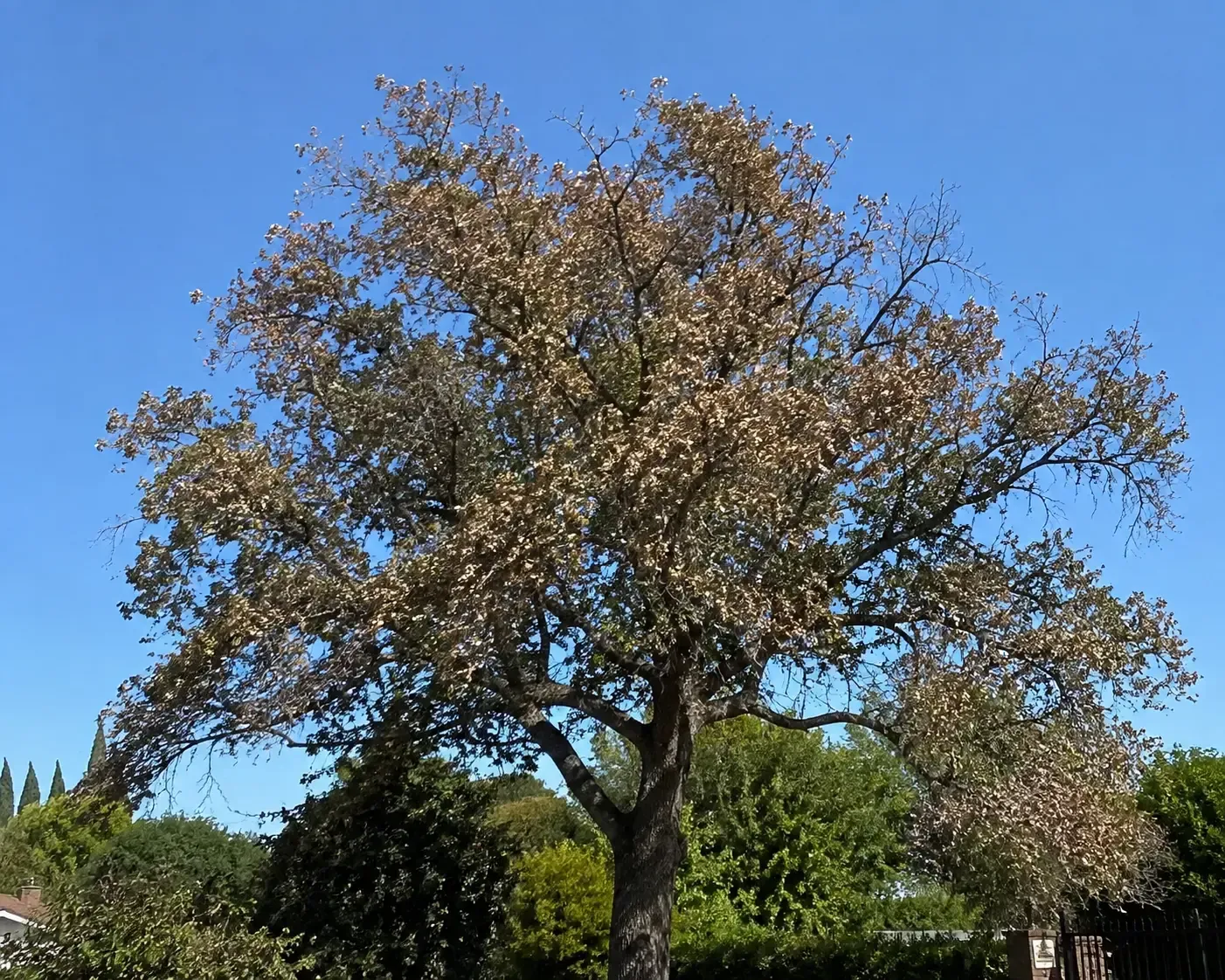
Second, carefully observe the canopy. If large branches are entirely devoid of leaves during the spring and summer months, those specific sections are dead. A tree exhibiting a sudden, severe lean is also a major red flag. Root disturbance often causes this shifting in the soil, and a newly leaning tree could collapse without warning.

Furthermore, the specific climate and soil conditions in our region play a major role in plant health. To understand this dynamic better, you can read about how local ecosystems in West Covina influence residential tree growth. If the environment has irreparably weakened your vegetation, scheduling professional Tree removal. is the safest method to clear your yard and prevent unexpected property damage.

Handling Sudden Hazards and Storm Damage

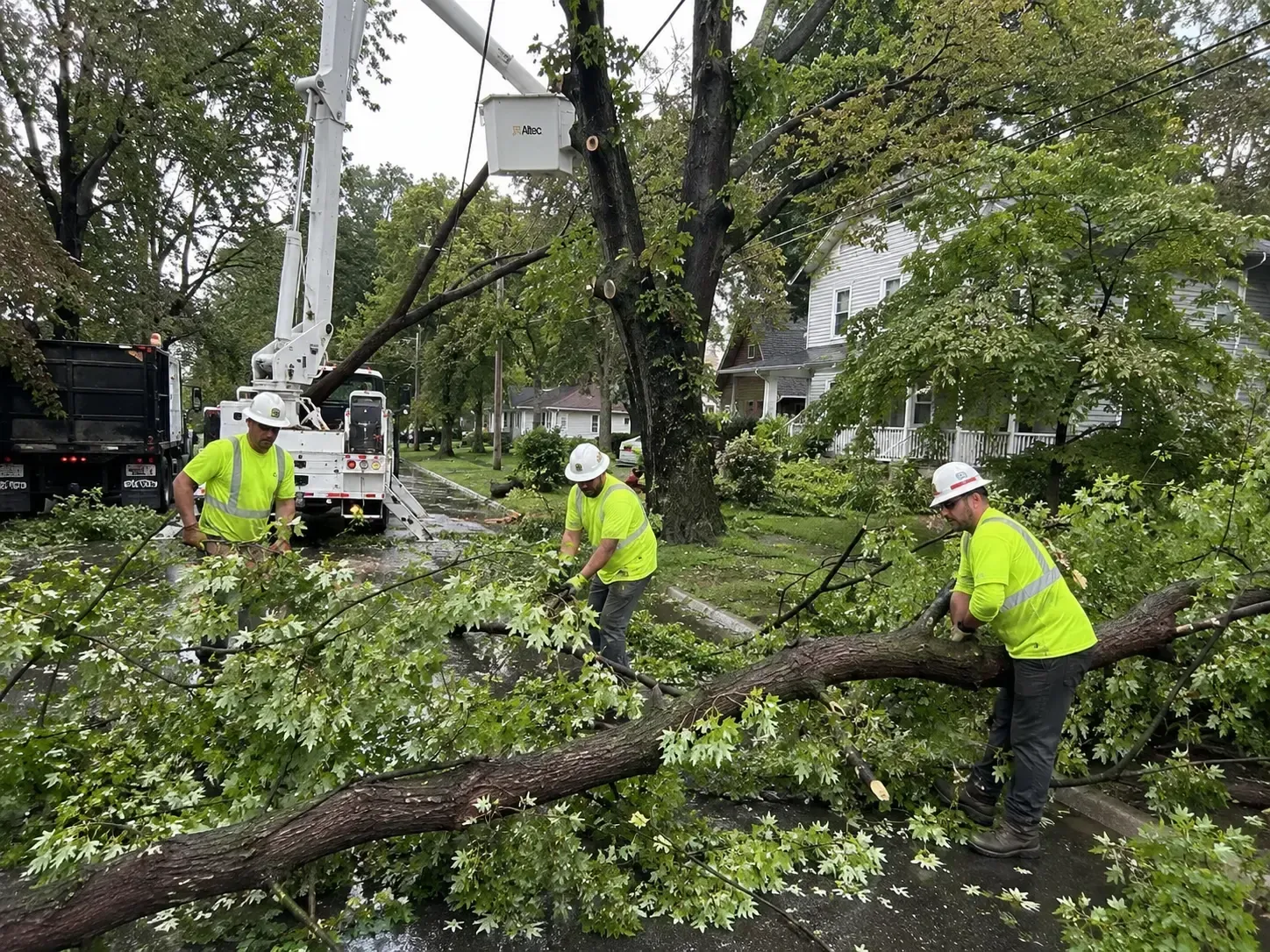
West Covina experiences distinct weather patterns, including the notorious Santa Ana winds that sweep through the region annually. These high-velocity gusts place immense stress on large, heavy canopies. Even perfectly healthy trees can suffer catastrophic failure under such extreme environmental conditions. When a heavy limb snaps and lands on a roof, blocks a driveway, or tangles with a live power line, the situation escalates from a simple landscaping issue to an immediate safety crisis.
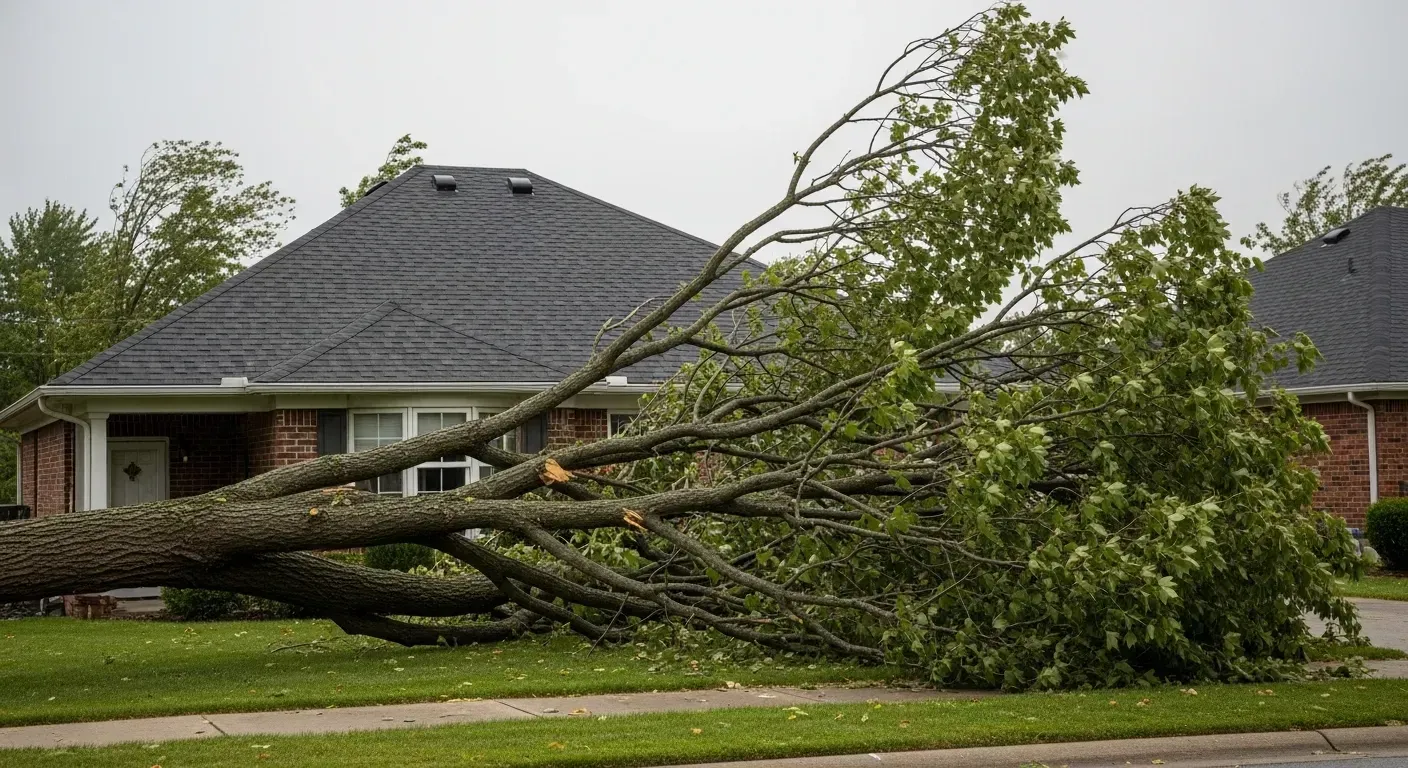

During these critical moments, waiting for normal business hours is not a safe option. Rapid response is required to mitigate further property damage and secure the immediate area. Professional crews are heavily trained to dismantle fallen or hanging timber safely under high-pressure conditions. If a severe storm has compromised a large specimen on your property, utilizing emergency tree removal services ensures the hazard is eliminated swiftly and securely.

Why DIY Approaches Are a Risky Proposition

Many proactive homeowners consider tackling yard maintenance themselves to cut costs. While planting flower beds or installing small shrubs are excellent weekend projects, taking down a large tree is a highly technical and exceptionally dangerous operation.

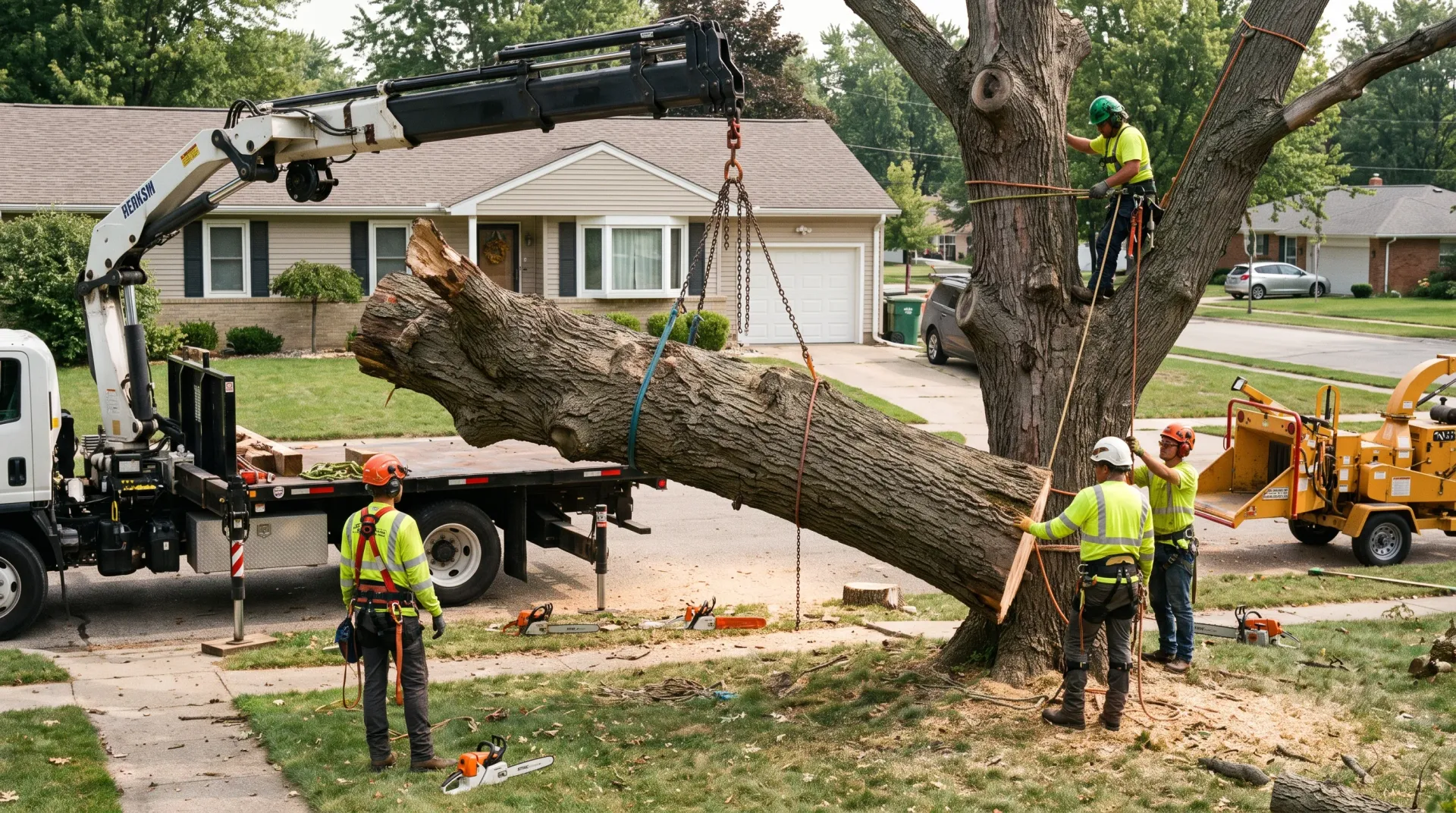
Felling a large specimen requires an accurate calculation of weight distribution, falling trajectory, and wind resistance. Without the correct rigging equipment and professional experience, a heavy trunk can easily crush a roof, destroy a boundary fence, or cause severe personal injury. The physics involved in bringing down thousands of pounds of wood are entirely unforgiving to amateurs.


Moreover, professional crews carry specialized liability insurance and workers compensation. If a homeowner accidentally damages a neighbor's property during a DIY attempt, the massive financial burden falls entirely on their own shoulders. Trusting seasoned experts guarantees that the job is executed with absolute precision. To learn more about the experience and qualifications of the professionals serving your community, you can read about West Covina Tree and our unwavering commitment to local safety.

Next Steps for Property Owners in Southern California

Proactive property management requires vigilant observation throughout the year. Take a walk around your West Covina yard this week. Look closely for the warning signs of internal decay, unusual leaning, or significant dead wood in your upper canopies. If you spot anything concerning, do not wait for the next major windstorm to test the stability of your landscaping.
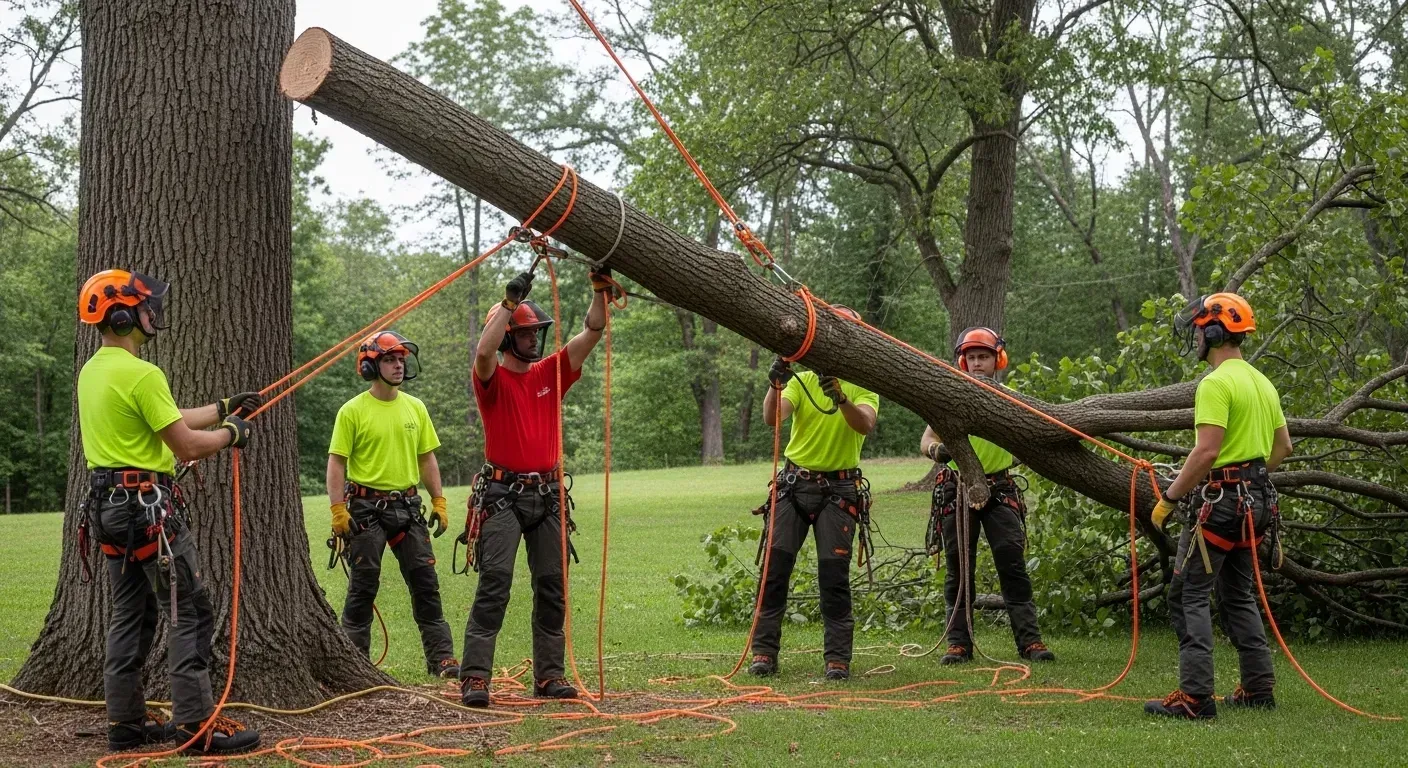

Protecting your home involves partnering with professionals who understand the specific challenges of the Southern California environment. Whether you need a simple health assessment or the complete extraction of a massive, hazardous specimen, expert assistance is just a phone call away. Reach out today to secure your property and maintain a safe, beautiful outdoor space for your family. Please contact us to schedule a comprehensive evaluation of your property.

Frequently Asked Questions

  • Do I need a permit to remove a tree on my property in West Covina?

    The city of West Covina has specific municipal codes regarding protected species and heritage trees. Certain types of mature vegetation require an official permit before they can be legally altered or removed. A professional service will help you navigate local regulations to ensure complete compliance before any chainsaw work begins.


  • What happens to the stump after the tree is cut down?

    Standard extraction typically leaves a stump protruding slightly above the ground level. To fully clear the area for future replanting or hardscaping projects, stump grinding is highly recommended. This process uses specialized heavy machinery to grind the remaining wood down below the soil line, preventing regrowth and eliminating dangerous tripping hazards in your yard.


  • How can I tell if my tree is just dormant or actually dead?

    Dormant trees will still have green, moist tissue just beneath their outer bark. You can perform a simple scratch test by lightly scraping a small twig with your fingernail. If the tissue underneath is brown and brittle, that specific section is dead. If the entire canopy fails to produce new leaves during the spring growing season, the specimen has likely died and should be officially evaluated for extraction.
By John Constantine May 2, 2026
Southern California presents a unique climate that heavily impacts residential landscaping. Homeowners in the San Gabriel Valley face prolonged dry spells, intense summer heat, and unpredictable winter rainstorms. These environmental stressors take a significant toll on local greenery. When a tree on your property succumbs to disease, drought, or old age, it transitions from a beautiful landscape feature to a severe liability.  Many property owners underestimate the structural instability of decaying wood. A lifeless tree does not simply stand dormant. It begins an active process of decomposition that compromises its foundation and branches. Understanding the risks associated with decaying timber is a vital part of responsible property management in West Covina. Taking immediate action can prevent catastrophic property damage, costly legal liabilities, and severe personal injury.
By John Constantine May 1, 2026
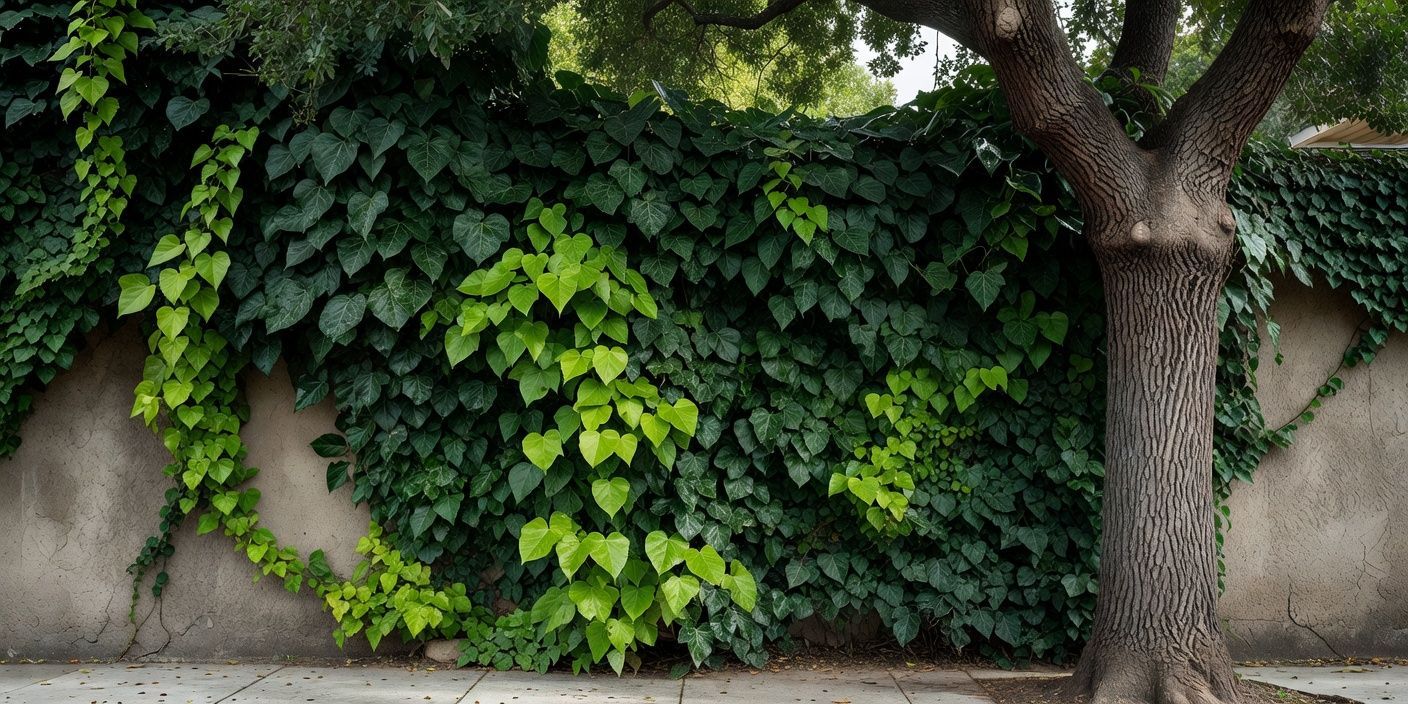
Climbing vines can give a residential or commercial property a classic, historic aesthetic. Many homeowners plant these vines intentionally, hoping to achieve a beautiful, natural facade. However, left unchecked, species like English ivy and Algerian ivy quickly transform from a charming ground cover into an aggressive parasite. These persistent climbers scale vertical surfaces, envelop heavy branches, and slowly suffocate mature foliage. For property owners relying on West Covina Tree to maintain their outdoor spaces, understanding the mechanics of invasive vine management is critical to preserving plant health, property value, and overall safety. The Hidden Dangers of Invasive Vine Growth Invasive climbers do not just use a trunk for temporary physical support. As the vines ascend, they develop tiny, aggressive adventitious roots known as holdfasts. These specialized rootlets secrete a heavy, glue-like substance that binds fiercely to bark, brick walls, and wooden siding. Over time, the dense, overlapping mat of foliage traps excess moisture tightly against the wood. This constant dampness creates an ideal breeding ground for fungal infections, structural rot, and destructive wood-boring insects. Beyond structural decay, this thick blanket of vegetation creates a perfect harborage for unwanted pests. Rats, mice, and insect colonies actively seek out the protective cover provided by thick vines. By allowing these plants to scale your canopy, you inadvertently provide a bridge for pests to access your roof and attic spaces.
By John Constantine April 25, 2026
West Covina homeowners understand that maintaining a healthy and attractive landscape involves much more than occasional watering. The specific environment surrounding your property directly dictates how every plant behaves, grows, and survives. Nestled in the San Gabriel Valley, our city experiences a Mediterranean climate characterized by hot, arid summers and relatively mild winters. This distinct weather pattern creates a highly specialized local ecosystem. Understanding how this ecosystem influences residential tree growth is a vital aspect of homeownership. The conditions dictate everything from root expansion to canopy density. Failing to account for local soil types, prevailing winds, and temperature fluctuations leads to costly property damage and declining property values. By learning how your yard interacts with the local environment, you can foster a safer, more resilient landscape.
By John Constantine April 23, 2026
Maintaining a property in West Covina requires constant attention to seasonal changes and landscape growth. When leaves accumulate, branches fall, and underbrush takes over, your outdoor space quickly becomes unmanageable. Addressing these issues promptly protects your property value and ensures a safe environment for your family. A trusted partner like Covina Tree Service provides the necessary expertise to restore order to your landscape, utilizing advanced equipment and proven horticultural practices. The Southern California climate presents unique challenges for homeowners. Extended dry periods followed by sudden, intense rainstorms can cause rapid plant growth and subsequent die-off. Add the seasonal Santa Ana winds to the mix, and a seemingly tidy yard can transform into a chaotic landscape of broken limbs and heavy debris overnight. Handling this volume of organic waste requires a strategic approach to ensure the underlying vegetation remains healthy and visually appealing.
By John Constantine April 20, 2026
Many property owners appreciate the classic aesthetic of thick green vines climbing the exterior of a building. The lush foliage can give a property a historic and established appearance. However, allowing invasive plants like English ivy to grow unchecked across your property poses a severe threat to the structural integrity of your home and the health of your landscaping. In Southern California, the warm climate allows aggressive climbing plants to thrive year-round. Over time, these plants infiltrate cracks, lift roofing materials, and suffocate mature trees. Removing massive overgrowth requires a strategic approach. Tearing live vines directly off a wall will almost certainly rip away paint, pull down gutters, and severely damage stucco or wood siding. Proper removal demands patience, the right tools, and an understanding of plant biology. 
By John Constantine April 16, 2026
Maintaining a healthy, structurally sound canopy requires precision, knowledge, and an understanding of local environmental factors. Property owners in West Covina, CA, face unique climate challenges that directly impact urban forests. From extended dry spells to sudden winter storms, the trees on your residential or commercial property endure significant stress year after year. At West Covina Tree , we approach arboriculture with a distinct focus on long-term vitality, ensuring your landscape remains both safe and beautiful.
By John Constantine April 15, 2026
Maintaining a pristine and safe property in Southern California requires far more than occasional mowing and leaf blowing. The unique climate of West Covina, CA, USA dictates a rigorous approach to landscape maintenance. Prolonged dry spells followed by sudden seasonal rainstorms create a highly dynamic environment for local flora. Without a structured maintenance strategy, residential and commercial properties can quickly become overgrown, visually unappealing, and structurally hazardous.  At Tree Service Perfection West Covina , we understand that a comprehensive approach to property care demands a deep understanding of local arboriculture. Effective yard cleanup involves assessing the entire ecosystem of your landscape from the deepest root systems to the highest canopy branches. By implementing a proactive property management strategy, property owners can protect their real estate investments while cultivating a vibrant outdoor space.
By John Constantine April 13, 2026
Owning residential or commercial real estate in the San Gabriel Valley comes with a unique set of landscape maintenance responsibilities. Mature trees provide essential shade, improve air quality, and significantly elevate property aesthetics. However, large canopies and expansive root systems require active management to prevent structural failures and property damage. Property owners must approach arboriculture with a proactive mindset focused on safety and asset preservation. Professionals specializing in comprehensive tree management tailor strategies to the specific environmental conditions of the region. Whether you manage a large apartment complex, develop commercial properties, or maintain a private residential landscape, implementing rigorous tree care protocols is non-negotiable. Neglected trees quickly transition from valuable landscaping assets to severe liability risks. Heavy branches overhanging roofs, root intrusion into plumbing systems, and unstable trunks pose constant threats that require professional intervention. 
By John Constantine April 8, 2026
Cutting down a dead or diseased tree solves an immediate problem. Unfortunately, it also creates a new one by leaving a stubborn stump behind. Property owners in Southern California frequently discover that ignoring a leftover stump leads to complications ranging from severe pest infestations to tripped pedestrians. Partnering with professional tree services ensures these remnants are handled safely and efficiently. Understanding the mechanics of stump grinding helps you make informed decisions about your outdoor space. The team at West Covina Tree provides complete yard restoration solutions to eliminate these landscape hazards effectively. Why Leftover Stumps Create Hazards for West Covina Properties A vacant stump might seem harmless at first glance. Over time, decaying wood becomes a magnet for subterranean termites, carpenter ants, and wood-boring beetles. Property owners in West Covina must be vigilant, as our warm climate accelerates wood decay and insect proliferation. These pests do not stay confined to the yard. They actively seek new food sources, which often leads them straight into the structural foundation of your home. Safety presents another significant concern. Hidden beneath tall grass or overgrown weeds, a stump transforms into a tripping hazard for children playing or guests visiting your property. It also creates frustrating obstacles for lawnmowers and landscaping equipment. Even after a successful tree removal , the root system can occasionally continue to absorb nutrients and grow. This subsurface growth causes concrete walkways, patios, or driveways to buckle under the pressure. Extracting the stump mitigates these liabilities and instantly upgrades your curb appeal.
By John Constantine April 7, 2026
rees add immense value to properties across the San Gabriel Valley. They provide essential shade during hot California summers, improve local air quality, and enhance the aesthetic appeal of our neighborhoods. However, there are times when a majestic oak or towering eucalyptus becomes a liability rather than an asset. Whether due to invasive disease, severe storm damage, or unseen structural failure, removing a compromised tree is a critical step in protecting your home and family. The professionals at West Covina Tree understand the delicate balance between preserving local greenery and ensuring residential safety. Managing a property requires vigilance, and knowing when a tree has reached the end of its safe lifespan is a vital responsibility for every homeowner. Recognizing When a Tree Needs to Come Down Identifying a failing tree early can save you from catastrophic property damage and significant financial liability. Trees rarely fail without warning. They typically display visual indicators that their structural integrity is compromised.  Look for primary signs of decay such as large dead branches in the upper canopy, deep vertical cracks running down the main trunk, or sudden fungal growth near the base of the roots. Root rot is particularly insidious in Southern California because it occurs underground, often exacerbated by poor drainage or overwatering. By the time a tree visibly leans or the soil around its base begins to heave, the root system has already failed.