How Local Ecosystems in West Covina Influence Residential Tree Growth
West Covina homeowners understand that maintaining a healthy and attractive landscape involves much more than occasional watering. The specific environment surrounding your property directly dictates how every plant behaves, grows, and survives. Nestled in the San Gabriel Valley, our city experiences a Mediterranean climate characterized by hot, arid summers and relatively mild winters. This distinct weather pattern creates a highly specialized local ecosystem.
Understanding how this ecosystem influences residential tree growth is a vital aspect of homeownership. The conditions dictate everything from root expansion to canopy density. Failing to account for local soil types, prevailing winds, and temperature fluctuations leads to costly property damage and declining property values. By learning how your yard interacts with the local environment, you can foster a safer, more resilient landscape.
The Impact of San Gabriel Valley Soil Composition
The dirt beneath your lawn plays a foundational role in canopy health. Properties in West Covina typically feature varying mixtures of dense clay and sandy loam soils. Each soil type presents specific challenges for residential landscaping.
Clay soil retains nutrients exceptionally well but struggles with water drainage. During periods of heavy winter rainfall, poorly draining clay leads to waterlogged root systems. This saturated environment invites fungal infections and chronic root rot. Conversely, sandy patches drain water far too quickly. This rapid drainage leaves shallow-rooted species parched during August heatwaves. Property owners must actively monitor soil moisture levels to prevent root distress. Adding organic matter to the soil helps balance drainage issues, creating a more stable environment for root expansion.
Climate Patterns and Drought Stress Factors
West Covina weather continuously tests the resilience of residential landscapes. Prolonged dry spells force roots to dig deeper for moisture, which occasionally disrupts home foundations or underground plumbing lines. Furthermore, the notorious Santa Ana winds sweep through the valley every autumn. These fierce seasonal winds target weakened branches and compromised root systems.
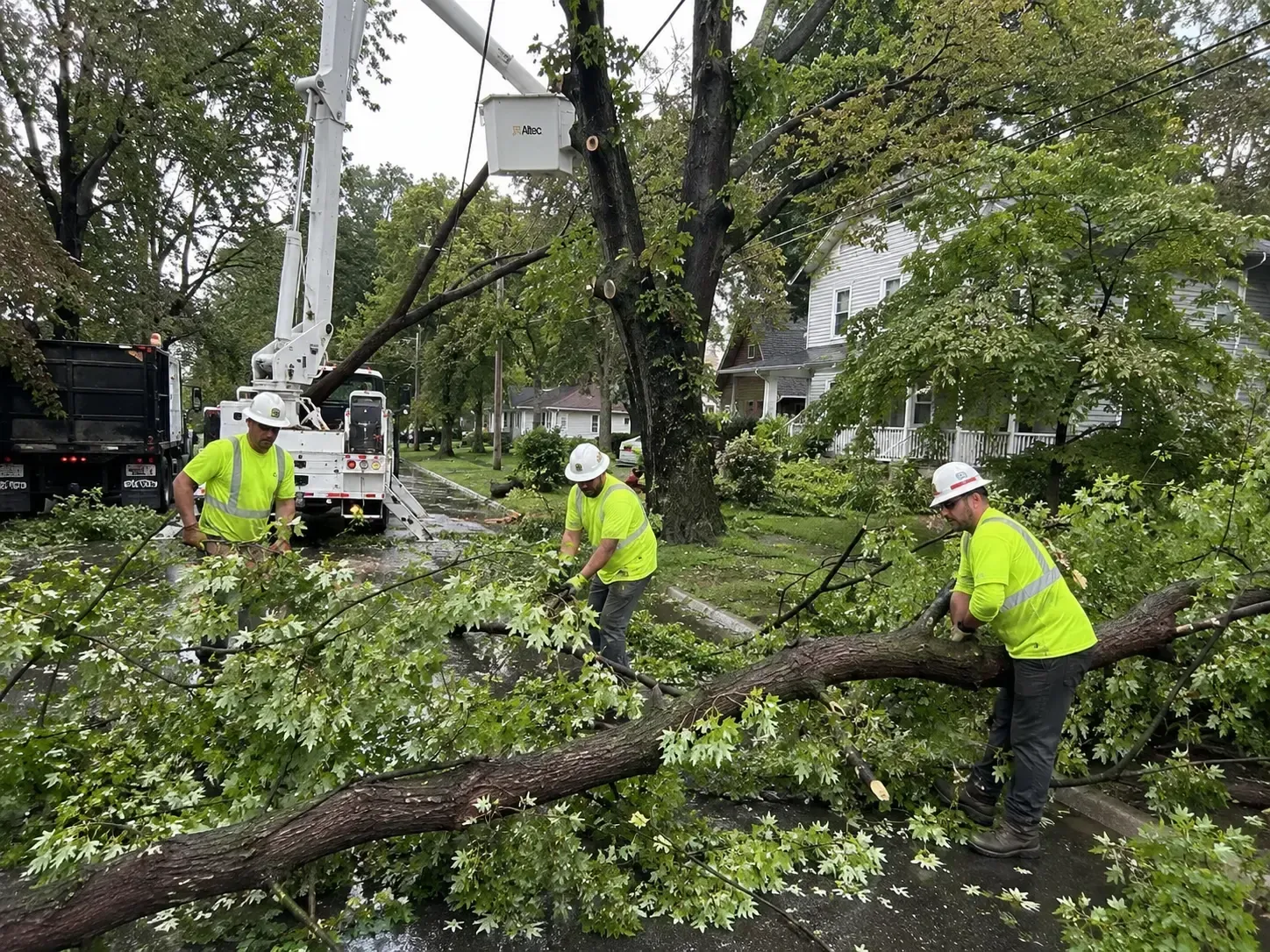
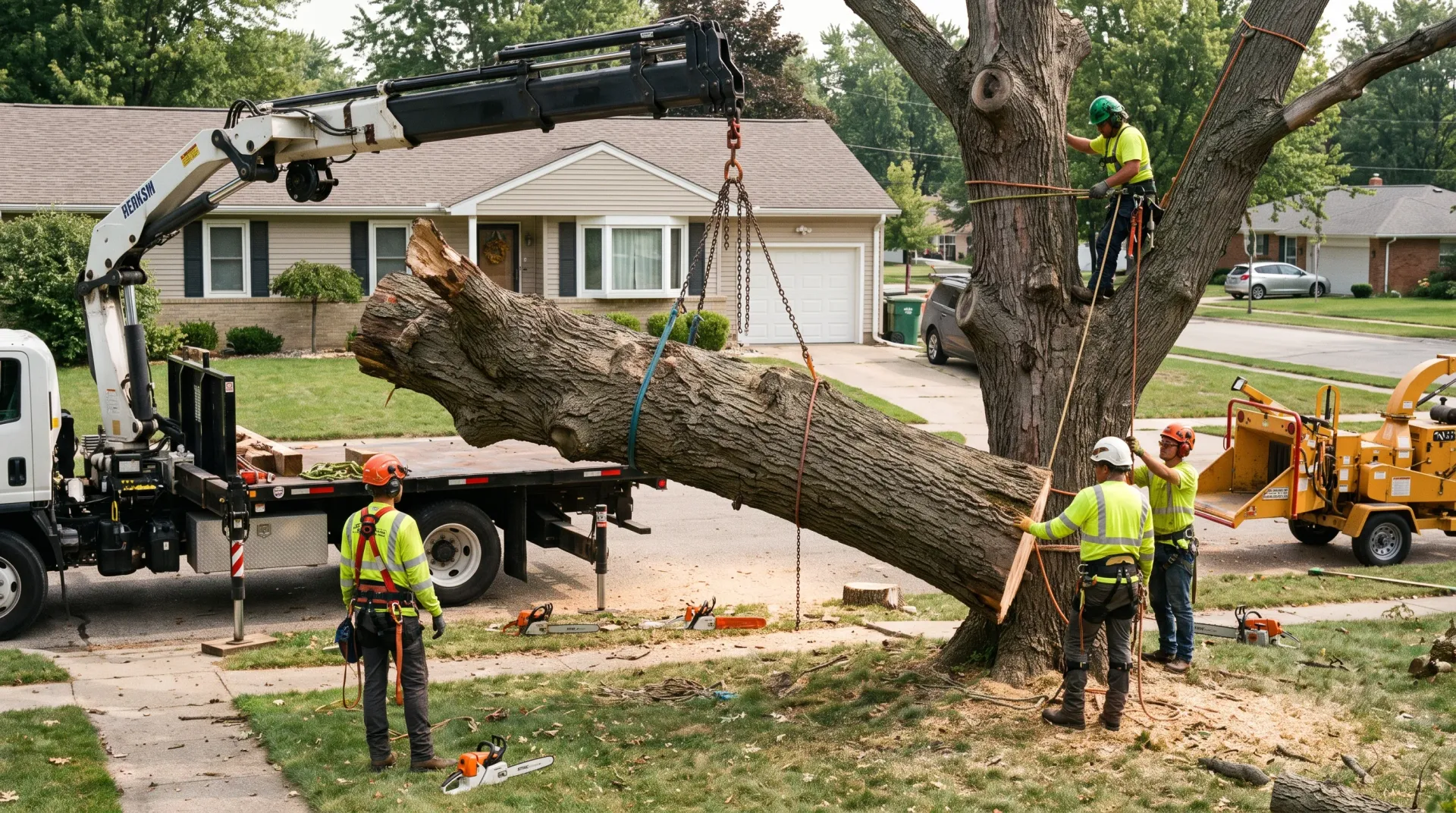
When a severe windstorm hits a drought-stressed canopy, a dead branch transforms into a massive liability for your roof or your neighbor's fence. Preparing for these seasonal shifts is a mandatory part of property maintenance. If a severe storm leaves you with an immediate hazard on your property, rapid response is necessary. Homeowners frequently rely on emergency tree removal to safely secure their homes and prevent structural damage following high wind events.
The Effect of Urban Heat Islands
As West Covina developed over the past few decades, the increase in concrete surfaces and asphalt roads contributed heavily to an urban heat island effect. Concrete absorbs intense solar radiation during the day and slowly releases it throughout the night. This artificial temperature increase disrupts the natural cooling period plants rely on to recover from daytime sun exposure.
Residential properties featuring extensive concrete patios, wide driveways, or block walls inadvertently bake the shallow roots of nearby vegetation. To combat this urban heat stress, homeowners should apply thick layers of organic mulch around the base of their trunks. Wood chips insulate the soil against extreme temperature spikes and drastically reduce moisture evaporation.
Integrating Professional Tree Services for Ecosystem Harmony
Generic landscaping practices often fail to address the specific nuances of our regional environment. Treating a California native oak the same way you treat an imported tropical palm is a recipe for property damage. This is exactly why professional Tree Services are a critical component of property management in the San Gabriel Valley.
Proper maintenance requires an ongoing commitment to safety, structural integrity, and local biology. When you partner with Tree Service West Covina, you gain access to targeted arboricultural expertise tailored directly to the local climate. Our approach actively factors in local rainfall averages, soil alkalinity, and wind exposure to keep your yard thriving.
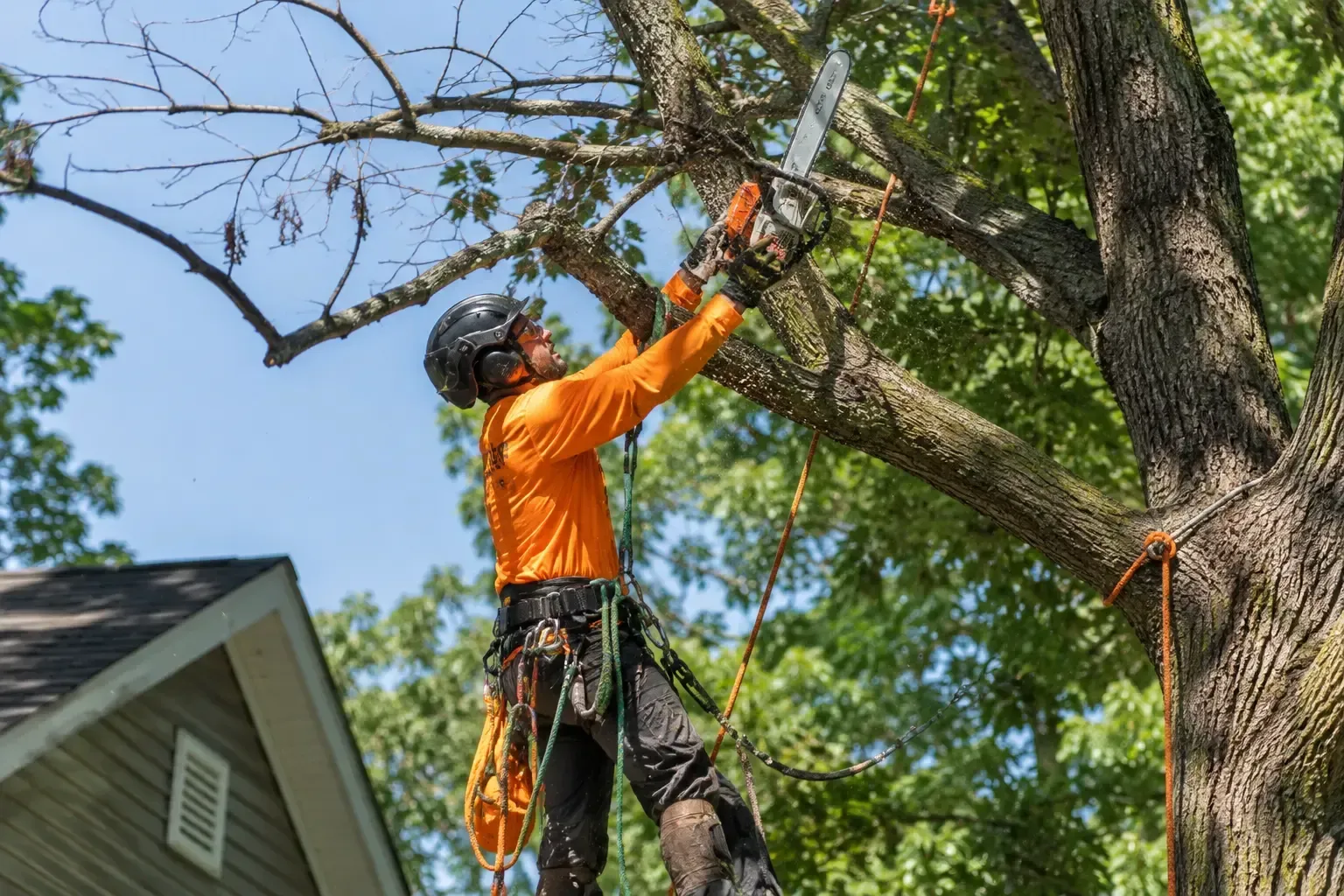
Strategic pruning is one of the most effective ways to help your landscape adapt to the local ecosystem. Removing deadwood and thinning the canopy allows for better air circulation and sunlight penetration. This specific technique reduces the risk of fungal diseases that thrive in shaded, damp pockets of foliage. Scheduling regular tree trimming ensures your canopy is prepared to withstand high winds while promoting optimal structural growth.
Adapting to Water Conservation Mandates
California consistently faces stringent water conservation regulations. West Covina residents must regularly navigate watering restrictions that alter how they maintain their yards. When homeowners abruptly reduce their irrigation schedules to comply with local ordinances, their landscaping frequently suffers immediate environmental shock.
Sudden transitions from frequent shallow watering to strict drought schedules cause significant dieback in the upper canopy. The key to surviving these regulatory shifts lies in training roots to grow deeper into the soil. Utilizing drip irrigation systems that deliver slow, deep watering encourages roots to seek moisture far below the surface. This deep root growth makes the plant inherently more resilient to topsoil drought conditions.
Common Species and Their Environmental Needs
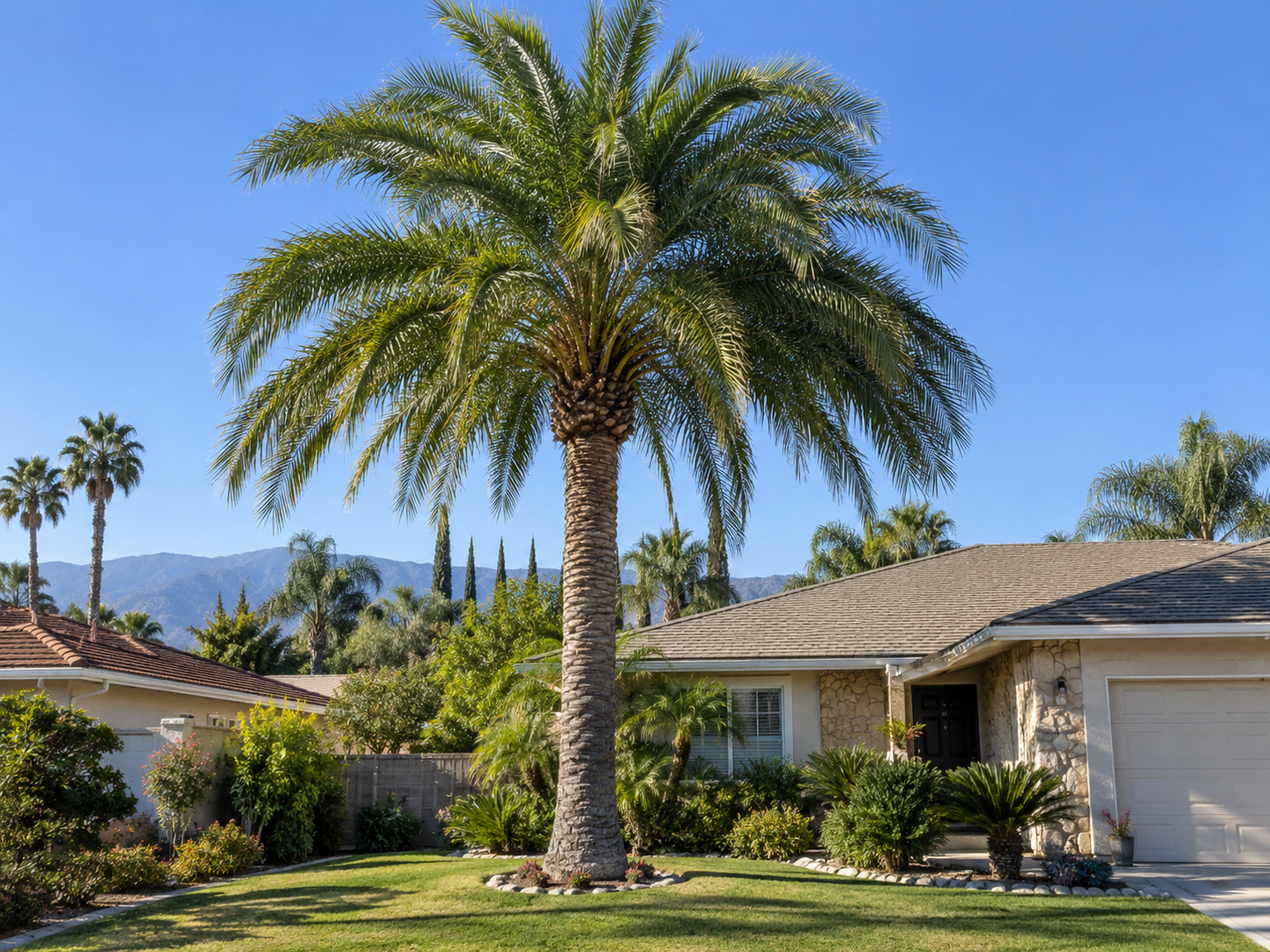
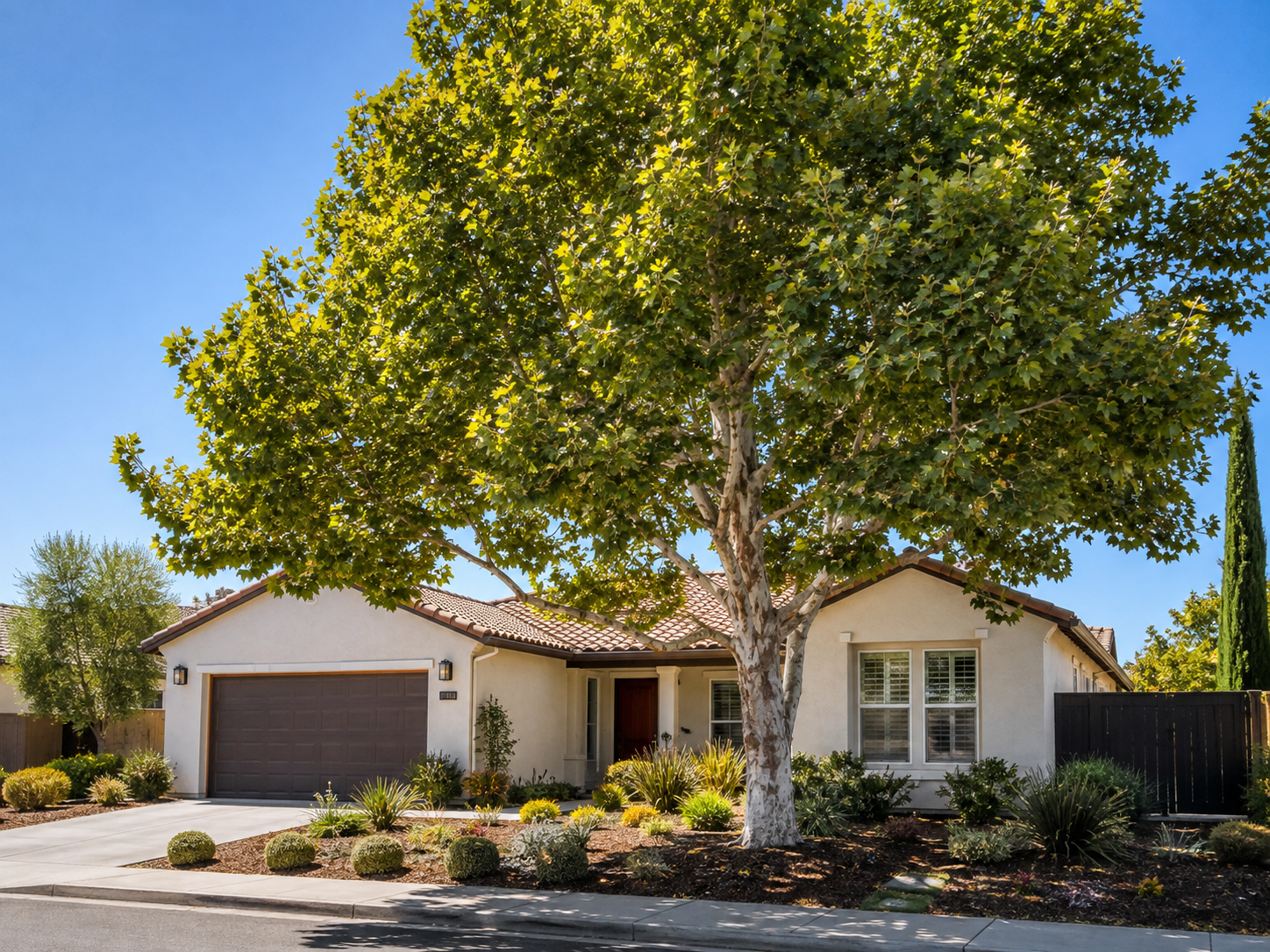
A drive through any West Covina neighborhood reveals a diverse mix of native and introduced species. Southern California favorites like the Coast Live Oak, California Sycamore, and various palm species dominate local properties. Each species interacts with the West Covina ecosystem differently. Oaks possess deep taproots capable of surviving extended droughts, while imported fruit trees demand constant irrigation and soil amendment.
To better understand how different species fare in our regional climate, review the data below detailing common residential trees and their specific ecosystem requirements.
| Tree Species | Soil Preference | Drought Tolerance | Regional Maintenance Focus |
|---|---|---|---|
| Coast Live Oak | Well-draining loam | High | Minimal irrigation, structural pruning |
| Jacaranda | Sandy loam | Moderate | Wind damage prevention, deadwooding |
| Queen Palm | Slightly acidic, moist | Low | Frond removal, soil nutrient boosting |
| California Sycamore | Deep, moist clay or loam | Moderate | Disease monitoring, heavy canopy thinning |
| Citrus Trees | Highly porous sand and loam | Low | Consistent watering schedules, pest control |
Recognizing Symptoms of Environmental Stress
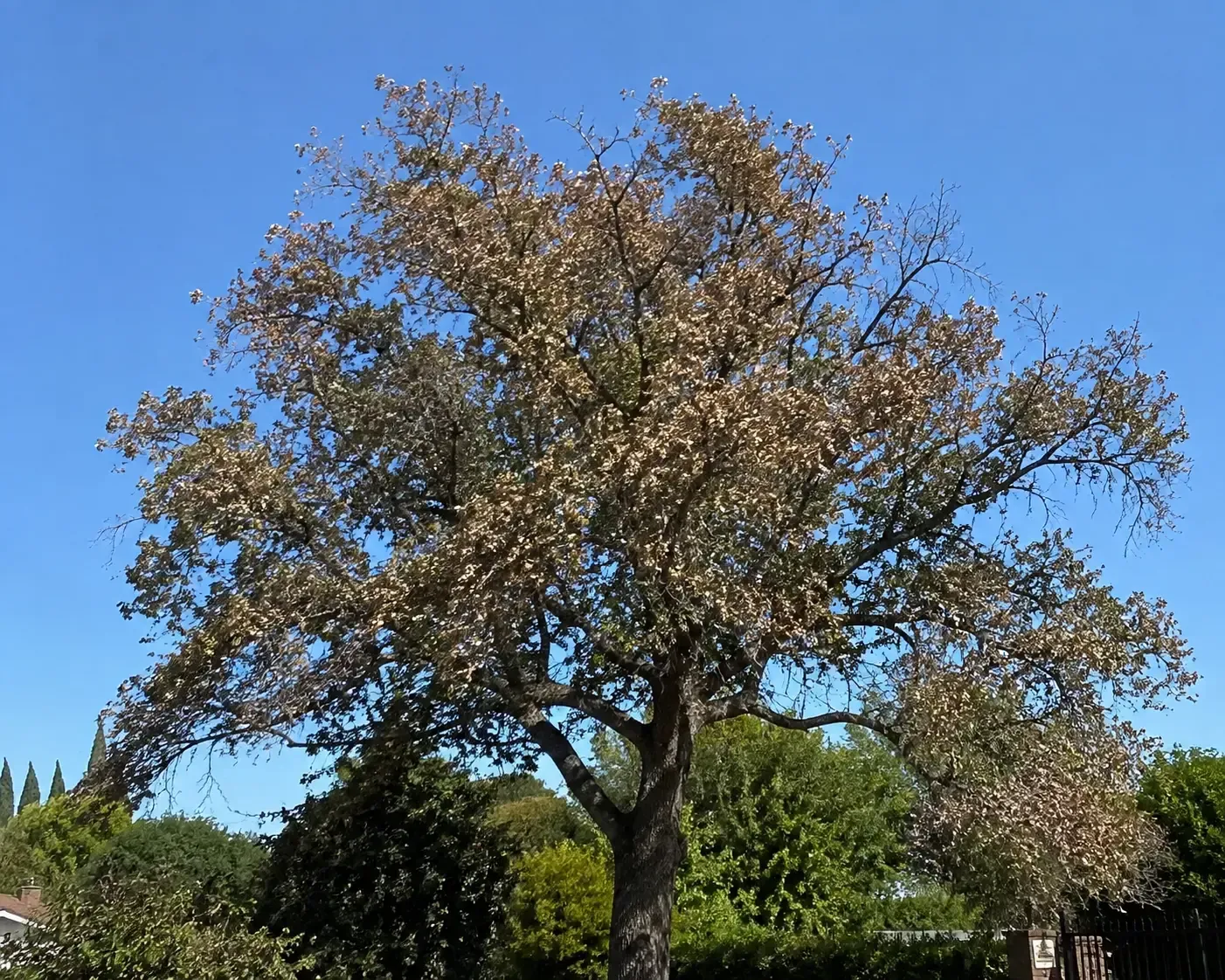
Even the hardiest plants exhibit physical symptoms when the environment turns hostile. Recognizing the early warning signs of ecosystem stress allows homeowners to intervene before a total collapse occurs. Early leaf drop in mid-summer is a primary indicator of distress. If a deciduous tree loses its foliage months ahead of autumn, it is actively trying to conserve water.
Another severe warning sign involves bark abnormalities. Peeling bark, deep fissures, or the presence of fine sawdust at the base indicates borer beetle activity. These opportunistic pests specifically target drought-stressed timber because weakened plants cannot produce enough sap to defend themselves.
When the local ecosystem causes irreversible damage, leaving a dead specimen standing poses a severe threat to your family and property. Decaying wood attracts termites and creates a high-risk fall hazard. Under these circumstances, scheduling a professional tree removal is the safest course of action to protect your home and clear space for vegetation better suited to the local climate.
Managing Mature Trees in Older Neighborhoods
Many homes built between the 1960s and 1980s feature fully mature landscaping. Established homeowners understand the immense value these massive canopies add to neighborhood aesthetics and property values. However, mature timber requires a distinctly different level of attention compared to younger saplings.
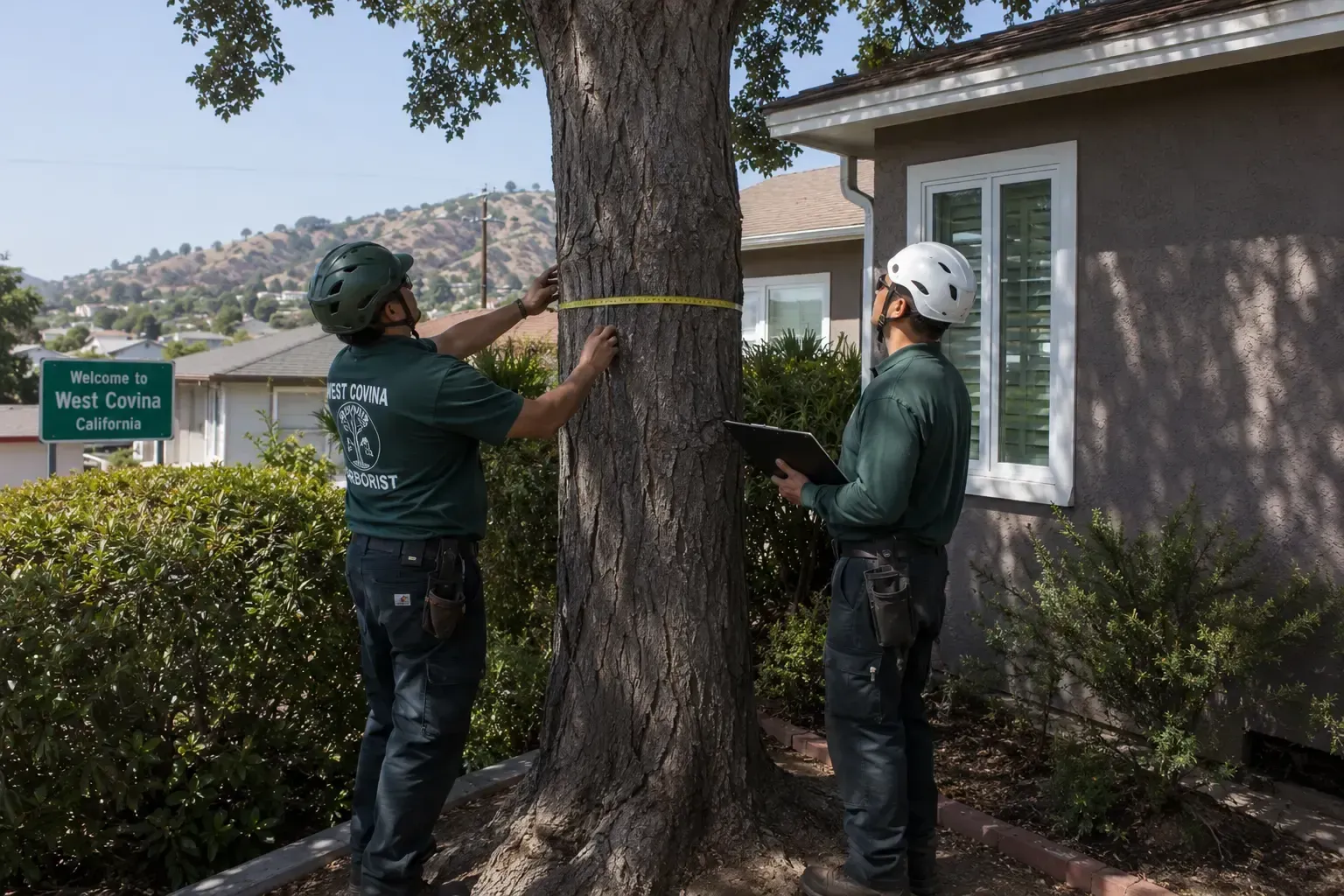
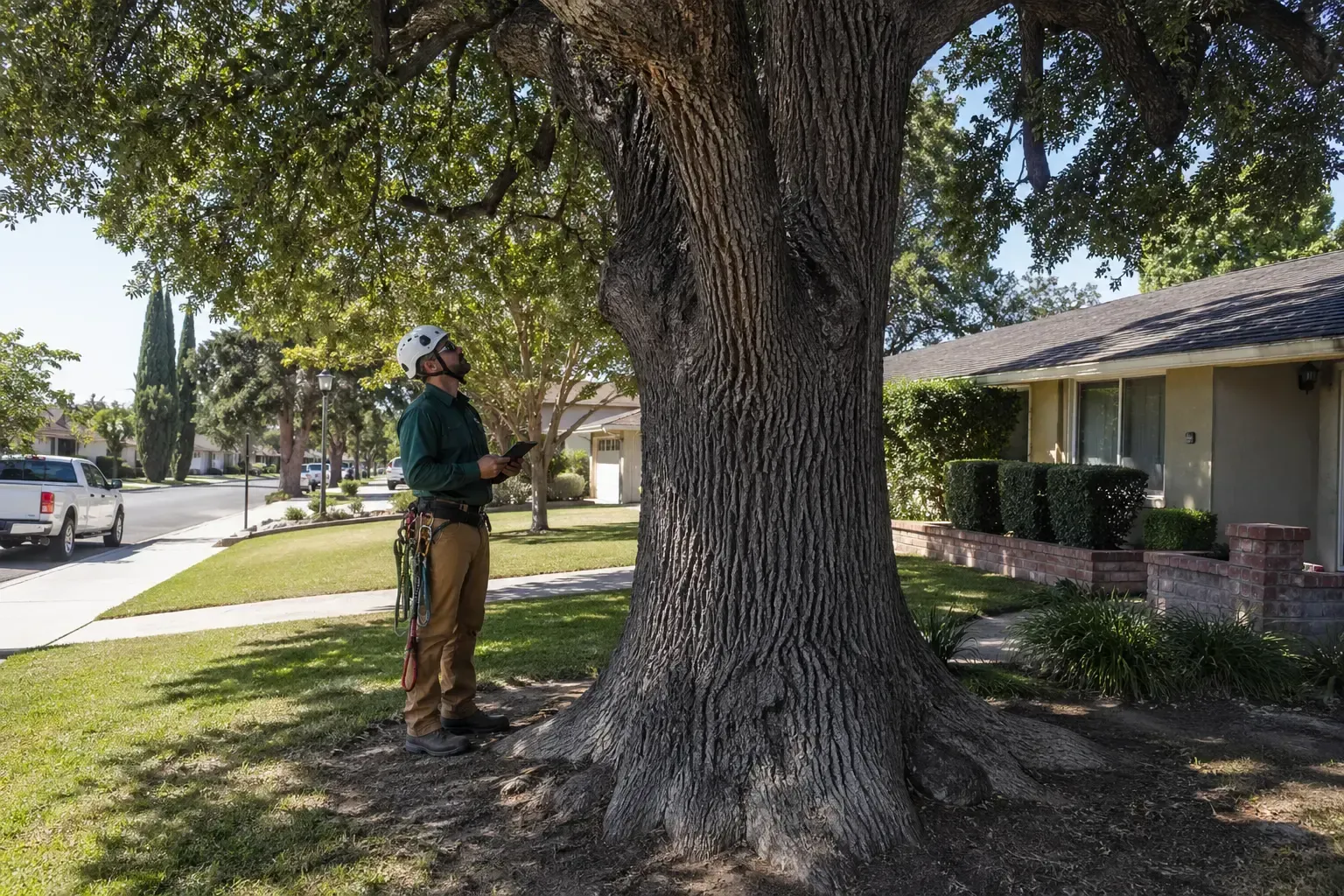
Older root systems are highly sensitive to soil compaction caused by driveway expansions, hardscaping projects, or heavy foot traffic. Furthermore, large, heavy limbs become susceptible to failure under their own weight as they age. Proactive structural assessments and strategic weight reduction help homeowners preserve these legacy plants safely. Investing in regular maintenance ensures these massive canopies remain an asset rather than a growing liability.
Frequently Asked Questions
How does West Covina soil affect tree root growth?
West Covina features a mix of clay and sandy loam soils. Clay soils hold moisture tightly but restrict oxygen, forcing roots to stay close to the surface. Sandy soils drain very quickly, requiring roots to grow deeper to find sustainable moisture during the hot summer months.
What are the best drought-tolerant trees for West Covina properties?
Native species thrive best in the local ecosystem. The Coast Live Oak, California Redbud, and Crape Myrtle are excellent choices. They are naturally adapted to the hot, dry summers and require significantly less water and maintenance than imported tropical species.
How often should I water my trees during a heatwave?
Mature, established species generally need deep watering once or twice a month, even during heatwaves. It is highly recommended to water the soil slowly and deeply at the drip line rather than spraying the trunk. Young or newly planted saplings require watering once or twice a week until their root systems are fully established.
Which trees provide the most shade for hot summers?
Large canopy species like Chinese Elm and Camphor trees are popular for their broad shade coverage.