Seasonal Tree Trimming: The Best Time of Year to Trim Your Trees
Understanding the best time to trim trees is crucial for maintaining their health, beauty, and safety. A well-timed trim can stimulate growth, enhance fruit production, and prevent the spread of disease. However, pruning at the wrong time can stress your trees and make them vulnerable. This guide will walk you through the ideal seasonal tree trimming schedule to ensure your trees thrive year-round. Here at Tree Service Perfection West Covina, we believe that a proactive tree care schedule is the foundation of a stunning landscape.
Winter: The Prime Time for Pruning
Most arborists agree that the best time for significant pruning is during the winter, from late fall after leaves have dropped until early spring before buds begin to swell. This dormant season offers several distinct advantages:
- Better Visibility: Without leaves, the tree's structure is fully visible, allowing for more precise and strategic cuts to shape the tree and remove problematic branches.
- Reduced Stress: Pruning during dormancy is less stressful for the tree, as it's not actively growing. This allows the tree to dedicate its energy to healing the pruning wounds come spring.
- Disease Prevention: The cold temperatures mean that many pests and disease-causing pathogens are inactive. Pruning in winter minimizes the risk of infection through the fresh cuts.
- Vigorous Spring Growth: A winter trim stimulates a burst of new, healthy growth in the spring, as the tree's stored energy is directed to the remaining buds.
Dormant pruning is especially beneficial for most deciduous trees. It's the perfect time for structural pruning on young trees to establish a strong framework for future growth and for maintenance pruning on mature trees.
Spring: A Time for Strategic Trimming
While heavy pruning is best avoided once new growth has started, spring offers a window for specific tree care tasks. Light trimming can be done to address any damage sustained during winter storms.
For many flowering trees and shrubs that bloom in the spring, the rule of thumb is to prune them after they have finished flowering. Pruning them before they bloom would mean cutting off the buds that produce those beautiful spring blossoms. Early spring is also an ideal time to prune many fruit trees to encourage a productive harvest.
Summer: Maintenance and Hazard Removal
Summer is generally not the time for major pruning because trees are in a high-growth phase, and removing too much of the canopy can inhibit their ability to photosynthesize. However, summer is an excellent time for:
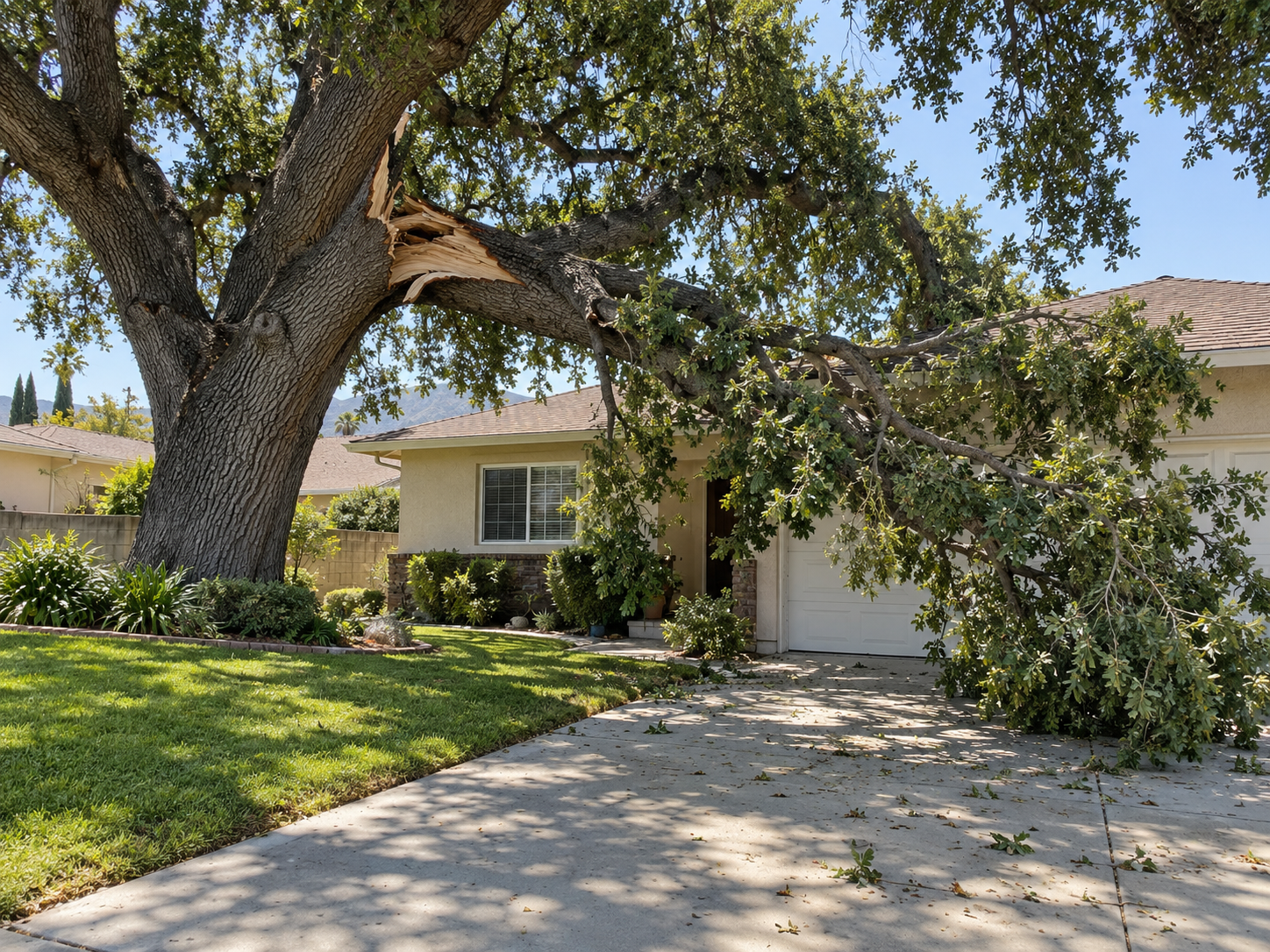
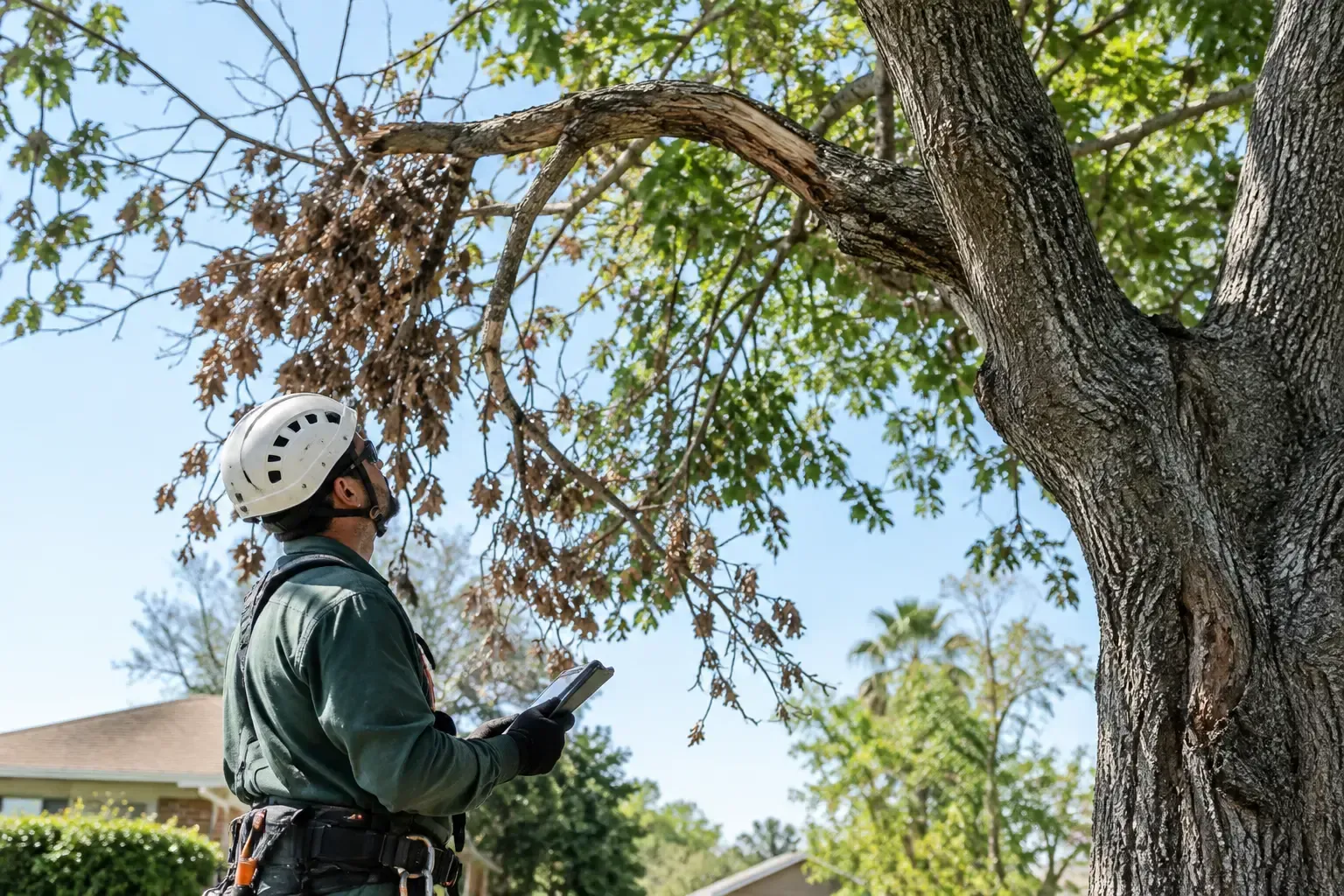
- Removing Dead or Damaged Limbs: Hazardous branches that are dead, diseased, or damaged by storms should be removed as soon as they are noticed, regardless of the season, to ensure safety.
- Directing Growth: You can perform light trimming to shape the tree and direct its growth, for instance, by removing small branches that are growing in the wrong direction.
- Improving Airflow: Thinning the canopy slightly can improve air circulation, which helps to prevent fungal diseases.
Fall: A Season for Caution
Fall is often considered the least ideal time for significant tree trimming. Pruning in early fall can stimulate new growth that won't have time to harden off before winter, making it susceptible to frost damage. Furthermore, decay fungi are highly active in the fall, and pruning wounds can provide an easy entry point. It's best to limit fall tree care to removing dead or broken branches.
A Quick Seasonal Tree Trimming Guide
| Season | Best For | Notes |
|---|---|---|
| Winter (Dormant Season) | Major pruning, structural pruning, deciduous trees. | Best visibility and lowest stress for the tree. |
| Spring | Pruning spring-flowering trees (after blooming), removing winter damage. | Avoid heavy pruning after new growth appears. |
| Summer | Removing dead/hazardous branches, light shaping. | Heavy pruning can stress the tree during its peak growing season. |
| Fall | Only necessary removal of dead or dangerous limbs. | High risk of stimulating weak growth and fungal infection. |
Professional Tree Care for West Covina Residents
While this seasonal tree trimming guide provides a great starting point, every tree is unique. Factors like species, age, and health can all influence the ideal tree care schedule. For residents in and around West Covina, CA, navigating the specific needs of our local trees is key. At Tree Service Perfection West Covina, our certified arborists have the expertise to develop a customized pruning plan for your landscape.
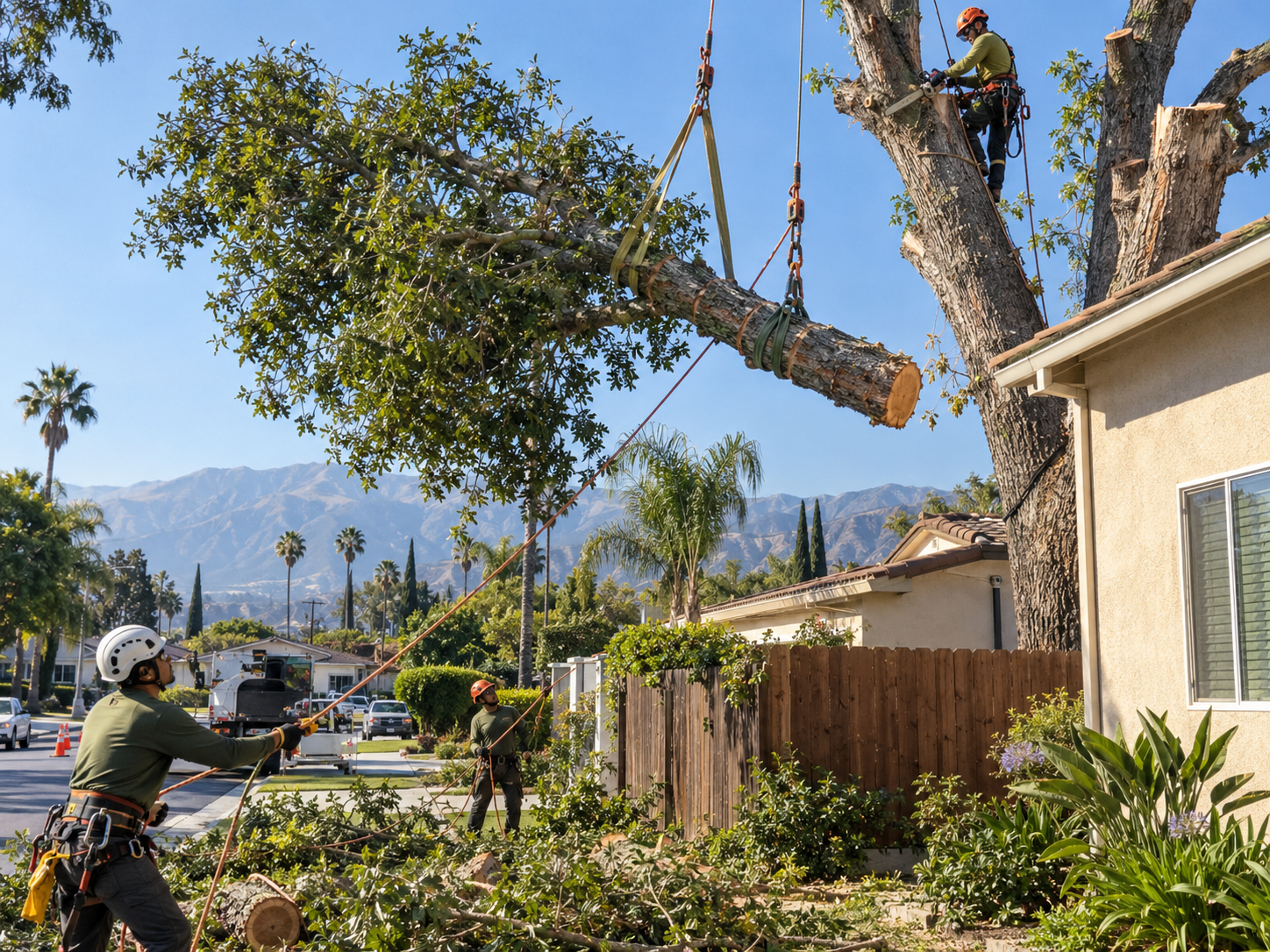
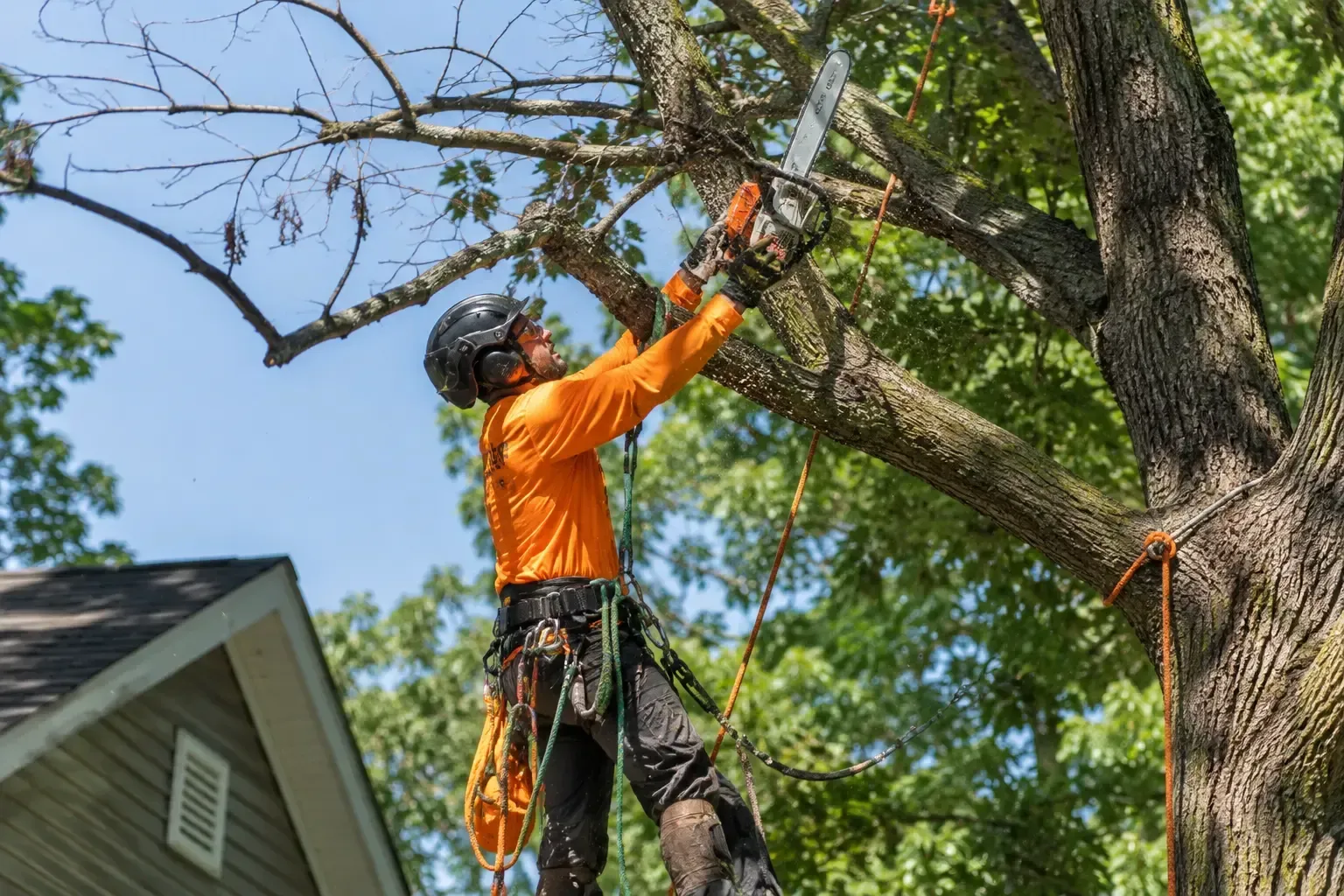
Proper tree trimming, especially on large, mature trees, can be dangerous work. It's always best to rely on experienced professionals with the right equipment and safety protocols.
If you're unsure about the best time to trim your trees or need assistance with your tree care, don't hesitate to reach out. Protect your investment and enhance your property's beauty with expert care.
Ready to schedule your seasonal tree trimming? Contact Tree Service Perfection West Covina today at 909-362-8885 for a free consultation and let our experts keep your trees in perfect shape!
FREQUENTLY ASKED QUESTIONS:
What is dormant pruning and why is it recommended?
Dormant pruning is the trimming of trees during their dormant period, which is typically in the winter when they are not actively growing. It is highly recommended because it minimizes stress on the tree, reduces the risk of disease transmission, and allows for a clear view of the branch structure, leading to more effective pruning.
Can I trim my fruit trees at any time of year?
No, timing is crucial for fruit trees. Pruning most fruit trees in late winter or early spring, before they start to grow, helps to stimulate fruit production and maintain the tree's health. Pruning spring-blooming fruit trees right after they flower is also an option, though it's important to understand the specific needs of your tree variety.
How often should my trees be trimmed?
The frequency of trimming depends on the tree's age, species, and health. As a general guideline, young trees may need structural pruning every year or two to establish a strong form. Mature trees typically need trimming every 3-5 years to maintain their health and structure. However, any dead, diseased, or hazardous branches should be removed immediately.