The Ultimate Guide to Stump Grinding: Revitalize Your West Covina Yard
That stubborn tree stump. It’s more than just an eyesore; it’s a tripping hazard, a haven for pests, and a stubborn obstacle preventing you from achieving the beautiful, functional yard you envision. You’ve considered digging it out, letting it rot, or even trying a questionable chemical solution. But there’s a better, faster, and safer way: professional stump grinding. At Tree Service Perfection West Covina, we specialize in transforming landscapes by efficiently and effectively removing these remnants of trees past.
This comprehensive guide will walk you through everything you need to know about stump grinding. We'll explore what it is, why it's essential, how it compares to other removal methods, and what you can expect when you hire a professional service. Let’s dig in and reclaim your yard!
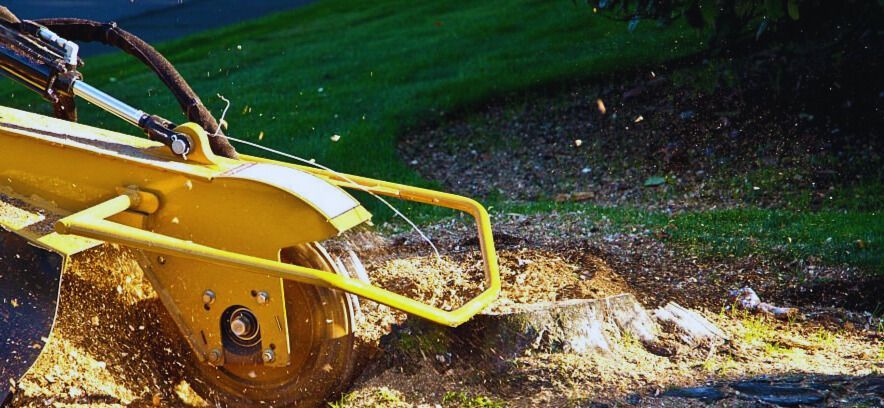
What Exactly is Stump Grinding?
Before we go further, let's clarify the process. Stump grinding is a tree service that utilizes a high-powered machine called a stump grinder to mechanically shred a tree stump into small wood chips. Unlike stump removal, which involves excavating the entire stump and its major root system, grinding focuses on obliterating the stump from several inches below the ground's surface up to its top. The machine's rotating cutting wheel, equipped with sharp carbide teeth, chips away at the wood, turning the solid stump into a pile of mulch-like material. This process is significantly less invasive to your surrounding landscape than full removal.
The Top 4 Reasons to Grind That Stump Away
Leaving a stump in your yard might seem harmless, but it can lead to a host of problems. Here’s why professional stump grinding is a crucial step in proper yard maintenance.
1. Enhancing Safety and Usability
Stumps are notorious tripping hazards, especially for children playing in the yard or during evening hours when visibility is low. They can also damage lawnmowers and other landscaping equipment that might accidentally run over them. Removing the stump eliminates these risks, creating a safer, more usable open space for family activities, gardening, or simply enjoying your lawn.
2. Boosting Curb Appeal and Property Value
An old, decaying stump is an undeniable eyesore. It detracts from the beauty of your lawn, flowers, and overall landscaping design. A clean, level yard is far more aesthetically pleasing. By removing the stump, you instantly improve your home's curb appeal, which can, in turn, increase its market value. It’s a small investment for a significant visual return.
3. Preventing Pest Infestations and Disease
Decaying wood is a magnet for pests. Termites, carpenter ants, beetles, and other wood-boring insects see an old stump as a prime food source and nesting ground. Once established, these pests can easily migrate to healthy trees or even the wooden structures of your home. Stumps can also harbor fungal diseases that can spread to other plants in your garden. Grinding the stump removes this potential breeding ground, protecting your property from infestation and disease.
4. Stopping Unwanted Regrowth
Some tree species are incredibly resilient. If the stump and its root system are left intact, they can begin to sprout new growth. These small shoots, or suckers, are unsightly and will continuously try to grow back into a full-sized tree, stealing nutrients from surrounding plants. Stump grinding effectively destroys the core of the stump, preventing this persistent and annoying regrowth.
Stump Grinding vs. Stump Removal: A Detailed Comparison
Homeowners often use the terms 'stump grinding' and 'stump removal' interchangeably, but they are distinct processes with different outcomes, costs, and impacts on your yard. Understanding the difference is key to choosing the right service for your needs. Here at Tree Service Perfection West Covina, we help our clients make the best choice for their property. Check our main services page for more details on our offerings.
| Feature | Stump Grinding | Stump Removal |
|---|---|---|
| Process | A machine grinds the stump down to below the soil level, leaving the roots to decay naturally underground. | The entire stump ball and major anchor roots are physically dug up and pulled from the ground. |
| Landscape Impact | Minimal disruption. Only the immediate area around the stump is affected. | Highly invasive. Leaves a large hole and can damage surrounding lawns, driveways, and sprinkler systems. |
| Cost | More affordable due to less labor and time involved. | Significantly more expensive because it requires heavy machinery and intensive labor. |
| Byproduct | Creates a pile of wood chips/mulch that can be used in your garden or hauled away. | Results in a large, heavy stump that must be disposed of, often at an additional cost. |
| Best For | Most residential situations where the goal is to level the area for lawn or a small garden. | Construction projects or when a new foundation or deep-rooted tree needs to be placed in the exact same spot. |
The Professional Stump Grinding Process: What to Expect
Hiring a professional team ensures the job is done safely and efficiently. While specifics can vary, here is a general step-by-step overview of what you can expect when you work with a company like ours.
Step 1: Assessment and Preparation
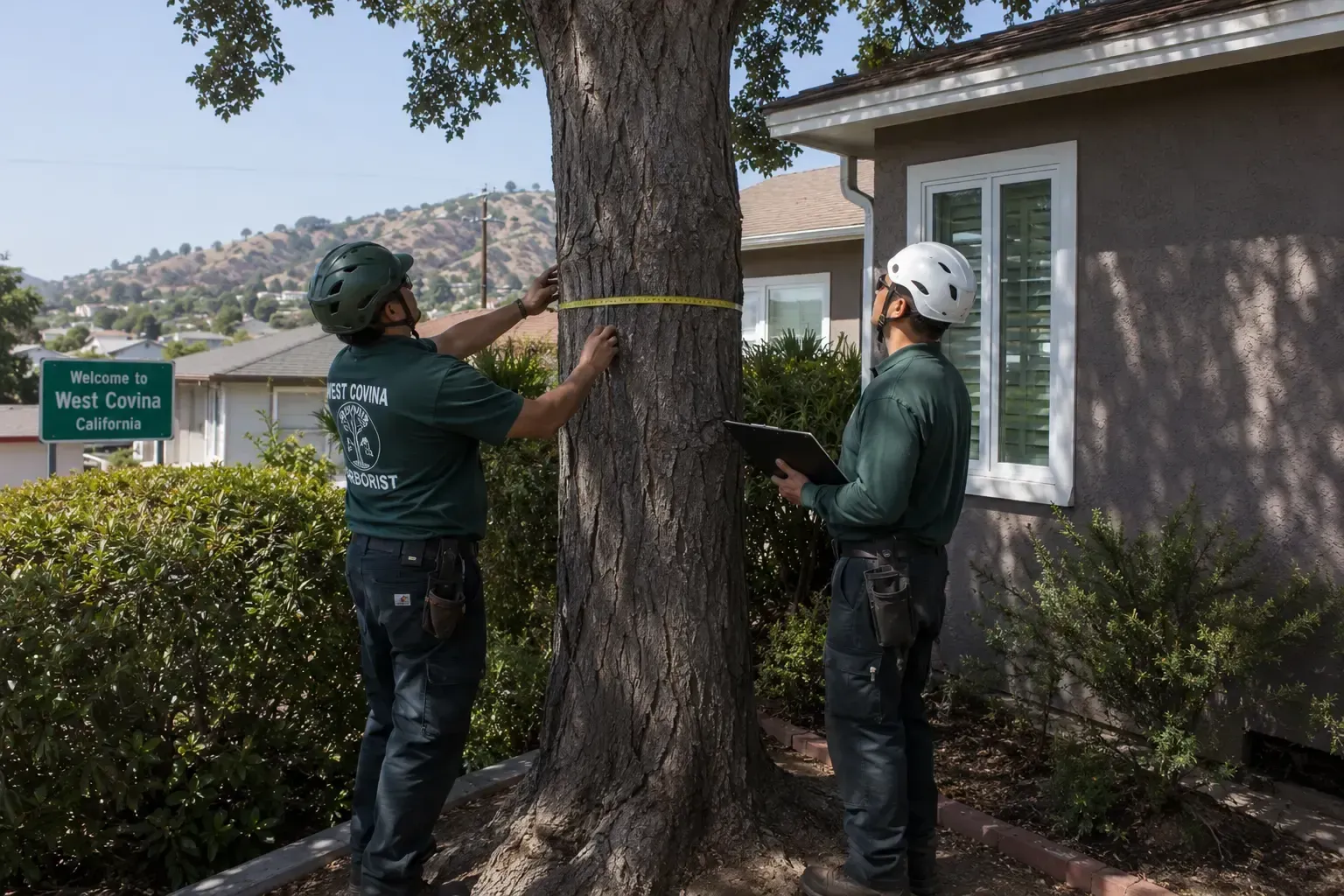
A certified arborist will assess the stump's size, type, location, and accessibility. They will check for nearby utilities, sprinkler heads, or other obstacles. This is also when you'll receive a clear, upfront quote for the service. Before work begins, the immediate area is cleared of rocks, debris, and decorations.
Step 2: The Grinding
The technician will bring in the stump grinder and position it over the stump. Wearing full safety gear, they will lower the cutting wheel and move it back and forth across the stump, systematically grinding it down layer by layer. This continues until the stump is reduced to chips, typically 4-12 inches below the ground level, ensuring it's low enough for topsoil and sod.
Step 3: Cleanup and Wood Chip Management
The process generates a significant amount of wood chips mixed with soil. These chips will fill the hole where the stump used to be. Professional services typically offer a few options: you can keep the wood chips to use as natural mulch in your garden beds, they can be spread out to settle, or the company can haul them away for an additional fee.
DIY vs. Hiring a Professional: A Crucial Decision
Renting a stump grinder from a local hardware store might seem like a cost-effective weekend project, but it often comes with hidden risks and costs. The team at Tree Service Perfection West Covina has seen the aftermath of DIY projects gone wrong, and we strongly advocate for professional service for several key reasons:
- Safety: Stump grinders are powerful and dangerous machines. Without proper training, the risk of serious injury is high. Professionals are trained and insured, protecting you and your property.
- Effectiveness: A professional knows how deep to grind to prevent regrowth and has the right size machine for your specific stump. Rental machines are often smaller and less powerful, leading to incomplete jobs.
- Hidden Costs: Rental fees, fuel, delivery charges, and the value of your time can add up quickly. A professional quote is often more cost-effective in the long run.
- Convenience: A professional team handles everything from assessment to cleanup, saving you a weekend of back-breaking labor.
Conclusion: Reclaim Your Yard with Confidence
That unsightly tree stump doesn't have to be a permanent fixture in your yard. Professional stump grinding is the most efficient, safe, and cost-effective solution to remove these hazards, reclaim your space, and improve the overall health and beauty of your landscape. By grinding the stump below the surface, you eliminate tripping hazards, prevent pest infestations, and create a clean slate for new grass, a garden, or simply an open lawn.
If you're ready to revitalize your yard and get rid of that stubborn stump for good, it's time to call in the experts. Don't let a remnant of the past hold your landscape's future hostage. Contact Tree Service Perfection West Covina today for a free consultation and let us help you create the beautiful, safe, and functional outdoor space you deserve.
Frequently Asked Questions
How long does stump grinding take?
The time required depends on the stump's size, hardness of the wood, and accessibility. A small, easily accessible stump might take less than an hour, while a very large or difficult-to-reach stump could take several hours.
What happens to all the wood chips?
The grinding process creates a mix of wood chips and soil. This material can be used as excellent organic mulch for your garden beds. Alternatively, our team can haul it away for you. We'll discuss your preference during the initial consultation.
Is stump grinding a noisy process?
Yes, stump grinders are powerful machines with engines and cutting wheels, so they do generate a significant amount of noise, similar to a large lawnmower or chainsaw. However, the process is typically completed quickly, minimizing the duration of the noise disruption.
Can I plant a new tree in the exact same spot after grinding?
It's generally not recommended. The old root system will be left to decay underground, and the soil will be full of wood chips, which can affect the new tree's growth. It's best to plant a new tree at least a few feet away from the old stump's location.