Stop Overgrowth Fast: The Ideal Season to Schedule Ivy Removal in West Covina
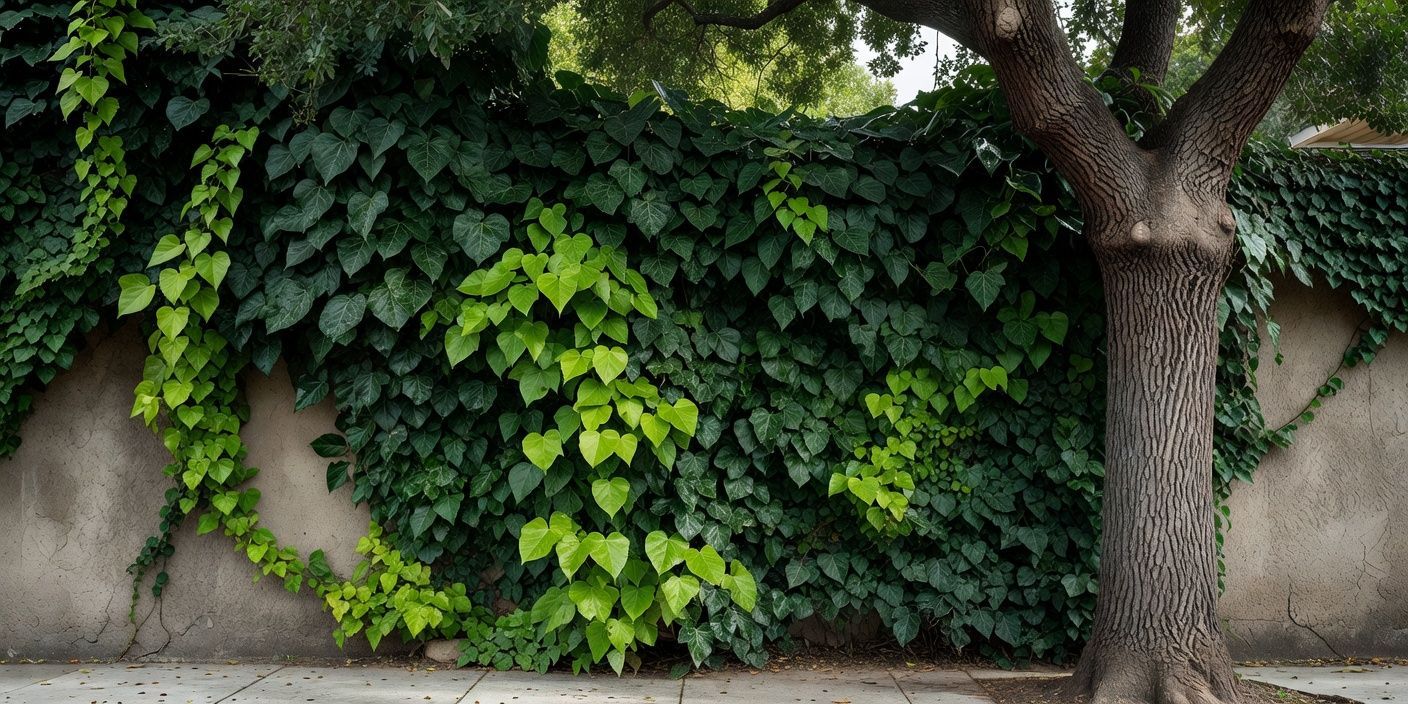
It starts subtly. A charming green vine climbing a garden wall, adding a touch of classic, rustic beauty to your West Covina property. But ivy, particularly aggressive varieties like English Ivy, is deceptively charming. Before you know it, that quaint accent has become a destructive force, gripping your home’s exterior, choking out other plant life, and causing damage that can be costly to repair. The key to effectively reclaiming your property isn't just about how you remove it, but when. Timing is everything.
Many homeowners make the mistake of tackling ivy in the spring, when its vigorous growth is most apparent. This can be a frustrating, and often counterproductive, battle. At Tree Service Perfection West Covina, we've seen firsthand how strategic, seasonal removal provides the best, most lasting results. This comprehensive guide will walk you through why scheduling your ivy removal during a specific time of year is the secret to stopping its overgrowth for good.

Why Ivy is More Than Just a Pretty Facade
Before diving into the 'when,' it's crucial to understand the 'why.' Recognizing the potential harm ivy poses can motivate you to take timely action. While it provides a lush, green covering, its aggressive nature hides several significant threats to your property's integrity and value.
- Structural Damage: Ivy’s tiny rootlets, or 'holdfasts,' are incredibly powerful. They work their way into mortar, stucco, wood siding, and even tiny cracks in brickwork. As the vine grows, these rootlets expand, weakening the structural integrity of your walls, chimneys, and foundations.
- Moisture Trapping: The dense mat of leaves traps moisture against your home's surfaces. This constant dampness is a breeding ground for mold, mildew, and fungus. It can accelerate the decay of wooden structures, cause paint to peel, and lead to rot that compromises your home's exterior.
- Pest Havens: The thick foliage provides an ideal, sheltered home for pests like rodents, spiders, insects, and even snakes. These pests can easily find their way from the ivy into your home through small openings.
- Roof and Gutter Damage: When ivy reaches the roofline, it can lift shingles, damage flashing, and clog gutters. Blocked gutters can lead to water overflow, causing water damage to your roof, fascia, and foundation.
- Suffocating Landscapes: On the ground, ivy acts as an aggressive ground cover, creating a dense monoculture that smothers other plants, shrubs, and even young trees by blocking sunlight and competing for nutrients and water.
The Strategic Advantage: Why Timing is Everything for Ivy Removal
To understand why seasonality matters, you need to think like the plant. Ivy, like most plants, goes through an annual cycle of active growth and dormancy. Your removal strategy should work with this cycle, not against it.
During spring and summer, the plant is in a state of vigorous growth. It's actively sending out new shoots, and its root system is flush with energy, absorbing nutrients and water to fuel this expansion. If you cut it back during this period, the plant's survival instinct kicks in, and it will often respond by growing back even more aggressively. It's like fighting a hydra; cut one head, and two more grow in its place.
Conversely, in the late fall and winter, the plant enters a dormant state. Growth slows to a near standstill as the ivy conserves energy in its root system to survive the cooler months. This is its most vulnerable period, and it presents a golden opportunity for effective eradication.
The Golden Window: Scheduling Your West Covina Ivy Removal
For residents in West Covina and the surrounding Southern California area, our mild climate provides an extended and ideal window for tackling ivy overgrowth. The prime time is from late fall through winter.
Late Fall (October - November)
As the weather cools, ivy begins to prepare for dormancy. The leaves may start to change color or thin out, making it easier to see the underlying network of vines and how they are attached to surfaces. The plant is no longer in a rapid growth phase, so removal efforts are less likely to trigger an aggressive regrowth response. The ground is also typically still workable, making it easier to address the crucial root system.
Winter (December - February)
This is, without a doubt, the absolute best time for ivy removal. Here’s why:
- Full Dormancy: The plant is asleep. Its energy reserves, stored in the roots, are at their lowest point. Removing the plant now severely cripples its ability to rebound in the spring.
- Reduced Foliage: Many ivy varieties lose some of their leaves in winter, providing a clearer view of the vine structure and attachment points. This allows for a more precise and less damaging removal process.
- Less Landscape Damage: Surrounding plants and lawns are also dormant, meaning there's less risk of collateral damage to your landscape during the removal process.
- Ideal Working Conditions: West Covina's mild winters mean that professionals can work effectively without the extreme heat of summer, allowing them to be more thorough and meticulous.
Seasonal Comparison for Ivy Removal
| Season | Ivy State | Pros of Removal | Cons of Removal |
|---|---|---|---|
| Spring | Peak Growth | None for permanent removal. | Triggers rapid, aggressive regrowth; spreads seeds; high energy reserves in roots. |
| Summer | Active Growth | None for permanent removal. | Stressful on surrounding plants; difficult working conditions in heat; strong regrowth potential. |
| Late Fall | Entering Dormancy | Slowing growth; easier to see vine structure; plant is weakening. | Still has some energy reserves. |
| Winter | Fully Dormant | IDEAL. Lowest energy reserves; minimal regrowth chance; clear visibility; less damage to landscape. | None. This is the optimal time. |
A Step-by-Step Guide to Professional Ivy Eradication
Understanding the 'when' is half the battle. The 'how' is just as critical. A haphazard approach can damage your property and guarantee the ivy's return. At Tree Service Perfection West Covina, our process is methodical and designed for complete eradication. Our comprehensive ivy removal services follow a proven strategy.
- Initial Assessment: Our experts first evaluate the extent of the growth, the type of ivy, and the surfaces it’s attached to. This allows us to create a tailored removal plan that protects your property.
- Severing the Source: The first physical step is to cut all ivy vines at the base, about 3-5 feet from the ground. This severs the connection to the root system, cutting off the plant's supply of water and nutrients.
- The Waiting Game: We then allow the upper portions of the ivy clinging to your walls to wither and die. This can take several weeks. Attempting to pull green, living ivy off a surface can pull off chunks of stucco, mortar, and paint. Dead vines release their grip, making for a much safer removal.
- Careful Vine Removal: Once the vines are brown and brittle, our team carefully pries and removes them from your walls, taking great care not to damage the underlying surface.
- Root System Eradication: This is the most crucial step. We meticulously dig out the main root ball and as much of the subterranean root system as possible. For stubborn and widespread infestations, a targeted, professional-grade herbicide application may be recommended to ensure no regrowth occurs.
DIY vs. Professional Service: Weighing the Risks
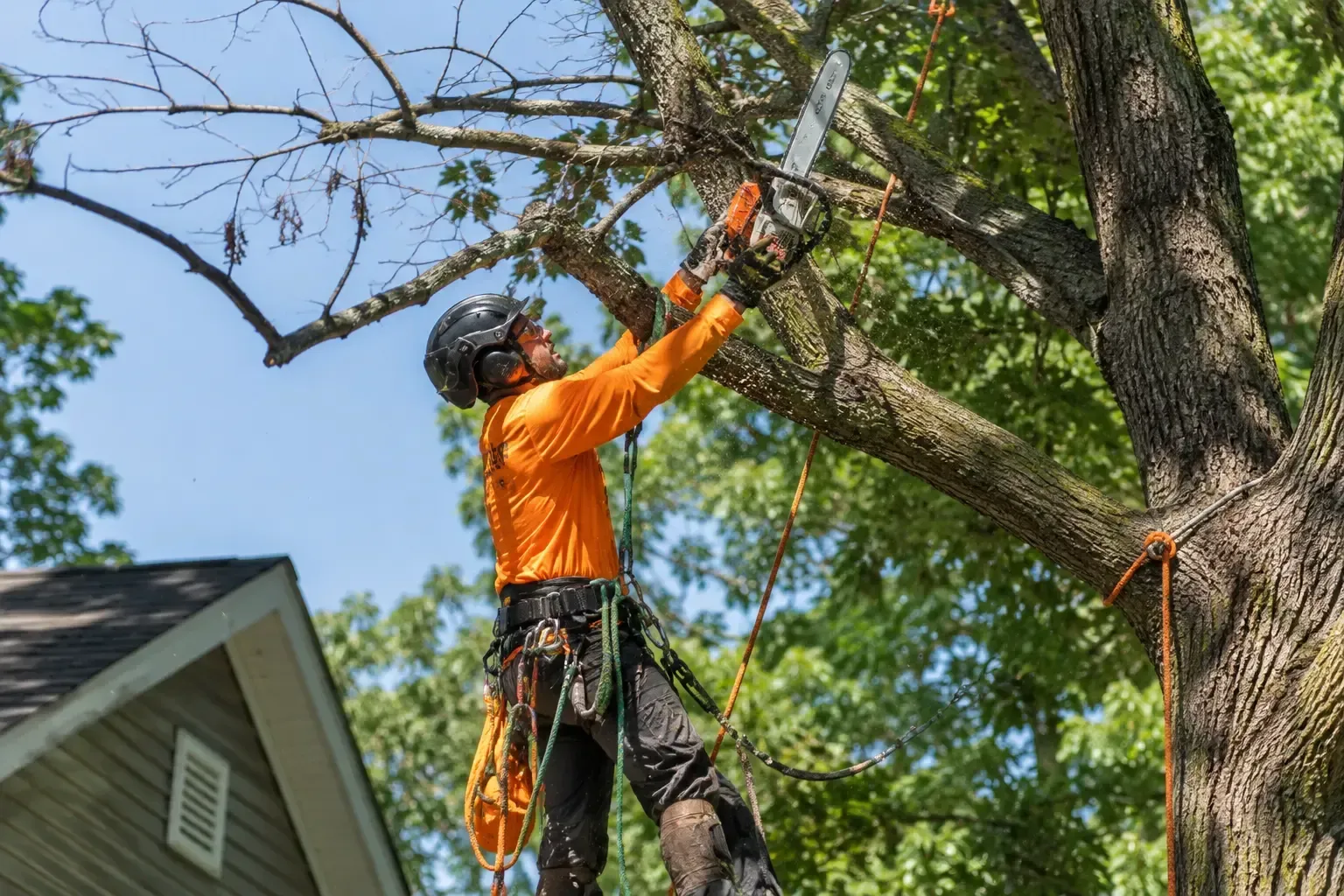
It can be tempting to try and tackle an ivy problem yourself. However, what seems like a simple weekend project can quickly become dangerous and damaging. The risks include falls from ladders, significant property damage from improper pulling techniques, and incomplete removal that leads to the problem returning with a vengeance. The team at Tree Service Perfection West Covina has the right equipment, safety training, and expertise to do the job right the first time. Our company's philosophy is built on safe, effective, and property-enhancing tree and plant care.
Reclaim Your Property from Creeping Ivy
Ivy overgrowth is a serious issue that detracts from your home's beauty, safety, and value. By understanding the plant's life cycle and scheduling its removal during the dormant winter season, you set yourself up for success. Don't let another spring growth season allow ivy to strengthen its hold on your property. Take strategic action now.
If you're facing an ivy invasion in West Covina, the time to plan is now. Let the experts at Tree Service Perfection West Covina provide a permanent solution. Contact us today for a professional consultation and a free estimate to restore your home's exterior and peace of mind.
Frequently Asked Questions
Can ivy permanently damage my house?
Yes, absolutely. Ivy's rootlets can penetrate mortar, wood, and stucco, weakening walls over time. It also traps moisture, leading to rot, mold, and pest infestations. If left unchecked, the damage can be extensive and require costly structural repairs.
How long does professional ivy removal take?
The timeline varies depending on the size of the infestation. The process involves cutting the vines, waiting a few weeks for them to die and detach, and then returning for final removal and root eradication. A typical residential project can be completed over a period of 2-4 weeks, though the actual on-site work time is much less.
Will the ivy grow back after it's removed?
If the root system is not completely eradicated, ivy will almost certainly grow back. This is why professional removal is so critical. Experts focus on removing the entire root network and may use targeted treatments to prevent any new shoots from appearing, offering a much more permanent solution than a DIY approach.
Is the cost of professional ivy removal worth it?
Considering the potential cost of repairing structural damage, wood rot, or pest-related issues caused by ivy, professional removal is a wise investment. It not only restores your home's curb appeal but also prevents far more expensive problems down the road, protecting your property value.