Understanding Tree Removal: Safety, Health, and Property Protection in West Covina
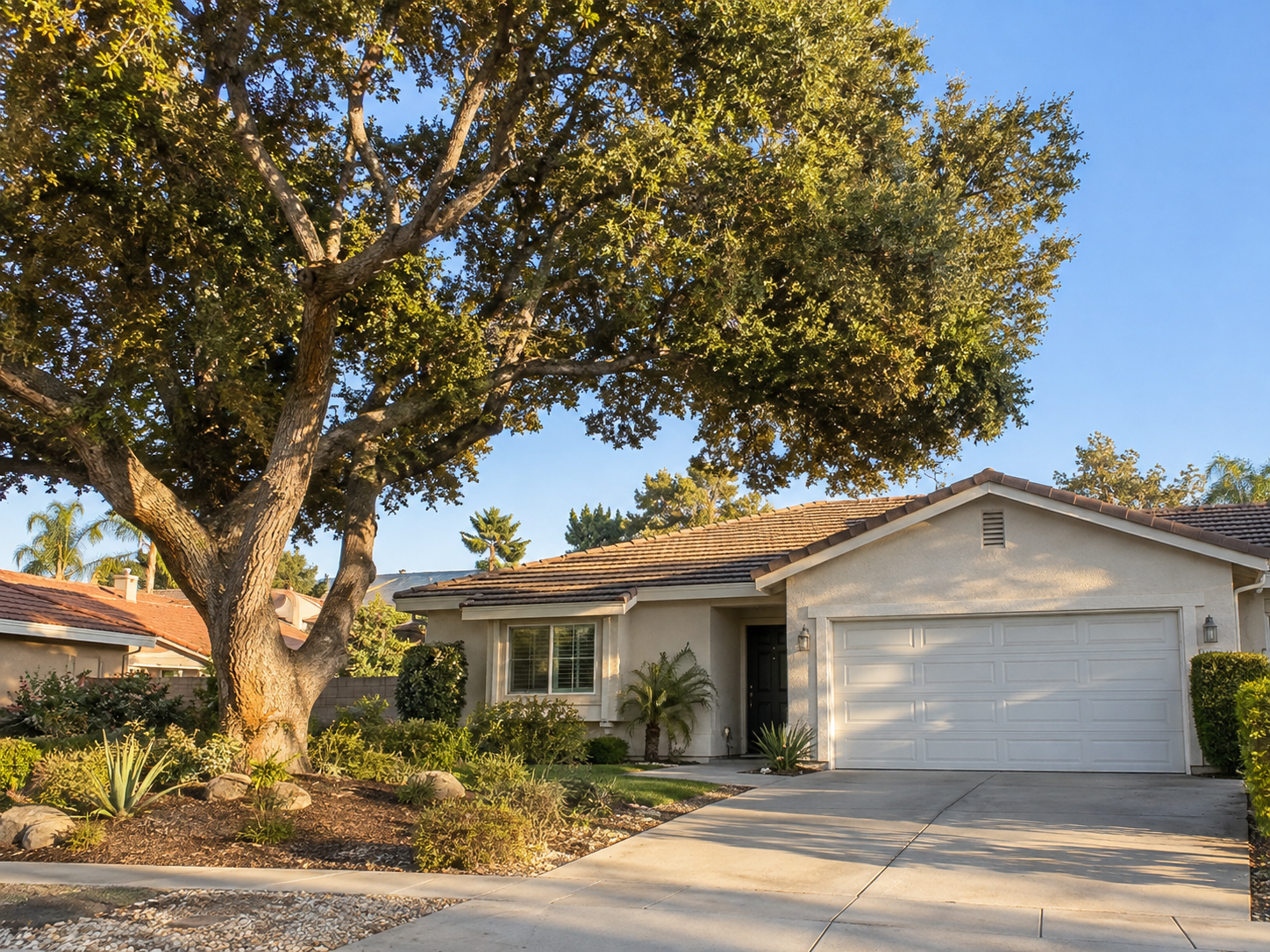
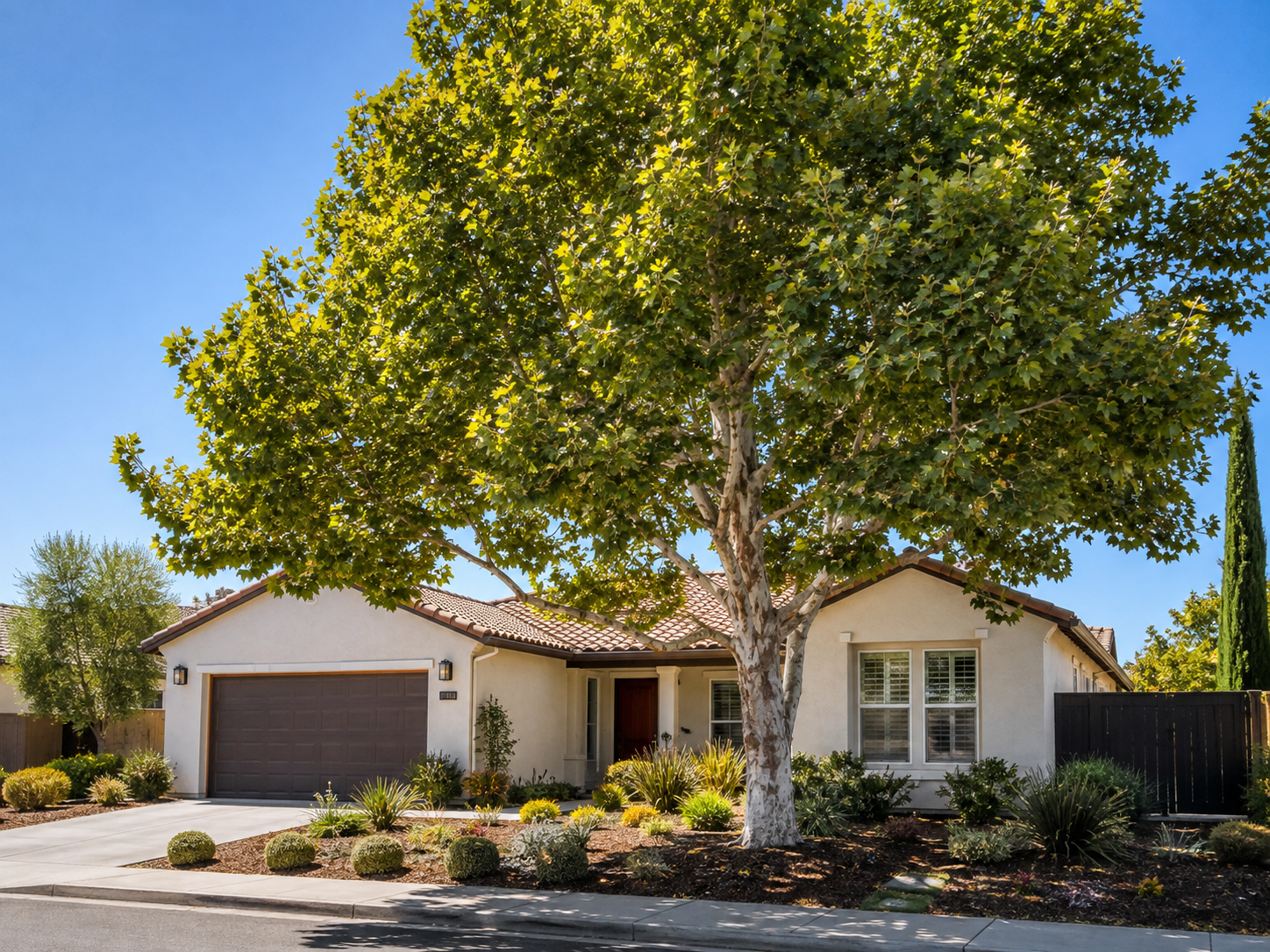
rees add immense value to properties across the San Gabriel Valley. They provide essential shade during hot California summers, improve local air quality, and enhance the aesthetic appeal of our neighborhoods. However, there are times when a majestic oak or towering eucalyptus becomes a liability rather than an asset. Whether due to invasive disease, severe storm damage, or unseen structural failure, removing a compromised tree is a critical step in protecting your home and family.
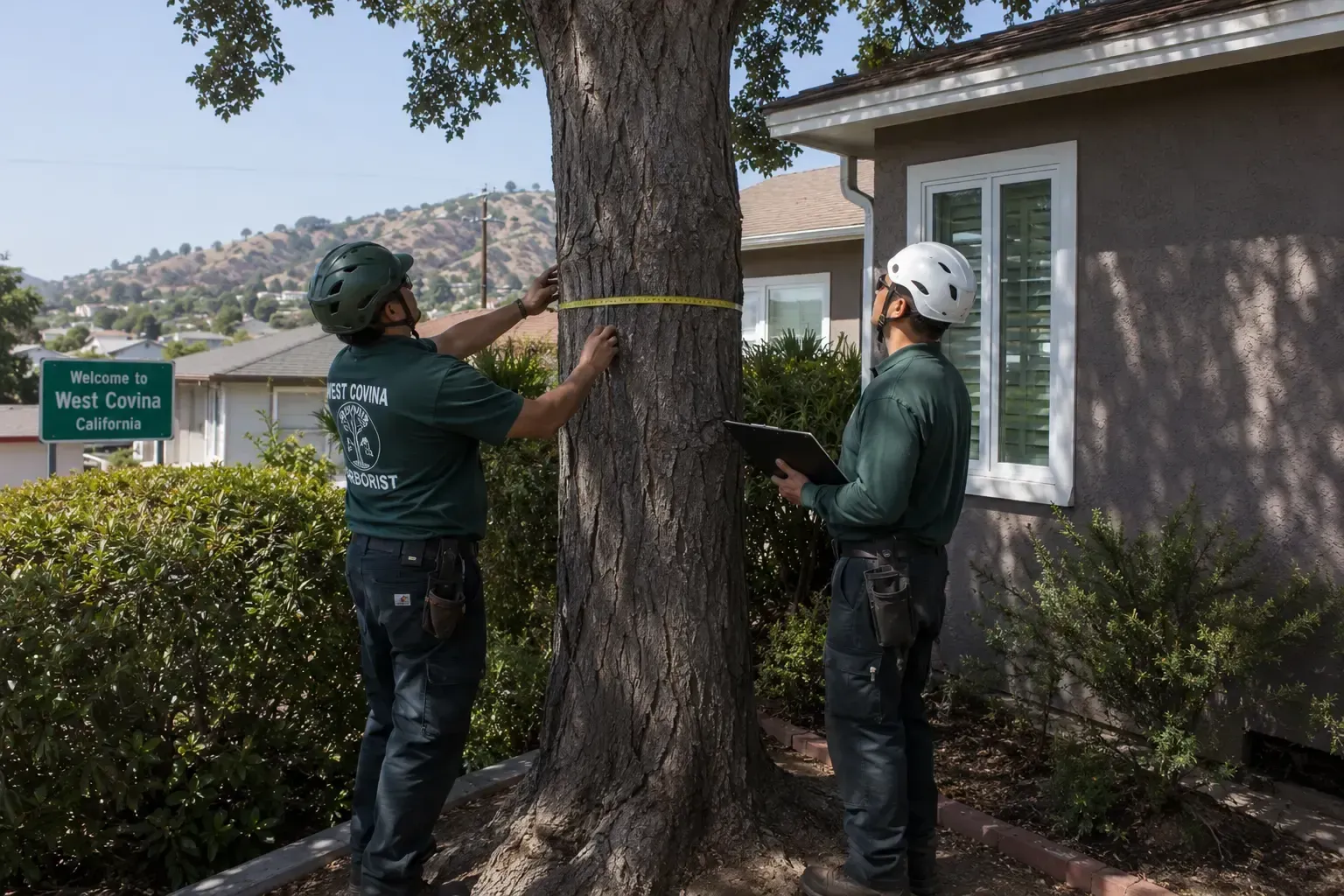
The professionals at West Covina Tree understand the delicate balance between preserving local greenery and ensuring residential safety. Managing a property requires vigilance, and knowing when a tree has reached the end of its safe lifespan is a vital responsibility for every homeowner.
Recognizing When a Tree Needs to Come Down
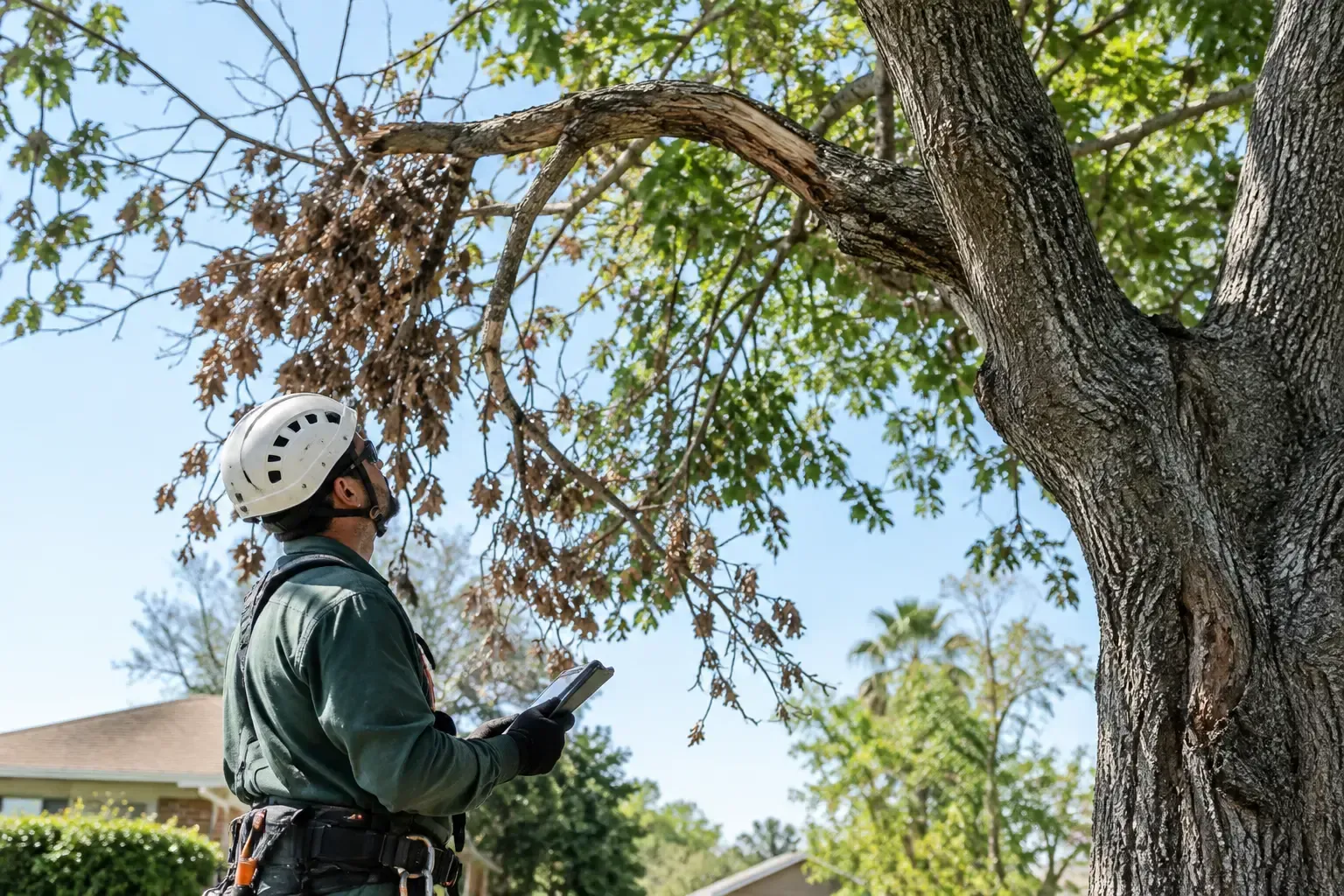
Identifying a failing tree early can save you from catastrophic property damage and significant financial liability. Trees rarely fail without warning. They typically display visual indicators that their structural integrity is compromised.
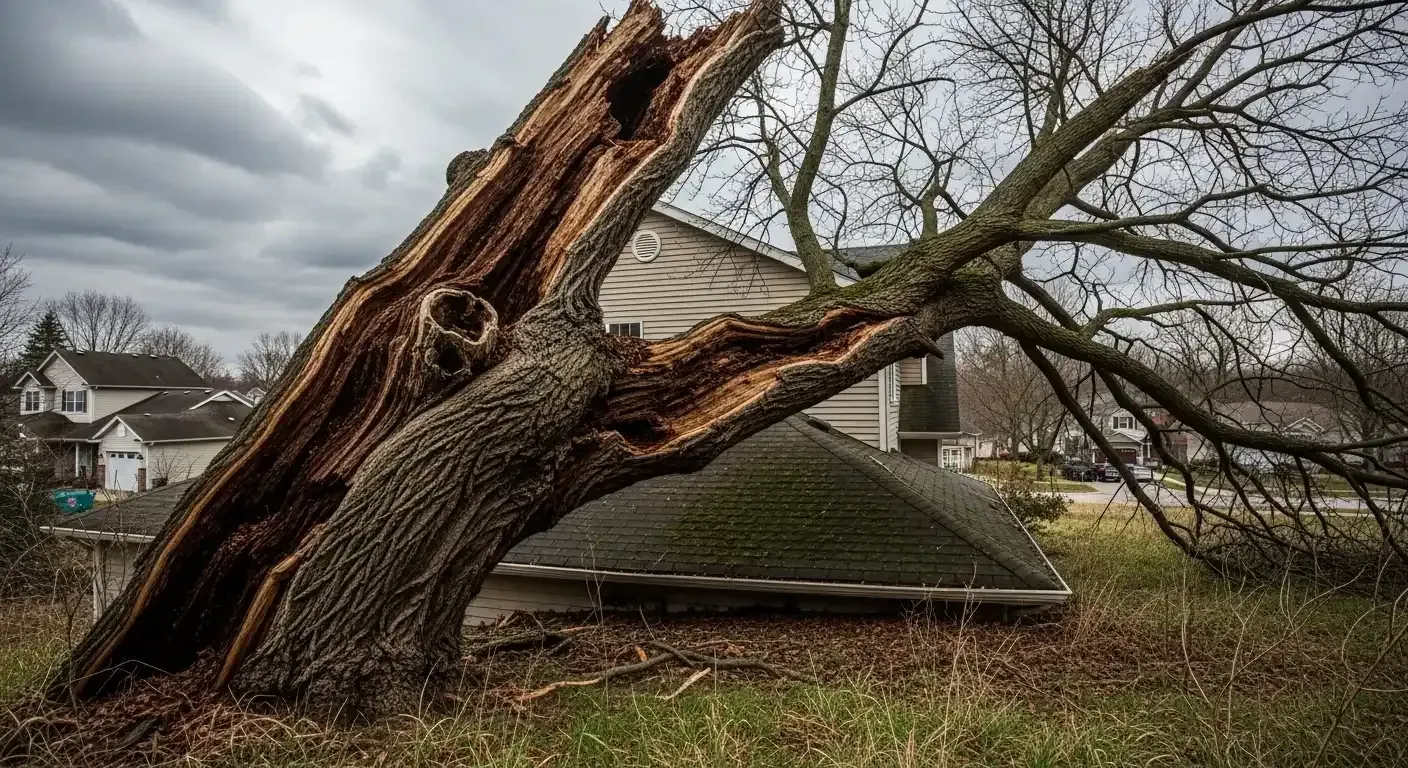
Look for primary signs of decay such as large dead branches in the upper canopy, deep vertical cracks running down the main trunk, or sudden fungal growth near the base of the roots. Root rot is particularly insidious in Southern California because it occurs underground, often exacerbated by poor drainage or overwatering. By the time a tree visibly leans or the soil around its base begins to heave, the root system has already failed.
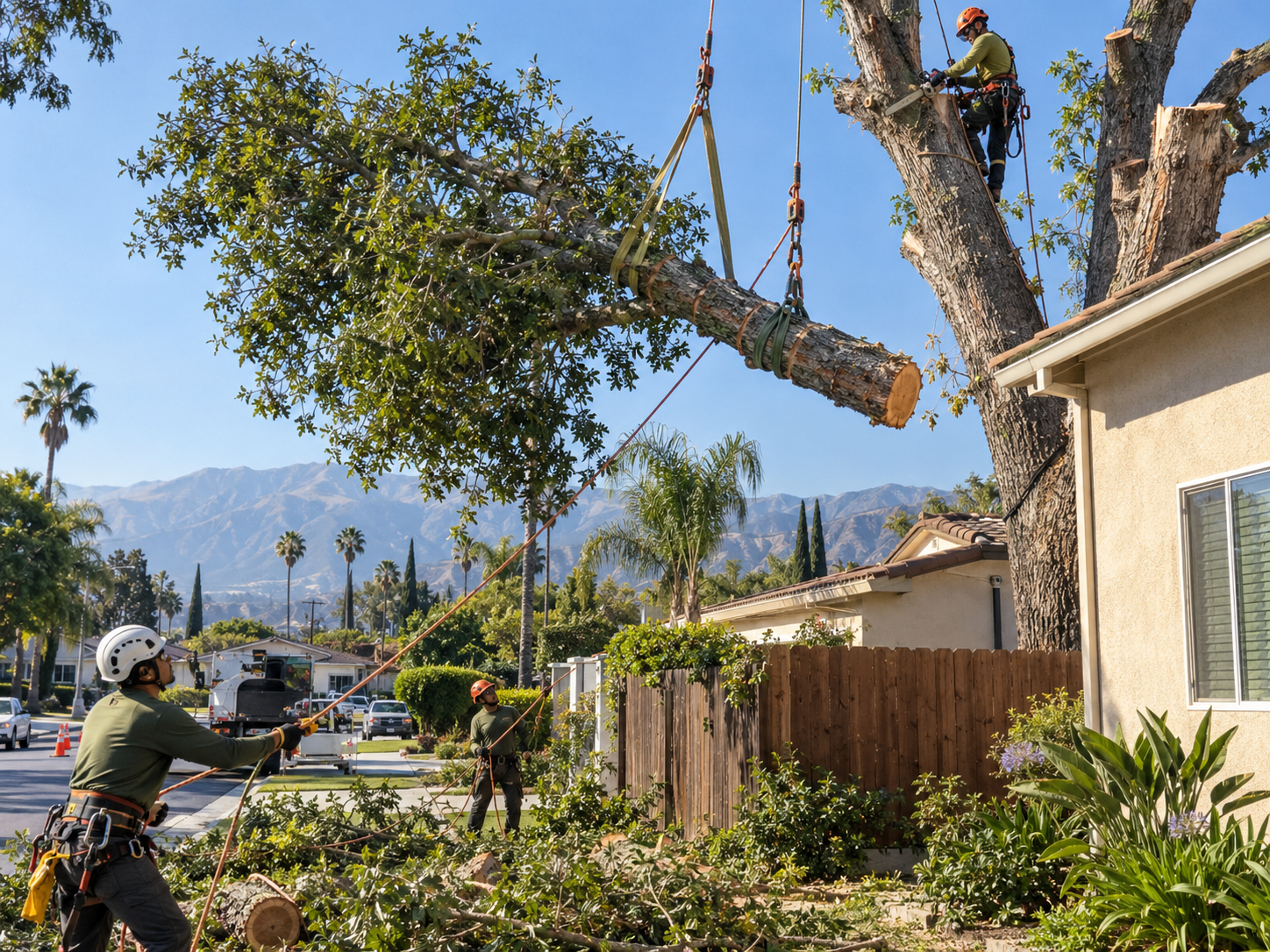
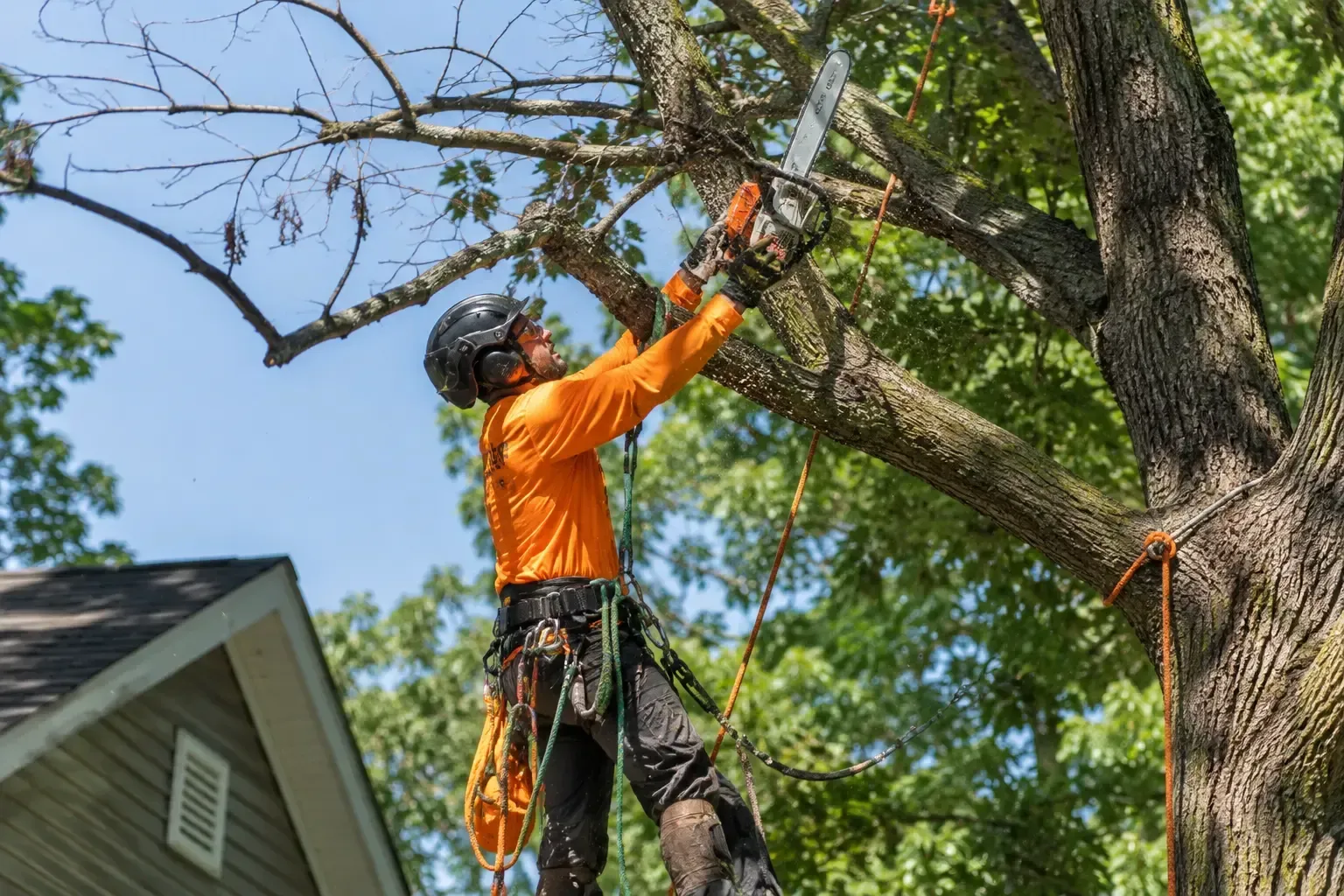
Furthermore, trees planted too closely to structures pose a separate set of risks. Expanding root systems can crack foundations, destroy underground plumbing, and lift concrete driveways. When these signs appear, professional assessment is absolutely necessary. Attempting to manage a dying, heavy tree on your own poses severe physical risks. Utilizing a professional tree removal process ensures the job is handled methodically, protecting both the operator and the surrounding structures.
Comprehensive Tree Services for West Covina Properties
Proper property management extends far beyond simply cutting down dead timber. It requires a holistic approach to arboriculture. Engaging in professional tree services encompasses a wide spectrum of care, from targeted maintenance to complex, high-risk extractions.
Often, a tree that appears unruly or excessively large does not actually need to be removed. It might simply need professional pruning. Routine tree trimming promotes healthy growth patterns, allows vital sunlight to reach your lawn, and mitigates the risk of heavy limbs snapping over walkways or power lines. A skilled arborist can thin the canopy to reduce wind resistance, allowing the tree to flex safely during turbulent weather.
Knowing who is working on your property matters. Heavy machinery, chainsaws, and massive pieces of timber require strict adherence to safety protocols. Learning about our team reveals a deep commitment to rigorous safety standards, ongoing training, and a thorough understanding of the local environmental regulations specific to West Covina and the surrounding areas.
The Risks of Delaying Action: Dealing with Unpredictable Weather
Residents of West Covina are highly familiar with the fierce Santa Ana winds that sweep through the region annually. These intense, dry gusts put immense mechanical stress on local flora. A compromised tree left untreated is highly vulnerable during these events.
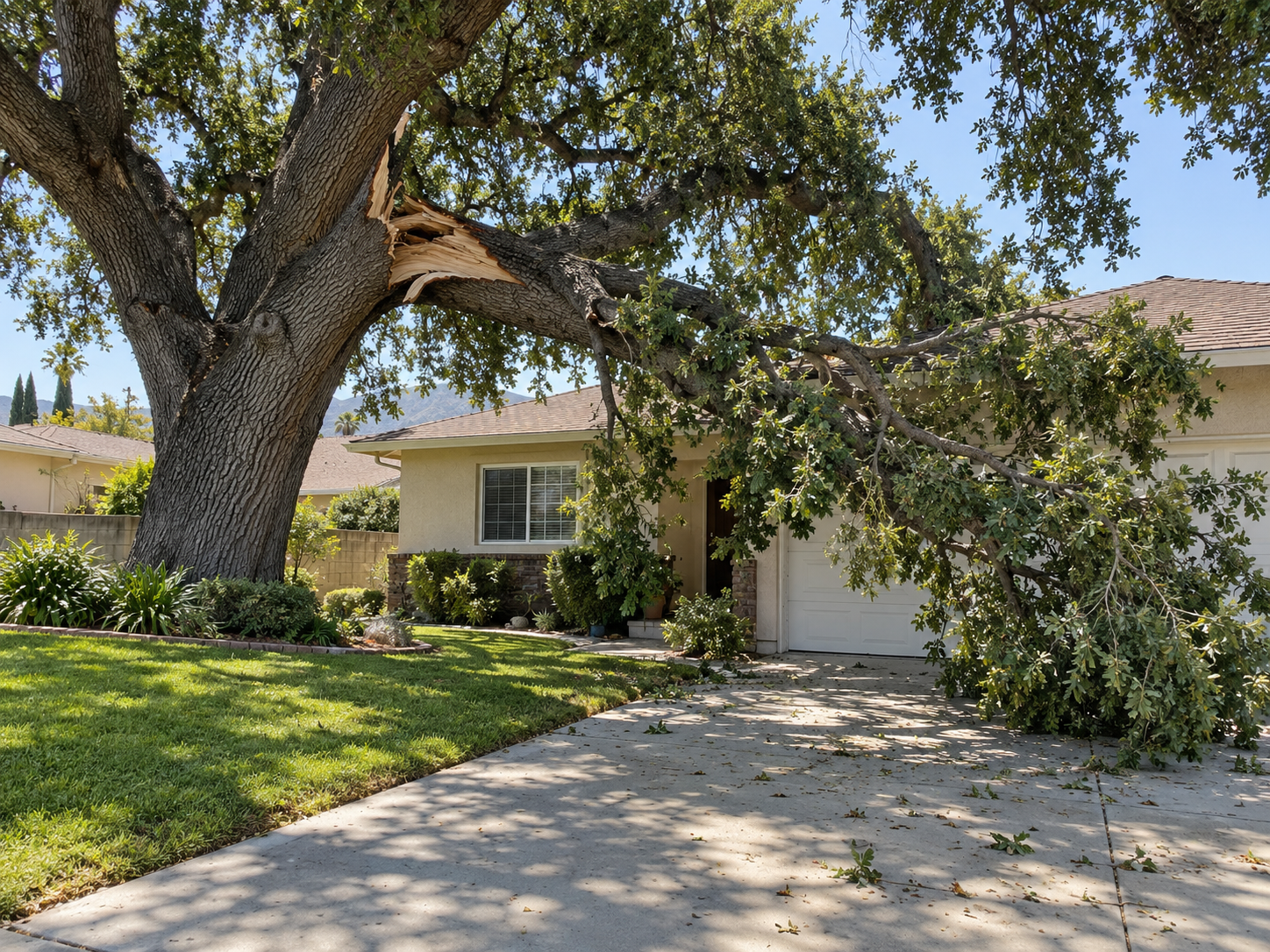
If a diseased or structurally weak tree falls unexpectedly, the resulting damage to roofs, vehicles, or neighboring properties can be devastating. Beyond the physical damage, homeowners may face complex insurance claims and legal liability if a known hazard was ignored and subsequently caused harm to a neighbor.
Immediate intervention is required in these high-stakes scenarios. When a severe storm snaps a main trunk or uproots a large pine, we mobilize rapidly for emergency tree removal. Securing the area swiftly prevents further destruction and restores safety to your property.
Comparing Tree Management Options: Pruning versus Extraction
Deciding between aggressive maintenance and complete extraction is a common dilemma for property owners. You must weigh multiple factors, including the biological health of the specimen, its location relative to your home, and the long-term financial costs of ongoing care.
Before making a final decision, it is helpful to understand how these different arboricultural approaches differ in execution and outcome. The following table breaks down the core differences between standard tree management services.
| Service Type | Primary Purpose | Cost Implication | Long-Term Impact |
|---|---|---|---|
| Routine Pruning | Structural correction and health improvement | Low to Moderate | Extends the life of the tree and improves aesthetics |
| Crown Reduction | Decreasing the overall height or spread | Moderate | Reduces wind resistance and mechanical stress |
| Complete Removal | Eliminating dead, diseased, or dangerous trees | High | Permanently removes hazards and frees up landscape space |
| Stump Grinding | Removing the remaining base after extraction | Low | Prevents pest infestations and trip hazards |
After any major arboricultural work, managing the resulting debris is essential for maintaining a clean and safe environment. Leaving branches and organic waste on your lawn invites pests and creates severe trip hazards. Maintaining a clear exterior space ties directly into the core principles discussed in our recent resource on why yard cleanup matters in West Covina.
Securing Your Property with Expert Arboricultural Care
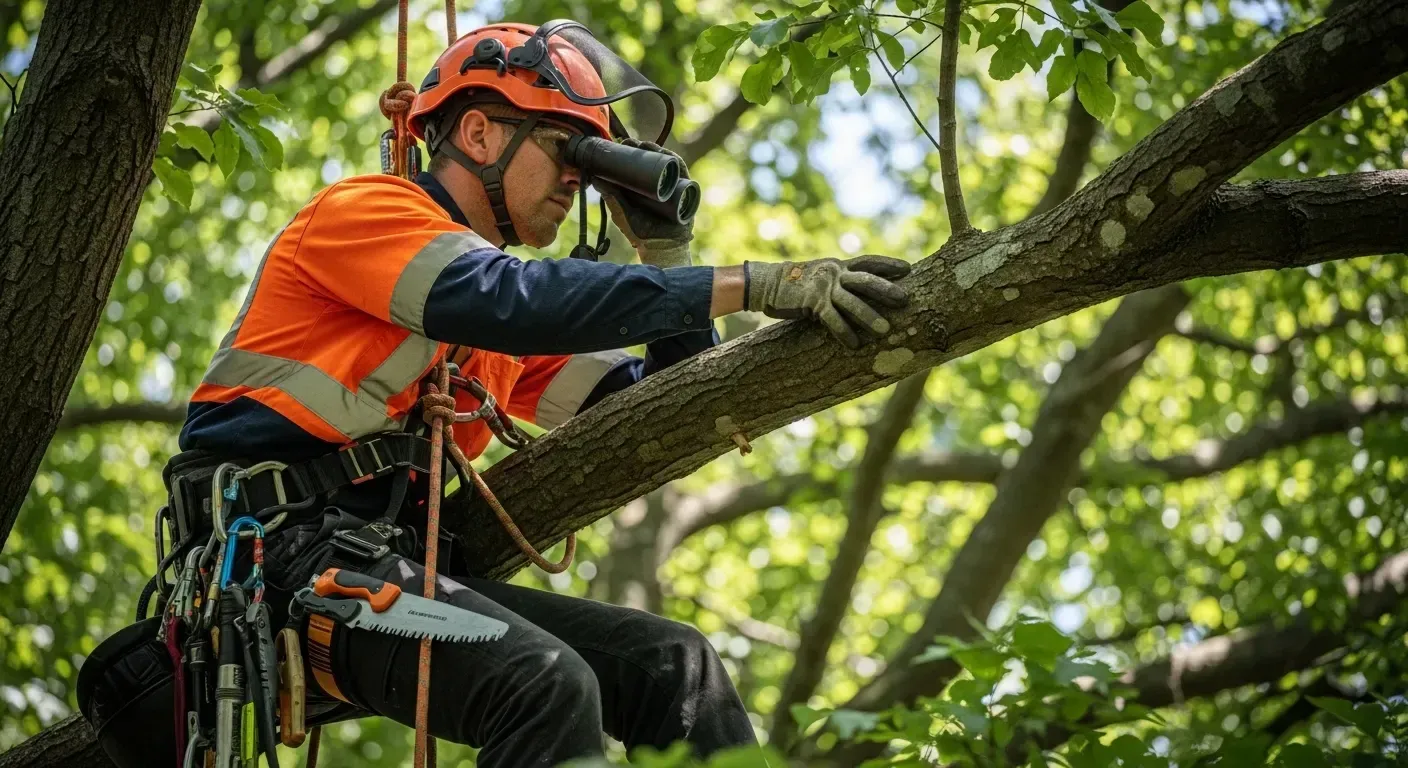
Making the choice to remove a mature tree is significant. The physical process requires heavy machinery, specialized rope rigging, and a deep understanding of physics to bring down thousands of pounds of wood safely in confined residential spaces.
Taking proactive steps now protects your real estate investment and provides necessary peace of mind. If you suspect a tree on your property is failing, leaning dangerously, or outgrowing its designated space, scheduling a professional evaluation is the most responsible course of action. Reach out to our local specialists and contact us today to arrange a detailed inspection and secure your property against preventable arboreal hazards.
Frequently Asked Questions About Tree Removal
How do I know if my tree needs to be removed immediately?
Look for sudden and severe leaning, deep vertical cracks in the main trunk, a hollowed-out base, or freshly uprooted soil around the foundation. If the tree has dropped massively heavy limbs recently, or if the entire canopy has turned brown and died, it requires immediate professional attention to prevent a collapse.
Do I need a permit to remove a tree on my property in West Covina?
Permit requirements depend heavily on the size, species, and exact location of the tree. Heritage trees, native species like certain oaks, or trees planted in the public right-of-way often require formal municipal approval before any cutting begins. A professional tree service will help you navigate these specific local regulations to ensure total compliance.
Will removing a large tree damage my lawn or driveway?
When executed by experienced professionals, the risk of collateral damage is strictly minimized. Arborists use specialized rigging techniques, pulleys, and friction devices to lower heavy branches safely to the ground rather than letting them fall freely. Furthermore, heavy equipment is routed carefully over protective matting when necessary to protect your pristine landscaping and hardscaping.