Reclaiming Your Landscape: The Complete Guide to Stump Grinding in West Covina
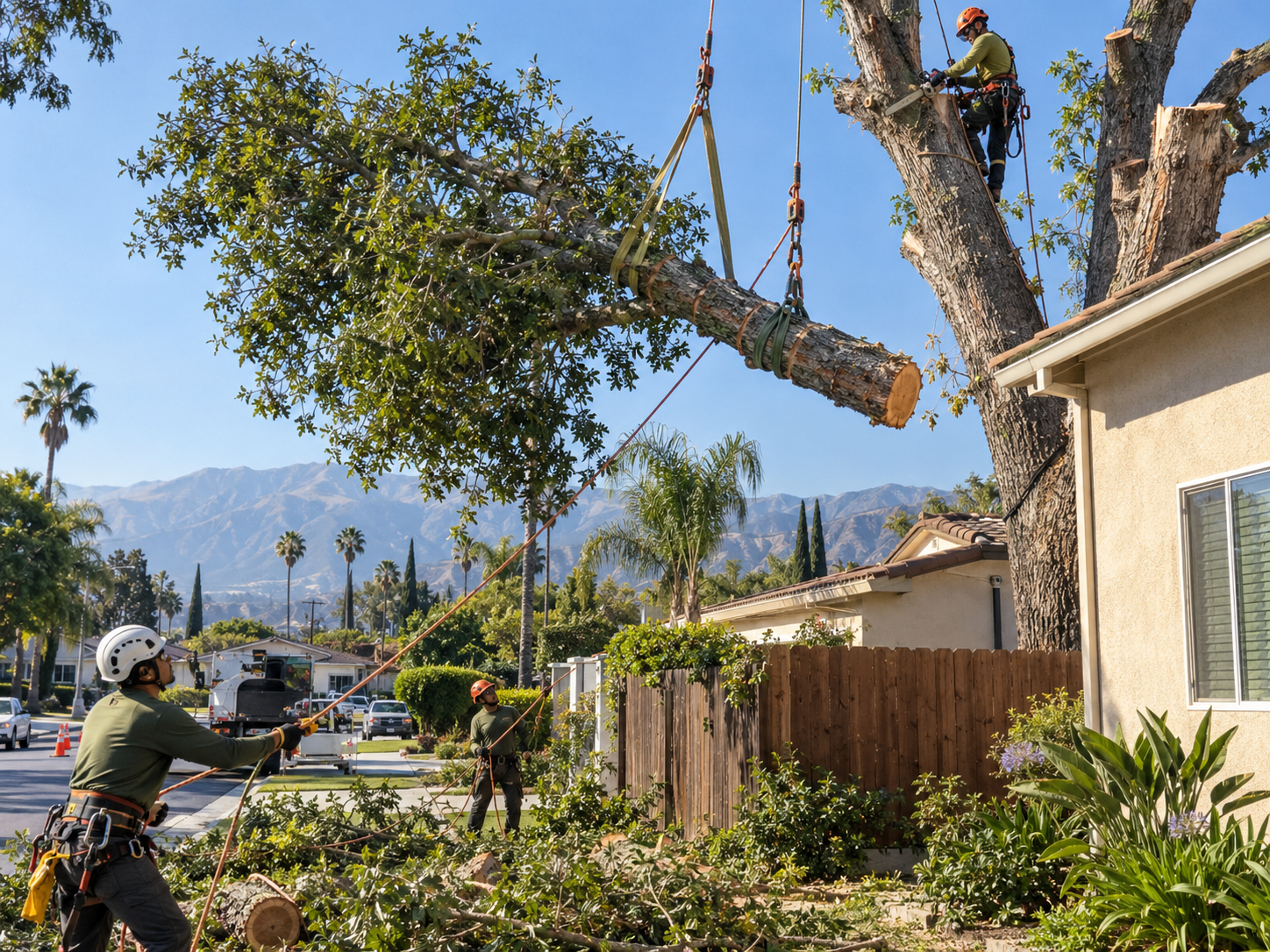
Cutting down a dead or diseased tree solves an immediate problem. Unfortunately, it also creates a new one by leaving a stubborn stump behind. Property owners in Southern California frequently discover that ignoring a leftover stump leads to complications ranging from severe pest infestations to tripped pedestrians. Partnering with professional tree services ensures these remnants are handled safely and efficiently. Understanding the mechanics of stump grinding helps you make informed decisions about your outdoor space. The team at West Covina Tree provides complete yard restoration solutions to eliminate these landscape hazards effectively.
Why Leftover Stumps Create Hazards for West Covina Properties
A vacant stump might seem harmless at first glance. Over time, decaying wood becomes a magnet for subterranean termites, carpenter ants, and wood-boring beetles. Property owners in West Covina must be vigilant, as our warm climate accelerates wood decay and insect proliferation. These pests do not stay confined to the yard. They actively seek new food sources, which often leads them straight into the structural foundation of your home.
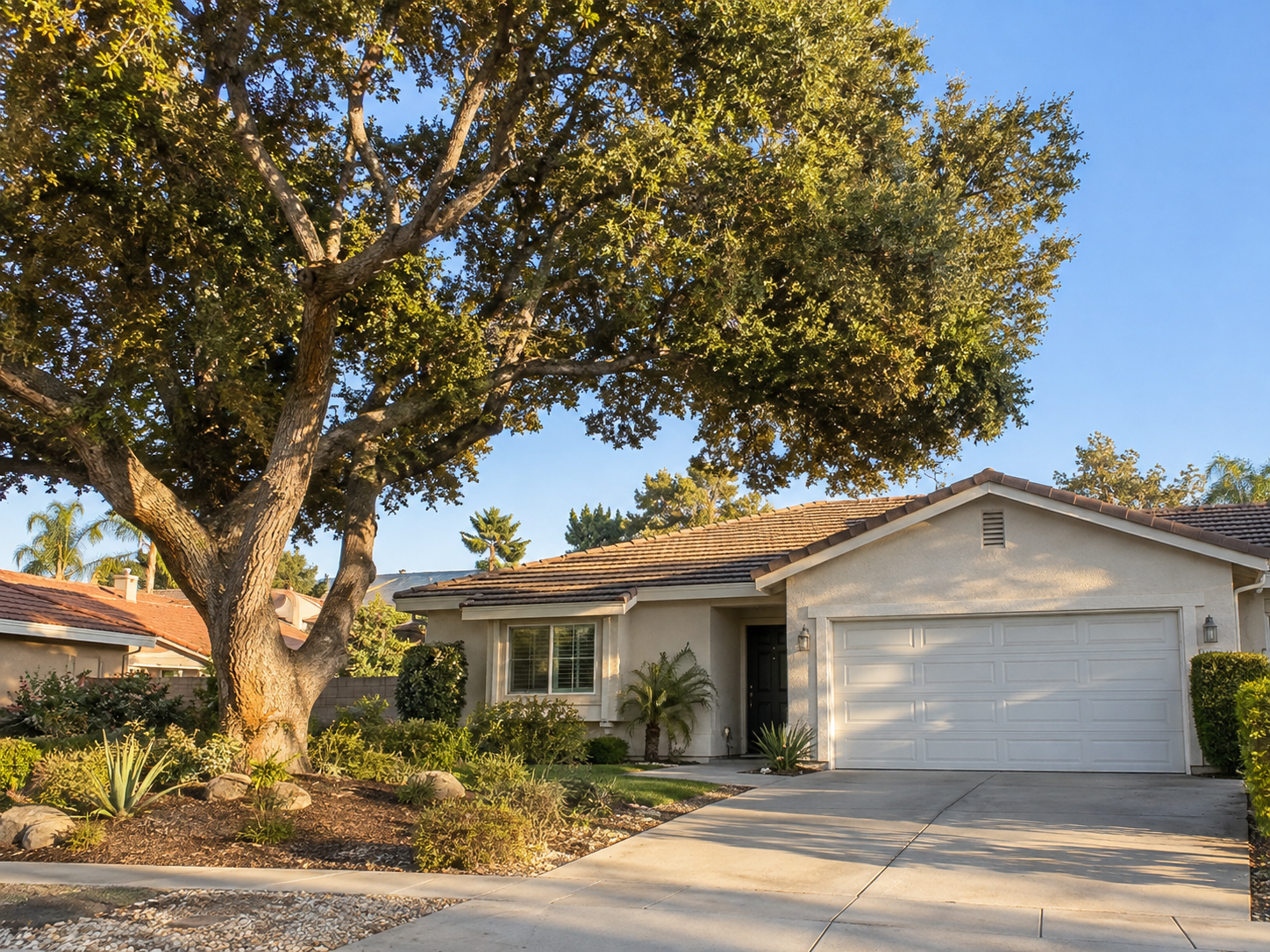
Safety presents another significant concern. Hidden beneath tall grass or overgrown weeds, a stump transforms into a tripping hazard for children playing or guests visiting your property. It also creates frustrating obstacles for lawnmowers and landscaping equipment. Even after a successful tree removal, the root system can occasionally continue to absorb nutrients and grow. This subsurface growth causes concrete walkways, patios, or driveways to buckle under the pressure. Extracting the stump mitigates these liabilities and instantly upgrades your curb appeal.
Professional Tree Services: The Mechanics of Effective Stump Grinding
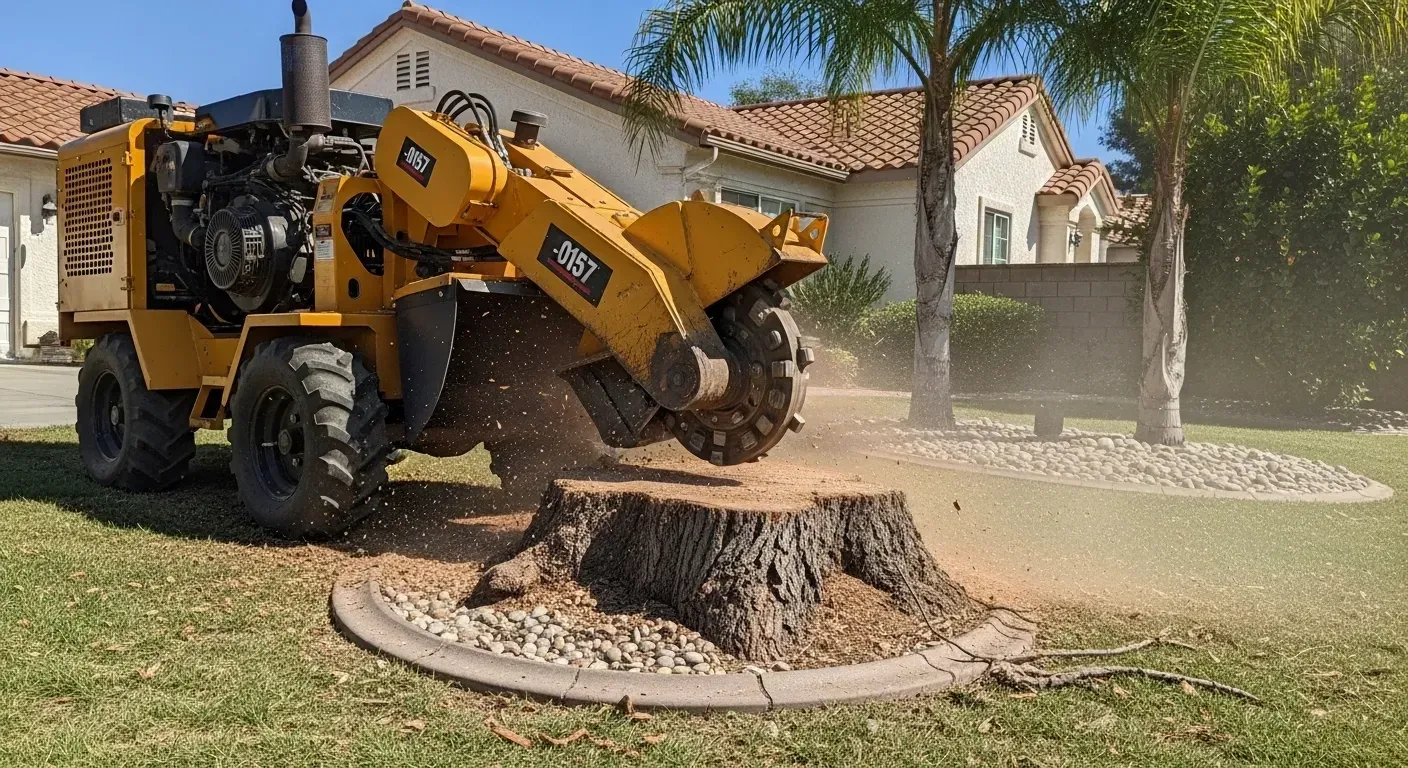
Tackling a stump with a shovel, an axe, or a rented grinder often results in physical exhaustion and incomplete removal. Professional technicians utilize specialized, high-powered machinery designed to shred dense wood deep below the soil line.
The grinding process involves a rotating cutting disk outfitted with sharp carbide teeth. As the operator maneuvers the machine over the stump, the teeth chip away at the wood incrementally. A skilled technician will grind the main stump and chase the prominent surface roots to prevent future ground swelling. This precise mechanical reduction turns a massive, stubborn base into manageable wood chips within a matter of hours.
Understanding the intricacies of landscape management is crucial for long-term property protection. For more insights into safe arboricultural practices, review our detailed guide on understanding tree removal safety, health, and property protection in West Covina.
| Removal Method | Time Investment | Risk Factor | Overall Effectiveness |
|---|---|---|---|
| Professional Grinding | 1 to 3 hours | Low (handled by experts) | High (removes stump and surface roots) |
| Chemical Rotting | 4 to 8 weeks | Moderate (exposure to chemicals) | Moderate (leaves root system intact) |
| Manual Digging | 1 to 2 days | High (physical strain and injury) | Low (often abandoned mid-process) |
| Natural Decay | 5 to 10 years | High (attracts pests and fungi) | Zero (creates ongoing hazards) |
Beyond Grinding: Complete Landscape Restoration
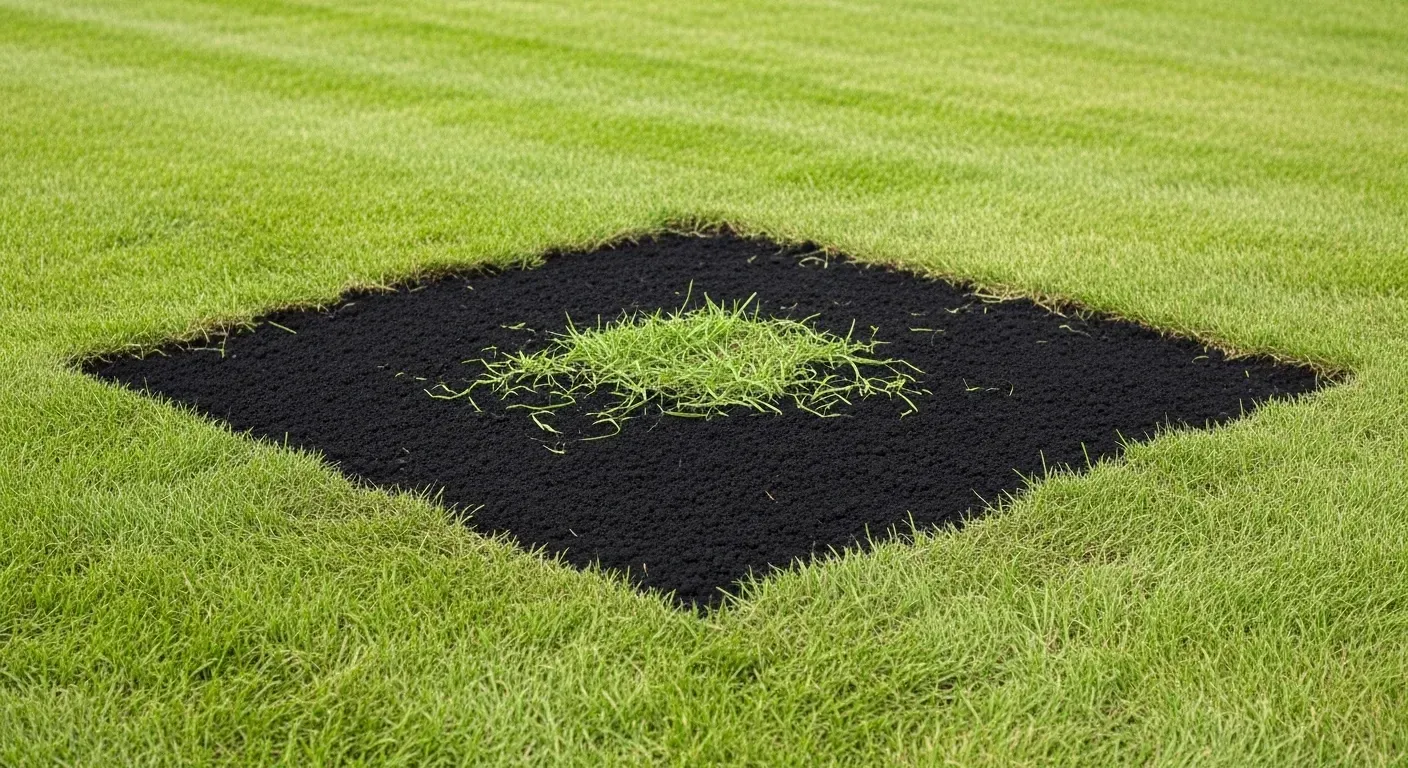
Once the heavy machinery powers down, the immediate area requires proper attention to integrate seamlessly back into your lawn. The grinding process generates a significant volume of wood chips mixed with local soil. You have several effective options for managing the leftover material:
- Repurposing the wood chips as garden mulch to retain moisture.
- Filling the resulting depression with premium topsoil.
- Seeding the freshly leveled area with climate-appropriate grass.
- Hiring our technicians to haul away all remaining debris for a clean slate.
Proper site grading prevents water from pooling in the depression left by the stump. This careful attention to detail extends to all aspects of canopy care. If you have remaining mature trees casting heavy shade over the newly cleared area, scheduling regular tree trimming ensures adequate sunlight reaches your fresh grass seed for optimal growth.
When to Call for Emergency Intervention
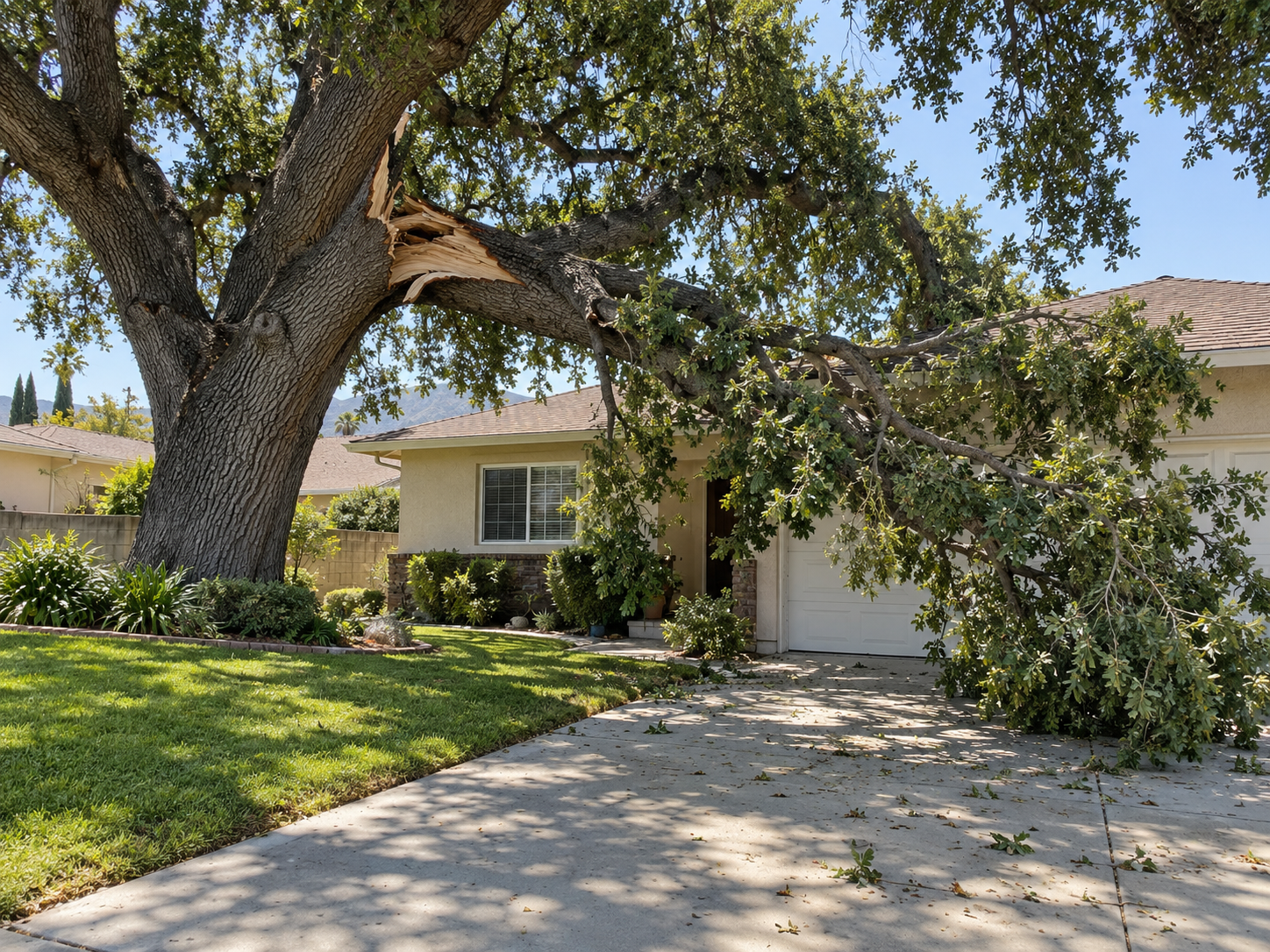
Severe weather patterns and high winds in the San Gabriel Valley occasionally uproot massive trees, lifting the entire root ball completely out of the ground. When a stump is suspended in the air or leaning dangerously toward a structure, standard grinding protocols change entirely. These volatile situations require immediate stabilization before any cutting equipment is deployed.
Uprooted stumps hold immense physical tension. If cut incorrectly, the heavy base can snap back into the hole with crushing force. Handling these unpredictable scenarios requires deep technical expertise and specific safety gear. If a recent storm has compromised the stability of a tree base on your property, our dedicated team handles emergency tree removal to secure the site safely before executing the final stump extraction.
Choosing West Covina Tree for Your Property Needs
Removing an unwanted stump requires precision, heavy-duty equipment, and a strict commitment to safety protocols. Attempting to bypass professional machinery usually costs far more in time, property damage, or medical bills than hiring a licensed local contractor outright.
Our deep local roots mean we understand the specific soil conditions and common tree species native to our region. We tailor our mechanical approach to minimize the impact on your surrounding landscape while maximizing operational efficiency. Learn more about our longstanding commitment to preserving the beauty, health, and safety of local neighborhoods.
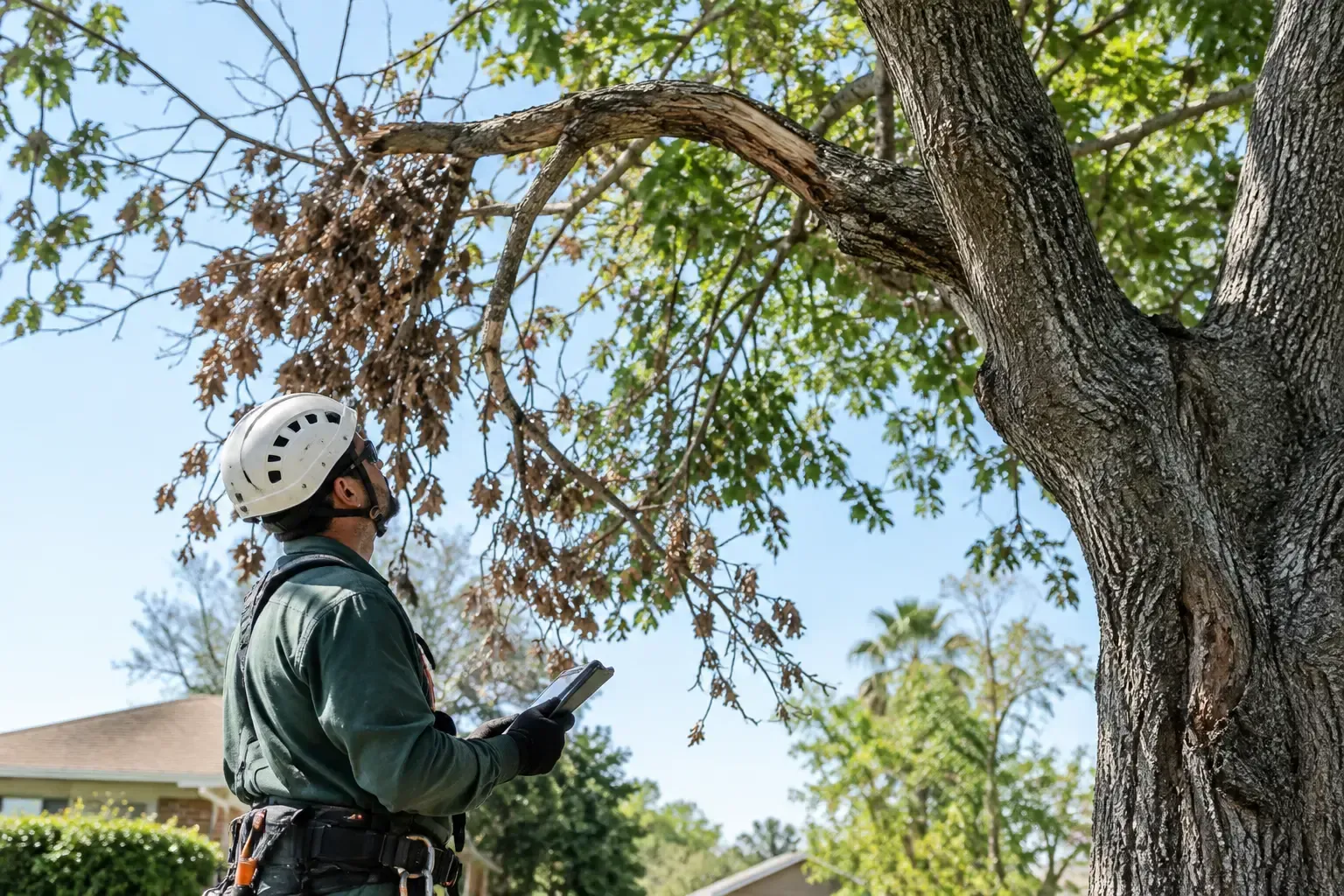
If you are tired of mowing around a decaying hazard or want to clear space for a brand new landscaping project, we are ready to assist. Reach out to our team to schedule an evaluation and contact us for a detailed assessment of your property.
Frequently Asked Questions (FAQ)
How deep does stump grinding usually go?
Most standard grinding operations penetrate 4 to 6 inches below the surrounding soil grade. This depth allows for proper leveling, topsoil installation, and grass seeding. If you plan to plant a new tree in the exact same location, our technicians can adjust the equipment to grind deeper to accommodate a new root ball.
Will the tree grow back after grinding?
Grinding effectively destroys the root collar, which is the specific biological section responsible for generating new sprouts. While some deeper roots remain buried to decay naturally over time, the complete lack of a root collar ensures the tree cannot regenerate.
Are underground utilities at risk during the grinding process?
Before any machinery touches your soil, professionals must assess the surrounding area for water lines, gas pipes, and electrical conduits. We strictly adhere to utility location protocols in West Covina to guarantee no crucial infrastructure is damaged during the operation.