When Trees Become Dangerous: Understanding Structural Weakness and Collapse Risks
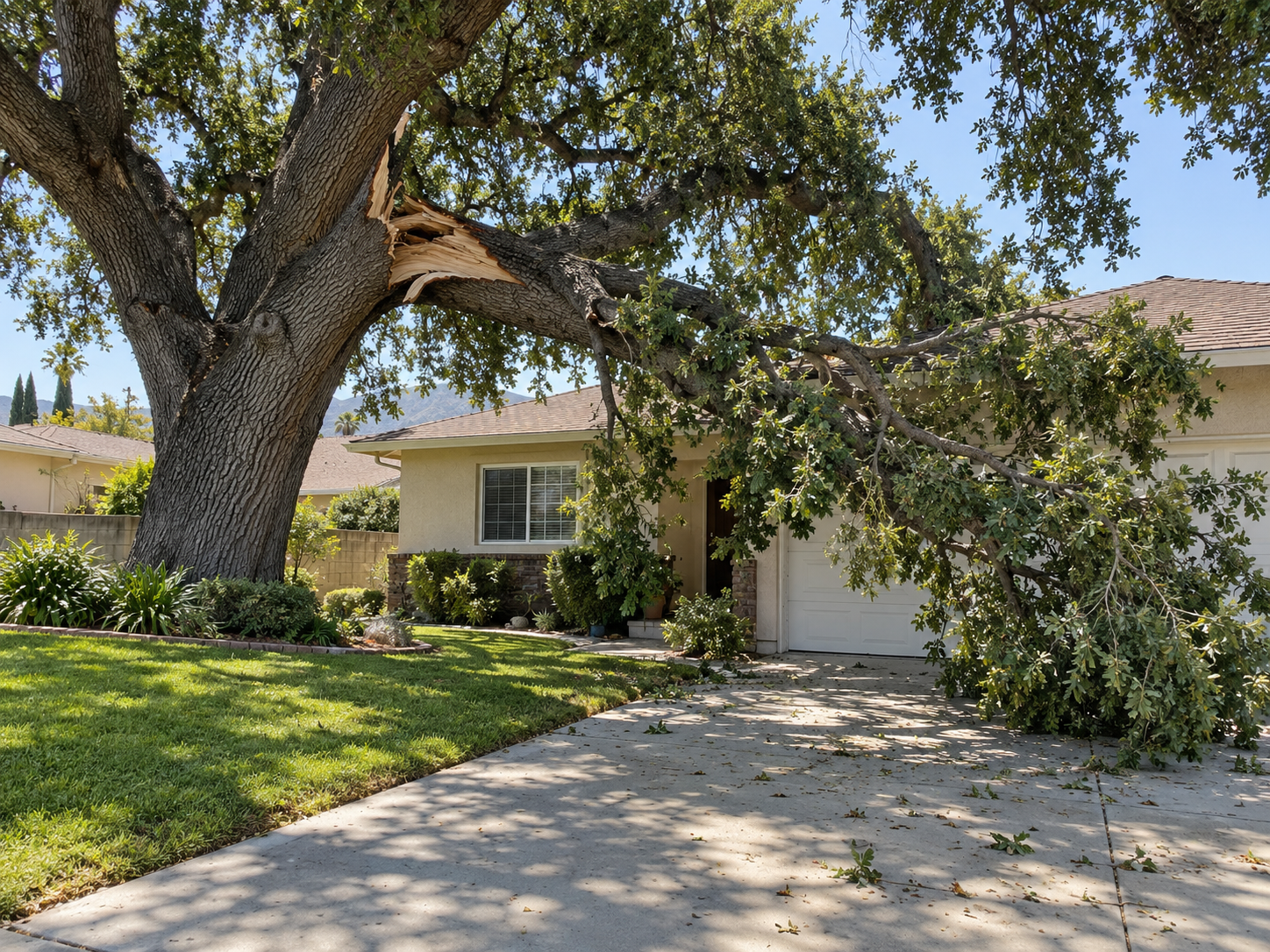
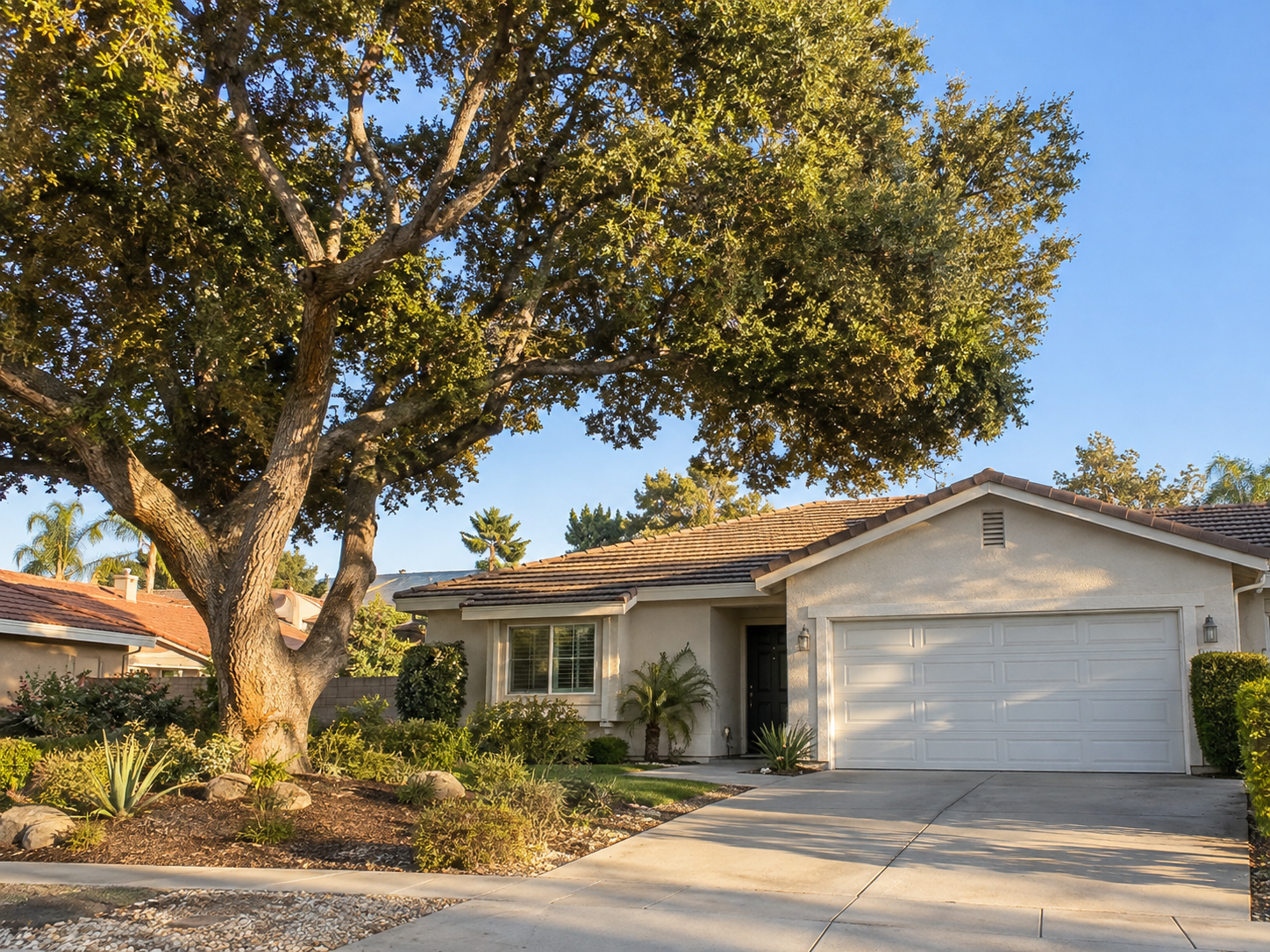
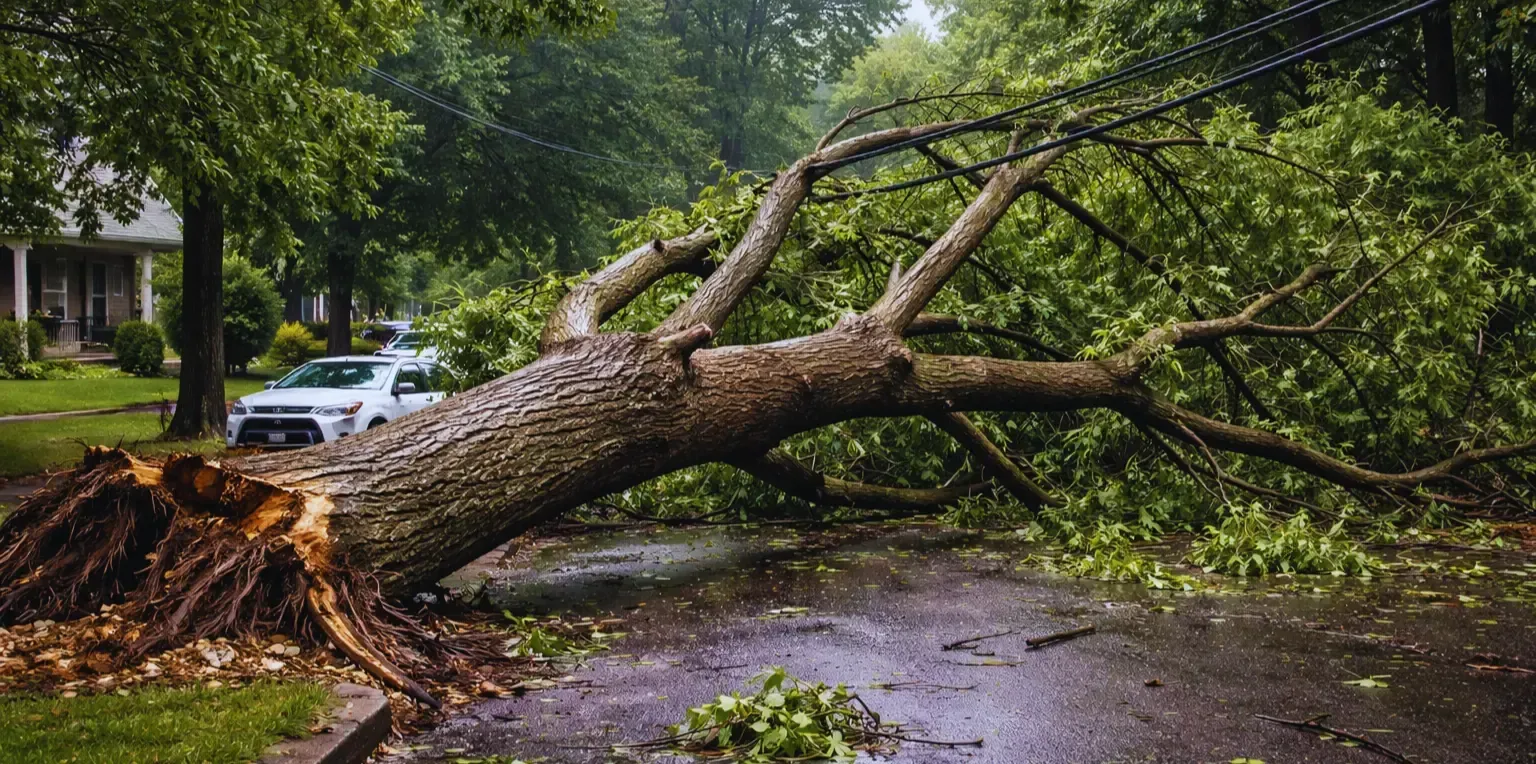
Trees are a magnificent part of our landscape in West Covina. They provide shade, beauty, and a connection to nature right in our own yards. We watch them grow over years, even decades, marking the seasons with their changing foliage. But within this familiar beauty can lie a hidden and significant danger. A tree that appears healthy on the outside can harbor deep structural weaknesses, posing a serious risk to your property, your family, and your peace of mind. The sudden collapse of a large limb or an entire tree can be catastrophic, often occurring with little to no warning for the untrained eye.
Understanding the signs of a hazardous tree is not just for arborists; it's crucial knowledge for any homeowner. It’s about shifting perspective—from simply admiring a tree to actively observing its health and stability. This comprehensive guide will delve into the complex world of tree structural integrity. We'll explore the subtle and overt signs of weakness, uncover the common causes of tree failure, and outline the preventative measures that can safeguard your home. Here at Tree Service Perfection West Covina, we believe that education is the first line of defense against tree-related disasters.
The Anatomy of a Stable Tree: A Foundation of Strength
Before we can identify weaknesses, it's essential to understand what makes a tree strong. A tree is a marvel of natural engineering, with three primary components working in harmony:
- The Roots: The tree's anchor and lifeline. A healthy root system extends far and wide—often two to three times the width of the canopy—gripping the soil for stability and absorbing water and nutrients. The health of what’s below ground is paramount to the safety of what's above.
- The Trunk (or Stem): The primary support structure, responsible for bearing the immense weight of the canopy and resisting forces like wind and gravity. The trunk's woody tissue, or xylem, transports water up from the roots, while the phloem, just under the bark, carries sugars down from the leaves.
- The Canopy (or Crown): Comprised of branches, limbs, and leaves, the canopy is the tree's engine. It performs photosynthesis but also catches wind like a giant sail. The distribution of weight and the structural integrity of its branches are critical to the tree's overall stability.
When any part of this intricate system is compromised, the entire structure is put at risk.
Key Indicators of Structural Weakness: What to Look For
Regularly inspecting your trees is a proactive step every homeowner should take. While a professional arborist's assessment is irreplaceable, knowing these warning signs can help you identify potential problems early. Grab a pair of binoculars and take a walk around your property, observing your trees from all angles.
1. Cracks, Cankers, and Seams
The trunk and large branches are the skeleton of your tree. Any breach in their integrity is a major red flag.
- Deep Cracks: Look for deep splits that penetrate the bark and extend into the wood. Vertical cracks can be caused by everything from lightning strikes to internal decay. They indicate that the tree's structural wood has been compromised.
- Cankers: These are areas of dead bark, often appearing sunken or discolored. Cankers are caused by fungal or bacterial infections that kill the living tissue just beneath the bark. A canker that encircles a significant portion of a branch or trunk can effectively girdle it, leading to its death and decay.
- Seams: These look like lines or ribs running vertically up the trunk. They often indicate that the tree has closed over a past wound or crack. While the tree has attempted to heal, the underlying wood may still be weak or decayed.
2. Decay and Cavities
Decay is the silent killer of trees. Caused by fungi that consume the wood, it can hollow out a tree from the inside, leaving a deceptively thin shell of healthy-looking wood.
- Visible Cavities: Obvious holes in the trunk or major limbs are clear signs of advanced decay. While some trees can compartmentalize decay and survive with cavities, a large opening, especially near the base, severely undermines the tree's strength.
- Soft, Spongy Wood: If you can poke the wood with a screwdriver and it feels soft, crumbly, or spongy, decay is present.
- Fungal Growth: The appearance of mushrooms, conks, or other fungal bodies on the trunk, at the base, or on major roots is a definitive sign of internal decay. These are the fruiting bodies of the fungus that is actively rotting the tree's wood.
3. A Significant Lean
While many trees have a natural lean towards sunlight, a sudden or progressing lean is a critical warning sign. Look for heaving soil or exposed roots on the side opposite the lean. This indicates that the root system is failing and can no longer anchor the tree's weight. A leaning tree with recent soil disruption is often in imminent danger of collapse.
4. Root System Problems
The stability of a tree begins at its base. Root issues are often hidden but are one of the most common causes of whole-tree failure.
- Severed Roots: Construction, trenching, or landscaping can sever major anchoring roots. The damage may not be apparent for years, but it creates instability and an entry point for decay.
- Girdling Roots: Sometimes, a tree's own roots can wrap around the base of the trunk, constricting the flow of water and nutrients. This slowly strangles the tree and can create a weak point at the soil line.
- Soil Heaving or Cracking: Mounded or cracked soil around the base of the tree, especially on one side, can signal root decay or failure.
5. Weak Branch Unions
Where branches connect to the trunk is a critical stress point. A poor connection is a ticking time bomb.
- Co-dominant Stems: This occurs when two or more main stems (trunks) grow closely together, appearing as a 'V' shape. These unions are inherently weak because they don't form a proper collar of overlapping wood.
- Included Bark: Within these 'V' shaped unions, bark often gets trapped and embedded as the stems grow. This included bark prevents the wood from fusing, creating a deep crack and an extremely weak point that can easily split under stress from wind, snow, or even its own weight.
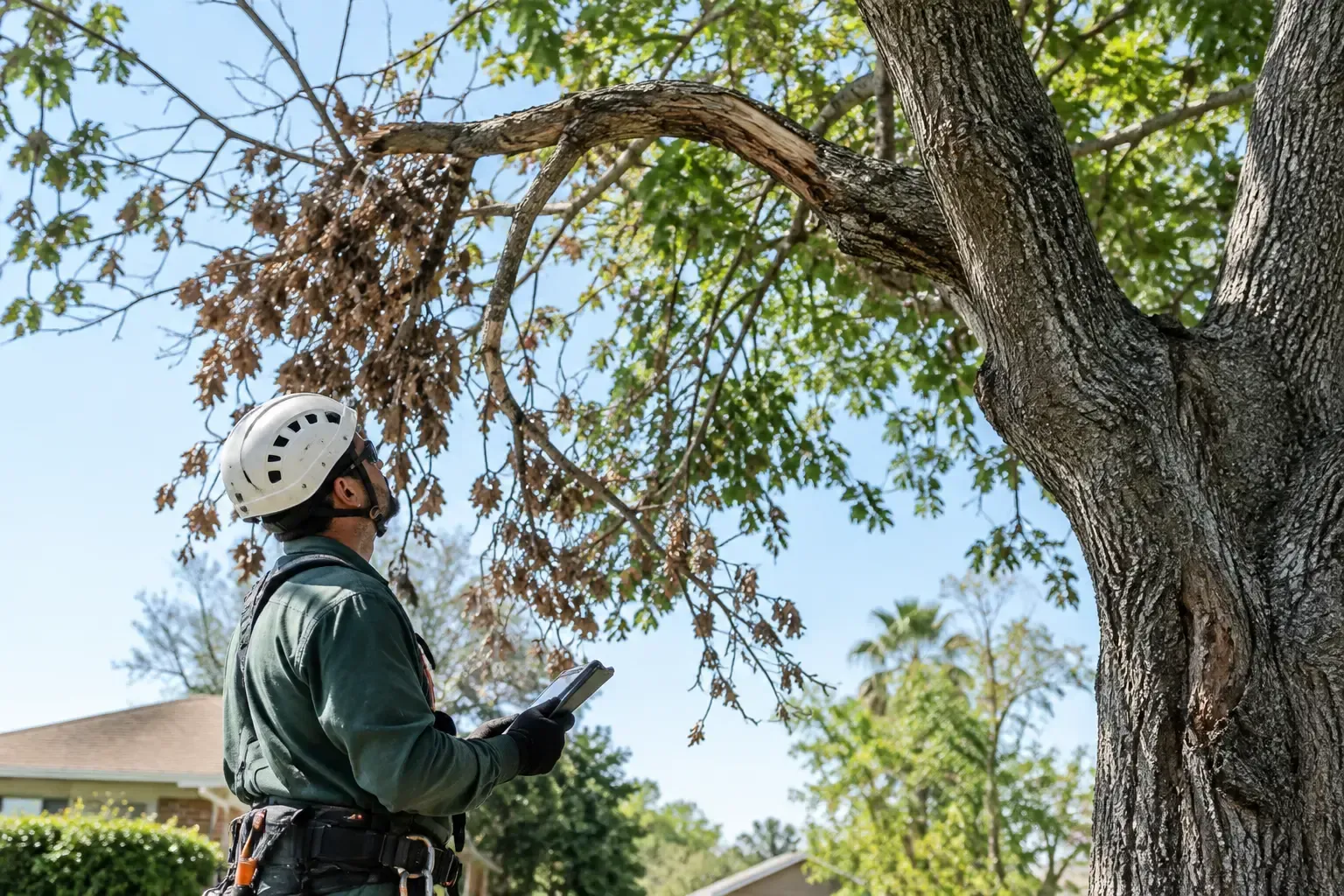
6. Deadwood and Canopy Dieback
Dead branches, or 'deadwood', are a common and obvious hazard. They can snap and fall at any time. More concerning, however, is what the deadwood might signify.
- Widespread Dieback: If the tips of the branches are dying back, or if entire sections of the canopy are bare during the growing season, it often points to a larger underlying problem, such as root disease, soil compaction, or systemic health decline.
- Brittle Branches: Dead branches become extremely brittle. A large, dead limb hanging over a walkway, driveway, or roof is a significant liability.
Common Causes of Tree Failure
Structural weakness doesn't happen in a vacuum. It's typically the result of one or more stressors that accumulate over time. Understanding these causes can help you protect your trees.
- Environmental Factors: Severe storms with high winds are the ultimate test of a tree's strength. Saturated soil from heavy rains can loosen the grip of roots, making trees more susceptible to uprooting. Conversely, prolonged drought can kill vital parts of the root system, weakening the tree's anchor.
- Improper Pruning: Topping a tree (cutting off the entire top) is one of the worst things you can do. It creates numerous weak, fast-growing sprouts and leaves large wounds that are highly susceptible to decay. Similarly, flush cuts that remove the branch collar damage the trunk and inhibit proper healing.
- Pests and Diseases: Invasive insects like the Emerald Ash Borer or diseases like Oak Wilt can kill a tree quickly, turning a healthy specimen into a hazard in just a season or two. These attacks weaken the tree's systems, making it vulnerable to collapse.
- Construction Damage: This is a major, often overlooked cause of tree decline. Heavy equipment can compact the soil, suffocating roots. Digging trenches for utilities can sever critical anchoring roots. Even piling soil or materials against the trunk can lead to decay.
The Professional Solution: Risk Assessment and Mitigation
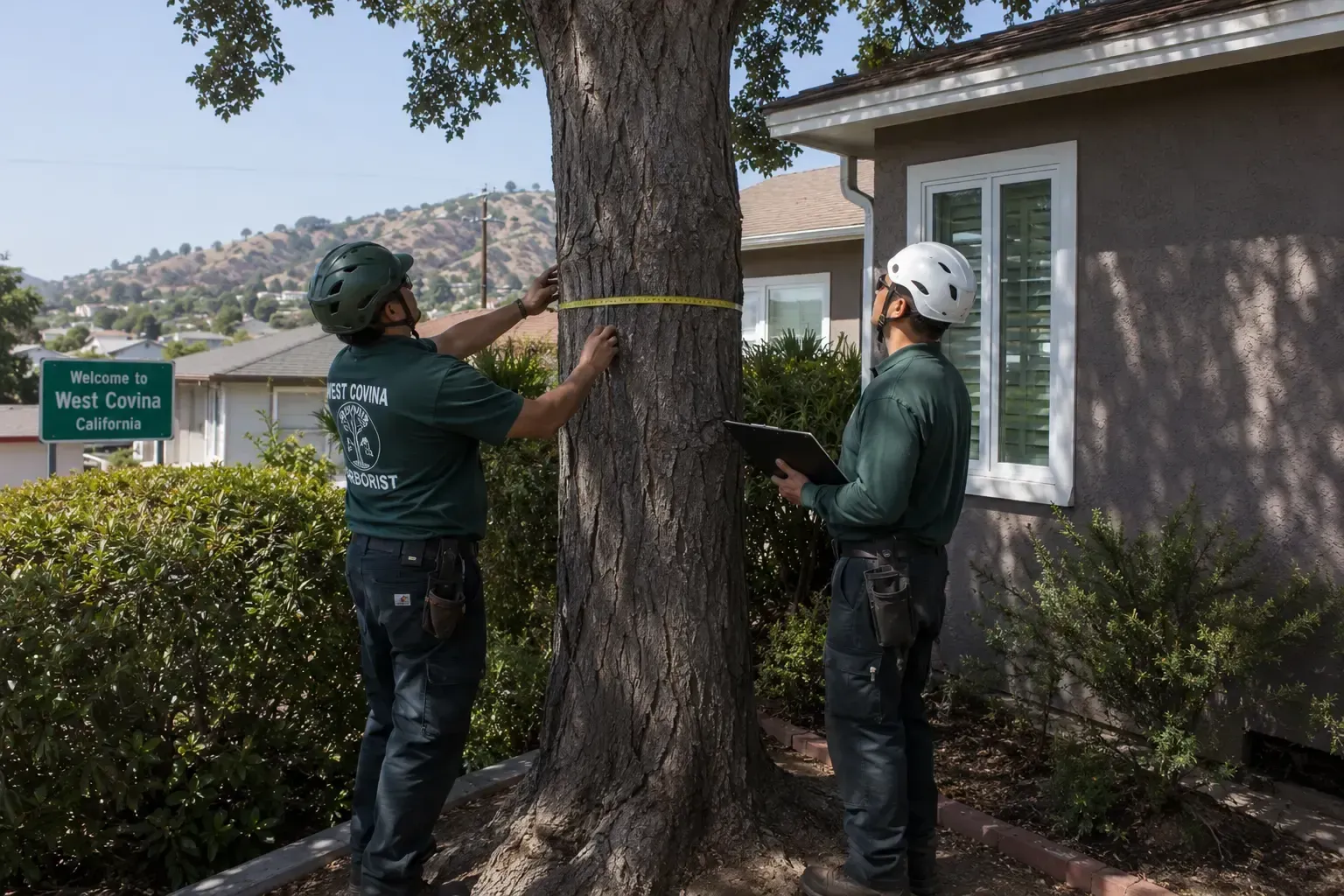
While you can spot the warning signs, accurately assessing the level of risk and determining the right course of action requires an expert eye. This is where a certified arborist from a trusted company like Tree Service Perfection West Covina comes in. Our team is trained to see the subtle signs you might miss and use specialized tools to evaluate a tree's internal structure.
Our comprehensive tree services focus on mitigation and preservation whenever possible:
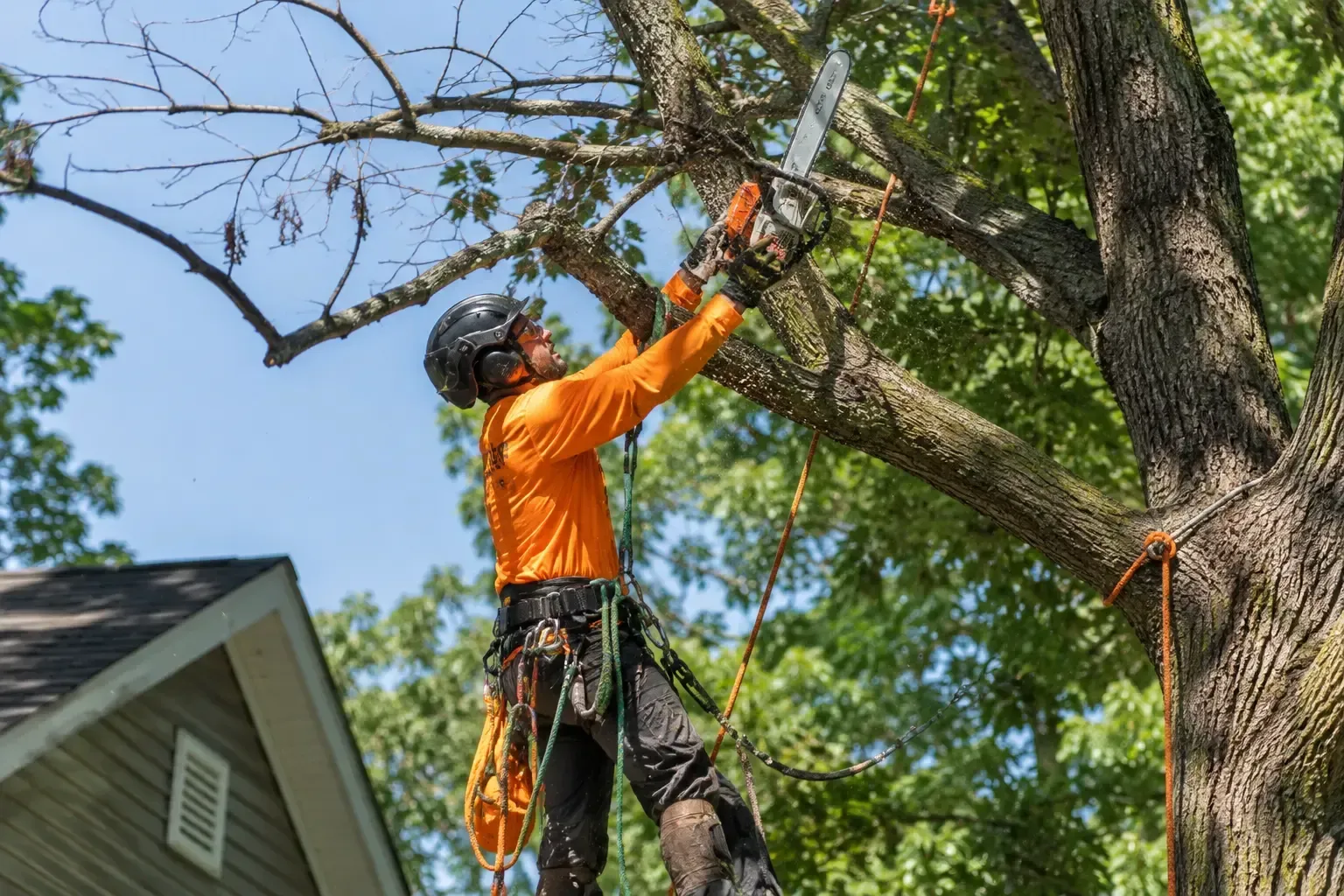
- Professional Pruning: Correctly pruning a tree can remove hazardous deadwood, reduce weight on overextended limbs, and improve its overall structure and wind resistance.
- Cabling and Bracing: For trees with weak unions or heavy, valuable limbs, installing steel cables in the canopy or braces on the trunk can provide supplemental support, reducing the risk of failure.
- Soil and Root Care: Treatments like soil de-compaction, fertilization, and addressing girdling roots can improve the health and stability of the tree's foundation.
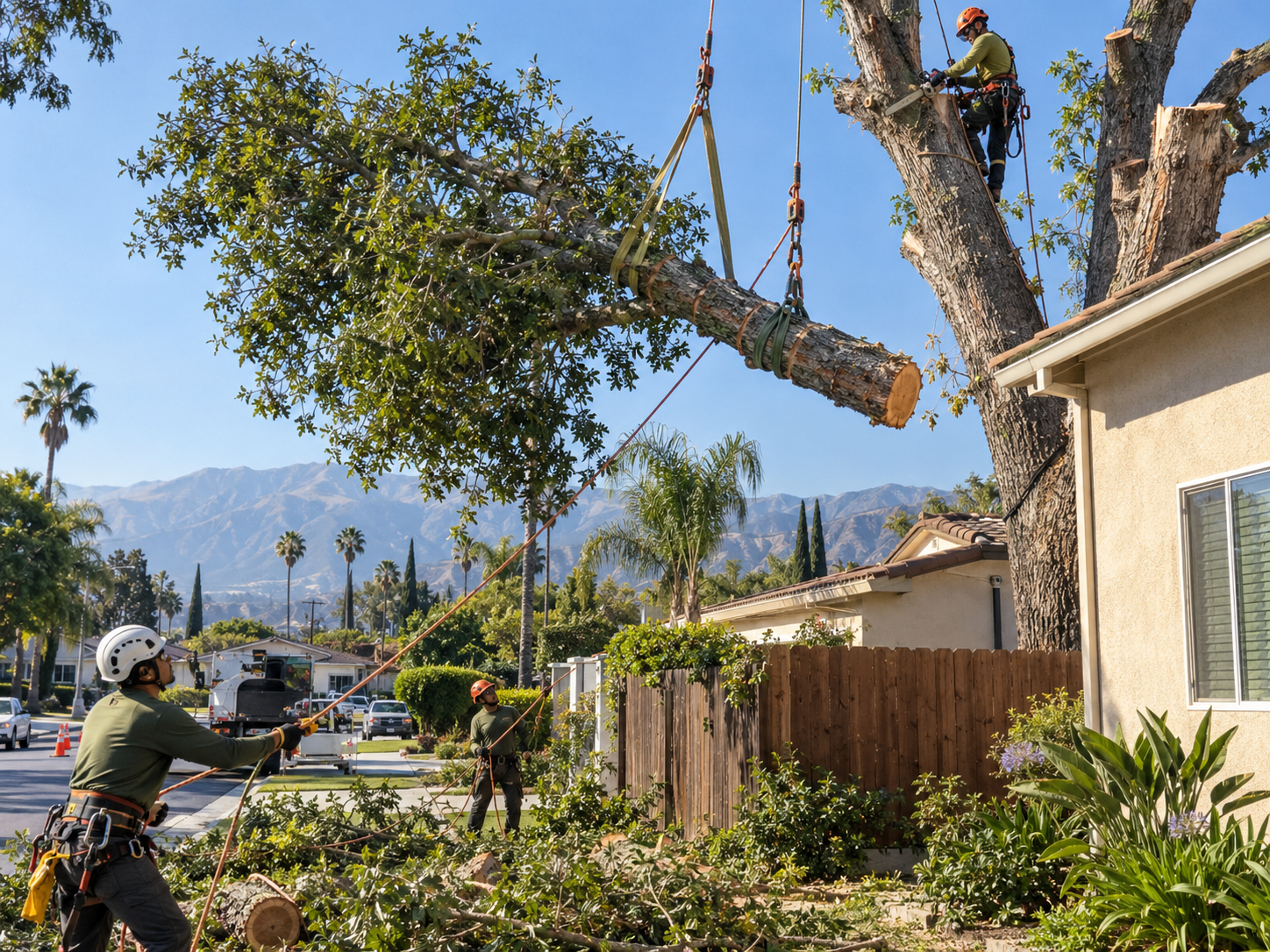
- Tree Removal: Sometimes, the risk is too great, and removal is the only responsible option. When a tree's structural integrity is fundamentally compromised, removing it safely protects your property and ensures peace of mind.
Conclusion: Be Proactive, Not Reactive
Your trees are a valuable asset, but they also represent a significant responsibility. Ignoring the signs of a structurally weak tree is a gamble you can't afford to take. By learning to observe your trees, understanding the red flags, and partnering with a professional tree care service, you can manage potential risks effectively. Don't wait for a storm to reveal the weaknesses in your trees. Take a proactive approach to tree safety and ensure your beautiful landscape remains a source of joy, not a source of danger.
If you have any concerns about a tree on your property, don't hesitate. It's always better to be safe than sorry. Contact us today for a professional consultation and risk assessment.
Frequently Asked Questions
How often should I have my mature trees professionally inspected?
For mature or high-value trees, especially those near your home or other structures, a professional inspection by a certified arborist every 3 to 5 years is a good rule of thumb. However, you should also have them checked after any severe weather event, like a major windstorm or ice storm.
Can a leaning tree be saved, or does it always need to be removed?
It depends entirely on the cause and severity of the lean. A tree that has grown with a gradual lean towards the sun may be perfectly stable. However, a tree that has started leaning recently, especially if accompanied by heaving soil at its base, is often a sign of root failure and is extremely dangerous. An arborist can assess the situation to determine if mitigation options like cabling are viable or if removal is the safest choice.
What are the most urgent warning signs that a tree might fall soon?
The most critical, time-sensitive warning signs include a sudden, new lean; cracks or mounds in the soil around the tree's base (soil heaving); and deep, fresh cracks appearing in the trunk or major limbs, sometimes accompanied by a popping or cracking sound during high winds. If you see these signs, consider the area around the tree unsafe and call a professional immediately.