From Roots to Canopy: A Comprehensive Guide to Solving Tree Growth Problems
A towering, vibrant tree is a magnificent addition to any landscape. It provides shade, improves air quality, and adds immense aesthetic value. But when a once-thriving tree begins to show signs of distress—stunted growth, yellowing leaves, or a thinning canopy—it can be a source of significant concern for any property owner. Understanding the complex biology of a tree is the first step toward diagnosing and solving these growth problems, ensuring your leafy giants remain healthy for years to come.
At Tree Service Perfection West Covina, we believe that proactive care is the best medicine for any tree. This comprehensive guide will walk you through the entire process, from understanding the fundamental needs of your trees to identifying common issues and implementing effective solutions. Let's dig in and explore the world beneath the bark and beyond the branches.
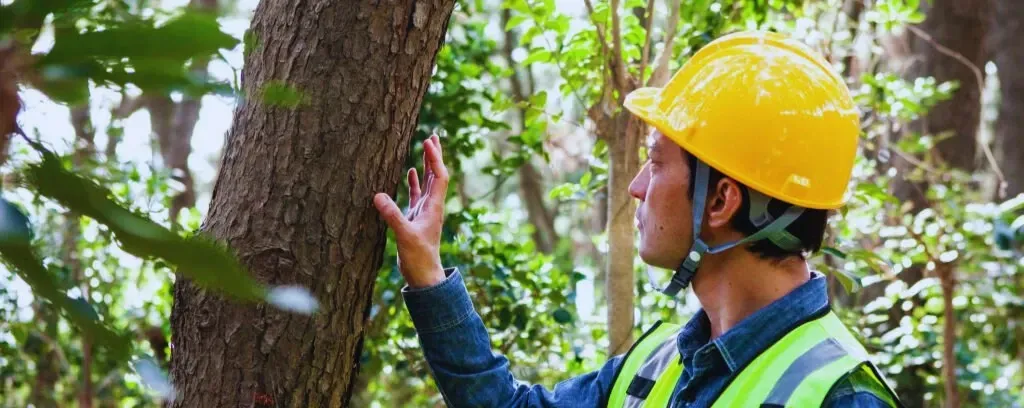
The Foundation of Health: Understanding Basic Tree Biology
Before you can solve a problem, you must understand the system. A tree is a highly sophisticated organism with three primary components working in harmony:
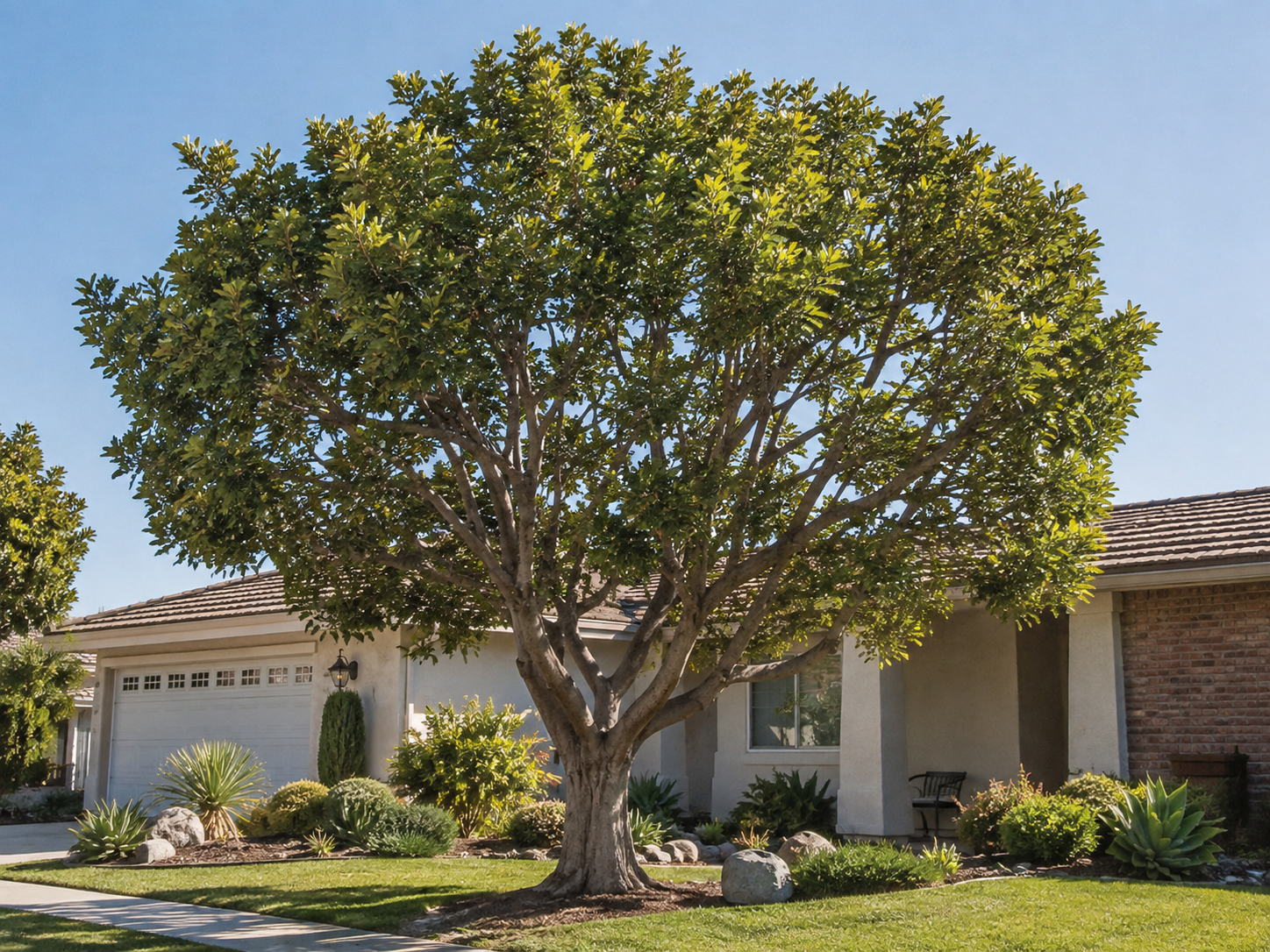
- The Roots: The unseen anchor of the tree, the root system is responsible for absorbing water and essential nutrients from the soil. It also provides the stability needed to withstand wind and weather. The vast majority of a tree's feeder roots are in the top 12-18 inches of soil, spreading out far beyond the drip line (the edge of the canopy).
- The Trunk and Branches (The Structure): The trunk provides the primary support, housing the tree's circulatory system. This system, composed of xylem and phloem, transports water and nutrients up from the roots (xylem) and sugars (food) down from the leaves (phloem). The branches extend this structure, positioning the leaves for optimal sunlight exposure.
- The Canopy (The Leaves): The leaves are the tree's powerhouses. Through photosynthesis, they use sunlight to convert carbon dioxide and water into glucose—the energy that fuels all growth and metabolic processes. A dense, healthy canopy is a direct indicator of a well-functioning tree.
Diagnosing the Distress: Common Signs of Poor Tree Growth
Trees are excellent communicators, but you need to know what signs to look for. Early detection is crucial for successful intervention. Keep an eye out for these common symptoms:
- Stunted Growth: New shoots are short, and the tree doesn't seem to be increasing in size from year to year.
- Chlorosis (Yellowing Leaves): Leaves turn a pale green or yellow, often while the veins remain green. This is a classic sign of a nutrient deficiency.
- Sparse Canopy: The leaf density is low, allowing you to see through the canopy easily. This indicates a lack of vigor.
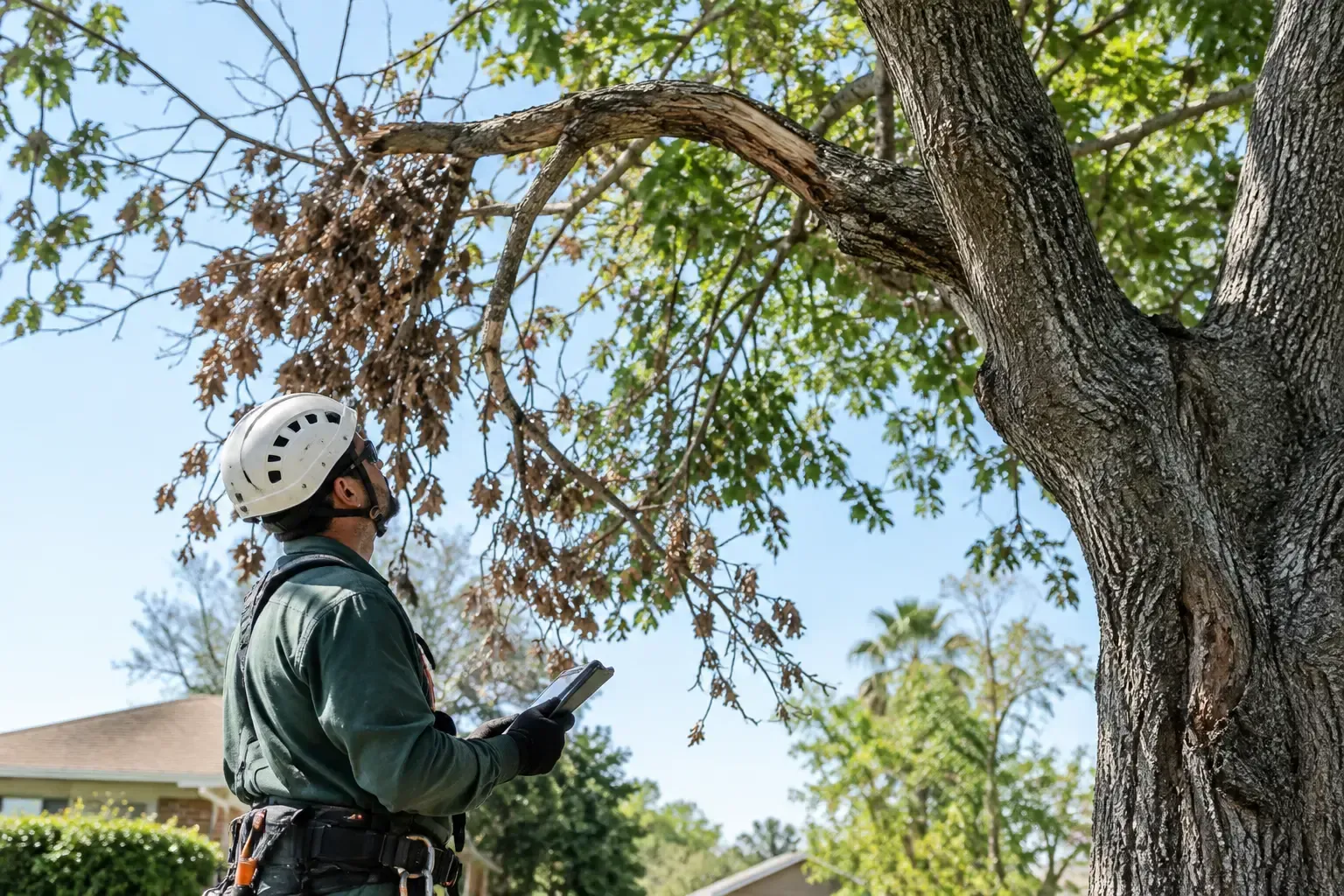
- Branch Dieback: Twigs and branches at the top of the tree begin to die. This is a serious symptom that often points to root problems.
- Early Leaf Drop or Discoloration: Leaves change color and fall off well before the autumn season.
- Small or Deformed Leaves: New leaves are noticeably smaller than in previous years or have an unusual shape.
Getting to the Root of the Issue: 5 Common Causes of Growth Problems
Once you've identified the symptoms, the next step is to pinpoint the underlying cause. Most tree growth issues can be traced back to one or more of these common culprits.
1. Nutrient Deficiencies
Just like any living thing, trees require a balanced diet of essential macronutrients and micronutrients. When the soil lacks these elements, growth suffers. Here’s a quick look at common deficiencies:
| Nutrient | Role | Signs of Deficiency |
|---|---|---|
| Nitrogen (N) | Promotes leaf and stem growth | Uniform yellowing of older leaves, stunted growth |
| Phosphorus (P) | Essential for root development and flowering | Purplish discoloration on leaves, poor growth |
| Potassium (K) | Regulates water use and disease resistance | Yellowing or browning along the edges of older leaves |
| Iron (Fe) | Crucial for chlorophyll production | Interveinal chlorosis (yellow leaves with green veins), primarily on new growth |
2. Improper Watering
Water is life for a tree, but the right amount is critical. Both overwatering and underwatering can cause severe damage to the root system.
- Underwatering: Leads to drought stress, causing leaves to wilt, turn brown, and drop prematurely. The soil will be dry and cracked.
- Overwatering: Saturates the soil, depriving roots of the oxygen they need to function. This can lead to root rot, a fungal disease that can kill a tree. Symptoms of overwatering ironically mimic underwatering (yellowing, wilting leaves) because the damaged roots can no longer absorb water.
How to Check: The best way to check soil moisture is the finger test. Dig down 2-4 inches near the tree's base (but not touching the trunk). If the soil is dry, it's time to water. If it's damp, wait a few more days.
3. Soil Compaction
In urban and suburban environments, soil often becomes compacted from foot traffic, construction, or heavy equipment. Compacted soil has very little pore space, which restricts root growth and prevents water and oxygen from penetrating the ground. This effectively suffocates the tree's roots, leading to a slow decline in health and vigor.
4. Pests and Diseases
A weakened tree is a prime target for opportunistic pests and diseases. While a healthy tree can often fend off minor infestations, a stressed tree is highly vulnerable.
- Pests: Sucking insects like aphids and scale can drain a tree of vital nutrients. Boring insects can damage the tree's vascular system.
- Diseases: Fungal issues like root rot, powdery mildew, and anthracnose can compromise leaves, branches, and roots. Bacterial blights can cause rapid dieback.
5. Environmental and Human-Caused Stress
Sometimes, the problem lies in the tree's surroundings.
- Improper Planting: Trees planted too deep can develop girdling roots that choke the trunk over time.
- Mulch Volcanoes: Piling mulch directly against the trunk traps moisture, promoting decay and disease.
- Physical Damage: Wounds from lawnmowers or string trimmers create entry points for pests and diseases.
- Sun Scald: Damage to the bark caused by intense winter sun can crack and kill sections of the trunk, especially on young, thin-barked trees.
The Path to Recovery: Actionable Solutions for a Thriving Tree
The good news is that many of these problems can be corrected with the right approach. For complex issues, consulting with a certified arborist is always the best course of action. You can explore the range of professional tree care services available to ensure your tree gets the expert help it needs.
1. Improving Soil Health
Healthy soil is the cornerstone of a healthy tree. Start by getting a soil test to understand its pH and nutrient composition. Based on the results, you can:
- Fertilize Appropriately: Use a slow-release fertilizer formulated for trees. Apply it in the late fall or early spring along the tree's drip line, not at the base of the trunk.
- Aerate the Soil: For compacted soil, core aeration can help break up the soil and improve the flow of oxygen and water to the roots.
- Apply Mulch Correctly: Apply a 2-4 inch layer of organic mulch (like wood chips) around the base of the tree, extending out to the drip line if possible. Keep the mulch a few inches away from the trunk itself to prevent moisture buildup.
2. Mastering Proper Watering
For established trees, the best strategy is deep, infrequent watering. This encourages deep root growth, making the tree more drought-tolerant.
- Water slowly for a long period, allowing the water to soak deep into the soil (at least 6-8 inches). A soaker hose or drip irrigation system is ideal.
- The frequency depends on your soil type, climate, and the age of the tree, but a good rule of thumb is to check the soil moisture every 7-10 days during dry periods.
3. Strategic Pruning
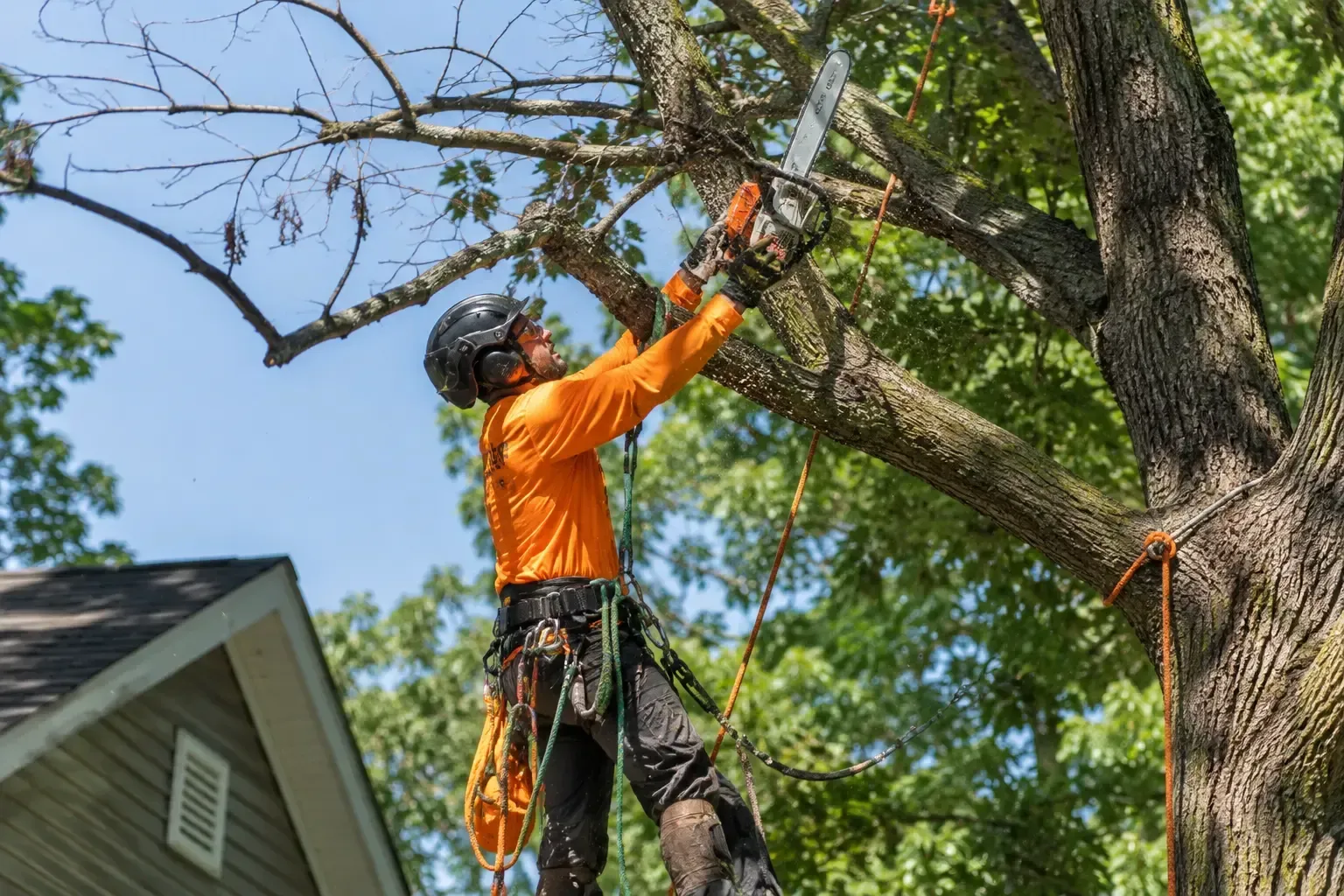
Pruning is essential for removing dead, diseased, or crossing branches. This improves air circulation, which can help prevent fungal diseases, and directs the tree's energy toward healthy growth. However, improper pruning can do more harm than good. Significant pruning should be left to professionals who understand tree biology and can make precise cuts that promote healing. For more information about our approach, you can learn more about us and our commitment to arboricultural best practices.
When to Call the Experts at Tree Service Perfection West Covina
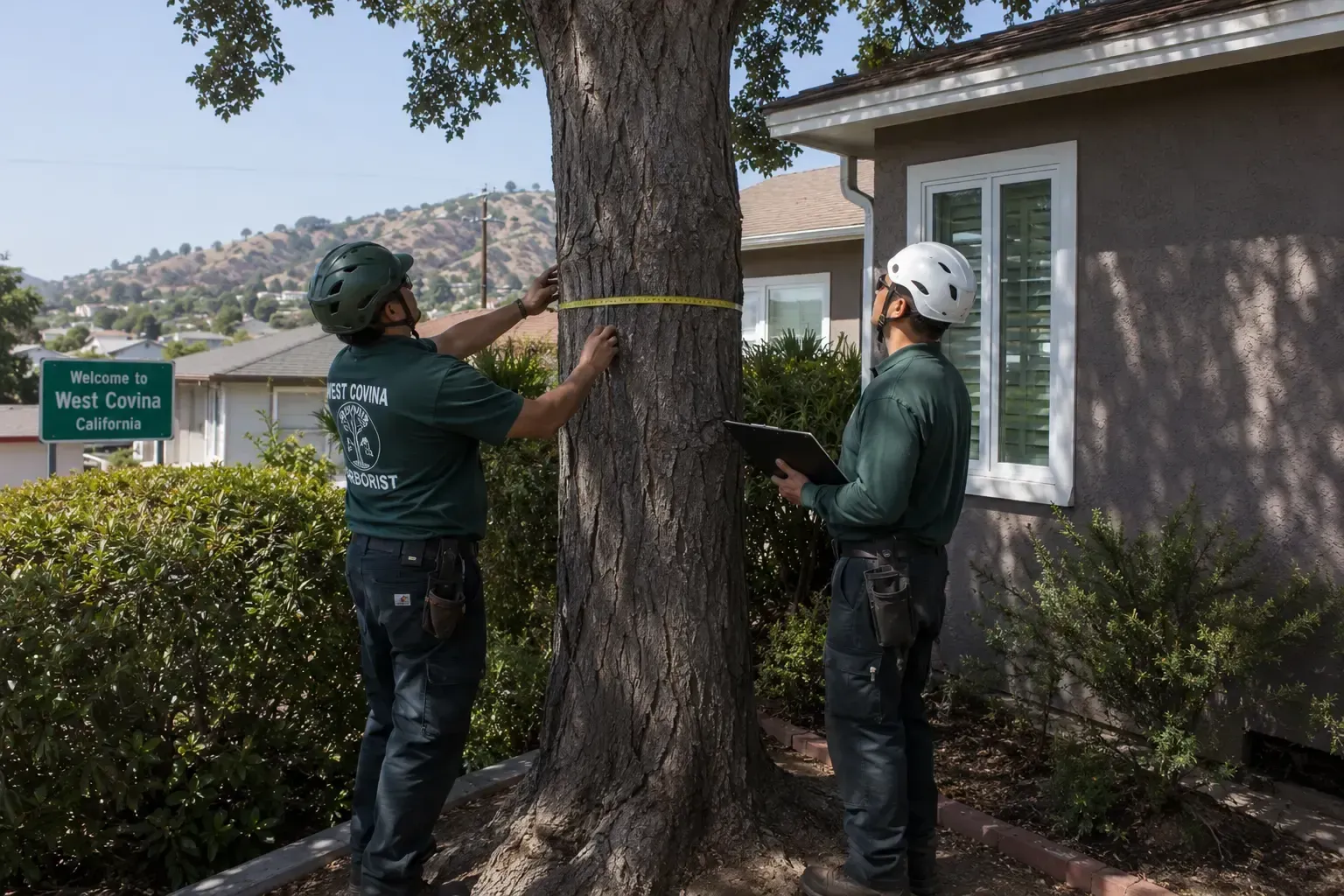
While many minor issues can be addressed by a diligent homeowner, some problems require professional diagnosis and treatment. If you notice significant branch dieback, large cavities in the trunk, or signs of a serious infestation, it's time to contact a certified arborist. Professionals have the tools and expertise to perform deep-root fertilization, manage complex diseases, and safely prune large trees.
Conclusion: Nurturing Your Trees for a Greener Tomorrow
A tree's health is a delicate balance of factors, from the soil beneath our feet to the sunlight above. By learning to recognize the signs of distress and understanding their root causes, you can take proactive steps to solve growth problems and ensure your trees flourish. Remember that consistent care—proper watering, mulching, and monitoring—is the key to preventing most issues before they start. For those challenges that seem too big to handle, the expert team at Tree Service Perfection West Covina is here to help you cultivate a healthy, beautiful landscape. Visit our homepage to learn more.
Frequently Asked Questions
How can I tell if my tree is getting enough water?
The best method is to check the soil. Dig a small hole 4-6 inches deep near the tree's drip line. The soil should feel cool and slightly damp, but not soggy. If it's completely dry and crumbly, it's time to water. If it's muddy, you may be overwatering.
What's the best time of year to fertilize my trees?
For most trees, the ideal time to apply a slow-release fertilizer is in the late fall after the leaves have dropped or in the early spring before new growth begins. This allows the nutrients to be available when the roots are most active.
Can a tree with significant dead branches be saved?
Often, yes. If the dead branches (dieback) are confined to a specific area and the rest of the tree appears healthy, a certified arborist can perform corrective pruning to remove the deadwood and diagnose the underlying cause. The tree's chances of survival depend on how much of the canopy is affected and whether the root cause can be treated.
What are the signs of a serious tree disease vs. a minor issue?
Minor issues often include small spots on leaves or a light dusting of powdery mildew that doesn't affect the whole tree. Serious signs include rapid dieback from the top down, large fungal growths (conks) on the trunk or roots, deep cracks in the bark, or significant, unexplained leaf drop across the entire tree. If you see these signs, it's crucial to seek professional help immediately.