Why Winter is the Absolute Best Time for Stump Grinding in West Covina (91790)
That old pine stump in your backyard isn't just an eyesore; it’s a ticking time bomb for your property value. Most homeowners in West Covina look at their yards in December or January, see the grass go dormant, and assume tree maintenance should wait for spring. This is a costly mistake.
Winter in the San Gabriel Valley offers a unique window of opportunity. While the rest of the country is buried in snow, our mild, rainy season creates the perfect conditions for heavy machinery and root eradication. Whether you live near the Plaza West Covina or tucked away closer to South Hills, ignoring that leftover stump until March allows root rot to spread and gives pests a warm bunker against the chill. It has to go. Now.
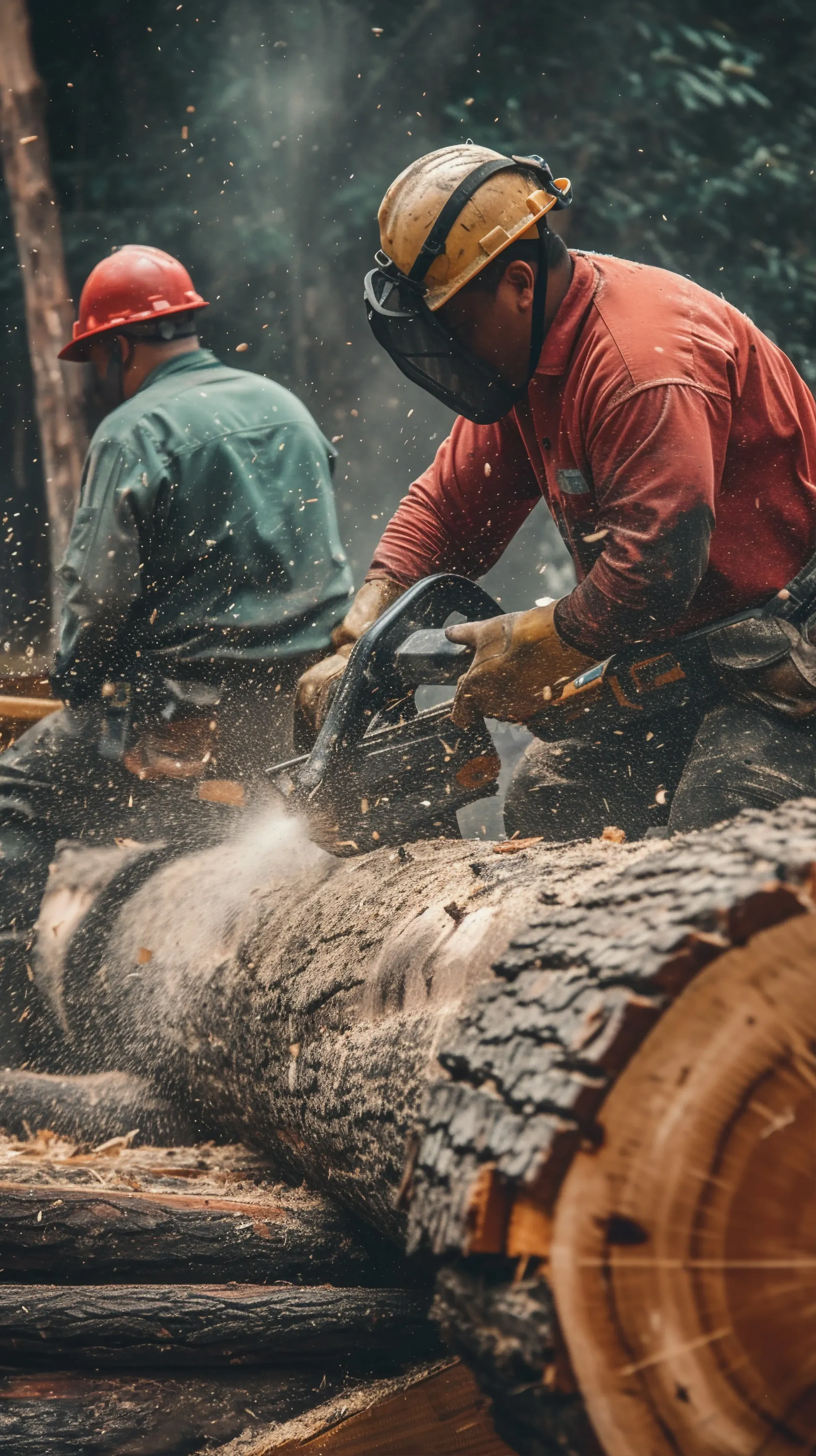
The "Hidden" Biology of Winter Stumps
Trees in Southern California don't sleep like they do in Minnesota, but they do slow down. This dormancy is your ally. When a tree is cut down, the root system doesn't immediately die. It holds onto energy reserves, desperately trying to push up "sucker growth"—those annoying mini-trees that sprout around the base.
Grinding in winter shocks the system when it is most vulnerable. According to the
International Society of Arboriculture, removing the stump and the root collar during the dormant season prevents the organism from utilizing stored carbohydrates for spring growth. You aren't just removing wood; you are stopping the resurrection cycle.
Furthermore, the soil composition in West Covina 91790 varies from rocky terrain near the hills to heavier clay in the flats. Winter rains soften this clay. For professional grinders, this means the machinery encounters less resistance from the earth, allowing for a deeper grind. We can chase the roots further down without fighting rock-hard, sun-baked soil.
Pest Control Starts at Ground Level
Let’s talk about what is living inside that dead wood. It’s not pretty. West Covina winters are wet. Damp, decaying wood is the equivalent of a five-star hotel for subterranean termites and carpenter ants. The University of California Integrated Pest Management program notes that removing wood-to-ground contact is critical for termite prevention.
When temperatures drop into the 40s at night, pests seek warmth. A decomposing stump generates heat. If that stump is within twenty feet of your foundation, you are essentially inviting a termite colony to stage a staging ground for an assault on your home's framing. Grinding the stump turns that solid block of habitat into mulch. The colony disperses or dies. It is a proactive defense mechanism that saves you thousands in future extermination bills.
Protecting Your Hardscape and Pipes
The infrastructure of West Covina is aging. Many homes in the 91790 zip code were built in the mid-century boom, meaning sewer lines and sidewalks have been in place for decades. Old tree roots are aggressive. They seek water. In winter, as the surface dries out between rains, deep roots will bore into clay pipes or lift concrete seeking moisture.
Leaving a stump means leaving the primary arteries of that root system intact. As the wood decays, it creates voids that can cause sinkholes in your yard or shift paver stones. By grinding the stump below grade now, you stabilize the ground before the heavy spring growth spurts cause roots to expand and crack your driveway. It’s about infrastructure preservation.
Why "Tree Service Perfection West Covina" dominates the 91790 Area
You have options. You could rent a grinder from a big-box store. Here is the reality: those machines are underpowered and dangerous for the uninitiated. They bounce off hardwoods like Oak and Eucalyptus, which are common in our neighborhoods. You end up with a sore back, a half-ground stump, and a garage full of wood chips.
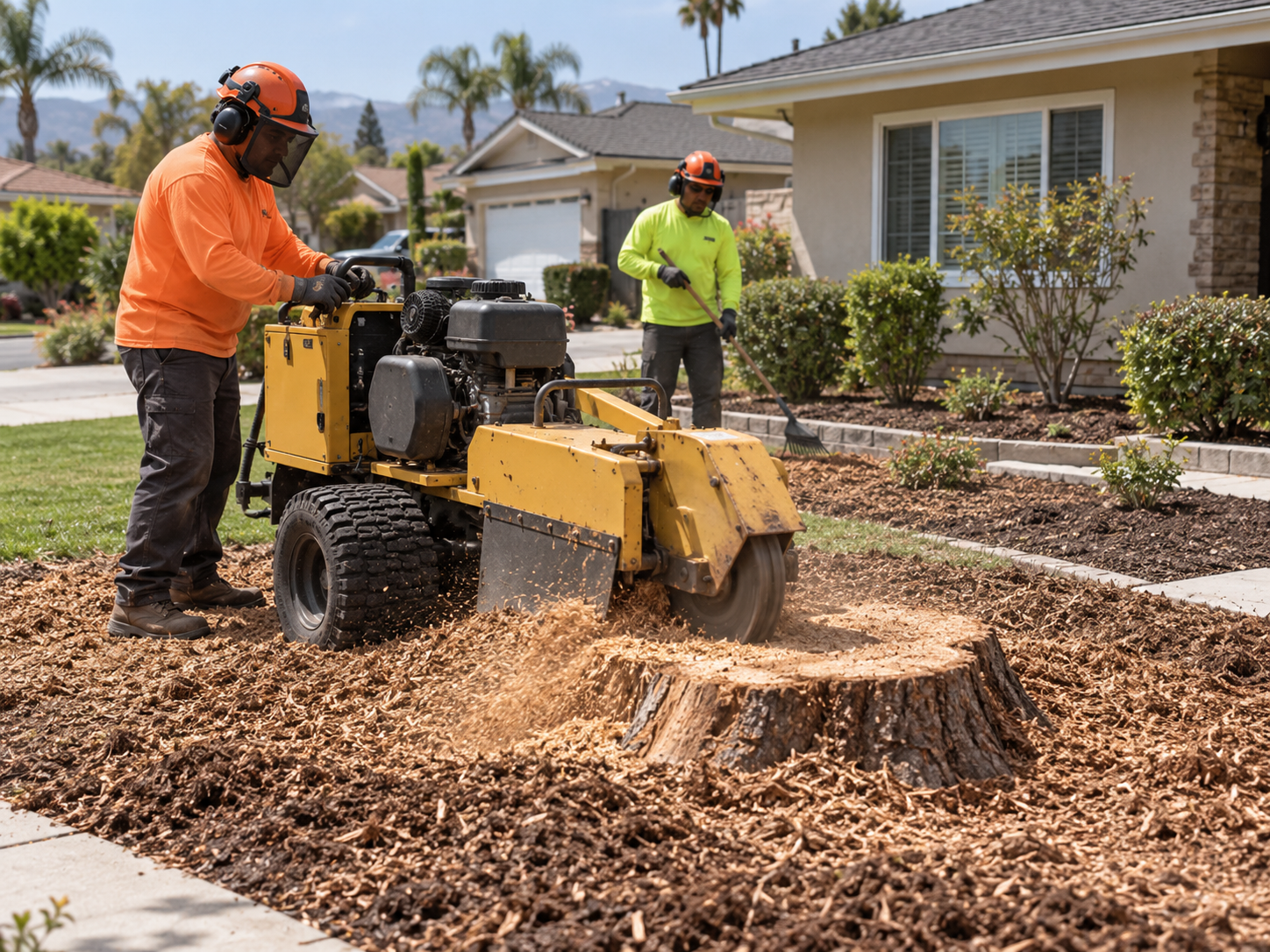
Tree Service Perfection West Covina operates differently. We understand the local geography. We know that a stump removal on a slope near Galster Wilderness Park requires different stabilization than a flat yard on Sunset Avenue. We use industrial-grade grinders that chew through iron-hard roots in minutes, not hours.
Our team doesn't just leave a pile of mess. We chase the roots. We backfill. We ensure the site is prepped for sod or replanting immediately. We handle the 811 DigAlert coordination to ensure no gas or water lines are hit—a crucial step many unlicensed operators skip.
The Liability of the Winter Yard
Winter brings rain. Rain brings slippery surfaces. A stump hidden by tall winter grass or fallen leaves is a trip-and-fall lawsuit waiting to happen. If you have neighbors walking dogs, or kids running through the yard, that protruding wood is a hazard. In the wet season, moss can grow on the stump face, making it slick as ice. Removing it eliminates the liability instantly. It cleans the slate.
Cost Efficiency and Garden Planning
Supply and demand dictates pricing. Spring and Summer are the "rush hours" of arboriculture. Everyone wants work done. By scheduling your stump grinding in the winter, you often get faster turnaround times. Crews are available. We can get in, get it done, and get out.
Moreover, if you plan to plant a new garden in spring, the ground needs time to settle. Grinding in January allows the soil to decompose the remaining wood chips and settle into the hole. By March or April, the pH levels of the soil will have normalized, making it safe to plant new rose bushes or fruit trees. If you grind and plant on the same day, the nitrogen imbalance from fresh wood chips can kill your new plants. Give the earth time to breathe.
Frequently Asked Questions
Is it cheaper to grind stumps in the winter?
Often, yes. While base operational costs remain similar, tree service companies typically have more availability in winter. This can lead to faster scheduling and occasionally more competitive pricing compared to the peak spring rush. It is the smartest time to book.
How deep should a stump be ground down?
Ideally, a stump should be ground 4 to 6 inches below the soil surface for grass, and up to 12 inches if you intend to replant a tree in the same spot. This ensures the root ball is sufficiently destroyed to prevent regrowth and accommodate new soil.
Can I plant a new tree exactly where the old stump was?
Not immediately. The remaining sawdust changes the soil acidity and robs nitrogen from new roots. We recommend grinding the stump, removing the majority of the mulch, replacing it with topsoil, and waiting at least a few months or planting the new tree 3 feet away from the old center.