Strategic Yard Cleanup and Landscape Management for West Covina Properties
Maintaining a pristine and safe property in Southern California requires far more than occasional mowing and leaf blowing. The unique climate of West Covina, CA, USA dictates a rigorous approach to landscape maintenance. Prolonged dry spells followed by sudden seasonal rainstorms create a highly dynamic environment for local flora. Without a structured maintenance strategy, residential and commercial properties can quickly become overgrown, visually unappealing, and structurally hazardous.
At
Tree Service Perfection West Covina, we understand that a comprehensive approach to property care demands a deep understanding of local arboriculture. Effective yard cleanup involves assessing the entire ecosystem of your landscape from the deepest root systems to the highest canopy branches. By implementing a proactive property management strategy, property owners can protect their real estate investments while cultivating a vibrant outdoor space.
The Impact of Local Climate on Property Maintenance Needs
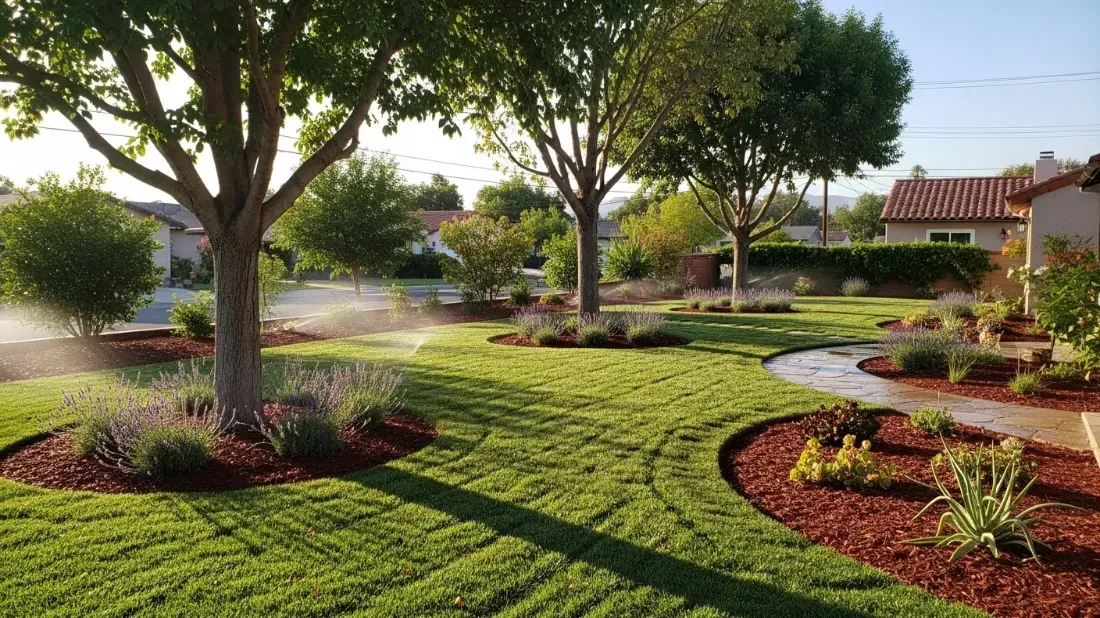
The weather patterns specific to the San Gabriel Valley directly influence how foliage grows, dies, and accumulates on your property. Our region is famous for its warm temperatures and intense sunlight, which encourage rapid growth in certain resilient plant species while stressing vulnerable native trees. Furthermore, the notorious Santa Ana winds introduce a significant risk factor. These powerful wind events can easily tear through neglected landscapes, turning deadwood and overgrown branches into dangerous projectiles.
Property owners must transition away from reactive yard maintenance. Waiting for a branch to fall or for underbrush to overwhelm a fence line often results in expensive property damage. Anticipating these seasonal shifts is the foundation of landscape resilience. For a deeper understanding of risk mitigation, reviewing smart tree care and safety planning can help you prepare your property for harsh weather events before they arrive.
The Hidden Dangers of Neglected Landscapes
When yard cleanup is delayed or executed poorly, the consequences extend well beyond a messy appearance. Accumulating debris and overgrown vegetation create complex problems that affect the safety and integrity of your entire property.
- Pest Harborage: Piles of dead leaves, fallen branches, and dense underbrush provide ideal nesting grounds for pests. Rodents, termites, and harmful insects thrive in undisturbed organic matter. Once established in the yard, these pests often migrate toward the primary structure of your home or commercial building.
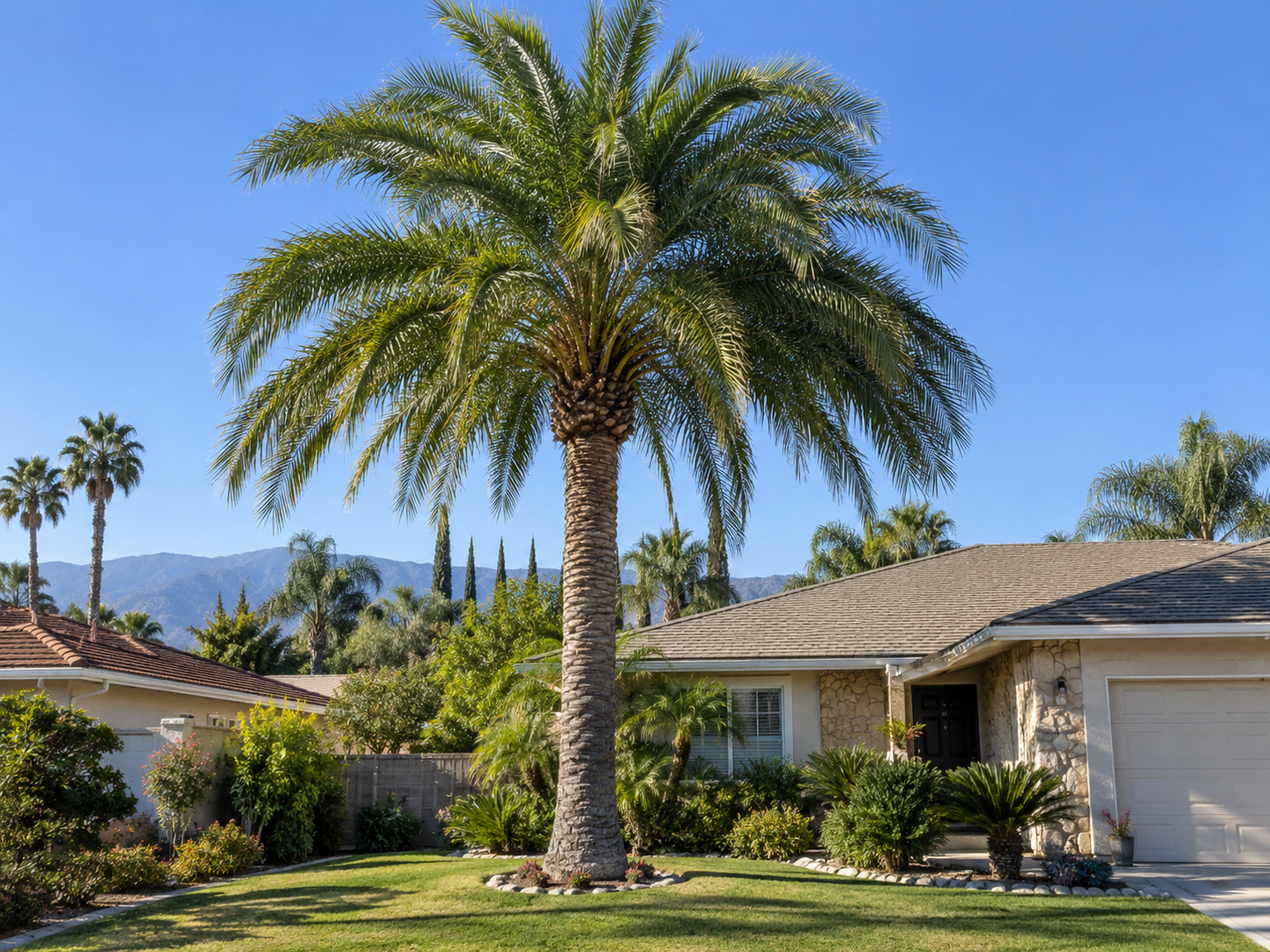
- Fire Hazards: Dry vegetation is a severe liability in Southern California. Dead grass, fallen palm fronds, and accumulated pine needles act as highly combustible kindling. Thorough yard cleanup removes this fuel load and establishes a defensible space around your property.
- Drainage Disruptions: Excessive leaf drop and organic debris easily clog gutters, drainage swales, and landscape grates. During heavy winter rains, this blockage forces water to pool around foundations, leading to soil erosion and costly structural damage.
- Fungal Growth: Thick layers of unraked leaves trap moisture against the soil surface. This prevents proper aeration and creates a breeding ground for harmful fungal pathogens that can attack the root systems of healthy plants.
Integrating Professional Tree Services Into Your Yard Cleanup
A superficial raking and sweeping will not secure your property against the elements. True landscape restoration requires integrating expert Tree Services into your broader yard cleanup initiatives. The structural integrity of your largest plants dictates the overall health and safety of the environment below them. Evaluating the canopy, addressing disease, and managing heavy limbs are tasks that require specialized equipment and arboricultural knowledge.
Professionals view yard cleanup as a multi-tiered operation. While surface debris is collected and removed, arborists simultaneously evaluate the vertical elements of the landscape. This dual approach ensures that the newly cleaned yard is not immediately ruined by falling deadwood or failing root systems a few weeks later.
Precision Canopy Management and Structural Pruning
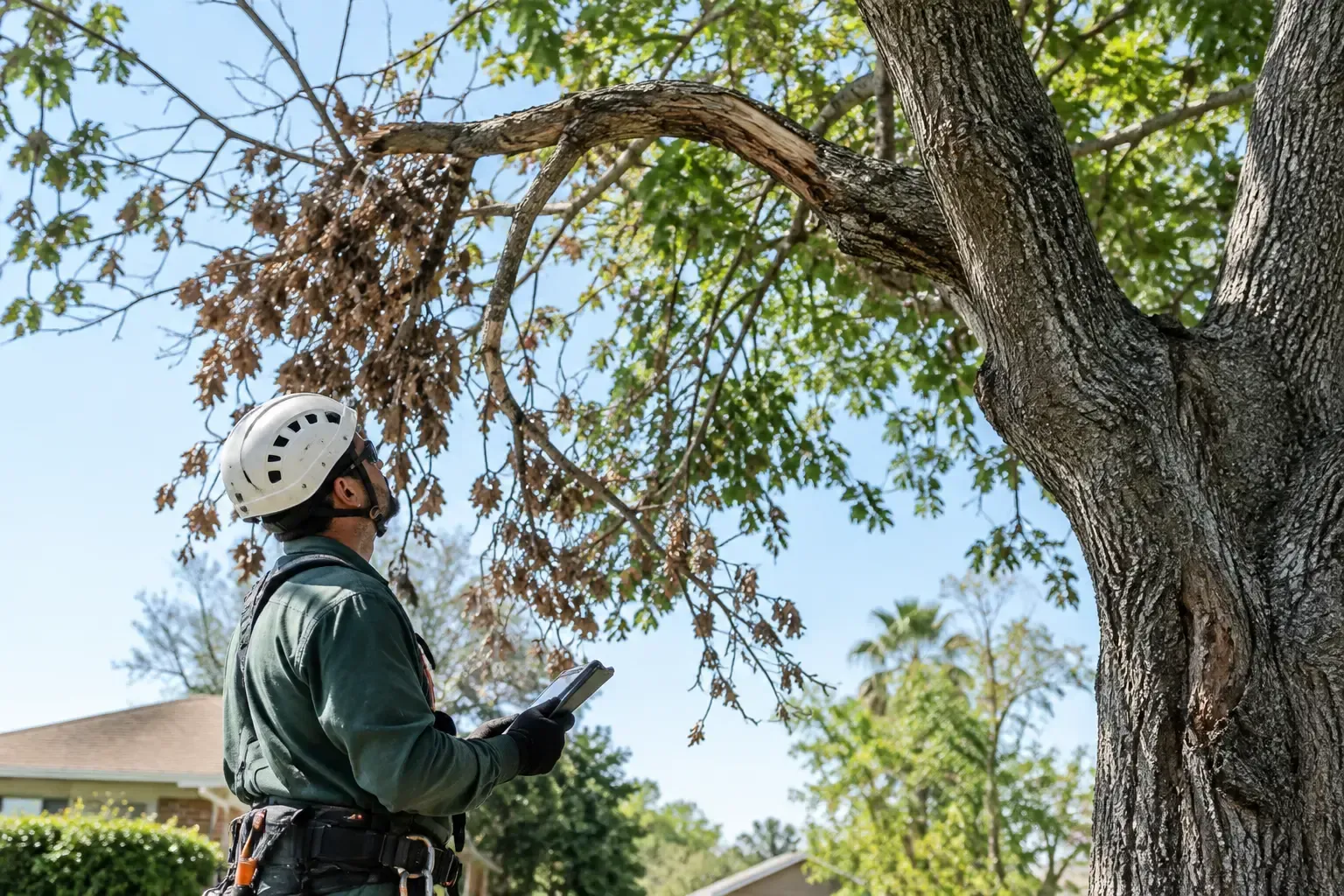
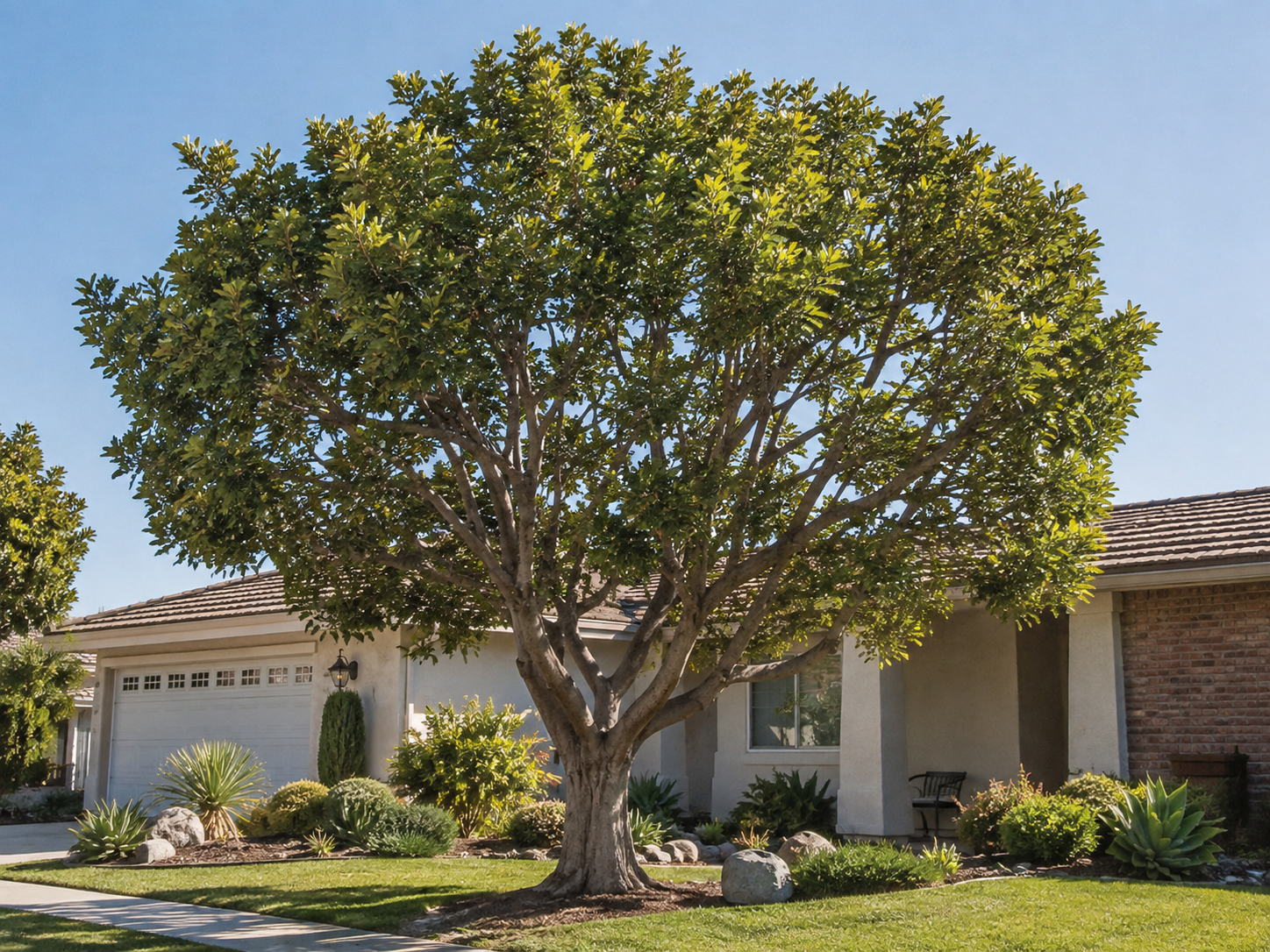
Overgrown canopies block vital sunlight from reaching the lower levels of your garden, causing grass and smaller shrubs to wither. Furthermore, an overly dense canopy acts like a sail during high winds, putting immense stress on the trunk and root system. Strategic tree trimming is a critical component of any major yard cleanup project.
Proper trimming involves the precise removal of crossing branches, water sprouts, and deadwood. This practice improves air circulation through the branches and reduces the overall weight of the limb structure. By thinning the canopy correctly, arborists encourage healthy new growth while drastically reducing the risk of structural failure during seasonal storms.
Mitigating High-Risk Situations and Declining Specimens
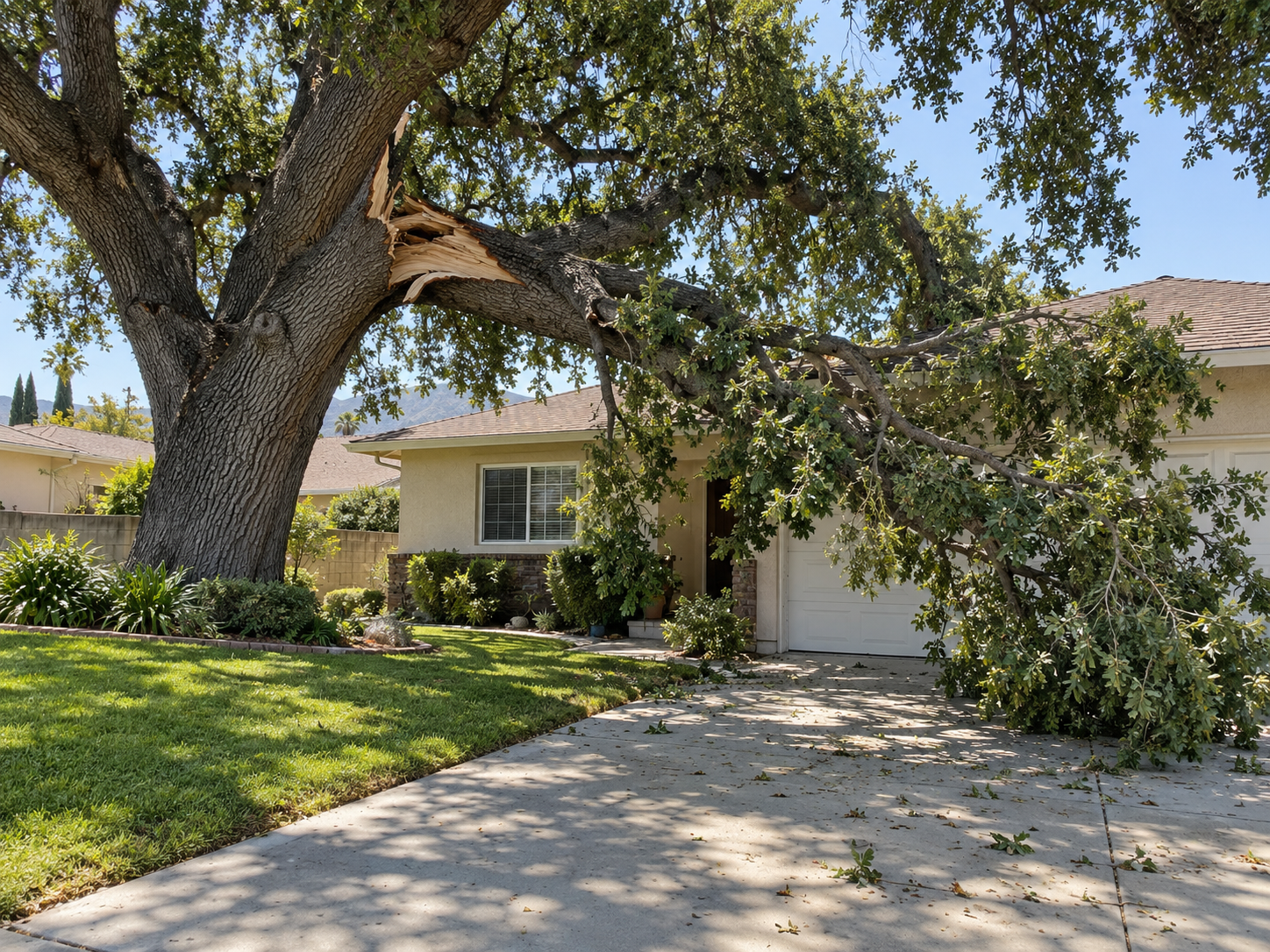
Sometimes a landscape assessment reveals severe problems that pruning cannot fix. Trees suffering from advanced internal decay, extensive pest infestations, or catastrophic root damage pose a direct threat to nearby structures and human safety. When an organic structure reaches the end of its lifespan or becomes irreparably compromised, swift action is mandatory.
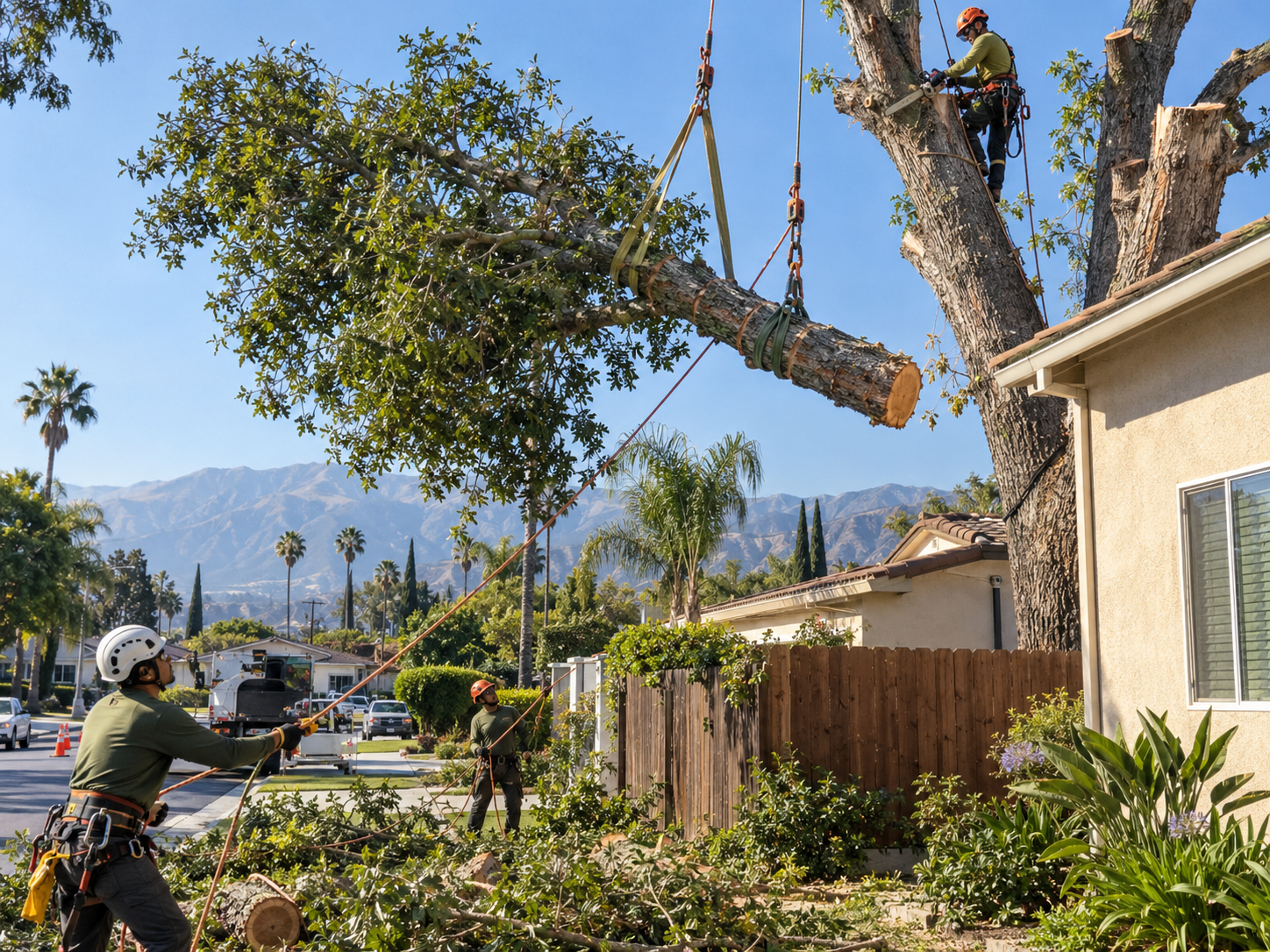
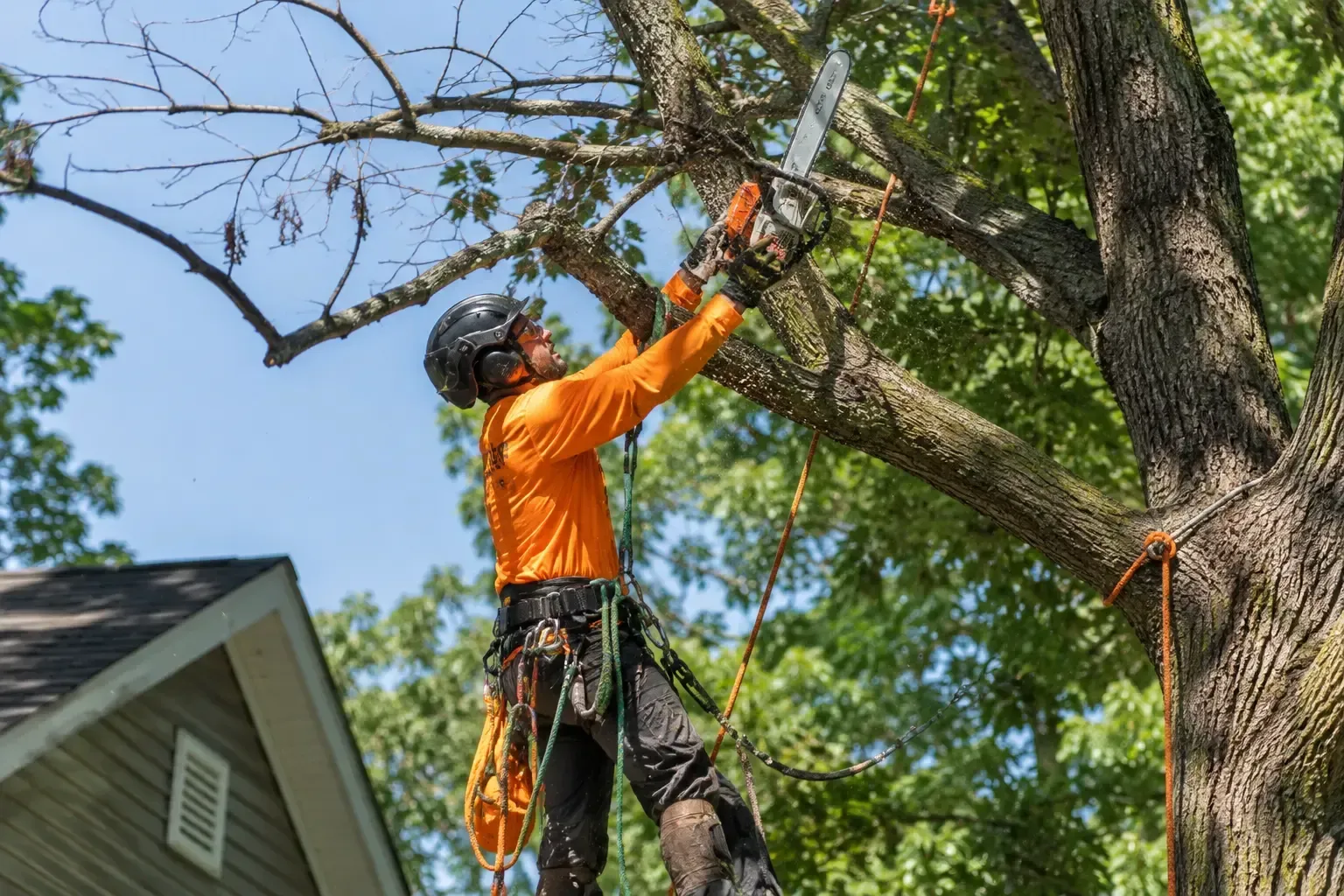
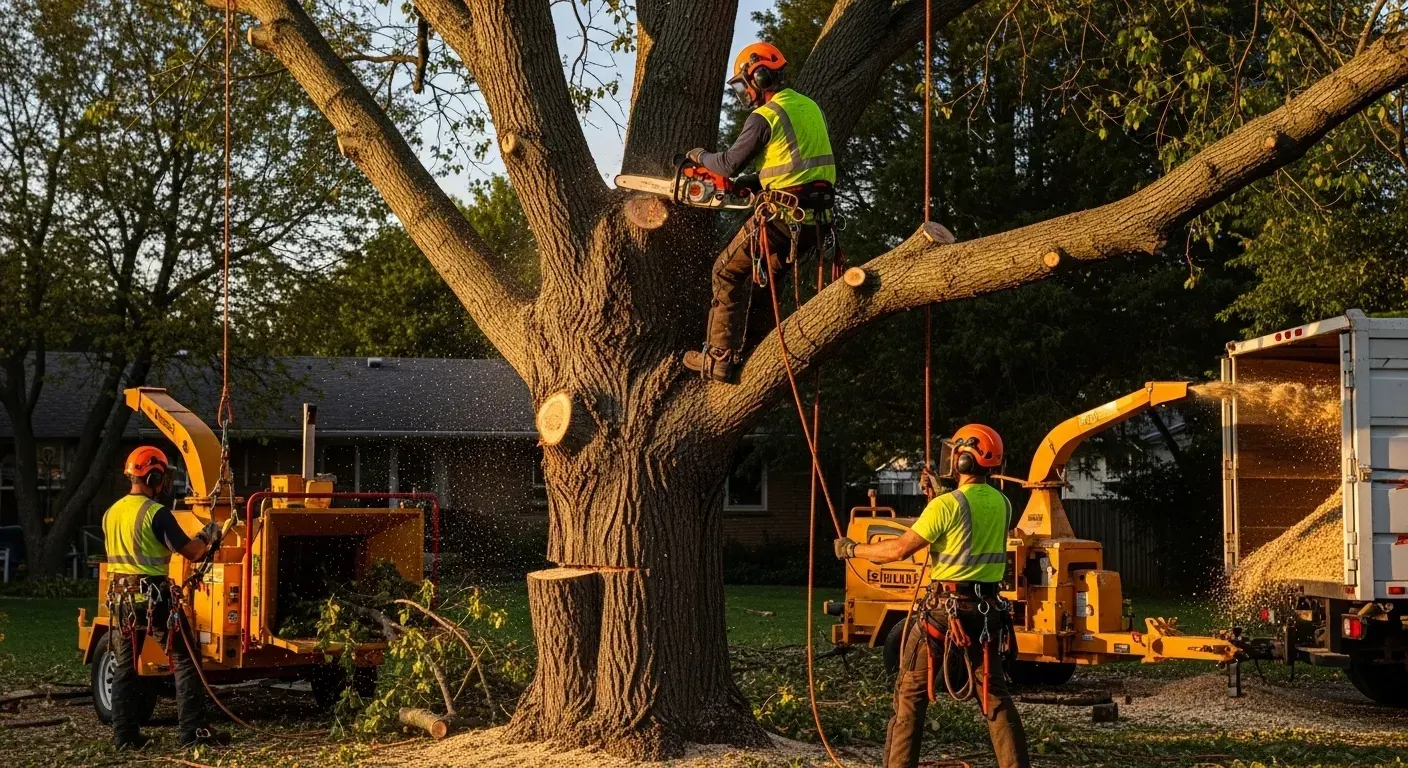
Safe and efficient tree removal requires meticulous planning. The process involves rigging heavy wood, dismantling the trunk in controlled sections, and safely lowering debris without damaging the surrounding yard. Removing these hazardous elements is often the most vital step in reclaiming an overgrown or neglected property.
Addressing Invasive Ground Cover and Aggressive Vines
While large branches demand attention, ground-level vegetation can be equally destructive. Invasive species thrive in the West Covina climate, rapidly spreading across properties and choking out native plants. Certain climbing vines are particularly aggressive, weaving their way through fences, scaling exterior walls, and even infiltrating roofing materials.
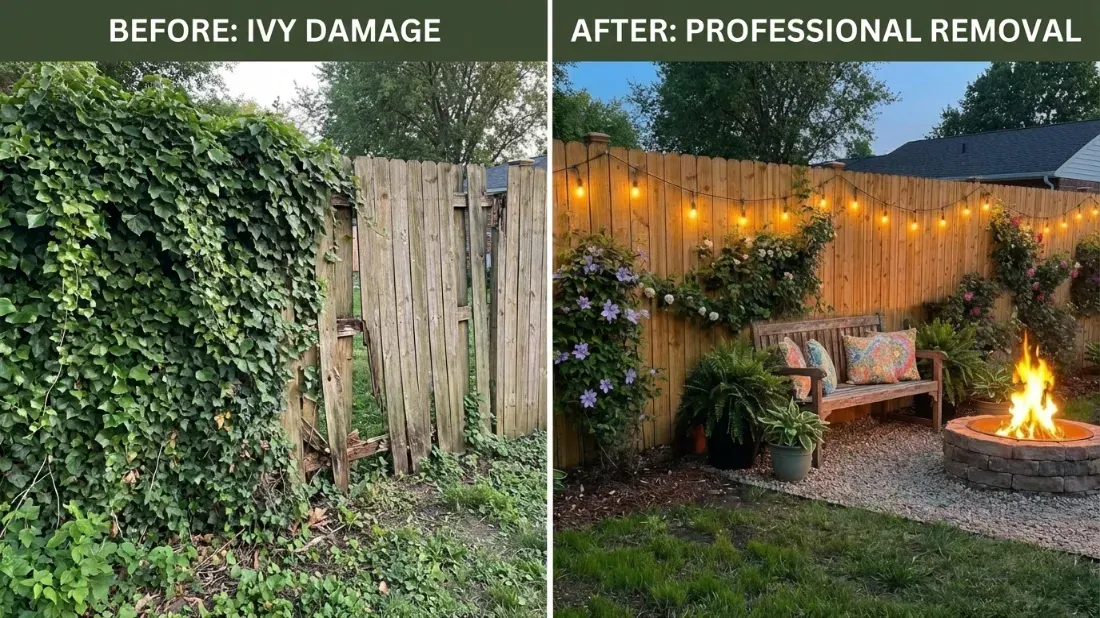
These climbing plants trap moisture against building surfaces, leading to wood rot and the rapid deterioration of stucco. Ground-level invasive plants compete fiercely with your desired flora for water and soil nutrients. Comprehensive ivy removal involves severing the main nutrient supply lines, carefully stripping the vines from delicate structures, and extracting the root systems to prevent immediate regrowth. Clearing this dense vegetation instantly transforms the appearance of the landscape and protects your hardscape investments.
Strategic Landscape Maintenance Schedule
Effective property management requires timing your cleanup efforts to match the natural growth cycles of the local environment. The following table outlines a strategic approach to seasonal yard maintenance.
| Season | Core Cleanup Activity | Professional Intervention | Landscape Benefit |
|---|---|---|---|
| Spring | Clearing winter debris and preparing soil beds. | Structural pruning to direct new growth patterns. | Maximizes sunlight penetration and encourages healthy blooming. |
| Summer | Managing rapid underbrush growth and watering checks. | Inspecting canopies for heat stress and pest infiltration. | Reduces competition for water resources and prevents severe dehydration. |
| Autumn | Raking excessive leaf drop and clearing drainage paths. | Thinning dense canopies before high wind events occur. | Eliminates pest nesting grounds and reduces wind resistance. |
| Winter | Removing dead annuals and applying protective mulch. | Evaluating dormant trees and extracting hazardous deadwood. | Protects delicate root systems from temperature fluctuations. |
Soil Health and Responsible Green Waste Recycling
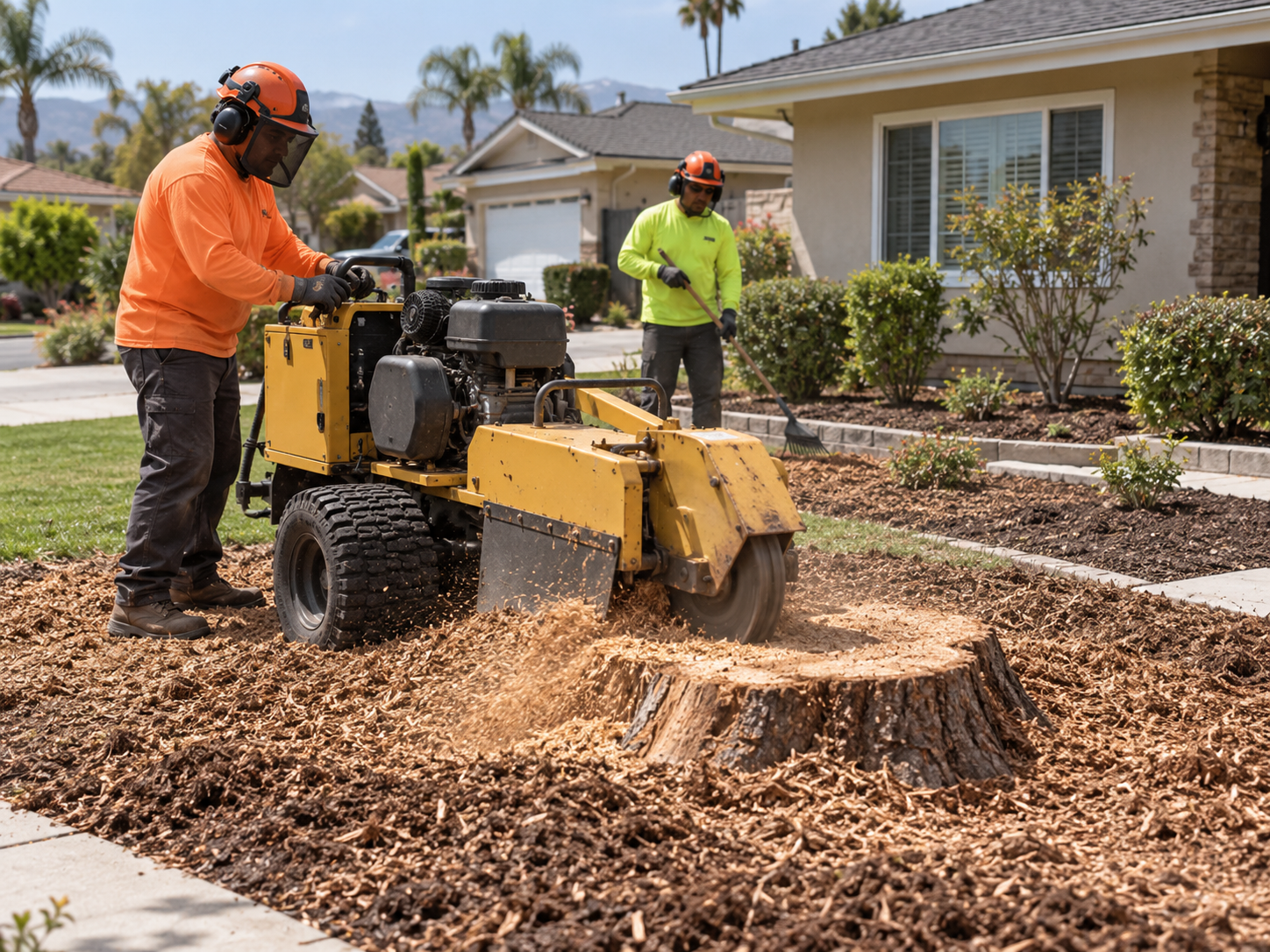
A massive yard cleanup generates a significant volume of green waste. Branches, leaves, pulled vines, and wood chips must be managed responsibly. Leaving massive piles of debris on the curb is unsightly and violates local municipal codes. Professional landscape teams handle the logistics of green waste disposal by feeding heavy wood through commercial chippers and hauling away organic refuse.
This process also presents an opportunity to improve the biological health of your property. Clean wood chips generated from your own yard can be repurposed as high-quality mulch. Applying a thick layer of organic mulch around the base of your plants helps retain soil moisture, regulates subterranean temperatures, and slowly reintroduces vital nutrients back into the earth as the material decomposes.
Planning Your Comprehensive Property Overhaul
Executing a large-scale property transformation requires careful logistical planning. Property owners should begin by conducting a visual audit of the yard. Document areas with poor drainage, identify overgrown sectors, and note any heavy branches hanging precariously over driveways or rooftops.
Once the primary concerns are documented, it is time to coordinate with specialists. Tackling heavy vegetation, working at heights, and operating chainsaws are high-risk activities that should never be attempted as a weekend DIY project. Relying on seasoned experts ensures the work is completed safely, efficiently, and in compliance with local environmental guidelines.
Partnering with Local Arboriculture Experts
The long-term vitality of your outdoor space relies on the expertise of the professionals you hire. Understanding the specific soil compositions, microclimates, and local regulations of West Covina, CA requires years of dedicated field experience. If you are interested in the background and qualifications of our crew, take a moment to learn about our team and our commitment to superior property management.
We approach every project with strict safety protocols and a deep respect for your property. Whether you are dealing with the aftermath of a severe storm or preparing your landscape for the upcoming season, our comprehensive yard cleanup solutions are designed to deliver lasting results. Protect your investment and elevate the visual appeal of your real estate today. Reach out to schedule a consultation and discover how tailored arboricultural strategies can completely revitalize your outdoor environment.
Frequently Asked Questions
What is the best time of year to schedule a major yard cleanup?
While light maintenance should occur year-round, the most effective times for extensive yard cleanup in Southern California are late autumn and early spring. Autumn cleanups focus on removing flammable debris and thinning canopies before high winds arrive. Spring cleanups focus on clearing winter refuse, structural pruning, and preparing the soil to support healthy summer growth.
Can yard cleanup activities help prevent pest infestations?
Yes. Pests such as rats, mice, and destructive insects actively seek out undisturbed piles of organic debris for shelter. By routinely removing fallen leaves, clearing dense underbrush, and eliminating deadwood, you remove the natural habitats these pests require to survive and reproduce near your home.
How do professionals handle the massive amount of debris generated during a cleanup?
Professional teams utilize heavy-duty equipment like commercial wood chippers and high-capacity dump trucks to process green waste on site. Usable wood is chipped into mulch that can be reapplied to your garden beds for soil health, while invasive vines, diseased wood, and excess organic refuse are hauled away to designated recycling facilities.