Smart Tree Care and Safety Planning for Residential and Commercial Properties in West Covina
Owning residential or commercial real estate in the San Gabriel Valley comes with a unique set of landscape maintenance responsibilities. Mature trees provide essential shade, improve air quality, and significantly elevate property aesthetics. However, large canopies and expansive root systems require active management to prevent structural failures and property damage. Property owners must approach arboriculture with a proactive mindset focused on safety and asset preservation.
Professionals specializing in comprehensive tree management tailor strategies to the specific environmental conditions of the region. Whether you manage a large apartment complex, develop commercial properties, or maintain a private residential landscape, implementing rigorous tree care protocols is non-negotiable. Neglected trees quickly transition from valuable landscaping assets to severe liability risks. Heavy branches overhanging roofs, root intrusion into plumbing systems, and unstable trunks pose constant threats that require professional intervention.
Choosing Reliable Tree Service West Covina: Mitigation and Asset Protection
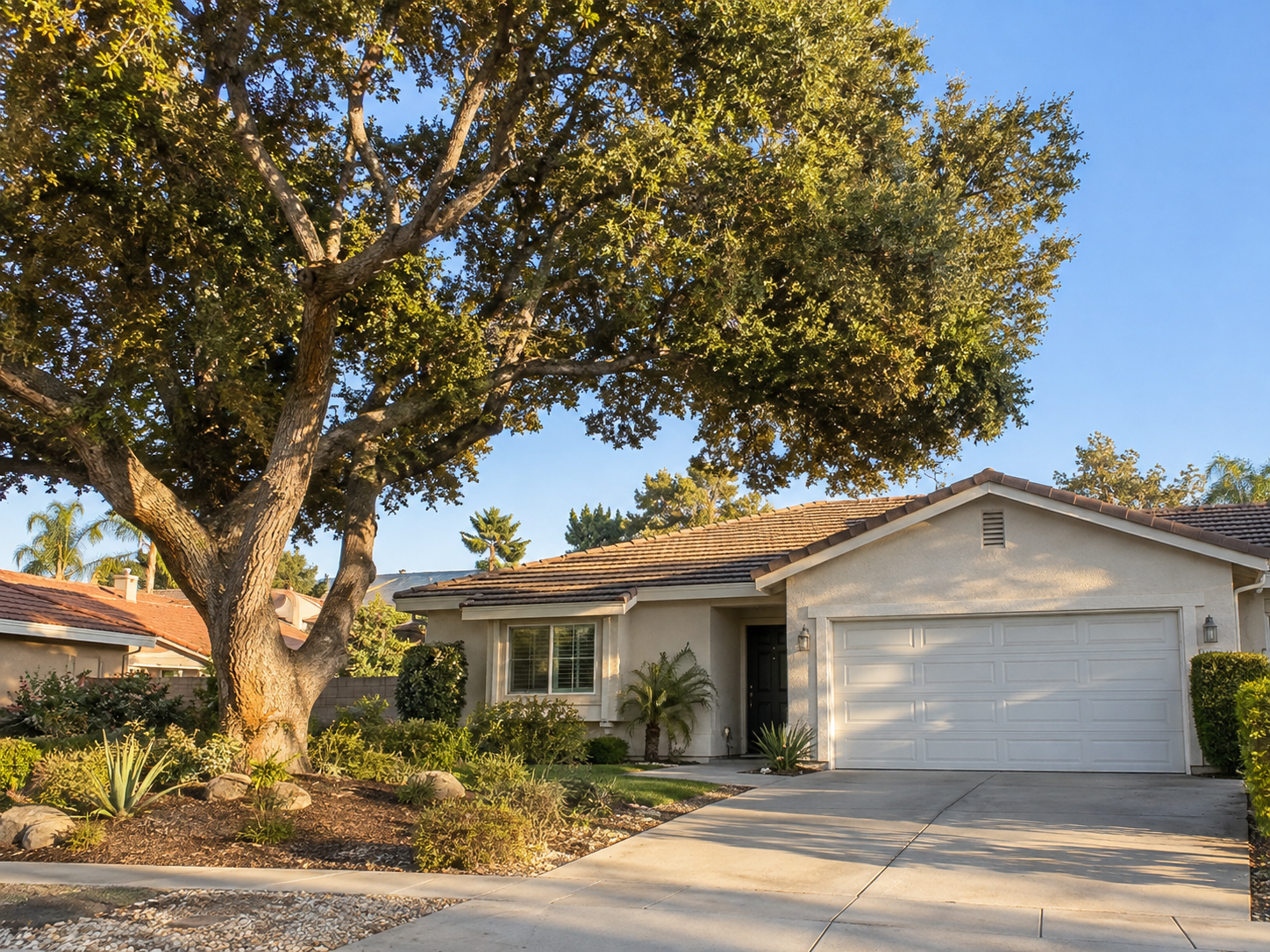
When selecting a provider for tree service West Covina, property owners must prioritize safety standards and technical expertise. Proper tree maintenance extends far beyond basic aesthetic pruning. It involves a deep understanding of structural integrity, disease pathology, and localized soil conditions. For homeowners looking to protect their primary residence, routine canopy management prevents unexpected branch failure during severe weather events.
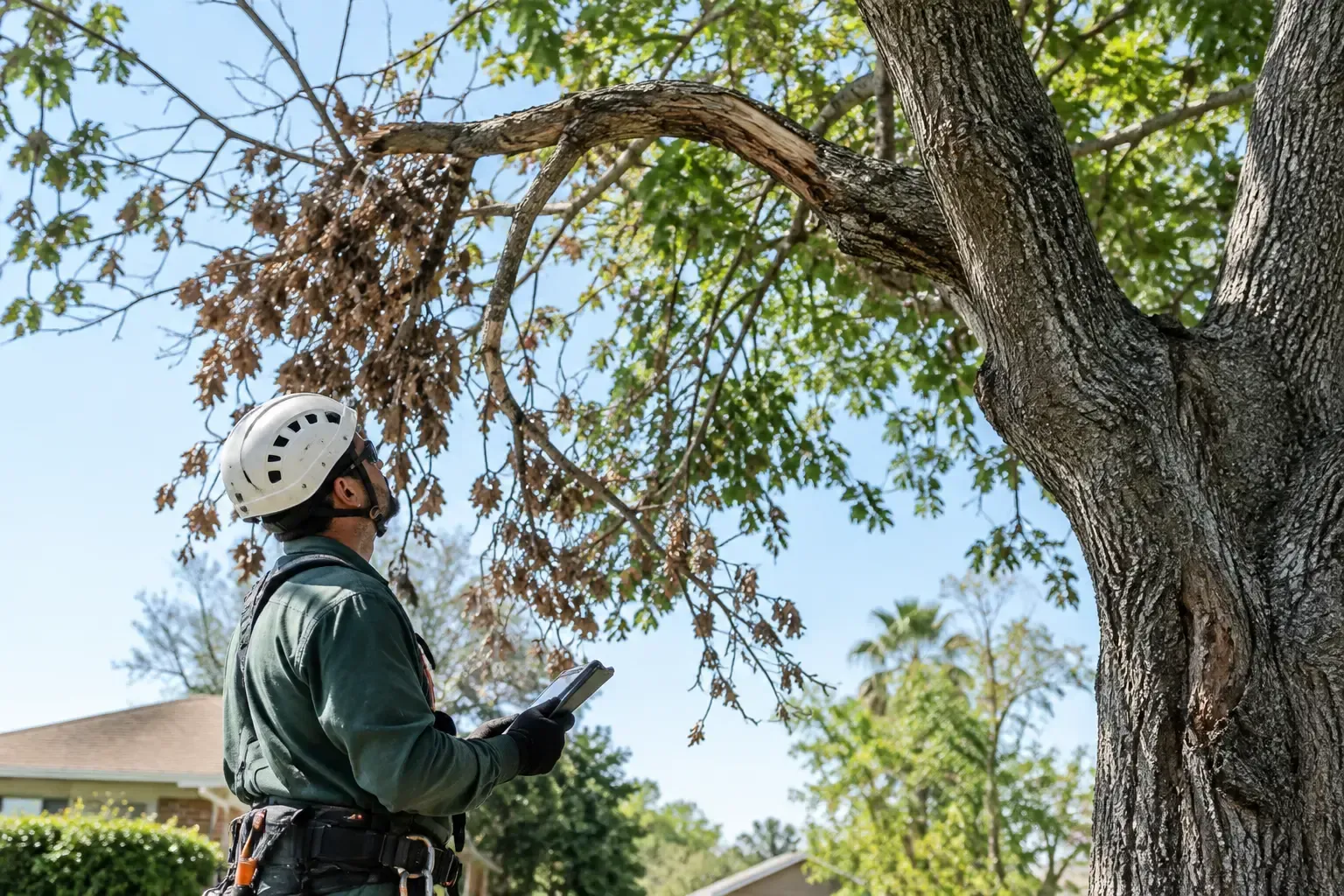
Trained experts evaluate each specimen on your property to determine the optimal care strategy. This process includes assessing the strength of branch attachments, identifying signs of internal decay, and evaluating the overall balance of the canopy. When a tree grows without professional intervention, it often develops a heavy crown that acts like a sail during high winds. By selectively removing specific branches, specialists reduce the wind resistance of the canopy and significantly lower the risk of uprooting.
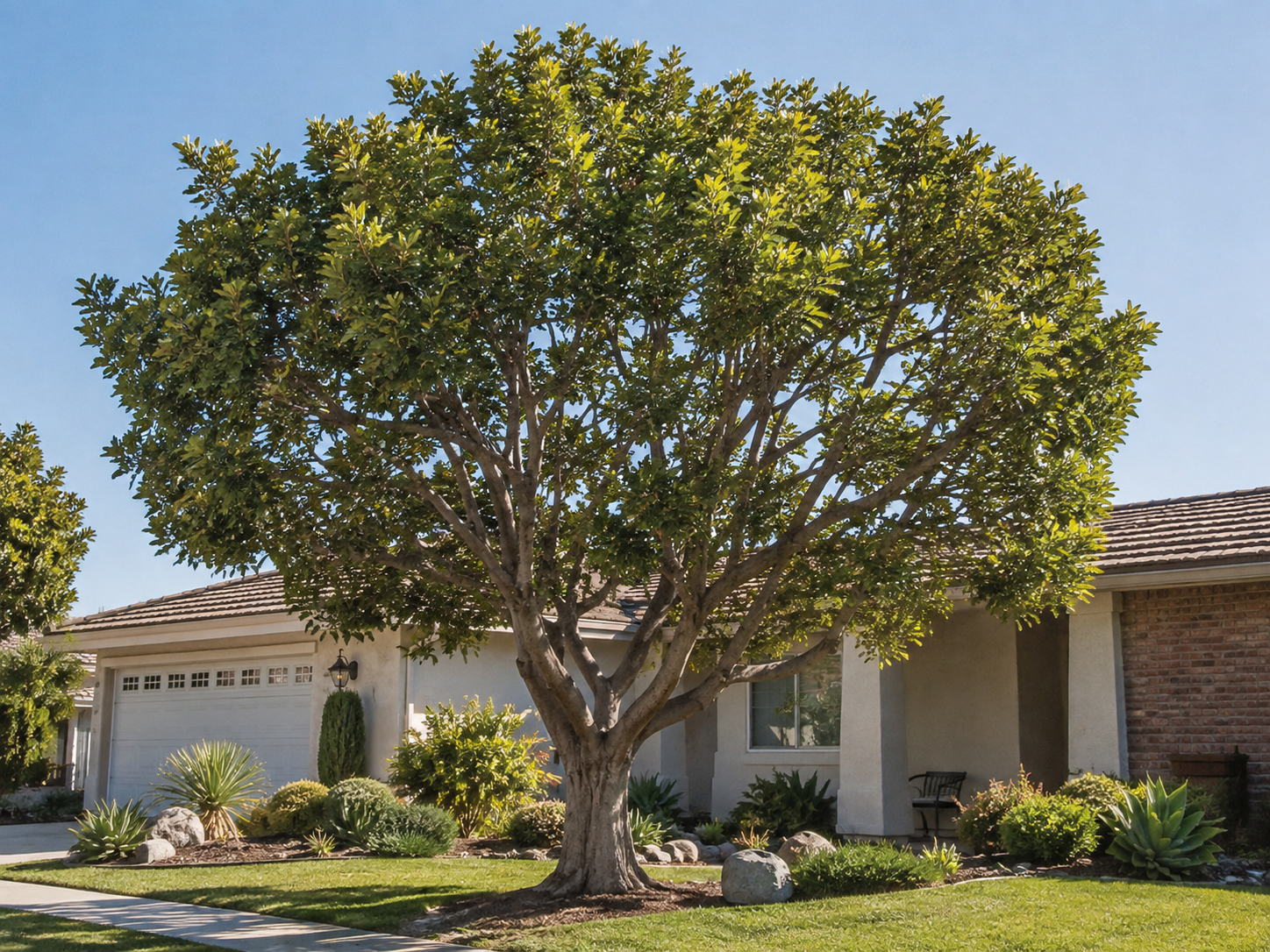
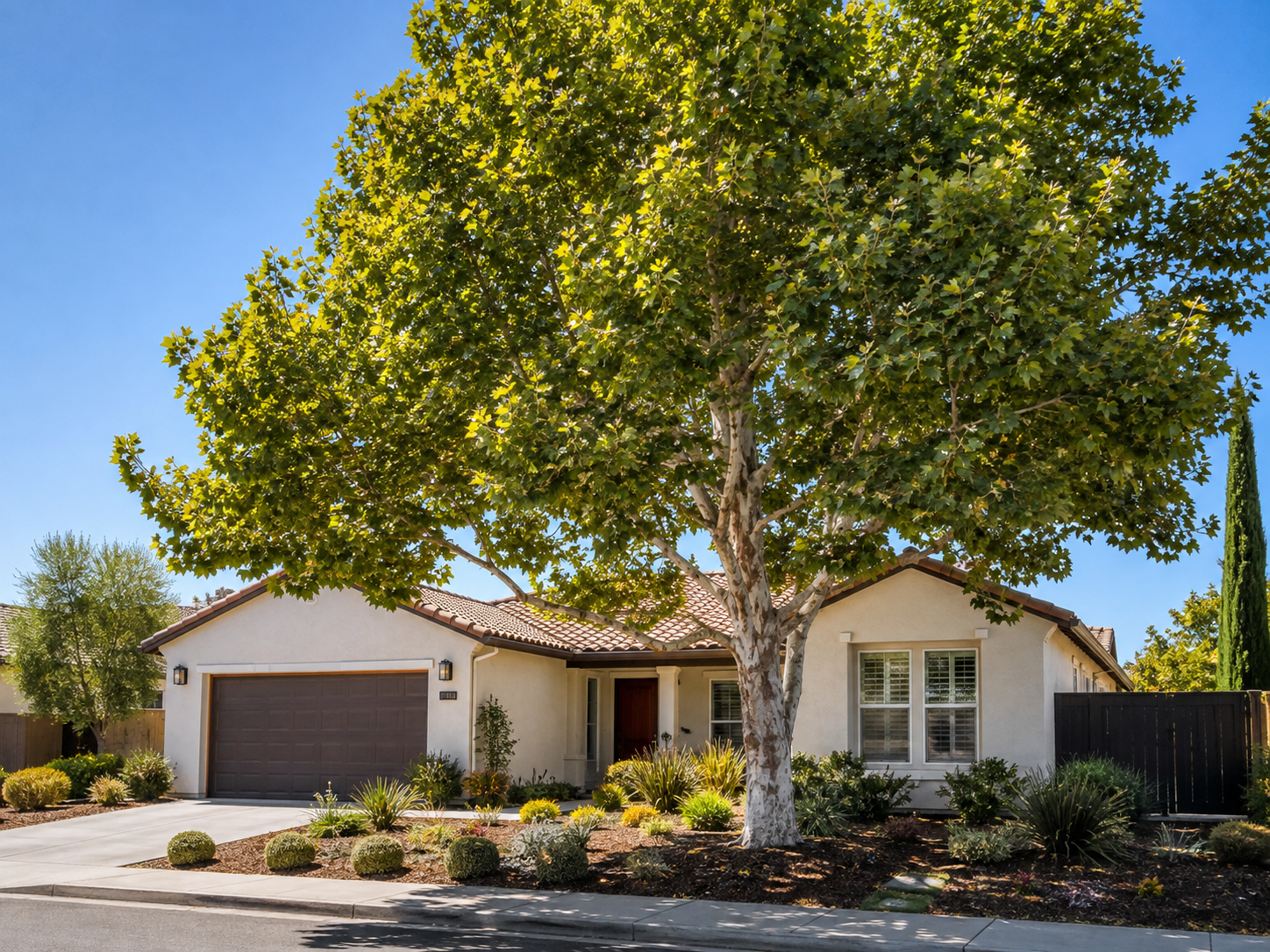
This level of detailed care directly impacts property values. Well maintained mature trees increase residential curb appeal and create a welcoming environment for prospective buyers. Conversely, dead or dying trees deter potential real estate transactions due to the anticipated cost of removal and the immediate visual impact of neglect.
Structural Pruning and Crown Thinning
Proper pruning techniques dictate the long term health of any woody plant. Crown thinning involves the selective removal of inner branches to increase light penetration and air movement through the tree. This technique reduces the weight of heavy limbs and removes dead or diseased wood. For West Covina properties featuring dense evergreens or sprawling shade trees, crown thinning is a mandatory annual or bi-annual requirement.
Crown raising elevates the lower edge of the canopy to clear sidewalks, driveways, and structural roofs. This is particularly important for commercial properties and residential neighborhoods where pedestrian clearance and vehicle visibility are mandated by local municipal codes.
Liability Reduction for Commercial Property Managers and HOAs
Property managers, landlords, and Homeowner Association board members carry a heavy burden regarding site safety. If a decaying tree branch falls and causes injury or property damage, the resulting liability claims can be financially devastating. Regular inspections and documented maintenance schedules are the most effective defenses against negligence claims.
Commercial retail centers, office parks, and apartment complexes in West Covina experience high volumes of daily foot traffic. Trees situated near parking lots and walkways require constant vigilance. To maintain a secure environment, property managers must address specific risk factors promptly. Common hazards that require immediate intervention include:
- Obstructed sightlines near parking lot exits and intersections.
- Low-hanging branches that interfere with pedestrian walkways.
- Deadwood accumulation within the upper canopy.
- Aggressive surface roots causing concrete displacement.
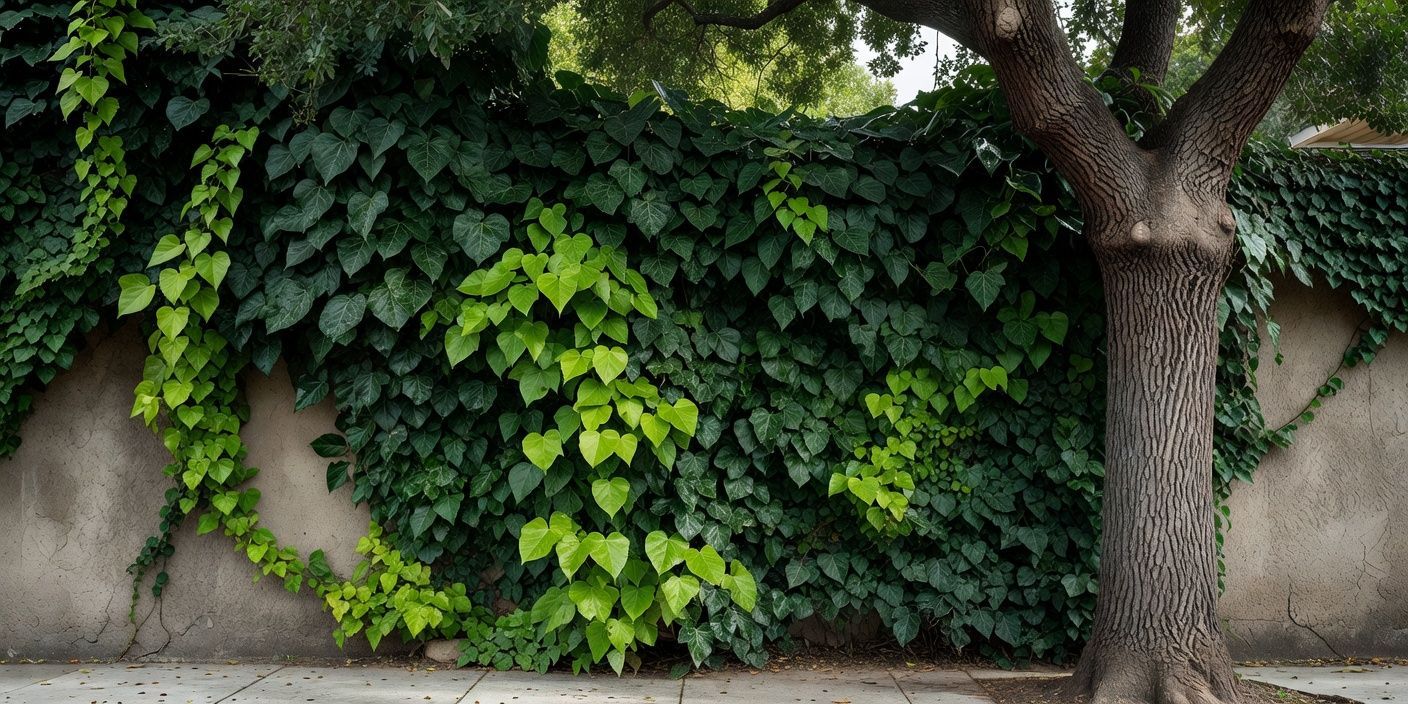
Aggressive root systems frequently lift concrete sidewalks and asphalt to create tripping hazards that directly violate accessibility standards. Professional safety management includes root barrier installations and strategic root pruning to prevent hardscape damage without compromising the stability of the tree.
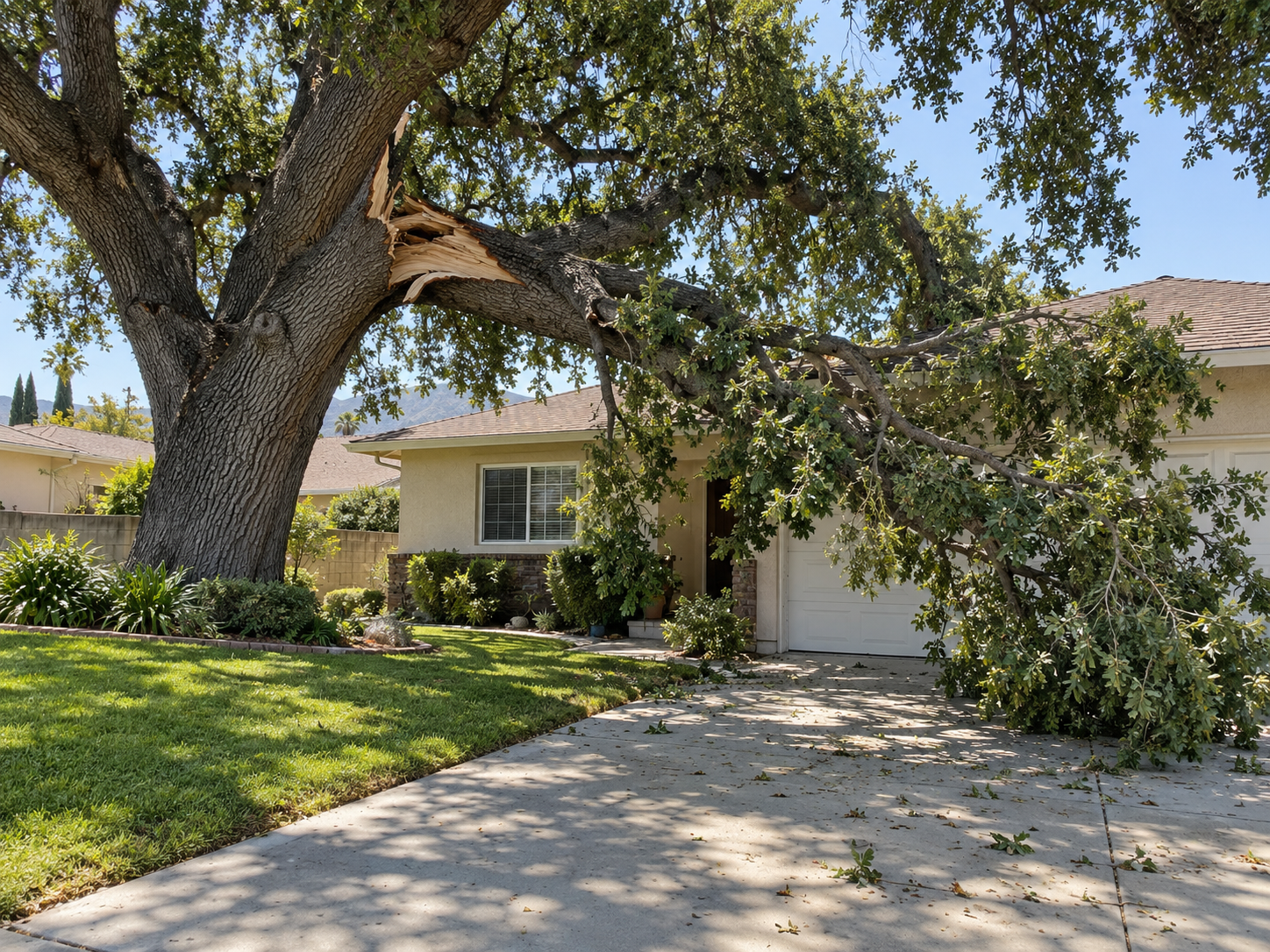
Partnering with a dedicated tree care provider ensures that property managers have immediate access to heavy equipment and trained personnel when emergencies arise. Split trunks, hanging limbs commonly referred to as widow-makers, and sudden soil heaving at the base of a tree demand urgent attention.
To help property owners understand the varying needs of common local trees, the following table outlines standard risk factors and recommended inspection intervals.
Local Tree Species Management and Risk Profiles
| Tree Species Category | Typical Growth Rate | Recommended Inspection Frequency | Primary Property Risk Factor |
|---|---|---|---|
| California Live Oak | Slow to Moderate | Every 12 to 18 Months | Sudden Branch Drop, Root Disease |
| Eucalyptus Varieties | Extremely Fast | Every 6 to 12 Months | Shallow Roots, High Wind Failure |
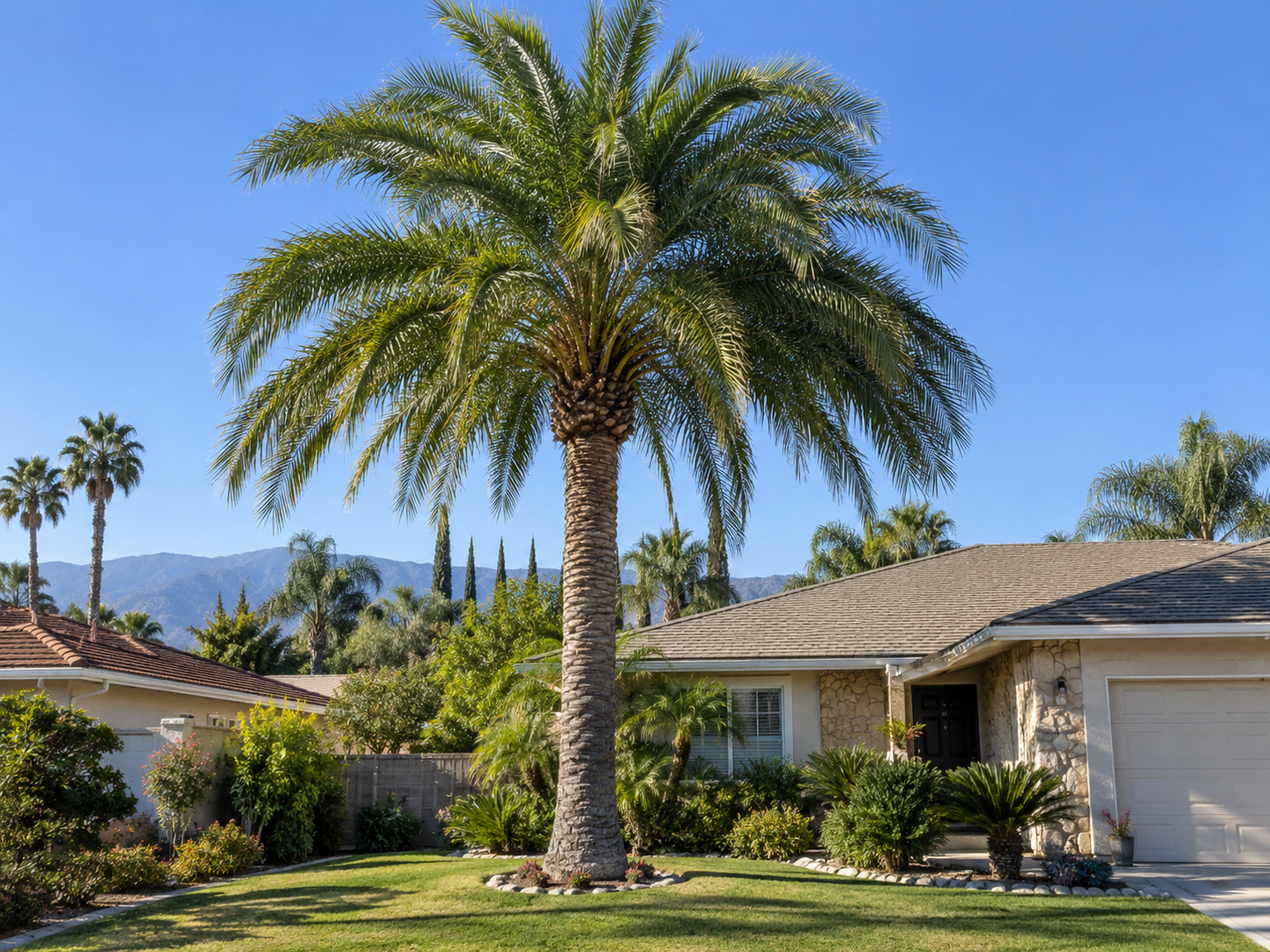
| Native Palm Trees | Moderate | Every 6 Months | Heavy Frond Drop, Pest Infestation |
| Citrus and Fruit | Moderate | Every 12 Months | Disease Susceptibility, Fruit Drop |
| Ficus and Sycamore | Fast | Every 12 Months | Aggressive Surface Root Expansion |
Precision Tree Removal and Site Preparation for Developers
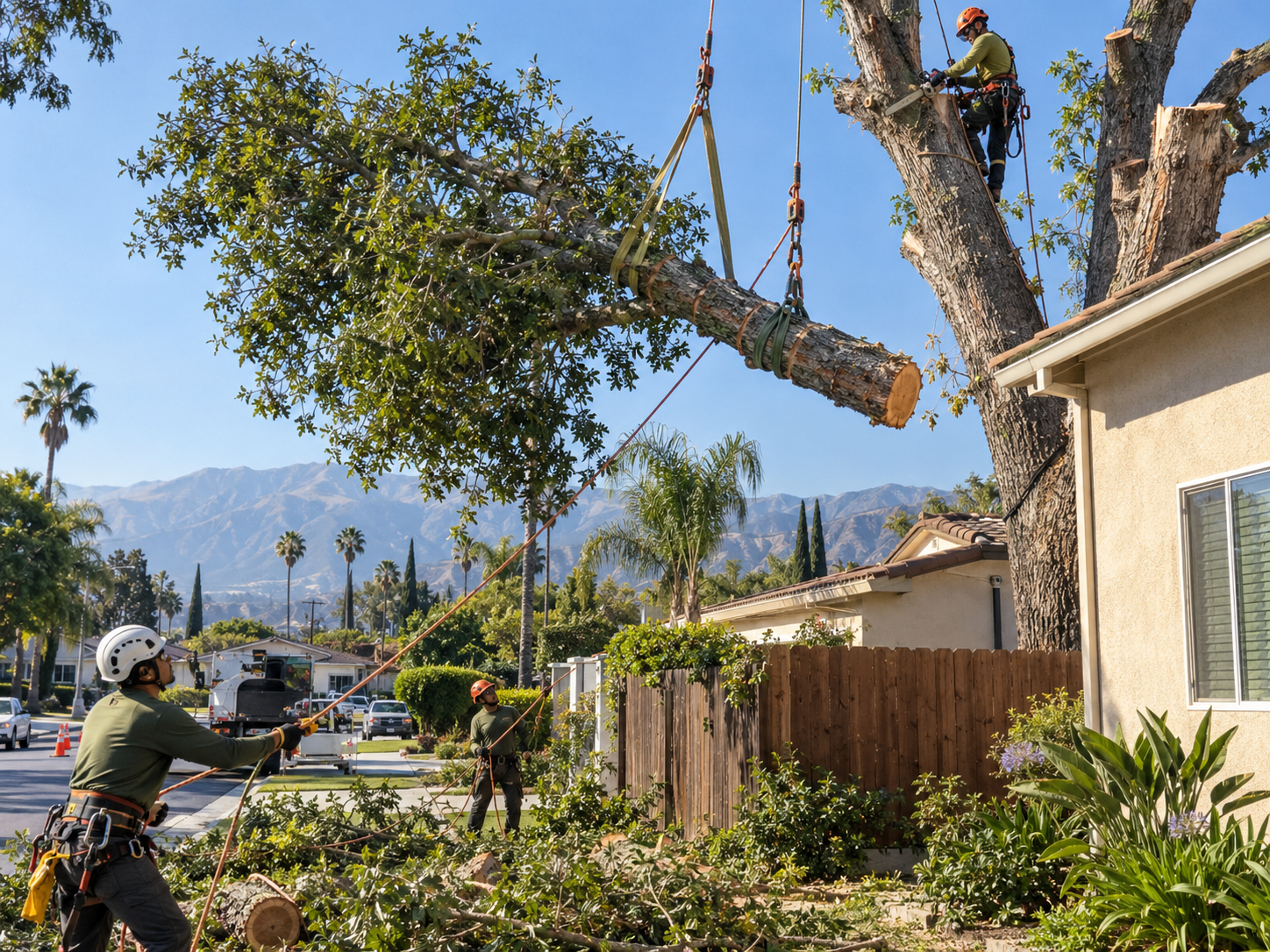
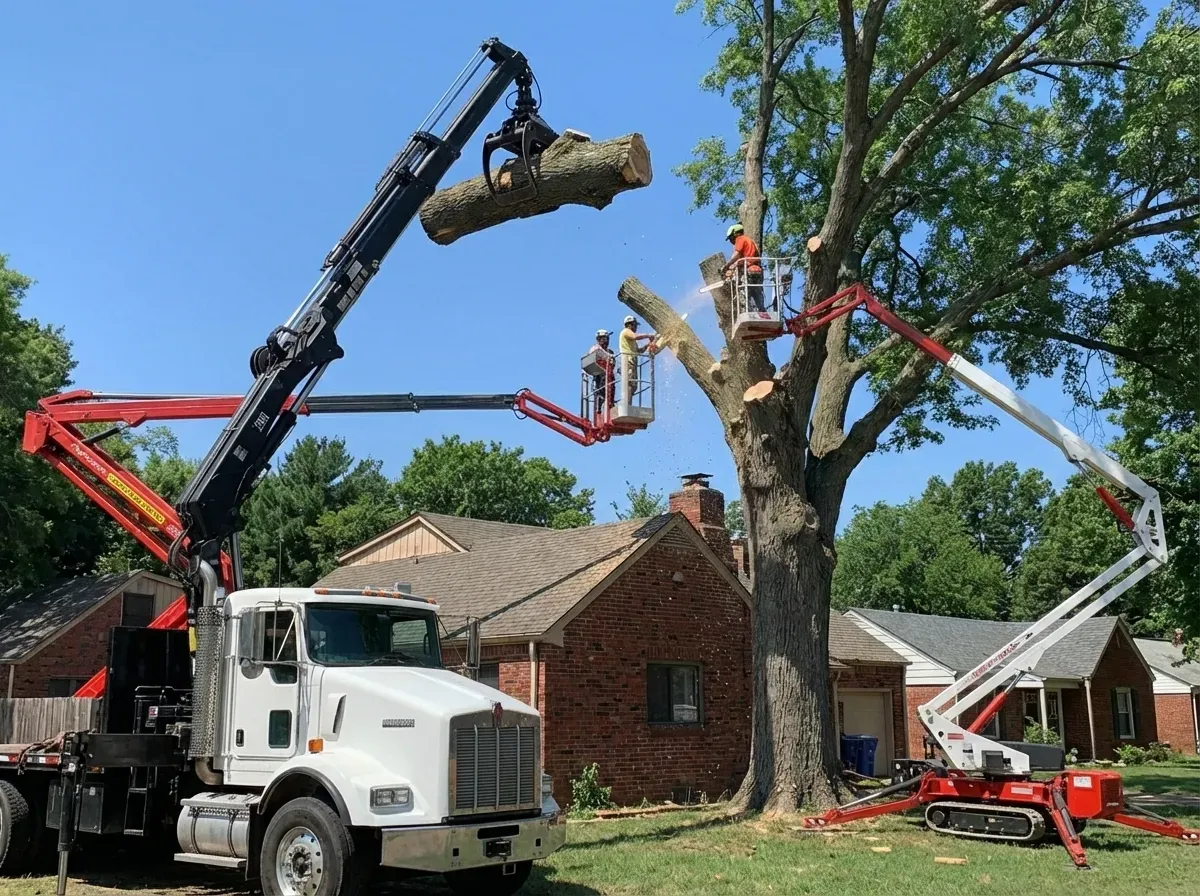
Real estate investors, contractors, and developers frequently encounter overgrown lots that require comprehensive clearing before construction can begin. Efficient land preparation relies on the safe and systematic removal of existing vegetation. Removing a massive tree within a confined residential or commercial space is a highly technical operation that requires precise rigging, cranes, and advanced safety protocols.
Professionals dismantle large trees section by section to guarantee that surrounding structures, power lines, and underground utilities remain completely untouched. This surgical approach to tree removal is essential in the densely populated neighborhoods of West Covina. Contractors operating heavy machinery must navigate narrow property lines and respect the boundaries of neighboring homes.
Beyond clearing space for new foundations or hardscaping, targeted tree removal is often the only solution for specimens suffering from irreversible decline. Fungal infections, advanced termite damage, or severe root rot compromise the structural integrity of the wood. Leaving a dead tree standing on an investment property halts renovation progress and presents an unacceptable hazard to construction crews.
Complete Stump Eradication and Subterranean Management
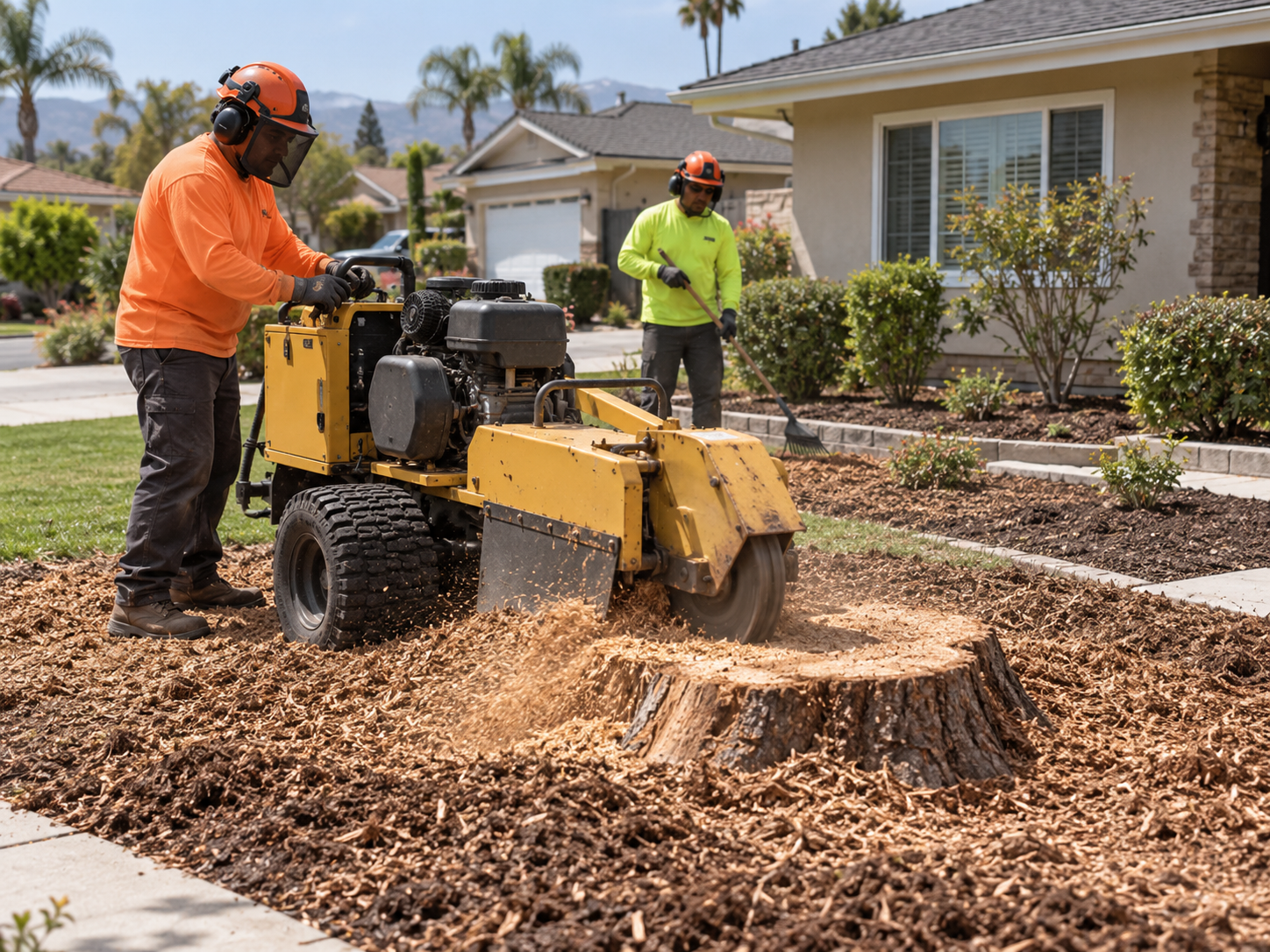
Cutting a tree down to ground level is only the first phase of the removal process. The remaining stump and subterranean root system present significant obstacles for future landscaping and construction. Stumps attract subterranean termites, carpenter ants, and wood-boring beetles that can easily migrate to nearby residential structures. Furthermore, decaying root systems create sinkholes as the organic matter breaks down over several years.
Industrial stump grinding eliminates the visible hazard and destroys the central root crown. This process grinds the wood well below the soil surface to allow property owners to immediately plant new sod, pour concrete, or install irrigation lines over the area. Thorough root management prevents unwanted regeneration, ensuring that invasive species do not sprout new shoots and compromise fresh landscaping efforts.
Adapting to the San Gabriel Valley Environmental Challenges
West Covina experiences distinct seasonal weather patterns that place immense stress on local urban forests. The region features long, arid summers followed by brief periods of intense winter precipitation. This cycle of drought and sudden saturation directly impacts tree stability and soil cohesion.
During periods of extended drought, trees weaken and become highly susceptible to pest infestations and fungal pathogens. Bark beetles specifically target drought-stressed trees and rapidly accelerate their decline. Proper deep-watering techniques and targeted soil conditioning help maintain tree vigor during the hottest months.
Conversely, when heavy winter rains saturate the soil, the risk of complete tree failure skyrockets. Saturated soil loses its ability to anchor heavy root systems. When combined with the infamous Santa Ana winds that sweep through the San Gabriel Valley, the resulting aerodynamic pressure easily uproots top-heavy trees. Preventive canopy thinning performed in the late summer or early fall is the most reliable method for mitigating wind-induced failures. By reducing the density of the foliage, arborists allow high winds to pass safely through the branches rather than pushing against a solid wall of leaves.
Securing Professional Arboriculture Services
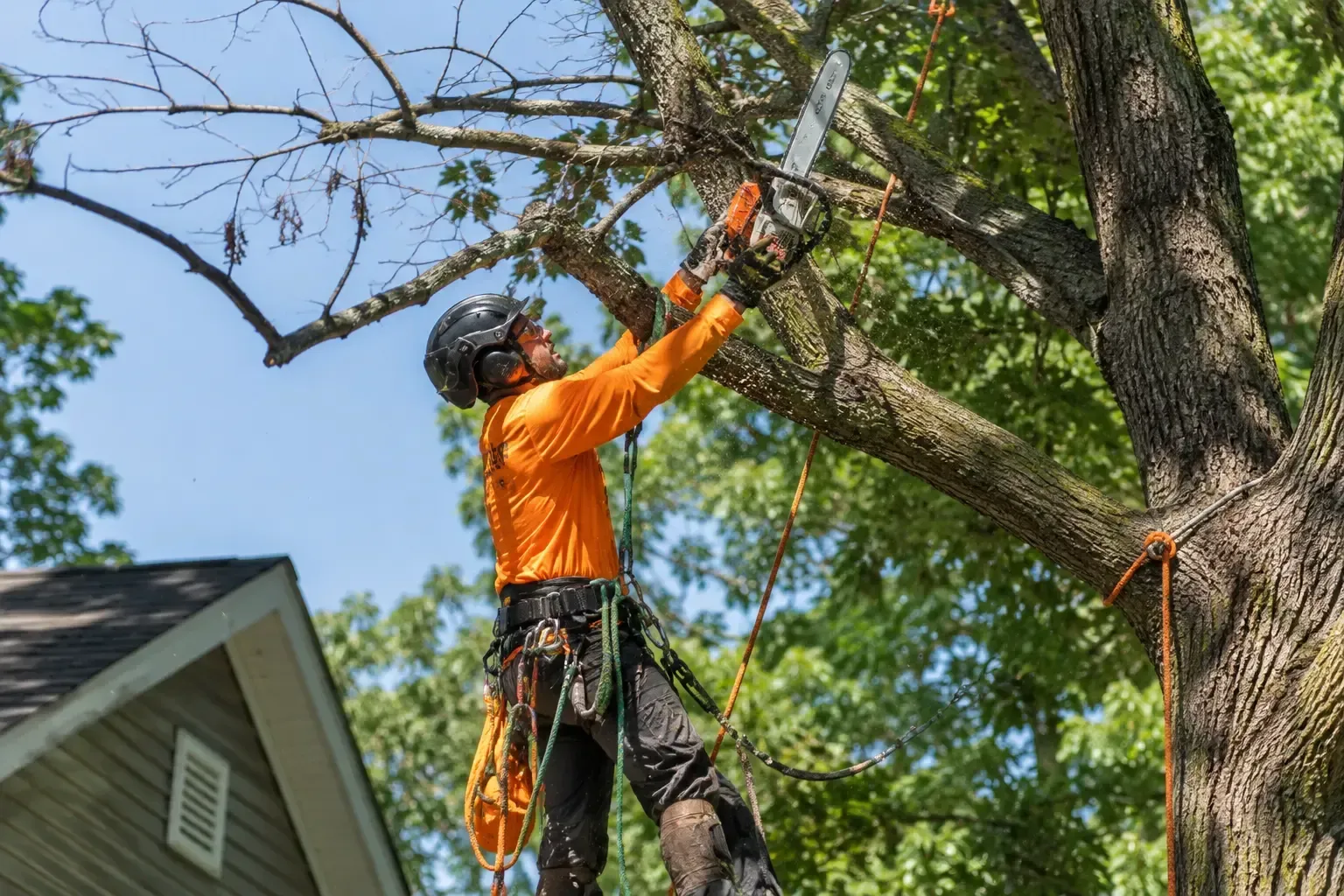
Active landscape management requires technical knowledge, specialized equipment, and a strict adherence to safety regulations. Attempting DIY tree care on large specimens is dangerous and frequently results in severe injury or catastrophic property damage. Professional arborists possess the necessary training to operate chainsaws at high elevations, utilize complex rope rigging systems, and predict the exact trajectory of falling timber.
Whether you need to clear a commercial lot for a new development, mitigate liability risks around an apartment complex, or simply enhance the health of the trees shading your private home, professional intervention guarantees optimal results. Establishing a relationship with trusted local experts ensures your property remains safe, compliant with local ordinances, and visually impressive year after year.
To schedule a comprehensive property evaluation or to discuss your specific safety management requirements, please contact our specialized team today. Our arborists will provide detailed assessments and execute precise solutions tailored to your unique landscape.
Frequently Asked Questions
What are the visible signs that a tree requires immediate removal?
Indicators of imminent failure include deep vertical cracks in the main trunk, a sudden and severe lean, the appearance of large fungal brackets near the base, and significant dieback in the upper canopy. If the ground around the base of the tree begins to heave or lift, the root system is actively failing and requires immediate professional evaluation.
Can tree roots permanently damage concrete foundations and plumbing?
Yes. Aggressive root systems naturally seek out moisture and oxygen, frequently infiltrating minor cracks in older plumbing lines. As roots expand, they exert massive hydrostatic pressure capable of lifting driveways, shattering sidewalks, and compromising shallow residential foundations. Professional root barrier installations help mitigate this risk effectively.
Can pruning extend the lifespan of a tree?
Install protective fencing around the dripline to prevent soil compaction and root damage. Avoid piling construction materials near the base, and ensure heavy machinery does not drive over root zones. Consulting an arborist before construction begins can help design effective protective measures.
What steps can I take to protect trees during construction projects?
Install protective fencing around the dripline to prevent soil compaction and root damage. Avoid piling construction materials near the base, and ensure heavy machinery does not drive over root zones. Consulting an arborist before construction begins can help design effective protective measures.