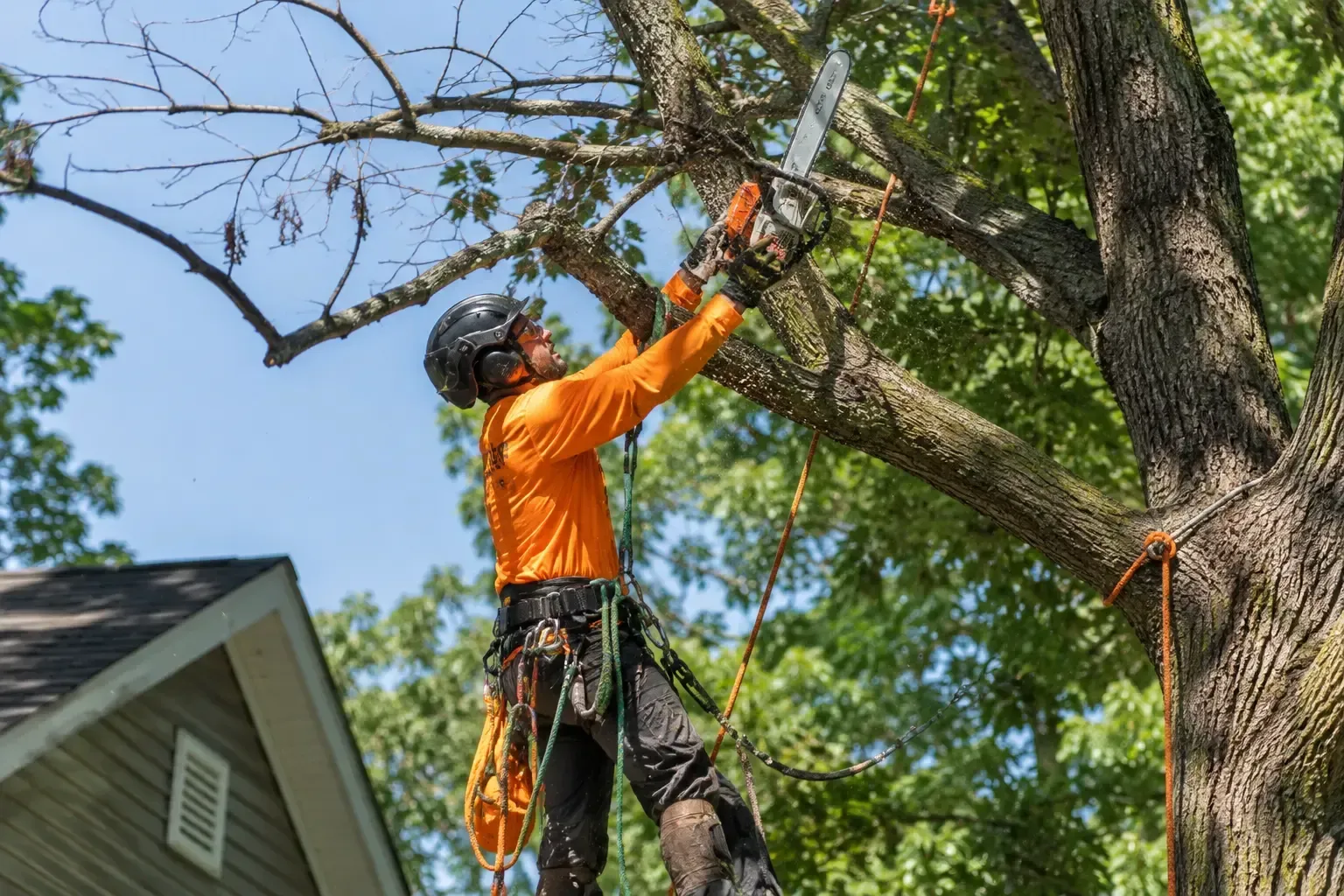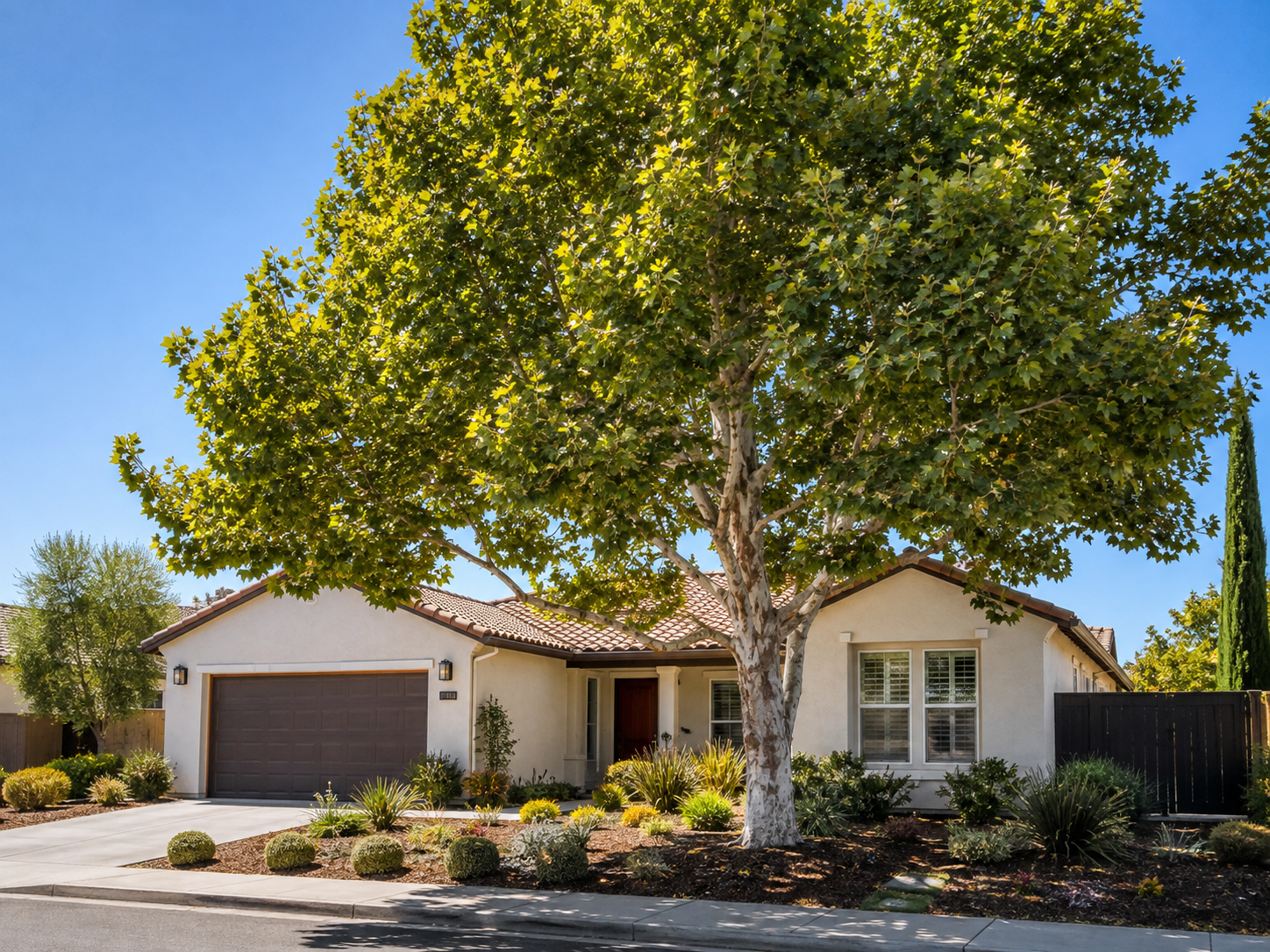
The Science and Strategy of Proper Tree Trimming in West Covina
Maintaining a healthy, structurally sound canopy requires precision, knowledge, and an understanding of local environmental factors. Property owners in West Covina, CA, face unique climate challenges that directly impact urban forests. From extended dry spells to sudden winter storms, the trees on your residential or commercial property endure significant stress year after year. At
West Covina Tree, we approach arboriculture with a distinct focus on long-term vitality, ensuring your landscape remains both safe and beautiful.
Why Professional Tree Services Matter for Your Canopy
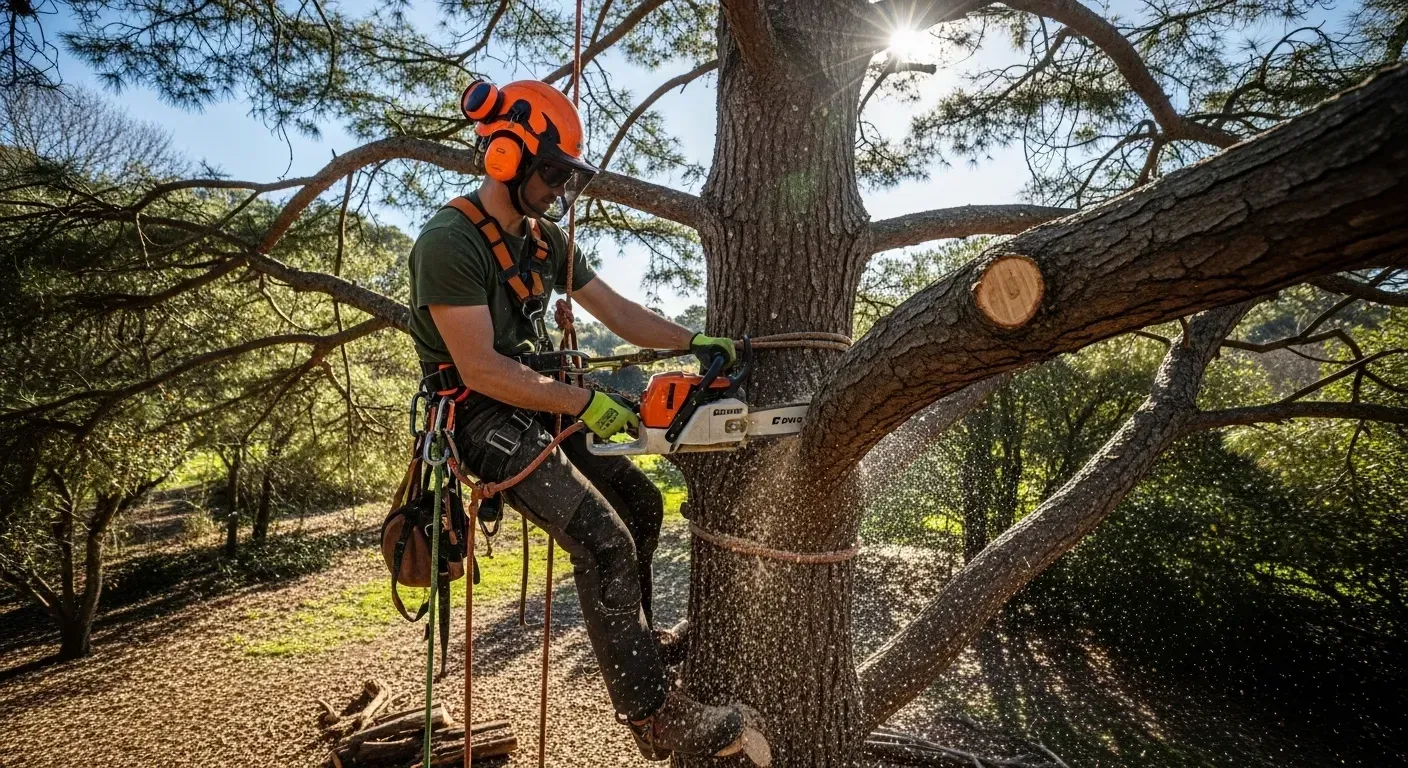
Many property owners view pruning as a simple chore of cutting back overgrown foliage. However, proper canopy management is a highly technical practice based on plant biology. Engaging expert Tree Services ensures that every cut is made with deliberate intent. Arborists understand the biological response of different species to pruning wounds. We know exactly where to make the cut at the branch collar to facilitate rapid healing and prevent disease intrusion.
Improper pruning techniques can introduce decay, create structural instability, and drastically shorten a tree's lifespan. Our team members have dedicated themselves to mastering these technical techniques to protect your landscape investments. You can learn more about our foundational commitment to arboricultural excellence on our About Us page.
Understanding Trimming Techniques for Local Species
Different trees require entirely different management strategies. The methodology applied to a mature coast live oak will vastly differ from the techniques used on a delicate ornamental Japanese maple. Understanding these nuances is critical to preserving the aesthetic and structural value of your property.
To maintain a healthy yard, you must know what to look for. Here are the primary signs that your trees require immediate professional attention:
- Crossing branches that rub together and strip away protective bark.
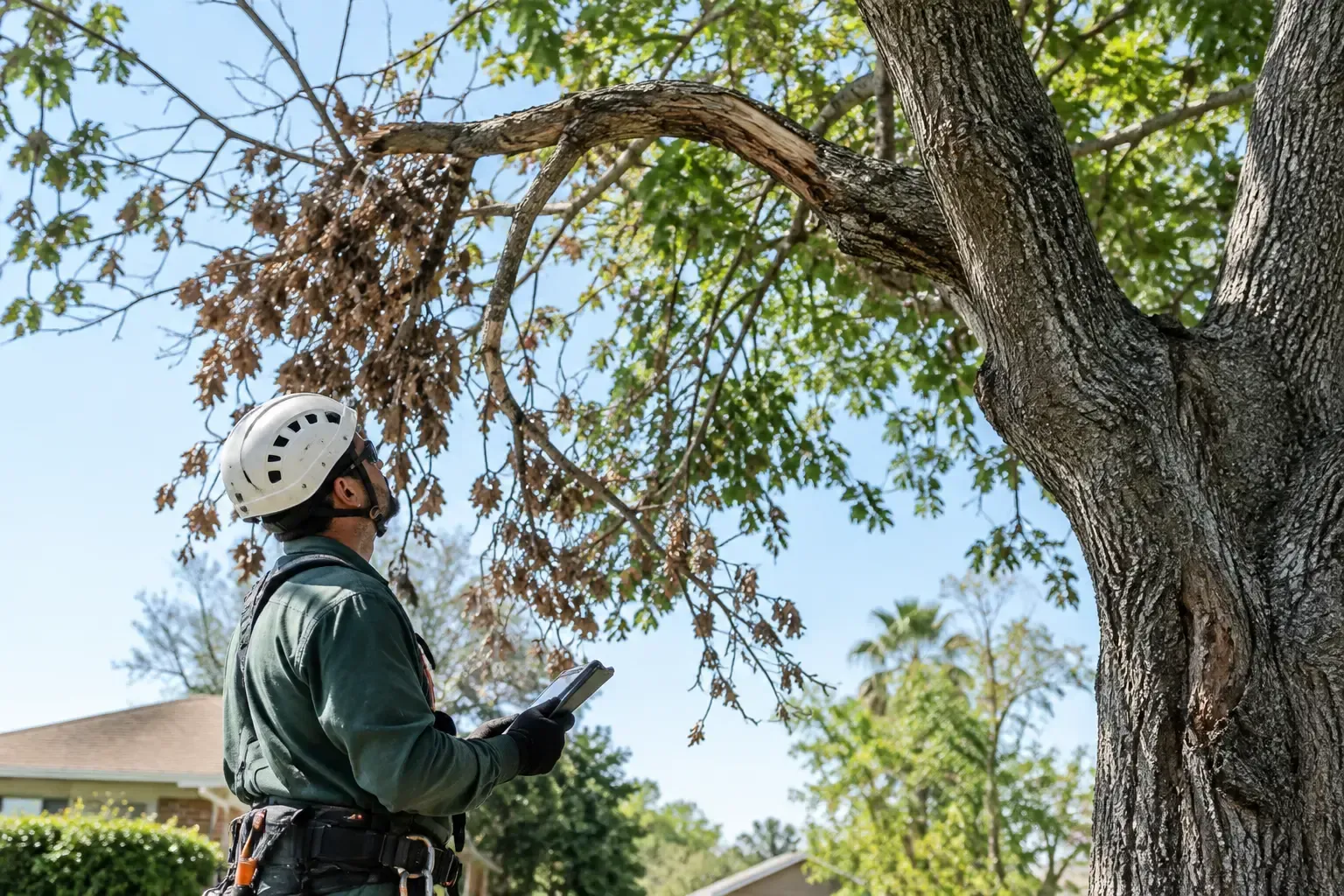
- Significant deadwood accumulation in the upper crown.
- Branches growing dangerously close to utility lines, chimneys, or rooflines.
- Unexplained leaf drop or discoloration during the active summer growing season.
- Visible cracks, deep fissures, or fungal brackets on the main trunk.
When our teams arrive on site, we deploy specific techniques based on your tree's condition. Crown thinning involves the selective removal of inner branches. This process increases light penetration and air movement through the crown. Better airflow directly reduces the risk of fungal diseases, which can thrive in dense canopies. Crown raising focuses on removing the lower branches to provide necessary clearance for pedestrians, vehicles, or structures. Deadwooding is the systematic extraction of dead, dying, or diseased branches to eliminate safety hazards and stop the spread of internal decay.
Below is a detailed breakdown of the primary pruning methods we utilize to manage local canopies.
| Pruning Technique | Primary Objective | Ideal Application Scenario | Recommended Frequency |
|---|---|---|---|
| Crown Thinning | Improve airflow and light penetration | Dense canopies prone to fungal infections | Every 3 to 5 years |
| Crown Raising | Create vertical clearance | Trees overhanging driveways or sidewalks | As needed for safety |
| Deadwooding | Eliminate fall hazards | Mature trees with visible canopy dieback | Annual inspection |
| Crown Reduction | Decrease overall tree height and spread | Trees encroaching on power lines or buildings | Every 2 to 4 years |
| Structural Pruning | Develop strong branch architecture | Young trees requiring growth correction | Every 1 to 3 years |
Recognizing When Trimming Elevates to Tree Removal
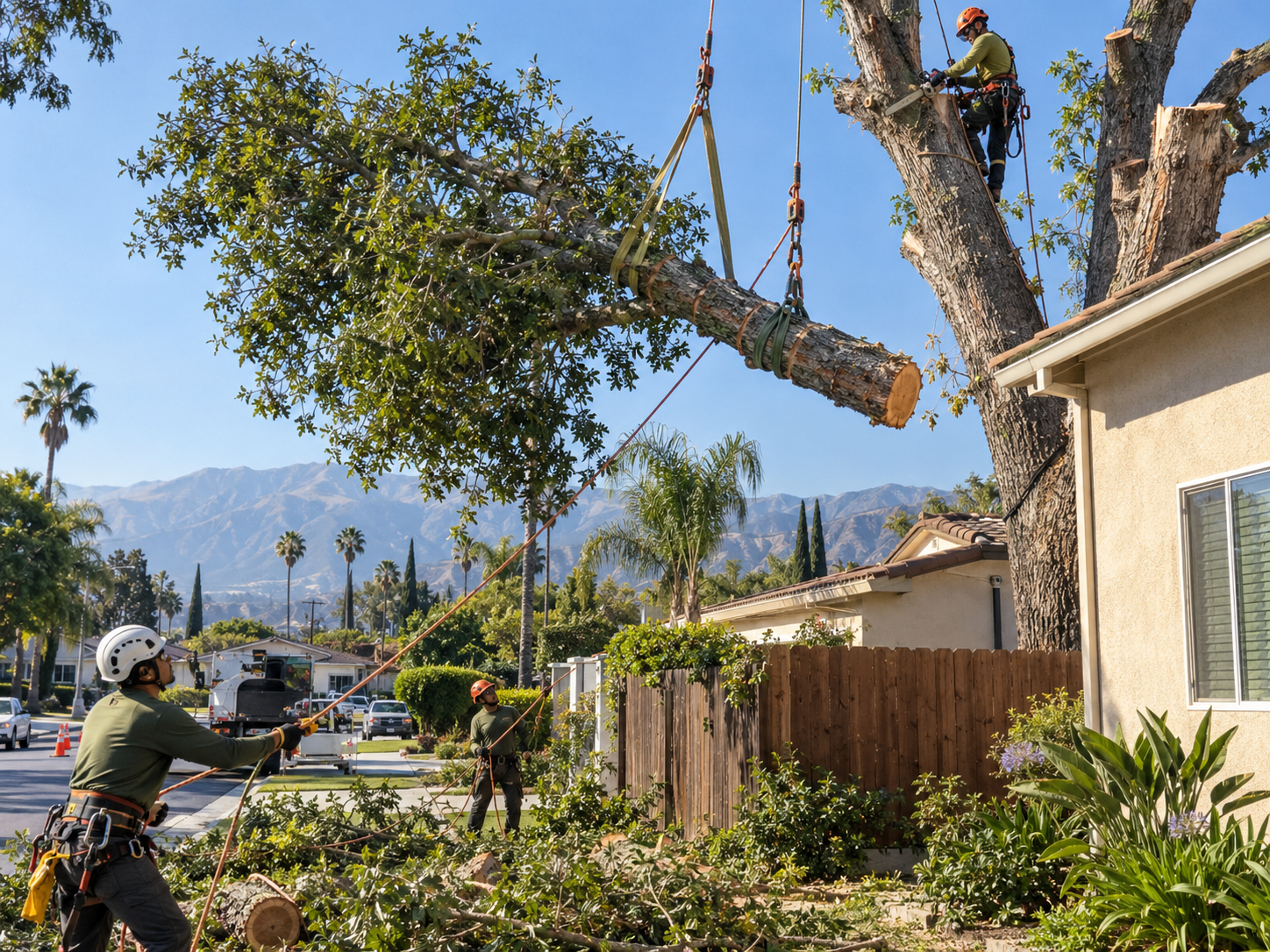
While strategic pruning can often save a deteriorating tree, certain situations require more decisive action. Recognizing the difference between a salvageable specimen and a distinct liability is a crucial aspect of property management in West Covina. When decay extends deep into the central trunk, or when root rot compromises the underground anchor system, pruning alone cannot solve the problem. In these high-risk scenarios, professional tree removal becomes a necessary step to protect your home, your foundation, and your family.
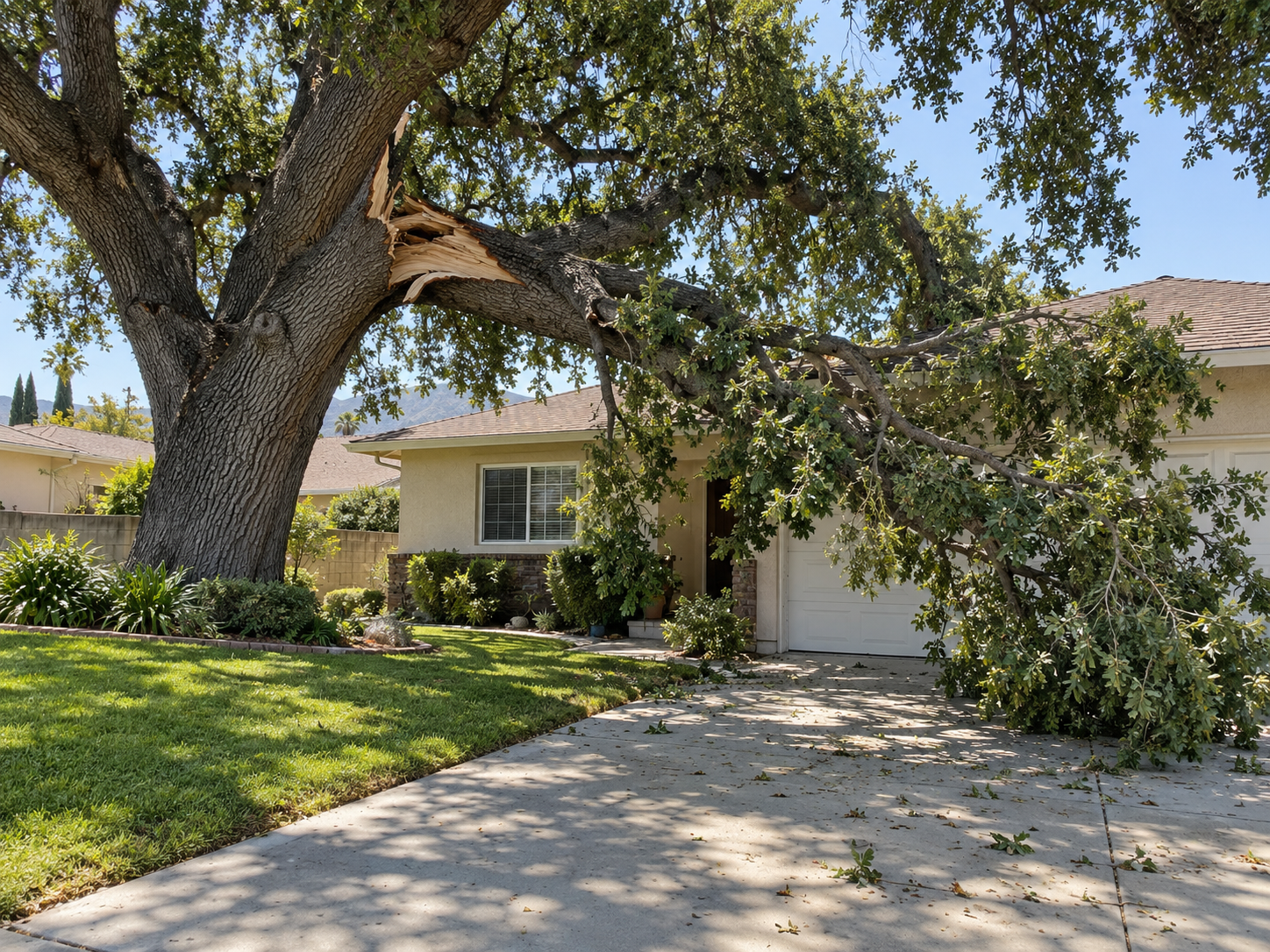
There are also times when nature forces an immediate response. High winds and heavy rains common in Southern California storm systems can fracture massive limbs or uproot established trees entirely. When a tree fails structurally and threatens your property, you need a rapid, highly coordinated response. Our crews are trained to handle dangerous, high-stakes extractions safely through our dedicated emergency tree removal protocol.
Integrating Trimming into Broad Landscape Management
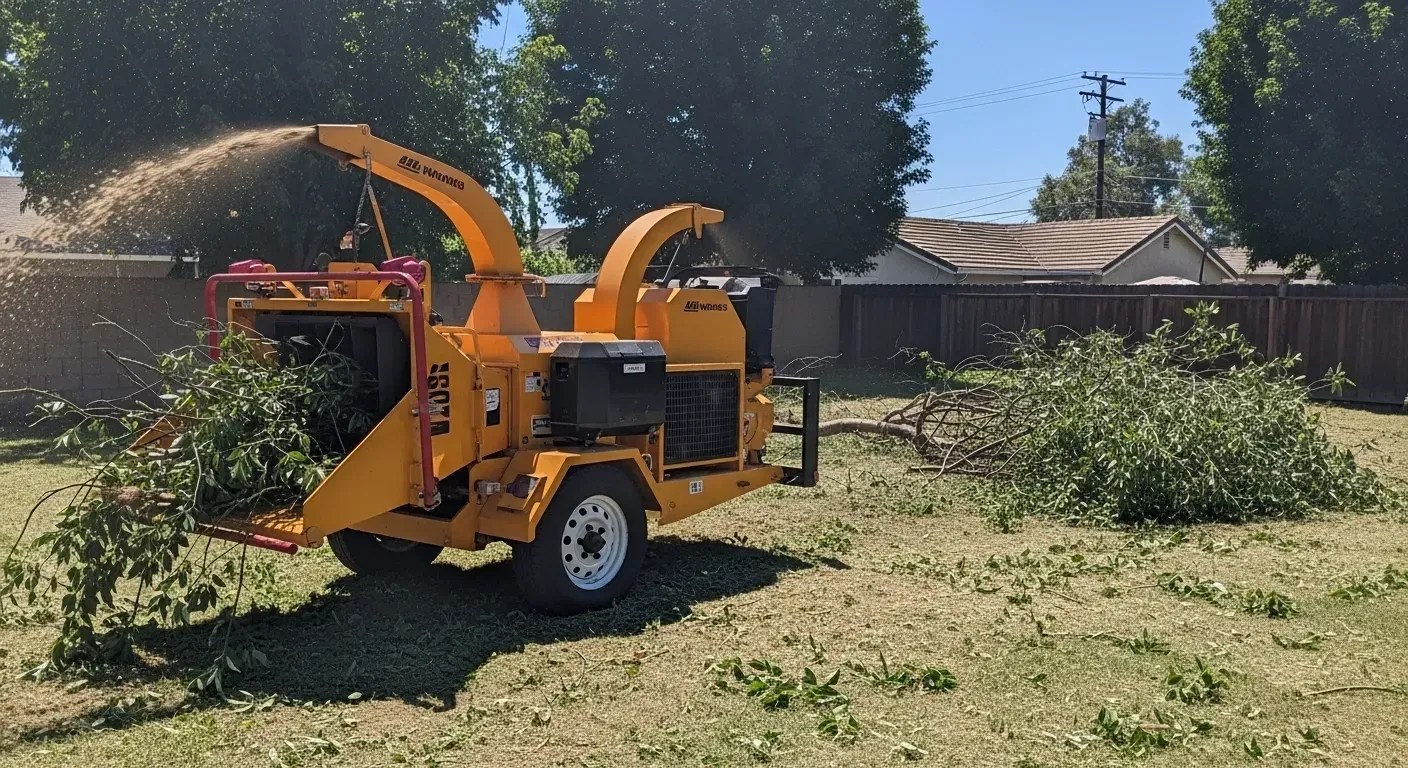
Tree pruning does not happen in a vacuum. The health of your canopy is directly tied to the health of your topsoil, your irrigation schedule, and the surrounding ground cover. Proper maintenance requires a holistic view of the entire property. When we manage your trees, we also consider how the altered shade patterns will affect your lawn or garden beds below. Dropping large volumes of organic material back into the yard can also impact soil chemistry if not managed correctly.
For a deeper understanding of how canopy care fits into your overall property strategy, review our recent insights on strategic yard cleanup and landscape management for West Covina properties.
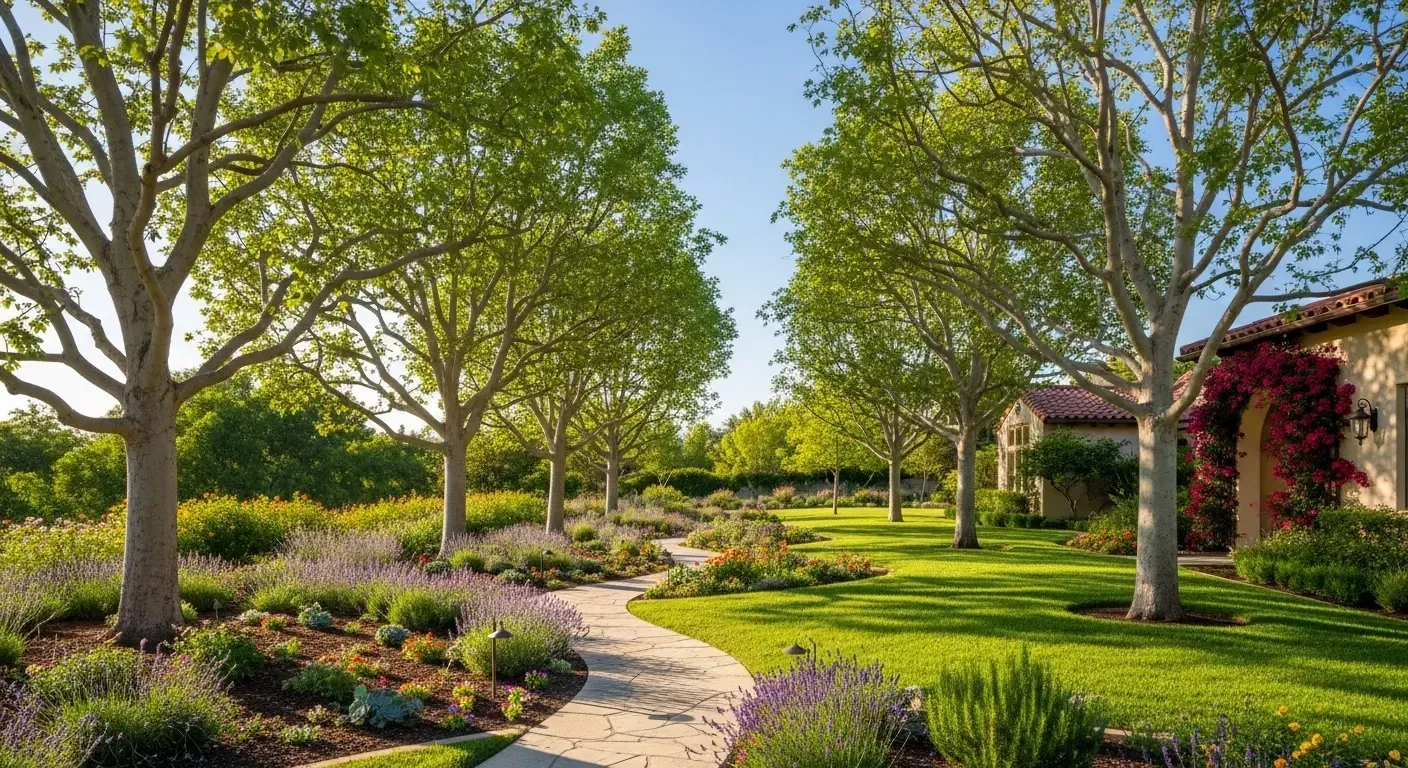
The ultimate goal is to create a symbiotic environment where every element of your landscape supports the others. Properly pruned trees cast dappled shade. This cooling effect lowers the ground temperature, reduces soil moisture evaporation, and protects sensitive understory plants from the intense Southern California sun.
Partnering with Your Local Arborists
Effective tree maintenance is a long-term investment in your property's value and safety. It requires regular visual inspections, a deep understanding of regional pest pressures, and proactive care. The certified experts at West Covina Tree are ready to evaluate your canopy, identify potential structural flaws, and develop a customized pruning plan tailored to your specific landscape goals. Do not wait for a heavy branch to fail before seeking professional guidance. To schedule a comprehensive assessment or to discuss your upcoming landscape projects, visit our Contact Us page today.
Frequently Asked Questions
How often should I trim the trees on my property?
Most mature trees benefit from a thorough professional inspection and selective pruning every three to five years. However, young trees might require structural pruning annually to establish a strong, balanced branch framework. Fast-growing species or fruit-bearing trees may also need yearly attention to maximize yield and control aggressive vegetative growth.
What is the best time of year to prune trees in Southern California?
The optimal time depends heavily on the specific tree species. Deciduous trees are best pruned during their dormant season in late winter. This timing minimizes sap loss and allows the tree to focus its energy on vigorous spring growth. However, dead, diseased, or hazardous branches should be removed immediately upon discovery, regardless of the current season.
Can severe pruning harm a mature tree?
Yes. Removing more than twenty-five percent of a tree's foliage in a single season can induce severe biological stress. This aggressive practice starves the tree by removing its primary source of photosynthesis. Stressed trees are highly susceptible to pest infestations, sunburn on exposed bark, and wood-decaying fungi. Always rely on trained professionals who adhere strictly to industry-standard pruning guidelines.