Local Tree Regulations: Do You Need a Permit for Tree Removal?
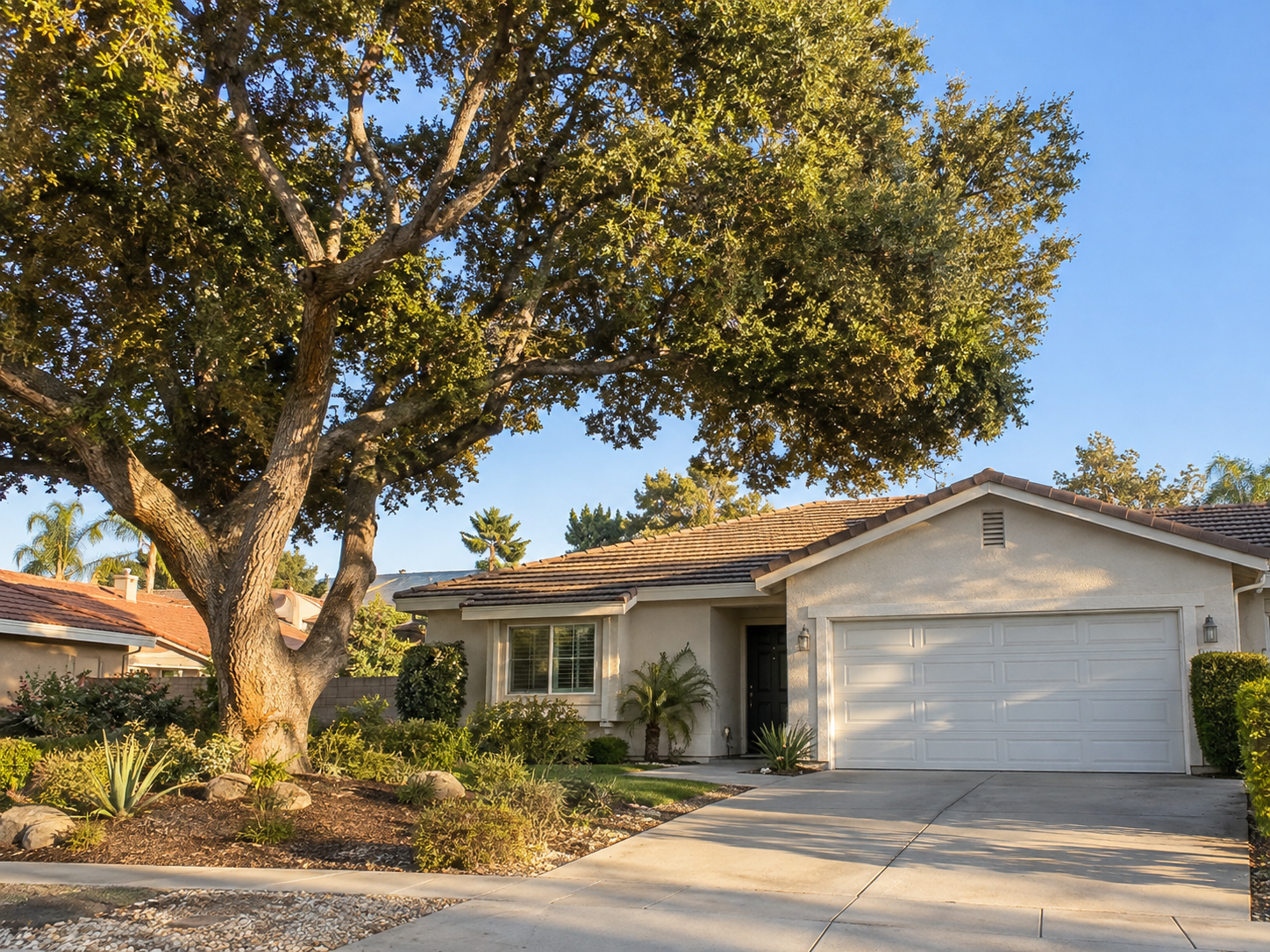
That old oak in your backyard has seen better days. Its branches are creeping a little too close to the roof, and you're starting to wonder if it’s time for it to go. Before you fire up the chainsaw, there's a crucial question you need to ask: "Do I need a permit to remove this tree?" For homeowners in West Covina, CA, and across California, the answer isn't always a simple yes or no. Navigating local tree ordinances can be complex, but it's a critical step to avoid hefty fines and potential legal trouble.
Here at Tree Service Perfection, we believe in doing things right. That means understanding and respecting the local regulations that protect our beautiful urban forest. This guide will walk you through the key factors that determine whether you'll need a permit for tree removal.
Why Do Tree Removal Regulations Exist?
You might think, "It's my property, so it should be my decision." While that's understandable, tree ordinances serve a vital community purpose. Cities enact these rules to preserve the aesthetic beauty of neighborhoods, maintain property values, and protect the environment. Trees are essential for air quality, erosion control, and providing shade that helps conserve energy. Regulations ensure that the removal of significant trees is a carefully considered decision, balancing homeowner needs with the well-being of the community and ecosystem.
Key Factors Determining the Need for a Permit
Whether or not you need a permit often comes down to a few specific details about the tree in question. While regulations vary from city to city, here are the most common factors officials consider:
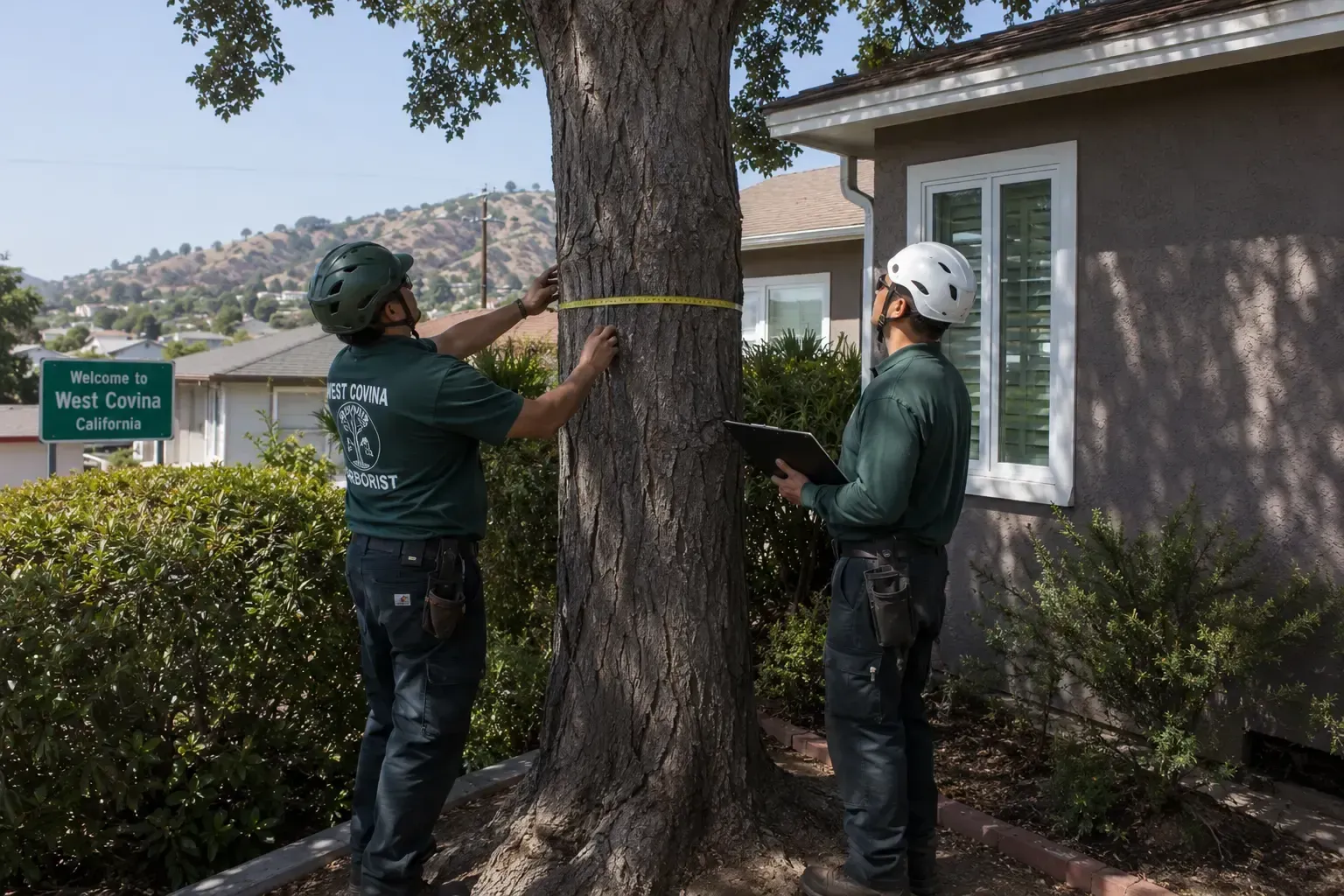
- Tree Size (Diameter): Many ordinances are triggered by the size of the tree's trunk. For instance, in West Covina, a permit is required to remove a tree with a trunk that is at least one foot in diameter when located in a front or side yard facing the street.
- Species: Certain tree species receive special protection due to their ecological or historical significance. In California, native species like oaks, Western Sycamores, and California Bay trees are often protected. Removing one of these, regardless of its size on your private property, will almost certainly require a permit.
- Location: The rules can change depending on where the tree is located on your property. Trees in the front yard, for example, are often more strictly regulated than those in the backyard. Furthermore, any tree located on public property or right-of-ways requires city approval for removal or even significant pruning.
- "Heritage" or "Significant" Trees: Some trees are designated as "Heritage," "Landmark," or "Significant" due to their age, size, or historical importance. These trees have the highest level of protection, and obtaining a permit for their removal can be a rigorous process, sometimes requiring a public notice period. You can learn more about these special designations through resources like the California Releaf network, which promotes the protection of urban forests.
The Consequences of Ignoring the Law
Choosing to bypass the permit process can be a costly mistake. Municipalities take their tree ordinances seriously, and the penalties for unauthorized removal can be severe. Fines can range from hundreds to thousands of dollars per tree. In some egregious cases, fines have reached hundreds of thousands of dollars. In West Covina, violators may face fines up to $1,000 or even imprisonment. It's a significant risk that far outweighs the cost and effort of securing the proper permits.
What About Dead or Dangerous Trees?
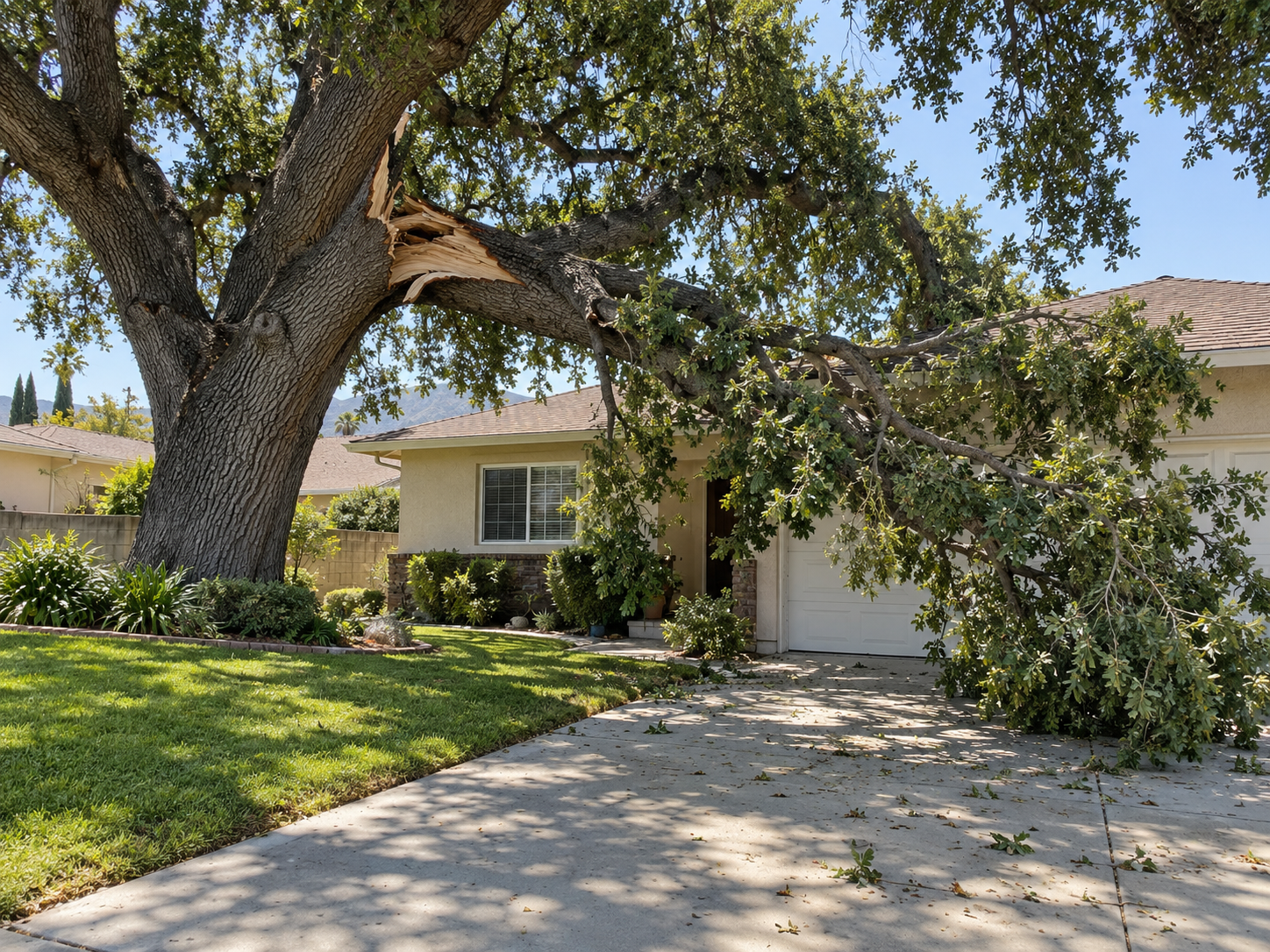
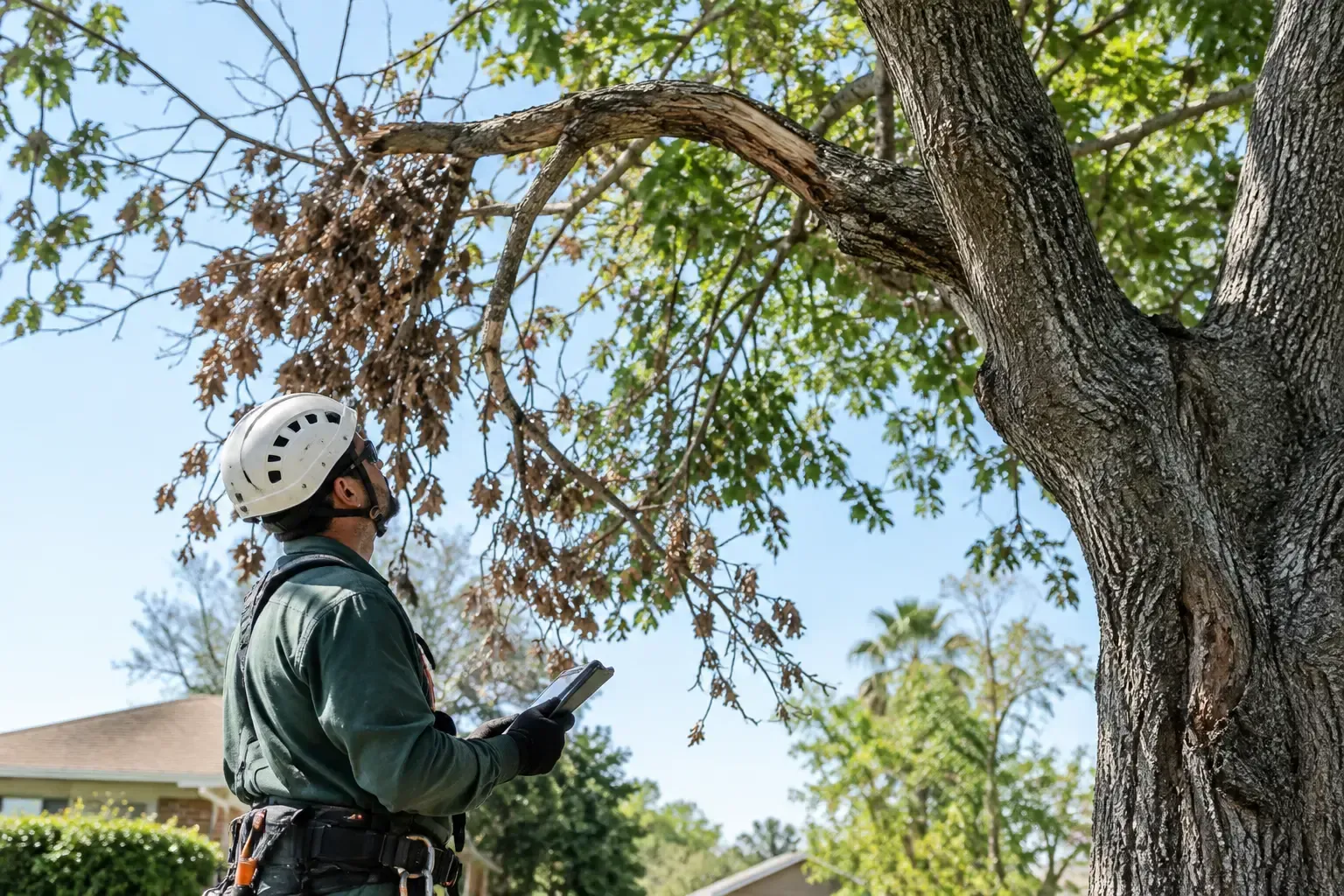
Most cities have provisions for trees that pose an immediate threat to safety or property. If a tree is dead, dying, or has become hazardous due to a storm, the permit process is often expedited or may not be required for emergency removal. However, it's crucial to document the condition of the tree with photographs before removal and to notify the city planning department afterward to ensure you remain in compliance. A professional evaluation from a certified arborist can provide the necessary documentation to support an emergency removal claim.
How to Navigate the Permit Process
If you've determined a permit is likely necessary, the first step is to contact your local city planning or urban forestry department. For those in our area, the West Covina Planning Division is the place to start. They can provide the specific application forms and details required. Generally, you'll need to provide:
- A completed application form.
- A site plan showing the tree's location.
- Photographs of the tree.
- Sometimes, a report from a certified arborist is required, especially for protected or large trees.
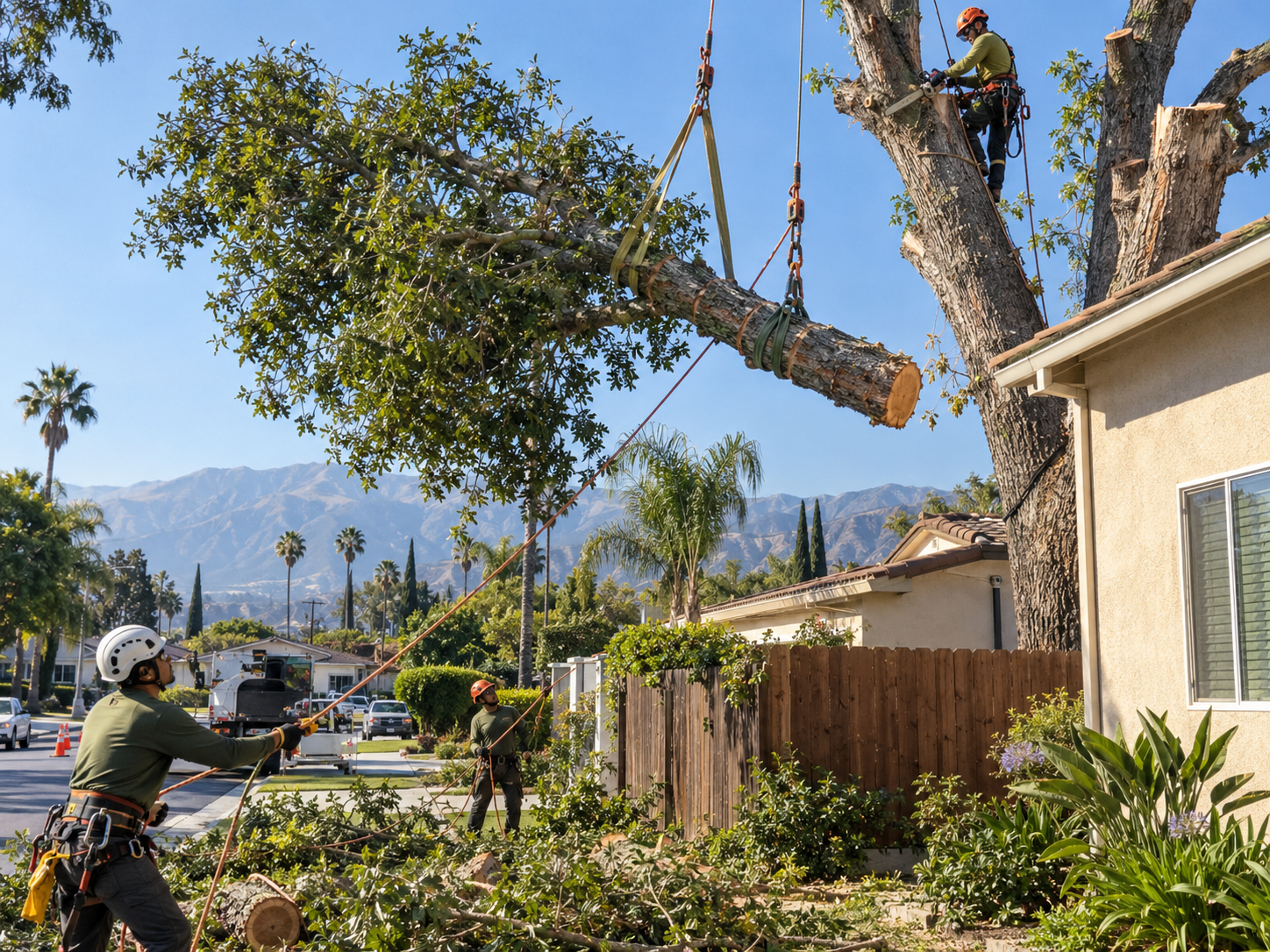
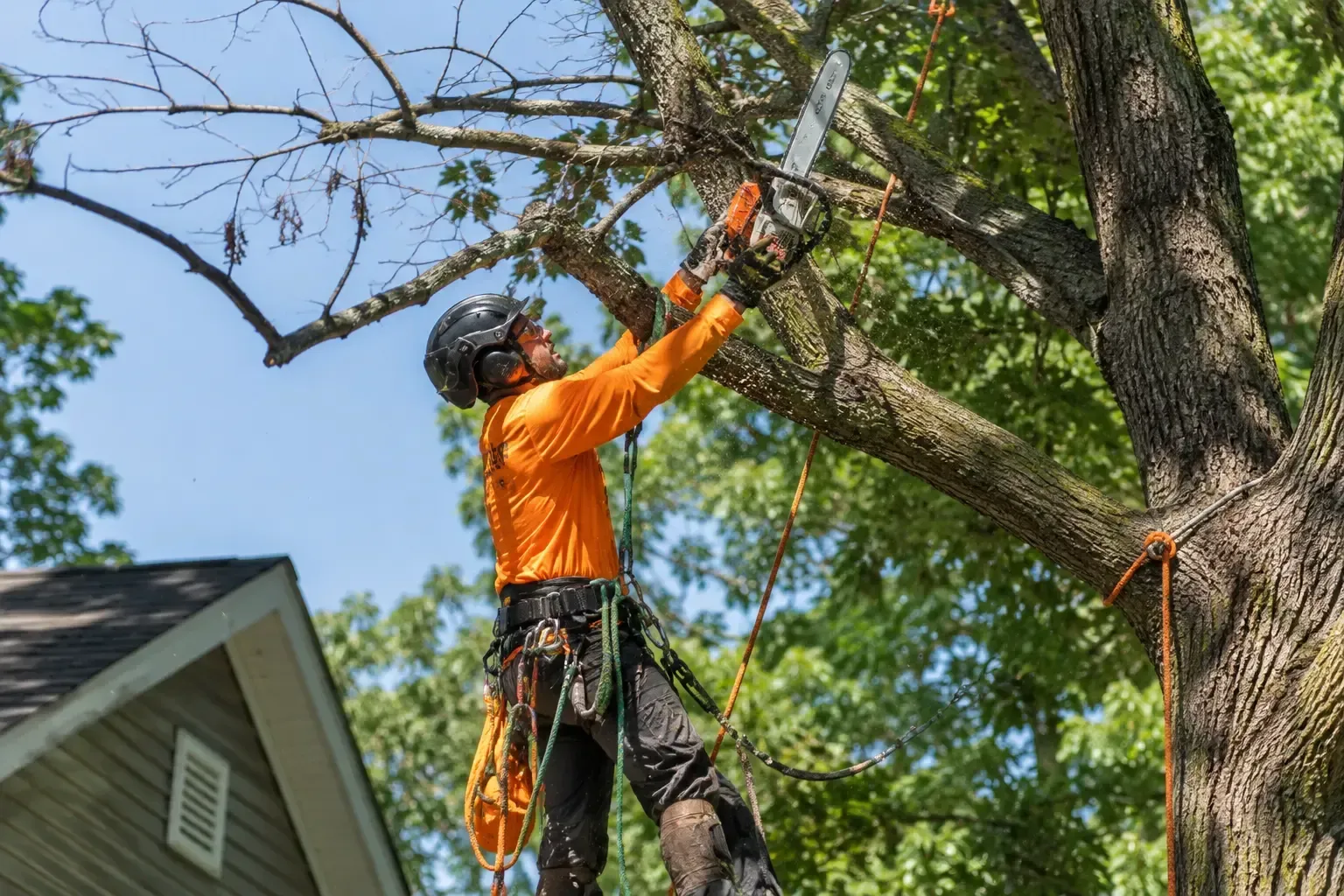
The process can seem daunting, but it doesn't have to be. This is where a professional tree service can be invaluable. At Tree Service Perfection, we have the experience to guide you through the permitting process, ensuring all paperwork is filed correctly and that the removal is performed safely and in full compliance with local laws.
Don't let a tree become a source of stress. Whether you need help assessing its health, navigating city permits, or safely removing it, our team is here to help. Contact Tree Service Perfection today at 909-362-8885 for a consultation and let our experts handle the hard work for you.
Frequently Asked Questions
What happens if I remove a tree without a permit?
Removing a protected tree without the proper authorization can lead to significant penalties. These can include fines ranging from $500 to over $10,000 per tree, and in some cases, you may be required to replace the tree or even face misdemeanor charges.
Are there any trees I can remove without a permit?
Generally, you may not need a permit for small, non-protected trees on your private property. However, the definition of "small" and "non-protected" varies by city. It is always best to check your local municipal code or consult with a certified arborist before proceeding with any tree removal. For example, the Trees Are Good website offers valuable information on proper tree care and may help identify if your tree is a common protected species.
Does a dead tree still need a permit for removal?
In most cases, if a tree is clearly dead or poses an immediate hazard to property or safety, a permit may not be required for its removal, or an emergency permit can be issued quickly. However, you will likely need to provide evidence, such as photos or a report from an arborist, and notify the city after the fact.