Can Tree Roots Damage Your Driveway or Foundation in West Covina, California?
Key Takeaways and Insights
Tree roots possess the natural strength to lift driveways and seriously compromise structural foundations, especially in West Covina's expansive clay soils. Property owners must remain vigilant by checking for uneven concrete, sticking doors, and other signs of uneven soil settlement. Professional intervention is critical to safely manage root pruning or safely remove hazardous trees without causing further property damage.
* Direct root pressure can easily lift concrete, while indirect soil moisture loss causes severe foundation settling.
* Fast-growing species like Ficus and Eucalyptus carry a much higher risk for structural damage.
* Physical root barriers and professional root pruning are effective ways to prevent catastrophic repair bills.
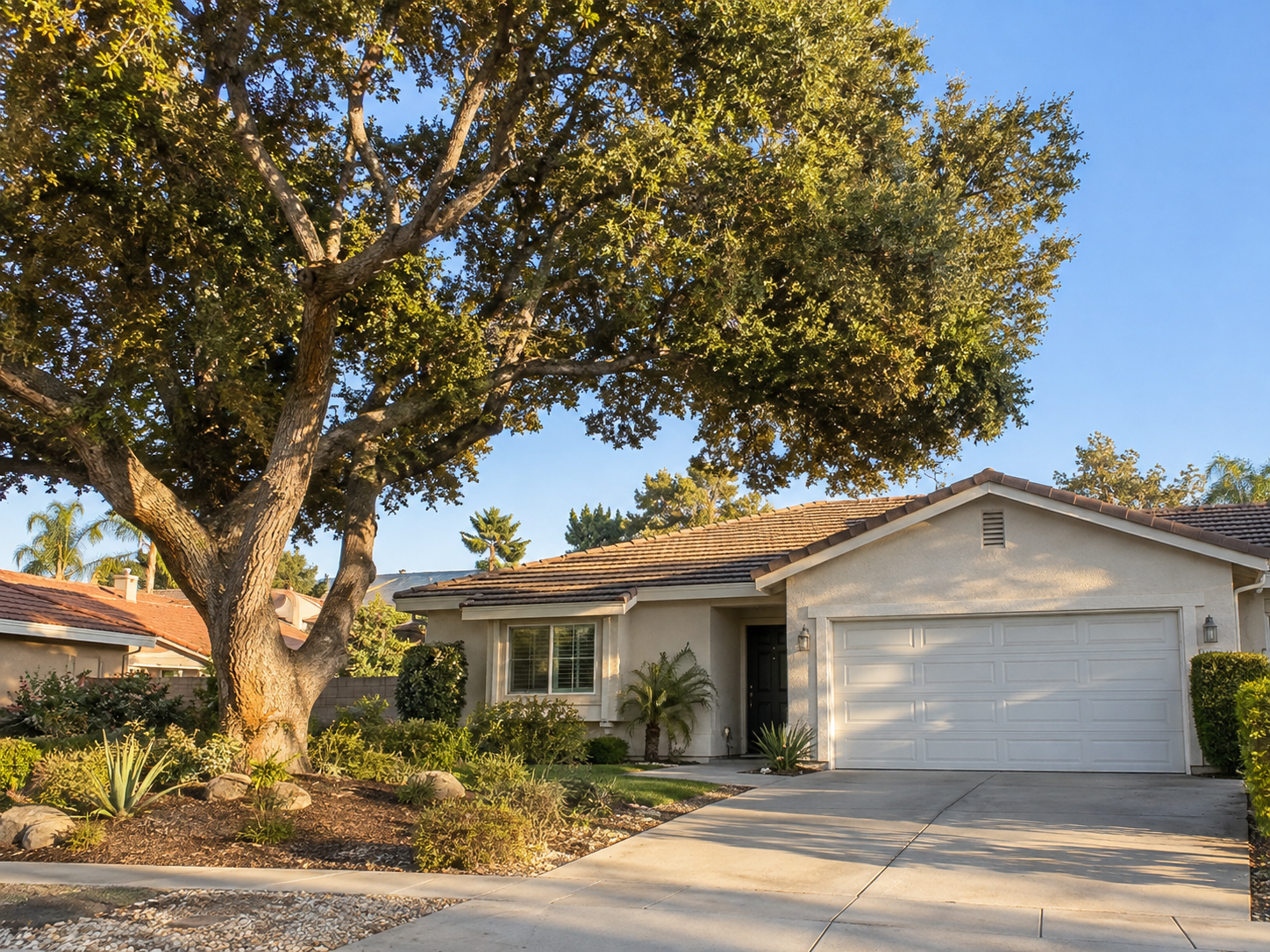
Mature trees add massive value to any property. They provide vital shade during hot Southern California summers. They also improve curb appeal and air quality. However, large trees come with expansive underground networks. Property owners often worry about these hidden systems. You might wonder if growing roots threaten your home.
The short answer is yes. Tree roots absolutely have the power to lift concrete. They can crack paved driveways and disrupt solid foundations. Understanding how this happens is crucial for homeowners. Catching the problem early saves significant money. It also protects your overall property value. Let us examine exactly how roots interact with man-made structures.
The Mechanics of Root Growth and Concrete Damage
Tree roots are incredibly opportunistic. They constantly search for three things in the soil. They need water, oxygen, and essential nutrients. Roots do not intentionally attack solid concrete. They simply follow paths of least resistance.
Moisture naturally accumulates underneath driveways and concrete slabs. Condensation gathers in the cool, dark soil below these structures. Roots sense this available moisture. They naturally migrate toward the water source. As roots grow thicker, they exert massive upward pressure.
| Tree Species | Root System Type | Damage Risk Level | Safe Planting Distance |
|---|---|---|---|
| Ficus (Fig Trees) | Aggressive, shallow, sprawling | Very High | Minimum 30 feet from structures |
| Eucalyptus | Expansive, water-seeking | High | Minimum 25 feet from structures |
| Southern Oak | Deep taproot with thick laterals | Moderate | Minimum 20 feet from structures |
| Crape Myrtle | Fibrous, compact, non-invasive | Low | 5 to 10 feet from structures |
| Magnolia | Shallow, wide-spreading | Moderate | Minimum 15 feet from structures |
It is highly recommended to consult experts before planting. You can reach out to Tree Service West Covina to schedule an evaluation of your landscape layout.
Recognizing the Early Warning Signs
Detecting root interference early prevents catastrophic repair bills. Property owners should perform regular visual inspections. Walk around your property and look for these warning signs.
First, check your concrete driveways and walkways. Look for new, unexplained surface cracks. Note any sections of concrete that appear elevated. Uneven paving stones are a primary indicator of shallow root activity.
Next, inspect the foundation walls of your house. Look for vertical or diagonal cracks in the exterior stucco. Pay close attention to the base of the walls. Check for gaps between the soil and the concrete foundation.
Inside your home, watch for subtle changes. Doors that suddenly stick are a huge red flag. Windows that become difficult to slide indicate structural shifting. You might also notice sloped or uneven interior floors.
Plumbing issues can also signal root problems. Roots frequently infiltrate aging sewer lines. They seek the rich water source inside the pipes. Frequent toilet backups or slow drains warrant immediate investigation.
Preventive Measures to Protect Your Home
Prevention is always more cost-effective than structural repair. You can take proactive steps to manage existing trees. You can also plan carefully for new landscaping projects.
Deep watering is an excellent preventive strategy. Many homeowners rely strictly on shallow lawn sprinklers. Shallow watering encourages trees to develop surface roots. Surface roots cause the most damage to driveways. Instead, utilize deep-root watering systems. Soak the ground thoroughly but infrequently. This trains the roots to grow downward rather than outward.
Installing physical root barriers is another highly effective method. Root barriers are thick plastic or metal panels. They are buried vertically into the ground. These panels deflect approaching roots downward. They force the roots to grow beneath your concrete structures. Barriers should be installed along the edges of driveways and foundations.
Strategic pruning also helps manage root expansion. The size of the root system mirrors the canopy size. Keeping a tree properly trimmed reduces its overall water demand. Slower water consumption leads to slower root growth.
Professional Tree Services for Root Management
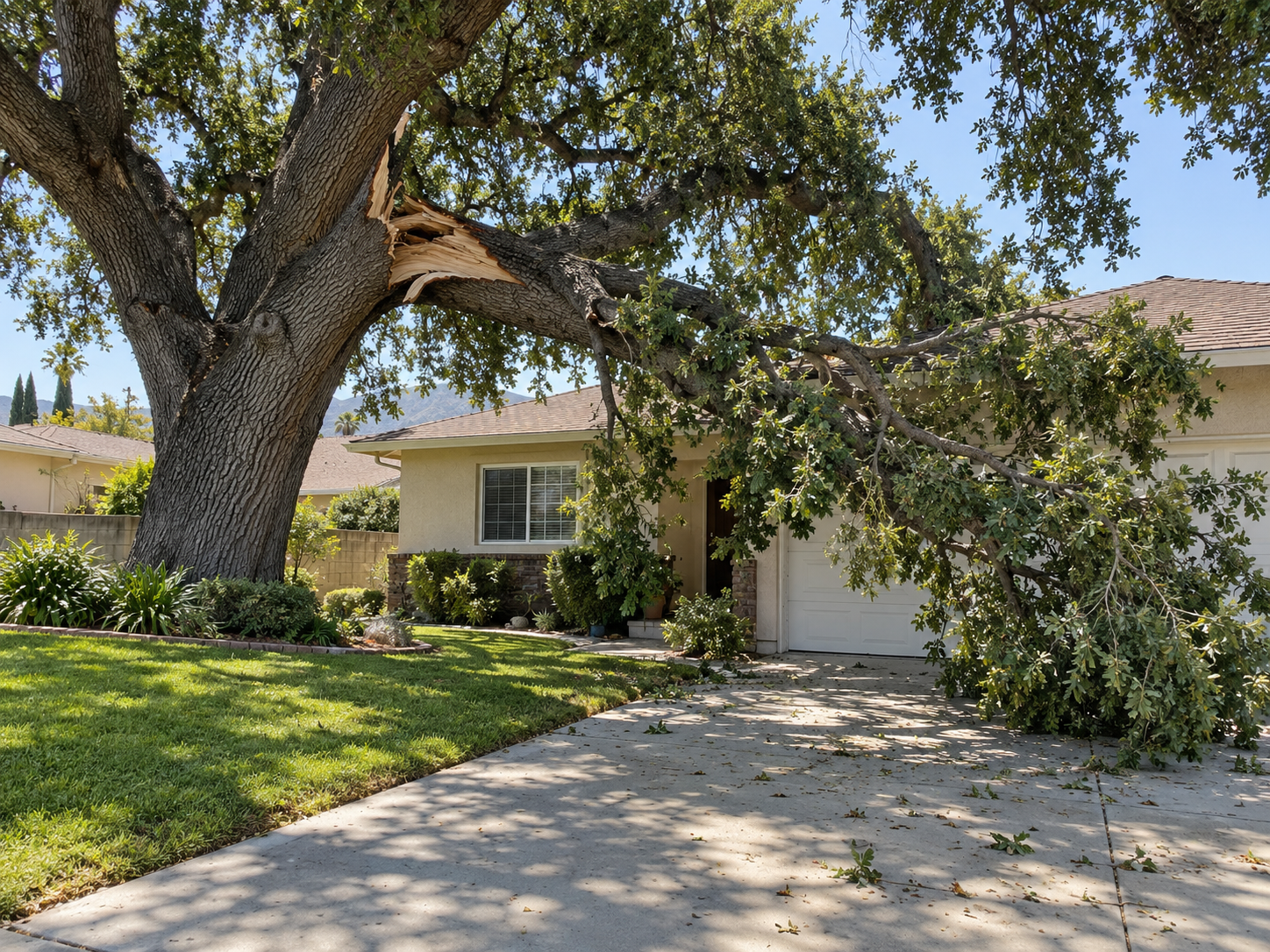
Handling aggressive roots requires specific expertise. Cutting large roots haphazardly is highly dangerous. It can severely compromise the stability of the entire tree. A destabilized tree may fall during the next strong windstorm.
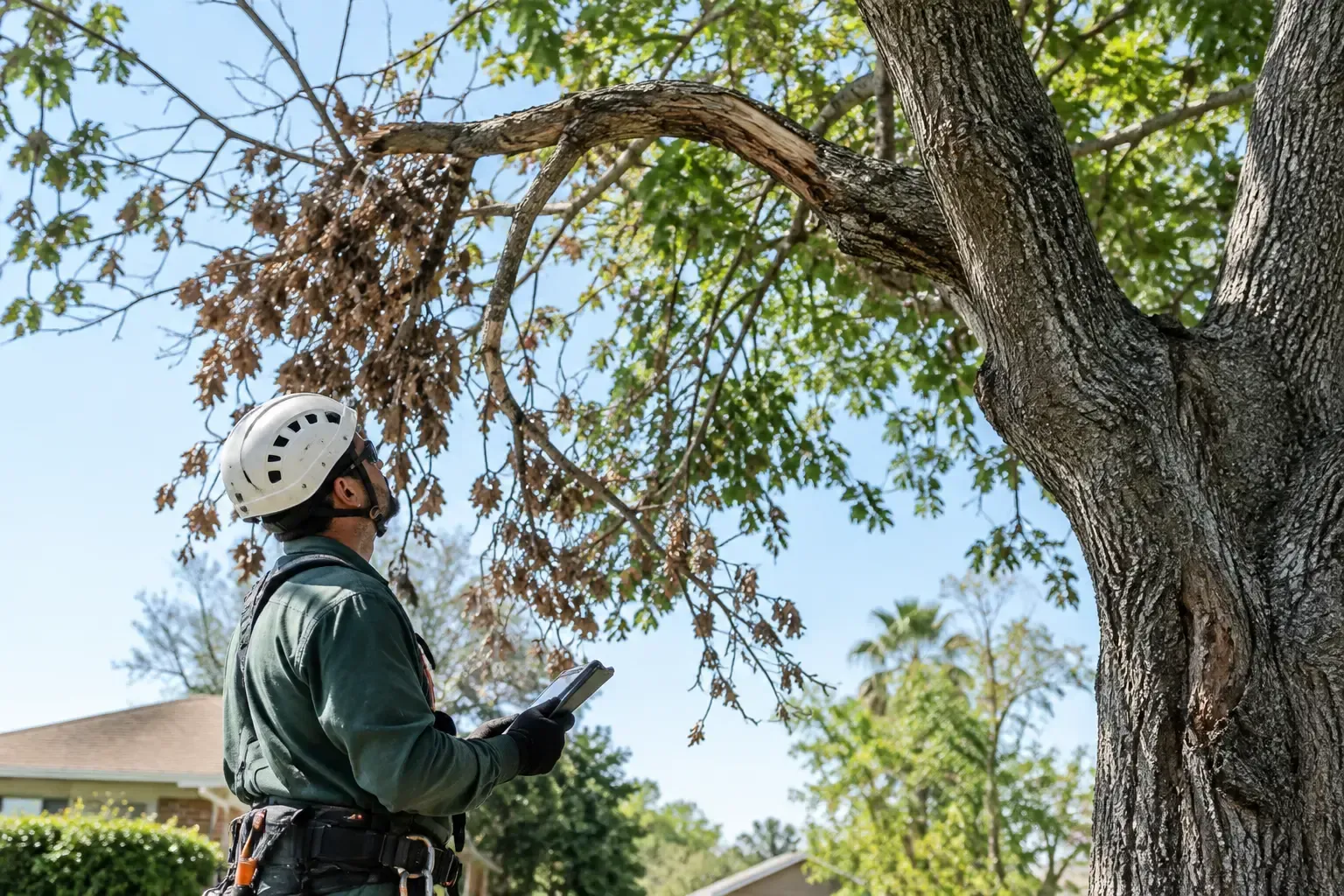
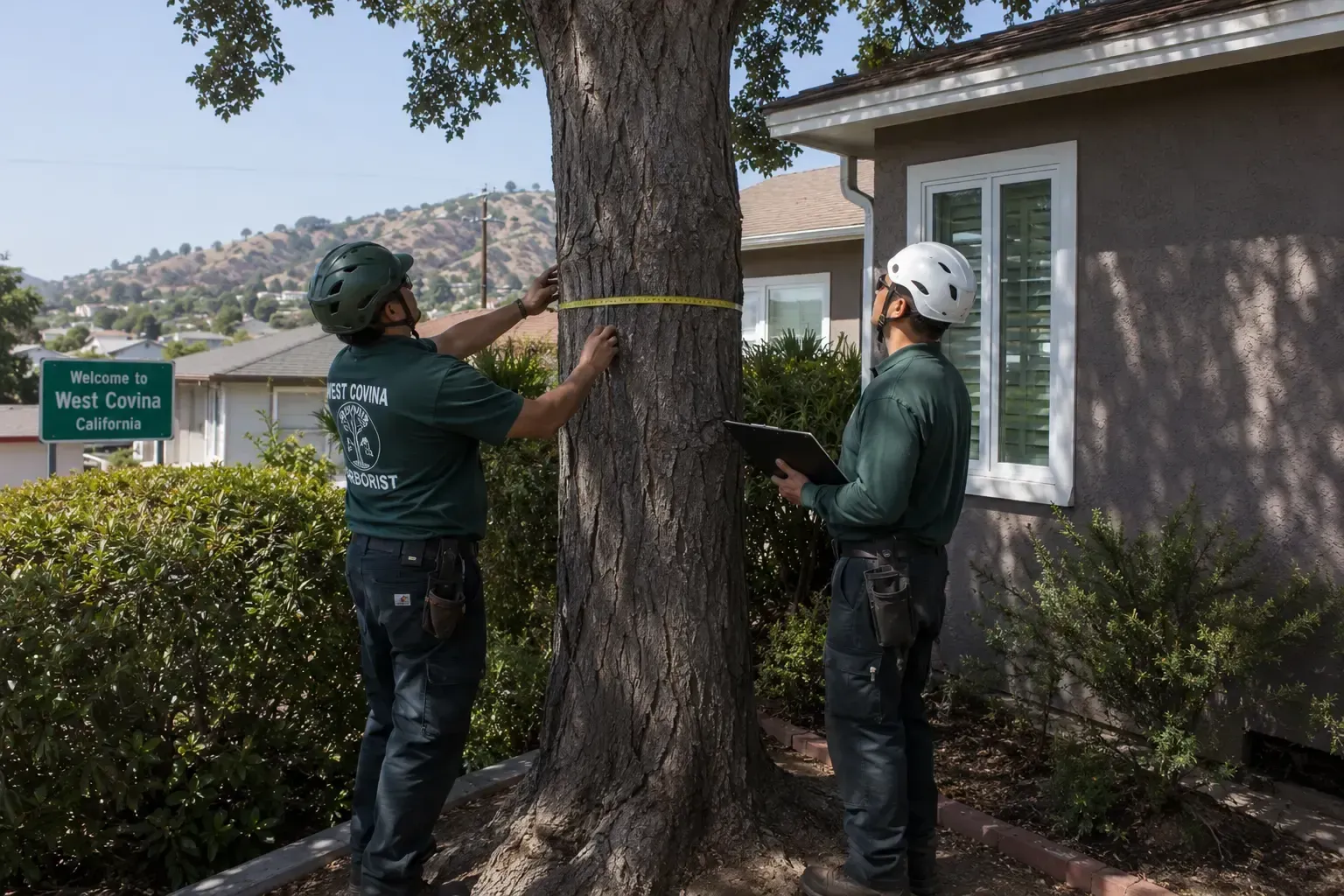
Professional tree care provides safe, lasting solutions. Arborists understand exactly which roots can be safely severed. They evaluate the health of the specimen before making any cuts. Root pruning must be done with precision tools. Clean cuts prevent disease from entering the root system.
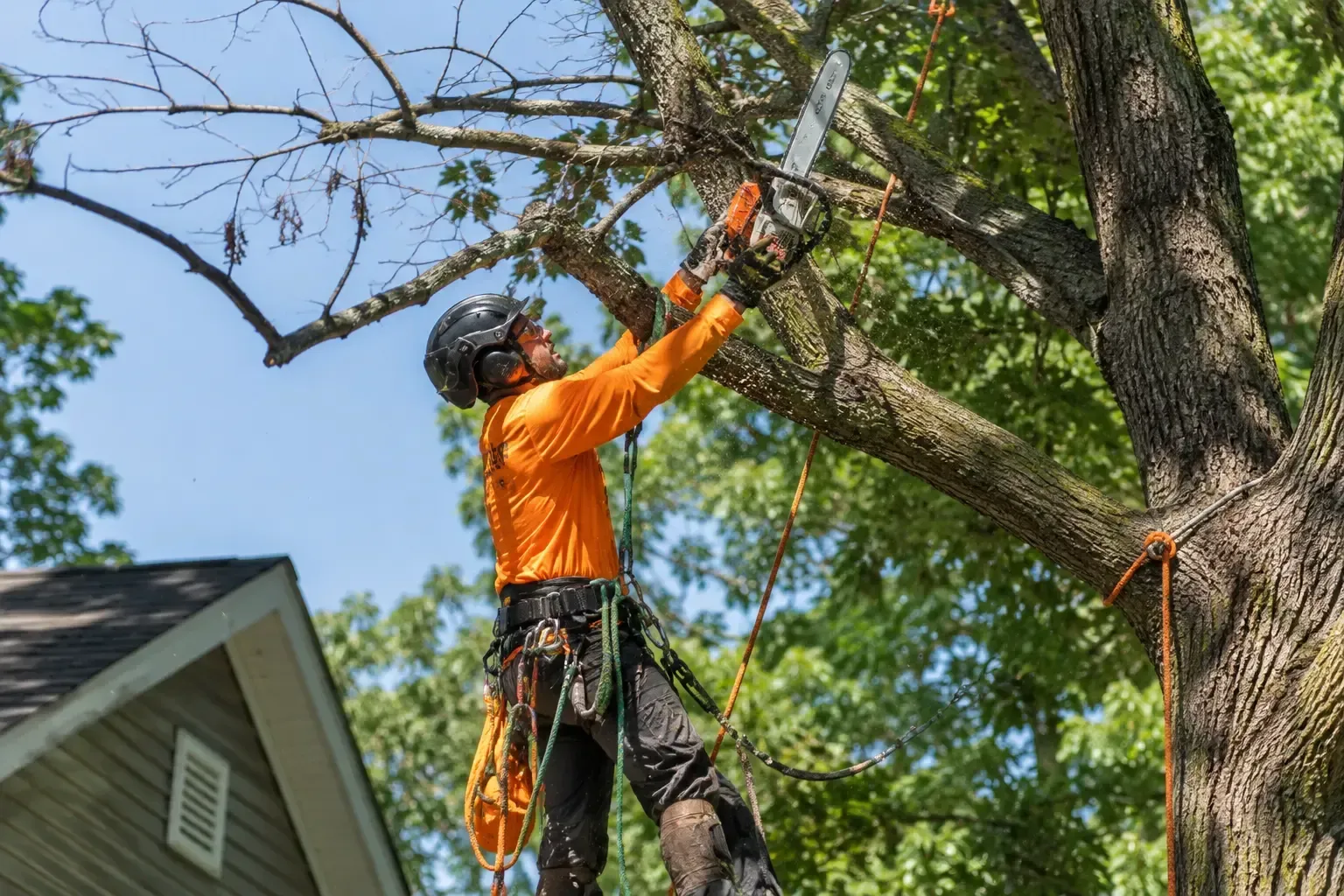
Sometimes, mitigation efforts are simply not enough. A mature tree planted too close to a house is a permanent liability. In these specific cases, removal becomes the only logical option. Professional teams possess the equipment to dismantle large trees safely. If you suspect a tree is threatening your home, professional hazardous tree removal is highly recommended.
Stump grinding is also a necessary final step. Leaving a stump in the ground allows roots to continue growing. Certain tree species will send up new shoots from a cut stump. Grinding the stump destroys the central root crown. This permanently stops any further subterranean expansion.
Maintaining Property Value in Southern California
Balancing beautiful landscaping with structural integrity is very achievable. It just requires careful planning and regular maintenance. Ignore early warning signs at your own peril. Small concrete cracks quickly escalate into major foundation failures.
Understanding your soil type gives you an advantage. Recognizing the behavior of aggressive tree species protects your investments. Remember to monitor your concrete surfaces regularly. Take note of sticking doors or plumbing backups.
Proactive management keeps your property safe and valuable. Address potential hazards before they cause severe damage. Always consult with certified experts for significant landscaping changes. For personalized advice and local expertise, we invite you to schedule a consultation with our team. Our professionals are ready to help you secure your property.
Frequently Asked Questions
Can cutting tree roots kill the tree?
Yes, severing major structural roots can easily kill a tree. Roots transport vital nutrients and anchor the tree to the ground. Cutting the wrong roots creates a massive falling hazard. Only qualified professionals should attempt targeted root pruning.
Does homeowners insurance cover foundation damage from roots?
Standard homeowners insurance policies rarely cover tree root damage. Insurance typically covers sudden, accidental events like storms or fires. Root growth is considered a preventable maintenance issue. Homeowners are expected to manage slow-growing hazards proactively.
How deep should a root barrier be installed?
A standard root barrier should be at least 24 to 36 inches deep. The barrier must extend above the soil line by one or two inches. This prevents roots from simply growing over the top of the barrier. Proper installation ensures maximum deflection away from foundations.